
What Is a Gun Compensator and Why It Matters

What Is a Gun Compensator often pops up during conversations about recoil, accuracy, and smoother shooting control. Plenty of people hear the term tossed around at the range, yet the actual purpose still feels a little fuzzy. A compensator attaches to the barrel and redirects gases upward or sideways to help reduce muzzle movement after firing. That might sound simple on paper, but out in the real world, the difference can feel surprisingly noticeable, especially during faster shooting sessions.
Heavy recoil has a nasty habit of throwing off rhythm and confidence. One rough shot can turn a steady shooting experience into a shaky mess, particularly during repeated follow-up shots. That’s where muzzle control becomes a big deal. A properly designed compensator helps keep the barrel flatter, which means sights stay closer to the target instead of jumping skyward after every trigger pull.
Some setups work brilliantly for competitive shooting, while others focus more on practical control during training sessions. Not every compensator behaves the same way either. Larger ports may reduce muzzle rise more aggressively, but they can also increase side blast and noise. Smaller designs usually feel less obnoxious indoors, though they might not tame recoil quite as dramatically.
Noise is one thing many people don’t expect. Wow, some compensators can sound downright fierce from nearby shooting lanes. Redirecting gas changes the shooting experience for everyone standing around, not just the shooter behind the firearm. Indoor ranges especially make that pressure wave feel sharper, so ear protection suddenly becomes even more important than usual.
Weight and balance also shift once a compensator gets installed. Some firearms end up feeling steadier because the extra front-end weight softens movement during firing. Others may feel slightly nose-heavy, which isn’t everybody’s cup of tea. Small tradeoffs like that matter because comfort affects consistency over long practice sessions.
Maintenance deserves attention too. Carbon buildup can collect around the ports fairly quickly after repeated firing. Ignoring that grime for too long may affect performance or make cleaning a frustrating chore later on. Regular maintenance keeps the compensator functioning properly and helps preserve reliable gas flow.
Style definitely plays a role as well, even if people don’t always admit it out loud. Some shooters enjoy the aggressive appearance compensators add to a firearm, while others care purely about recoil reduction. Either way, recoil management, faster sight recovery, and improved shooting rhythm remain the core reasons compensators continue gaining attention across modern firearm setups.
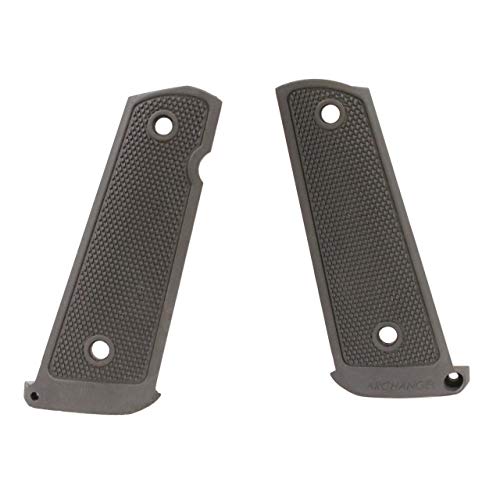
- ARS Mark-
ARS Mark is a ranking system developed by bestairriflescopes.com. ARS Mark has no relationship or impact from any manufacturers or sales agent websites. Learn more
- BrandProMag

- ARS Mark9.2
ARS Mark is a ranking system developed by bestairriflescopes.com. ARS Mark has no relationship or impact from any manufacturers or sales agent websites. Learn more
- BrandDPMS
- ARS Mark9.2
ARS Mark is a ranking system developed by bestairriflescopes.com. ARS Mark has no relationship or impact from any manufacturers or sales agent websites. Learn more
- BrandGRWOLF

- ARS Mark9.2
ARS Mark is a ranking system developed by bestairriflescopes.com. ARS Mark has no relationship or impact from any manufacturers or sales agent websites. Learn more
- BrandHiawbon

- ARS Mark9.0
ARS Mark is a ranking system developed by bestairriflescopes.com. ARS Mark has no relationship or impact from any manufacturers or sales agent websites. Learn more
- BrandGamo
- ARS Mark9.0
ARS Mark is a ranking system developed by bestairriflescopes.com. ARS Mark has no relationship or impact from any manufacturers or sales agent websites. Learn more
- BrandUmarex
- ARS Mark8.8
ARS Mark is a ranking system developed by bestairriflescopes.com. ARS Mark has no relationship or impact from any manufacturers or sales agent websites. Learn more
- BrandDaisy

- ARS Mark8.8
ARS Mark is a ranking system developed by bestairriflescopes.com. ARS Mark has no relationship or impact from any manufacturers or sales agent websites. Learn more
- BrandRUBY.Q
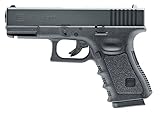
- ARS Mark8.8
ARS Mark is a ranking system developed by bestairriflescopes.com. ARS Mark has no relationship or impact from any manufacturers or sales agent websites. Learn more
- BrandUmarex

- ARS Mark8.4
ARS Mark is a ranking system developed by bestairriflescopes.com. ARS Mark has no relationship or impact from any manufacturers or sales agent websites. Learn more
- BrandBIGPOWER ELECTRIC
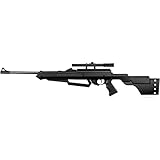
- ARS Mark8.4
ARS Mark is a ranking system developed by bestairriflescopes.com. ARS Mark has no relationship or impact from any manufacturers or sales agent websites. Learn more
- BrandBarra
Last update on 2026-06-13 / Affiliate links / Images, Product Titles, and Product Highlights from Amazon Product Advertising API
What Is A Gun Compensator
Sharp recoil catches plenty of shooters off guard, especially during rapid firing or long practice sessions. One second the sights look steady, then boom, the barrel jumps high enough to ruin the next shot. That frustration explains why what is a gun compensator has become such a common question among people trying to improve recoil control and faster follow-up shots. A compensator redirects expanding gas from the fired round, helping reduce muzzle rise so the firearm stays flatter during shooting.
Why Barrel Movement Frustrates Shooters
Fast shooting sounds exciting until the firearm starts bouncing around after every trigger pull. Recoil doesn't just push backward. The barrel also flips upward, which forces the shooter to constantly realign sights before firing again. That repeated correction burns time and energy, especially during training drills or competitive stages where every second matters.
Many people assume recoil only affects beginners, but experienced shooters complain about it too. Fatigue builds surprisingly fast during longer range sessions. Hands tighten up, grip consistency changes, and accuracy slowly starts slipping. A compensator helps soften that cycle by controlling how gases leave the barrel.
Some firearms naturally produce more muzzle rise than others. Compact pistols, shorter rifles, and lightweight builds tend to feel snappier because less weight absorbs the force. That sharp movement often makes shooting feel harsher than expected. A properly matched compensator can make those setups feel steadier without dramatically changing the firearm itself.
Indoor ranges magnify recoil frustration because noise and pressure bounce off nearby walls. One loud shot after another can make concentration disappear in a hurry. Reducing barrel movement creates a smoother shooting rhythm, which helps maintain confidence during practice. Plenty of shooters care less about flashy accessories and more about keeping shots controlled and repeatable.
How A Gun Compensator Actually Works
Hot gas escapes the barrel at high speed every time a round fires. A compensator redirects some of that gas upward or sideways through specially cut ports. That redirected pressure pushes against the natural upward movement of the barrel. The result feels flatter and easier to manage during repeated firing.
Different designs create different recoil characteristics. Some compensators use large top ports for aggressive muzzle rise reduction, while others combine side ports to soften rearward recoil too. Bigger isn't always better though. Large ports can create heavier side blast, which may feel obnoxious indoors or during close-range shooting.
Timing matters quite a bit with gas redirection. Gas escapes almost instantly after the bullet leaves the barrel, so the compensator reacts during a tiny fraction of a second. Even small design differences can noticeably change how the firearm behaves. That's why one model may feel smooth while another feels overly sharp or loud.
Weight also contributes to control. Many compensators add extra mass near the front of the firearm, which slightly reduces movement during recoil. That added stability feels helpful during rapid shooting strings. Some people love the steadier feel, while others dislike the heavier front-end balance after long sessions.
Why Competitive Shooters Use Compensators
Speed dominates competitive shooting sports. Tiny delays between shots can completely change rankings during timed stages. A compensator helps reduce sight movement, which allows faster target transitions and quicker follow-up shots. Keeping the sights closer to the target after firing often feels more important than raw recoil reduction alone.
Watching experienced competitors run compensated pistols looks almost unreal at first. The firearm barely seems to move during rapid firing. That's not magic or internet hype. Controlled gas redirection genuinely helps flatten recoil impulse, especially when paired with solid grip technique and practice.
Still, compensators aren't shortcuts for poor fundamentals. Weak grip pressure or inconsistent stance will still create sloppy shooting. Plenty of newer shooters expect an instant accuracy boost after installing one, then get disappointed when technique problems remain. Hardware helps, but mechanics matter just as much.
Noise becomes a tradeoff in competition setups. Aggressive compensators produce noticeable concussion, particularly for anyone standing nearby. Outdoor ranges usually handle that blast better than enclosed indoor spaces. Competitive shooters often accept the extra noise because the control benefits outweigh the annoyance.
Compensators On Pistols Vs Rifles
Pistol compensators and rifle compensators share the same basic goal, but they behave differently during firing. Pistols usually feel snappier because lighter frames transfer recoil more directly into the hands. Rifle setups spread recoil across the shoulder and body, which changes how compensators affect overall control.
Handgun compensators often target rapid sight recovery. Keeping the front sight steady during quick strings matters a lot for defensive drills and action shooting. Smaller pistol compensators may reduce muzzle rise modestly, while larger competition models create a noticeably flatter shooting experience.
Rifle compensators tend to focus more heavily on recoil impulse and stability. High-powered calibers produce substantial force, especially during repeated firing. Redirecting gas helps reduce shoulder fatigue and keeps optics steadier between shots. Some rifle shooters describe the feeling as more of a push than a violent snap.
Length and balance create different handling characteristics too. Adding a compensator extends the barrel slightly, which may affect storage or maneuverability in tight spaces. Heavier rifle compensators can shift balance forward enough to feel awkward for some users. That tradeoff matters during long shooting sessions or field use.
Common Tradeoffs People Notice First
Noise hits hard the first time many people shoot a compensated firearm. Gas redirects sideways and upward instead of moving straight ahead, so nearby shooters feel stronger concussion and sharper sound pressure. Indoor shooting lanes make that effect even more noticeable. Double ear protection suddenly feels like a smart move instead of overkill.
Flash can increase too, especially on shorter barrels. Some compensators create bright bursts near the ports during low-light shooting. That extra flash may not bother competition shooters outdoors, but it can feel distracting during nighttime practice. Ammunition choice also affects how dramatic the flash appears.
Cleaning becomes slightly more annoying after extended use. Carbon buildup collects around the ports fairly quickly, and neglected residue hardens over time. Scrubbing those areas takes patience, especially on designs with narrow openings or sharp internal cuts. Maintenance isn't difficult, but it definitely adds another chore.
Concealed carry setups sometimes become harder to manage with larger compensators installed. Extra length changes holster compatibility and comfort while sitting or moving around. Some shooters accept that tradeoff for improved control. Others prefer smaller compensators that reduce recoil modestly without making the firearm bulky.
How Ammo Changes Compensator Performance
Ammo choice affects compensator behavior more than many people realize. Hotter loads generate more gas pressure, which gives the compensator more force to work with during recoil. Lighter target loads may feel softer overall but produce less dramatic compensation effects. That difference surprises plenty of newer shooters during range testing.
Competition shooters often tune ammunition specifically for compensated firearms. Matching recoil impulse with compensator design creates a smoother shooting cycle and steadier sight tracking. Tiny adjustments in bullet weight or powder charge can noticeably change how the firearm behaves. The setup becomes more balanced once everything works together properly.
Cheap range ammunition sometimes burns dirtier than premium loads. That extra residue builds up inside compensator ports faster, especially during high-round-count practice days. Cleaning frequency increases if carbon starts restricting gas flow. Neglecting buildup long enough may reduce overall performance.
Subsonic ammunition behaves differently as well. Lower velocity loads usually create softer recoil but may not activate compensators as aggressively. Some shooters prefer that smoother impulse, while others want stronger gas pressure for flatter shooting. Preferences vary quite a bit depending on firearm type and intended use.
Mistakes People Make With Compensators
Many shooters buy the largest compensator available without considering practicality. Huge multi-port designs may reduce recoil effectively, but they can also create excessive blast and awkward handling. Bigger hardware doesn't automatically mean better shooting performance. Balance matters more than sheer size.
Thread compatibility gets overlooked surprisingly often. Installing the wrong thread pattern risks damaging both the barrel and compensator. Careful measurements matter because firearms use different threading standards depending on caliber and manufacturer. A rushed installation can become an expensive mistake.
Some people expect a compensator to eliminate recoil entirely. That's simply not realistic. Recoil still exists because the firearm must react to the fired round. A compensator helps manage movement, but proper grip strength and shooting mechanics still play major roles in accuracy and control.
Cheap construction materials create problems too. Weak metals wear faster under repeated heat and pressure exposure. Loose threading or poor machining may affect reliability during firing. Spending slightly more for solid manufacturing usually prevents headaches later on. Explore more firearm accessory comparisons through best peep sight for bow hunting setups that also prioritize sight stability and precision control.
Why Firearm Balance Changes Matter
Adding weight near the muzzle changes how a firearm feels during movement and target transitions. Some shooters immediately notice steadier tracking between shots because the front end feels more planted. Others dislike the heavier sensation after extended practice. Preferences usually depend on shooting style and firearm size.
Compact pistols often react more dramatically to added compensator weight. Lightweight slides cycle differently once extra mass enters the equation. Recoil springs may need adjustments in certain setups to maintain reliable cycling. Ignoring that balance can lead to feeding issues or inconsistent operation.
Rifles usually hide weight changes better because of their overall size. Even then, heavy steel compensators can make the front end feel sluggish during fast transitions. Lighter aluminum designs reduce that issue somewhat, though they may wear faster under hard use. Material choice becomes another tradeoff shooters have to consider.
Handling comfort matters more than flashy appearance. A firearm that feels awkward rarely gets used consistently, no matter how aggressive the compensator looks. Practical balance tends to improve confidence during training. That smoother handling often matters more than shaving tiny fractions of recoil from each shot.
Benefits Of Using A Gun Compensator
Plenty of shooters start paying attention to recoil management after frustration builds during practice. Tight groups suddenly spread apart, hands tense up, and follow-up shots feel slower than expected. That growing irritation pushes many people toward learning more about what is a gun compensator and why it changes shooting behavior so noticeably. A good compensator doesn't magically fix poor mechanics, but it absolutely helps reduce muzzle rise, improve shot-to-shot consistency, and create a steadier shooting rhythm.
Why Faster Follow Up Shots Matter
Speed without control usually turns into sloppy shooting. The firearm snaps upward, the front sight disappears for a split second, and valuable time gets wasted trying to settle everything back on target. A compensator helps keep the barrel flatter during recoil, which allows the eyes to reconnect with the sights faster. That smoother recovery often feels more noticeable than the recoil reduction itself.
Rapid firing drills expose weaknesses quickly. A shooter might feel comfortable firing slow single shots, then completely lose rhythm once the pace increases. Barrel movement becomes harder to predict during quick strings, especially with lighter pistols. Reducing sight disruption helps maintain confidence during those faster shooting sequences.
Competitive shooters obsess over fractions of a second for good reason. Tiny delays between shots add up fast during timed stages. A compensator gives the firearm a calmer recoil impulse, helping transitions feel smoother from one target to the next. That extra control often creates more consistency under pressure.
Practice sessions also become less mentally draining once the firearm behaves more predictably. Constantly fighting recoil wears people out, especially during extended range days. Less effort spent correcting muzzle movement means more energy can go toward grip, trigger control, and accuracy. Compare firearm aiming accessories alongside best bow sight for aging eyes setups that focus heavily on sight clarity and target acquisition.
How Compensators Affect Accuracy
Accuracy problems don't always come from poor aim. Recoil anticipation and flinching often sneak into shooting habits without people realizing it. Harsh muzzle movement creates tension, and tension usually wrecks consistency. A compensator helps soften that reaction by making the firearm feel more manageable during firing.
Steadier sights create calmer shooting behavior overall. Shooters tend to relax their grip pressure slightly once recoil feels less aggressive. That smoother handling helps maintain better trigger control, which directly affects shot placement. Tiny mechanical improvements often influence confidence more than expected.
Distance shooting becomes easier once the sights settle faster between shots. Missing a target by a few inches doesn't always mean the shooter lacks skill. Sometimes the firearm simply moves too violently during recoil for consistent recovery. Reducing that upward jump creates a more repeatable shooting process.
Environmental conditions matter too. Outdoor ranges with uneven footing or windy weather already challenge stability. A compensator helps reduce extra movement during firing, which keeps the firearm easier to track. The effect feels subtle at first, then surprisingly obvious after repeated practice.
Noise And Blast Surprises
Compensators absolutely change the sound profile of a firearm. Redirecting gases sideways and upward creates stronger pressure waves near the shooter and anyone standing nearby. Indoor ranges often make the effect feel sharper because sound reflects off walls instead of dispersing outdoors. First-time users usually notice the concussion immediately.
Short-barreled firearms exaggerate blast even more. Hot gas exits quickly, and aggressive compensator ports push that pressure outward with noticeable force. Some setups feel almost startling during rapid firing indoors. Strong hearing protection becomes even more important once a compensator enters the setup.
Side blast can affect nearby shooters too. People standing next to heavily compensated pistols sometimes complain more about pressure than actual noise. That's one reason some shooters prefer smaller compensators for everyday practice. Moderate designs usually create a better balance between recoil reduction and comfort.
Flash increases in certain setups as well. Unburned powder escaping through ports may create bright bursts near the muzzle during low-light shooting. Ammunition type influences that effect heavily. Cleaner-burning loads generally produce less visible flash and less residue buildup.
The Difference Between A Compensator And A Muzzle Brake
People mix up compensators and muzzle brakes constantly because both attach near the muzzle and redirect gas. The goals overlap slightly, but the focus differs. Compensators mainly target muzzle rise, while muzzle brakes focus more heavily on reducing rearward recoil impulse. Some hybrid designs attempt to do both.
Muzzle brakes often redirect gas aggressively to the sides. That side pressure helps counter recoil force but can create intense blast for nearby shooters. Compensators usually vent more gas upward to fight barrel climb instead. The shooting experience feels different even when both devices reduce movement.
Rifle shooters commonly use muzzle brakes on larger calibers because recoil can become punishing during long sessions. Compensators remain popular on pistols where controlling upward snap matters more. Certain firearm setups blur the line between the two categories though. Manufacturers sometimes label products differently even when the functionality overlaps.
Size and port shape affect behavior dramatically. Tiny top ports usually indicate compensation-focused designs. Large angled side ports often suggest stronger braking characteristics. Looking closely at gas direction tells a lot about how the device intends to control recoil.
Why Some Shooters Avoid Compensators
Not every shooter enjoys compensated firearms. Some dislike the extra noise and pressure, especially during indoor practice. Others prefer keeping firearms lightweight and compact without adding muzzle attachments. Personal comfort plays a huge role in whether compensators feel worthwhile.
Concealed carry concerns push many people toward simpler setups. Longer compensated pistols may print more under clothing or require specialized holsters. That added bulk doesn't bother everyone, but it definitely changes day-to-day carry comfort. Smaller compensators reduce the issue somewhat without fully eliminating it.
Reliability concerns occasionally appear in poorly tuned handgun setups. Adding a compensator changes slide cycling characteristics because redirected gas alters recoil behavior slightly. Weak ammunition combined with heavy compensators may create cycling problems. Proper recoil spring selection often solves those issues.
Cleaning becomes another sticking point. Carbon buildup around ports collects surprisingly fast after extended firing sessions. Narrow openings trap residue and require detailed scrubbing to stay clear. Some shooters simply don't want another component demanding regular maintenance.
Training Habits That Improve Compensator Performance
Compensators work best when paired with solid shooting fundamentals. Weak grip pressure limits their effectiveness because the firearm still shifts unpredictably during recoil. Consistent hand placement and stable posture help the compensator control movement more efficiently. Hardware alone won't replace practice.
Dry fire training helps shooters notice sight movement patterns more clearly. Watching the sights stay steadier during trigger presses builds confidence and consistency. That improved awareness transfers nicely into live fire sessions later on. Small adjustments in grip tension often create noticeable improvements.
Ammo testing matters more than many expect. Certain loads produce smoother recoil impulses that pair better with specific compensator designs. Hotter loads usually generate stronger compensation effects because more gas pressure drives the system. Experimenting carefully helps shooters identify the setup that feels most natural.
Fast target transitions reveal whether the compensator setup actually improves control. Some oversized designs reduce recoil impressively but feel sluggish during movement. Balanced setups usually perform better overall than extremely aggressive competition-focused configurations. Upgrade target visibility with best laser light combo for glock options that help maintain quicker sight alignment during rapid shooting drills.
Maintenance Habits That Keep Performance Consistent
Carbon buildup creeps into compensator ports faster than many people expect. Thousands of hot gases blast through those openings during every range session, leaving residue behind little by little. Ignoring that buildup eventually affects gas flow and overall effectiveness. Routine cleaning helps preserve consistent recoil control.
Simple nylon brushes handle most maintenance jobs fairly well. Stubborn carbon sometimes requires dedicated solvent and extra patience though. Scraping aggressively with metal tools risks damaging port edges or finish coatings. Gentle cleaning usually works better over time.
Thread inspection matters because recoil vibrations gradually loosen muzzle attachments during repeated firing. A compensator shifting loose mid-session creates annoying alignment problems and possible safety concerns. Thread locker products help in some setups, though removable formulas work best for firearms needing regular maintenance.
Heat exposure affects finish durability too. Heavy firing schedules can discolor coatings or leave stubborn residue around the ports. That cosmetic wear doesn't necessarily harm performance, but it surprises some newer shooters. Function matters far more than keeping the compensator spotless after hard use.
How Firearm Weight Changes Shooting Feel
Compensators alter balance more than people expect during the first few magazines. Extra weight near the muzzle changes how the firearm tracks during recoil and target transitions. Some shooters immediately love the steadier feel. Others need time to adapt because the front end suddenly feels heavier.
Compact pistols react strongly to even small weight changes. Lightweight carry guns often feel snappy without compensation, especially in higher-pressure calibers. Adding a compensator softens some of that abrupt movement and helps the firearm settle faster after each shot. The overall shooting experience becomes smoother for many users.
Large steel compensators create stability but may feel tiring during extended practice. Aluminum versions reduce weight while still improving recoil behavior, though they may show wear faster under heavy use. Material selection affects balance, durability, and long-term comfort. Tiny design choices end up shaping the entire shooting experience.
Grip texture and hand placement still influence recoil management heavily. Even the best compensator can't completely overcome weak fundamentals or inconsistent control. Shooters who combine solid technique with balanced compensation setups usually notice the biggest improvements during rapid shooting and repeated practice sessions.


12 Best 22 Pcp Air Rifle For Hunting of 2026 With Quiet Power

7 Best 22 Pcp Air Rifle Under 300 of 2026 For Backyard Pest Control

10 Best 22 Break Barrel Air Rifles of 2026 For Backyard Pest Control

10 Best 30 Caliber Pcp Air Rifle of 2026 For Medium Game

Top Best 177 Air Rifle Under 100: Budget-Friendly Picks for 2026

How to Safely Reload Shotgun Shells at Home

11 Best Co2 Air Rifle For Pest Control of 2026 To Ensure Humane Dispatch

12 Best Inexpensive Air Rifles of 2026 For Dependable Backyard Accuracy






