
What Is a Gun Magazine and Why It Matters

What Is a Gun Magazine sounds like a straightforward question, yet plenty of people mix it up with clips, chambers, or even the firearm itself. That confusion pops up everywhere, from movies and video games to casual conversations at the range. A gun magazine plays a direct role in how ammunition feeds into a firearm, influencing reload speed, reliability, handling, and overall shooting rhythm. Small detail? Not even close. The wrong magazine setup can turn a smooth session into a jam-filled headache faster than you'd expect.
Most magazines use a spring and follower system that pushes cartridges upward as rounds are fired. Sounds simple on paper, sure, but magazine design affects far more than loading ammo. Capacity, shape, material, and fit all change how a firearm behaves in real use. Metal magazines often feel tougher and more rigid, while polymer versions usually shave off weight and resist dents better during rough handling. Some shooters swear by one style, others won't touch it with a ten-foot pole.
Reload speed becomes a huge factor once people spend actual time handling firearms. A properly fitted gun magazine allows quick, predictable reloads without fumbling or forcing components into place. That's especially important during training sessions where rhythm and consistency matter. Nobody enjoys struggling with sticky magazines or feeding issues while everyone else keeps moving smoothly through drills. Frustration piles up fast, and honestly, it can kill confidence.
Magazine size also changes comfort and balance. Compact magazines may improve concealment and reduce bulk, while extended versions provide more ammunition at the cost of added weight and larger grip profiles. That tradeoff matters more than many expect. A firearm that feels balanced in the hand often stays easier to control during repeated shots. Too much weight hanging below the grip can feel awkward, especially during longer sessions.
Maintenance sneaks into the conversation too. Dirt, damaged springs, worn feed lips, or cheap construction can cause feeding failures that ruin reliability. That's why experienced firearm owners pay close attention to magazine quality instead of treating it like an afterthought. A clean, dependable magazine system helps prevent jams and keeps operation smoother under repeated use. Skipping maintenance usually catches up sooner or later, and yep, usually at the worst moment possible.
Different firearms use different magazine styles, including detachable box magazines, internal magazines, drum magazines, and tubular systems. Each setup brings strengths and compromises depending on handling preferences and firearm design. Some prioritize compact carry. Others focus on ammunition capacity or easier loading. Real-world use shapes those preferences more than flashy marketing ever could.
Conversations around firearms often focus on barrels, optics, or triggers, yet magazines quietly influence almost every part of the shooting experience. A reliable gun magazine supports feeding consistency, smoother reloads, and better control without drawing much attention to itself. Funny how the smallest parts sometimes carry the biggest responsibility. Ignore magazine quality long enough, and eventually the firearm reminds you why it matters.
![Gun Magazine[201 [2014 January]](https://m.media-amazon.com/images/I/51C32yfEx7L._SL500_.jpg "Gun Magazine[201 [2014 January]")
- ARS Mark10.0
ARS Mark is a ranking system developed by bestairriflescopes.com. ARS Mark has no relationship or impact from any manufacturers or sales agent websites. Learn more
- BrandN/A

- ARS Mark9.8
ARS Mark is a ranking system developed by bestairriflescopes.com. ARS Mark has no relationship or impact from any manufacturers or sales agent websites. Learn more
- BrandMiaozhun

- ARS Mark9.6
ARS Mark is a ranking system developed by bestairriflescopes.com. ARS Mark has no relationship or impact from any manufacturers or sales agent websites. Learn more
- BrandMTM

Ludex Magazine Speed Loader for Glock 9mm/.40.Fits Glock 17,18,19,22,23,24,26,27,34,35,45 and
View on Amazon- ARS Mark9.2
ARS Mark is a ranking system developed by bestairriflescopes.com. ARS Mark has no relationship or impact from any manufacturers or sales agent websites. Learn more
- BrandLudex

- ARS Mark9.0
ARS Mark is a ranking system developed by bestairriflescopes.com. ARS Mark has no relationship or impact from any manufacturers or sales agent websites. Learn more
- BrandN/A
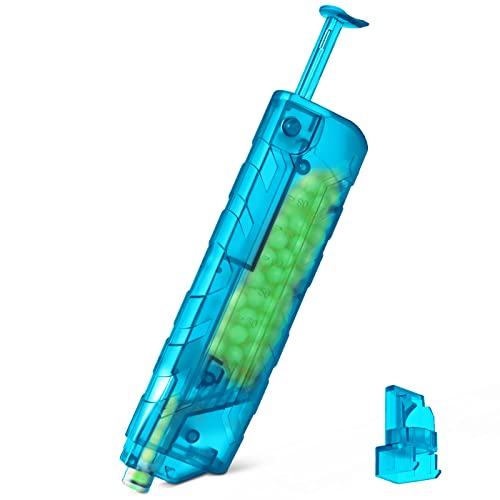
- ARS Mark8.8
ARS Mark is a ranking system developed by bestairriflescopes.com. ARS Mark has no relationship or impact from any manufacturers or sales agent websites. Learn more
- BrandLudex

- ARS Mark8.8
ARS Mark is a ranking system developed by bestairriflescopes.com. ARS Mark has no relationship or impact from any manufacturers or sales agent websites. Learn more
- BrandEZMAGLOADER

- ARS Mark8.4
ARS Mark is a ranking system developed by bestairriflescopes.com. ARS Mark has no relationship or impact from any manufacturers or sales agent websites. Learn more
- BrandPOLE.CRAFT
Last update on 2026-06-13 / Affiliate links / Images, Product Titles, and Product Highlights from Amazon Product Advertising API
What Is A Gun Magazine And Why It Matters
Confusion around firearm parts shows up constantly, especially during casual conversations, training sessions, or online debates where terminology gets tossed around loosely. Plenty of people call a magazine a clip, others assume it’s part of the chamber, and some don’t realize how much this small component affects firearm reliability. A gun magazine stores ammunition and feeds cartridges into the firearm during operation, but its role stretches far beyond simple storage. Reload speed, balance, handling comfort, and feeding consistency all lean heavily on the quality and design of the magazine itself.
How A Gun Magazine Actually Functions
A standard gun magazine relies on a spring, follower, and housing to push ammunition upward into the firearm’s action. Every time a round fires, the spring creates upward pressure so the next cartridge slides into position automatically. Sounds simple, sure, yet tiny flaws inside that mechanism can create jams, feeding failures, or awkward reloads that ruin the entire shooting rhythm. A worn spring or damaged feed lip often causes more frustration than the firearm itself.
Detachable box magazines dominate modern firearms because they’re quick to reload and easy to swap during extended shooting sessions. Internal magazines still appear in bolt-action rifles and older firearm designs where ammunition loads directly into the firearm body. Drum magazines increase ammunition capacity significantly, though they add noticeable weight and bulk during handling. Every setup carries tradeoffs, and honestly, no design solves every problem at once.
Material choice matters more than people expect. Steel magazines usually resist cracking and maintain shape under repeated use, while polymer versions cut down weight and often handle rough weather better. Some polymer magazines flex slightly under pressure, which can help prevent dents but occasionally affects fit depending on firearm tolerances. That tiny difference becomes obvious after repeated loading cycles.
Magazine geometry also changes feeding reliability. Curved magazines often handle rifle cartridges more naturally because the ammunition stacks with less friction inside the body. Straight magazines usually appear in pistol designs where cartridge dimensions fit tighter layouts. Smooth feeding depends heavily on internal alignment, spring tension, and proper manufacturing tolerances. Cheap magazines may save money upfront, though they tend to create headaches later.
Reloading speed gets tied directly to magazine quality too. A properly fitted magazine system locks firmly into place without excessive wobble or resistance. Poorly made versions may fail to seat correctly or drop free during reloads, creating unnecessary interruptions during training or range sessions. Few things feel more irritating than forcing a stubborn magazine into position while everyone else keeps moving smoothly through drills.
Why Magazine Capacity Changes The Experience
Magazine capacity shapes the shooting experience far more than most beginners expect. A compact magazine keeps the firearm slimmer and easier to maneuver, especially during storage or transport. Extended magazines increase ammunition availability but can throw off balance and make certain firearms feel awkward during repeated use. That tradeoff becomes noticeable quickly once fatigue sets in.
Pistol owners often debate between flush-fit magazines and extended versions because comfort matters during long sessions. Flush magazines usually improve concealment and reduce grip bulk, while extended designs give the pinky finger more support and reduce reload frequency. Neither approach feels universally better. Hand size, firearm weight, and shooting style all shift those preferences around.
Rifle magazines create a similar balancing act. Larger capacities reduce reload interruptions, which sounds convenient until the added weight starts dragging during movement drills or extended carrying. Thirty-round magazines remain common because they provide a practical middle ground between capacity and handling comfort. Larger drum systems may look appealing, though they often add complexity and bulk that casual users eventually get tired of carrying.
State laws also affect magazine choices. Some areas restrict capacity limits, pushing firearm owners toward smaller configurations that fit legal requirements. Those restrictions influence storage habits, training routines, and purchasing decisions across the entire market. Magazine selection isn’t purely about convenience. Legal considerations shape the conversation too.
Explore more outdoor gear insights through best bow under 1000 options that balance performance with practical field handling. Similar tradeoffs appear across nearly every type of equipment where weight, reliability, and control matter equally.
Common Problems Linked To Poor Magazines
A surprising number of firearm malfunctions trace back to the magazine instead of the firearm itself. Weak springs fail to push cartridges upward consistently, causing feeding interruptions that stop operation entirely. Damaged feed lips may angle ammunition incorrectly, leading to jams or double feeds during cycling. Even slight bends inside the magazine body can disrupt smooth cartridge movement.
Dirt and debris create another common issue. Sand, unburned powder residue, and moisture slowly collect inside magazines during repeated range use or outdoor exposure. That buildup increases internal friction and reduces spring movement over time. Regular cleaning keeps the feeding system running more consistently without requiring complicated maintenance routines.
Overloaded magazines sometimes cause reliability problems too. Springs compressed for extended periods may weaken gradually depending on design quality and material durability. Some shooters rotate magazines regularly to reduce wear, while others leave them loaded for years without problems. Results vary heavily based on construction quality and storage conditions.
Cheap aftermarket magazines frequently create fitment issues. Loose locking tabs, rough internal seams, or inconsistent dimensions can affect insertion and feeding reliability almost immediately. Saving a few dollars upfront often leads to more frustration during actual use. Reliable magazines tend to earn loyalty because repeated failures become exhausting fast.
Temperature swings affect magazine performance more than expected. Extreme cold may stiffen certain polymer materials, while intense heat sometimes weakens cheaper springs over time. High humidity encourages corrosion in poorly coated metal magazines too. Environmental stress exposes weaknesses quickly, especially during outdoor use.
Differences Between Clips And Magazines
People mix up clips and magazines constantly, mostly because movies and casual conversations blur the terms together. A magazine feeds ammunition directly into the firearm using an internal spring system. A clip simply holds cartridges together temporarily for faster loading into a magazine or firearm. Different tools entirely, even though the terms get swapped around daily.
Stripper clips commonly appear with older military rifles where ammunition loads into an internal magazine from the top. En bloc clips enter the firearm itself and eject automatically after the final round fires. Modern detachable magazines work differently because they remain part of the feeding mechanism throughout operation. That distinction matters for maintenance and reliability.
Confusion sticks around partly because popular media rarely bothers with technical accuracy. Movies often label every ammunition device as a clip regardless of design. Casual shooters repeat those terms without realizing the mechanical differences involved. Over time, incorrect terminology spreads faster than the correct explanation.
Experienced firearm owners usually care less about correcting people and more about making sure communication stays clear during handling or training. Using accurate terms simply reduces confusion. Nobody wants to grab the wrong component during a reload drill because terminology became sloppy halfway through a conversation.
Mechanical differences also influence durability. Clips remain lightweight and disposable in many cases, while magazines must handle spring pressure, repeated insertion, and feeding stress over long periods. One serves as temporary support. The other directly controls ammunition feeding during operation.
Magazine Maintenance That Prevents Frustration
Magazine maintenance rarely gets much attention until something stops working properly. A dirty or damaged gun magazine often causes feeding issues that seem random at first. Then suddenly the same malfunction repeats every few rounds, turning an otherwise smooth session into constant troubleshooting. Consistent cleaning helps avoid those irritating surprises.
Disassembly usually stays straightforward on most detachable magazine designs. Removing the base plate allows access to the spring and follower for inspection and cleaning. Dirt buildup inside the body creates drag that slows cartridge movement, especially after repeated outdoor use. Even tiny particles of sand or unburned powder residue can interfere with feeding consistency.
Spring condition deserves attention too. Weak springs may fail to apply enough upward pressure, causing rounds to nose-dive or feed inconsistently. Replacing worn springs costs far less than dealing with repeated malfunctions during training sessions. A reliable feeding system depends heavily on consistent spring tension.
Lubrication creates debate among firearm owners because too much oil attracts debris inside the magazine body. Most experienced shooters prefer minimal lubrication or dry internal surfaces entirely. Excessive oil collects dirt surprisingly fast. Clean internal surfaces usually outperform heavily lubricated ones over extended use.
Storage conditions matter more than many expect. Moisture exposure encourages corrosion inside metal magazines, while prolonged heat may weaken cheap polymer components over time. Simple storage habits like dry containers and regular inspections help extend lifespan without requiring expensive accessories or complicated routines.
How Magazine Design Affects Firearm Balance
Firearm balance changes dramatically depending on magazine size and placement. Compact magazines often keep weight centered closer to the grip, which improves maneuverability and reduces wrist fatigue during extended handling. Larger magazines shift the center of gravity downward, sometimes making firearms feel front-light or awkward during transitions. That balance difference becomes obvious after several hours at the range.
Pistol ergonomics change especially fast once extended magazines enter the equation. Some shooters appreciate the additional grip length because it improves control and comfort during repeated shots. Others dislike the extra bulk because it changes concealment, holster fit, or overall handling speed. Personal preference plays a massive role here.
Rifle platforms react differently depending on shooting position. Long magazines may interfere with prone shooting because they contact the ground earlier and alter stability. Smaller magazines allow lower shooting positions and often feel less cumbersome during movement-based drills. Capacity sounds appealing until it physically gets in the way.
Weight distribution affects reload speed too. Heavy magazines swing differently during insertion, especially during rapid reload drills where precision matters. Lightweight polymer designs often feel faster and easier to manage during repetitive practice sessions. Tiny ergonomic changes stack up over time.
Compare other field equipment tradeoffs through best bow hunting ground blinds that prioritize concealment, portability, and long-session comfort in demanding outdoor conditions. Similar balance decisions appear across nearly every type of gear built for repeated use.
Why Reliable Feeding Matters So Much
A firearm depends entirely on consistent feeding to operate smoothly. One poorly functioning magazine can interrupt cycling even if every other component remains perfectly maintained. Feeding failures create hesitation, wasted ammunition, and frustrating interruptions during practice sessions. Reliability starts at the magazine more often than people realize.
Feed lips guide cartridges into the chamber at precise angles. Tiny deformations or uneven pressure points can alter alignment enough to create jams. Repeated drops onto hard surfaces gradually wear those edges down over time. Heavy use exposes weak construction surprisingly quickly.
Follower design affects reliability too. Anti-tilt followers reduce the chance of cartridges binding inside the magazine body during upward movement. Older follower designs sometimes shift unevenly under pressure, especially during partial loads. Small internal improvements often create noticeable reliability gains.
Spring quality directly impacts feeding speed and consistency. Weak springs struggle to keep pace during rapid firing, while overly stiff springs may make loading unnecessarily difficult. Manufacturers spend significant time balancing tension for reliability and ease of use. Good magazine design always involves compromise somewhere.
Temperature, dirt, and ammunition type all influence feeding performance as well. Hollow points, soft-point rounds, and steel-cased ammunition sometimes behave differently depending on magazine geometry. Reliable combinations usually emerge through repeated testing rather than assumptions. Real-world use exposes flaws quickly.
Magazine Choices For Different Firearm Styles
Handguns, rifles, and shotguns all use different magazine systems depending on firearm design and intended purpose. Semi-automatic pistols commonly rely on detachable box magazines stored inside the grip. Rifles often place magazines ahead of the trigger assembly, allowing larger cartridge sizes and higher capacities. Shotguns frequently use tubular magazines running beneath the barrel.
Compact carry pistols prioritize slimmer magazines that reduce printing and improve concealment. Duty-size firearms often support larger capacities because comfort matters less than ammunition availability in those situations. Long-range rifles sometimes use smaller magazines specifically to improve prone shooting stability. Design priorities shift depending on the firearm’s role.
Competition shooters usually lean toward magazines with extended base pads because faster reloads save valuable seconds during timed events. Hunters may prefer smaller profiles that reduce bulk while moving through rough terrain. Tactical training environments often emphasize durability and consistent feeding above everything else. Every setup reflects different practical needs.
Older military rifles showcase entirely different loading systems compared to modern detachable magazine platforms. Internal magazines loaded through stripper clips once dominated battlefield rifles for decades. Detachable magazines later improved reload speed and simplified ammunition management significantly. Firearm evolution pushed magazine development forward alongside changing combat and sporting needs.
Outdoor preparation often overlaps with broader field skills too. Explore seasonal food preparation methods through how to process acorns for another example of practical techniques shaped by patience, consistency, and real-world conditions.
How A Gun Magazine Affects Reliability And Handling
Most people don’t think much about magazines until the firearm suddenly stops cycling properly during a range session. One second everything feels smooth, then bam, a feeding issue interrupts the rhythm and turns a relaxing afternoon into nonstop troubleshooting. A dependable gun magazine does far more than hold ammunition. It directly affects reliability, reload speed, handling balance, and overall shooting confidence during repeated use.
Why Cheap Magazines Cause Expensive Frustration
Budget magazines often look nearly identical to premium versions sitting beside them on the shelf. The difference usually shows up after repeated loading cycles, hard drops, or extended range sessions where tolerances actually matter. Weak springs, rough internal seams, and thin feed lips create problems that slowly pile up over time. Saving a few dollars upfront sometimes leads to far more frustration later.
Feed lip wear causes some of the most annoying reliability problems. Slight bends or uneven spacing can change cartridge alignment enough to trigger double feeds or nose-dives into the feed ramp. Those failures interrupt rhythm immediately and make diagnosing problems surprisingly irritating. Many shooters blame the firearm first, though the magazine system often turns out to be the real culprit.
Cheap followers also create unnecessary headaches. Some tilt under pressure instead of moving straight upward, especially when the magazine gets dirty or partially loaded. That uneven movement changes feeding angles and increases internal friction. Better anti-tilt follower designs reduce those issues significantly.
Metal fatigue sneaks into the equation too. Repeated compression and expansion gradually weaken lower-grade springs, especially if magazines stay fully loaded for long periods in poor storage conditions. A tired spring may still function occasionally, though reliability becomes inconsistent once wear starts stacking up. That unpredictability makes training sessions feel sloppy fast.
Explore durable outdoor equipment through best bow for bear hunting setups that balance strength, control, and dependable field performance in rough environments. Reliable gear matters everywhere, not just at the shooting range.
Magazine Weight Changes Firearm Control
Magazine weight influences firearm handling more than many beginners realize. Lightweight magazines reduce fatigue during long practice sessions and make movement drills feel smoother overall. Heavier designs may feel sturdier in the hand, though they can also pull the firearm off balance after extended use. Tiny shifts in weight distribution become surprisingly noticeable over time.
Pistol shooters often notice this immediately with extended magazines. Additional ammunition adds extra mass below the grip, which sometimes improves stability during recoil but may also slow transitions between targets. That balance feels different for every person. Larger hands may appreciate the extra grip support, while smaller hands often prefer compact magazine profiles.
Rifle handling changes too. A fully loaded metal magazine can add noticeable front weight during standing drills or long carrying sessions outdoors. Polymer magazines reduce some of that burden without sacrificing much durability in normal use. Less fatigue usually translates into steadier control during repeated firing.
Movement matters just as much as static shooting. Long magazines occasionally bump against gear, barricades, or prone shooting surfaces during training. Smaller configurations stay easier to maneuver in tight positions or crowded setups. Capacity sounds attractive until the extra bulk starts interfering with comfort and mobility.
Reload speed also shifts based on magazine shape and texture. Aggressive surface texturing improves grip during sweaty or wet conditions, while smooth bodies occasionally slip during rapid reloads. Those little details don’t seem important until adrenaline kicks in and hands stop cooperating normally.
Environmental Conditions Expose Weak Magazines Fast
Range conditions stay relatively forgiving compared to outdoor environments where dirt, mud, moisture, and temperature swings constantly test equipment durability. A gun magazine that feels perfectly reliable indoors may struggle once sand or debris enters the internal mechanism. Environmental stress exposes weaknesses quickly.
Cold weather creates unique problems for certain polymer materials. Some cheaper magazine bodies become brittle during freezing temperatures and may crack after impacts that normally wouldn’t cause damage. Metal magazines handle cold differently but can become painfully slick without textured coatings or gloves. Every material reacts differently once weather conditions shift.
Moisture creates another headache. Humid environments encourage rust formation inside untreated metal magazines, especially around springs and feed lips where corrosion directly affects movement. Regular inspection helps catch those issues early before reliability starts dropping. A little maintenance prevents a lot of aggravation later.
Dust and fine debris love sneaking inside magazines during outdoor use. Dirt buildup increases friction along the follower and spring assembly, reducing feeding consistency after repeated firing cycles. Shooters who spend time outdoors usually clean magazines more frequently because debris accumulates surprisingly fast.
Heavy rain creates handling problems too. Slick magazine surfaces become harder to grip during reloads, especially while wearing gloves. Rubberized textures or deeper grooves help maintain control under wet conditions. Small ergonomic features suddenly feel extremely valuable once weather turns ugly.
Training Habits That Improve Magazine Reliability
Magazine problems often appear during rushed or inconsistent loading habits. Slamming cartridges unevenly into the stack may create binding issues that reduce feeding smoothness later. Proper loading technique keeps ammunition aligned correctly and reduces unnecessary spring stress. Tiny habits matter more than most people expect.
Many experienced shooters rotate magazines during training instead of relying heavily on the same few units repeatedly. That spreads wear more evenly across springs and feed lips over time. Constant use eventually weakens every mechanical component. Rotation simply slows the process down.
Dropping magazines onto hard concrete repeatedly also accelerates wear. Competitive shooters accept that tradeoff because reload speed matters during timed drills, though casual range users may prefer softer surfaces or controlled reload habits. Damaged base plates and bent feed lips commonly trace back to repeated hard impacts.
Marking magazines individually helps track reliability problems more easily. If one specific magazine causes repeated malfunctions, identifying it quickly prevents confusion during troubleshooting. Plenty of shooters use paint markers or tape labels for that exact reason. Organized gear usually creates fewer headaches overall.
Cleaning schedules matter too. Some shooters wait until malfunctions appear before inspecting magazines, while others perform routine maintenance after every major range session. Regular cleaning prevents debris buildup before it becomes severe enough to affect feeding reliability. Consistency beats panic maintenance every time.
Magazine Size And Everyday Storage Problems
Storage becomes surprisingly annoying once multiple magazines enter the picture. Extended magazines consume more space in safes, range bags, and storage pouches, especially once several firearms share the same setup. Compact magazines stay easier to organize and transport during regular use. Space limitations catch people off guard quickly.
Weight adds up fast too. Carrying several loaded rifle magazines during outdoor movement or long training sessions creates noticeable strain over time. Heavier setups may feel manageable at first, though fatigue gradually changes posture and comfort after hours of repeated movement. Lightweight gear reduces that cumulative burden.
Concealed carry setups highlight those tradeoffs clearly. Larger magazines increase ammunition availability but may print through clothing or create uncomfortable pressure while sitting for long periods. Smaller magazines sacrifice capacity yet often improve comfort dramatically. Every decision involves compromise somewhere.
Storage conditions affect long-term durability as well. Magazines tossed loosely into humid garages or overloaded bags collect debris and moisture much faster than properly stored equipment. Protective pouches and dry storage environments extend lifespan without requiring expensive upgrades. Basic organization helps more than flashy accessories.
Practical outdoor tools face similar balancing acts between portability and effectiveness. Explore compact pest-control options through best pellet gun for skunks setups designed for controlled handling in tight spaces and changing conditions.
Why Experienced Shooters Carry Spare Magazines
Spare magazines aren’t just about extra ammunition. Mechanical failures happen eventually, even with well-maintained equipment. Springs wear down, feed lips bend, and debris sneaks inside at inconvenient moments. Carrying additional magazines provides backup reliability instead of relying completely on a single feeding source.
Reload speed matters too. Swapping magazines takes far less time than manually loading loose ammunition during active shooting sessions. That efficiency keeps practice flowing smoothly without constant interruptions between strings of fire. Consistent rhythm improves focus and handling confidence significantly.
Training with multiple magazines also reduces repetitive wear on individual components. Constantly cycling the same spring and feed lips accelerates fatigue over time. Rotating between several reliable magazines spreads usage more evenly and extends service life naturally.
Different magazine setups sometimes serve different roles as well. Compact magazines improve storage and maneuverability, while extended versions reduce reload frequency during longer sessions. Some shooters mix capacities depending on training goals or environmental conditions. Flexibility matters more than chasing one “perfect” setup.
Reliable equipment creates peace of mind. Nobody enjoys questioning whether the next round will feed correctly during practice or outdoor use. A dependable magazine system removes that uncertainty and allows shooters to focus entirely on control, safety, and consistent performance.
Small Magazine Details That People Often Ignore
Base plates rarely get much attention until they crack or loosen unexpectedly during reloads. Stronger base plates protect the magazine body during drops and make removal easier if debris jams the magazine inside the firearm. Cheap versions occasionally split under repeated impacts, especially in cold weather conditions.
Witness holes sound minor, though they help shooters estimate ammunition count without unloading the magazine entirely. Some designs include numbered markings along the body for faster visual checks during practice. Small convenience features become surprisingly useful once range sessions grow longer and more repetitive.
Follower color matters more than aesthetics too. Bright followers improve visibility during inspections and make empty magazines easier to identify quickly. Dark followers sometimes blend into dirty interiors, especially under low lighting conditions. Better visibility speeds up maintenance and troubleshooting.
Surface texture changes handling confidence dramatically. Aggressive textures improve grip during rain or sweaty conditions, while smoother finishes may snag less against clothing during concealed carry setups. Every design feature solves one problem while occasionally creating another. Practical use always reveals those tradeoffs eventually.
Magazine compatibility deserves careful attention as well. Some aftermarket designs fit loosely or fail to lock consistently despite being labeled for certain firearm models. Reliable feeding depends heavily on proper fitment and dimensional consistency. Tiny mismatches inside the magazine well often create big frustrations during actual use.


12 Best 22 Pcp Air Rifle For Hunting of 2026 With Quiet Power

7 Best 22 Pcp Air Rifle Under 300 of 2026 For Backyard Pest Control

10 Best 22 Break Barrel Air Rifles of 2026 For Backyard Pest Control

10 Best 30 Caliber Pcp Air Rifle of 2026 For Medium Game

Top Best 177 Air Rifle Under 100: Budget-Friendly Picks for 2026

How to Safely Reload Shotgun Shells at Home

11 Best Co2 Air Rifle For Pest Control of 2026 To Ensure Humane Dispatch

12 Best Inexpensive Air Rifles of 2026 For Dependable Backyard Accuracy






