
What Is a Gun Misfire and Why It Happens

What Is a Gun Misfire often sounds simple on paper, yet the reality can get messy fast. One second the trigger gets pulled, then suddenly nothing happens except confusion, hesitation, and a spike of adrenaline. Plenty of firearm issues look similar at first glance, which is why understanding the difference between a misfire, hang fire, or squib load matters more than most people realize. A split-second mistake after a failed shot can turn a manageable problem into a dangerous situation.
Moisture, damaged primers, poor ammunition storage, carbon buildup, or worn internal components can all contribute to a firearm failing to discharge properly. Cheap ammo sometimes causes headaches, but even reliable rounds can fail under the wrong conditions. Dirty firing pins and neglected maintenance routines quietly create trouble over time, especially after repeated range sessions. Small mechanical issues tend to snowball once consistent cleaning gets pushed aside for “I’ll deal with it later.”
Firearm safety becomes the centerpiece anytime a misfire occurs. Keeping the muzzle pointed in a safe direction sounds basic, sure, but panic makes people forget fundamentals. Some shooters instinctively open the action too quickly, while others continue pulling the trigger without checking the firearm at all. Neither habit ends well, and honestly, those rushed reactions usually come from frustration rather than logic.
Range conditions also play a role people rarely think about. Cold temperatures can affect lubricants, humidity may impact ammunition reliability, and dusty outdoor environments gradually interfere with moving parts. Even experienced shooters sometimes underestimate how environmental conditions influence performance. Little by little, reliability starts slipping until something eventually fails at the worst possible moment.
What Is a Gun Misfire also ties directly into confidence and handling habits. A firearm that unexpectedly fails can rattle nerves, especially during hunting trips, training drills, or high-pressure situations. Hesitation creeps in afterward, making follow-up shots slower and less controlled. Building familiarity with malfunction procedures helps replace panic with calm decision-making, which frankly makes every shooting session safer and more controlled.
Some firearm platforms are more forgiving than others, though none are immune to problems. Semi-automatic designs may experience feeding complications alongside ignition failures, while older revolvers can suffer from worn springs or timing issues. Regular inspection catches many warning signs before things go sideways. Ignoring subtle mechanical wear usually costs more time and money later.
Safe handling habits, proper ammunition storage, and realistic maintenance routines dramatically reduce the chances of dealing with repeated failures. Fancy gear alone won’t solve reliability issues if the basics keep getting ignored. Strong habits matter far more than flashy accessories sitting on a workbench. A clean, properly maintained firearm simply performs more consistently under pressure.

- ARS Mark10.0
ARS Mark is a ranking system developed by bestairriflescopes.com. ARS Mark has no relationship or impact from any manufacturers or sales agent websites. Learn more
- BrandN/A

- ARS Mark9.2
ARS Mark is a ranking system developed by bestairriflescopes.com. ARS Mark has no relationship or impact from any manufacturers or sales agent websites. Learn more
- BrandDPMS

- ARS Mark9.2
ARS Mark is a ranking system developed by bestairriflescopes.com. ARS Mark has no relationship or impact from any manufacturers or sales agent websites. Learn more
- BrandUmarex

- ARS Mark9.0
ARS Mark is a ranking system developed by bestairriflescopes.com. ARS Mark has no relationship or impact from any manufacturers or sales agent websites. Learn more
- BrandGamo
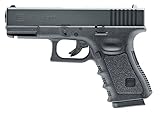
- ARS Mark8.8
ARS Mark is a ranking system developed by bestairriflescopes.com. ARS Mark has no relationship or impact from any manufacturers or sales agent websites. Learn more
- BrandUmarex

- ARS Mark8.8
ARS Mark is a ranking system developed by bestairriflescopes.com. ARS Mark has no relationship or impact from any manufacturers or sales agent websites. Learn more
- BrandRUBY.Q

- ARS Mark8.6
ARS Mark is a ranking system developed by bestairriflescopes.com. ARS Mark has no relationship or impact from any manufacturers or sales agent websites. Learn more
- BrandGamo
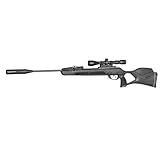
- ARS Mark8.6
ARS Mark is a ranking system developed by bestairriflescopes.com. ARS Mark has no relationship or impact from any manufacturers or sales agent websites. Learn more
- BrandGamo
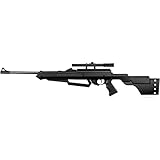
- ARS Mark8.4
ARS Mark is a ranking system developed by bestairriflescopes.com. ARS Mark has no relationship or impact from any manufacturers or sales agent websites. Learn more
- BrandBarra

- ARS Mark8.4
ARS Mark is a ranking system developed by bestairriflescopes.com. ARS Mark has no relationship or impact from any manufacturers or sales agent websites. Learn more
- BrandBeeman

- ARS Mark8.2
ARS Mark is a ranking system developed by bestairriflescopes.com. ARS Mark has no relationship or impact from any manufacturers or sales agent websites. Learn more
- BrandSig Sauer
Last update on 2026-06-13 / Affiliate links / Images, Product Titles, and Product Highlights from Amazon Product Advertising API
What Is A Gun Misfire And Why It Happens
Nothing kills confidence at the range faster than hearing a dull click instead of a bang. That split second of silence can leave even experienced shooters tense, especially if they aren’t sure whether the round failed completely or might still ignite late. What is a gun misfire becomes a critical question once reliability suddenly disappears and safety jumps to the front of your mind. Small mistakes with maintenance, storage, or ammunition often hide behind these failures, and plenty of people don’t notice the warning signs until the firearm refuses to fire.
Misfire Basics
A gun misfire happens when the trigger is pulled but the cartridge fails to discharge correctly. Most of the time, the firing pin strikes the primer, yet the round still doesn’t ignite. That can happen because of damaged ammunition, weak primer compounds, moisture exposure, or worn firearm components. The frustrating part is how random it sometimes feels, especially after dozens of successful shots beforehand.
Some shooters confuse a misfire with a hang fire or a squib load. Those problems sound similar, but they behave differently and carry separate risks. A hang fire involves delayed ignition, meaning the round could still fire seconds after the trigger pull. A squib load, meanwhile, may push a bullet partially into the barrel without enough force to exit fully, which creates a dangerous obstruction for the next shot.
Cheap storage habits quietly increase the chances of ammunition problems. Leaving ammo in humid garages, hot vehicles, or damp range bags slowly damages primer compounds and powder consistency. Cartridges might still look perfectly fine from the outside, which makes the failure even more annoying. Moisture damage tends to sneak up on people because the ammunition often sits untouched for months before the issue appears.
Mechanical wear creates another common headache. Springs weaken over time, firing pins collect carbon buildup, and extractor parts gradually lose reliability after repeated use. Some shooters blame the ammo immediately, yet the firearm itself may be the bigger culprit. A neglected internal component can create intermittent failures that become harder to diagnose the longer they’re ignored.
Common Causes Behind Failed Shots
Faulty ammunition sits near the top of the list for misfire causes. Defective primers, inconsistent powder charges, or damaged cartridge cases can all stop a round from firing properly. Manufacturing errors remain relatively uncommon with reputable brands, though no ammunition company avoids occasional bad batches forever. Even quality factory ammo can fail after rough storage conditions or repeated exposure to moisture.
Dirty firearms create problems people underestimate all the time. Carbon buildup around the firing pin channel may reduce strike force enough to prevent reliable ignition. Semi-automatic pistols and rifles especially suffer once residue accumulates around moving parts. Skipping regular cleaning sessions eventually catches up with reliability, usually during the worst possible moment.
Weak hammer springs or worn firing pins can also reduce impact strength against the primer. Older firearms sometimes develop light primer strikes gradually, making the issue harder to notice at first. Shooters may experience one random failure every few months before the problem suddenly becomes frequent. That slow decline often tricks people into assuming the issue “isn’t serious yet.”
Environmental conditions matter more than many realize. Cold temperatures can thicken lubricants and slow moving components inside the firearm. Dusty outdoor conditions may clog actions or create friction around sensitive areas. Explore more firearm handling techniques through how to load co2 airsoft methods that emphasize cleaner operation and smoother loading habits.
Why Delayed Ignition Feels Dangerous
A delayed ignition situation can seriously rattle someone who isn’t prepared for it. The trigger gets pulled, nothing happens immediately, then the firearm suddenly fires moments later. That delay creates panic because many people instinctively lower the muzzle or inspect the chamber too quickly. Safe muzzle control becomes incredibly important during these tense few seconds.
Most firearm instructors recommend waiting at least 30 seconds before opening the action after a suspected hang fire. That pause feels awkward and overly cautious until someone experiences delayed ignition firsthand. Adrenaline pushes people to react fast, but rushing the process increases the risk of injury. Patience matters far more than pride in those moments.
Outdoor hunting environments make these situations even more stressful. Cold fingers, wet conditions, and elevated nerves already reduce focus before the malfunction even occurs. Suddenly dealing with uncertainty around a failed shot creates mental clutter that affects follow-up decisions. Shooters who regularly practice malfunction drills usually recover faster because the motions already feel familiar.
Training consistency helps replace panic with controlled reactions. Rehearsing safety procedures at the range builds habits that remain reliable under stress. Even simple routines like keeping the firearm pointed safely downrange and counting through a waiting period can prevent costly mistakes. Calm handling nearly always beats rushed reactions.
Signs Your Firearm May Misfire Soon
Some firearms practically whisper warnings before major reliability issues appear. Light primer strikes, sluggish cycling, or inconsistent trigger resets often hint at deeper mechanical problems. Ignoring those small clues tends to backfire later. Plenty of shooters keep using malfunctioning equipment simply because the firearm “still mostly works.”
Odd sounds during firing deserve attention too. Weak discharge noises, inconsistent recoil impulses, or gritty action movement can signal worn components or ammunition trouble. Semi-automatic firearms sometimes fail to return fully into battery before a misfire occurs. That partial lockup condition creates extra stress on internal parts while increasing ignition failure risks.
Primer inspection reveals a lot after a failed round. A shallow dent may indicate weak firing pin impact, while no mark at all could suggest mechanical obstruction or trigger assembly problems. Deep primer strikes with no ignition usually point toward defective ammunition instead. Taking a close look at spent or failed cartridges helps narrow down the likely cause.
Routine maintenance checks catch many issues before they grow worse. Springs, pins, extractors, and chamber areas wear down gradually rather than instantly. Small cracks or excessive fouling often remain hidden until someone takes the firearm apart for inspection. Compare practical shooting gear setups through best compound bow for finger shooters discussions that also emphasize equipment fit and reliability.
Cleaning Habits That Reduce Misfires
Consistent cleaning dramatically improves firearm reliability over time. Powder residue, brass shavings, and carbon buildup slowly interfere with moving components if left alone too long. Some firearms tolerate dirt better than others, though every platform eventually reaches a breaking point. Reliability problems rarely appear out of nowhere without buildup playing some role.
Firing pin channels deserve extra attention because grime easily accumulates there. Thick oil mixed with carbon residue can slow firing pin movement enough to weaken primer strikes. Heavy lubrication often causes just as many issues as insufficient lubrication. A lightly lubricated, properly cleaned firearm usually performs more consistently than one drenched in oil.
Magazine maintenance matters too, especially with semi-automatic firearms. Dirty followers, worn springs, or damaged feed lips contribute to feeding problems that sometimes resemble ignition failures. Many shooters clean the firearm itself while completely ignoring the magazines. That oversight creates reliability issues people wrongly blame on ammunition.
Storage conditions also affect long-term performance. Firearms stored in humid safes without airflow may develop rust or corrosion around internal parts. Even tiny corrosion spots can affect ignition reliability over time. Dry storage environments and occasional inspections prevent a lot of frustration later on.
Ammo Choices And Reliability Tradeoffs
Not all ammunition performs equally, even within the same caliber. Budget ammunition sometimes contains harder primers or less consistent powder charges that increase failure risks in certain firearms. Some handguns with lighter striker systems struggle more with hard primer compounds. Reliability testing with your specific firearm matters more than flashy packaging claims.
Reloaded ammunition introduces another layer of variability. Experienced reloaders can produce reliable rounds, though inconsistent powder charges or improperly seated primers increase malfunction risks quickly. Small mistakes during reloading become dangerous once pressure and ignition enter the equation. Careless shortcuts rarely stay hidden for long.
Storage age affects ammunition reliability too. Properly stored rounds can last decades, but exposure to humidity and temperature swings slowly degrades internal components. Ammunition tossed loosely into damp range bags often performs unpredictably after enough time passes. Keeping rounds sealed and organized helps preserve consistency.
Hunting ammunition adds extra pressure because reliability matters during brief shooting opportunities. A failed round during a once-in-a-season shot creates frustration that sticks with people for years. Explore equipment discipline and precision habits through best compound bow for 10 year old discussions that highlight consistency and control during practice sessions.
What Causes Gun Misfires During Real Use
Confidence disappears quickly after repeated failures at the range. A firearm that suddenly stops firing properly creates hesitation, frustration, and sometimes outright distrust in the equipment sitting in your hands. What causes gun misfires often traces back to overlooked maintenance habits, weak ammunition storage routines, or mechanical wear that slowly built up over time. Most people expect reliability every single trigger pull, so even one malfunction can stick in their head for weeks afterward.
Range Habits That Increase Failure Risks
Rushed shooting sessions create more problems than people admit. Some shooters burn through magazines quickly without paying attention to how the firearm feels between shots. Small warning signs like sluggish cycling, weak ejection, or unusual recoil impulses often show up before a major malfunction happens. Ignoring those clues usually turns a minor issue into a bigger headache later.
Dirty chambers contribute heavily to ignition failures. Powder residue and carbon buildup collect inside the chamber walls after repeated use, especially during long range days without cleaning breaks. Semi-automatic firearms become especially sensitive once residue interferes with cartridge seating depth. A round that doesn’t fully chamber may not receive a proper firing pin strike.
People also overlook magazine condition far too often. Weak springs or bent feed lips can cause feeding inconsistencies that look similar to misfires at first glance. Some shooters immediately blame ammunition while the magazine quietly causes the real problem. Consistent magazine inspection prevents plenty of reliability frustrations before they start.
Grip pressure matters more than expected with some semi-automatic pistols. Limp-wristing can interrupt slide movement enough to create failures that mimic ammunition or ignition issues. New shooters especially run into this problem because recoil anticipation changes their grip unconsciously. Smooth firearm control and proper hand positioning help keep cycling reliable during extended sessions.
Cold Weather And Moisture Problems
Cold weather changes how firearms behave, plain and simple. Thick lubricants move slower in freezing temperatures, which affects firing pin movement and slide speed. A firearm that cycles perfectly during summer can suddenly feel sluggish once temperatures drop hard. Tiny delays inside the action create enough resistance to trigger ignition failures.
Moisture exposure creates another massive reliability issue. Rain, condensation, and humid storage conditions slowly damage ammunition components without obvious visual clues. Primers absorb moisture surprisingly easily once cartridges experience repeated environmental swings. The outside of the round may still look clean while the inside already lost reliability.
Hunters often deal with these issues more than casual range shooters. Firearms move between heated vehicles, cold outdoor air, damp clothing, and muddy environments throughout a single day. That constant temperature fluctuation encourages condensation inside actions and around ammunition storage containers. Reliability drops fast if maintenance gets postponed afterward.
Precision gear matters during difficult conditions too. Shooters adjusting optics during wet outdoor sessions often rely on dependable setups like best scope mounts for remington model 7 systems that stay secure under rough handling and repeated recoil stress. Stable mounting hardware reduces one more variable during unpredictable weather conditions.
Warning Signs People Ignore Too Long
Light primer strikes deserve immediate attention, even if the firearm still fires most of the time. Small dents on primers often signal weak hammer springs, firing pin obstruction, or gradual wear inside the action. Some shooters dismiss occasional failures because the firearm “usually works.” That mindset tends to backfire eventually.
Strange trigger feel can reveal deeper internal problems too. Mushy resets, inconsistent break weight, or gritty movement may point toward debris buildup or worn trigger components. Those issues rarely fix themselves over time. Firearms typically become less reliable once internal friction increases around moving parts.
Spent brass tells a story many people overlook. Flattened primers, inconsistent strike marks, or abnormal case discoloration often reveal pressure issues or ignition inconsistencies. Taking a few seconds to inspect fired cartridges can uncover mechanical concerns before they grow worse. Consistent brass patterns usually indicate healthier firearm function overall.
Failure patterns matter as well. Random isolated malfunctions may point toward ammunition problems, while repeated failures with specific magazines or conditions usually expose mechanical weaknesses. Paying attention to those details helps narrow down the cause faster. Guesswork wastes time and often creates unnecessary replacement expenses.
Safe Reactions After A Misfire
The first few seconds after a failed shot matter more than people realize. Jerking the firearm sideways or instantly opening the action creates unnecessary danger if delayed ignition occurs. Muzzle discipline remains the top priority during any suspected misfire situation. Keeping the firearm pointed safely downrange prevents panic from turning into injury.
Experienced shooters often pause for at least 30 seconds before inspecting the firearm. That waiting period feels uncomfortable at first, especially if adrenaline kicks in hard. Delayed ignition situations remain uncommon, but they happen often enough to deserve respect. Rushing the process simply isn’t worth the risk.
After the waiting period, careful cartridge inspection becomes important. A dented primer without ignition usually points toward ammunition failure or weak firing pin strikes. No primer mark at all often suggests a mechanical interruption somewhere inside the firearm. Those details help determine whether the problem sits with the ammo or the firearm itself.
Finger placement also matters after a malfunction. Some shooters unconsciously keep pressure near the trigger while diagnosing the issue. Stress and frustration make accidental discharges more likely during that moment. Slowing down and resetting hand position keeps the situation controlled instead of chaotic.
How Maintenance Changes Reliability
Regular cleaning routines dramatically improve firearm consistency over time. Carbon residue builds gradually after each shooting session, especially around bolt faces, firing pin channels, and chamber areas. Firearms rarely stop working overnight without warning signs beforehand. Reliability slowly erodes once residue begins interfering with movement.
Lubrication balance matters more than excessive oil application. Some people drench internal components thinking more lubrication automatically means smoother operation. Thick oil mixed with carbon buildup creates sticky residue that slows moving parts instead. Light, controlled lubrication usually performs far better during long-term use.
Spring replacement schedules also deserve attention. Recoil springs, hammer springs, and magazine springs weaken gradually through repeated compression cycles. Many shooters continue using worn springs long after reliability starts slipping. Replacing inexpensive wear components early prevents bigger mechanical issues later.
Storage practices influence firearm lifespan too. Humid safes without airflow increase corrosion risks around internal components and ammunition storage areas. Consistent inspections help catch rust, moisture buildup, or lubrication breakdown before damage spreads further. Explore durable outdoor equipment setups through best bow under 1000 discussions that also emphasize long-term maintenance habits and consistent field performance.
Why Cheap Fixes Sometimes Backfire
People love quick fixes, especially after frustrating malfunctions. Random aftermarket parts, bargain ammunition, or mystery lubricants often create fresh reliability problems instead of solving the original issue. Compatibility matters heavily with firearm components because tiny dimensional differences affect cycling and ignition consistency. Guessing rarely produces reliable long-term results.
Internet advice complicates things further. One shooter may swear by an aggressive polishing method while another recommends stronger springs for every malfunction. Those blanket solutions ignore how different firearm designs behave under varying conditions. A fix that helps one platform may create failures in another.
Over-modifying triggers also increases risk in some firearms. Reduced trigger pull weights sometimes weaken hammer energy enough to cause light primer strikes with harder ammunition. Smooth triggers feel great during dry fire practice, but reliability always matters more than shaving off a fraction of pull weight. Practical performance beats flashy modifications every time.
Professional inspections make sense once recurring malfunctions continue despite proper cleaning and ammunition changes. Gunsmiths can measure wear patterns, inspect chamber tolerances, and diagnose internal damage more accurately than guesswork. Persistent ignition failures usually signal deeper mechanical problems that deserve closer attention.
Mental Pressure After Repeated Misfires
Repeated failures affect confidence faster than most people expect. Shooters start anticipating problems before every trigger pull, which changes grip pressure, follow-through, and reaction timing. Mental hesitation quietly damages shooting performance even after the firearm issue gets repaired. Reliability problems leave a psychological mark that lingers longer than the actual malfunction.
Frustration buildup often leads to rushed troubleshooting too. People begin swapping magazines, changing ammunition, and adjusting optics all at once without isolating the actual issue. That scattered approach makes diagnosis harder because multiple variables change simultaneously. Slowing down and testing one factor at a time produces clearer answers.
Range embarrassment also affects decision-making. Nobody enjoys holding up a firing line while clearing repeated malfunctions. Some shooters push through warning signs instead of stopping to inspect the firearm properly. That pressure creates unsafe habits because pride starts overriding caution.
Confidence gradually returns through consistent reliability and structured practice. Firearms that function smoothly over repeated sessions rebuild trust naturally without forcing it. Careful maintenance, quality ammunition, and calm malfunction drills create a steadier mindset behind the trigger. Consistency matters far more than flashy equipment or rushed upgrades.


12 Best 22 Pcp Air Rifle For Hunting of 2026 With Quiet Power

7 Best 22 Pcp Air Rifle Under 300 of 2026 For Backyard Pest Control

10 Best 22 Break Barrel Air Rifles of 2026 For Backyard Pest Control

10 Best 30 Caliber Pcp Air Rifle of 2026 For Medium Game

Top Best 177 Air Rifle Under 100: Budget-Friendly Picks for 2026

How to Safely Reload Shotgun Shells at Home

11 Best Co2 Air Rifle For Pest Control of 2026 To Ensure Humane Dispatch

12 Best Inexpensive Air Rifles of 2026 For Dependable Backyard Accuracy






