
What Is a Gun Receiver and Why It Matters

What Is a Gun Receiver often pops up during firearm discussions, yet plenty of people still scratch their heads when the term appears on product pages, legal forms, or upgrade guides. The receiver acts as the firearm’s central framework, holding critical internal parts together while supporting the firing process. Without it, the entire system simply won’t function correctly. That’s why this component carries far more importance than many first-time firearm owners expect.
Confusion usually starts once people notice terms like lower receiver, upper receiver, serialized receiver, or stripped receiver floating around online. Honestly, it can feel like alphabet soup at first glance. Some platforms focus heavily on customization, while others lean toward factory-built setups that leave little room for modifications. Understanding how a receiver works clears up a huge chunk of that confusion and makes the entire firearm platform easier to understand.
Gun receiver designs also affect maintenance, handling, durability, and upgrade flexibility. A heavier steel receiver may offer long-term toughness but can feel cumbersome during extended use. Lightweight aluminum versions reduce fatigue, though they sometimes trade a bit of rigidity depending on the platform. Polymer options continue gaining attention too, especially among people looking for lower carry weight and simplified assembly.
Legal attention surrounding the receiver creates another layer people can’t ignore. Federal regulations often classify the receiver as the actual firearm, even though it may appear to be just one part among many. That’s why serial numbers are commonly attached to this component instead of barrels or stocks. A simple misunderstanding here can create unnecessary headaches during transfers, purchases, or custom builds.
Customization culture pushes the conversation even further. Some firearm owners want smoother triggers, adjustable stocks, improved ergonomics, or caliber conversions without replacing an entire platform. The receiver becomes the foundation for those changes, allowing parts compatibility across certain systems. Still, not every receiver supports every accessory, and mismatched components can quickly turn excitement into frustration.
Performance plays a role too. Tight tolerances inside a receiver help maintain proper alignment and consistent cycling. Poor machining or loose fitting may cause feeding issues, wobble, or long-term wear problems that slowly chip away at reliability. Small details matter here, especially for people who expect dependable function during repeated range sessions or demanding outdoor conditions.
What Is a Gun Receiver also matters because it helps explain why firearm platforms vary so much in feel and operation. Some receivers prioritize modularity and aftermarket support, while others focus on rugged simplicity. That balance influences how the firearm handles recoil, accepts upgrades, and performs under stress. Once the receiver’s role clicks into place, the rest of the firearm suddenly makes a whole lot more sense.
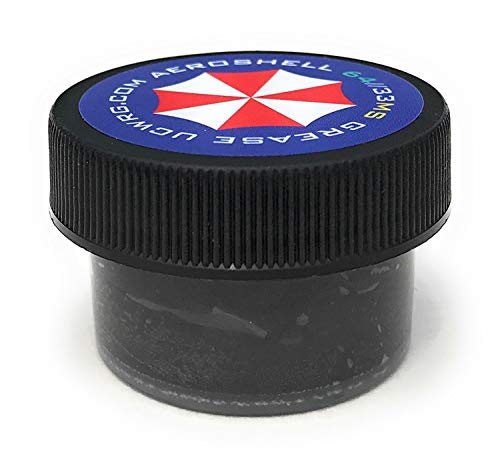
- ARS Mark9.8
ARS Mark is a ranking system developed by bestairriflescopes.com. ARS Mark has no relationship or impact from any manufacturers or sales agent websites. Learn more
- BrandUmbrella Corporation

- ARS Mark9.6
ARS Mark is a ranking system developed by bestairriflescopes.com. ARS Mark has no relationship or impact from any manufacturers or sales agent websites. Learn more
- BrandLucas Oil

- ARS Mark9.6
ARS Mark is a ranking system developed by bestairriflescopes.com. ARS Mark has no relationship or impact from any manufacturers or sales agent websites. Learn more
- BrandMytypeMAG

- ARS Mark9.4
ARS Mark is a ranking system developed by bestairriflescopes.com. ARS Mark has no relationship or impact from any manufacturers or sales agent websites. Learn more
- BrandPilots HQ
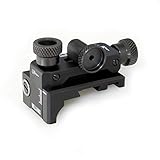
- ARS Mark9.2
ARS Mark is a ranking system developed by bestairriflescopes.com. ARS Mark has no relationship or impact from any manufacturers or sales agent websites. Learn more
- BrandWilliams Gun Sight Company
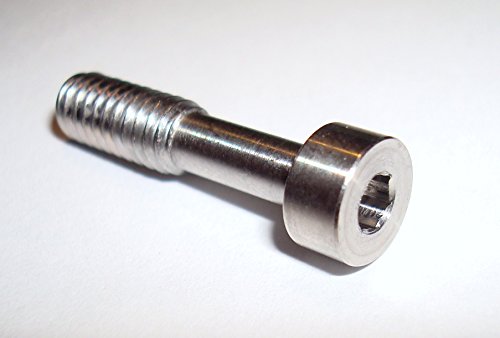
- ARS Mark9.2
ARS Mark is a ranking system developed by bestairriflescopes.com. ARS Mark has no relationship or impact from any manufacturers or sales agent websites. Learn more
- BrandRuger

- ARS Mark9.2
ARS Mark is a ranking system developed by bestairriflescopes.com. ARS Mark has no relationship or impact from any manufacturers or sales agent websites. Learn more
- BrandAir Venturi
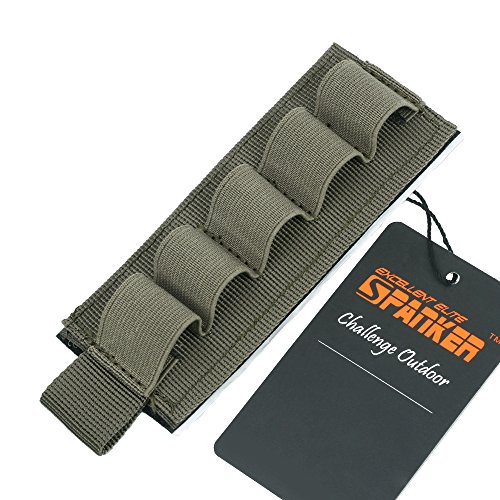
- ARS Mark9.0
ARS Mark is a ranking system developed by bestairriflescopes.com. ARS Mark has no relationship or impact from any manufacturers or sales agent websites. Learn more
- BrandEXCELLENT ELITE SPANKER

- ARS Mark9.0
ARS Mark is a ranking system developed by bestairriflescopes.com. ARS Mark has no relationship or impact from any manufacturers or sales agent websites. Learn more
- BrandEXCELLENT ELITE SPANKER
Last update on 2026-06-13 / Affiliate links / Images, Product Titles, and Product Highlights from Amazon Product Advertising API
What Is A Gun Receiver And Why It Matters
Buying firearm parts without knowing how they actually connect can turn into an expensive mess fast. Plenty of people grab barrels, triggers, handguards, or optics first, then realize the entire platform depends on one central component holding everything together. That’s where what is a gun receiver suddenly becomes more than a technical question tossed around at gun counters. The receiver controls the firearm’s structure, supports internal operation, and often determines what parts can or can’t fit together properly.
Confusion usually kicks in after hearing phrases like lower receiver, serialized part, or stripped build. A lot of firearm platforms look modular from the outside, yet compatibility isn’t always as simple as manufacturers make it sound. Tiny differences in dimensions, pin placement, or materials can create rattling, cycling problems, or frustrating assembly headaches. That learning curve catches many people off guard.
Federal law treats the receiver differently than most other firearm components. In many cases, the receiver legally counts as the actual firearm because it carries the serial number tied to ownership and transfer records. That legal status explains why barrels, optics, and stocks can often ship freely while receiver purchases involve background checks and paperwork. Missing that distinction creates unnecessary stress during purchases or custom projects.
Performance matters too. A poorly machined receiver may introduce wobble between upper and lower sections, uneven wear patterns, or feeding reliability issues over time. Tight tolerances and solid materials help maintain consistent alignment during repeated firing sessions. Those details might sound small at first, but they shape long-term reliability more than flashy external accessories ever will.
Why The Receiver Sits At The Core
A firearm receiver functions like the backbone of the entire platform. It anchors critical operating parts together while supporting the firing cycle every single time the trigger breaks. Without a properly fitted receiver, even expensive components struggle to perform consistently. That’s why experienced builders usually focus on the receiver quality before chasing cosmetic upgrades.
Different firearm types organize the receiver in completely different ways. AR-style rifles separate upper and lower receivers, while many pistols and bolt-action rifles rely on a single receiver housing. That design choice affects maintenance routines, customization flexibility, and long-term durability. Some setups encourage endless upgrades, while others lean toward simplicity and rugged stability.
Material choice shapes handling more than people expect. Aluminum receivers reduce overall weight and help prevent arm fatigue during long carrying sessions. Steel versions add strength and stiffness but often feel heavier after extended range time or outdoor movement. Polymer receivers exist too, though opinions stay mixed depending on how aggressively the firearm gets used.
Explore more beginner-friendly gear setups through best long bow for beginners if you enjoy comparing how different platforms balance control, comfort, and customization. A lot of outdoor enthusiasts cross over between shooting sports and archery because both rely heavily on stable core structure and repeatable mechanics. That overlap makes equipment choices feel less random once you recognize how foundational components affect overall performance.
Lower Receivers And Their Real Role
The lower receiver usually gets the most legal attention because it commonly holds the serial number tied to ownership records. People often assume the barrel or upper assembly counts as the firearm itself, yet federal regulations frequently point toward the lower receiver instead. That catches plenty of first-time buyers off guard during transfers or online purchases. The paperwork suddenly makes more sense once the legal definition becomes clear.
Functionally, the lower receiver houses several important controls and internal components. Triggers, safety selectors, magazine wells, and buffer systems typically connect through this section on many rifle platforms. Small machining differences can influence trigger feel, magazine fitment, and even long-term cycling consistency. Cheap tolerances sometimes lead to annoying wobble or stubborn assembly problems.
Customization culture pushes lower receivers into the spotlight constantly. Builders swap triggers, grips, and stocks trying to improve recoil control or handling comfort. Some receivers accept aftermarket parts easily, while others require modifications that become frustrating quickly. Compatibility charts help, though real-world fitment still varies more than most advertising suggests.
Weight distribution matters here too. Lightweight receivers improve maneuverability but may transmit slightly more felt vibration depending on the setup. Heavier builds stabilize recoil impulses better during rapid strings of fire, though carrying them around all day becomes tiring. That tradeoff explains why no single receiver style satisfies every shooting scenario equally.
Upper Receivers And Cycling Stability
The upper receiver handles a huge chunk of the firearm’s operational stress. Barrels, bolt carrier groups, charging handles, and optics mounting systems usually connect through this section on AR-style rifles. Alignment inside the upper receiver directly influences accuracy consistency and cycling smoothness. Tiny imperfections can create feeding issues or uneven wear after repeated use.
Heat management becomes another factor many people overlook. Rapid firing sessions transfer substantial heat into the upper assembly, especially near the chamber and gas system. Strong receiver materials help maintain structural integrity even after long shooting sessions. Lower-grade materials sometimes warp slightly under repeated stress, which gradually affects reliability.
Optics mounting stability depends heavily on the upper receiver’s rigidity. Loose tolerances or flex between components may shift zero over time, particularly with heavier optics setups. Shooters chasing consistent accuracy usually pay close attention to receiver fitment because stable alignment supports repeatable shot placement. That detail matters more than flashy finishes or oversized controls.
Compare platform stability and precision gear choices through what is a good rangefinder for hunting if long-distance consistency matters to your setup. Accurate distance reading and stable receiver alignment often work hand in hand during outdoor shooting situations. A solid platform reduces guesswork once environmental variables start stacking up.
Serialized Receivers And Legal Confusion
Legal conversations around firearms almost always circle back to the receiver eventually. The serialized receiver acts as the officially regulated component in many firearm systems, even though it may appear incomplete by itself. That distinction surprises people who assume every major part requires identical paperwork. Laws separate the receiver because it forms the controlled foundation of the firearm.
Private sales, transfers, and online orders create confusion quickly for inexperienced buyers. Some components ship directly to homes, while serialized receivers often require licensed dealer involvement. Misreading those rules can delay projects or create unnecessary compliance issues. Reading federal and state regulations carefully saves a lot of headaches later.
Homemade receiver discussions add another layer of complexity. Terms like “80 percent lower” generate endless debate because unfinished components occupy a legal gray area until certain machining steps are completed. Regulations shift frequently depending on jurisdiction, which makes staying current extremely important. Guesswork rarely ends well in this area.
Documentation matters more than many people expect. Keeping receipts, transfer records, and serial information organized helps simplify future sales or maintenance claims. That paperwork may seem tedious at first, but it becomes valuable later if ownership questions ever arise. Responsible storage practices matter just as much as responsible handling.
Receiver Materials Change The Entire Feel
Receiver material influences balance, durability, recoil feel, and overall handling characteristics. Aluminum dominates many modern rifle platforms because it balances strength with manageable weight. Carrying a lightweight rifle across rough terrain feels very different compared to hauling a heavy steel setup for several hours. Small weight differences add up fast once fatigue enters the picture.
Steel receivers still earn respect for rugged reliability and stiffness. They handle repeated abuse well and resist wear during extended firing cycles. Older military-style firearms commonly relied on steel because durability mattered more than lightweight portability. The downside usually appears in overall carry comfort, especially during longer outings.
Polymer receivers attract attention from budget-conscious buyers and people wanting lighter handling. Some polymer designs perform surprisingly well during casual use, though heavy-duty applications can expose flex or stress concerns over time. Aggressive recoil, heat, and repeated impacts test polymer differently than aluminum or steel. Realistic expectations matter here.
Surface coatings contribute more than cosmetic appearance too. Hard anodizing protects aluminum from scratches and corrosion, while nitriding treatments improve wear resistance on steel components. Neglecting those details often leads to premature wear patterns that slowly reduce performance consistency. Durable finishes help maintain long-term reliability in rough environments.
Fitment Problems People Rarely Expect
Receiver compatibility sounds straightforward until mismatched parts refuse to cooperate during assembly. Different manufacturers sometimes follow slightly different tolerances despite advertising shared platform compatibility. Pins may fit too tightly, upper sections may wobble, or magazines might fail to seat correctly. Those small frustrations pile up quickly during custom builds.
Trigger installation creates headaches for plenty of new builders. Some aftermarket trigger groups fit perfectly inside one receiver brand while requiring adjustments in another. Tight pockets, pin alignment issues, or selector interference can turn a simple upgrade into an afternoon-long annoyance. Patience matters more than brute force during assembly work.
Buffer systems create another common stumbling point. Carbine and rifle-length systems require matching components to maintain proper cycling reliability. Incorrect receiver extension lengths or incompatible spring setups often lead to feeding failures or harsh recoil impulses. That problem gets blamed on ammunition surprisingly often, even though the receiver setup may be the real culprit.
Upgrade carefully with best compound bow for youth beginners if balanced ergonomics and adjustable fit matter in your gear choices. Both firearm platforms and beginner archery setups rely heavily on proper sizing, compatibility, and stable mechanical alignment. Comfortable equipment usually encourages better long-term practice habits too.
Receiver Design And Recoil Control
Receiver geometry changes how recoil energy travels through the firearm. Straight-line designs commonly reduce muzzle rise because recoil transfers more directly backward into the shooter’s shoulder. Older curved-stock designs may feel softer initially but sometimes produce more noticeable muzzle climb during rapid fire. Small structural differences create surprisingly noticeable handling changes.
Buffer systems inside certain receiver designs help soften cycling impulses during operation. Heavier buffers slow bolt movement slightly, which can smooth recoil sensation and improve reliability with specific ammunition types. Lighter systems cycle faster but occasionally feel sharper during repeated shooting. Balancing those factors takes experimentation.
Receiver stiffness influences shot consistency as well. Flex between upper and lower sections may introduce slight movement during firing, particularly with optics mounted across separate components. Precision-focused shooters often chase tighter fitment because repeatable alignment supports better accuracy consistency. That pursuit explains why aftermarket tension devices and matched receiver sets exist.
Grip angle and stock positioning connect back to the receiver layout too. Comfortable alignment helps reduce wrist strain and improves control during extended shooting sessions. Poor ergonomics become noticeable fast once fatigue builds. A receiver that fits naturally usually feels easier to manage during longer range days.
How A Gun Receiver Affects Reliability And Upgrades
People often blame ammunition or magazines the second a firearm starts acting up, but the receiver itself quietly influences far more reliability issues than most expect. Loose fitment, poor machining, and inconsistent dimensions can create cycling problems that slowly wear down confidence at the range. A receiver with solid tolerances helps maintain consistent alignment, smoother feeding, and stable lockup during repeated firing sessions. Those little details rarely look exciting in product descriptions, yet they shape real-world performance every single time the firearm runs.
Upgrade culture also pushes receivers into the spotlight. Swapping barrels, triggers, optics, or handguards sounds simple online, though compatibility problems sneak up quickly once parts hit the workbench. Some receivers play nicely with aftermarket components, while others require filing, adjustments, or replacement hardware. That frustration usually starts after someone assumes “mil-spec” automatically means universal compatibility.
Receiver wear patterns reveal a lot about long-term firearm health. Uneven stress marks near takedown pins, buffer areas, or bolt contact surfaces may point toward alignment issues hiding inside the system. Ignoring those signs can gradually lead to harsher recoil impulses, feeding failures, or reduced accuracy consistency. Paying attention early saves both money and aggravation later.
Comfort matters too. A balanced receiver setup changes how the firearm carries, shoulders, and transitions between targets. Heavy front-end configurations strain the support arm faster during long sessions, while poorly balanced lightweight builds sometimes feel twitchy during recoil. The sweet spot usually comes from matching the receiver style to the firearm’s intended purpose instead of chasing trends.
Receiver Wear And Long-Term Durability
Metal fatigue doesn’t happen overnight, but repeated firing cycles slowly stress receiver components over time. Areas surrounding the buffer tube, locking lugs, and takedown pins absorb constant pressure every time the firearm cycles. Strong machining and proper heat treatment help those sections resist cracking or deformation during extended use. Cheap manufacturing shortcuts often reveal themselves only after several thousand rounds.
Corrosion creates another headache many people underestimate. Moisture trapped inside storage cases or left sitting after wet hunting trips can gradually damage internal receiver surfaces. Aluminum resists rust better than untreated steel, though scratches and exposed edges still deserve attention. A little preventive maintenance goes a long way toward preserving structural integrity.
Environmental conditions speed up wear differently depending on the receiver material. Dusty desert environments grind debris into moving surfaces, while humid climates encourage oxidation around pins and threaded areas. Cold temperatures sometimes make brittle polymer components more vulnerable during impacts or rough handling. Those realities matter more than flashy marketing phrases printed on the box.
Explore lightweight outdoor gear strategies through best recurve bow sight for hunting if balanced handling and field durability matter during long days outdoors. Reliable equipment across different shooting sports usually shares the same core traits: stable construction, repeatable alignment, and practical ergonomics. Fancy accessories lose their appeal quickly if the foundation underneath struggles to hold up.
Customization Brings Benefits And Headaches
Custom firearm builds attract attention because they allow people to tailor handling, recoil, and ergonomics around personal preference. The receiver acts as the platform tying every modification together. A properly matched receiver simplifies upgrades, while poorly fitted setups create constant troubleshooting problems. Compatibility charts help, though real-world tolerances still vary more than many expect.
Trigger upgrades often expose receiver inconsistencies first. Some trigger groups slide into place smoothly, while others bind against receiver walls or create safety selector interference. That issue frustrates newer builders because online installation videos rarely mention tolerance stacking between different brands. Patience and careful fitting matter more than brute force.
Optics setups depend heavily on receiver stability too. Flex between upper and lower sections can slightly shift alignment, especially with magnified optics mounted across multiple components. Precision shooters usually prioritize tight lockup because stable geometry supports more repeatable shot placement. Loose fitment might seem harmless during casual shooting, but accuracy inconsistencies become obvious over time.
Furniture upgrades change balance dramatically. Swapping stocks, grips, or handguards affects recoil control and carrying comfort more than people anticipate. Lightweight components improve maneuverability but sometimes increase perceived recoil movement. Heavier setups stabilize the firearm better, though they can become exhausting during long training sessions or hunting trips.
How Receiver Quality Impacts Accuracy
Accuracy discussions usually revolve around barrels or optics first, yet receiver alignment quietly influences both. A stable receiver keeps the barrel, bolt, and optic mounting surfaces properly positioned during repeated firing cycles. Tiny shifts between components can create inconsistent shot placement, especially at longer distances. Strong tolerances help maintain repeatable mechanical consistency.
Barrel mounting systems rely heavily on receiver precision. Threads cut slightly off-center or uneven mating surfaces may introduce alignment issues that affect accuracy potential. High-end barrels can only perform as well as the receiver supporting them. That reality surprises people who spend heavily on optics while overlooking the platform underneath.
Heat buildup changes receiver behavior too. Long firing strings transfer heat into surrounding metal, which can slightly alter tolerances during expansion. Better materials handle thermal stress more consistently and reduce shifting between components. Lower-grade receivers sometimes loosen or flex enough to impact precision noticeably.
Practice routines matter alongside hardware quality. Consistent shooting posture, grip pressure, and recoil management work together with the receiver design to produce tighter groups. Hardware alone won’t magically fix poor fundamentals, but a stable platform removes unnecessary mechanical variables from the equation. Reliable equipment builds confidence over time.
Receiver Fit And Everyday Handling
Handling comfort rarely gets enough attention until fatigue starts creeping in halfway through a range session. Receiver dimensions affect grip angle, stock alignment, and overall balance across the entire firearm. A setup that feels awkward initially usually becomes even more uncomfortable during extended use. Small ergonomic improvements make surprisingly large differences after several hours.
Balance changes depending on where receiver weight sits within the firearm. Front-heavy builds may steady sight movement but tire the support arm quickly. Rear-heavy configurations maneuver faster indoors or in tight spaces, though they sometimes feel unstable during precision shooting. Personal preference plays a role, but intended use matters even more.
Compact receivers improve portability but occasionally sacrifice accessory space or recoil softness. Larger systems provide more mounting flexibility and smoother cycling behavior, though they become bulkier to transport. Those tradeoffs explain why no single configuration fits every situation equally well. Practical expectations matter more than internet hype.
Upgrade carefully with best air gun for self defense if compact handling and controlled recoil are priorities in your setup research. Smaller platforms demand careful balance between maneuverability, reliability, and comfort. Stable receiver design supports all three without forcing unnecessary compromises.
Common Receiver Mistakes New Owners Make
Many new firearm owners rush into customization before learning how the receiver actually affects system compatibility. Buying random aftermarket parts based on appearance often leads to frustrating installation problems later. Pins may not align correctly, triggers may bind, or upper assemblies may wobble unexpectedly. Slowing down and researching fitment saves serious frustration.
Overtightening screws and mounting hardware causes damage surprisingly often. Aluminum receiver threads strip more easily than many expect, especially when torque values get ignored during assembly. Small hand tools and patience usually outperform brute force. Repairing damaged threads later becomes far more expensive than avoiding the mistake initially.
Neglecting cleaning routines shortens receiver lifespan gradually. Carbon buildup around moving contact points increases friction and accelerates wear over time. Some people focus heavily on barrel cleaning while ignoring the receiver surfaces supporting the operating system. Consistent maintenance keeps cycling smoother and reduces long-term stress on internal parts.
Cheap accessory choices sometimes create reliability problems indirectly. Oversized charging handles, poorly machined handguards, or low-quality buffer systems may place uneven stress on receiver components during operation. Saving money upfront occasionally leads to more troubleshooting costs later. Balanced component selection matters more than flashy appearance upgrades.
Receiver Design Across Different Firearms
Not every firearm platform approaches receiver design the same way. AR-style rifles separate upper and lower sections for modularity, while many traditional rifles rely on a single rigid receiver body. Shotguns, pistols, and precision rifles each prioritize different structural needs depending on recoil levels and intended use. That variety explains why firearm handling feels so different across platforms.
Handgun receivers often focus on compact size and lightweight carry characteristics. Polymer-framed pistols dominate modern concealed carry setups because reduced weight improves daily comfort. Steel-framed pistols absorb recoil more smoothly but feel noticeably heavier after hours of carry. Those tradeoffs shape personal preference quickly once range time increases.
Precision rifles prioritize stiffness and alignment above almost everything else. Heavier receiver designs reduce flex and help maintain stable barrel positioning during firing. Competitive shooters frequently choose rigid setups because consistency matters more than portability in controlled environments. Weight becomes less of a concern once stability takes priority.
Shotgun receivers face completely different stress patterns due to heavier recoil impulses and varied ammunition loads. Robust construction matters heavily in those systems because repeated impact forces travel through larger moving components. Lightweight designs feel easier to carry in the field but may produce sharper felt recoil. Balance between comfort and durability remains a constant consideration.


12 Best 22 Pcp Air Rifle For Hunting of 2026 With Quiet Power

7 Best 22 Pcp Air Rifle Under 300 of 2026 For Backyard Pest Control

10 Best 22 Break Barrel Air Rifles of 2026 For Backyard Pest Control

10 Best 30 Caliber Pcp Air Rifle of 2026 For Medium Game

Top Best 177 Air Rifle Under 100: Budget-Friendly Picks for 2026

How to Safely Reload Shotgun Shells at Home

11 Best Co2 Air Rifle For Pest Control of 2026 To Ensure Humane Dispatch

12 Best Inexpensive Air Rifles of 2026 For Dependable Backyard Accuracy






