
What Is a Gun Sear and Why It Matters

What Is a Gun Sear often sounds like one of those obscure firearm terms tossed around in forums, repair benches, or heated debates without much explanation. Yet this tiny internal component plays a massive role in how a firearm behaves once the trigger gets pulled. A lot of confusion comes from the fact that most people never actually see a sear unless the firearm is disassembled. Hidden inside the action, it quietly controls hammer or striker release while helping maintain proper firing sequence and mechanical safety.
Curiosity around gun mechanics usually kicks in after hearing phrases like “trigger pull,” “hammer engagement,” or “accidental discharge.” Suddenly, the sear becomes more than just another metal part. It acts like a checkpoint inside the firearm’s firing system, holding tension in place until the trigger intentionally releases it. Without proper sear engagement, things can go sideways fast, including unreliable firing, premature release, or dangerous malfunctions that nobody wants to deal with.
People researching What Is a Gun Sear are often trying to connect the dots between firearm safety and internal operation. Some are troubleshooting rough trigger feel, while others simply want to understand how different actions work behind the scenes. Semi-automatic firearms, bolt-action rifles, and older hammer-fired pistols all rely on sear systems in slightly different ways. That’s where things get interesting because no two trigger systems feel exactly alike once sear geometry and engagement surfaces change.
Mechanical wear also enters the conversation sooner or later. A worn sear can create inconsistent trigger breaks, lighter-than-expected pull weight, or unreliable reset behavior. Even tiny changes in angle or polishing can affect how the firearm cycles and releases tension. That’s why experienced firearm owners tend to treat sear components with caution instead of casually modifying them without understanding the tradeoffs.
Discussions around trigger control and sear function also pop up in competitive shooting circles where consistency matters like crazy. Smooth engagement can improve predictability, but aggressive modifications sometimes create more problems than benefits. A crisp trigger may sound appealing on paper, though excessive adjustments can reduce safe engagement surfaces. Plenty of people learn that lesson the hard way after chasing ultra-light trigger pulls without fully understanding the mechanics underneath.
Then there’s the legal and technical side, which sparks nonstop confusion online. Certain sear-related modifications or conversion devices can completely alter how a firearm functions under federal law. That’s why understanding the basic role of a sear matters beyond simple curiosity. Knowing how the component works helps separate ordinary firearm maintenance from risky or unlawful alterations that carry serious consequences.

- ARS Mark9.2
ARS Mark is a ranking system developed by bestairriflescopes.com. ARS Mark has no relationship or impact from any manufacturers or sales agent websites. Learn more
- BrandSuyeah

- ARS Mark9.0
ARS Mark is a ranking system developed by bestairriflescopes.com. ARS Mark has no relationship or impact from any manufacturers or sales agent websites. Learn more
- BrandMYDAYS

- ARS Mark8.8
ARS Mark is a ranking system developed by bestairriflescopes.com. ARS Mark has no relationship or impact from any manufacturers or sales agent websites. Learn more
- BrandOisinlas

- ARS Mark8.8
ARS Mark is a ranking system developed by bestairriflescopes.com. ARS Mark has no relationship or impact from any manufacturers or sales agent websites. Learn more
- BrandMYDAYS

- ARS Mark8.8
ARS Mark is a ranking system developed by bestairriflescopes.com. ARS Mark has no relationship or impact from any manufacturers or sales agent websites. Learn more
- BrandMYDAYS

- ARS Mark8.8
ARS Mark is a ranking system developed by bestairriflescopes.com. ARS Mark has no relationship or impact from any manufacturers or sales agent websites. Learn more
- BrandHXXF

- ARS Mark8.8
ARS Mark is a ranking system developed by bestairriflescopes.com. ARS Mark has no relationship or impact from any manufacturers or sales agent websites. Learn more
- BrandMYDAYS

- ARS Mark8.6
ARS Mark is a ranking system developed by bestairriflescopes.com. ARS Mark has no relationship or impact from any manufacturers or sales agent websites. Learn more
- BrandDDOUT

- ARS Mark8.4
ARS Mark is a ranking system developed by bestairriflescopes.com. ARS Mark has no relationship or impact from any manufacturers or sales agent websites. Learn more
- BrandXIEEIX
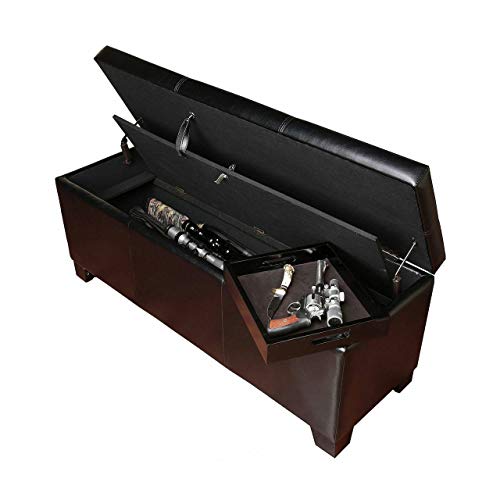
- ARS Mark8.2
ARS Mark is a ranking system developed by bestairriflescopes.com. ARS Mark has no relationship or impact from any manufacturers or sales agent websites. Learn more
- BrandAmerican Furniture Classics
Last update on 2026-06-13 / Affiliate links / Images, Product Titles, and Product Highlights from Amazon Product Advertising API
What Is A Gun Sear
Mechanical failures inside a firearm usually start small, quiet, and hidden from plain sight. A trigger suddenly feels too light, the reset becomes inconsistent, or the hammer behaves strangely after a few range sessions. That uneasy feeling often leads people toward researching What Is a Gun Sear, especially after realizing this tiny component directly controls critical parts of the firing cycle. Deep inside the trigger assembly, the sear acts like a locking point that keeps tension controlled until the shooter intentionally pulls the trigger.
How A Gun Sear Actually Functions
A firearm’s trigger system depends heavily on controlled tension and precise movement between metal components. The sear holds the hammer or striker in a ready position while spring pressure pushes against it constantly. Once the trigger moves far enough, the sear disengages and allows the firearm to fire. Tiny fractions of movement decide whether the release feels crisp, mushy, heavy, or dangerously unstable.
Most people never notice the sear until something starts feeling off during live fire or dry-fire practice. A rough break can make accurate shooting frustrating, especially during slower precision shots where trigger feel matters more than raw speed. Shooters often describe a healthy sear engagement as “clean” because the release feels predictable rather than gritty or hesitant. That smooth break helps maintain better sight alignment while reducing unnecessary movement during firing.
Different firearm platforms use sears differently. Hammer-fired pistols rely on one style of engagement, while striker-fired systems operate through a slightly different mechanism. Bolt-action rifles also include sear systems that interact with cocking pieces and trigger assemblies in unique ways. Those differences explain why trigger feel varies so much between firearms even if the pull weight numbers appear similar on paper.
Wear patterns slowly affect performance over time. Repeated firing creates friction between contact surfaces, and poorly machined parts may wear faster than expected. A worn sear can create unreliable engagement that causes accidental release or inconsistent trigger behavior. That’s one reason experienced firearm owners regularly inspect internal components instead of focusing only on external cleaning.
Why Sear Engagement Matters So Much
Sear engagement controls how securely the hammer or striker stays locked before firing. Too little engagement creates unsafe conditions because the firearm may release unexpectedly if bumped or dropped. Too much engagement creates a heavy, unpleasant trigger pull that feels stiff and difficult to control. That balancing act sits at the center of nearly every trigger design.
Competitive shooters often obsess over trigger consistency because tiny differences can affect shot placement. A clean break with reliable sear engagement helps maintain rhythm during rapid follow-up shots. But chasing ultra-light triggers sometimes creates dangerous compromises. Reducing engagement surfaces too aggressively can make the firearm unpredictable under recoil or rough handling.
Factory trigger systems usually prioritize safe reliability over extremely light pull weights. Some people complain that stock triggers feel heavier than expected, yet manufacturers intentionally build extra safety margins into the system. Firearms carried for defense or field use need dependable engagement even under dirt, vibration, and changing temperatures. A slightly heavier pull often beats an unsafe trigger setup.
Trigger jobs and aftermarket modifications change sear interaction dramatically. Polishing contact surfaces can smooth out friction, though improper angles may weaken engagement entirely. Plenty of amateur modifications go sideways because the sear geometry gets altered without fully understanding the mechanical consequences. That’s why skilled gunsmiths treat sear work carefully instead of grinding surfaces aggressively just to chase a lighter pull.
Common Problems Linked To Worn Sears
A firearm that suddenly behaves differently deserves attention fast. Weak reset, inconsistent trigger feel, or random hammer follow often points toward sear wear or damaged engagement surfaces. Some shooters ignore those warning signs at first because the gun still “sort of works.” That gamble rarely ends well once reliability starts slipping further.
Hammer follow creates one of the more serious problems tied to poor sear engagement. Instead of remaining locked after cycling, the hammer follows the slide or bolt forward unexpectedly. Sometimes the firearm won’t fire at all afterward. Other times, the condition becomes dangerous because the firing sequence no longer behaves predictably.
Rough machining marks also create headaches. Budget firearms occasionally ship with gritty trigger feel caused by uneven engagement surfaces inside the trigger assembly. Dry firing may smooth minor imperfections over time, though severe roughness often needs professional inspection. A polished trigger can feel smoother, but excessive polishing removes important surface material that helps maintain proper contact.
Corrosion creates another overlooked issue. Moisture, sweat, and neglected storage conditions slowly attack tiny internal components first. Rust on a sear surface changes how the trigger breaks and resets, especially on older firearms left untouched for years. Good maintenance habits matter because these internal parts tolerate neglect far less than many people assume.
How Trigger Feel Changes With Sear Design
Trigger feel depends heavily on sear geometry, spring pressure, and engagement depth. Some firearms deliver a crisp wall before breaking cleanly, while others feel long and rolling through the pull. Those differences come from how the sear surfaces interact during movement. Even subtle angle changes alter the shooting experience dramatically.
Single-action triggers typically feel lighter and cleaner because the sear releases an already cocked hammer. Double-action systems require additional movement and spring compression before release occurs. That extra work naturally increases pull weight and travel distance. Shooters switching between systems often notice the difference immediately during the first few trigger presses.
Trigger reset also depends on the sear system. Short reset designs allow faster follow-up shots because the trigger re-engages quickly after firing. Longer reset systems may feel slower but sometimes provide more deliberate control for precision shooting. Neither approach is automatically better because shooting style and intended use change what feels comfortable.
Explore smoother trigger mechanics through traditional bow field archery discussions that also highlight how controlled release affects precision and consistency. Precision sports often revolve around tiny mechanical details that casual observers rarely notice at first glance. The same principle applies heavily to firearm trigger systems.
Differences Between Manual And Automatic Sear Systems
Not every sear operates the same way, and confusion around this topic spreads constantly online. Standard semi-automatic firearms use a sear designed to release once per trigger pull. Automatic systems rely on entirely different timing and cycling behavior. That distinction matters both mechanically and legally.
Some conversion devices alter how a firearm’s sear interacts with the cycling action. Instead of resetting normally between shots, the modified system may allow continuous firing while the trigger remains depressed. Federal law heavily regulates these components because they fundamentally change firearm operation. People sometimes underestimate how serious those legal differences are until it’s too late.
Mechanical stress increases dramatically in automatic systems. Faster cycling speeds create more wear on sear surfaces, springs, and engagement points. Components must withstand repeated impact and heat while maintaining reliable timing. Small imperfections that seem harmless in semi-automatic systems may become major failures during higher cyclic rates.
Misleading internet videos and social media clips often oversimplify this topic. A sear isn’t “just another part” once firing behavior changes beyond standard operation. Legal restrictions exist specifically because modified sear systems can alter firing capability in dangerous ways. Knowing the distinction helps prevent careless assumptions and risky experimentation.
Why Trigger Jobs Sometimes Create Problems
Trigger jobs sound tempting because smoother pulls usually improve comfort and consistency. Plenty of firearm owners start chasing lighter triggers after hearing range buddies rave about “glass rod breaks” and ultra-short resets. But poor trigger work creates reliability problems fast if critical sear surfaces get altered carelessly. Tiny mistakes can completely change firearm behavior.
Over-polishing remains one of the most common issues. Some people aggressively remove material while trying to smooth friction points inside the trigger assembly. The firearm may feel cleaner at first, though reduced engagement can eventually create hammer follow or accidental release conditions. A polished surface means nothing if the mechanical lockup becomes unsafe.
Spring replacement kits also affect sear performance indirectly. Lighter springs reduce trigger resistance, but weaker spring tension may compromise reliable primer ignition in certain firearms. Cold weather, hard primers, or fouled internals can suddenly create inconsistent firing behavior. Shooters sometimes blame ammunition without realizing the modified trigger system caused the issue.
Professional gunsmiths usually approach trigger work conservatively for good reason. Reliability matters more than bragging rights about ultra-light pull weights. Controlled improvements often outperform extreme modifications once real-world use enters the equation. Safe trigger tuning focuses on consistent engagement, predictable reset, and reliable function rather than flashy numbers.
How Firearm Safety Relates To The Sear
Modern firearm safety systems rely heavily on proper sear function. Manual safeties, trigger safeties, and drop safeties often interact directly with the sear or related engagement surfaces. If the sear fails, multiple layers of protection can become compromised at the same time. That’s why internal inspections matter more than cosmetic appearance.
Drop safety tests specifically examine how securely the sear holds the firing mechanism under impact. A firearm that fires after being dropped represents a catastrophic failure in engagement control. Manufacturers design modern systems carefully to prevent that scenario. Even so, damaged or improperly modified parts can defeat built-in safety measures.
Routine function checks help identify early warning signs before problems escalate. Experienced shooters often check reset feel, trigger consistency, and hammer engagement after cleaning or modifications. Strange sounds, inconsistent pull weight, or unreliable reset deserve immediate attention. Ignoring subtle changes usually allows wear patterns to worsen over time.
Explore precision release techniques through best arrows for 65lb bow setups that also depend heavily on controlled tension and predictable release mechanics. Mechanical consistency matters across multiple shooting disciplines, even though the equipment itself differs dramatically.
Cleaning Habits That Affect Sear Longevity
Dirty trigger assemblies create more trouble than most people realize. Powder residue, carbon buildup, and dried lubricant slowly collect around moving parts after repeated range sessions. That grime increases friction inside the trigger system and may interfere with proper sear engagement. Suddenly the trigger feels heavier, rougher, or inconsistent.
Too much lubricant creates its own problems. Thick oil attracts debris and traps fouling around engagement surfaces over time. Some firearms run better with minimal lubrication inside the trigger assembly because excess residue turns sticky after prolonged firing. Clean, lightly lubricated parts usually maintain more predictable movement.
Compressed air and careful brushing help clear out hidden debris during routine maintenance. People often focus entirely on barrels and slides while neglecting trigger components completely. Internal grime doesn’t always show obvious symptoms immediately, though gradual wear accelerates quietly in the background. Preventive maintenance beats emergency troubleshooting every single time.
Storage conditions matter too. Humid environments increase corrosion risk around tiny steel components inside the action. Even minor rust spots can change trigger feel dramatically once sear surfaces begin degrading. A firearm stored carelessly for months may develop internal damage long before external rust becomes visible.
Why Experienced Shooters Pay Attention To Reset
Trigger reset changes how quickly and confidently follow-up shots happen. After firing, the trigger must move forward enough for the sear to re-engage before the next shot becomes possible. Short reset systems feel quicker because the shooter doesn’t need to release the trigger very far. Competitive shooters often pay obsessive attention to this detail.
Reset feel also affects confidence during defensive or high-pressure shooting. A vague or inconsistent reset makes timing harder to predict during rapid fire strings. Clean tactile feedback gives shooters more control over pacing and rhythm. That’s why many modern trigger systems advertise reset quality almost as heavily as pull weight.
Mechanical wear sometimes changes reset feel gradually over time. Springs weaken, engagement surfaces polish unevenly, and fouling alters movement characteristics inside the assembly. Shooters who practice regularly often notice subtle changes long before casual owners do. Consistent dry-fire routines help build familiarity with normal trigger behavior.
Compare release timing and control techniques through how to call a foxes methods where precision timing also shapes performance and response. Different shooting activities still rely on rhythm, control, and predictable mechanics to achieve reliable results.
How Gun Sear Problems Affect Trigger Safety
Trigger issues rarely appear out of nowhere. Most firearms give subtle warning signs long before a serious malfunction develops, and many of those symptoms point straight toward sear wear, poor engagement, or damaged internal geometry. A trigger suddenly feels lighter, reset becomes inconsistent, or the hammer slips unexpectedly during cycling. Those little changes matter because the sear acts as one of the firearm’s most important internal control points.
Why Cheap Internal Parts Cause Long-Term Issues
Budget firearms sometimes hide their biggest weaknesses inside the trigger assembly rather than the barrel or slide. Rough machining, uneven contact surfaces, and softer metal alloys can wear faster after repeated firing. The firearm may function normally during the first few range sessions, but hidden wear slowly changes trigger consistency over time. Shooters often notice the difference once the break starts feeling gritty or unpredictable.
Mass-produced components occasionally leave the factory with uneven sear surfaces that create excessive friction. Dry firing can smooth minor roughness naturally, though severe imperfections usually remain noticeable. Some owners immediately start polishing internal parts without fully understanding how engagement geometry works. That shortcut sometimes creates more problems than the original trigger feel ever did.
Temperature swings also affect cheaper internals more than people expect. Metal expansion and contraction can slightly alter contact pressure between engagement points during heavy use or outdoor storage. A firearm that feels acceptable indoors might behave differently after long exposure to cold weather or high humidity. Reliable trigger systems tolerate environmental changes without creating dangerous inconsistencies.
Mechanical precision matters in every shooting discipline. Explore cleaner aiming control through best bow sight for poor vision setups that also depend heavily on repeatable alignment and consistent release mechanics. Precision usually comes down to small details repeated correctly over and over again.
How Sear Wear Changes Trigger Pull
Trigger pull weight doesn’t stay perfectly identical forever. Thousands of firing cycles slowly wear engagement surfaces, especially in firearms that receive heavy range use without regular maintenance. Worn edges reduce contact stability, which changes how the trigger breaks and resets. Some shooters describe the feeling as “slippery” because the release starts feeling inconsistent from shot to shot.
Hammer-fired pistols often reveal wear patterns more clearly than striker-fired designs. The hammer hooks and sear surfaces interact directly under constant spring tension, so friction gradually reshapes those tiny contact points. A crisp trigger can slowly become mushy or vague after enough cycles. That transition usually happens gradually rather than overnight.
Spring fatigue contributes to the problem too. Trigger return springs and sear springs weaken slowly after repeated compression, changing how the trigger behaves during reset and release. Weak springs don’t always fail dramatically at first. Instead, shooters notice occasional hesitation, unreliable reset feel, or inconsistent pull weight during live fire.
Regular inspection helps catch these problems before reliability starts falling apart. Experienced firearm owners often compare current trigger feel against how the firearm behaved months earlier. Familiarity with normal operation makes it easier to recognize early warning signs. That awareness prevents small mechanical issues from growing into larger safety concerns.
Why Amateur Trigger Modifications Go Sideways
Online trigger tutorials make internal firearm work look deceptively simple. A few minutes of sanding, polishing, or spring trimming can supposedly create a cleaner pull instantly. Reality usually feels less forgiving once someone removes too much material from critical sear surfaces. Firearms operate on tiny tolerances where fractions of a millimeter matter.
Over-polishing changes engagement depth faster than many people realize. Smooth surfaces may initially feel cleaner during dry fire, though the reduced contact area sometimes weakens safe retention under recoil. The firearm still “works” right up until it doesn’t. That delayed failure creates false confidence that unsafe modifications were successful.
Some shooters also chase ultra-light triggers without considering the firearm’s actual purpose. A lightweight competition trigger may feel comfortable on a controlled range but become risky during defensive carry or field use. Dirt, sweat, vibration, and adrenaline all change how the trigger system behaves in real-world conditions. Reliable engagement often matters more than impressively low pull weights.
Professional gunsmiths rarely rush sear work because the consequences of mistakes can be severe. Proper trigger tuning balances smoothness, reliability, and safe engagement rather than maximizing only one factor. Conservative improvements usually create better long-term performance than aggressive modifications that push the system too far.
The Difference Between Creep And A Clean Break
Trigger “creep” describes the noticeable movement that happens before the sear finally releases. Some firearms have long rolling breaks where the trigger continues moving gradually under pressure. Others feel sharp and sudden with almost no detectable motion before firing. Those differences come directly from sear geometry and engagement depth.
A clean break feels predictable because the trigger pressure builds consistently before release. Precision shooters usually prefer that style because it minimizes unwanted movement during slow shots. Excessive creep can make accurate shooting frustrating, especially when trying to maintain stable sight alignment through the firing process. Tiny trigger inconsistencies become surprisingly noticeable during precision work.
Not every firearm benefits from an extremely crisp break, though. Defensive pistols sometimes use slightly longer trigger movement intentionally to reduce accidental discharge risk under stress. That extra movement creates a more deliberate trigger press. Shooters used to lighter competition triggers occasionally dislike the feel at first, but the design serves a practical purpose.
Reset feel ties into the equation too. Short reset triggers feel faster because the shooter can re-engage the sear quickly between shots. Longer reset systems may feel slower but sometimes provide more deliberate control. Personal preference matters, though mechanical reliability should always remain the priority over pure speed.
Why Some Firearms Feel More Forgiving
Certain firearms tolerate dirt, neglect, and rough handling better because their sear systems include larger engagement surfaces and stronger spring tension. Military-oriented designs often sacrifice refined trigger feel to maintain durability and reliability under ugly conditions. Those triggers may feel heavier, but they usually keep functioning even after heavy fouling or exposure to debris.
Precision target firearms operate differently. Lighter triggers and tighter tolerances create cleaner breaks, though the systems may require more maintenance and careful handling. Dust, carbon buildup, or weak lubrication can affect performance faster in finely tuned assemblies. That tradeoff surprises people expecting target-grade triggers to behave like rugged duty firearms.
Environmental conditions also shape trigger performance more than many owners expect. Moisture increases corrosion risk around tiny engagement points, while freezing temperatures may thicken lubricant and slow movement inside the trigger assembly. Firearms built for field use usually prioritize simpler internals that continue cycling despite environmental stress.
Mechanical reliability matters across shooting equipment in general. Explore durable release systems through best single shot air rifles setups that also emphasize consistency, predictable control, and repeatable firing behavior under regular use.
How Dry Firing Affects The Sear System
Dry firing creates debate in almost every firearm community. Some firearms tolerate it easily, while others may experience gradual wear depending on design and material quality. Repeated dry-fire practice places constant interaction stress on sear engagement points, especially in older rimfire systems or poorly machined trigger assemblies.
Centerfire firearms generally handle dry firing better because the firing pin stops differently than rimfire designs. Even so, excessive repetition without snap caps may accelerate wear on internal contact surfaces over time. Trigger feel can slowly change if springs weaken or engagement edges begin polishing unevenly. Most modern firearms survive routine dry-fire practice without issue, though moderation still matters.
Snap caps reduce impact stress during repetitive training sessions. Those dummy rounds cushion firing pin movement while allowing shooters to practice trigger control and reset safely. Competitive shooters often dry fire regularly because repetition improves trigger discipline and muscle memory. Structured practice builds familiarity with how the sear feels during consistent operation.
Dry firing also helps identify emerging trigger problems early. Roughness, inconsistent reset, or strange noises become easier to notice during quiet practice sessions than during loud live fire. That awareness gives shooters time to inspect components before reliability problems worsen. Preventive attention usually costs less than repairing damaged internals later.
What Unsafe Sear Engagement Looks Like
Unsafe sear engagement doesn’t always announce itself dramatically right away. Sometimes the warning signs feel subtle at first, like a trigger resetting inconsistently or the hammer slipping during manual cycling. Shooters occasionally dismiss those symptoms because the firearm still fires “most of the time.” That assumption creates unnecessary risk.
One serious indicator involves hammer follow during cycling. Instead of remaining securely engaged after the slide cycles, the hammer moves forward unexpectedly alongside the action. The firearm may fail to fire, double unintentionally, or behave unpredictably under recoil. Any of those outcomes point toward compromised engagement stability.
Bump testing helps identify dangerous trigger setups after modifications or repairs. Gunsmiths often cycle the action sharply or strike the firearm lightly while checking whether the sear maintains proper retention. A healthy trigger system should remain secure under normal movement and impact. Unsafe systems sometimes release unexpectedly under stress.
Light primer strikes can occasionally connect back to trigger modifications too. Reduced spring tension combined with altered engagement geometry sometimes weakens firing energy. Shooters blame ammunition surprisingly often before realizing the trigger assembly caused the inconsistency. Internal mechanics affect far more than just pull weight alone.
Why Trigger Discipline Still Matters Most
Mechanical safeties and reliable sear systems help reduce risk, but no internal part replaces proper trigger discipline. A perfectly functioning firearm still depends on the shooter maintaining safe handling habits at all times. Mechanical systems fail occasionally. Human attention matters every single time the firearm changes hands or leaves the holster.
Experienced shooters build habits around consistent finger placement and deliberate trigger control. Keeping the trigger finger indexed outside the guard until ready to fire prevents countless negligent discharges. That habit matters more than expensive trigger upgrades or aftermarket safeties. Safe behavior always starts with disciplined handling.
Range practice reveals how quickly sloppy habits develop under stress or fatigue. Shooters rushing reloads or transitions sometimes move their finger toward the trigger too early without realizing it. Structured training reinforces cleaner movement patterns that eventually become automatic. Consistency matters because pressure tends to expose weak habits immediately.
Mechanical reliability and responsible handling work together rather than competing against each other. A properly maintained sear system helps support safe firearm operation, while disciplined handling reduces the chances of user-caused mistakes. Both sides matter equally because even the best trigger system cannot compensate for careless behavior.


12 Best 22 Pcp Air Rifle For Hunting of 2026 With Quiet Power

7 Best 22 Pcp Air Rifle Under 300 of 2026 For Backyard Pest Control

10 Best 22 Break Barrel Air Rifles of 2026 For Backyard Pest Control

10 Best 30 Caliber Pcp Air Rifle of 2026 For Medium Game

Top Best 177 Air Rifle Under 100: Budget-Friendly Picks for 2026

How to Safely Reload Shotgun Shells at Home

11 Best Co2 Air Rifle For Pest Control of 2026 To Ensure Humane Dispatch

12 Best Inexpensive Air Rifles of 2026 For Dependable Backyard Accuracy






