
What Is a Hunting Bow Made Of for Real Use

What Is a Hunting Bow Made Of becomes a much bigger question once the excitement of buying gear fades and real-world use kicks in. Plenty of bows look nearly identical hanging on a rack, yet the feel in your hand, the vibration after release, and the long-term durability can vary wildly. That difference usually comes down to materials. Fiberglass, laminated wood, aluminum risers, carbon limbs, and synthetic strings each play a role in how the bow behaves in cold mornings, humid woods, or rough backcountry conditions.
Cheap construction tends to show its flaws fast. Limbs may feel stiff and noisy, risers can create uncomfortable hand shock, and low-grade strings often stretch at the worst possible moment. Nobody wants to spend time re-tuning gear every other weekend because corners were cut during manufacturing. Stronger materials help maintain accuracy, improve stability, and reduce fatigue during long practice sessions. Small differences in weight distribution or flexibility can completely change how confident a shot feels.
Wood still carries a loyal following because of its warm grip and traditional appeal, though modern composite materials dominate for practical reasons. Carbon components reduce overall weight while helping resist temperature shifts, which matters more than many people expect. Aluminum risers deliver dependable balance and structural consistency, especially during repeated use in changing weather. Meanwhile, laminated limbs blend multiple materials together to create a smoother draw cycle and better energy transfer.
Bowstrings deserve more attention than they usually get. Synthetic fibers like Dyneema and other modern blends hold tension far better than old-school natural materials ever could. That means fewer frustrating adjustments and more predictable arrow flight over time. A weak string setup can quietly ruin otherwise solid equipment, so durable string material matters just as much as the bow itself.
Noise reduction also ties directly to material choices. Dense risers, vibration dampeners, and flexible limb construction help cut down unwanted sound after release. Quiet performance isn't just about stealth either. Less vibration typically means a more controlled and comfortable shooting experience, especially after repeated practice. Nobody enjoys a bow that rattles the hand after every shot.
Maintenance changes depending on what the bow is built from. Wooden sections may require more careful storage to avoid moisture damage, while carbon and aluminum setups usually handle rougher treatment without much fuss. That's why many hunters lean toward modern hybrids instead of purely traditional builds. They want equipment that can handle muddy trails, sudden rain, and temperature swings without becoming a headache.
What Is a Hunting Bow Made Of also connects directly to hunting style, terrain, and shooting preference. Lightweight carbon setups may feel better during long mountain hikes, while heavier aluminum risers can steady the aim during stationary hunting sessions. Every material comes with tradeoffs, quirks, and strengths. Knowing those differences helps avoid buyer's remorse and makes the entire shooting experience feel far more natural.

- ARS Mark10.0
ARS Mark is a ranking system developed by bestairriflescopes.com. ARS Mark has no relationship or impact from any manufacturers or sales agent websites. Learn more
- BrandGeneric

- ARS Mark9.4
ARS Mark is a ranking system developed by bestairriflescopes.com. ARS Mark has no relationship or impact from any manufacturers or sales agent websites. Learn more
- BrandDeerseeker Outdoor
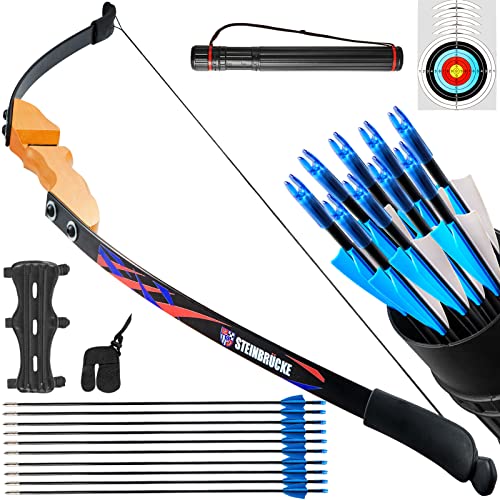
- ARS Mark9.0
ARS Mark is a ranking system developed by bestairriflescopes.com. ARS Mark has no relationship or impact from any manufacturers or sales agent websites. Learn more
- BrandGioventù

- ARS Mark9.0
ARS Mark is a ranking system developed by bestairriflescopes.com. ARS Mark has no relationship or impact from any manufacturers or sales agent websites. Learn more
- BrandObert

- ARS Mark9.0
ARS Mark is a ranking system developed by bestairriflescopes.com. ARS Mark has no relationship or impact from any manufacturers or sales agent websites. Learn more
- BrandGLURAK

- ARS Mark8.8
ARS Mark is a ranking system developed by bestairriflescopes.com. ARS Mark has no relationship or impact from any manufacturers or sales agent websites. Learn more
- BrandGLURAK
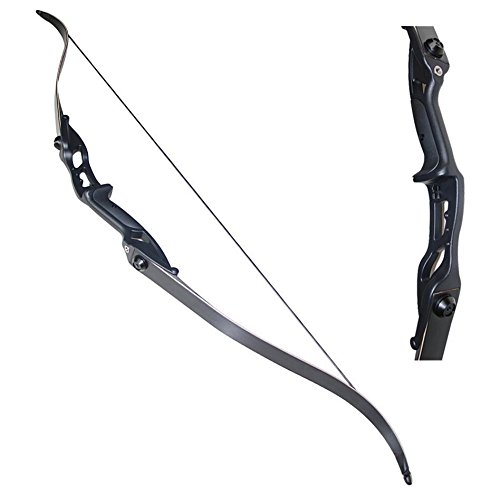
- ARS Mark8.8
ARS Mark is a ranking system developed by bestairriflescopes.com. ARS Mark has no relationship or impact from any manufacturers or sales agent websites. Learn more
- BrandTOPARCHERY
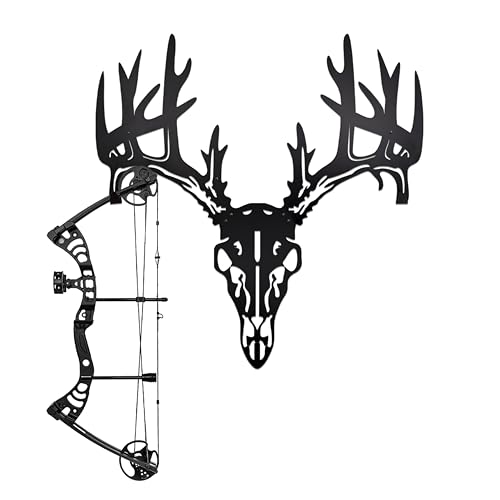
- ARS Mark8.6
ARS Mark is a ranking system developed by bestairriflescopes.com. ARS Mark has no relationship or impact from any manufacturers or sales agent websites. Learn more
- BrandUrbraneco

- ARS Mark7.8
ARS Mark is a ranking system developed by bestairriflescopes.com. ARS Mark has no relationship or impact from any manufacturers or sales agent websites. Learn more
- Brandmotion zeus

- ARS Mark4.6
ARS Mark is a ranking system developed by bestairriflescopes.com. ARS Mark has no relationship or impact from any manufacturers or sales agent websites. Learn more
- BrandS F
Last update on 2026-05-27 / Affiliate links / Images, Product Titles, and Product Highlights from Amazon Product Advertising API
What Is A Hunting Bow Made Of
Cold fingers, wet gear, and long hours in rough terrain expose weak equipment fast. Plenty of bows look polished under store lighting, yet problems start showing up after repeated shots or changing weather conditions. That’s exactly why what is a hunting bow made of matters far more than most people expect during the buying process. Material choices directly affect accuracy, vibration, durability, noise levels, and how comfortable the bow feels after an entire day outdoors.
Why Bow Materials Matter So Much
Cheap materials create annoying problems that slowly chip away at confidence. A bow that twists slightly under pressure or develops loud vibration after release can make every shot feel unpredictable. Stronger construction improves stability, keeps tuning more consistent, and reduces hand shock after repeated shooting sessions. Nobody enjoys practicing for hours with equipment that feels rough or unstable.
Weather creates another headache that catches many hunters off guard. Moisture, freezing temperatures, and summer heat all affect bow performance differently depending on the materials used. Carbon components resist temperature shifts better than many traditional options, while laminated limbs hold their shape more reliably under stress. Those details become painfully obvious once equipment gets dragged through muddy trails or cold morning setups.
Balance also changes the entire shooting experience. Heavy risers may steady aim for some shooters, but long hikes quickly turn extra weight into frustration. Lightweight construction helps reduce arm fatigue and shoulder strain during extended practice or backcountry movement. Small weight differences sound minor on paper, though they feel massive after carrying gear for several miles.
Noise reduction ties directly into material quality too. Softer vibration after release usually means the bow feels smoother and quieter overall. Dense risers, layered limb construction, and modern dampening inserts all contribute to a cleaner shot cycle. That quieter performance helps maintain control and makes repeated shooting sessions easier on the hands and wrists.
Traditional Wood Still Has A Place
Wooden hunting bows carry a feel that modern materials struggle to copy. The grip often feels warmer in cold weather, and the natural grain gives every bow slightly different character. Traditional archers appreciate that connection because the shooting experience feels more personal and less mechanical. A handcrafted wooden bow can feel incredibly smooth in the right hands.
Still, wood comes with tradeoffs that frustrate plenty of hunters over time. Moisture exposure can affect long-term durability if the bow isn’t stored carefully. Temperature swings may slightly influence flexibility, especially with poorly sealed construction. Those issues don’t automatically make wooden bows bad, though they do require more attention and maintenance.
Laminated wood construction helped solve many older durability concerns. Manufacturers combine hardwood cores with fiberglass layers to improve strength and consistency while preserving the classic shooting feel. That combination creates smoother energy transfer without sacrificing the traditional appearance many archers still love. Laminated bows usually tolerate outdoor conditions far better than older single-piece wood designs.
Traditional bows also demand more practice and cleaner shooting form. There’s less forgiveness compared to modern compound systems, so flaws show up quickly during release. Some shooters genuinely enjoy that challenge because it sharpens technique and patience over time. Others realize pretty quickly they’d rather have the mechanical advantages modern materials provide.
Fiberglass Changed Bow Construction
Fiberglass reshaped modern bow manufacturing because it added flexibility without making limbs fragile. Earlier bow designs often cracked or weakened after repeated tension cycles, especially during rough use. Fiberglass laminates improved durability while allowing limbs to store more energy during the draw cycle. That extra resilience made bows more dependable for repeated field use.
Layered fiberglass also helped smooth out shot consistency. Limbs flex more evenly under pressure, which improves arrow speed and reduces unpredictable vibration. That smoother draw and release cycle makes practice less fatiguing over long sessions. Shooters usually notice the difference once they move away from lower-end construction.
Some fiberglass-heavy bows feel slightly bulkier compared to modern carbon setups. Weight increases can improve stability during aiming, though extended carrying becomes more tiring over time. Hunters moving through mountainous terrain often prefer lighter designs for that reason. Stationary hunting situations may benefit from slightly heavier setups that settle more naturally during the shot.
Durability remains one of fiberglass’s strongest advantages. Repeated shooting, rough transport, and shifting temperatures usually create fewer long-term issues compared to weaker materials. Fiberglass doesn’t magically eliminate wear and tear, but it handles stress more consistently than many older bow materials ever could. That reliability matters once equipment starts facing real outdoor punishment.
Aluminum Risers Changed Modern Hunting Bows
Machined aluminum risers became popular because they create a more rigid and predictable shooting platform. That stiffness improves tuning consistency and helps reduce unwanted flex during release. A stable riser keeps the bow aligned more naturally under pressure, especially during repeated shots. Strong alignment directly improves accuracy and shot repeatability.
Aluminum also handles rough treatment surprisingly well. Small bumps against rocks, tree stands, or truck beds usually leave cosmetic marks instead of structural damage. Hunters who spend lots of time moving through rough terrain appreciate that toughness quickly. Equipment gets abused outdoors whether people admit it or not.
Weight becomes the biggest debate surrounding aluminum risers. Some shooters prefer that slightly heavier feel because it steadies aim and reduces shakiness during longer holds. Others feel shoulder fatigue faster during hikes or extended practice sessions. Personal comfort plays a massive role in deciding whether aluminum feels balanced or exhausting.
Manufacturers shape aluminum risers carefully to reduce unnecessary bulk while maintaining structural integrity. Hollowed sections and skeletal cutouts help lower overall carry weight without weakening the frame. Those design choices matter because every ounce feels heavier after hours outdoors. Strong engineering helps modern bows stay durable without becoming clunky.
Carbon Fiber Reduced Carry Fatigue
Carbon fiber became popular fast because hunters grew tired of dragging heavy setups through difficult terrain. Long hikes, steep elevation changes, and cold weather gear already add enough strain before the bow even enters the equation. Carbon construction cuts significant weight while maintaining strong structural support. That lighter feel helps reduce shoulder fatigue during long days outdoors.
Temperature resistance creates another major advantage. Carbon risers don’t absorb cold like aluminum, so handling the bow during freezing mornings feels noticeably more comfortable. Bare aluminum can feel brutally cold against exposed skin after sitting outdoors for hours. Carbon construction keeps the grip more manageable during harsh seasonal conditions.
Some carbon bows produce slightly different vibration characteristics compared to aluminum setups. Many shooters describe the release feeling softer or more muted in the hand. Others still prefer the denser feedback aluminum provides during aiming and release. Neither preference is automatically right or wrong because shooting feel varies heavily between individuals.
Cost remains the biggest drawback for many carbon hunting bows. Advanced manufacturing processes raise prices considerably compared to traditional aluminum construction. That extra expense frustrates hunters who prioritize durability over shaving a few pounds from their setup. Still, hunters covering large distances often decide the reduced carry weight feels worth the added investment.
Bow Limbs Handle Massive Stress
Bow limbs absorb incredible pressure every time the string gets drawn back. Weak limb construction creates inconsistency fast, especially after repeated shooting sessions or temperature swings. Modern hunting bows typically use layered fiberglass, carbon, or composite laminates to improve long-term reliability. Strong limb materials help maintain energy transfer and reduce unwanted twisting during release.
Limb flexibility directly affects how smooth the bow feels during the draw cycle. Stiff designs may feel aggressive or jerky, while properly balanced limbs create steadier resistance throughout the pull. Smooth draw cycles reduce fatigue and improve shot control under pressure. Nobody enjoys fighting against harsh resistance before every release.
Split-limb systems became popular because they distribute stress more evenly than older single-limb setups. That design often improves stability and reduces vibration after release. Hunters chasing quieter performance usually notice the difference immediately during practice. Less vibration generally means better comfort and cleaner follow-through.
Proper limb construction also affects long-term tuning consistency. Poorly built limbs may drift slightly over time, especially after heavy use or rough transport conditions. Quality laminates hold alignment more reliably, which reduces frustrating adjustment sessions before hunts. Stable limbs help maintain dependable arrow flight during changing outdoor conditions.
Modern Bowstrings Changed Reliability
Older natural bowstrings struggled badly with moisture and stretching. Repeated exposure to humidity could throw off tuning and weaken overall consistency during shooting sessions. Modern synthetic fibers solved many of those frustrations by holding tension more effectively over time. Reliable strings help maintain accuracy without constant adjustment headaches.
Materials like Dyneema and blended synthetic fibers resist stretching even after repeated shooting cycles. That stability keeps cam timing and brace height more consistent between practice sessions. Small tuning shifts may sound minor, though they quickly affect arrow flight and sight alignment. Consistent string material removes plenty of unnecessary frustration.
String quality also influences noise levels during release. Cheap string setups often create extra vibration and buzzing after the shot breaks. Better serving materials and tighter construction help dampen that unwanted movement. A quieter release feels smoother and keeps the bow more comfortable during extended shooting sessions.
Maintenance still matters regardless of how advanced the material becomes. Waxing the string regularly helps prevent fraying and protects fibers from moisture damage over time. Ignoring basic maintenance shortens string lifespan dramatically, even with premium materials. Strong strings still need proper care if consistent performance matters.
Hunters trying to improve long-range consistency often spend too much time obsessing over accessories while ignoring their sight picture. To sharpen aiming precision at extended distances, explore best reticle for long range pcp air rifles setups that break down cleaner reticle patterns and sight alignment strategies.
Best Materials Used In Modern Hunting Bows
Many hunters start blaming their form when shots drift or groups suddenly open up. Truth is, weak materials and poor construction often create those frustrating inconsistencies long before technique becomes the real issue. Material quality affects balance, noise control, long-term tuning, and how the bow behaves after hundreds of shots. Small design choices inside the riser and limbs can completely change how dependable the setup feels during real hunting situations.
Composite Materials Changed Bow Performance
Modern composite materials gave bow manufacturers more control over flexibility and strength without turning bows into oversized bricks. Earlier designs often struggled with cracking, uneven limb movement, or excessive vibration after repeated use. Layered composites solved many of those problems by spreading stress more evenly across the limbs and riser. That smoother energy transfer improves shot consistency and reduces wear over time.
Hunters who practice regularly usually notice these differences faster than casual shooters. Cheap composite construction often develops noisy vibration or inconsistent tuning after heavy use. Better materials hold alignment more reliably, especially during rough weather or repeated transport in trucks and backpacks. Nobody wants equipment that suddenly shifts out of tune the night before a hunt.
Composite limbs also create a more forgiving draw cycle compared to older rigid designs. The pull feels smoother across the full draw length, which helps reduce shoulder fatigue during long practice sessions. Controlled flexibility improves comfort while keeping strong arrow speed and dependable energy transfer. That combination matters because harsh shooting bows tend to wear people down mentally and physically.
Weight distribution improves with better composite engineering too. Balanced bows settle more naturally while aiming, especially during awkward shooting angles from blinds or elevated stands. Less front-heavy pressure keeps the bow easier to control during longer holds. That extra stability becomes incredibly valuable once adrenaline starts kicking in.
How Riser Design Impacts Accuracy
The riser acts as the backbone of the entire bow system. Weak riser construction creates subtle movement during release, and those tiny shifts can throw off arrow flight more than people expect. Strong risers improve stability while keeping limb alignment more predictable shot after shot. Consistency matters far more than flashy marketing details.
Grip shape also changes how naturally the bow settles into the hand. Bulky grips may create torque problems that slowly wreck shooting form over time. Slimmer ergonomic designs often help reduce unnecessary wrist pressure and improve repeatability during release. Comfortable grip positioning sounds minor until soreness starts building after long range sessions.
Machined risers typically feel more controlled during aiming because they flex less under pressure. That rigidity helps maintain cleaner arrow flight and steadier sight alignment. Some hunters prefer slightly heavier risers because they calm down movement while aiming. Others lean toward lighter setups that reduce fatigue during long hikes through difficult terrain.
Hunters still learning basic shooting mechanics often benefit from more forgiving setups before jumping into aggressive high-performance bows. To build smoother form and better confidence early on, explore best type of bow for beginners setups that focus on manageable draw cycles and balanced handling.
Cam Systems Depend On Strong Materials
Compound bow cams handle enormous pressure every time the string cycles through the shot. Weak cam materials wear faster and may create inconsistent timing over long periods of heavy use. Precision-machined systems hold alignment more reliably and improve overall shooting smoothness. Reliable cam performance helps maintain accuracy during repeated shooting sessions.
Cam size and design also affect how aggressive the draw feels. Faster cams usually create sharper transitions during the draw cycle, which some hunters love and others absolutely hate. Smooth cams often sacrifice a little speed for better comfort and steadier control. Personal preference matters heavily here because every shooter handles resistance differently.
Bearings inside the cam system play a bigger role than many people realize. Poor bearings create rough cycling, increased wear, and extra noise over time. Better components keep the rotation cleaner and help reduce friction during release. Smooth movement across the full cycle helps maintain better shot rhythm under pressure.
Maintenance becomes extremely important once dirt, rain, and dust enter the equation. Ignoring cam wear can slowly damage strings and cables without obvious warning signs at first. Hunters who regularly inspect moving parts usually avoid expensive problems later on. Small preventative maintenance habits save a lot of frustration down the road.
Bow Weight Changes Hunting Comfort
Weight affects far more than simple carrying comfort. Heavy bows may steady the aim nicely during short range sessions, though carrying extra pounds through rough terrain becomes exhausting after several hours. Lightweight setups reduce strain but sometimes feel twitchier during longer holds. Balance matters just as much as the raw number on the scale.
Mountain hunters often prioritize lighter bows because steep climbs already punish shoulders and lower back muscles. Every ounce starts feeling heavier once packs, layered clothing, and additional equipment pile on throughout the day. Carbon risers gained popularity partly because they reduce fatigue during constant movement. Less fatigue usually leads to steadier shooting late in the hunt.
Stationary hunting creates different priorities entirely. Heavier bows can settle more naturally while waiting in blinds or tree stands where carrying distance matters less. That added mass often helps reduce small hand movements during aiming. Some shooters simply prefer the planted feel heavier bows provide during release.
Accessory weight changes the equation quickly too. Stabilizers, sights, quivers, and loaded arrows all add noticeable bulk after everything gets mounted together. A bow that feels comfortable bare may become awkward once fully equipped for hunting. Smart weight distribution keeps the setup manageable without sacrificing too much stability.
Noise And Vibration Affect Shot Control
Loud vibration after release usually points toward poor balance somewhere in the bow system. Weak dampening, harsh limb movement, or sloppy string setup can create extra hand shock and distracting noise. Cleaner shooting bows feel smoother and allow better follow-through after release. Reduced vibration improves comfort and keeps the shot cycle more controlled.
Hunters often focus heavily on arrow speed while ignoring how harsh the bow actually feels to shoot repeatedly. Aggressive setups may launch arrows fast, but excessive vibration can create fatigue during long practice sessions. Comfortable shooting bows encourage more consistent training and steadier form development. Painful equipment tends to sit unused in storage.
Modern dampening inserts help absorb extra movement before it reaches the riser and grip. Limb silencers and stabilizers also contribute to cleaner release characteristics. None of these accessories magically fix poor construction, though they help refine already solid setups. Strong core materials still matter more than add-on accessories.
Mechanical wear increases noise over time too. Loose screws, worn bushings, or aging strings often create rattles that slowly worsen if ignored. Regular inspections help catch those issues before performance drops noticeably. Quiet equipment generally signals healthier overall bow condition.
Proper Maintenance Extends Bow Lifespan
Good materials still need regular maintenance if long-term performance matters. Dirt buildup, moisture exposure, and neglected strings slowly shorten equipment lifespan even on expensive bows. Simple habits like wiping down the bow after wet hunts help prevent unnecessary wear. Consistent care protects durability and keeps performance more predictable.
String waxing remains one of the easiest maintenance steps hunters overlook constantly. Dry fibers fray faster and lose strength over time, especially during repeated exposure to dirt and temperature swings. Proper wax application helps preserve flexibility and reduce premature wear. A neglected string eventually becomes an expensive problem waiting to happen.
Moving components deserve regular attention too. Cams, axles, and bearings collect dust and moisture surprisingly fast during active hunting seasons. Lubrication keeps parts cycling smoothly and reduces friction-related wear. Hunters maintaining air-powered gear often apply similar habits with best oil for pcp air rifle products designed to protect seals and moving systems from long-term damage.
Storage conditions quietly affect bow lifespan more than many people expect. Leaving equipment inside hot vehicles or damp garages slowly weakens strings, adhesives, and limb materials over time. Climate-controlled storage helps preserve tuning consistency and structural reliability between seasons. Responsible storage habits usually mean fewer frustrating repairs later.
Material Choices Shape Real Hunting Experience
Every material inside a hunting bow creates tradeoffs somewhere else in the shooting experience. Lightweight carbon reduces fatigue but increases overall cost. Aluminum risers improve rigidity while adding extra carry weight. Traditional wood offers natural feel and visual appeal, though weather resistance requires more care and maintenance.
Hunters chasing speed sometimes sacrifice shooting comfort without realizing it immediately. Aggressive bows may feel exciting during the first few shots, then become exhausting after extended practice. Smooth shooting setups usually encourage more range time because the experience feels less punishing physically. Consistent practice matters far more than raw speed numbers printed on packaging.
Terrain and hunting style influence material priorities heavily too. Dense forests, mountain hikes, tree stands, and open-field setups all create different demands on equipment. A balanced bow for steep backcountry hunts may feel completely wrong during stationary blind hunting. Real-world conditions shape practical performance far more than catalog descriptions ever will.
What is a hunting bow made of ultimately connects back to reliability under pressure. The right combination of riser material, limb construction, string quality, and overall balance creates equipment that feels trustworthy instead of unpredictable. Hunters depend on that confidence once conditions become stressful and opportunities appear suddenly. Strong materials don’t replace skill, but they absolutely help support steadier performance when every shot matters.


12 Best 22 Pcp Air Rifle For Hunting of 2026 With Quiet Power

7 Best 22 Pcp Air Rifle Under 300 of 2026 For Backyard Pest Control

10 Best 22 Break Barrel Air Rifles of 2026 For Backyard Pest Control

10 Best 30 Caliber Pcp Air Rifle of 2026 For Medium Game

Top Best 177 Air Rifle Under 100: Budget-Friendly Picks for 2026

How to Safely Reload Shotgun Shells at Home

11 Best Co2 Air Rifle For Pest Control of 2026 To Ensure Humane Dispatch

12 Best Inexpensive Air Rifles of 2026 For Dependable Backyard Accuracy






