
What Is a Peep Sight and How Does It Work?

Look along the rear of the bowstring or rifle body for a small ring with a hole through the center. That piece is a peep sight, and it acts as a rear aiming point that naturally centers your eye on the target. Looking through this opening keeps your head steady between shots, which prevents wide, frustrating misses.
How well this sight works depends on your gear and lighting. On a compound bow, the ring splits the strands of the bowstring, while on a rifle, it screws onto the top of the metal body. Choosing a wide opening gives you a bright view during dawn or dusk, but a smaller hole provides sharper precision on distant targets. Here is a clear look at how this little ring guides your aim and how to select the best fit.
What a Peep Sight Is and How It Guides Your Eye
A peep sight is a simple rear sighting tool shaped like a small ring or disc with a clean hole drilled through the middle. Shooters place it close to their aiming eye, either pressed into the strands of a bowstring or mounted on the rear metal frame of a rifle. It serves as the rear half of your sighting system, working alongside the front sight pin or post near the end of your bow or barrel.
To picture how it works, think of a peephole on a front door. When you stand three feet away from the door, the hole looks tiny, dark, and hard to see through. But as soon as you press your eye right against it, the metal edges blur away, and you see the entire hallway outside. A peep sight operates on that exact same visual principle. Because the sight sits right in front of your eye, the rim softens into a faint shadow that your brain easily looks past.
Your eye and brain naturally center round shapes. When you look through a circular opening, your visual system automatically seeks the middle where incoming light is brightest and cleanest. You do not have to stop, measure, or guess if your front sight post is centered. Your visual system aligns concentric circles without conscious effort. All you do is look directly through the opening, place your front sight on your target, and focus your attention downrange.
This natural centering eliminates head-position errors, which are the main cause of frustrating misses. Without a rear sight, your eye floats in midair. If you move your cheek a fraction of an inch to the side, or drop your jaw slightly lower, your line of sight changes completely. The front sight might still appear to cover the bullseye, but your shot will land inches or even feet off-target. A peep sight locks your eye into the exact same window on every shot, keeping your head position consistent.
Bowstring Peeps Versus Rifle Receiver Sights
While the optical principle remains the same, peep sights serve two distinct tools: compound bows and rifles. The way each platform mounts and uses the sight changes based on the equipment.
On a compound bow, the peep is a small metal or plastic ring split directly between the strands of the bowstring. Slots on the outer edge, called string grooves (the slots where the bow strands sit), hold the peep firmly in place between the string bundles. When you draw the bow back, the sight travels toward your eye. Once you reach full draw (pulling the string fully back) and settle your hand at your anchor point (the spot where your hand touches your face), the hole aligns right in front of your eye.
Bowhunters use their peep sight in a specific way compared to rifle shooters. Rather than centering just the tiny aiming pin inside the peep, you center the entire round front sight guard inside the peep opening. Aligning both rings creates two concentric circles, ensuring the bow sits at the exact same angle on every shot. You can learn more about aligning these rings in our guide on how to use a bow sight with better accuracy.
On firearms, a peep sight is often called an aperture sight (a sight opening you look through) or a receiver sight. It mounts directly to the receiver (the main metal rifle body) near the rear of the action. Factory notch sights sit far forward on the barrel, forcing your eye to juggle the rear notch, front post, and target simultaneously. That creates eye fatigue because human vision cannot focus on three different depths at once.
Mounting the sight back on the receiver creates a much longer sight radius, which is the total distance between your front and rear sights. A longer sight radius makes minor aiming errors far less noticeable downrange. Rifle shooters also use aperture sights as dependable backups behind electronic optics, pairing iron sights for cowitness with red dot sights through the glass if an optic battery dies.
Choosing the Right Opening Size and Fixing Alignment Issues
Choosing a peep sight comes down to balancing light transmission against aiming precision. The size of the sight opening controls how much light reaches your eye and how tightly your eye centers the front sight.
A smaller opening acts like a pinhole camera. It narrows incoming light rays, sharpening your focus on both the front sight and the target while increasing your depth of field. But that sharpness reduces overall brightness. In deep woods, heavy overcast weather, or fading evening light, a tiny opening can make the target disappear into darkness. A larger opening lets in plenty of light at dawn or dusk, but leaves more room for your eye to wander off-center.
Here is a quick checklist to help you choose the right opening diameter for your setup:
- Small opening (1/8 inch or smaller): Best for target archery, competitive target rifles, and bright sunny ranges. It delivers maximum aiming precision and tight shot groups, but it becomes difficult to see through in low-light conditions.
- Medium opening (3/16 inch): The standard all-around choice for hunting and field shooting. It balances clean precision with enough light for most morning and evening conditions.
- Large opening (1/4 inch): The ideal size for fast target acquisition in thick timber or setting up a bow sight for treestand hunting at dusk. It gathers maximum light when legal shooting hours begin or end.
Target distance also guides your choice. Shooting at long distances in open country favors a smaller opening to prevent slight drifts from turning into wide misses at fifty or sixty yards. Inside thirty yards in dense brush, a larger opening gives you the speed and light you need to track game cleanly.
The most common headache archers face is a peep sight that turns sideways when pulling the bow back. At full draw, the opening must face straight toward your eye. If it twists even slightly, the round hole turns into an oval or a solid wall of metal, blocking your sight picture. Bowstrings are made of twisted synthetic strands that stretch, settle, and react to temperature shifts. If your peep fails to turn straight, check these items in order:
- Inspect your D-loop position: The D-loop is the small nylon cord tied to the bowstring where your mechanical release attaches. As you draw, the release pulls the D-loop straight toward your face. If the loop shifts out of line, it twists the bowstring and turns the peep. Straightening the loop with pliers so it points straight back often resolves the twist.
- Check strand separation: Inspect how the bowstring strands split around the sight housing. An equal number of strands should sit on each side of the peep. If the strands are divided unevenly, the unbalanced tension pulls the sight crooked at full draw.
- Check rubber alignment tubing: Some hunting setups connect the peep sight to an upper bow cable using flexible rubber tubing. When drawn, the tubing pulls the peep straight mechanically. If your setup uses tubing, inspect it regularly for cracks, dryness, or slipping ends so it does not snap.
- Adjust string twists in a bow press: If the loop is straight and strands are even, the bowstring itself needs a half-twist added or removed. Have a local archery pro shop adjust the string in a press, because pressing a compound bow without proper equipment can cause serious limb damage or personal injury.
Rifle shooters must watch for loose mounting screws caused by firearm recoil. Check receiver mounting screws regularly with an inch-pound torque tool, and apply non-permanent thread-locking fluid to keep the sight from wandering off zero during heavy recoil.
Always put safety first before adjusting any sighting gear. Clear rifle chambers, remove magazines, and decock or relax bow tension safely before tightening or moving parts. Never dry-fire a bow to verify sight alignment, and keep your fingers clear of moving cams while checking your setup.
What to Look for When Choosing a Peep Sight
When selecting a peep sight, look for design details that match your specific setup. While most models look like simple rings, subtle construction differences directly affect how cleanly you see the target.
For compound bows, match the string groove angle to your bow length. Short hunting bows bend the string at a sharp angle at full draw, while longer target bows create a gentler angle. Choosing a peep with string groove angles that match your bow keeps the opening sitting flat and circular rather than tilted up or down.
Look for anti-glare features like matte black finishes, inner light-baffling grooves, or small protective hoods. These details block stray sunlight from bouncing into your eye, keeping your sight picture crisp on bright days. Smooth, rounded string channels also prevent excessive friction, protecting your bowstring from early wear.
Consider modular peep systems if you shoot in varied lighting. These designs feature threaded housings that accept interchangeable opening inserts. That flexibility allows you to run a fine opening for sunny target practice and switch to a wide opening for hunting season without pressing your bow.
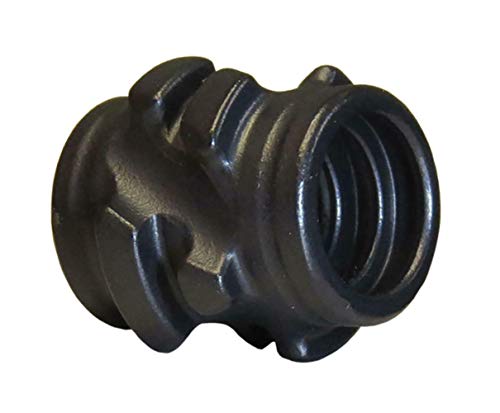
- ARS Mark9.6
ARS Mark is a ranking system developed by bestairriflescopes.com. ARS Mark has no relationship or impact from any manufacturers or sales agent websites. Learn more
- BrandHamskea

- ARS Mark9.4
ARS Mark is a ranking system developed by bestairriflescopes.com. ARS Mark has no relationship or impact from any manufacturers or sales agent websites. Learn more
- BrandG5 Outdoors

- ARS Mark9.4
ARS Mark is a ranking system developed by bestairriflescopes.com. ARS Mark has no relationship or impact from any manufacturers or sales agent websites. Learn more
- BrandG5 Outdoors

- ARS Mark9.2
ARS Mark is a ranking system developed by bestairriflescopes.com. ARS Mark has no relationship or impact from any manufacturers or sales agent websites. Learn more
- BrandAir Venturi
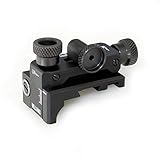
- ARS Mark9.2
ARS Mark is a ranking system developed by bestairriflescopes.com. ARS Mark has no relationship or impact from any manufacturers or sales agent websites. Learn more
- BrandWilliams Gun Sight Company

- ARS Mark8.8
ARS Mark is a ranking system developed by bestairriflescopes.com. ARS Mark has no relationship or impact from any manufacturers or sales agent websites. Learn more
- BrandTRUGLO

- ARS Mark8.8
ARS Mark is a ranking system developed by bestairriflescopes.com. ARS Mark has no relationship or impact from any manufacturers or sales agent websites. Learn more
- BrandWilliams

- ARS Mark8.6
ARS Mark is a ranking system developed by bestairriflescopes.com. ARS Mark has no relationship or impact from any manufacturers or sales agent websites. Learn more
- BrandSOPOGER

- ARS Mark8.6
ARS Mark is a ranking system developed by bestairriflescopes.com. ARS Mark has no relationship or impact from any manufacturers or sales agent websites. Learn more
- BrandSOPOGER
Last update on 2026-10-01 / Affiliate links / Images, Product Titles, and Product Highlights from Amazon Product Advertising API
FAQs
Why does my peep sight look blurry when I look through it?
Your peep sight is supposed to look blurry. Because the opening sits only an inch or two from your eye, your eye cannot focus on the rim while looking at a distant target. Your brain naturally softens the blurry edges and looks right through the opening, focusing sharply on the front sight and target.
Can I shoot a compound bow accurately without a peep sight?
You can shoot without one, but it requires an exceptionally consistent anchor point on your face. Without a rear sight to verify alignment, even a tiny shift in cheek pressure or head tilt causes wide misses downrange. A peep sight removes that guesswork by locking your eye in the same spot on every shot.
How do I know if my peep sight is at the right height?
Draw your bow with an arrow loaded safely downrange, close your eyes, and settle into your normal anchor point. When you open your aiming eye, you should look directly through the center of the peep without tilting your head up or down. If you must strain your neck to see through, the sight needs to slide up or down the string.


12 Best 22 Pcp Air Rifle For Hunting of 2026 With Quiet Power

7 Best 22 Pcp Air Rifle Under 300 of 2026 For Backyard Pest Control

10 Best 22 Break Barrel Air Rifles of 2026 For Backyard Pest Control

10 Best 30 Caliber Pcp Air Rifle of 2026 For Medium Game

Top Best 177 Air Rifle Under 100: Budget-Friendly Picks for 2026

How to Safely Reload Shotgun Shells at Home

11 Best Co2 Air Rifle For Pest Control of 2026 To Ensure Humane Dispatch

12 Best Inexpensive Air Rifles of 2026 For Dependable Backyard Accuracy






