
What Is a Pellet Gun and Why It’s So Popular

What Is a Pellet Gun often sounds like a simple question, yet plenty of people get tripped up once they start comparing models, power systems, and real-world uses. Some expect a harmless backyard toy. Others assume it behaves exactly like a traditional firearm. Truth is, pellet guns sit somewhere in the middle, and that gray area creates confusion fast. A little clarity goes a long way before spending money or stepping onto a range.
Modern pellet guns use compressed air or gas to fire small metal pellets with surprising speed and accuracy. That setup changes the shooting experience completely. Recoil stays lighter, maintenance usually feels simpler, and practice sessions become far less intimidating for beginners who don't want deafening noise or heavy kickback. Still, underestimating one is a bad move because many models pack enough force to cause serious damage if handled carelessly.
Backyard target practice keeps drawing attention because pellet guns offer a more controlled way to build shooting confidence. Tight spaces, noise concerns, and ammunition costs push many people toward air-powered options instead of larger firearms. Also, pellet ammo tends to cost less, which makes repeated practice feel less painful on the wallet. That difference matters more than people admit once they start burning through hundreds of shots during weekend sessions.
Accuracy becomes another reason shooters stick with pellet gun setups. A properly sighted air rifle can hit small targets consistently at moderate distances, especially with stable weather and quality pellets. Cheap pellets, though, can throw shots all over the place. Plenty of frustration starts there, not with the gun itself. Small adjustments in pellet weight and barrel cleaning often make a bigger difference than expected.
Different power systems also shape the experience in major ways. Spring-piston models feel rugged and straightforward, but they create a sharper internal recoil pulse that takes practice to control. CO2 systems stay smoother and easier for casual shooting, although colder temperatures can reduce performance. PCP air rifles push accuracy and power much further, yet they require pumps or compressed air tanks that add extra cost and upkeep.
Safety keeps circling back into the conversation for good reason. A pellet gun might look compact and approachable, but careless handling can wreck property or injure someone in seconds. Eye protection matters. Safe backstops matter. Local regulations matter too because some areas treat high-powered air guns far more seriously than people expect. Skipping those details can turn a fun hobby into a messy headache pretty quickly.
Curiosity around What Is a Pellet Gun keeps growing because these air-powered shooters blend affordability, precision, and accessibility into one package. Some people use them for disciplined target shooting. Others lean toward pest control or skill-building before transitioning into larger firearms. Either way, understanding how pellet guns actually function helps cut through the noise and prevents expensive beginner mistakes that nobody enjoys repeating.
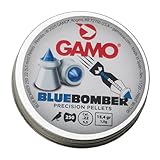
- ARS Mark9.4
ARS Mark is a ranking system developed by bestairriflescopes.com. ARS Mark has no relationship or impact from any manufacturers or sales agent websites. Learn more
- BrandGamo
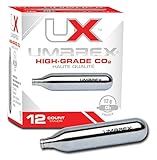
- ARS Mark9.4
ARS Mark is a ranking system developed by bestairriflescopes.com. ARS Mark has no relationship or impact from any manufacturers or sales agent websites. Learn more
- BrandUmarex
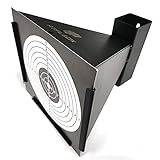
- ARS Mark9.0
ARS Mark is a ranking system developed by bestairriflescopes.com. ARS Mark has no relationship or impact from any manufacturers or sales agent websites. Learn more
- BrandAtflbox
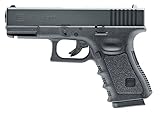
- ARS Mark8.8
ARS Mark is a ranking system developed by bestairriflescopes.com. ARS Mark has no relationship or impact from any manufacturers or sales agent websites. Learn more
- BrandUmarex
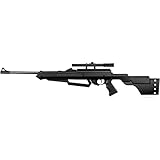
- ARS Mark8.6
ARS Mark is a ranking system developed by bestairriflescopes.com. ARS Mark has no relationship or impact from any manufacturers or sales agent websites. Learn more
- BrandBarra

- ARS Mark8.4
ARS Mark is a ranking system developed by bestairriflescopes.com. ARS Mark has no relationship or impact from any manufacturers or sales agent websites. Learn more
- BrandCrosman
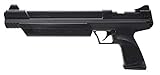
- ARS Mark8.2
ARS Mark is a ranking system developed by bestairriflescopes.com. ARS Mark has no relationship or impact from any manufacturers or sales agent websites. Learn more
- BrandUmarex
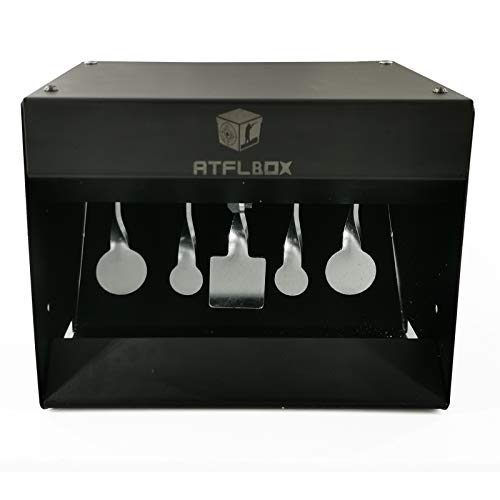
- ARS Mark8.2
ARS Mark is a ranking system developed by bestairriflescopes.com. ARS Mark has no relationship or impact from any manufacturers or sales agent websites. Learn more
- BrandAtflbox
Last update on 2026-06-26 / Affiliate links / Images, Product Titles, and Product Highlights from Amazon Product Advertising API
What Is A Pellet Gun And Why It’s So Popular
Cheap plastic targets scattered across the backyard, neighbors already annoyed by loud noise, and rising ammo costs pushing hobbies onto the shelf. That mix frustrates plenty of people who simply want consistent trigger time without draining their wallet every weekend. A pellet gun slides into that gap with a quieter shooting experience, lower operating costs, and enough accuracy to keep things genuinely fun. The appeal keeps growing because modern air-powered rifles no longer feel like flimsy toys from decades ago.
How Pellet Guns Actually Work
Pellet guns use compressed air, spring pressure, or CO2 cartridges to launch small metal pellets through a rifled barrel. That setup changes the shooting feel immediately because recoil stays lighter and follow-up shots feel easier to control. Some shooters expect firearm-level kick and get surprised by how smooth certain pellet rifles feel. Others underestimate the power completely, then realize a high-velocity air rifle can punch through cans, wood, and thin materials with ease.
Spring-piston models remain common because they’re mechanically simple and don’t rely on external tanks or cartridges. Pulling the barrel or charging lever compresses a spring, which releases air pressure once the trigger breaks. That internal movement creates a strange recoil pulse that beginners often struggle with at first. Tight grip pressure can actually throw shots off target, which feels backward until technique improves.
CO2 pellet guns feel more relaxed during casual shooting sessions. The trigger pull usually feels lighter, and rapid shooting becomes easier since there’s less effort between shots. Temperature can become a headache, though. Cold weather reduces gas pressure, so velocity drops and shot consistency starts wobbling around.
PCP air rifles push things into another category entirely. These rifles use pre-charged compressed air tanks and often deliver impressive consistency shot after shot. Accuracy improves dramatically in many cases, especially at longer distances. The downside sits right there in the setup because pumps, tanks, and maintenance add both cost and complexity.
Why Backyard Practice Feels More Practical
Noise complaints ruin hobbies fast. Plenty of people don’t have access to large outdoor ranges, and driving an hour just to practice gets old pretty quickly. A pellet gun reduces that friction because many models produce far less noise than traditional firearms. Backyard target sessions suddenly feel possible again in areas where loud gunfire would never fly.
Ammo costs also stay manageable. Metal pellets cost less than centerfire ammunition, which changes how often people practice. Instead of rationing every shot, shooters can relax, experiment with breathing techniques, and focus on improving accuracy. That repetition matters because confidence builds through volume, not occasional range trips.
Smaller practice areas create another advantage. A properly built pellet trap or dense backstop fits into spaces that would never safely support firearm shooting. Garages, sheds, and fenced rural properties often become workable practice spots with the right precautions. Safety still matters enormously, but the flexibility opens doors that larger calibers simply can’t.
Plenty of experienced shooters quietly use pellet rifles for trigger discipline training. That surprises newcomers who assume air guns are only beginner tools. Consistent sight alignment, controlled breathing, and smooth trigger pulls matter just as much here. Miss those fundamentals, and pellets start drifting all over the target.
Common Mistakes New Owners Make
Impulse buying creates plenty of disappointment in the pellet gun world. Flashy packaging and exaggerated velocity numbers convince people they’re getting laser-like accuracy straight out of the box. Then reality kicks in. Cheap scopes lose zero, low-quality pellets scatter unpredictably, and rushed shooting habits make everything worse.
Pellet selection changes performance far more than many expect. Lightweight pellets may increase speed but reduce consistency in windy conditions. Heavier pellets stabilize better in some rifles, though velocity drops slightly. Testing different shapes and weights becomes part of the process if accuracy truly matters.
Ignoring barrel maintenance causes problems too. Lead residue slowly builds inside the rifling, and shot groups widen over time. Some shooters blame the rifle immediately without checking basic cleaning routines first. A few passes with proper cleaning tools can tighten performance noticeably.
Safety shortcuts remain the biggest issue by far. A pellet gun may appear approachable, but pellets can ricochet unpredictably from hard surfaces. Thin fences, weak plywood, or random backyard objects rarely make safe backstops. Solid pellet traps and proper eye protection prevent small mistakes from turning ugly in seconds.
Accuracy Depends On More Than Velocity
Velocity numbers dominate marketing, but speed alone doesn’t guarantee tight groups. Plenty of high-speed pellet rifles shoot inconsistently because excessive velocity destabilizes lightweight pellets. Chasing raw FPS figures often leads people down the wrong road. Balanced power usually matters more than bragging rights.
Trigger quality changes accuracy dramatically. Heavy triggers force shooters to yank shots unintentionally, especially during longer sessions when fatigue creeps in. A smoother trigger creates cleaner breaks and steadier aim. That difference becomes obvious once shooters start tightening group sizes at moderate distances.
Scopes matter, though not always in the way people assume. Cheap optics fog up, lose focus clarity, or shift under repeated spring recoil. Spring-piston rifles especially punish low-end scopes because of their forward-and-backward recoil cycle. Spending slightly more on durable optics saves frustration later.
Breathing and posture shape results too. Rushing shots creates inconsistent pellet placement no matter how expensive the rifle becomes. Controlled breathing, stable support, and patient trigger control tighten accuracy far faster than endless accessory upgrades. Tiny habits create the biggest improvements over time.
Pellet Guns For Pest Control
Some pellet rifles move beyond target shooting and step into pest management. Rural properties often deal with rats, invasive birds, or small destructive animals damaging feed, gardens, or storage areas. A properly selected pellet gun offers controlled shot placement without the excessive noise tied to firearms. Quiet operation matters heavily around livestock, barns, and nearby homes.
Power level becomes extremely important here. Weak pellet pistols lack the force needed for ethical results, while stronger rifles provide cleaner shots with proper accuracy. Many experienced shooters prefer .22 caliber pellet rifles for this reason because heavier pellets transfer more impact energy. Precision matters far more than random rapid firing.
Legal restrictions vary wildly between locations. Some areas treat pellet guns almost like standard firearms, while others barely regulate them at all. Checking local rules prevents expensive mistakes later. Property boundaries and safe shooting directions matter just as much as the equipment itself.
Practice should happen long before real pest control attempts. Consistent target shooting builds the discipline needed for accurate shot placement under pressure. Rushed shooting usually creates wounded animals and unnecessary suffering. Responsible handling separates practical pest management from reckless backyard shooting.
What Makes Some Pellet Guns Feel Cheap
Low-cost pellet guns often reveal their weaknesses within the first few shooting sessions. Loose stock fitment, rough trigger pulls, and inconsistent barrels immediately affect confidence. Some rifles even arrive with poorly mounted sights that drift after only a handful of shots. Those frustrations stack up fast.
Plastic-heavy construction creates mixed results. Certain synthetic stocks hold up surprisingly well against weather and rough handling, while others flex awkwardly during shooting. Excessive flex changes how the rifle feels against the shoulder and impacts stability. A more rigid platform usually produces steadier aiming.
Internal seals matter more than flashy packaging. Weak seals reduce air efficiency, causing inconsistent velocity and erratic groups. Shooters often chase pellet brands or optics upgrades without realizing the rifle itself leaks pressure internally. Stable compression systems create more reliable shot consistency.
Balance changes the experience too. Front-heavy rifles fatigue the arms quickly during standing shots, while poorly balanced lightweight models feel twitchy and unstable. A comfortable center of gravity helps maintain steadier aim during longer sessions. Small ergonomic details make a surprisingly big difference over time.
Comparing Pellet Guns To BB Guns
People constantly mix up pellet guns and BB guns, even though the shooting experience differs quite a bit. BB guns usually fire steel balls through smoothbore barrels, while pellet guns fire shaped lead or alloy projectiles through rifled barrels. That rifling improves stabilization and generally boosts accuracy. Longer-distance target shooting favors pellets for this reason.
BB guns often lean toward casual plinking and recreational shooting. Many models prioritize rapid firing and affordability rather than precision accuracy. Pellet rifles, especially higher-powered versions, shift toward tighter groups and more serious shooting applications. That distinction matters once targets move farther away.
Safety concerns rise with steel BBs because ricochets become more aggressive. Hard steel rebounds unpredictably from metal surfaces, rocks, or dense wood. Lead pellets deform more easily upon impact, reducing some rebound risk. Eye protection still stays non-negotiable with either option.
Curious about improving shooting form for hunting gear too? Explore best release aids for archery to compare how precision mechanics affect consistency across different shooting disciplines. Small control improvements often tighten accuracy faster than raw equipment upgrades.
How A Pellet Gun Fits Into Real Shooting Practice
Missing targets over and over gets frustrating fast, especially after spending money on optics, pellets, and accessories that promised tighter groups. Plenty of shooters eventually realize the real issue isn’t raw power. Technique, consistency, and realistic setup expectations shape results far more than flashy marketing claims. A pellet gun becomes far more enjoyable once those pieces finally click together.
Why Trigger Control Changes Everything
Jerking the trigger ruins accuracy faster than almost anything else. New shooters often tense their entire hand right before firing, which shifts the barrel slightly off target. Tiny movement at the muzzle creates surprisingly large misses downrange. A smoother trigger pull keeps the rifle steady and helps pellets land where they’re supposed to.
Spring-powered pellet rifles exaggerate bad habits. Their internal spring movement creates vibration that punishes rushed shooting techniques. Gripping too tightly or anticipating recoil usually sends shots drifting unpredictably. That awkward learning curve frustrates beginners, but patient practice gradually smooths things out.
Breathing rhythm matters more than people expect. Holding breath too long creates muscle tension and shaky sight pictures, especially during standing shots. Controlled breathing helps stabilize the rifle naturally without forcing awkward body positioning. Small adjustments often tighten groups faster than expensive upgrades.
People who practice archery sometimes adapt surprisingly well to pellet rifles because patience and release timing already feel familiar. Shooters comparing precision gear often explore best arrows for 50 lb compound bow setups for the same reason. Tiny consistency improvements can completely change shot placement over time.
Indoor Practice Has Limits
Garage shooting setups sound convenient until pellets start bouncing unpredictably or punching through weak backstops. Thin plywood and cardboard rarely stop high-velocity pellets safely. Dense rubber traps, layered duct seal, or heavy steel traps handle repeated impact much more reliably. Skipping proper containment creates risks that sneak up quickly.
Lighting creates another issue indoors. Dim garages and uneven workshop lighting make scopes harder to use and strain the eyes during longer sessions. Simple LED shop lights help sharpen sight pictures dramatically. Clear target visibility reduces eye fatigue and improves consistency at the same time.
Ventilation deserves attention too, especially during long practice sessions using lead pellets. Small enclosed spaces trap airborne lead particles over time, particularly around pellet traps. Open airflow and basic cleanup routines reduce exposure concerns significantly. That detail gets overlooked more often than it should.
Noise still exists even with quieter pellet rifles. Stronger PCP rifles can produce a surprisingly sharp crack depending on caliber and velocity. Sound moderation helps, but neighbors may still notice repeated shooting sessions. Timing and location matter more than people sometimes assume.
Scopes And Sights Cause Plenty Of Headaches
Cheap scopes frustrate pellet gun owners constantly. Reticles drift, focus becomes blurry, and mounting systems loosen after repeated recoil cycles. Spring-piston rifles especially beat up weak optics because their recoil moves both backward and forward. That strange movement destroys bargain scopes much faster than many expect.
Iron sights still hold value, honestly. Plenty of shooters build better fundamentals after ditching oversized scopes for basic open sights during practice. Target focus improves, body positioning feels more natural, and bad trigger habits become easier to spot. Simpler setups sometimes reveal problems hidden by magnification.
Parallax creates confusion for beginners too. Many firearm scopes aren’t optimized for shorter pellet gun distances, which causes aiming inconsistencies. Dedicated airgun optics solve that issue by offering adjustable focus for closer ranges. Small technical details matter heavily once accuracy becomes the goal.
Mounting hardware deserves more respect than it usually gets. Loose rings shift point of impact gradually, leading shooters to blame pellets or barrels unfairly. Proper torque and secure rail systems prevent those annoying zero shifts. Reliable mounting saves time, ammo, and frustration.
Weather Conditions Affect Pellet Flight
Lightweight pellets react badly to wind. A mild crosswind that barely affects firearm rounds can push pellets inches off target at moderate range. That reality surprises plenty of first-time shooters expecting laser-straight trajectories. Heavier pellets often stabilize better outdoors, though velocity drops slightly.
Humidity and temperature influence performance too. CO2-powered pellet guns lose pressure in colder conditions, causing weaker shots and inconsistent grouping. Spring rifles stay more stable in fluctuating weather, while PCP systems usually maintain the best consistency overall. Different power systems behave very differently outside controlled environments.
Rain creates another challenge. Moisture affects grip texture, fogs optics, and reduces visibility during longer sessions. Water-resistant optics help, but basic lens care still matters heavily. Smudged lenses ruin sight clarity surprisingly fast once moisture builds up.
Dust and debris become problems in dry environments. Fine particles creep into actions, scopes, and moving components over time. Regular cleaning prevents sluggish cocking systems and rough trigger feel. Ignoring maintenance eventually catches up with even expensive pellet rifles.
Pellet Weight Changes Shooting Feel
Light pellets feel fast and snappy, which attracts many beginners immediately. Higher velocity numbers look impressive on packaging, but lightweight pellets often lose stability outdoors. Wind drift becomes frustrating once distances increase. Raw speed alone rarely guarantees better accuracy.
Heavier pellets create a calmer shooting feel in many rifles. Their added mass improves stability and energy transfer, especially for pest control or longer-range shooting. Velocity drops somewhat, though the tradeoff usually improves consistency. Balanced performance tends to matter more than extreme speed.
Pellet shape changes results too. Domed pellets commonly produce strong all-around accuracy, while pointed pellets focus more on penetration. Hollow points expand better at close range but may lose consistency farther out. Testing different styles becomes part of dialing in a rifle properly.
Storage conditions quietly affect pellet quality over time. Bent skirts and damaged heads create inconsistent flight paths that frustrate shooters during precision practice. Organized pellet tins and careful handling reduce wasted shots noticeably. Tiny imperfections matter more than people expect.
Maintenance Habits That Prevent Problems
Neglected pellet rifles gradually lose consistency. Dirty barrels collect lead residue that affects pellet stabilization and widens shot groups over time. Gentle cleaning with proper airgun-safe materials keeps rifling sharper and more predictable. Overcleaning can also become a problem, oddly enough.
Lubrication mistakes happen constantly. Excess oil inside compression chambers can damage seals or create unstable firing behavior. Airgun-specific lubricants exist for a reason, and random household oils usually create more problems later. A little restraint goes a long way.
Seal wear sneaks up gradually. Older rifles losing compression often show inconsistent velocity before complete failure happens. Weak shots, strange noises, or rough cocking cycles usually signal internal wear beginning to build. Replacing seals early prevents larger repairs later.
Compressed air systems need regular inspection too. Tanks, hoses, and fittings should stay clean and properly secured during filling sessions. Shooters already familiar with workshop equipment sometimes compare maintenance routines with best air hose for hvlp spray gun setups because pressure consistency matters heavily in both situations. Reliable airflow changes overall performance more than most beginners realize.
Why Expectations Matter More Than Marketing
Some advertisements make pellet rifles sound capable of impossible long-range precision straight out of the box. Real shooting feels different. Pellet trajectory drops quickly over distance, wind drift becomes noticeable, and cheap accessories create limitations almost immediately. Managing expectations prevents disappointment early on.
Budget rifles can still provide satisfying practice sessions with realistic goals. Tight backyard groups at moderate range feel rewarding without spending massive amounts on gear upgrades. Consistency and familiarity matter more than chasing unrealistic performance numbers. Practical shooting usually beats endless equipment obsession.
Expensive rifles bring advantages, but they don’t magically fix poor technique. Smooth triggers, regulated air systems, and stronger barrels improve consistency, yet fundamentals still control final accuracy. Bad habits follow shooters regardless of price tag. Skill development remains the real separator.
Pellet guns continue gaining attention because they blend affordability, quieter shooting, and real precision into a format that feels approachable without becoming boring. People looking for steady practice, controlled pest management, or simple recreational shooting often stick with them far longer than expected. The learning curve feels rewarding once the basics stop fighting back.


12 Best 22 Pcp Air Rifle For Hunting of 2026 With Quiet Power

7 Best 22 Pcp Air Rifle Under 300 of 2026 For Backyard Pest Control

10 Best 22 Break Barrel Air Rifles of 2026 For Backyard Pest Control

10 Best 30 Caliber Pcp Air Rifle of 2026 For Medium Game

Top Best 177 Air Rifle Under 100: Budget-Friendly Picks for 2026

How to Safely Reload Shotgun Shells at Home

11 Best Co2 Air Rifle For Pest Control of 2026 To Ensure Humane Dispatch

12 Best Inexpensive Air Rifles of 2026 For Dependable Backyard Accuracy






