
What Is a Quiver in Archery and Why It Matters

What Is a Quiver in Archery often sounds like a simple question, yet the answer reaches far beyond a basic arrow holder. A quiver plays a practical role in keeping arrows organized, protected, and within easy reach during practice sessions, hunting trips, or competitive shooting. Small details like arrow access, carrying comfort, and equipment protection can have a noticeable effect on the overall archery experience.
Many archers eventually realize that fumbling for arrows breaks concentration and slows momentum. A properly designed quiver helps eliminate those interruptions by keeping arrows positioned consistently and securely. Instead of worrying about misplaced shafts or damaged fletching, attention stays focused on form, accuracy, and shot execution.
Different styles exist because archery situations vary widely. A field course with uneven terrain creates different demands than a target range with fixed shooting positions. That's why options such as hip quivers, back quivers, bow-mounted quivers, and ground quivers continue to remain relevant. Each design supports a particular shooting environment while offering its own balance of convenience and mobility.
Comfort also enters the conversation more than many newcomers expect. Carrying a dozen arrows for an extended period can become surprisingly noticeable. A well-balanced archery quiver distributes weight efficiently, reducing distractions and allowing smoother movement between shots. Little adjustments often create a much more enjoyable day on the range or in the field.
Arrow protection remains another major benefit. Fletching damage, bent shafts, and tangled arrows can quickly turn a productive session into a frustrating one. By keeping arrows separated and secure, a quality quiver helps preserve equipment condition and extends the useful life of expensive arrows. That practical advantage alone makes it a valuable piece of gear.
There's also a confidence factor that shouldn't be overlooked. Equipment that stays organized allows every movement to feel more natural and deliberate. With a dependable quiver system, drawing the next arrow becomes second nature rather than an awkward interruption. Smooth routines often contribute to greater consistency over time.
People frequently focus on bows, sights, and arrows while overlooking supporting equipment. Yet a quiver quietly influences convenience, efficiency, and overall shooting rhythm. Understanding its purpose reveals why experienced archers rarely step onto a course without one. The result is a setup that feels organized, practical, and ready for whatever challenge lies ahead.

- ARS Mark9.4
ARS Mark is a ranking system developed by bestairriflescopes.com. ARS Mark has no relationship or impact from any manufacturers or sales agent websites. Learn more
- BrandTOPARCHERY

- ARS Mark9.4
ARS Mark is a ranking system developed by bestairriflescopes.com. ARS Mark has no relationship or impact from any manufacturers or sales agent websites. Learn more
- BrandTOPARCHERY
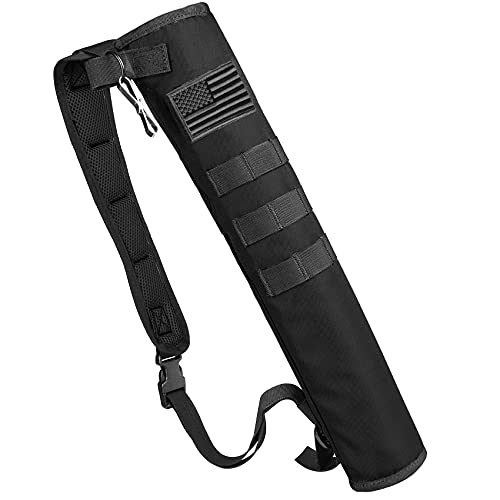
- ARS Mark9.2
ARS Mark is a ranking system developed by bestairriflescopes.com. ARS Mark has no relationship or impact from any manufacturers or sales agent websites. Learn more
- BrandKRATARC

- ARS Mark9.2
ARS Mark is a ranking system developed by bestairriflescopes.com. ARS Mark has no relationship or impact from any manufacturers or sales agent websites. Learn more
- BrandKRATARC
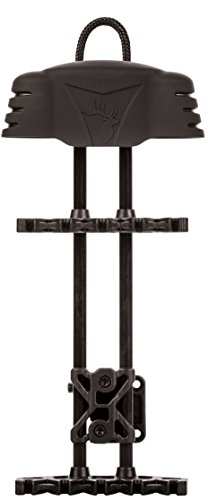
- ARS Mark9.2
ARS Mark is a ranking system developed by bestairriflescopes.com. ARS Mark has no relationship or impact from any manufacturers or sales agent websites. Learn more
- BrandTrophy Ridge

- ARS Mark9.0
ARS Mark is a ranking system developed by bestairriflescopes.com. ARS Mark has no relationship or impact from any manufacturers or sales agent websites. Learn more
- BrandPSKOOK
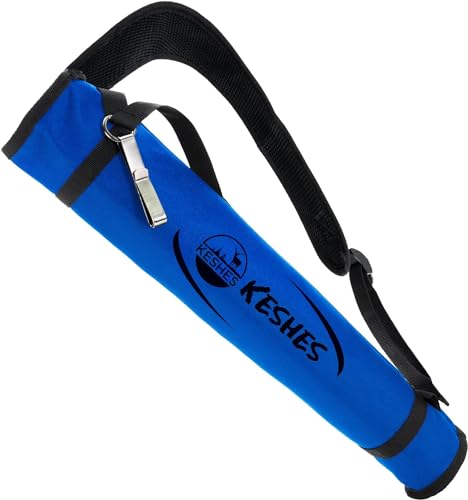
- ARS Mark9.0
ARS Mark is a ranking system developed by bestairriflescopes.com. ARS Mark has no relationship or impact from any manufacturers or sales agent websites. Learn more
- BrandKESHES

- ARS Mark8.6
ARS Mark is a ranking system developed by bestairriflescopes.com. ARS Mark has no relationship or impact from any manufacturers or sales agent websites. Learn more
- BrandKURUGEILI

- ARS Mark8.2
ARS Mark is a ranking system developed by bestairriflescopes.com. ARS Mark has no relationship or impact from any manufacturers or sales agent websites. Learn more
- BrandNRJSSCC
Last update on 2026-08-05 / Affiliate links / Images, Product Titles, and Product Highlights from Amazon Product Advertising API
What Is a Quiver in Archery
Stepping onto the range without the right setup often leads to fumbling arrows and interrupted shots. A properly organized space can make or break your flow, and that's where the quiver comes in. Not just a simple arrow holder, it safeguards shafts, keeps fletching intact, and ensures every draw is smooth and consistent. Understanding the nuances of a quiver can shift a clumsy session into a precise, focused practice.
Arrow Organization and Accessibility
Managing multiple arrows becomes effortless with a quiver. Each arrow stays separated and easily reachable, preventing tangled fletching and frustrating retrievals. For hunters moving through dense woods, the ability to grab the right arrow instantly can make the difference between a smooth shot and a missed opportunity.
Quivers with adjustable slots and secure holders enhance consistency. They prevent accidental falls and maintain arrow alignment, letting archers focus purely on aim and technique. This organization also protects expensive arrows from dents and scratches, extending their lifespan significantly.
Versatile quiver designs accommodate various arrow lengths and styles, from standard target arrows to heavier hunting shafts. That flexibility ensures that shooters don’t need multiple holders for different sessions. Maintaining this level of preparedness directly improves accuracy and efficiency during extended practice periods.
Even in fast-paced scenarios, a well-designed quiver reduces wasted motion. Archers can maintain posture and rhythm without unnecessary distractions, promoting smoother release and consistent scoring. The convenience of immediate access also boosts confidence, particularly during competitive rounds.
Types of Quivers and Their Strengths
Hip quivers sit conveniently at your side, balancing accessibility with mobility. These are particularly valuable for walking courses or hunting expeditions where movement and agility are paramount. Weight distribution and ergonomic placement ensure arrows are within reach without hindering motion.
Back quivers allow for larger arrow capacity and keep arrows protected while moving long distances. Though slightly less accessible, they provide unmatched storage and reduce the chance of accidental drops. Their strength lies in carrying comfort and volume for extended sessions.
Bow-mounted quivers streamline access directly on the bow, ideal for short-range hunting or rapid target practice. While they shift some weight to the bow, they simplify the draw process. The direct positioning enhances efficiency for shots requiring minimal pause between arrows.
Ground quivers support arrows during stationary practice. These maintain perfect alignment and protect arrows from environmental hazards like dirt and moisture. Their benefit is in creating an organized, reliable setup for uninterrupted shooting.
Each quiver type offers unique advantages, and understanding the specific demands of your session determines the ideal choice. The balance between accessibility, protection, and comfort makes a tangible difference in both performance and satisfaction.
Materials and Build Quality
High-quality quivers employ materials like reinforced nylon, lightweight plastics, and durable leather. These materials combine to offer longevity without excessive weight, allowing for prolonged use without fatigue. Strong stitching and secure fastenings contribute to reliability, even under rugged conditions.
Weather-resistant coatings protect arrows from rain, snow, and humidity, preventing fletching damage and shaft warping. Archers practicing outdoors gain peace of mind knowing their equipment remains intact and ready. The durability of these materials ensures performance consistency over time.
Lightweight frames reduce strain on the body, especially when carrying multiple arrows for hours. Ergonomic designs paired with soft-touch grips prevent slipping and enhance comfort. Every detail in build quality adds to both practicality and shooting focus.
Some quivers incorporate modular components, allowing customization for arrow count, tool storage, or extra accessories. These design choices prioritize adaptability and user control, making the quiver more than just a passive storage item.
Safety and Protection
A secure quiver minimizes the risk of accidental arrow punctures or bent shafts. Protective sleeves, reinforced bottoms, and snug retention systems safeguard both equipment and the shooter. This is especially crucial during transport between practice locations or hunting sites.
Properly fitted quivers keep arrows in a fixed orientation, preventing sharp tips from protruding dangerously. The enhanced safety factor allows shooters to move confidently without constant vigilance. Equipment protection translates into fewer replacements and lower long-term costs.
Some models include cushioned interiors or shock-absorbing inserts to further prevent damage during rapid movements or accidental drops. Archers benefit from reduced maintenance needs and improved longevity of valuable arrows. These protective measures are often overlooked but are vital for preserving performance consistency.
Visibility features, such as bright trims or reflective elements, add a layer of personal safety during low-light conditions. This practical touch ensures the quiver serves not only as a tool but as a safety accessory.
Ergonomics and Comfort
Extended sessions demand a quiver that complements natural movement. Padded straps, contoured shapes, and adjustable positions reduce strain on shoulders and back. Comfortable quivers allow archers to focus on shooting technique rather than adjusting gear constantly.
Weight distribution is crucial; poorly balanced quivers can cause fatigue or impede mobility. Proper ergonomic design ensures arrows remain accessible without sacrificing comfort. This balance is particularly noticeable on longer hunting walks or competitive rounds.
Quick-adjust systems allow easy repositioning of the quiver for different stances or terrain, enhancing adaptability. Shooters can fine-tune fit on the go, maintaining consistent access to arrows. This customization significantly improves the overall experience, minimizing interruptions and distractions.
Soft-touch materials prevent chafing and improve grip during extended use. Every ergonomic feature contributes to smoother routines, better posture, and fewer errors, underscoring the importance of well-designed quivers in archery practice.
Maintenance and Longevity
Durable quivers reduce the need for frequent replacement, saving both time and money. Removable liners, easy-to-clean surfaces, and weatherproof coatings simplify upkeep. Consistent maintenance preserves arrow alignment and quiver function, maintaining reliability across seasons.
Regular inspection of fastenings, straps, and material integrity prevents unexpected failures during use. Archers avoid frustrating interruptions and equipment damage by addressing minor issues early. This proactive approach strengthens the lifespan of both quiver and arrows.
Many quivers feature modular parts or replaceable components, allowing targeted repairs instead of full replacements. Users gain flexibility while sustaining performance levels. The attention to long-term usability distinguishes high-quality quivers from temporary or budget options.
Proper storage, such as hanging or keeping the quiver off damp ground, further extends lifespan. Archers practicing or hunting in variable conditions appreciate the combination of robust construction and thoughtful design choices that ensure consistent performance.
Practical Uses of Quivers in Different Archery Scenarios
Field archery, target practice, and hunting all impose unique demands on arrow management. A well-chosen quiver adapts to each scenario, offering convenience, protection, and efficient access. Recognizing these differences allows archers to optimize performance without unnecessary gear changes.
Target Range Efficiency
At the target range, quick access and organization are paramount. A quiver positioned for minimal movement lets shooters maintain rhythm and focus. Adjustable compartments ensure arrows are always in the right orientation, reducing distractions between shots.
Stationary practice benefits from ground quivers or back quivers, providing a stable arrow supply. Archers can concentrate on form, aiming, and consistency without worrying about misplaced equipment. The efficiency gained in these setups can noticeably improve scores over time.
Some quivers include accessory pockets for tools like nocks, string wax, or fletching alignment aids. Keeping these items within reach streamlines maintenance and minimizes downtime. The added convenience reinforces the value of an integrated approach.
Easy-clean surfaces and durable materials ensure quivers withstand repeated use on indoor and outdoor ranges. Long-lasting performance means fewer replacements and uninterrupted practice sessions.
Hunting and Field Mobility
Hunting requires mobility and silent movement, making hip or bow-mounted quivers ideal. Lightweight designs reduce fatigue, while secure retention prevents arrows from rattling or slipping during motion. The mobility factor ensures stealth and speed in dense environments.
Quick-draw access becomes crucial when game appears suddenly. A properly positioned quiver allows instant arrow selection, maintaining reaction time. The difference between a fast draw and a fumbling moment can directly affect hunting success.
Weatherproof quivers withstand rain, snow, and rough terrain. Protective features safeguard arrows while enabling long treks through varied conditions. Archers can focus on tracking and accuracy rather than equipment management.
Ergonomic straps and balanced designs allow for hours of wear without discomfort. The combination of comfort, accessibility, and protection makes a quiver an indispensable tool in hunting contexts.
Competitive Archery Benefits
In tournaments, every second counts. A well-organized quiver ensures seamless arrow retrieval and consistent positioning. The reliability of arrow access can influence concentration, reducing stress and enhancing performance.
Customizable compartments accommodate different arrow types, letting archers switch quickly between practice and competition sets. This adaptability provides a strategic advantage in high-pressure situations.
Lightweight and streamlined quivers minimize distractions, keeping posture and focus intact. Archers benefit from the combined impact of ergonomics and secure storage, creating smoother routines and predictable performance.
Advanced quiver features, such as adjustable angles or modular add-ons, allow competitors to fine-tune their setup. This level of precision can directly improve shot consistency and overall scoring outcomes.
Long-Term Equipment Care
Beyond immediate convenience, a quiver plays a critical role in protecting arrow investment. Proper alignment and secure storage prevent bending or fletching damage. Maintaining arrows in top condition reduces replacements and preserves performance reliability.
Modular and removable components allow targeted cleaning and repairs. Archers can maintain quivers without complete disassembly, extending equipment longevity. The emphasis on durability ensures that both quiver and arrows stay functional across multiple seasons.
Protective features such as padding, reinforced bottoms, and weatherproof coatings add layers of security. These measures reduce wear and tear during transport and field use, maintaining arrow integrity. A well-cared-for quiver directly translates into fewer interruptions and more productive sessions.
Investing in a high-quality quiver balances immediate performance with long-term benefits. Archers gain peace of mind knowing that both access and protection are optimized for sustained use.
Choosing the Right Quiver for You
Selecting a quiver requires weighing mobility, capacity, material, and intended use. A compact, lightweight model may excel on a hiking course, while a larger, stable option serves better at stationary ranges. Recognizing personal shooting habits helps tailor the choice for maximum benefit.
Test different placements hip, back, or bow-mounted to determine comfort and efficiency. Proper positioning reduces fatigue and improves draw consistency. Archers quickly notice differences in rhythm and accuracy depending on setup.
Material and construction quality influence longevity and protection. Prioritizing reinforced fabrics, weatherproof coatings, and ergonomic design ensures that arrows stay safe while the shooter remains comfortable. These choices also impact long-term usability and maintenance requirements.
Functionality, comfort, and protection form the triad of key factors in quiver selection. A careful match between quiver type and shooting scenario maximizes both performance and satisfaction, making the investment worthwhile.
Experimenting with different quivers and configurations allows archers to discover setups that suit their shooting style. The combination of accessibility, protection, and ergonomic design shapes overall experience, turning a simple accessory into a critical tool for precision and consistency.
How To Use A Quiver In Archery Effectively
A quiver becomes far more valuable once you move beyond simply carrying arrows. Many archers start with a basic holder and quickly realize that placement, accessibility, and organization directly affect their shooting rhythm. A poorly positioned quiver can create awkward movements, while a properly adjusted setup supports consistency, comfort, and confidence throughout an entire session. Small adjustments often solve frustrations that seem unrelated to accuracy at first glance.
Building A Smooth Shooting Routine
Every shot begins long before the string is drawn. Retrieving an arrow from a quiver should feel effortless and repeatable, reducing unnecessary movement between shots. Consistent arrow placement develops muscle memory, helping each step flow naturally. That routine creates a stronger connection between preparation and execution.
Many beginners rush the process and accidentally grab arrows at different angles each time. That inconsistency may seem minor, yet it can interrupt focus and create subtle distractions. Keeping arrows arranged in the same orientation supports efficiency and improves overall shooting rhythm. Repetition often leads to better control over time.
Target archers frequently organize arrows according to practice goals or competition strategy. Some reserve specific arrows for sight adjustments while keeping others for scoring rounds. This simple habit promotes organization and prevents confusion during important moments. Structured preparation usually leads to smoother performance.
Archers who are still developing their equipment setup may benefit from reviewing guides on target bow beginners equipment combinations. Matching the right bow with a suitable quiver often creates a more comfortable learning experience. The goal is to eliminate unnecessary complications and focus on skill development.
Common Quiver Mistakes That Affect Performance
One common issue involves carrying too many arrows. Extra weight may not seem significant at first, but over several hours it can increase fatigue and reduce comfort. A practical balance between capacity and mobility often delivers better results. Maintaining comfort helps preserve concentration during longer sessions.
Loose retention systems create another problem. Arrows that bounce or shift while walking can damage fletching and generate unwanted noise. Reliable retention keeps equipment secure while protecting important components. Strong arrow retention remains a key factor in maintaining equipment condition.
Placement errors also deserve attention. A hip quiver positioned too far back can force awkward twisting movements. A back quiver worn too high may make retrieval uncomfortable. Proper positioning improves accessibility while reducing strain on shoulders and arms.
Ignoring maintenance creates preventable issues as well. Dirt, moisture, and debris gradually affect straps, fasteners, and arrow compartments. Regular inspections protect both the quiver and the arrows stored inside. A few minutes of maintenance can preserve durability for years.
Matching Quiver Styles To Archery Goals
Different archery disciplines place different demands on equipment. Target shooters often prioritize speed and easy access, while hunters may focus more on mobility and protection. Understanding those differences makes selecting the right quiver much easier. The best option usually supports your primary activity rather than trying to do everything equally well.
Bow-mounted quivers work well in situations where immediate access matters. They keep arrows attached directly to the bow and simplify movement through changing terrain. Their greatest advantage is convenience, though some archers notice additional weight on the bow itself. That tradeoff may or may not be worthwhile depending on personal preference.
Hip quivers remain popular because they combine accessibility with simplicity. Arrows stay within easy reach, making them practical for practice sessions and tournaments. Their balanced design supports efficiency without adding weight to the bow. Many archers continue using hip quivers for years because of this straightforward functionality.
Back quivers appeal to those who enjoy traditional archery styles and longer walks between shooting locations. They offer generous storage and excellent mobility. Retrieving arrows may require a bit more practice, yet many shooters appreciate the freedom and capacity they provide.
Why Arrow Protection Matters More Than Many Expect
Arrows represent a significant investment, especially once you begin experimenting with different shafts, points, and fletching configurations. Damaged arrows can affect flight characteristics and reduce consistency. A well-designed quiver helps preserve those components by preventing unnecessary contact and impact. Protection often saves money over the long run.
Fletching damage is particularly frustrating because it can happen gradually without immediate notice. Bent vanes and crushed feathers may alter arrow flight enough to affect grouping. Proper storage reduces those risks and maintains performance consistency. Equipment longevity often begins with simple protective habits.
Weather exposure introduces additional challenges. Rain, mud, and debris can affect arrows during field use. Protective quiver designs create a barrier against many environmental hazards, preserving important equipment details. This added layer of security becomes especially valuable during hunting trips and outdoor events.
Transport between locations presents another opportunity for damage. Arrows shifting inside a vehicle or gear bag can suffer unnecessary wear. Stable storage helps prevent those issues while keeping equipment organized. Reliable protection contributes directly to a smoother archery experience.
Using A Quiver During Hunting Situations
Hunting introduces pressures that differ from target shooting. Movement, terrain, and timing all become more important. A dependable quiver supports quick access while minimizing distractions during critical moments. Every piece of equipment should contribute to efficiency rather than creating obstacles.
Noise control deserves careful attention. Arrows that rattle against each other can alert nearby game long before a shot opportunity develops. Secure retention systems reduce movement and help maintain a quieter setup. Hunters often prioritize stealth as much as arrow accessibility.
Visibility conditions can change rapidly in the field. Early morning and late evening environments place greater demands on equipment organization. Knowing exactly where every arrow sits inside the quiver eliminates unnecessary searching and hesitation. Predictable access supports better decision-making under pressure.
Hunters working on equipment upgrades may also benefit from reviewing options like archery peep sight hunting systems. Combining reliable sighting equipment with an efficient quiver setup creates a more cohesive and dependable hunting rig. Each component contributes to overall effectiveness.
Long-Term Value Beyond Carrying Arrows
A quiver often starts as a simple purchase made out of necessity. Over time, its impact becomes much more noticeable. Better organization, easier arrow access, and improved equipment protection all contribute to a more enjoyable experience. Those benefits extend far beyond basic storage.
Experienced archers frequently refine bows, arrows, and accessories while overlooking the quiver. Yet a poorly designed quiver can create daily frustrations that affect every session. Investing attention into this overlooked piece of equipment improves comfort, efficiency, and equipment care. Small improvements can produce surprisingly meaningful results.
Archery rewards consistency more than shortcuts. A dependable quiver supports repeatable routines, cleaner equipment management, and smoother transitions between shots. Those advantages accumulate gradually, helping archers spend less time dealing with gear and more time focusing on skill development.
The real value of a quiver isn't limited to carrying arrows. It helps create order, protects valuable equipment, and supports a more focused shooting experience. Every arrow retrieved smoothly from a well-organized quiver reinforces habits that contribute to stronger performance over time.


12 Best 22 Pcp Air Rifle For Hunting of 2026 With Quiet Power

7 Best 22 Pcp Air Rifle Under 300 of 2026 For Backyard Pest Control

10 Best 22 Break Barrel Air Rifles of 2026 For Backyard Pest Control

10 Best 30 Caliber Pcp Air Rifle of 2026 For Medium Game

Top Best 177 Air Rifle Under 100: Budget-Friendly Picks for 2026

How to Safely Reload Shotgun Shells at Home

11 Best Co2 Air Rifle For Pest Control of 2026 To Ensure Humane Dispatch

12 Best Inexpensive Air Rifles of 2026 For Dependable Backyard Accuracy






