
What Is a Repeater Rifle and How Does It Work?

A backyard plinker reaches into a pocket for another tiny pellet, watching a tin can sit untouched while fingers fumble to reload. A repeater rifle solves that pause by holding multiple pellets in a magazine so the shooter can fire again without loading each round by hand. It is not an automatic firearm that empties with one trigger squeeze. Instead, the shooter simply moves a side lever or swings the barrel down to chamber the next pellet from the clip.
How the rifle behaves comes down to the air system and cocking design. High-pressure air tanks and gas cylinders allow quick lever action, while spring-powered break-barrel models load the next round every time the steel barrel hinges downward. The magazine style and the cocking effort also decide how smoothly each shot feeds. Here is how repeater mechanisms work and how to choose the right setup for backyard targets or garden pests.
The Short Version
- A repeater rifle stores several rounds in an ammo wheel (a small clip holding extra pellets) so you can fire multiple times without pinching and seating individual pellets by hand between shots.
- Most repeater air rifles are not fully automatic. You still pull a side lever, work a bolt, or swing the barrel down before each shot to advance the wheel and chamber the next pellet.
- Repeaters shine during backyard plinking and pest control, where quick second shots help you stay on target if a squirrel or rat moves.
- Single-shot rifles load one pellet at a time. They take longer to reload, but they have fewer moving parts and let you inspect each pellet before firing.
What a Repeater Air Rifle Really Is
A repeater rifle is any rifle designed to fire multiple shots from an onboard ammunition supply before you have to reload the gun. In traditional single-shot airguns, you have to open the action, dig a pellet out of a tin with your fingers, push it into the barrel, and close the action for every single shot. In a repeater, you fill an ammo wheel once, snap it into the rifle, and let the mechanism line up your pellets for you.
Many first-time buyers confuse repeaters with fully automatic firearms. A repeater is not a machine gun that empties its magazine with one squeeze of the trigger. Instead, the term simply means the rifle repeats its loading cycle. You pull the trigger, the rifle fires one pellet, and then you manually cycle the action to chamber the next one.
This cycle consists of three steps: cocking, indexing, and chambering. Cocking pulls the internal firing mechanism back so the rifle is ready to fire. Indexing turns the ammo wheel to line up a fresh pellet with the bore. Chambering pushes that fresh pellet into firing position. This sequence lets you shoot through an entire magazine quickly without fumbling with loose pellets in your pocket.
How Repeaters Load Pellets and Cycle Shots
Repeater air rifles rely on multi-shot revolving pellet wheels to store ammunition. These wheels are small circular cylinders with chambers bored around their perimeter. You slide a shaped lead or alloy pellet into each open chamber. A small internal spring or an indexing arm catches the wheel teeth to rotate it one notch each time you cock the rifle.
The exact feeding method depends on the rifle design. On side-lever and bolt-action rifles, pulling the lever backward cocks the hammer and pulls a metal probe out of the wheel. The wheel turns, aligning a new pellet with the barrel. Pushing the lever forward drives the probe through the back of the wheel, pushing the pellet into the chamber.
Break-barrel repeaters work a bit differently. These rifles cock by pivoting the barrel down to compress an internal spring or gas piston. An auto-loading arm sits above the hinge. When you swing the barrel open, this arm drops down and seats a fresh pellet directly into the breech opening.
Always match your ammunition to your magazine style. Airgun repeaters are built for aerodynamic lead or alloy pellets. Never try to feed round steel BBs through a rifled pellet barrel. Steel BBs will strip the delicate rifling grooves and ruin your accuracy. If you only want to plink soda cans with round steel shot, stick to a smoothbore BB gun designed for that ammo.
Repeater Versus Single-Shot: What You Gain and What You Give Up
Choosing between a repeater and a single-shot rifle comes down to how and where you shoot. Both designs have clear strengths, and understanding the trade-offs keeps you from buying the wrong tool.
The biggest benefit of a repeater is shooting tempo. When shooting targets, working a lever is much more relaxing than loading every shot individually. For pest control, fast follow-up shots are critical. If your first shot misses a moving squirrel, a repeater lets you cycle the action and take an ethical second shot in two seconds without taking your eyes off your quarry.
Single-shot rifles hold an advantage in raw simplicity. Without an ammo wheel, there are no extra moving arms or rotating clips that can wear down or jam. You also get complete control over pellet seating. Target shooters often prefer single-shot airguns because their thumb can feel if a pellet skirt is damaged before it enters the bore.
Scope clearance is another factor. Multi-shot pellet wheels stick up directly over the receiver where optics mount. You often need higher scope rings on narrow 11mm dovetail grooves or notched Picatinny tactical rails so your scope clears the magazine wheel. Single-shot rifles leave that loading area open and low, giving you wider scope mounting choices.
The Three Main Styles of Repeater Air Rifles
Repeaters come in three primary power systems, each offering a distinct feel and cocking experience.
Break-barrel repeaters are rifles cocked by pivoting the barrel down to compress an internal spring or gas piston. They need no air tanks or disposable gas cylinders, making them completely self-sufficient. But you must supply muscle effort for every shot. You still pull 30 or 40 pounds of cocking effort to swing the barrel open between rounds. These rifles also create a sharp two-way recoil that requires spring-airgun-rated scopes so the internal lenses do not break.
PCP repeaters (pre-charged pneumatics) are rifles filled with high-pressure air from a special hand pump, compressor, or scuba tank. These rifles deliver the smoothest repeater experience. Cocking effort is feather-light. You flick a side lever with two fingers, the pellet feeds instantly, and you shoot with zero spring vibration. You can shoot 10 or 20 shots effortlessly, though you need specialized high-pressure air equipment to refill the reservoir.
CO2 repeaters are rifles powered by disposable gas cartridges. Because liquid carbon dioxide creates self-regulating pressure, many CO2 models offer true semi-automatic shooting where every trigger pull fires a shot without working any cocking lever. They are light and quiet for plinking, but cold outdoor temperatures drop their pressure, reducing exit speed (FPS) and punch.
How to Stop Magazine Jams and Keep Pellets Cycling
Magazine jams are the most common frustration for new repeater owners. Fortunately, almost every cycling issue stems from basic loading mistakes or hesitant cocking habits.
Check your pellets before loading. Pellets are cast from soft lead, and bent skirts are common right out of the tin. If you push a bent pellet into a magazine, the flare catches against the breech wall and locks up your loading probe. Discard damaged pellets and inspect skirts as you load.
Seat every pellet flush into its chamber. If a pellet sits halfway out of the pocket, the rotating wheel binds against the rifle frame when indexing. Use a golf tee, a pencil eraser, or your thumbnail to seat each pellet fully below the rim of the magazine face.
Cycle the cocking action with smooth, decisive strokes. Pulling a side lever halfway causes short-stroking. Short-stroking can advance the pellet wheel without clearing the previous chamber, leading to double-loading two pellets at once. Pull the lever all the way back until you hear the click, then push it straight home in one fluid movement.
If a jam happens, never pull the trigger to force the blockage clear. Firing without a properly seated pellet can cause dry firing (firing with no pellet loaded, which slams and damages the internal piston of a spring-piston rifle). Put the rifle on safe, point it toward a rated steel pellet trap, dense rubber mulch box, or thick backstop berm, and remove the magazine. Use a brass cleaning rod inserted gently from the muzzle end to push the stuck pellet backward out of the chamber.
What to Look for When Choosing a Multi-Shot Air Rifle
Finding the right repeater comes down to matching the rifle mechanics to your shooting space and target goals.
Think about your main shooting use first. For casual backyard target plinking, prioritize light cocking effort and low noise. Rifles with built-in noise baffles or muffled barrels keep your shooting neighbor-friendly by reducing the sharp crack of expanding air. For managing garden pests, look for enough exit speed and real punch (foot-pounds of energy) to ensure quick, humane results.
Examine magazine availability and design before deciding. Check whether the rifle includes extra ammo wheels in the box, because reloading small wheels during a shooting session slows you down. Make sure replacement magazines are easy to find and affordably priced.
Safe ownership is just as important as shot speed. Treat multi-shot air rifles with the exact same safety discipline as conventional firearms. Keep ammunition separate from your rifle when not in use, and secure your airguns inside a locked cabinet or safe with a dependable electronic gun safe lock to keep curious hands away.

- ARS Mark9.7
ARS Mark is a ranking system developed by bestairriflescopes.com. ARS Mark has no relationship or impact from any manufacturers or sales agent websites. Learn more
- BrandGamo

- ARS Mark8.9
ARS Mark is a ranking system developed by bestairriflescopes.com. ARS Mark has no relationship or impact from any manufacturers or sales agent websites. Learn more
- BrandUmarex

- ARS Mark8.5
ARS Mark is a ranking system developed by bestairriflescopes.com. ARS Mark has no relationship or impact from any manufacturers or sales agent websites. Learn more
- BrandDPMS
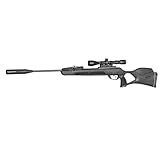
- ARS Mark8.4
ARS Mark is a ranking system developed by bestairriflescopes.com. ARS Mark has no relationship or impact from any manufacturers or sales agent websites. Learn more
- BrandGamo

- ARS Mark7.5
ARS Mark is a ranking system developed by bestairriflescopes.com. ARS Mark has no relationship or impact from any manufacturers or sales agent websites. Learn more
- BrandGamo
Last update on 2026-10-16 / Affiliate links / Images, Product Titles, and Product Highlights from Amazon Product Advertising API
FAQs
Does a repeater air rifle fire automatically when you hold the trigger down?
No, repeater air rifles do not fire continuously like an automatic firearm. Standard repeaters require you to cock a lever, work a bolt, or open the barrel between each shot to feed the next pellet. Even semi-automatic airguns require you to release and pull the trigger again for every single pellet fired.
Can you load steel BBs into a pellet repeater magazine?
Never load steel BBs into a pellet repeater unless the manufacturer explicitly states it is a dual-ammo design. Steel BBs can slip out of pellet magazines and cause severe jams. Feeding hard steel balls down a rifled barrel also strips the soft spiral grooves and permanently ruins shooting accuracy.
Can you shoot a repeater air rifle without the magazine inserted?
Many repeater air rifles allow single-shot firing without the magazine, but it depends on the breech layout. Some rifles include a single-shot loading tray that snaps into the magazine cavity, while others have open troughs where you can seat a pellet directly. Check your rifle manual before trying to push loose pellets into an empty magazine port.
Does a repeater air rifle shoot with less power than a single-shot rifle?
A repeater rifle does not lose power simply because it holds extra pellets in a wheel. The exit speed and overall knockdown punch come entirely from the rifle power plant, such as a spring piston, high-pressure air reservoir, or CO2 cartridge. As long as the loading probe seats the pellet firmly against the barrel seal, a repeater shoots with the exact same velocity as a single-shot rifle.


12 Best 22 Pcp Air Rifle For Hunting of 2026 With Quiet Power

7 Best 22 Pcp Air Rifle Under 300 of 2026 For Backyard Pest Control

10 Best 22 Break Barrel Air Rifles of 2026 For Backyard Pest Control

10 Best 30 Caliber Pcp Air Rifle of 2026 For Medium Game

Top Best 177 Air Rifle Under 100: Budget-Friendly Picks for 2026

How to Safely Reload Shotgun Shells at Home

11 Best Co2 Air Rifle For Pest Control of 2026 To Ensure Humane Dispatch

12 Best Inexpensive Air Rifles of 2026 For Dependable Backyard Accuracy






