
What Is a Revolver and Why It Still Matters

What Is a Revolver sounds like a simple question at first glance, yet the answer opens the door to one of the most recognizable firearms ever built. Plenty of people picture the spinning cylinder from old Western movies, but there’s a whole lot more going on beneath that classic design. A revolver operates through a rotating cylinder that holds multiple rounds, and each pull of the trigger lines up a fresh chamber with the barrel. Straightforward? Sure. But that simplicity is exactly why so many shooters still respect it.
Mechanical reliability sits at the heart of the revolver’s reputation. Semi-automatic pistols may dominate modern shelves, though revolvers continue hanging around because they’re less fussy about ammunition and maintenance. Dirt, lint, or inconsistent grip pressure can cause headaches with some handguns. Revolvers, on the other hand, usually keep chugging along without much drama. That dependable nature matters more than flashy extras for anyone who values consistency over bells and whistles.
The shape and handling feel different too. Most revolvers have a thicker center section because of the cylinder, which changes balance in the hand. Some people love that steady weight because it reduces muzzle movement during shooting. Others prefer slimmer pistols for easier concealed carry. Either way, understanding trigger control, cylinder capacity, and recoil behavior helps explain why revolvers still maintain a loyal following despite newer firearm designs filling the market.
Hollywood often paints revolvers as old-school relics, but reality tells a different story. Hunters still carry powerful magnum revolvers in rough terrain where reliability matters. Competitive shooters appreciate crisp trigger pulls and predictable mechanics. Even beginners sometimes lean toward revolvers because the manual operation feels easier to understand without worrying about slide manipulation or magazine malfunctions. That old saying about “simple tools lasting forever” fits surprisingly well here.
Safety also becomes easier to visualize with a revolver. Open the cylinder, and the firearm’s condition becomes immediately visible. There’s no guessing whether a round sits in the chamber. That clear mechanical layout helps many newcomers feel more confident while learning firearm basics. At the same time, experienced owners appreciate how quickly they can inspect, clean, and maintain the internal system without digging through complicated parts.
Then there’s the unmistakable personality factor. Revolvers carry a certain rugged charm that modern polymer pistols can’t quite replicate. The solid metal frame, rotating cylinder, and deliberate trigger pull create a shooting experience that feels tactile and grounded. Some shooters compare it to driving a classic truck instead of a high-tech sports car. It may not have every modern convenience, but it delivers a kind of confidence and character that keeps people coming back.
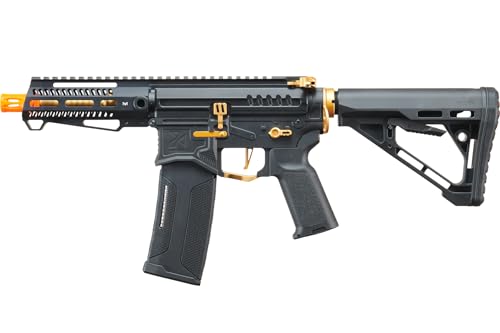
- ARS Mark10.0
ARS Mark is a ranking system developed by bestairriflescopes.com. ARS Mark has no relationship or impact from any manufacturers or sales agent websites. Learn more
- BrandZION ARMS

- ARS Mark9.2
ARS Mark is a ranking system developed by bestairriflescopes.com. ARS Mark has no relationship or impact from any manufacturers or sales agent websites. Learn more
- BrandDPMS

- ARS Mark9.0
ARS Mark is a ranking system developed by bestairriflescopes.com. ARS Mark has no relationship or impact from any manufacturers or sales agent websites. Learn more
- BrandGamo

- ARS Mark8.8
ARS Mark is a ranking system developed by bestairriflescopes.com. ARS Mark has no relationship or impact from any manufacturers or sales agent websites. Learn more
- BrandEvike
- ARS Mark8.8
ARS Mark is a ranking system developed by bestairriflescopes.com. ARS Mark has no relationship or impact from any manufacturers or sales agent websites. Learn more
- BrandUmarex

- ARS Mark8.8
ARS Mark is a ranking system developed by bestairriflescopes.com. ARS Mark has no relationship or impact from any manufacturers or sales agent websites. Learn more
- BrandRUBY.Q
- ARS Mark8.6
ARS Mark is a ranking system developed by bestairriflescopes.com. ARS Mark has no relationship or impact from any manufacturers or sales agent websites. Learn more
- BrandBarra

- ARS Mark8.6
ARS Mark is a ranking system developed by bestairriflescopes.com. ARS Mark has no relationship or impact from any manufacturers or sales agent websites. Learn more
- BrandLancer Tactical
- ARS Mark8.6
ARS Mark is a ranking system developed by bestairriflescopes.com. ARS Mark has no relationship or impact from any manufacturers or sales agent websites. Learn more
- BrandUmarex

- ARS Mark8.4
ARS Mark is a ranking system developed by bestairriflescopes.com. ARS Mark has no relationship or impact from any manufacturers or sales agent websites. Learn more
- BrandROMDS
Last update on 2026-06-10 / Affiliate links / Images, Product Titles, and Product Highlights from Amazon Product Advertising API
What Is A Revolver
Long before polymer pistols filled gun store shelves, plenty of shooters relied on a firearm that felt solid, predictable, and refreshingly straightforward. Confusing safeties, magazine failures, and slide malfunctions push some people toward simpler mechanics that don’t demand constant troubleshooting. That’s where what is a revolver starts making sense beyond old Western movie clichés. A revolver uses a rotating cylinder that holds ammunition in separate chambers, creating a design known for mechanical reliability, visible operation, and a shooting experience that feels deliberate instead of rushed.
Why Revolvers Still Hold Respect
Modern handguns may carry more rounds, but revolvers still command attention because they tend to behave consistently under pressure. Pull the trigger, the cylinder rotates, and another round lines up with the barrel. That straightforward sequence reduces the number of moving parts compared to many semi-automatic pistols. Fewer moving parts often means fewer headaches, especially for people frustrated by feeding problems or limp-wrist malfunctions.
Confidence plays a huge role in firearm ownership, and revolvers create that confidence through visibility. Open the cylinder and the firearm’s condition becomes immediately obvious. There’s no guessing whether a magazine seated correctly or whether a slide fully returned to battery. That visible design helps many shooters feel more connected to the mechanics instead of relying on hidden internal systems.
Weight distribution also changes the shooting experience in noticeable ways. The cylinder adds bulk near the center of the firearm, creating a steadier feel during trigger pulls. Some shooters describe it as more planted in the hand, especially during slower target shooting sessions. Others prefer lighter pistols for carry comfort, though plenty still appreciate the revolver’s balanced handling and consistent trigger behavior.
Hollywood glamorized revolvers for decades, yet their real-world reputation grew from practicality rather than style. Hunters, ranch workers, and outdoor enthusiasts still carry them in rough terrain because harsh weather and dirt usually create fewer operational problems. Explore reliable outdoor gear alongside best high powered air rifles if long-range field performance also matters to your setup. Rugged environments tend to expose weak equipment fast, and revolvers earned respect by staying dependable where other systems occasionally stumble.
How The Revolver Mechanism Operates
The cylinder sits at the heart of every revolver. Instead of feeding ammunition from a detachable magazine, the revolver stores rounds inside rotating chambers positioned between the barrel and frame. Each trigger pull rotates the cylinder into alignment before firing the next cartridge. That process creates the iconic spinning action most people recognize instantly.
Double-action revolvers perform two tasks with a single trigger pull. The trigger rotates the cylinder and releases the hammer in one motion, though that convenience usually creates a heavier trigger feel. Single-action models require manually cocking the hammer before firing, resulting in a lighter and shorter trigger pull. Plenty of shooters enjoy the crisp break of single-action designs because they feel more controlled during precise shooting.
Reloading works differently too, and honestly, that catches many beginners off guard. Most revolvers swing the cylinder outward, allowing spent casings to eject simultaneously with the ejector rod. Fresh rounds then load individually or through a speed loader. Reload speed usually trails behind modern pistols, though experienced revolver shooters can still reload surprisingly fast with practice.
Mechanical simplicity becomes one of the revolver’s strongest selling points. A semi-automatic pistol depends on slide movement, recoil energy, and magazine spring tension to cycle correctly. Revolvers skip much of that complexity entirely. That design difference explains why many people describe revolvers as forgiving firearms during inconsistent shooting conditions or extended storage periods.
Common Revolver Calibers And Their Purpose
Caliber selection changes how a revolver behaves, and the difference feels noticeable after the first few shots. Smaller calibers like .22 LR create light recoil and inexpensive practice sessions, making them popular for training or recreational shooting. Larger calibers such as .357 Magnum produce significantly stronger recoil and louder report. That extra power appeals to hunters and defensive shooters who prioritize stopping capability over comfort.
.38 Special remains one of the most common revolver calibers because it strikes a practical middle ground. Recoil stays manageable for many shooters while still offering respectable defensive performance. Plenty of revolvers chambered for .357 Magnum can also fire .38 Special ammunition, giving owners more flexibility during practice sessions. That versatility helps reduce ammunition costs while easing new shooters into heavier recoil gradually.
Big-bore revolvers like .44 Magnum carry undeniable power, though they’re not exactly casual range toys for most people. Strong recoil can create flinching problems if someone jumps into heavy calibers too quickly. Some shooters love that raw force for hunting applications, while others find extended shooting sessions exhausting. Realistic expectations matter because stronger calibers aren’t automatically better for every situation.
Ammunition availability influences ownership more than many first-time buyers realize. Popular calibers usually remain easier to locate during shortages or seasonal demand spikes. Compare dependable outdoor equipment with best bow peep sight for low light if visibility and practical field performance matter during challenging conditions. Reliable access to ammunition keeps practice consistent, and consistent practice shapes safer, more confident shooting habits.
What Makes Revolvers Different From Pistols
People often lump revolvers and pistols together, though their operating systems feel dramatically different once handled side by side. Semi-automatic pistols use detachable magazines and cycling slides to chamber new rounds automatically after each shot. Revolvers rely on cylinder rotation instead. That single design distinction changes everything from reload speed to recoil sensation.
Capacity becomes one of the biggest tradeoffs. Many revolvers hold five or six rounds, while compact pistols often carry ten or more in similar-sized packages. Higher capacity appeals to people focused on defensive carry because fewer reloads may become important during emergencies. Revolver fans usually counter that argument by pointing toward simplicity, visible operation, and dependable trigger mechanics.
Trigger feel separates the two platforms in another major way. Double-action revolvers generally require longer and heavier trigger pulls than striker-fired pistols. Some shooters dislike that heavier pull at first because it demands stronger finger control. Others appreciate how deliberate it feels, especially during slow, accurate shooting where accidental trigger movement becomes less likely.
Maintenance routines also differ. Semi-automatic pistols usually require field stripping to clean internal components thoroughly. Revolvers simplify some maintenance tasks because opening the cylinder exposes much of the action immediately. Still, revolvers aren’t magically maintenance-free. Powder residue can accumulate around the cylinder gap and forcing cone, especially after high-volume range sessions.
Recoil Feels Different With Revolvers
Recoil surprises many first-time revolver shooters because the sensation feels sharper than expected. Revolvers often have higher bore axes than semi-automatic pistols, which changes how force transfers into the hand. Instead of the slide absorbing part of the recoil cycle, much of that energy travels directly backward and upward. Strong calibers amplify that effect quickly.
Grip shape matters more than people think. Some revolver grips spread recoil comfortably across the palm, while compact grips can feel punishing during longer sessions. Rubberized grips soften impact noticeably compared to slick wood panels on heavier calibers. Tiny snub-nose revolvers may look easy to carry, but many produce surprisingly aggressive recoil because of reduced weight and shorter grips.
Trigger rhythm changes recoil control too. Revolvers encourage a steadier pace since reloads happen more slowly and trigger pulls often require extra pressure. That rhythm can actually help some shooters develop better fundamentals over time. Slowing down forces attention toward sight alignment, grip pressure, and trigger consistency instead of spraying rounds rapidly.
Noise and muzzle flash also deserve honest attention. Magnum revolvers produce loud concussion and bright flash, especially from shorter barrels. Indoor ranges can make that experience feel intense fast. Plenty of shooters eventually settle into mid-range calibers because they balance control, accuracy, and manageable recoil without beating up the hands after every practice session.
Why Snub Nose Revolvers Remain Popular
Small revolvers keep showing up in concealed carry conversations for one simple reason: they’re easy to carry consistently. Lightweight frames, rounded edges, and compact barrels fit comfortably inside pockets, ankle holsters, or small waist holsters. Carry comfort matters because a firearm left at home serves no purpose during emergencies. Snub nose revolvers trade some shooting comfort for portability.
Short barrels create compromises, though. Reduced sight radius makes accurate shooting harder at longer distances. Recoil also feels snappier because lighter frames absorb less force during firing. Plenty of first-time buyers assume tiny revolvers will feel gentle because they’re small, then quickly realize physics doesn’t care about appearances.
Close-range defensive use keeps these revolvers relevant. Most defensive shootings happen at short distances, and snub nose revolvers excel in tight spaces where concealment matters more than long-range precision. Their enclosed or shrouded hammer designs also reduce snagging risks during quick draws from clothing or bags. That practical simplicity keeps them hanging around despite advances in compact semi-automatic pistols.
Durability contributes heavily to their reputation too. Pocket lint, dust, and irregular carry conditions create fewer feeding concerns because revolvers don’t rely on magazine springs or slide travel for operation. Compare compact carry solutions with best hoyt bow for beginners if dependable performance and manageable handling matter during skill development. Consistency builds trust, especially with equipment carried daily rather than occasionally.
Cleaning And Maintaining A Revolver
Revolvers may have simpler mechanics than many pistols, but neglect still catches up eventually. Powder residue builds around the cylinder face, forcing cone, and barrel after repeated firing sessions. Dirty revolvers can develop sticky cylinder rotation or stubborn extraction problems if residue sits too long. Regular cleaning keeps operation smooth and predictable.
Cleaning supplies don’t need to become complicated or expensive. Basic solvent, lubricant, bore brushes, and cleaning patches handle most maintenance needs perfectly well. Over-lubrication creates its own issues because excess oil attracts dust and debris inside moving components. Light lubrication usually works better than soaking every internal surface.
Inspection matters just as much as cleaning itself. Check for loose screws, damaged timing, or unusual cylinder movement during maintenance sessions. Timing problems can affect cylinder alignment with the barrel, which impacts both accuracy and safety. Most revolver owners never encounter severe timing issues, though regular inspection helps catch problems early before they worsen.
Storage conditions influence long-term reliability too. Humidity encourages corrosion, especially on blued steel revolvers stored carelessly. Silicone-treated cloths, dry storage environments, and occasional wipe-downs help preserve finishes and internal components over time. Consistent maintenance keeps revolver performance dependable rather than unpredictable.
How Does A Revolver Work In Real Life
Buying a revolver sounds simple until real-world questions start piling up fast. Barrel length, recoil, trigger pull, ammunition cost, and carry comfort all hit differently once somebody actually spends time at the range instead of scrolling through opinions online. Plenty of shooters realize the hard way that a firearm looking good in photos doesn’t always feel right in the hand. That gap between expectation and reality explains why how does a revolver work in real life matters far more than flashy marketing or old movie nostalgia.
Barrel Length Changes Everything
Barrel length shapes nearly every part of the shooting experience. Short-barrel revolvers feel easier to carry and conceal, though recoil usually feels sharper because there’s less weight out front to tame muzzle rise. Longer barrels add forward balance, which helps many shooters stabilize sights during slower, more controlled firing. That extra weight can also soften recoil noticeably, especially with magnum ammunition.
Accuracy differences become easier to notice once distance increases. Longer barrels create a larger sight radius, making small alignment mistakes easier to catch before the shot breaks. Snub nose revolvers sacrifice some of that precision for convenience and portability. Plenty of people accept that tradeoff because close-range defensive carry doesn’t demand target-competition accuracy.
Velocity shifts with barrel length too. Longer barrels usually allow ammunition to burn more completely before the bullet exits, increasing speed and energy slightly. Short barrels create louder muzzle blast and brighter flash because unburned powder exits behind the projectile. Indoor ranges can make compact magnum revolvers feel brutally loud after only a few cylinders.
Comfort matters more than internet debates sometimes admit. A heavy six-inch revolver may feel stable and smooth at the range, yet carrying it around all day can become exhausting. Explore durable outdoor equipment with best fixed power rifle scopes if consistent field handling and practical balance matter during longer shooting sessions. Small details in weight distribution often shape long-term satisfaction more than raw power numbers.
Single Action And Double Action Feel Different
Trigger style changes how a revolver behaves during actual use. Single-action revolvers require manually cocking the hammer before every shot, creating a lighter and shorter trigger pull afterward. That crisp trigger break feels satisfying for deliberate target shooting because minimal trigger pressure reduces movement during firing. Old Western revolvers typically followed this design.
Double-action revolvers streamline the firing process by combining cylinder rotation and hammer release into one trigger pull. Convenience improves dramatically, though the trigger pull becomes heavier and longer. Some new shooters struggle with that heavier pull initially because it exposes weak grip control or inconsistent finger placement. Practice smooths that out over time, but patience matters.
Trigger reset rhythm feels different between the two systems as well. Double-action shooting encourages steady pacing instead of frantic speed. That slower rhythm often improves focus on sight alignment and recoil management naturally. Plenty of instructors appreciate revolvers for this exact reason because they force attention toward shooting fundamentals instead of relying on rapid-fire habits.
Competitive shooters sometimes favor tuned revolvers with polished internal components because trigger consistency feels predictable shot after shot. A quality trigger doesn’t magically improve accuracy overnight, though it can reduce unnecessary movement during firing. Mechanical consistency becomes easier to appreciate once range sessions move beyond beginner stages.
Concealed Carry With A Revolver
Carrying a revolver daily creates a very different experience from carrying a compact semi-automatic pistol. Revolvers tend to print differently under clothing because the cylinder adds width through the center of the frame. Slim pistols often disappear more easily against the body, though revolvers compensate with rounded edges and snag-resistant designs. Carry comfort depends heavily on body shape, holster choice, and wardrobe.
Reliability stays near the top of the conversation for concealed carry revolvers. Pocket lint, dust, and awkward carry positions create fewer feeding concerns because revolvers don’t rely on magazines or slide movement to chamber ammunition. That mechanical independence appeals strongly to people prioritizing simplicity over ammunition capacity. Five reliable rounds may feel more reassuring than fifteen rounds paired with constant reliability doubts.
Draw speed matters too, and revolvers behave differently during presentation from concealment. Rounded frames reduce snagging risks during pocket draws, especially on hammerless or shrouded-hammer models. Trigger discipline becomes extremely important because many revolvers lack external safeties. Responsible carry always depends on consistent training habits rather than mechanical shortcuts.
Holster quality makes a huge difference in long-term comfort. Cheap holsters can shift awkwardly, create pressure points, or expose the trigger unintentionally. Compare ergonomic field gear with best compound bow for tall guys if balanced handling and body fit matter during extended outdoor use. Proper fit prevents small annoyances from turning into daily frustrations.
Why Revolvers Appeal To New Shooters
Complex controls overwhelm many beginners faster than expected. Magazine releases, slide stops, chamber checks, and malfunction drills can feel intimidating during early range visits. Revolvers simplify much of that learning curve through visible operation and straightforward controls. Open the cylinder, load the rounds, close it, and the firearm is ready.
Safety checks feel easier to verify visually. Seeing empty chambers directly creates reassurance that many newcomers appreciate immediately. Semi-automatic pistols sometimes create uncertainty for beginners because chamber checks require more familiarity with slide manipulation and safe handling technique. That visible simplicity helps reduce nervousness during training sessions.
Training pace often improves with revolvers because reload frequency naturally slows shooting sessions down. Constant pauses for reloading encourage reflection between strings of fire instead of mindless repetition. Shooters spend more time correcting grip pressure, sight alignment, and trigger control rather than emptying magazines rapidly. Slower practice can actually produce stronger fundamentals.
Recoil management still deserves honest attention. Tiny lightweight revolvers can feel harsh in inexperienced hands, especially with defensive ammunition. Many instructors recommend medium-frame revolvers chambered in .38 Special because recoil stays manageable while maintaining realistic defensive capability. Balance matters far more than raw power during skill development.
Common Revolver Myths That Mislead Buyers
Movies created some wildly unrealistic ideas about revolvers over the years. One of the biggest myths suggests revolvers never malfunction. Reality looks different. Revolvers can experience timing issues, stuck casings, debris buildup, or damaged internal components just like any mechanical device. Reliability stays strong overall, though no firearm becomes immune to neglect or abuse.
Another common misconception claims revolvers are always more accurate than pistols. Accuracy depends far more on barrel quality, ammunition consistency, and shooter skill than firearm category alone. Plenty of modern pistols deliver exceptional precision. Revolvers simply provide a shooting rhythm and trigger style that some people personally shoot better.
Capacity myths show up constantly too. Critics sometimes dismiss revolvers entirely because of lower round counts, while fans occasionally pretend capacity never matters. Reality sits somewhere in the middle. Defensive priorities, carry comfort, and confidence all influence whether five or six rounds feel sufficient for a particular person’s needs.
Old-school styling creates another misleading assumption that revolvers belong only in collections or cowboy reenactments. Modern defensive revolvers, lightweight carry models, and hunting revolvers still serve practical purposes today. Their continued popularity comes from practical reliability, not nostalgia alone.
Range Practice Builds Better Revolver Skills
Dry fire practice helps revolver shooters more than many people realize. Long double-action trigger pulls demand smooth control from beginning to end, and dry practice exposes jerking or inconsistent pressure quickly. Empty-chamber practice sessions allow shooters to focus entirely on sight stability without recoil distractions. Consistency builds gradually through repetition rather than brute force.
Grip pressure becomes incredibly important during revolver shooting. Weak grip tension allows the firearm to shift excessively during recoil, slowing follow-up shots and disrupting sight recovery. Over-gripping creates fatigue and shaky trigger movement after extended sessions. Finding balanced pressure takes experimentation, especially across different grip materials and frame sizes.
Reload drills separate casual shooters from confident revolver users surprisingly fast. Speed loaders improve efficiency dramatically once technique becomes smooth, though awkward hand placement can still slow the process. Plenty of shooters practice reloads at home with dummy rounds because real-world stress magnifies every small mistake. Familiarity reduces fumbling.
Ammunition selection also affects practice quality. Cheap target ammunition helps build repetition affordably, while occasional defensive-load practice prepares shooters for realistic recoil and flash. Consistent range time matters more than occasional marathon sessions. Short focused practice often produces stronger improvement than exhausting all-day shooting trips.
Revolvers In Hunting And Outdoor Carry
Outdoor environments expose weaknesses in equipment quickly, especially during rain, dust, mud, or freezing temperatures. Revolvers maintain strong reputations in backcountry settings because their operation remains relatively unaffected by awkward shooting positions or inconsistent grip pressure. Hunters and hikers often prioritize that rugged simplicity over maximum ammunition capacity. Dependability matters deeply once help sits miles away.
Large-caliber revolvers serve specific hunting purposes where powerful handgun cartridges become useful. Magnum calibers generate substantial energy for medium-sized game, though recoil management becomes critical for ethical accuracy. Heavy revolvers tame recoil more effectively, but carrying that extra weight through rough terrain can become tiring after long days outdoors.
Chest holsters remain popular for wilderness carry because they distribute weight more comfortably during hiking or backpack use. Waist holsters sometimes interfere with climbing gear or backpack belts. Accessibility changes dramatically once outdoor movement becomes part of the equation. Comfort and accessibility usually matter more than appearance in real-world carry situations.
Weather resistance influences long-term durability too. Stainless steel revolvers resist corrosion more effectively in humid or wet environments compared to blued finishes requiring extra maintenance attention. Proper cleaning still matters after exposure to rain or sweat, though rugged revolvers continue earning trust because they tolerate rough conditions without becoming overly sensitive.


12 Best 22 Pcp Air Rifle For Hunting of 2026 With Quiet Power

7 Best 22 Pcp Air Rifle Under 300 of 2026 For Backyard Pest Control

10 Best 22 Break Barrel Air Rifles of 2026 For Backyard Pest Control

10 Best 30 Caliber Pcp Air Rifle of 2026 For Medium Game

Top Best 177 Air Rifle Under 100: Budget-Friendly Picks for 2026

How to Safely Reload Shotgun Shells at Home

11 Best Co2 Air Rifle For Pest Control of 2026 To Ensure Humane Dispatch

12 Best Inexpensive Air Rifles of 2026 For Dependable Backyard Accuracy






