
What Is an RMR Sight and How Does It Fit Your Pistol?

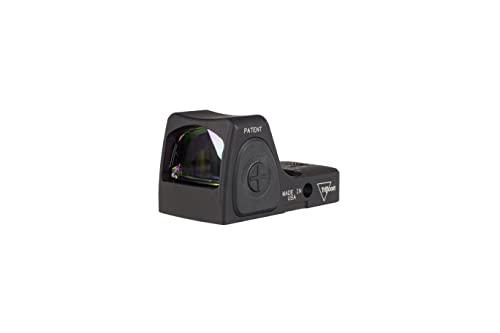
An RMR is a compact red dot sight. The letters stand for ruggedized miniature reflex, describing a small glass optic built to sit on top of a handgun. In daily shooting conversations, the term also refers to a standard mounting pattern with a specific set of screw holes and raised pins.
What this means for your setup depends on your pistol and how you plan to attach the optic. Full-sized handguns usually share this standard layout, but slim carry models need a much smaller micro shape. Some slides come milled with a direct slot for the sight, while others require a thin adapter plate to bridge the difference. Learning how these pieces fit together makes it easy to match the right optic to your handgun without any surprises.
What RMR Stands For and How It Works
RMR stands for Ruggedized Miniature Reflex. While the phrase sounds technical, each word describes a straightforward practical feature. "Ruggedized" means the outer housing is reinforced to handle harsh impacts and the violent cycling of a firearm slide. "Miniature" means the body is compact and lightweight enough to mount directly on a handgun without making it clumsy or unbalanced. "Reflex" refers to the optical design that reflects an illuminated aiming point back to your eye.
Inside an open-window sight like an RMR, a small light emitting diode (LED) projects a bright dot onto a specially coated glass lens. When you look through the window, you do not need to center a front post inside a rear notch like traditional iron sights. You keep both eyes open, focus on your target, and place the floating aiming dot where you want the bullet to hit.
The size of this aiming dot is measured in MOA (minutes of angle), which indicates how much of your target the dot covers. A fine 2 MOA dot covers roughly two inches at 100 yards, which equals about half an inch at 25 yards. This tight dot provides an exact aiming point for precision target shooting. A larger 4 to 6 MOA dot is bolder and quicker to find, making it popular for close-range personal defense. Many modern reflex models also include motion-sensing auto-on technology. This feature wakes the reticle instantly when the sight moves and puts the LED to sleep after several minutes of stillness to preserve battery life.
Specific Optic vs Mounting Footprint: Why the Name Is Confusing
Pistol owners often find the term confusing because "RMR" refers to two separate things in the shooting world. First, it is the name of an iconic red dot sight originally created by Trijicon. Second, it refers to the physical mounting pattern that this sight introduced to the industry.
In optics terminology, a "footprint" is the precise pattern of screw holes and recoil sockets cut into the bottom of the sight and the top of a slide. When the original optic became popular for duty handguns, its mounting layout proved exceptionally secure under recoil. Other optic manufacturers adopted this exact pattern so their sights could attach to the same pistol slides without requiring custom gunsmithing.
Because this layout became a widespread industry standard, an "RMR footprint" does not require an optic from the original brand. Many optics makers produce sights built specifically to fit that layout. When a firearm manufacturer advertises an "RMR slide cut" on a pistol, they are describing a machined slot that accepts any red dot sharing that identical screw-and-pin pattern.
Think of it like an electrical wall outlet. The wall receptacle has a set pattern of two flat slots and a round ground hole. Dozens of appliance brands build cords with that exact plug layout. The plug fits the wall regardless of the brand on the label. In the handgun market, the RMR footprint is that standard plug.
How an RMR Sight Attaches to a Pistol Slide
Handgun slides snap backward and forward each time a round is fired. Securing an optic against that repeated shock requires a sturdy mounting system. An RMR sight relies on two main components to stay anchored: recoil lugs and mounting screws.
Recoil lugs are raised round pins or posts that sit in the mounting pocket of the slide. When you press the optic into place, these pins seat into matching blind sockets machined into the underside of the optic housing. The lugs absorb the harsh forward and backward recoil force. The two mounting screws simply hold the optic down against the slide. Without recoil lugs taking the brunt of the kinetic force, the mounting screws would bend or shear off under repeated recoil.
Pistols generally accommodate an RMR sight in one of two ways:
- Direct slide cuts: The slide has a factory pocket or custom-machined recess shaped specifically for an RMR footprint. The sight drops directly into the steel slide with no intermediate parts. Direct mounting keeps the optic as low as possible on the bore axis. This low profile often allows you to see your factory sights through the lower portion of the glass, an alignment called a lower 1/3 co-witness. If your factory blades sit too low, you can install taller iron sights for cowitness with red dot sights to maintain a reliable backup aiming method.
- Adapter plates: Many factory optics-ready handguns feature universal flat slide cuts. The handgun includes several metal adapter plates designed for different optic brands. You secure the adapter plate to the slide first, and the plate provides the RMR screw spacing and recoil pins. You then screw the optic down onto the plate. While adapter plates add a tiny amount of height, they give you the flexibility to switch between different optic footprints later.
Whenever you mount an optic, always degrease the screw threads and apply a drop of medium-strength thread-locking fluid to each screw. Tighten the screws using an inch-pound torque tool to the exact manufacturer specification, which is usually between 12 and 15 inch-pounds. Guessing the tightness with a standard hex wrench can strip the delicate slide threads or leave the screws loose enough to back out during shooting.
Standard RMR vs Slim RMSc Cuts: Slide Width Matters
One of the most common buying mistakes involves confusing standard RMR cuts with slim micro cuts like the RMSc pattern. Handgun slides come in different widths, and full-sized optics do not fit narrow carry guns.
A standard RMR footprint is engineered for full-sized and compact service pistols. These handguns generally have slides that measure 1.0 to 1.1 inches wide or more. A standard RMR optic body measures about 1.1 to 1.2 inches wide. If you attempt to mount a full-sized RMR onto a slim subcompact carry pistol, the optic will overhang the slide edges significantly. That extra width catches on clothing, snags inside holsters, and throws off the balance of a slim pistol.
For slim, single-stack, and micro-compact handguns, the industry uses micro mounting patterns, most notably the RMSc (Shield) footprint. Sights built for this pattern are much narrower, usually measuring under an inch wide. Their screw holes are spaced differently, and their recoil pin layouts do not match the RMR standard.
An RMR footprint optic will not fit an RMSc slide cut, and an RMSc optic will not fit an RMR slide cut without a bulky adapter plate. Even optics designed for concealed carry that carry similar model abbreviations often use dedicated compact footprints. Always verify the width of your slide and the exact footprint name before purchasing.
Five Steps to Verify Slide and Optic Fit Before Buying
Checking compatibility before you purchase prevents the frustration of unboxing a sight that cannot attach to your pistol. Work through these checks in order:
- Unload the firearm and remove all ammunition from your work area. Drop the magazine, rack the slide, and visually inspect the chamber to ensure the firearm is completely clear before measuring the slide or checking mounting cuts.
- Identify your slide mounting method in the owner manual. Verify whether your pistol has a dedicated RMR direct cut, an optic-ready slide requiring adapter plates, or an uncut factory slide that requires aftermarket machining by a qualified gunsmith.
- Inspect the recoil pin layout and screw spacing on the slide. A standard RMR footprint requires two screw holes positioned toward the middle of the cut and two raised round recoil pins at the front corners. Confirming these physical pin positions ensures your slide is not milled for a Doctor, RMSc, or Acro pattern.
- Check whether you have the proper screws and adapter plate. Adapter plate systems require specific screw lengths to clamp the plate to the slide, followed by a separate set of screws to hold the optic to the plate. Using screws that are too long can bind against internal slide components like the extractor depressor plunger.
- Measure the slide width and confirm body clearance. Check that your slide width is at least 1.0 inch wide to support a full-sized RMR footprint without excessive overhang that could interfere with your holster or the ejection port where spent casings exit.
What to Look for in an RMR Footprint Optic
Once you verify that your pistol accepts an RMR footprint, choosing the right dot sight comes down to your personal shooting style and carry environment. Open-window sights give you an expansive view, making it easy to track the dot during fast shooting. If you expect to shoot in adverse outdoor conditions like rain, mud, or snow, an enclosed tube optic prevents dirt and moisture from blocking the LED emitter.
Battery placement is another practical detail to check. Sights with top-loading or side-loading battery trays let you replace the power cell without unbolting the optic. With bottom-loading sights, you must remove the entire optic to reach the battery, requiring fresh thread locker and a trip to the shooting range to re-zero your aiming dot. Look for models with motion-sensing auto-on features so the dot is always illuminated when you draw your pistol.

- ARS Mark9.4
ARS Mark is a ranking system developed by bestairriflescopes.com. ARS Mark has no relationship or impact from any manufacturers or sales agent websites. Learn more
- BrandCVLIFE

- ARS Mark9.0
ARS Mark is a ranking system developed by bestairriflescopes.com. ARS Mark has no relationship or impact from any manufacturers or sales agent websites. Learn more
- BrandMonstrum

- ARS Mark9.0
ARS Mark is a ranking system developed by bestairriflescopes.com. ARS Mark has no relationship or impact from any manufacturers or sales agent websites. Learn more
- BrandARORY
- ARS Mark8.8
ARS Mark is a ranking system developed by bestairriflescopes.com. ARS Mark has no relationship or impact from any manufacturers or sales agent websites. Learn more
- BrandTrijicon

- ARS Mark8.8
ARS Mark is a ranking system developed by bestairriflescopes.com. ARS Mark has no relationship or impact from any manufacturers or sales agent websites. Learn more
- BrandCVLIFE

- ARS Mark8.6
ARS Mark is a ranking system developed by bestairriflescopes.com. ARS Mark has no relationship or impact from any manufacturers or sales agent websites. Learn more
- BrandTrijicon

- ARS Mark8.4
ARS Mark is a ranking system developed by bestairriflescopes.com. ARS Mark has no relationship or impact from any manufacturers or sales agent websites. Learn more
- BrandCVLIFE

- ARS Mark8.4
ARS Mark is a ranking system developed by bestairriflescopes.com. ARS Mark has no relationship or impact from any manufacturers or sales agent websites. Learn more
- BrandVINTCON

- ARS Mark7.6
ARS Mark is a ranking system developed by bestairriflescopes.com. ARS Mark has no relationship or impact from any manufacturers or sales agent websites. Learn more
- BrandCVLIFE

- ARS Mark7.0
ARS Mark is a ranking system developed by bestairriflescopes.com. ARS Mark has no relationship or impact from any manufacturers or sales agent websites. Learn more
- BrandOHHLION
Last update on 2026-10-01 / Affiliate links / Images, Product Titles, and Product Highlights from Amazon Product Advertising API
Frequently Asked Questions
Will an RMR cut slide fit any red dot sight?
No, an RMR cut slide only fits sights built with the RMR footprint layout. Other popular red dot patterns, like the Doctor, RMSc, and Acro cuts, use different screw locations and recoil pin dimensions that will not match an RMR cut without a conversion adapter plate.
What does zeroing an RMR sight mean?
Zeroing is the process of aligning your red dot reticle so your bullets strike exactly where the dot is aimed at a chosen distance, such as 25 yards. You adjust the point of impact by turning the left-to-right (windage) and up-and-down (elevation) adjustment click dials using a small tool while firing test groups on a target.
Can you mount an RMR sight to a rifle or shotgun?
Yes, an RMR sight can be installed on long guns by using an RMR-to-Picatinny rail clamp mount. This base clamps securely to standard Picatinny or 20mm slotted accessory rails and provides the correct RMR screw holes and recoil pins on top. You can use similar rail mounts when fitting red dot sights on target pistols equipped with top accessory rails.
What is the difference between absolute and lower 1/3 co-witness?
Co-witness refers to viewing your backup iron sights through the optic window in case the electronics fail. An absolute co-witness aligns your iron sights directly through the center of the window, placing the red dot straight over the front sight post. A lower 1/3 co-witness keeps the iron sights positioned in the bottom third of the optic glass, giving you an unobstructed sight picture through the main window.


12 Best 22 Pcp Air Rifle For Hunting of 2026 With Quiet Power

7 Best 22 Pcp Air Rifle Under 300 of 2026 For Backyard Pest Control

10 Best 22 Break Barrel Air Rifles of 2026 For Backyard Pest Control

10 Best 30 Caliber Pcp Air Rifle of 2026 For Medium Game

Top Best 177 Air Rifle Under 100: Budget-Friendly Picks for 2026

How to Safely Reload Shotgun Shells at Home

11 Best Co2 Air Rifle For Pest Control of 2026 To Ensure Humane Dispatch

12 Best Inexpensive Air Rifles of 2026 For Dependable Backyard Accuracy






