
What Is a Sight Picture and What Should You See?

A sight picture is the complete view you see when your lined-up sights rest on the target. That visual changes depending on whether you use traditional iron sights or an illuminated red dot. With standard metal sights, the full picture layers the rear notch, the front post, and the target together. With a red dot, the sight picture is simpler because a single glowing dot sits directly over the mark.
What you see also depends on where your eyes focus and how you position the aiming point. Iron sights require your eyes to lock sharply onto the front post, while a red dot lets you look directly at the target. Your aim point style also matters, whether you cover the bullseye or rest the target just above the post. Here is a clear guide to building each view so your shots stay consistent.
The Short Version
- A sight picture is the complete view you see when your aligned firearm sights rest on the exact spot you want to hit on your target.
- Sight alignment happens first on the firearm itself by centering the front sight post inside the rear notch so the tops are level and the side gaps are even.
- With traditional iron sights, your eyes must focus sharply on the front sight post, allowing the rear notch and the target to blur slightly.
- With a red dot optic, you look directly at the target with both eyes open, and the illuminated aiming dot floats naturally over your mark.
Understanding Your Sight Picture: The Window Analogy
To understand what a sight picture is, imagine looking through your living room window at a bird on a fence. The window frame stays fixed, while the glass lets you see outside. If you hold a wooden ruler against the glass to frame the bird, you now have three parts in play: your eyes, the ruler, and the bird in the distance.
When holding a firearm, the sights act like that ruler. The target is the bird across the yard. Your sight picture is the combined view you get when you place those aligned sights directly over the target.
It is not just looking at the sights, and it is not just looking at the target. A true sight picture is the finished visual relationship where the firearm and the target meet in your field of vision before you press the trigger. If your hands move slightly, the sights drift off the target, and your sight picture breaks.
Sight Alignment vs. Sight Picture: What Is the Difference?
Many new shooters treat sight alignment and sight picture as the same concept, but they are two distinct steps that happen in a specific order.
Sight alignment is a mechanical relationship that happens strictly on the firearm. When using iron sights, sight alignment means lining up the front and rear sights with each other. You look through the rear sight notch and center the front sight post inside it. You want equal height and equal light: the top edge of the front post sits flush with the top edges of the rear notch, with an even gap of light on each side of the post. You can achieve proper sight alignment while pointing at a blank wall because the target is not part of this step.
Sight picture places that aligned setup onto your target. Once the front post sits properly inside the rear notch, you raise the aligned unit up to your mark without letting the relationship between the front and rear sights shift.
Shooters generally position their sight picture using one of two aiming styles:
- Center hold: You place the top edge of the front sight post directly over the center of the bullseye. Where the sight cuts through the middle is where the bullet strikes. This is the standard sight picture for modern handguns and defensive rifles.
- 6 o'clock hold: You place the top edge of the front sight post along the bottom edge of the bullseye, like a lollipop on a stick. This keeps the bullseye clearly visible above your sights rather than covering it with metal.
Neither style is wrong, but you must know which one your firearm is zeroed for. Zeroing means adjusting your sights so your shots land where you aim at a set distance, such as 25 yards.
Where Your Eyes Must Focus When Aiming
Your eye works like a camera lens and can only bring one distance into sharp focus at a time. If you hold a thumb out at arm's length and look at your nail, your thumb looks sharp while the room behind it blurs. If you look at the wall, your thumb goes out of focus.
Shooting iron sights presents three distinct visual planes: the rear notch close to your face, the front sight post near the muzzle, and the target downrange. Because your eye cannot focus on all three planes at once, you must choose one.
The standard rule for iron sights is front sight focus. You must train your eye to lock onto the front sight post.
When you focus on the front post, its edges look crisp and distinct. At the same time, the rear sight notch will look slightly fuzzy, and the target will blur in the background. That blur is completely normal. Shifting your eyes back and forth between the target and the front sight causes eye fatigue and makes your hands drift. As long as you center the blurry target behind your sharp front post, your shot will go where you want.
Iron Sights Compared to Red Dot Sights
A red dot sight simplifies your view by eliminating the need to align front and rear metal sights. With iron sights, you must keep three objects in line: the rear notch, the front post, and the target. This requires strict front sight focus and active effort to verify your alignment.
A dot optic removes the rear notch completely. An internal light reflects an illuminated aiming dot onto a curved glass lens, bouncing the dot back to your eye while letting you see straight through the window.
Because the lens projects the dot along your visual path, the dot appears on the same optical plane as your target. This allows you to use target focus. Instead of focusing on a front sight, you keep both eyes open and look directly at the target spot you want to hit. The aiming dot floats naturally over your mark, and both the target and the dot stay in clear view.
Many shooters pair their red dot with backup iron sights. When you can view and line up your backup iron sights through the optic glass, this is known as co-witnessing. If you want to use both systems together, exploring iron sights that co-witness with a red dot will help you see how backup sights fit neatly into the bottom of your optic window without cluttering your sight picture.
Common Sight Picture Mistakes and How to Fix Them
Building a steady sight picture takes practice. When shots wander off target, a simple visual mistake is often the cause.
Before practicing your sight picture or doing dry-fire drills at home, always check that your firearm is completely unloaded. Remove the magazine, inspect the chamber to verify it is clear, and keep the muzzle pointed in a safe direction at all times.
Watch for these four frequent sight picture errors:
- Staring at the target with iron sights: Looking at the target causes the front post to blur, making it impossible to confirm proper alignment in the rear notch. Force your visual focus onto the sharp top edge of the front blade before pressing the trigger.
- Squinting one eye shut: Closing an eye causes facial tension, cuts your field of view, and reduces depth perception. Practice keeping both eyes open. If you have cross-eye dominance, place a small piece of frosted tape over the non-dominant lens of your shooting glasses instead.
- Focusing on the red dot instead of the target: Looking directly at the dot can make it look blurry or flared out like a starburst. Look through the optic window, keep your eyes on the target, and let the dot overlay your mark naturally.
- Peeking during the trigger press: Lifting your head to see where the shot landed breaks your sight picture before the bullet leaves the barrel. Hold your sight picture through the entire trigger pull and for a brief moment after the shot breaks.
Choosing a Dot Sight to Simplify Your View
If aligning two iron sights feels frustrating or strains your eyes, switching to a dot sight is an easy way to clean up your sight picture. Instead of balancing three visual depths, a dot optic lets you keep both eyes open and stay focused on your target.
When selecting a dot sight, check the aiming dot size, which is measured in MOA (minutes of angle). A fine 2 MOA dot covers about 2 inches of a target at 100 yards, or half an inch at 25 yards. This size gives you a clear view of small targets for precise shooting. A larger 4 to 6 MOA dot covers more area, making it faster to pick up for close-range defense.
Consider the housing style as well. Open-window sights offer an unobstructed view with minimal framing around the glass. Enclosed tube sights house the glass and emitter inside a sealed aluminum cylinder, protecting internal parts from rain, mud, and dust.
Verify how the optic attaches to your firearm. Rifle sights typically mount to standard Picatinny or 20mm slotted accessory rails. Pistol optics require a slide cut matching the optic's footprint, which is the specific screw-hole pattern on the slide. Look for features like motion-sensing auto-on, which wakes the optic when moved and sleeps during stillness to save battery life. Always install mounting screws with an inch-pound torque tool and thread-locking fluid so recoil does not shake the optic loose.

- ARS Mark9.2
ARS Mark is a ranking system developed by bestairriflescopes.com. ARS Mark has no relationship or impact from any manufacturers or sales agent websites. Learn more
- BrandSig Sauer

- ARS Mark7.6
ARS Mark is a ranking system developed by bestairriflescopes.com. ARS Mark has no relationship or impact from any manufacturers or sales agent websites. Learn more
- BrandCVLIFE

- ARS Mark8.0
ARS Mark is a ranking system developed by bestairriflescopes.com. ARS Mark has no relationship or impact from any manufacturers or sales agent websites. Learn more
- BrandCVLIFE

- ARS Mark7.1
ARS Mark is a ranking system developed by bestairriflescopes.com. ARS Mark has no relationship or impact from any manufacturers or sales agent websites. Learn more
- BrandHOLOSUN

- ARS Mark7.7
ARS Mark is a ranking system developed by bestairriflescopes.com. ARS Mark has no relationship or impact from any manufacturers or sales agent websites. Learn more
- BrandCVLIFE
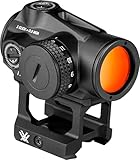
- ARS Mark9.2
ARS Mark is a ranking system developed by bestairriflescopes.com. ARS Mark has no relationship or impact from any manufacturers or sales agent websites. Learn more
- BrandVortex

- ARS Mark8.2
ARS Mark is a ranking system developed by bestairriflescopes.com. ARS Mark has no relationship or impact from any manufacturers or sales agent websites. Learn more
- BrandCVLIFE
Last update on 2026-09-30 / Affiliate links / Images, Product Titles, and Product Highlights from Amazon Product Advertising API
FAQs
Should I keep both eyes open when aiming?
Yes, keeping both eyes open is the best habit for modern shooting. It preserves your peripheral vision, prevents facial strain, and helps your balance. With a red dot sight, keeping both eyes open lets you look directly at the target while the aiming dot floats in your vision.
What does holdover mean when establishing a sight picture?
Holdover means aiming slightly higher or lower on your target to compensate for bullet drop or the distance between your sights and the barrel. Because sights sit an inch or two above the bore line, shots fired at close range land lower than where the sights point. Knowing your holdover lets you raise your sight picture slightly to hit dead center.
Why does my red dot look blurry or shaped like a starburst?
A starburst effect usually happens when you look directly at the dot rather than through the lens at your target. It can also stem from astigmatism or a brightness setting that is too high. You can check this by taking a photo of the dot with your phone; if the dot is round and clear on the screen, lowering the brightness dial or adjusting your eye focus will fix the issue.
How do I know if my sight alignment is off versus my sight picture?
Your sight alignment is off when the front sight post sits too high, too low, or off to one side inside the rear notch. Your sight picture is off when the sights are lined up with each other, but the entire aligned setup is pointed at the wrong spot on your target.


12 Best 22 Pcp Air Rifle For Hunting of 2026 With Quiet Power

7 Best 22 Pcp Air Rifle Under 300 of 2026 For Backyard Pest Control

10 Best 22 Break Barrel Air Rifles of 2026 For Backyard Pest Control

10 Best 30 Caliber Pcp Air Rifle of 2026 For Medium Game

Top Best 177 Air Rifle Under 100: Budget-Friendly Picks for 2026

How to Safely Reload Shotgun Shells at Home

11 Best Co2 Air Rifle For Pest Control of 2026 To Ensure Humane Dispatch

12 Best Inexpensive Air Rifles of 2026 For Dependable Backyard Accuracy






