
What Is a Sling Weapon and Why It Still Fascinates

What Is a Sling Weapon often sounds like a simple question, yet the answer opens a surprisingly deep rabbit hole. Ancient armies carried it into battle. Shepherds relied on it to protect livestock. Survival enthusiasts still talk about it with a mix of curiosity and caution. A tiny pouch, two cords, and a smooth stone might not seem impressive at first glance, but this old-school projectile tool packed serious force long before modern gear entered the picture.
People usually picture swords, bows, or spears while thinking about ancient combat. Funny enough, the sling weapon quietly shaped history from the sidelines. Its lightweight design made it easy to carry across rough terrain, and trained users could launch stones with shocking speed. That raw simplicity still grabs attention today because it proves advanced technology isn’t always necessary to create impact. Sometimes the oldest tools leave the biggest impression.
Sling weapons also spark interest because they blend survival skill, hand-eye coordination, and historical craftsmanship into one compact idea. Unlike flashy modern equipment, a sling depends heavily on timing, rhythm, and control. One sloppy release sends the projectile flying sideways. One clean motion, though, and suddenly the entire mechanism clicks into place. That steep learning curve keeps people intrigued because success feels earned instead of automatic.
Movies and video games have added fuel to the fascination, no doubt about it. Scenes involving ancient warriors or legendary underdogs often bring the sling back into mainstream conversation. Still, real-world use looked far less dramatic and far more demanding. Historical records describe trained slingers capable of hitting distant targets with frightening precision. Those stories continue to surprise readers who assume the sling was little more than a primitive toy.
Ancient warfare, wilderness survival, and historical weapon design all intersect around this topic. That’s why conversations about sling weapons rarely stay shallow for long. One minute it’s about simple mechanics. The next minute people are debating battlefield tactics, hunting methods, or the physical skill required to use one effectively. The sling keeps pulling curiosity forward because it sits in that strange middle ground between forgotten history and timeless practicality.
Then there’s the cultural side of things. Different civilizations built their own sling styles using local materials like leather, woven fibers, or plant cordage. Some versions focused on portability while others emphasized range and durability. Those small regional differences reveal how adaptable the sling became across generations. Even now, enthusiasts appreciate how such a minimal design carried so much versatility without relying on complicated engineering.

- ARS Mark9.6
ARS Mark is a ranking system developed by bestairriflescopes.com. ARS Mark has no relationship or impact from any manufacturers or sales agent websites. Learn more
- BrandBlue Force Gear
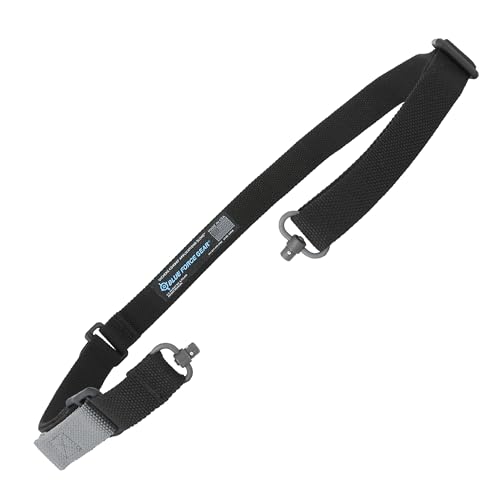
- ARS Mark9.6
ARS Mark is a ranking system developed by bestairriflescopes.com. ARS Mark has no relationship or impact from any manufacturers or sales agent websites. Learn more
- BrandBlue Force Gear

- ARS Mark9.2
ARS Mark is a ranking system developed by bestairriflescopes.com. ARS Mark has no relationship or impact from any manufacturers or sales agent websites. Learn more
- BrandEAmber

- ARS Mark9.0
ARS Mark is a ranking system developed by bestairriflescopes.com. ARS Mark has no relationship or impact from any manufacturers or sales agent websites. Learn more
- BrandWCALULEG
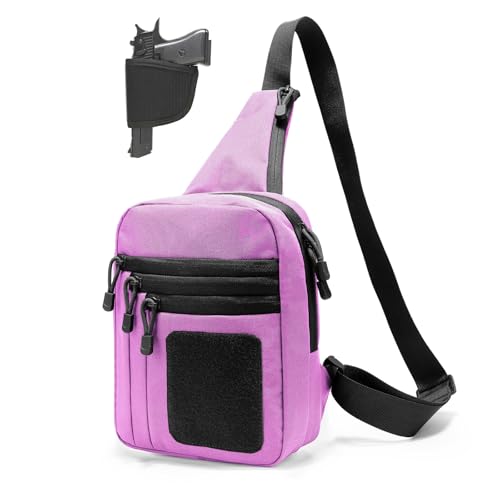
- ARS Mark9.0
ARS Mark is a ranking system developed by bestairriflescopes.com. ARS Mark has no relationship or impact from any manufacturers or sales agent websites. Learn more
- BrandWCALULEG

- ARS Mark9.0
ARS Mark is a ranking system developed by bestairriflescopes.com. ARS Mark has no relationship or impact from any manufacturers or sales agent websites. Learn more
- BrandWCALULEG

- ARS Mark9.0
ARS Mark is a ranking system developed by bestairriflescopes.com. ARS Mark has no relationship or impact from any manufacturers or sales agent websites. Learn more
- BrandWarBull

- ARS Mark8.6
ARS Mark is a ranking system developed by bestairriflescopes.com. ARS Mark has no relationship or impact from any manufacturers or sales agent websites. Learn more
- BrandWCALULEG

- ARS Mark8.2
ARS Mark is a ranking system developed by bestairriflescopes.com. ARS Mark has no relationship or impact from any manufacturers or sales agent websites. Learn more
- BrandLord of Battles
Last update on 2026-05-31 / Affiliate links / Images, Product Titles, and Product Highlights from Amazon Product Advertising API
What Is A Sling Weapon
Plenty of old weapons fade into the background once modern tools take over, yet some still hang around in conversations because they carry a weird mix of simplicity and raw effectiveness. That’s exactly why what is a sling weapon keeps popping up in survival discussions, ancient warfare debates, and outdoor skill circles. A sling weapon uses a small pouch connected to cords to launch stones or projectiles at high speed through rotational force. Tiny setup. Serious impact. Ancient fighters knew that already, and honestly, many people today still underestimate how dangerous a properly used sling could become.
Why Sling Weapons Still Grab Attention
Sling weapons fascinate people because they look almost laughably basic at first glance. Two cords and a pouch don’t exactly scream battlefield dominance. Then you start reading historical accounts describing trained slingers breaking shields, injuring armored soldiers, and hitting targets from long distances. Suddenly that “simple tool” starts feeling a lot more intimidating.
Movies usually simplify the idea into one dramatic spin and release, but reality involved serious practice. Timing mattered. Wrist control mattered. Release angles mattered even more. Someone without repetition and patience usually ended up throwing stones sideways or straight into the dirt. That steep skill curve actually adds to the appeal because mastery feels earned instead of automatic.
Ancient military groups relied heavily on slingers during certain periods because ammunition was easy to find almost anywhere. A fighter could collect smooth stones near rivers or shape clay projectiles before battle. That flexibility gave sling weapons a major logistical advantage over gear requiring forged metal or complex construction. Cheap tools often survive longer than flashy ones for exactly that reason.
Curiosity also sticks around because sling weapons blur the line between hunting gear, battlefield equipment, and survival tool. Some people study them through historical texts. Others focus on primitive skills or wilderness preparedness. Either way, the sling continues pulling attention because it proves that human ingenuity didn’t always rely on advanced materials to create effective weapons.
How A Sling Weapon Actually Works
The mechanics behind a sling weapon sound straightforward until you try using one yourself. A projectile sits inside the pouch while the user swings the sling in controlled rotations before releasing one cord at the right moment. That release converts rotational force into speed, launching the projectile toward a target. Miss the timing by half a second, though, and the shot goes completely off course.
Momentum plays a massive role in sling performance. Faster rotations generate more force, but excessive speed can wreck accuracy if the user loses control. Skilled slingers balanced rhythm and precision rather than simply spinning harder. Ancient training methods often focused on consistency first because random power without direction rarely helped in real combat.
The sling itself could vary depending on region and purpose. Some versions used woven plant fibers while others relied on leather or animal hide. Longer slings increased projectile speed but often became harder to manage in tight spaces. Shorter versions improved handling but sacrificed range. Those tradeoffs mattered a lot during hunting or military use.
Projectile shape also influenced effectiveness. Rounded stones traveled differently than shaped clay bullets or lead ammunition. Ancient armies sometimes used molded projectiles stamped with symbols or warnings, which added psychological pressure before battles even started. Small details like projectile weight and sling length completely changed how the weapon behaved during use.
Ancient Armies And Battlefield Strategy
Ancient warfare depended heavily on ranged attacks long before firearms existed. Archers grabbed most of the spotlight, but sling units often played critical battlefield roles. Historical records from Greek, Roman, and Near Eastern conflicts describe slingers disrupting enemy formations before close combat even began. Fast-moving projectiles forced soldiers to stay defensive instead of advancing comfortably.
Some military groups became famous specifically for their sling expertise. Balearic slingers, for example, built reputations for terrifying accuracy and disciplined training. Young trainees reportedly practiced from childhood using progressively smaller food portions placed at a distance. Miss the target, and dinner stayed out of reach. Harsh training methods produced extremely capable fighters.
Range gave sling weapons another major advantage. Certain sling projectiles could travel farther than many arrows depending on user skill and conditions. That extended reach allowed harassment attacks before opposing forces could respond effectively. Even if direct kills were limited, repeated impacts damaged morale and disrupted battlefield coordination.
Still, sling weapons carried weaknesses too. Dense forests, cramped terrain, or poor weather conditions complicated proper rotation and release. Training time also remained significant. Handing a sling to an untrained recruit rarely produced good results. Ancient commanders needed disciplined users capable of maintaining accuracy under pressure, which narrowed the pool of effective fighters considerably.
Materials Used In Traditional Sling Design
The earliest sling weapons relied heavily on local materials because ancient builders worked with whatever resources existed nearby. Plant fibers, wool, leather strips, and braided cords all appeared in historical examples. Some regions preferred tightly woven designs for flexibility while others leaned toward thicker leather pouches for durability. Those small construction choices affected comfort and release consistency.
Leather slings handled wear and moisture better than some woven alternatives, especially during long military campaigns. They also gripped smooth stones more securely during rotation. On the downside, leather required more maintenance and proper treatment to prevent cracking. A neglected sling quickly became unreliable in rough conditions.
Woven slings offered portability and lighter weight, which mattered during travel or extended movement. Experienced makers could braid impressive designs using natural fibers without relying on metal parts at all. That portability made sling weapons attractive for shepherds, scouts, and hunters carrying limited gear. Lightweight tools usually win favor when every ounce counts.
Modern hobbyists still recreate historical sling styles using traditional methods, though synthetic materials have entered the mix too. Nylon cords resist moisture and stretching better than many natural fibers. Purists sometimes dislike that change because synthetic construction alters the historical feel. Even so, durability and consistency make modern materials appealing for practice and recreational use.
Why Accuracy Took Years To Develop
People often assume ancient weapons were easier to use because they looked primitive. Sling weapons destroy that assumption pretty quickly. Landing accurate shots consistently required repetitive practice and muscle memory built over months or even years. One awkward release could send a projectile spinning wildly in the wrong direction.
Hand-eye coordination became the foundation of successful slinging. Users needed precise timing between rotational speed and cord release while also tracking moving targets. That coordination explains why experienced slingers stood out dramatically from beginners. The gap between novice and expert felt enormous.
Environmental factors complicated things even more. Wind direction, projectile shape, terrain elevation, and distance all changed shot behavior. Ancient users learned through constant adjustment rather than relying on sight systems or mechanical aids. Practical repetition mattered far more than theory.
Some enthusiasts today compare sling practice to learning difficult sports skills like pitching or archery. Small improvements feel satisfying because progress arrives slowly instead of instantly. To improve projectile control and long-range consistency, many outdoor enthusiasts also explore target archery compound bow setups alongside traditional sling practice. Different tools, same obsession with precision.
Hunting Applications And Practical Limits
Historical sling users sometimes hunted small animals and birds using stones or shaped projectiles. Lightweight ammunition made the sling easy to carry during long travel, which helped in remote environments where bulky gear became frustrating. A sling tucked into a pouch barely added weight at all. That portability gave it practical value beyond warfare.
Quiet operation also worked in the sling’s favor during hunting situations. Unlike firearms, sling weapons produced minimal noise beyond the projectile impact itself. Hunters could avoid startling nearby animals after a missed shot. Silence mattered a lot in environments where every opportunity counted.
Accuracy limitations still created challenges. Small game required careful aim and reliable distance judgment. A poorly thrown stone rarely delivered clean results. Ethical hunting depended heavily on skill level, which is why sling hunting never replaced bows or more reliable projectile tools in many cultures.
Terrain also influenced usefulness. Open fields allowed better projectile tracking and cleaner releases, while dense forests complicated rotation space dramatically. Tight environments reduced effectiveness fast. Practical users learned quickly that sling weapons excelled in certain conditions but struggled badly in others.
How Sling Weapons Compare To Bows
Comparisons between slings and bows usually spark heated debate among history enthusiasts. Both tools launched projectiles at distance, but they approached the problem differently. Bows generally offered faster aiming and easier repeatability for trained users. Slings, meanwhile, provided cheap ammunition and lightweight portability.
Training demands separated the two significantly. A bow still required skill, of course, but sling accuracy often took even longer to refine. Timing errors punished sling users immediately. Bows allowed more direct visual alignment with targets, which helped many fighters learn faster.
Range comparisons remain complicated because performance varied wildly depending on equipment and experience. Some historical accounts suggest skilled slingers achieved remarkable distance. Other records emphasize bow advantages in rapid battlefield deployment and formation tactics. Realistically, both weapons succeeded because they solved different military problems.
Modern outdoor enthusiasts still compare ancient projectile systems while exploring traditional gear. For hunters interested in historical-style equipment with more structured aiming systems, many choose to best bear bow for hunting options that balance classic feel with practical field performance. Sling weapons still hold appeal, though, because their simplicity creates a completely different challenge.
The Psychology Behind Ancient Projectile Weapons
Projectile weapons affected more than physical safety during ancient conflicts. Incoming stones or lead bullets created chaos, hesitation, and fear before direct engagement even started. Soldiers under repeated bombardment struggled to maintain formation discipline. That psychological pressure mattered almost as much as physical injury.
Unpredictable impacts made sling attacks especially unsettling. Fast-moving stones arrived without the visible flight path many arrows carried. Opponents sometimes heard impacts before fully realizing where projectiles originated. Confusion spreads quickly in combat situations where visibility and coordination already feel strained.
Ancient commanders understood this emotional effect well. Harassment attacks weakened morale and distracted enemy troops before major clashes occurred. A barrage of sling projectiles could exhaust concentration and increase battlefield mistakes. Mental fatigue often changed outcomes long before close combat began.
Modern readers sometimes overlook how exhausting constant ranged pressure could become during ancient warfare. Shields grew heavier over time. Arm fatigue set in quickly. Maintaining focus while avoiding incoming projectiles drained energy fast. Sling weapons exploited those weaknesses through repetition and sustained disruption.
How Sling Weapons Were Used In Real Combat
Ancient battles rarely looked clean or organized once projectiles started flying. Dust filled the air, visibility dropped fast, and soldiers struggled to maintain formation while incoming stones crashed into shields and armor. That chaotic environment gave sling weapons more value than many people realize today. Fast-moving projectiles forced constant movement, hesitation, and defensive reactions before hand-to-hand combat even began.
Why Ancient Fighters Trusted Sling Weapons
Military groups kept using sling weapons for centuries because they solved practical problems cheaply. Ammunition could be collected almost anywhere instead of forged or manufactured through complicated processes. A handful of smooth stones near a riverbank suddenly became battlefield supplies. That simplicity mattered during long campaigns where resources stayed limited.
Mobility also played a major role. Sling users carried lightweight equipment compared to heavily armored troops or archers hauling bundles of arrows. Fighters could move faster across rocky terrain, hillsides, or dry landscapes without dragging extra weight. Ancient armies valued anything that reduced fatigue during travel because exhausted soldiers made costly mistakes.
Range created another advantage. Skilled slingers launched projectiles surprisingly far, sometimes beyond the comfortable reach of opposing ranged units. Even inaccurate volleys disrupted movement and concentration. A soldier doesn’t need direct injury to panic once stones start striking nearby with dangerous speed.
Training remained the biggest downside. A sling looked simple enough for anyone to use, but reality hit differently once actual practice started. Timing errors ruined accuracy instantly. That learning curve explains why experienced slingers earned respect across multiple civilizations despite carrying such minimal equipment.
The Physical Force Behind Sling Projectiles
People often underestimate how much force a sling projectile could generate because the weapon itself looks harmless. Small stones accelerated rapidly through rotational motion before release. Some historical researchers compared the impact force of lead sling bullets to modern handgun energy at close range. That comparison surprises people every single time.
Projectile weight changed everything. Lightweight stones traveled faster but lost momentum quicker after impact. Heavier projectiles struck harder yet demanded more strength and control from the user. Experienced slingers adjusted ammunition depending on battlefield conditions, distance, and intended effect.
Lead ammunition appeared in some ancient armies because dense materials carried more energy in compact shapes. Smaller projectiles traveled efficiently while remaining difficult to see mid-flight. That invisibility increased psychological pressure during combat. Soldiers often reacted late because they barely tracked incoming shots before impact.
Even non-lethal impacts caused problems. Broken fingers, bruised limbs, cracked shields, and head injuries weakened formations over time. Ancient warfare depended heavily on stamina and morale, so repeated projectile harassment slowly drained both. Sling weapons excelled at creating that exhausting pressure.
How Terrain Changed Sling Effectiveness
Open terrain helped sling users perform at their best. Wide fields allowed full rotational movement without obstacles interrupting release angles. Distance also favored experienced slingers because they could attack before enemy forces closed the gap. Space mattered more than raw strength in many situations.
Dense forests created completely different problems. Trees blocked rotations, branches disrupted projectile paths, and visibility dropped dramatically. Tight spaces punished sloppy technique fast. Sling users operating in wooded areas needed shorter rotations and careful positioning to avoid hitting nearby obstacles.
Elevation offered another tactical advantage. Slingers standing on hillsides or defensive walls gained improved projectile range and visibility over advancing enemies. Higher ground increased momentum naturally while reducing exposure during attacks. Ancient defenders understood that advantage well and used terrain aggressively whenever possible.
Weather conditions complicated everything too. Strong wind altered trajectories, especially for lighter ammunition. Rain weakened grip consistency and affected cord tension in natural fiber slings. Practical users adapted through experience instead of relying on perfect conditions that almost never existed during real combat.
Why Sling Training Frustrated Beginners
Most beginners expect immediate results because sling weapons appear mechanically simple. Then the first practice session starts and stones launch sideways instead of forward. That frustration hits quickly. Tiny timing mistakes create massive accuracy problems, especially during early attempts.
Consistency became the hardest skill to build. One decent throw often tricked beginners into thinking they’d figured everything out. The next ten shots usually proved otherwise. Repetition mattered far more than brute force because smooth release timing controlled projectile direction.
Grip tension caused problems too. Holding cords too tightly interrupted clean releases, while loose grip control created unstable rotations. Ancient users developed muscle memory slowly through repetitive drills instead of rushing for power. Patience mattered almost as much as physical coordination.
People interested in projectile precision often branch into related outdoor disciplines after struggling with sling accuracy. To improve controlled target practice with structured sight systems, many hobbyists compare traditional skills with best recurve bow for target shooting setups that reward similar focus and body control. Different tools teach surprisingly similar lessons about patience.
How Sling Weapons Influenced Survival Skills
Long before modern outdoor gear existed, lightweight survival tools mattered deeply during travel and hunting. Sling weapons fit naturally into that role because they required minimal materials and almost no carrying space. A folded sling tucked into clothing or small packs without adding noticeable weight. Portability alone made it practical.
Resourcefulness became part of the appeal. Users didn’t depend on specialized ammunition manufactured in advance. Stones, clay projectiles, or shaped materials from the environment often worked well enough. That flexibility helped travelers and hunters adapt quickly in unfamiliar terrain.
Still, sling weapons demanded realistic expectations. Hitting small moving targets consistently remained difficult without serious practice. Survival situations already create stress and fatigue, which only make precision harder. People romanticize primitive hunting tools sometimes, but actual use required discipline and repetition.
Noise reduction gave the sling another practical edge. Quiet projectile launches avoided the loud reports associated with firearms. Hunters trying to avoid spooking nearby animals appreciated that advantage. Silence often mattered more than raw power during careful movement through wilderness areas.
Modern Interest In Ancient Projectile Weapons
Ancient weapons continue attracting attention because people enjoy reconnecting with physical skills that modern technology replaced. Sling weapons sit right in that space between history lesson and hands-on challenge. The mechanics feel old-school, yet the learning process stays surprisingly engaging even today.
Historical reenactments, survival groups, and primitive skills communities all helped keep sling practice alive over the years. Some enthusiasts build replicas using traditional materials while others experiment with modern cords and synthetic pouches. Both approaches reflect the same fascination with ancient practicality.
Video content online also pushed sling weapons back into public curiosity. Demonstrations showing projectile speed or long-range shots catch attention fast because most viewers underestimate the weapon initially. Watching stones strike targets with serious force changes perception immediately.
Modern projectile enthusiasts sometimes compare slings with other precision-focused outdoor equipment. For people exploring air-powered accuracy tools alongside historical projectile systems, many also research best pcp air rifle electric pump setups to simplify consistent field use and maintenance. Different technologies, same fascination with control and precision.
The Biggest Misconceptions About Sling Weapons
One major misconception involves the idea that sling weapons were primitive toys instead of legitimate military tools. Historical records clearly show trained slingers participating in organized warfare across multiple civilizations. Ancient commanders didn’t waste battlefield positions on ineffective equipment. Sling users earned those roles through practical results.
Accuracy myths create confusion too. Some people assume slingers randomly hurled stones without real targeting ability. Skilled users absolutely aimed with intent, though mastering that precision demanded years of practice. A trained slinger looked dramatically different from someone experimenting casually for the first time.
Another misconception involves power limits. Small projectiles seem harmless until momentum enters the equation. Rotational force transformed ordinary stones into dangerous weapons capable of causing serious injury. Ancient battlefield medicine struggled badly against blunt trauma, which made projectile impacts especially problematic.
People also underestimate physical exhaustion during repeated sling use. Rotational movements stress shoulders, wrists, and arms over time, especially during long practice sessions. Effective use required endurance alongside coordination. Ancient fighters built those skills gradually instead of relying purely on strength.
Why Sling Weapons Still Feel Relevant
Modern technology changed combat completely, yet people still gravitate toward old tools that demand direct physical skill. Sling weapons remain interesting because success depends almost entirely on timing, rhythm, and repetition instead of electronics or mechanical assistance. That raw connection between user and tool feels refreshingly honest.
Minimalism also adds appeal. A sling contains almost no moving parts, complicated maintenance, or fragile mechanisms. Ancient builders solved practical problems with simple materials and smart technique rather than complicated engineering. That stripped-down efficiency still resonates with people tired of disposable modern gear.
The sling also highlights how underestimated skills shaped history quietly behind larger military narratives. Swords and armor dominate movies, but ranged harassment, mobility, and battlefield pressure mattered constantly during ancient conflicts. Sling users contributed heavily even if popular culture rarely gives them center stage.
Curiosity sticks around because sling weapons challenge assumptions about power, simplicity, and historical innovation. Tiny tools sometimes carried enormous influence. The sling proves that point clearly every time another person picks one up expecting an easy afternoon and walks away realizing how much technique actually matters.


12 Best 22 Pcp Air Rifle For Hunting of 2026 With Quiet Power

7 Best 22 Pcp Air Rifle Under 300 of 2026 For Backyard Pest Control

10 Best 22 Break Barrel Air Rifles of 2026 For Backyard Pest Control

10 Best 30 Caliber Pcp Air Rifle of 2026 For Medium Game

Top Best 177 Air Rifle Under 100: Budget-Friendly Picks for 2026

How to Safely Reload Shotgun Shells at Home

11 Best Co2 Air Rifle For Pest Control of 2026 To Ensure Humane Dispatch

12 Best Inexpensive Air Rifles of 2026 For Dependable Backyard Accuracy






