
What Is A Squib Load: Causes And Safety Tips

What Is A Squib Load is a critical yet often misunderstood firearm occurrence that happens when a round fires but lacks the necessary force to exit the barrel. These underpowered discharges can create dangerous blockages, risking severe damage or injury if unnoticed. Recognizing the subtle signs like unusual recoil, quiet pops, or strange smoke is essential for anyone handling firearms. Being informed about causes and prevention ensures safer shooting and less downtime on the range.
Several factors contribute to a squib load. Ammunition defects, improper powder measurements, or user error during handloading can all trigger this hazard. Experienced shooters often stress the importance of routine inspection of ammunition, emphasizing consistency and quality. Small oversights, like mixing powders or reusing primers, can lead to unintended and risky outcomes. Understanding the mechanics behind a squib empowers shooters to mitigate threats effectively.
Spotting a squib load early saves equipment and lives. Observing abnormal behavior in the firearm, such as reduced noise or lag in the action, acts as a warning. Shooters are encouraged to stop immediately, clear the barrel, and verify every round before continuing. Preventative practices like using verified ammo and maintaining a clean firearm reduce the likelihood of these events. Safety protocols, while sometimes overlooked, are indispensable tools for responsible shooting.
Education around squib loads extends beyond theory; practical measures matter. Understanding barrel pressure, proper seating of bullets, and quality control during reloading minimizes mishaps. Incorporating double-checks, visual inspections, and clear identification of loads creates layers of defense. Shooters can enjoy their sport with confidence, knowing they have proactively reduced risk. Being methodical pays dividends in both safety and equipment longevity.
Ultimately, what is a squib load isn't just a technical curiosity it’s a real-world safety challenge. Engaging in careful preparation, consistent handling, and constant vigilance transforms potential hazards into manageable scenarios. Knowledge of this phenomenon empowers individuals to act swiftly and confidently. Applying these lessons keeps shooting sessions productive, enjoyable, and, most importantly, safe for all involved.

- ARS Mark9.2
ARS Mark is a ranking system developed by bestairriflescopes.com. ARS Mark has no relationship or impact from any manufacturers or sales agent websites. Learn more
- BrandDPMS

- ARS Mark9.0
ARS Mark is a ranking system developed by bestairriflescopes.com. ARS Mark has no relationship or impact from any manufacturers or sales agent websites. Learn more
- BrandGamo
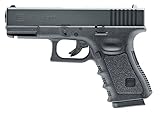
- ARS Mark8.8
ARS Mark is a ranking system developed by bestairriflescopes.com. ARS Mark has no relationship or impact from any manufacturers or sales agent websites. Learn more
- BrandUmarex

- ARS Mark8.8
ARS Mark is a ranking system developed by bestairriflescopes.com. ARS Mark has no relationship or impact from any manufacturers or sales agent websites. Learn more
- BrandRUBY.Q

- ARS Mark8.8
ARS Mark is a ranking system developed by bestairriflescopes.com. ARS Mark has no relationship or impact from any manufacturers or sales agent websites. Learn more
- BrandGamo
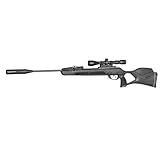
- ARS Mark8.6
ARS Mark is a ranking system developed by bestairriflescopes.com. ARS Mark has no relationship or impact from any manufacturers or sales agent websites. Learn more
- BrandGamo

- ARS Mark8.6
ARS Mark is a ranking system developed by bestairriflescopes.com. ARS Mark has no relationship or impact from any manufacturers or sales agent websites. Learn more
- BrandGamo

- ARS Mark8.6
ARS Mark is a ranking system developed by bestairriflescopes.com. ARS Mark has no relationship or impact from any manufacturers or sales agent websites. Learn more
- BrandGamo
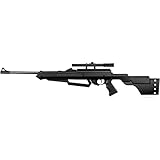
- ARS Mark8.4
ARS Mark is a ranking system developed by bestairriflescopes.com. ARS Mark has no relationship or impact from any manufacturers or sales agent websites. Learn more
- BrandBarra

- ARS Mark8.2
ARS Mark is a ranking system developed by bestairriflescopes.com. ARS Mark has no relationship or impact from any manufacturers or sales agent websites. Learn more
- BrandSig Sauer
Last update on 2026-06-13 / Affiliate links / Images, Product Titles, and Product Highlights from Amazon Product Advertising API
What Is A Squib Load
Nothing wrecks a day at the range faster than hearing a weak pop instead of a clean shot. That strange sound catches people off guard because firearms usually feel predictable once you’ve spent enough time with them. A lot of shooters brush it off as cheap ammo or dirty parts, then keep firing without realizing a blocked barrel could turn the next round into a serious disaster. The phrase what is a squib load matters more than many people think because this issue can damage firearms, destroy confidence, and put everyone nearby at risk.
Why Squib Loads Happen
A squib load usually happens when a cartridge doesn’t generate enough pressure to push the bullet completely out of the barrel. Powder problems cause most of these incidents. Sometimes there’s no powder at all, while other times the amount is too weak to create proper force. Reloading mistakes often play a role, especially when someone gets distracted halfway through preparing ammunition.
Factory ammo can also create trouble, even though many shooters assume commercially loaded rounds are always flawless. Manufacturing errors are rare, but they still happen. Primers might ignite without enough powder behind them, sending the bullet only partway down the barrel. That tiny mistake creates a dangerous obstruction sitting inside the firearm.
Handloaded ammunition introduces another layer of risk because consistency matters so much. A rushed reloading session, poor lighting, or mixed powder types can create rounds with unpredictable pressure. Shooters who reload often develop routines specifically to avoid these problems. Careful habits reduce the odds of creating a barrel obstruction that could destroy expensive equipment.
Moisture and poor ammunition storage can contribute too. Old rounds exposed to humidity sometimes lose powder performance over time. Ammunition stored in hot garages or damp basements may not behave normally during firing. Reliable storage conditions help maintain consistent ignition and safer shooting sessions.
Warning Signs Most Shooters Notice Too Late
The biggest problem with a squib load is how subtle it can feel in the moment. Some shooters expect dramatic sparks or smoke, but reality is usually quieter and more confusing. The firearm may produce a muffled pop instead of a sharp crack. Recoil often feels unusually soft, almost like the gun barely moved.
Semi-automatic firearms frequently fail to cycle properly during a squib event. The slide may not move fully backward, or the spent casing might stay stuck inside the chamber. That sluggish action is one of the clearest clues something went wrong. Ignoring it and firing again could create catastrophic pressure.
Experienced shooters pay close attention to sound because their ears recognize abnormal shots quickly. A weak report stands out immediately after hundreds or thousands of normal rounds. New shooters sometimes miss these clues because they haven’t developed that instinct yet. Paying attention to recoil differences, unusual smoke, and cycling issues can prevent major damage.
Odd smells can also appear during a squib load. Burned primer residue without full powder ignition creates a sharp chemical scent that feels different from a standard shot. Tiny clues stack together fast if someone stays alert. Awareness matters far more than raw shooting experience in these moments.
What Happens Inside The Barrel
A lodged bullet changes everything inside the firearm. Instead of a clear path for the next round, the barrel becomes partially or completely blocked. Pressure has nowhere safe to escape if another cartridge fires behind it. That pressure spike can crack barrels, split slides, or destroy receivers within a fraction of a second.
Pistols often suffer severe slide and frame damage after firing into an obstruction. Rifles can bulge barrels or rupture near the chamber. Shotguns aren’t immune either, especially with improperly loaded shells. The damage doesn’t always stop at equipment because fragments can injure the shooter or people nearby.
Heat and expanding gases create violent stress inside confined metal spaces. Firearms are engineered around expected pressure levels, not blocked pathways. Even strong steel has limits. One careless follow-up shot after a squib load can turn a reliable firearm into scrap instantly.
Some shooters assume modern firearms can survive almost anything because of stronger materials and advanced manufacturing. That confidence becomes dangerous if it encourages careless behavior. No firearm is designed to safely fire into a blocked bore. Respecting that limitation keeps shooting safer and far less expensive.
Range Habits That Reduce Risk
Good habits prevent most squib-related disasters before they happen. Staying mentally focused during shooting matters more than people realize. Distractions, loud conversations, and rushed magazine loading routines often lead shooters to miss warning signs. Slow, deliberate shooting gives the brain enough time to process unusual behavior.
Regular cleaning helps identify potential problems earlier. Carbon buildup and fouling can mask unusual barrel conditions if someone never inspects the firearm closely. A quick visual check before and after range sessions improves awareness dramatically. Clear barrels and clean chambers support consistent firearm performance.
Ammo inspection deserves more attention too. Dented cases, damaged primers, or inconsistent cartridge seating may indicate defective rounds. Tossing questionable ammunition feels wasteful sometimes, but replacing a destroyed firearm costs far more. Reliable ammunition creates a safer and smoother experience overall.
Anyone interested in improving shooting consistency should also explore best bow sight for target shooting setups for better precision habits. Controlled aiming routines and patience carry over into firearm safety surprisingly well. Calm, repeatable movements help shooters notice problems faster before situations escalate.
Reloading Mistakes That Lead To Trouble
Reloading saves money and gives shooters more control over ammunition performance, but shortcuts create risk fast. Double-checking powder levels matters every single time. One distracted moment during case charging can produce a cartridge with no powder at all. That tiny oversight may result in a dangerous squib load.
Lighting conditions inside a reloading workspace matter more than many people expect. Dim benches make it harder to verify powder consistency across multiple cases. Many experienced reloaders use bright overhead lights specifically to catch mistakes early. Good visibility supports safe ammunition preparation.
Mixing powders creates another serious issue. Different powder types burn at different speeds and pressures, so guessing or improvising is risky. Reloading manuals exist for a reason. Following tested load data keeps pressure levels predictable and safer.
Fatigue also becomes a hidden problem during long reloading sessions. Tired hands and wandering attention lead to skipped steps or inconsistent measurements. Plenty of reloaders break sessions into shorter blocks to stay sharp. Fresh focus reduces preventable mistakes significantly.
Why New Shooters Miss The Signs
Beginners often struggle with sensory overload at the range. Loud reports, recoil, target focus, and safety rules all compete for attention simultaneously. A weak shot may not stand out clearly during those early experiences. That’s why mentorship and structured training help so much.
Some new shooters assume every malfunction behaves dramatically. Hollywood scenes don’t help because movies exaggerate firearm failures constantly. Real-world squib loads usually feel confusing rather than explosive. That confusion causes hesitation and poor decisions.
Confidence can also become a problem surprisingly fast. Someone who fires a few hundred trouble-free rounds may start assuming everything is normal automatically. That mindset encourages rushing and careless follow-up shots. Staying alert during every trigger pull matters because small mechanical warnings often appear quietly.
Training with experienced range partners improves reaction speed and awareness. Skilled shooters recognize odd sounds immediately and usually stop firing at once. Observing those habits teaches safer instincts naturally. Repetition builds stronger judgment over time.
Checking A Firearm After A Suspected Squib
The safest response starts with stopping immediately. Keeping the muzzle pointed in a safe direction remains essential while checking the firearm. Rushing into inspection without clearing the weapon first creates unnecessary danger. Calm, deliberate actions matter during these moments.
After unloading the firearm, inspect the barrel carefully for obstructions. Light shining through the bore helps reveal lodged bullets or unusual shadows. Cleaning rods often help push stuck projectiles out safely. Never force another round into the chamber hoping the blockage clears itself.
Some obstructions sit close to the chamber while others wedge farther down the bore. Location affects how difficult removal becomes. Gunsmith assistance may be necessary if the bullet is tightly stuck. Protecting the barrel matters because improper removal methods can scratch or damage rifling.
Hunters and outdoor enthusiasts who already focus on precision skills often appreciate disciplined equipment routines. People sharpening tracking patience through guides like how to catch a brown trout usually recognize how careful observation improves outcomes. Firearm safety benefits from that same patient mindset.
Cheap Ammo Versus Reliable Ammo
Budget ammunition attracts plenty of shooters because range costs add up quickly. Cheap rounds aren’t automatically dangerous, but quality control differences can matter. Lower-cost manufacturing sometimes produces inconsistent powder charges or weaker primers. Those inconsistencies increase the odds of abnormal firing behavior.
Reliable ammunition usually shows tighter consistency across velocity and ignition. Shooters notice smoother recoil patterns and fewer cycling issues with dependable loads. Consistency improves both safety and accuracy over time. Paying slightly more for trustworthy ammo often prevents frustration later.
Storage conditions affect ammo quality too. Even good cartridges deteriorate if exposed to moisture, oils, or severe temperature swings. Sealed containers and dry environments protect ammunition performance better over the long haul. Responsible storage supports long-term reliability.
Competitive shooters frequently test multiple brands before settling on one dependable option. They aren’t chasing fancy marketing claims. They want predictable behavior shot after shot because consistency supports confidence and safer performance.
Firearm Damage After Ignoring A Squib
Ignoring a suspected squib load often creates far more damage than people expect. Barrel bulges are common because trapped pressure pushes outward against the metal walls. Sometimes the damage looks minor externally while internal structural weakness becomes severe. Continuing to shoot afterward creates even bigger problems.
Slides and receivers may crack under sudden pressure spikes. Small fractures can spread over time if unnoticed. Gunsmith inspections become essential after any suspected obstructed firing event. Assuming everything is fine based only on appearance is risky.
Optics and mounted accessories can suffer collateral damage too. Violent pressure changes create shock forces that loosen screws and mounting hardware. Repair costs stack up quickly once multiple components fail together. A moment of patience during a suspicious shot could prevent hundreds or thousands of dollars in losses.
People investing in outdoor equipment often compare durability closely before spending money. Shooters applying that same careful thinking sometimes research tools like best compound bow under 300 options because reliability matters across all precision gear. Consistent equipment behavior builds trust during demanding situations.
Building Safer Long-Term Shooting Habits
Strong habits form through repetition, not luck. Shooters who consistently pause after unusual recoil or sound develop safer instincts naturally. That reaction becomes automatic over time. Automatic safety habits reduce panic and improve decision-making under stress.
Range etiquette supports safety too. Clear communication between shooters helps everyone stay aware of problems faster. Calling ceasefires immediately after suspected squibs prevents chain reactions and confusion. Responsible range culture protects everyone sharing the space.
Protective gear still matters even with careful habits. Eye and ear protection reduce injury risks during unexpected failures. High-pressure firearm malfunctions happen fast and rarely offer warning beforehand. Proper gear creates an extra layer of personal safety.
Regular practice with maintenance, inspection, and disciplined ammo handling creates confidence rooted in preparation rather than luck. That confidence feels different because it’s built on awareness and consistency. Staying attentive to small details keeps firearms functioning safely while protecting both equipment and people nearby.
Signs And Risks Of A Squib Load In Firearms
One strange shot can stick in your head long after leaving the range. The sound feels weak, recoil disappears, and suddenly confidence drops through the floor. Plenty of shooters freeze in that moment because they aren’t fully sure what just happened or what they should check first. Spotting the early signs of a squib load quickly can prevent severe firearm damage, painful injuries, and expensive repairs.
How Panic Leads To Dangerous Decisions
Adrenaline changes the way people react around firearms. Some shooters immediately rack another round without thinking because they assume the gun simply malfunctioned. That quick reaction becomes dangerous if a bullet is still trapped inside the barrel. A second shot behind an obstruction creates massive pressure that the firearm was never built to contain.
Public shooting ranges add another layer of stress. Loud noises, nearby shooters, and constant movement can make it hard to focus on warning signs. Someone hearing a weak pop might second-guess themselves because everyone else keeps firing normally. Staying calm and pausing for inspection protects both the shooter and everyone nearby.
Embarrassment also plays a role more often than people admit. New shooters sometimes worry about looking inexperienced, so they continue shooting instead of asking for help. That hesitation can turn a small issue into a dangerous situation. Safe habits always matter more than pride.
Cold weather creates distractions too. Numb fingers and bulky gloves can reduce awareness during shooting sessions, especially during long outdoor hunts. Hunters trying to stay warm often rely on gear like best bow hunting hand muff options to maintain comfort and better trigger control. Stable hands improve reaction time during unusual firearm behavior.
Why Barrel Obstructions Become So Dangerous
A blocked barrel traps expanding gases in an extremely confined space. Firearms are engineered to handle controlled pressure moving in one direction. Once that pathway gets blocked, pressure spikes dramatically within milliseconds. Metal fatigue, cracks, and ruptures become real possibilities immediately.
Pistol barrels commonly bulge after firing behind a lodged projectile. Sometimes the damage is obvious right away, but smaller bulges can be harder to notice initially. That hidden weakness may affect future accuracy and safety. Continued use of a damaged barrel raises long-term reliability concerns.
Rifle platforms can experience even harsher pressure buildup because of their higher velocity ammunition. Split handguards, cracked receivers, and damaged optics aren’t uncommon after catastrophic failures. Repair bills climb quickly once multiple parts fail together. Preventing a barrel obstruction costs far less than replacing ruined equipment.
Fragments from ruptured components may travel sideways or backward toward the shooter. Eye injuries remain one of the biggest concerns during these failures. Strong eye protection dramatically reduces injury severity in many incidents. Reliable safety gear creates another layer of personal protection during unpredictable moments.
What Experienced Shooters Notice Immediately
Veteran shooters often recognize squib loads almost instinctively. Years of hearing consistent recoil and muzzle reports train the brain to spot abnormalities fast. Even subtle changes in firearm behavior stand out after enough repetition. That awareness becomes one of the biggest advantages experience provides.
Trigger feel can sometimes hint at trouble too. A weak or incomplete cycling motion in semi-automatic firearms may feel different through the hands. Slides that hesitate or fail to return fully into battery deserve immediate attention. Tiny mechanical clues usually appear before catastrophic failure.
Smell also matters more than many people expect. A primer-only ignition produces a sharp scent that feels different from a fully burned powder charge. Shooters paying attention to multiple senses tend to identify issues faster. Relying solely on sound sometimes isn’t enough in crowded environments.
Low light conditions complicate everything. Indoor ranges or evening hunts can make visual signs harder to catch quickly. Accessories that improve sight alignment become especially useful during dim conditions. Shooters comparing visibility tools often explore best laser sight for sig p320 options for faster target acquisition and better low-light control.
Cleaning Habits That Help Prevent Problems
Dirty firearms hide warning signs surprisingly well. Heavy carbon buildup inside the chamber or barrel can make inspection more difficult after unusual shots. Consistent cleaning routines help shooters spot abnormalities earlier. A clean firearm also cycles more predictably, making strange behavior easier to recognize.
Barrel inspections shouldn’t feel rushed. Running a bore light through the barrel after range sessions helps reveal obstructions, excessive fouling, or unusual wear patterns. Small issues are easier to fix before they become major failures. Preventive maintenance saves money and frustration over time.
Lubrication matters too, but excessive oil creates problems of its own. Too much lubricant attracts dirt and unburned powder residue, especially around moving components. Balanced maintenance supports reliable cycling without turning the firearm into a grime magnet. Moderation beats overdoing it every time.
Storage conditions affect maintenance needs as well. Firearms stored in damp environments may develop rust in hidden areas. Corrosion weakens metal surfaces gradually, especially inside barrels and chambers. Dry storage combined with regular inspection improves both safety and long-term durability.
How Ammunition Quality Shapes Reliability
Ammo consistency affects far more than accuracy. Powder charge variation, poor primer seating, and damaged cases can all create unreliable ignition. Cheap ammunition sometimes performs acceptably for casual shooting, but inconsistencies become more noticeable over time. Reliable rounds support safer and more predictable firearm behavior.
Reloaded ammunition demands extra attention because human error enters the equation directly. Missing powder charges, incorrect bullet seating depth, and mixed components create unstable pressure conditions. Careful reloaders usually develop detailed routines specifically to avoid these mistakes. Structured habits reduce preventable risks significantly.
Storage conditions shape ammo reliability too. Cartridges exposed to humidity or extreme heat may deteriorate internally even if they appear normal externally. Moisture can weaken primers or alter powder performance over time. Sealed containers and climate-controlled storage improve ammunition stability.
Some shooters rotate older ammunition into practice sessions instead of keeping it stored indefinitely. That approach helps identify aging issues before relying on those rounds during hunting or defensive use. Regular inventory checks keep ammunition supplies more dependable. Organized storage prevents unnecessary surprises later.
Range Etiquette During Suspected Squibs
Good communication at the range matters more than people realize. Calling for a ceasefire after a suspected squib helps prevent confusion and accidental injuries. Other shooters may not notice the problem immediately if nobody speaks up. Clear communication creates a safer environment for everyone nearby.
Experienced range officers usually react quickly to abnormal firearm behavior. Their job isn’t just enforcing rules. They also help identify safety risks before they escalate into emergencies. Listening carefully to range commands improves coordination during stressful moments.
Peer pressure sometimes encourages bad decisions at crowded ranges. Shooters may feel tempted to keep firing instead of pausing for inspection because they don’t want to hold others up. That mindset creates unnecessary risk. Safe firearm handling should never depend on social comfort.
Helping newer shooters recognize warning signs builds stronger safety culture overall. A quick explanation about weak recoil or odd sounds can prevent future accidents. Passing down practical range knowledge keeps everyone safer over the long run. Strong habits spread through consistent example.
Physical Reactions After A Close Call
A suspected squib load can shake confidence fast. Many shooters replay the moment repeatedly in their minds afterward, especially if they nearly fired another round into the obstruction. That hesitation is normal because firearm malfunctions create sudden stress. Calm analysis helps rebuild confidence more effectively than ignoring the experience.
Hands may tremble after realizing how close things came to going badly. Adrenaline lingers even after the firearm is cleared safely. Taking a short break before returning to shooting helps restore focus. Rushing back onto the firing line while distracted usually isn’t productive.
Frustration often follows equipment damage too. Bent barrels, cracked slides, or damaged optics create expensive setbacks that could have been avoided with a brief pause. Learning from those moments strengthens future habits. Experience tends to sharpen awareness faster than lectures alone ever could.
Range partners play a huge role after close calls. Calm support and practical guidance help shooters process mistakes without panic or embarrassment. Constructive feedback creates better habits while reducing unnecessary fear. Strong firearm communities grow through patience and shared responsibility.
Long-Term Habits That Improve Firearm Safety
Consistent routines create safer shooters over time. Simple habits like checking ammunition carefully, inspecting barrels regularly, and pausing after unusual shots become second nature with repetition. Those small actions rarely feel dramatic in the moment, but they prevent major problems later. Safety grows from consistency rather than luck.
Training environments shape behavior heavily. Shooters surrounded by disciplined habits usually adopt those routines naturally. Sloppy firearm handling spreads just as quickly in careless environments. Choosing safe range partners matters more than many people realize.
Equipment familiarity also improves reaction speed. People who clean, inspect, and practice with their firearms regularly tend to recognize abnormal behavior faster. Familiarity builds awareness because every sound and recoil impulse feels recognizable. That awareness becomes critical during unexpected malfunctions.
Patience remains one of the strongest safety tools any shooter can develop. Fast reactions and flashy techniques might look impressive online, but careful observation prevents more accidents in the real world. Slowing down long enough to recognize subtle warning signs protects both firearms and the people handling them.


12 Best 22 Pcp Air Rifle For Hunting of 2026 With Quiet Power

7 Best 22 Pcp Air Rifle Under 300 of 2026 For Backyard Pest Control

10 Best 22 Break Barrel Air Rifles of 2026 For Backyard Pest Control

10 Best 30 Caliber Pcp Air Rifle of 2026 For Medium Game

Top Best 177 Air Rifle Under 100: Budget-Friendly Picks for 2026

How to Safely Reload Shotgun Shells at Home

11 Best Co2 Air Rifle For Pest Control of 2026 To Ensure Humane Dispatch

12 Best Inexpensive Air Rifles of 2026 For Dependable Backyard Accuracy






