
What Is a Submachine Gun and Why It Still Matters

What Is a Submachine Gun keeps popping up in military documentaries, action movies, shooting forums, and heated policy debates for one simple reason: people are curious about how these firearms actually work and why they became so influential. The compact frame, rapid-fire capability, and close-range effectiveness changed battlefield tactics in ways many folks don’t fully realize. Some hear the term and instantly picture vintage wartime footage, while others associate it with modern tactical units moving through tight urban spaces. Either way, the topic grabs attention fast because it blends engineering, history, and practical firearm mechanics into one conversation.
Confusion usually starts with terminology. Plenty of people mix up submachine guns with rifles, carbines, or fully automatic assault weapons, even though the differences matter quite a bit. A submachine gun typically fires handgun cartridges instead of rifle ammunition, which affects recoil, range, penetration, and handling. That smaller ammunition choice made these firearms easier to control during rapid bursts, especially in confined areas where maneuverability could mean the difference between success and disaster.
Historical context also plays a huge role here. Early twentieth-century warfare pushed military forces to rethink how soldiers fought in trenches, buildings, and narrow corridors. Heavy rifles weren’t always practical in chaotic close-range combat, so designers developed compact automatic firearms that could deliver sustained fire without the bulk of larger weapons. Suddenly, the submachine gun became associated with paratroopers, tank crews, resistance fighters, and specialized tactical teams that needed mobility more than long-distance precision.
Mechanical simplicity added to the appeal. Many classic designs relied on straightforward blowback systems that were cheaper and faster to manufacture compared to more complicated firearms. That practical design approach helped certain models spread across dozens of countries during wartime production surges. Some versions earned reputations for rugged reliability, while others became infamous for rough recoil, heavy weight, or unpredictable accuracy under stress.
Pop culture keeps the fascination alive, too. Films, video games, and crime dramas constantly showcase iconic models with unmistakable silhouettes and rapid-fire sound signatures. Still, cinematic portrayals rarely explain the tradeoffs behind the weapon. Close-range control often comes at the expense of long-distance effectiveness, and fully automatic fire can burn through ammunition far faster than inexperienced shooters expect. Those realities tend to surprise people once they start digging into the actual mechanics and tactical use.
What Is a Submachine Gun also sparks curiosity because firearm technology never stands still. Modern tactical discussions now compare older submachine gun platforms against compact carbines and short-barreled rifles. Some professionals still value the reduced recoil and smaller ammunition footprint, especially in specialized environments. Others argue newer firearm systems have gradually replaced traditional submachine guns in many operational roles. That ongoing debate keeps the subject relevant instead of letting it fade into military history books.

- ARS Mark10.0
ARS Mark is a ranking system developed by bestairriflescopes.com. ARS Mark has no relationship or impact from any manufacturers or sales agent websites. Learn more
- BrandBadges And Collar Devices
![Byrna SD [Self Defense] Kinetic Launcher Ultimate Bundle - Non Lethal Kinetic Projectile Launcher, Home Defense, Personal Defense (Black) | Proudly Assembled in The USA](https://m.media-amazon.com/images/I/51q1LTzZdRL._SL160_.jpg "Byrna SD [Self Defense] Kinetic Launcher Ultimate Bundle - Non Lethal Kinetic Projectile Launcher, Home Defense, Personal Defense (Black) | Proudly Assembled in The USA")
- ARS Mark9.2
ARS Mark is a ranking system developed by bestairriflescopes.com. ARS Mark has no relationship or impact from any manufacturers or sales agent websites. Learn more
- BrandByrna

- ARS Mark7.6
ARS Mark is a ranking system developed by bestairriflescopes.com. ARS Mark has no relationship or impact from any manufacturers or sales agent websites. Learn more
- BrandBBTac
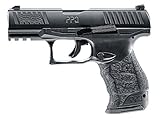
- ARS Mark9.2
ARS Mark is a ranking system developed by bestairriflescopes.com. ARS Mark has no relationship or impact from any manufacturers or sales agent websites. Learn more
- BrandUmarex

- ARS Mark9.0
ARS Mark is a ranking system developed by bestairriflescopes.com. ARS Mark has no relationship or impact from any manufacturers or sales agent websites. Learn more
- BrandCrosman
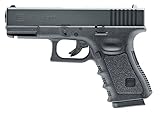
- ARS Mark8.8
ARS Mark is a ranking system developed by bestairriflescopes.com. ARS Mark has no relationship or impact from any manufacturers or sales agent websites. Learn more
- BrandUmarex

- ARS Mark8.8
ARS Mark is a ranking system developed by bestairriflescopes.com. ARS Mark has no relationship or impact from any manufacturers or sales agent websites. Learn more
- BrandUmarex

- ARS Mark8.8
ARS Mark is a ranking system developed by bestairriflescopes.com. ARS Mark has no relationship or impact from any manufacturers or sales agent websites. Learn more
- BrandDaisy

- ARS Mark8.6
ARS Mark is a ranking system developed by bestairriflescopes.com. ARS Mark has no relationship or impact from any manufacturers or sales agent websites. Learn more
- BrandUmarex

- ARS Mark8.4
ARS Mark is a ranking system developed by bestairriflescopes.com. ARS Mark has no relationship or impact from any manufacturers or sales agent websites. Learn more
- BrandUmarex
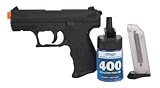
- ARS Mark7.6
ARS Mark is a ranking system developed by bestairriflescopes.com. ARS Mark has no relationship or impact from any manufacturers or sales agent websites. Learn more
- BrandUmarex

- ARS Mark7.4
ARS Mark is a ranking system developed by bestairriflescopes.com. ARS Mark has no relationship or impact from any manufacturers or sales agent websites. Learn more
- BrandUmarex
Last update on 2026-06-10 / Affiliate links / Images, Product Titles, and Product Highlights from Amazon Product Advertising API
What Is A Submachine Gun
Movies love dramatic firefights, but real conversations around firearms usually get messy fast. People hear technical terms tossed around everywhere, then suddenly a compact automatic weapon gets confused with rifles, carbines, or even standard pistols. That confusion explains why what is a submachine gun remains one of the most searched firearm questions online. The topic blends military history, mechanical design, and practical close-range tactics into one subject that still sparks arguments decades after these weapons first appeared.
Why Compact Automatic Firearms Changed Combat
Long rifles dominated early warfare for years, but cramped trenches and chaotic urban battles exposed serious weaknesses. Soldiers carrying bulky weapons struggled inside tight corridors, narrow tunnels, and armored vehicles where movement mattered more than distance shooting. A submachine gun solved part of that problem by combining automatic fire with a smaller overall frame. That shift gave troops faster reactions during close encounters where hesitation could turn ugly in seconds.
Military planners noticed something important almost immediately. Troops armed with compact automatic firearms could move quicker through confined spaces without constantly adjusting long barrels around corners or obstacles. That mobility created a major tactical advantage during trench raids and building clearances. Several nations started redesigning battlefield strategies around close-range suppression and rapid-fire mobility once submachine guns became more common.
The rise of mechanized warfare pushed development even further. Tank crews, drivers, radio operators, and paratroopers needed compact defensive weapons that wouldn't snag on equipment or slow them down. Heavy battle rifles became frustrating inside vehicles, especially during emergency exits or sudden ambushes. Smaller automatic firearms filled that gap with surprising efficiency.
World War II accelerated production at a staggering pace. Factories needed firearms that could be manufactured quickly without endless machining delays or expensive materials. Several classic models became famous partly because their simpler construction allowed massive wartime output. That balance between practicality, firepower, and mobility permanently shaped military small arms development.
How A Submachine Gun Actually Works
A lot of confusion disappears once the ammunition gets explained. Most submachine guns fire pistol-caliber cartridges rather than high-powered rifle rounds. That single detail changes recoil behavior, effective range, penetration, and controllability during automatic fire. Shooters often notice the softer recoil immediately compared to traditional rifles firing intermediate or full-power ammunition.
Many classic designs use a blowback operating system because it's mechanically straightforward. The action cycles using cartridge pressure instead of relying on complicated gas systems or rotating bolts. Simpler internals made manufacturing faster during wartime and reduced maintenance headaches in rough conditions. Dirt, mud, and debris still caused problems sometimes, but rugged designs often kept functioning surprisingly well.
Rate of fire creates another major distinction. Some submachine guns fire incredibly fast, emptying magazines before inexperienced users even realize how quickly ammunition disappears. That rapid cycling helps create suppressive fire during close engagements, though it also increases heat buildup and ammunition consumption. Controlled bursts usually matter far more than endless trigger holding.
Magazine placement varies depending on the firearm design. Some models feed from straight magazines beneath the receiver, while others use side-mounted or curved magazine systems. Those layouts affect balance, reload speed, and shooting posture during movement. Little mechanical decisions like these influence how comfortable or awkward a weapon feels under stress.
The Difference Between Submachine Guns And Rifles
People mix these firearm categories together constantly, especially after watching action movies or scrolling through social media clips. The easiest distinction comes from the ammunition type. A submachine gun fires handgun cartridges, while rifles usually fire more powerful rifle ammunition designed for greater distance and penetration. That ammunition gap affects nearly every aspect of performance.
Range limitations become obvious pretty quickly. Rifle rounds maintain velocity farther downrange and handle barriers more effectively than pistol ammunition. Submachine guns perform best at shorter distances where maneuverability and rapid target transitions matter more than long-range accuracy. That tradeoff explains why many military forces eventually shifted toward compact carbines for broader versatility.
Weight distribution also feels different in the hands. Many submachine guns stay lighter and more compact than traditional battle rifles, which helps during movement-heavy operations. Shorter barrels and smaller ammunition reduce overall bulk, making these firearms easier to carry for extended periods. Tight hallways, vehicle interiors, and stairwells highlight those advantages immediately.
Law enforcement units once relied heavily on submachine guns because overpenetration risks stayed lower compared to rifle rounds. That mattered in crowded environments where stray shots could travel through walls or nearby structures. Modern tactical teams now debate whether compact rifles handle those situations more effectively. Still, the compact handling, reduced recoil, and close-quarters control of submachine guns continue attracting attention.
Why Controllability Matters More Than Raw Firepower
Hollywood scenes often glorify nonstop automatic fire, but reality feels far less dramatic. Full-auto shooting becomes difficult to control surprisingly fast, especially for inexperienced shooters chasing speed over accuracy. Recoil management matters more than flashy rate-of-fire numbers once rounds start climbing above the intended target area. A controllable firearm usually proves more useful than one that simply fires faster.
Pistol-caliber ammunition helps reduce recoil compared to larger rifle cartridges. That softer impulse allows quicker follow-up shots and steadier handling during short bursts. Smaller framed shooters or operators carrying heavy gear often appreciate the reduced fatigue during long training sessions. Consistency matters a lot more than brute force in close-range environments.
Weapon balance also shapes controllability. Front-heavy firearms tire the arms faster during extended movement, while poorly designed grips make recoil recovery feel awkward and inconsistent. Some historic models became famous partly because they handled smoothly despite their relatively simple construction. Others gained reputations for unpredictable muzzle climb that made accurate bursts difficult.
Training changes everything, though. Even compact automatic firearms become hard to manage without proper stance, trigger discipline, and burst control techniques. Skilled shooters focus heavily on rhythm instead of panic firing. That difference separates effective automatic fire from wasted ammunition and scattered impacts.
Military Units That Relied On Submachine Guns
Paratroopers adopted submachine guns early because airborne operations demanded lightweight equipment. Jumping from aircraft while carrying oversized rifles created obvious movement problems, especially during rough landings or fast regrouping after deployment. Compact automatic weapons fit that role far better. Their shorter overall length reduced snagging risks during parachute operations and rapid movement through crowded landing zones.
Tank crews leaned heavily on compact firearms too. Vehicle interiors leave almost no room for long rifles, particularly inside older armored designs with cramped crew compartments. A submachine gun offered emergency defensive capability without turning movement inside the vehicle into a circus act. Fast access mattered tremendously during surprise encounters or vehicle evacuations.
Resistance fighters and guerrilla groups also favored these weapons for practical reasons. Smaller automatic firearms could be hidden more easily during covert movement through occupied territory. Some wartime designs became legendary partly because underground resistance networks used them during sabotage missions and ambushes. Compact size paired well with hit-and-run tactics.
Specialized police and tactical teams carried submachine guns for decades because of their controllability in confined spaces. Hostage rescue operations, building entries, and vehicle interceptions often required compact firearms with manageable recoil. Tactical doctrine has shifted over time, but the historical connection between submachine guns and close-quarters units still remains strong today.
How Pop Culture Distorted Public Perception
Action movies rarely care about realistic firearm behavior. Characters fire endless bursts without recoil, reloads, overheating, or ammunition concerns, which creates a wildly inaccurate impression of automatic weapons. Plenty of people first hear the phrase what is a submachine gun while watching crime dramas or military films packed with exaggerated firefights. Entertainment value usually wins over technical accuracy.
Video games pushed that image even further. Many games portray submachine guns as hyper-accurate bullet hoses capable of dominating every situation regardless of realistic range limitations. Real firearms don't behave that way. Shorter effective range and lower penetration remain genuine tradeoffs despite the weapon's advantages in maneuverability and recoil control.
Certain firearm models became cultural icons almost entirely because of media exposure. Distinct silhouettes, folding stocks, and recognizable firing sounds turned several designs into instantly identifiable symbols. Some people recognize famous submachine guns without knowing anything about their operating systems or historical roles. Pop culture created familiarity long before technical knowledge entered the conversation.
That visibility sometimes fuels confusion during public discussions about firearm classifications. Terms like assault weapon, machine gun, and submachine gun often get blended together incorrectly. Mechanical details matter far more than appearance alone, but simplified media portrayals rarely explain those distinctions clearly. Mislabeling spreads fast once dramatic visuals enter the picture.
Why Modern Tactical Units Use Them Less Often
Firearm technology never stays frozen for long. Compact carbines firing intermediate rifle cartridges gradually replaced many traditional submachine guns in military and law enforcement roles. Better ammunition design allowed shorter rifles to remain controllable while offering stronger penetration and greater effective range. That shift changed tactical thinking across multiple industries.
Body armor also influenced the transition. Pistol-caliber ammunition struggles more against modern armor systems compared to rifle rounds designed for higher velocity and penetration. Tactical teams facing heavily equipped threats started favoring firearms capable of defeating stronger protective gear. Submachine guns still had strengths, but the battlefield environment evolved.
Specialized situations still keep these weapons relevant in certain roles. Close-quarters operations inside aircraft, ships, or crowded indoor environments sometimes benefit from compact automatic firearms with softer recoil characteristics. Reduced blast and controllable bursts can matter tremendously in confined spaces. Some units continue using suppressed submachine guns specifically for those reasons.
Collectors and enthusiasts also help preserve interest. Historic firearm designs carry enormous mechanical and historical appeal for people fascinated by military engineering. Explore best recurve bow for tall person options if compact gear fit and handling balance matter to your outdoor equipment decisions too. That same focus on ergonomics and maneuverability appears constantly in firearm discussions surrounding compact automatic weapons.
How Submachine Guns Changed Close Range Warfare
Fast movement changes everything during close-range combat. Long rifles can feel awkward in narrow hallways, packed vehicles, or cluttered urban environments where every second counts. That pressure explains why discussions around submachine guns never really faded away. Their compact shape, controllable recoil, and rapid-fire capability solved practical problems that soldiers, tactical teams, and security units faced constantly in tight spaces.
Why Close Quarters Combat Needed Smaller Weapons
Old battlefield tactics relied heavily on distance shooting, but urban warfare rewrote the script. Soldiers clearing stairwells or moving through trench systems needed firearms that reacted quickly without banging into walls or doorframes. A submachine gun offered a shorter profile that felt easier to maneuver during sudden encounters. That advantage became especially noticeable in buildings packed with debris, smoke, and low visibility.
Stress changes how people handle equipment. Heavy rifles may perform well in open terrain, yet cramped conditions expose every awkward design flaw almost immediately. Compact automatic weapons reduced shoulder fatigue and improved movement speed during prolonged operations. Those practical benefits mattered far more than flashy appearance or oversized firepower claims.
Military instructors also realized that shorter weapons improved reaction time during room entry drills. Swinging a long barrel around corners takes extra movement, and extra movement burns precious time. Smaller automatic firearms reduced that delay while allowing operators to maintain better weapon control. The combination of mobility, balance, and rapid target transitions shaped modern close-quarters tactics.
Police units dealing with hostage rescues or crowded indoor threats saw similar advantages. Tight environments punish bulky equipment fast, especially during high-pressure situations involving civilians nearby. Compact firearms offered faster handling without forcing operators into awkward shooting positions. That practical efficiency helped cement the reputation of the submachine gun across decades of tactical use.
What Makes Pistol Caliber Ammunition Different
The ammunition defines much of the firearm’s behavior. Most submachine guns use handgun cartridges instead of rifle rounds, which changes recoil, noise, penetration, and overall controllability. Softer recoil allows shooters to recover faster between bursts, especially during rapid movement or awkward shooting angles. That smoother handling becomes noticeable almost immediately compared to harder-kicking rifle platforms.
Range limitations exist, though. Pistol-caliber ammunition loses effectiveness faster at longer distances than rifle rounds built for extended engagement. A submachine gun shines in close environments but struggles more once targets move farther away. That tradeoff explains why military forces gradually shifted toward compact carbines for broader battlefield flexibility.
Reduced recoil creates another important advantage. Shooters carrying heavy gear or body armor often appreciate firearms that stay manageable during prolonged operations. Fatigue creeps in quickly once recoil becomes aggressive or difficult to predict. Smaller ammunition helps maintain steadier control during bursts without exhausting the shooter after repeated drills.
Ammo weight matters too. Pistol cartridges generally weigh less than larger rifle rounds, allowing operators to carry more ammunition without dramatically increasing loadout weight. That difference becomes critical during extended patrols or missions where resupply isn't guaranteed. Strong logistics and manageable recoil made submachine guns surprisingly practical despite their range limitations.
Why Older Designs Still Fascinate Collectors
Historic firearms carry a strange mix of nostalgia and mechanical curiosity. Some people admire wartime engineering, while others appreciate the raw simplicity behind older automatic weapon designs. A lot of classic submachine guns were built for mass wartime production rather than polished aesthetics. Rough finishes, stamped metal parts, and utilitarian construction tell stories that polished modern firearms sometimes lack.
Certain models became iconic because they appeared everywhere during major conflicts. Soldiers, resistance fighters, and armored crews carried them through battles that shaped global history. That visibility turned specific designs into cultural symbols recognized far beyond military circles. Even people with limited firearm knowledge often recognize famous silhouettes from movies or documentaries.
Mechanical simplicity also adds appeal for collectors interested in engineering. Older blowback-operated firearms demonstrate how effective straightforward design can be under harsh conditions. Fewer moving parts often meant easier maintenance and faster wartime manufacturing. Those traits created firearms that looked crude at times but delivered reliable close-range performance.
Collectors often compare ergonomics between older and modern platforms. Some vintage models feel surprisingly balanced despite their age, while others reveal obvious handling flaws once actually shouldered. Explore best lightweight rifle scopes if practical weight distribution and handling comfort matter in your broader gear setup. The same balance concerns appear constantly in discussions surrounding compact automatic firearms.
How Training Shapes Real World Performance
Movies make automatic fire look effortless, but reality feels much messier. Trigger control, body positioning, and recoil management separate effective shooting from chaotic spray patterns. Even a relatively controllable submachine gun becomes difficult to manage without structured training and disciplined movement. Accuracy disappears quickly once shooters panic and mash the trigger endlessly.
Short controlled bursts usually outperform long streams of fire. Experienced operators focus on maintaining sight alignment and recoil rhythm rather than dumping magazines as quickly as possible. That approach conserves ammunition while improving hit probability under pressure. Controlled movement often matters more than raw firing speed.
Weapon familiarity builds confidence during stressful situations. Shooters who train consistently learn how their firearm behaves during recoil recovery, reloads, and target transitions. Little details like grip angle or stock placement begin feeling automatic instead of distracting. That muscle memory becomes essential once adrenaline spikes during high-pressure drills or operations.
Maintenance habits affect reliability too. Automatic firearms accumulate heat and residue quickly during repeated firing sessions. Dirty internals, worn springs, or neglected magazines can cause frustrating malfunctions at the worst possible moment. Consistent cleaning and inspection routines help preserve reliability, control, and safe operation over time.
Why Compact Carbines Started Replacing Them
Submachine guns dominated many tactical roles for decades, but firearm technology kept evolving. Compact carbines firing intermediate rifle cartridges began offering stronger penetration and improved effective range without becoming excessively bulky. Tactical teams noticed they could gain additional versatility while still maintaining manageable weapon handling. That shift gradually changed equipment priorities across military and law enforcement circles.
Body armor influenced those decisions heavily. Pistol-caliber ammunition often struggles more against modern ballistic protection compared to rifle rounds traveling at higher velocity. Teams facing heavily equipped threats needed firearms capable of defeating barriers and protective gear more consistently. Compact rifles started filling that role with increasing effectiveness.
Still, submachine guns never vanished completely. Certain specialized units continue using them in environments where compact size and softer recoil remain valuable advantages. Aircraft security teams, maritime operators, and close-protection units sometimes prefer firearms that produce less blast in confined spaces. Smaller automatic weapons still solve problems that larger platforms occasionally complicate.
Equipment selection usually depends on mission details rather than internet hype. Urban operations, vehicle security, and indoor movement create very different demands compared to open terrain patrols. Firearms that perform brilliantly in one setting may feel frustrating somewhere else. That reality explains why debates around submachine guns continue despite changing tactical trends.
The Biggest Misconceptions About Submachine Guns
One common myth assumes every automatic firearm qualifies as a submachine gun. That simply isn't accurate. The defining feature centers around the use of pistol-caliber ammunition combined with automatic firing capability. Appearance alone tells only part of the story.
Another misconception treats automatic fire as automatically superior. Continuous firing can look intimidating, but uncontrolled bursts waste ammunition quickly and reduce accuracy under pressure. Most trained operators rely on short bursts rather than endless trigger holding. Discipline usually beats raw volume during close engagements.
People also assume smaller firearms always feel easier to shoot. Compact size improves maneuverability, yet reduced weight can sometimes make recoil recovery feel snappier depending on the firearm design. Grip shape, stock geometry, and overall balance influence comfort far more than internet debates often admit. Tiny design details create huge differences during repeated shooting sessions.
Gear discussions often drift toward exaggerated claims instead of practical use. Upgrade your outdoor precision setup with best single pin slider bow sight systems if accurate targeting adjustments matter in your broader equipment choices. The same focus on precision, control, and situational awareness appears repeatedly in conversations surrounding tactical firearms and compact automatic weapons.


12 Best 22 Pcp Air Rifle For Hunting of 2026 With Quiet Power

7 Best 22 Pcp Air Rifle Under 300 of 2026 For Backyard Pest Control

10 Best 22 Break Barrel Air Rifles of 2026 For Backyard Pest Control

10 Best 30 Caliber Pcp Air Rifle of 2026 For Medium Game

Top Best 177 Air Rifle Under 100: Budget-Friendly Picks for 2026

How to Safely Reload Shotgun Shells at Home

11 Best Co2 Air Rifle For Pest Control of 2026 To Ensure Humane Dispatch

12 Best Inexpensive Air Rifles of 2026 For Dependable Backyard Accuracy






