
What Is Airsoft Pistol and Why It Feels So Real

What Is Airsoft Pistol usually starts as a simple question, yet it quickly turns into something far more interesting. These replica-style pistols fire lightweight plastic BBs and mimic the look, feel, and handling of real firearms with surprising detail. Some people get hooked because of tactical gameplay. Others enjoy the realistic mechanics, the sound of the slide cycling, or the satisfaction of landing accurate shots during backyard target practice. Either way, curiosity tends to snowball fast once someone picks one up for the first time.
Confusion pops up everywhere around airsoft pistols. One person assumes they're toys, while another treats them like collector-grade training tools. Truth is, they sit somewhere in the middle. Gas-powered models can deliver realistic recoil, magazine reloads, and responsive trigger action that feels way closer to actual firearm handling than most expect. Spring-powered versions stay simple and budget-friendly, while electric options lean into consistency and ease of use.
People often underestimate how much detail matters in this hobby. Weight balance, grip texture, slide movement, and magazine design all shape the experience. A cheap model with weak seals or poor internal parts can feel clunky after a few sessions. On the flip side, a well-built airsoft pistol feels smooth, predictable, and oddly satisfying during drills or casual skirmishes. Tiny differences in build quality can completely change whether the experience feels frustrating or addictive.
Safety plays a huge role too, and honestly, that's where many beginners slip up. Eye protection isn't optional. Responsible storage matters more than people think. Public misuse creates headaches nobody wants, especially because realistic replicas can easily be mistaken for actual firearms. Smart handling habits keep the hobby fun instead of reckless, and experienced players usually spot careless behavior a mile away.
Gameplay itself carries a different vibe compared to paintball or arcade-style shooting games. Movement feels slower, more tactical, and full of split-second decision making. A compact airsoft pistol becomes useful in tight corners, close-range engagements, or quick transitions where larger rifles feel awkward. That balance of realism and strategy keeps people coming back even after the novelty wears off.
Maintenance also sneaks into the experience sooner or later. Gas leaks, dirty barrels, worn hop-up buckings, and cracked slides can ruin performance if ignored. Regular cleaning and proper lubrication help pistols cycle better and shoot more consistently. Oddly enough, many enthusiasts enjoy tinkering with upgrades almost as much as actual gameplay. Swapping internal parts, adjusting trigger response, or fine-tuning accuracy scratches the same itch as customizing a project car.
What Is Airsoft Pistol really boils down to a mix of realism, mechanics, competition, and hands-on involvement. Some people enjoy the tactical challenge. Others just like punching tight groupings into paper targets after a stressful day. Whatever sparks the interest, one thing becomes obvious pretty quickly: these pistols aren't just plastic replicas tossed in a drawer after a weekend. They tend to pull people deeper into the hobby before they even realize it.

- ARS Mark8.8
ARS Mark is a ranking system developed by bestairriflescopes.com. ARS Mark has no relationship or impact from any manufacturers or sales agent websites. Learn more
- BrandDaisy
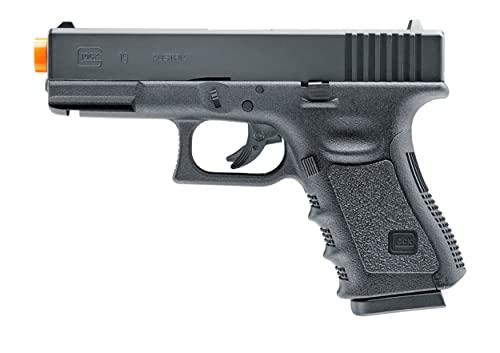
- ARS Mark8.6
ARS Mark is a ranking system developed by bestairriflescopes.com. ARS Mark has no relationship or impact from any manufacturers or sales agent websites. Learn more
- BrandElite Force
- ARS Mark8.4
ARS Mark is a ranking system developed by bestairriflescopes.com. ARS Mark has no relationship or impact from any manufacturers or sales agent websites. Learn more
- BrandWG
- ARS Mark7.8
ARS Mark is a ranking system developed by bestairriflescopes.com. ARS Mark has no relationship or impact from any manufacturers or sales agent websites. Learn more
- BrandBBTac
- ARS Mark7.6
ARS Mark is a ranking system developed by bestairriflescopes.com. ARS Mark has no relationship or impact from any manufacturers or sales agent websites. Learn more
- BrandUmarex
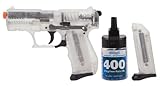
- ARS Mark7.6
ARS Mark is a ranking system developed by bestairriflescopes.com. ARS Mark has no relationship or impact from any manufacturers or sales agent websites. Learn more
- BrandUmarex
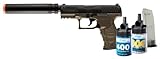
- ARS Mark7.6
ARS Mark is a ranking system developed by bestairriflescopes.com. ARS Mark has no relationship or impact from any manufacturers or sales agent websites. Learn more
- BrandElite Force
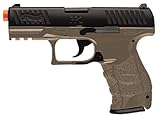
- ARS Mark7.6
ARS Mark is a ranking system developed by bestairriflescopes.com. ARS Mark has no relationship or impact from any manufacturers or sales agent websites. Learn more
- BrandWalther
Last update on 2026-05-31 / Affiliate links / Images, Product Titles, and Product Highlights from Amazon Product Advertising API
What Is Airsoft Pistol And Why It Feels So Real
Most people don’t expect a plastic BB gun to feel surprisingly close to real firearm handling, yet that shock hits almost immediately after the first magazine reload or slide rack. Tiny mechanical details change everything. The weight in your hand, the recoil snap from gas blowback systems, and the sound of metal parts cycling create a level of immersion that catches beginners completely off guard. That’s exactly why what is airsoft pistol becomes such a common question once curiosity turns into genuine interest.
Confusion usually starts because these replicas sit in a strange middle ground. They aren’t harmless toy-store gadgets tossed into a closet after a weekend, but they’re also not designed to cause lethal harm like real firearms. Instead, airsoft pistols blend tactical training, recreational competition, and realistic mechanics into one hobby that keeps growing every year. Industry reports from global airsoft market studies estimate the sport continues expanding steadily thanks to competitive events, military-style simulation games, and casual backyard shooting culture.
People stick with airsoft for different reasons. Some enjoy the tactical strategy and teamwork. Others get hooked on customizing triggers, barrels, hop-up systems, and gas efficiency. A lot of newcomers simply want something that delivers realistic firearm handling without the legal restrictions, noise, or heavy operating costs tied to live ammunition. That practical appeal matters more than flashy marketing slogans.
Why Airsoft Pistols Grab Attention Fast
The first thing many beginners notice is how realistic modern replicas feel. Metal-slide models carry actual weight instead of that hollow plastic feel people expect from cheaper BB guns. Gas blowback systems push the slide backward during firing, creating a subtle recoil effect that makes every shot feel responsive and mechanical. That realism alone keeps airsoft pistols interesting far longer than most casual hobbies.
Stress relief plays a bigger role than people admit. After a rough workday, setting up targets in the backyard and practicing controlled shots feels oddly satisfying. Precision matters. Breathing matters. Trigger control matters. Those tiny habits pull your attention away from everything else for a while, and honestly, that mental reset becomes part of the attraction.
Competitive gameplay adds another layer entirely. Tight indoor arenas force quick decision-making and close-range reactions where compact sidearms suddenly become more valuable than bulky rifles. Players who ignore pistol skills usually regret it once they’re trapped in narrow hallways during close-quarters matches. Fast reloads and quick movement often beat raw firepower.
Price also helps lower the barrier to entry. A beginner can start with a simple spring-powered model for relatively little money compared to many outdoor hobbies. Then the hobby slowly grows from there. Extra magazines turn into upgraded internals. Basic pistols turn into customized loadouts. Before long, people start debating gas efficiency and slide materials like they’ve been doing it for years.
Different Types Of Airsoft Pistols
Spring-powered pistols stay popular because they’re simple and cheap. Pull the slide manually before each shot, and you’re ready to fire again. No gas canisters. No batteries. No complicated maintenance routines. They won’t deliver the realism or firing speed of advanced models, but they’re decent for casual target shooting or learning basic safety habits.
Gas blowback pistols sit at the center of the hobby for many enthusiasts. Green gas or CO2 cartridges power each shot while cycling the slide backward after firing. That mechanical movement creates the realistic recoil sensation people talk about constantly. A good gas-powered airsoft pistol feels crisp, responsive, and satisfying in ways that cheaper spring models simply can’t match.
Electric pistols, often called AEPs, focus more on consistency and convenience. Internal battery systems handle cycling automatically, making rapid firing easier during skirmishes. Cold weather affects gas pistols badly, so electric options become attractive during winter matches or long outdoor sessions. Their trigger response sometimes feels less realistic, though many players accept that tradeoff for reliability.
Hybrid setups exist too. Some enthusiasts modify pistols with upgraded internals, precision barrels, reinforced slides, or stronger recoil springs to create a very specific shooting feel. That customization culture becomes addictive pretty quickly. Explore realistic replica details through why called airsoft if the history and terminology behind the sport starts sparking more curiosity.
How Airsoft Pistols Actually Work
The mechanics behind these replicas aren’t nearly as complicated as they first appear. Spring-powered systems store tension manually before releasing compressed air behind the BB. Gas systems rely on compressed propellant that expands instantly during firing. Electric pistols use small internal motors and gears to cycle shots automatically. Each platform creates a completely different shooting experience.
Hop-up systems matter more than beginners realize. Small rubber components apply backspin to the BB as it leaves the barrel, helping it travel farther and straighter. Poor hop-up adjustment causes inconsistent flight paths and frustrating accuracy issues. A properly tuned hop-up system often improves performance more than flashy cosmetic upgrades.
Magazine design also changes reliability dramatically. Weak seals create gas leaks. Cheap follower springs cause feeding issues. Low-quality magazines jam at the worst possible moments during matches. Experienced players usually carry spare magazines because mechanical problems always seem to appear at inconvenient times.
Temperature creates another hidden challenge. CO2 performs well in colder environments but often delivers stronger recoil and harsher internal wear. Green gas feels smoother and more controlled, though performance drops in low temperatures. Those small differences influence shooting consistency far more than most newcomers expect.
Safety Habits That Actually Matter
Eye protection isn’t optional in airsoft. Cheap goggles fog up, slip around, or crack too easily under impact. Reliable ANSI-rated eye protection prevents serious injuries and keeps visibility clear during fast movement. One careless moment without proper gear can permanently ruin the hobby for somebody.
Public handling creates major problems too. Realistic replicas can easily trigger panic if waved around carelessly outside designated areas. Responsible storage matters. Transporting pistols inside proper cases matters. Smart players avoid showing replicas publicly because misunderstandings escalate fast, especially in crowded neighborhoods or parking lots.
Trigger discipline separates experienced players from reckless beginners almost immediately. Keeping fingers off triggers until ready to fire becomes second nature with practice. Muzzle awareness matters just as much. Accidentally flagging teammates or spectators instantly kills trust during games.
Field rules exist for a reason, even if some newcomers roll their eyes at velocity limits or engagement distances. Indoor arenas usually enforce stricter FPS limits because close-range impacts hurt more. Responsible gameplay keeps matches competitive instead of dangerous. That balance matters for everyone involved.
Why Cheap Pistols Often Lead To Regret
Budget models tempt beginners because the upfront cost feels easier to justify. Then problems start stacking up fast. Weak polymer slides crack unexpectedly. Internal seals leak gas after a few sessions. Trigger response feels mushy instead of crisp. That cheap purchase suddenly becomes frustrating instead of enjoyable.
Accuracy problems appear constantly with poorly assembled replicas. Loose barrels create inconsistent groupings even at short range. BBs curve unpredictably because low-grade hop-up components can’t apply stable backspin. A pistol that misses easy shots drains confidence surprisingly quickly during practice or matches.
Durability matters far more than flashy cosmetic styling. A realistic-looking pistol means very little if the magazine fails halfway through a skirmish. Experienced players usually prioritize internal reliability first, then worry about cosmetic upgrades later. That mindset saves money over time because constant replacements get expensive fast.
Better materials change the overall shooting feel too. Metal slides cycle with a cleaner, more satisfying snap compared to lightweight plastic systems. Stronger internal springs improve responsiveness. Even grip texture influences handling during sweaty outdoor matches. Upgrade your outdoor loadout with best bear bow hunting gear if tactical outdoor hobbies start overlapping with your interests.
Airsoft Pistols In Competitive Matches
Pistols rarely stay “backup weapons” for long once players gain experience. Tight indoor arenas reward speed, movement, and reaction time more than raw rifle range. Compact sidearms draw faster around corners and feel easier to maneuver through narrow hallways or cluttered environments. Close-range engagements happen quickly, and hesitation usually ends badly.
Reload speed becomes surprisingly important during competitive games. Larger rifle magazines hold more ammunition, but pistol reloads often feel faster and smoother with practice. Players who train magazine swaps consistently gain a huge advantage under pressure. Small mechanical habits create noticeable differences during tense moments.
Weight distribution changes movement too. Heavy rifles become exhausting during long events or outdoor milsim matches. A lightweight airsoft pistol setup keeps mobility high while reducing arm fatigue. Some players intentionally run pistol-only loadouts because they prefer speed over long-range engagements.
Communication matters just as much as equipment. Players who coordinate movement, call out enemy positions, and manage angles properly usually outperform individuals relying purely on expensive gear. Good tactics regularly beat flashy setups. That truth frustrates beginners who assume spending more automatically improves results.
Customization Keeps The Hobby Addictive
Stock pistols rarely stay untouched for long. Trigger upgrades improve responsiveness. Tight-bore barrels tighten shot groupings. Reinforced nozzles increase durability during rapid firing. Little tweaks slowly turn ordinary pistols into highly personalized setups built around specific playstyles.
Visual customization matters too, even if some people pretend otherwise. Colored slides, stippled grips, threaded barrels, and optic-ready frames give replicas a more unique personality. Some players build realistic law-enforcement-style setups. Others lean into flashy competition-inspired designs. The customization scene stays surprisingly creative.
Internal upgrades require patience, though. Cheap aftermarket parts sometimes create compatibility nightmares that lead to feeding issues or gas inefficiency. Experienced techs usually recommend upgrading one component at a time instead of rebuilding everything at once. That slower process makes troubleshooting far easier later.
Maintenance knowledge grows naturally through upgrades. People start learning how valves work, how recoil springs affect cycling, and why nozzle alignment matters. Build precision-focused outdoor skills with best compound bow archery setups if mechanical tuning and accuracy-based hobbies keep pulling your attention.
Why Airsoft Pistols Become More Than Simple Replica Guns
People usually expect the excitement to wear off after a few target sessions, but that rarely happens with a solid airsoft pistol. The mechanical feedback keeps pulling attention back in. Every reload, trigger pull, and controlled shot creates a rhythm that feels rewarding without needing expensive ammunition or complicated range access. That hands-on experience becomes strangely addictive once muscle memory starts developing naturally.
Accuracy frustration pushes many beginners into deeper research almost immediately. Shots drifting left or dropping too early can ruin confidence fast. Most of the time, though, the pistol isn’t entirely to blame. Cheap BBs, dirty barrels, worn hop-up buckings, and poor grip technique usually create bigger problems than people realize during the first few weeks.
Indoor target shooting also exposes small habits that players never notice at first. Jerking the trigger throws shots off target. Weak grip pressure changes recoil control. Rushing follow-up shots creates sloppy groupings even at close range. Those tiny corrections slowly sharpen consistency and make practice sessions feel more rewarding over time.
Realistic training appeal continues growing because these replicas allow safe repetition without the heavy expense tied to live-fire practice. Some enthusiasts practice reload drills, sight alignment, and movement patterns repeatedly at home. Add tactical gear gradually with best laser sight sig sauer setups if aiming precision and target acquisition start becoming part of your regular training routine.
Common Beginner Mistakes That Ruin The Experience
Impulse buying causes more frustration than almost anything else in airsoft. Someone watches flashy gameplay clips online, grabs the cheapest pistol available, and expects instant realism. Then the problems show up. Weak gas seals leak constantly. Slides stick during cycling. Accuracy feels random instead of controlled. That rough first experience turns many people away before they ever try a decent setup.
Skipping maintenance creates another disaster pretty quickly. Dust, dirt, and old lubricant build up inside moving parts faster than beginners expect. A dirty barrel alone can throw off shot consistency enough to make simple target practice irritating. Regular cleaning doesn’t take long, but ignoring it absolutely shortens the lifespan of internal components.
Overloading upgrades too early creates headaches too. Some players replace half the internals before learning how the stock pistol even behaves. Suddenly feeding problems appear. Gas efficiency drops. Cycling becomes inconsistent. Smart upgrades solve specific weaknesses instead of changing everything at once.
Ignoring proper safety gear remains one of the worst habits in the hobby. Cheap eye protection fogs up during movement and creates visibility problems at exactly the wrong moments. Reliable goggles with decent airflow matter far more than flashy cosmetic accessories during actual gameplay.
Gas Blowback Pistols Feel Different For A Reason
Gas blowback systems create the closest thing to realistic firearm handling in the airsoft world. Every shot cycles the slide backward while chambering the next BB automatically. That mechanical movement creates tactile feedback your hands immediately notice. The pistol feels alive instead of static.
Recoil still stays far lighter than real firearms, obviously, but the sensation changes how players control follow-up shots. Grip strength starts mattering more. Trigger reset timing becomes noticeable. Quick sight realignment suddenly turns into an actual skill rather than mindless point-and-shoot repetition.
Cold weather creates annoying limitations, though. Green gas loses pressure in lower temperatures, which weakens recoil and slows slide cycling dramatically. CO2 handles colder environments better, but stronger pressure can increase wear on slides and internal seals. Those tradeoffs become important once someone starts playing outdoors regularly.
Magazine weight surprises most beginners too. Gas magazines feel heavy because they store compressed propellant alongside ammunition. Carrying several loaded magazines during long matches changes movement and gear balance more than people expect at first.
Why Accuracy Feels Inconsistent Sometimes
Beginners usually blame themselves immediately after missing easy shots, but equipment setup often causes bigger problems. Low-grade BBs with inconsistent weight distributions curve unpredictably through the air. Barrel dirt changes spin patterns. Weak hop-up pressure creates unstable flight paths that drift unexpectedly.
Grip technique matters just as much. A loose wrist absorbs recoil differently and changes shot alignment between rapid follow-up shots. Tightening grip pressure too aggressively creates another issue by increasing hand tremors during aiming. Small adjustments make a surprisingly large difference after enough practice.
Sight alignment mistakes happen constantly during fast shooting drills. Players focus on targets instead of the front sight, which throws off precision instantly. Slowing down for controlled shots usually tightens groupings more effectively than buying expensive upgrades right away.
Target distance also exposes unrealistic expectations. Compact airsoft pistols work best within moderate ranges rather than extreme long-distance engagements. Players expecting rifle-like accuracy from short barrels often end up disappointed until they learn the realistic strengths and limitations of sidearm platforms.
Why Airsoft Fields Feel Intense So Quickly
Indoor airsoft arenas create pressure almost immediately because engagement distances stay tight and reaction times shrink fast. Footsteps echo through hallways. Corners become dangerous. A split-second hesitation during room clearing usually ends with a BB hitting your shoulder or mask before you even process what happened.
Adrenaline changes everything during active matches. Players who shoot accurately during calm backyard practice sometimes miss easy shots under pressure because heart rate and tunnel vision kick in hard. That gap between practice and live gameplay catches beginners off guard all the time.
Communication separates organized teams from chaotic groups almost instantly. Calling enemy positions, coordinating movement, and managing angles matter far more than expensive loadouts. Skilled teams using average equipment regularly outperform disorganized players carrying heavily upgraded replicas.
Compact pistols shine during close-range movement because they stay easier to maneuver around tight corners and obstacles. Heavier rifles sometimes feel awkward in cramped indoor environments. Build precision and discipline with best target compound bow beginners setups if controlled accuracy training starts becoming part of your broader shooting interests.
Maintenance Habits That Save Money Long Term
Regular cleaning prevents most reliability problems before they even appear. Dirt buildup inside barrels affects accuracy far earlier than many players realize. Silicone lubrication keeps slides cycling smoothly while reducing unnecessary wear on seals and moving parts. Small maintenance habits save expensive repairs later.
Magazine care matters constantly with gas-powered systems. Leaving magazines completely empty for long periods sometimes dries out seals faster, leading to leaks. Experienced players usually store a small amount of gas inside magazines to help maintain internal pressure seals between sessions.
Cheap lubricants create hidden problems too. Thick oils attract debris and gum up moving parts over time. Proper silicone-based lubricants keep internals cleaner while maintaining smooth cycling. Tiny maintenance shortcuts often create bigger headaches weeks later.
Storage conditions matter more than people expect. Excessive heat weakens rubber seals and damages certain plastic components gradually. Damp environments increase corrosion risks on metal internals. Responsible storage keeps replicas functioning consistently without constant troubleshooting.
How Airsoft Builds Practical Shooting Skills
Airsoft obviously doesn’t replace professional firearms training, but it still sharpens useful habits surprisingly well. Trigger control improves through repetition. Reload speed gets smoother naturally. Movement around cover starts feeling more instinctive after enough practice sessions.
Dry-fire style drills become more engaging because BB impacts provide visible feedback. That immediate response helps players correct aiming habits faster than simple empty trigger pulls. Muscle memory develops steadily through repetition instead of random guesswork.
Situational awareness improves too. Indoor matches force players to track angles, manage movement, and react quickly under pressure. Tunnel vision punishes careless movement almost instantly during competitive games. Those mental habits become just as important as shooting accuracy over time.
Confidence grows naturally after repeated practice. Nervous beginners often rush every shot during their first sessions. Then things slow down eventually. Breathing steadies. Grip pressure relaxes. Accuracy improves because movements stop feeling panicked or forced.
Why Some Players Stay Casual While Others Go Deep
Some people enjoy airsoft as occasional weekend entertainment and never feel the need to upgrade beyond a reliable sidearm. That simple approach works perfectly fine. Casual target shooting and relaxed skirmishes still deliver plenty of enjoyment without draining huge amounts of money or time.
Others fall deep into the technical side of the hobby almost immediately. Trigger tuning, recoil adjustments, gas efficiency modifications, and precision barrel installations slowly become obsessions. Tiny performance improvements start feeling genuinely satisfying once someone learns how each component changes overall behavior.
Competitive players usually focus heavily on consistency instead of flashy aesthetics. Reliable feeding, stable gas efficiency, and predictable recoil matter more during actual matches than cosmetic accessories. Experienced players often prefer practical upgrades that improve performance under pressure.
Collectors approach the hobby differently altogether. Realistic trademarks, authentic dimensions, and historical replica designs carry huge appeal for enthusiasts who appreciate firearm history and mechanical detail. Some pistols rarely even see active gameplay because owners value them more as display pieces than competitive equipment.


12 Best 22 Pcp Air Rifle For Hunting of 2026 With Quiet Power

7 Best 22 Pcp Air Rifle Under 300 of 2026 For Backyard Pest Control

10 Best 22 Break Barrel Air Rifles of 2026 For Backyard Pest Control

10 Best 30 Caliber Pcp Air Rifle of 2026 For Medium Game

Top Best 177 Air Rifle Under 100: Budget-Friendly Picks for 2026

How to Safely Reload Shotgun Shells at Home

11 Best Co2 Air Rifle For Pest Control of 2026 To Ensure Humane Dispatch

12 Best Inexpensive Air Rifles of 2026 For Dependable Backyard Accuracy






