
What Is an ACOG Sight and How Does It Work?

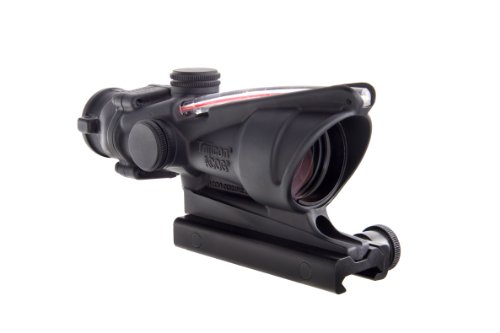
Sorting through rifle optics can feel confusing, but understanding this design is actually straightforward. An ACOG is a compact, fixed-power prism scope that magnifies targets while lighting its aiming point without batteries. A light-gathering strip on top captures daylight, while a glowing element takes over in the dark. Because the aiming lines are etched directly onto the glass, the scope remains usable even in zero light.
How well this optic works depends on your shooting distance and rifle setup. The built-in magnification helps at medium range, but quick shots up close take practice. Eye position also matters, as your eye needs to rest fairly close to the rear glass to get a full view. Results also vary between a rugged duty-grade original and a simpler everyday alternative. Here is how the design works and why it remains so popular.
What an ACOG Sight Is and How the Prism Design Works
ACOG stands for Advanced Combat Optical Gunsight. It is a compact, fixed-magnification rifle optic originally developed by Trijicon to meet the punishing demands of military combat. Unlike variable hunting scopes that adjust from lower to higher power using an external magnification ring, an ACOG is locked at a single factory magnification level. While models range from 1.5x to 6x, the 4x32 version (four-times magnification with a thirty-two-millimeter front lens) is the iconic configuration fielded on service rifles worldwide.
The short profile of an ACOG comes from its internal prism design. A traditional rifle scope uses multiple curved glass lenses spaced inside a long metal tube to focus incoming light. A prism scope replaces those spaced-out lenses with solid glass blocks (prisms) that fold and bounce light internally. This folded light path allows the optic to deliver clear four-times magnification inside a housing that is only a few inches long.
Another defining feature is the permanently etched reticle. In a standard electronic red dot sight, a battery powers an LED that bounces an aiming dot off an angled glass lens. If the battery dies or water breaches the electronics, the dot disappears completely. An ACOG solves this by physically laser-etching its aiming patterns directly into the glass prism. Even if all lighting sources fail, the crisp black reticle remains clearly visible during daytime shooting.
The housing surrounding the glass is built for extreme durability. Combat-grade ACOGs are machined from forged 7075-T6 aircraft-aluminum alloy to resist heavy recoil, drops, and harsh impacts. The housing is nitrogen-purged and gasket-sealed to prevent internal fogging in wet or freezing weather. Always practice proper firearm safety when handling any rifle: clear the chamber, remove the magazine, and confirm the weapon is safe before mounting or adjusting an optic.
How the Battery-Free Dual-Illumination System Works
What makes an authentic ACOG unique is its complete independence from batteries. You will not find battery caps, rotary dials, or power switches on a combat ACOG. Instead, the optic combines two separate, self-sustaining light sources: a top-mounted fiber optic cable and an internal vial of glowing tritium.
During daylight, the optic gathers light through a clear fiber optic cable running along the top ridge of the aluminum housing. This light-gathering tube captures ambient daylight and channels it into the prism, illuminating the etched reticle in red, green, or amber. The brighter the sun shines, the more light the cable captures, causing the reticle to glow brightly against sunlit targets. When clouds pass overhead or you walk under tree cover, the reticle automatically dims to prevent distracting glare.
In low light or total darkness, tritium provides the illumination. Tritium is a self-glowing, mildly radioactive material safely sealed inside a reinforced glass vial inside the optic. It continuously emits a soft, steady glow without needing sunlight, electricity, or charging. Tritium has a half-life of roughly twelve years, giving the reticle a reliable nighttime aiming point for more than a decade before slowly dimming.
Most ACOG reticles feature a central chevron (an inverted V-shape) or crosshair paired with vertical bullet drop compensator (BDC) lines below. These vertical marks show where to hold at longer distances, such as three hundred, four hundred, or five hundred yards. Because bullets drop over distance, the calibrated hash marks let you place accurate shots downrange without twisting elevation adjustment dials.
This dual lighting system works smoothly, though two specific lighting situations require practical adjustments. When shooting from a dark room or covered bench into bright sunshine, the shaded fiber optic gathers little light, leaving the reticle as crisp black etched lines against the bright target. In blinding midday desert sun, the cable can gather too much light, causing the reticle to flare slightly. Shooters easily fix this flare by placing a small strip of black electrical tape over part of the top fiber optic tube.
How an ACOG Compares to a Standard Red Dot Sight
Shooters often weigh an ACOG against a standard red dot sight when outfitting a rifle. While both mount to standard Picatinny or 20mm slotted accessory rails, they serve different shooting roles based on magnification, eye relief, and target distance.
A standard red dot provides zero magnification (1x power). Looking through a red dot presents a normal, unmagnified view with an illuminated dot hovering on target. This makes red dots exceptionally fast for close-range shooting inside fifty yards. An ACOG, by contrast, magnifies the target (typically 4x), making it much easier to identify targets and place precise shots between one hundred and five hundred yards.
Eye relief is another major difference. Red dots offer unlimited eye relief, meaning you can mount them anywhere along the rail and see the aiming dot whether your eye is three inches or twelve inches away. A 4x ACOG has short eye relief, usually around 1.5 inches. Your eye must sit close to the rear lens in the optical sweet spot. If your eye drifts too far back or off to the side, a dark shadow ring clips the outer view, requiring consistent cheek placement on your rifle stock.
For shooters with an astigmatism, prism scopes provide a distinct advantage. An irregular eye curvature often causes projected LED dots in reflex sights to look like smeared comets, starbursts, or blurry clusters. Because an ACOG features an etched glass reticle, the aiming lines remain razor-sharp regardless of human eye irregularities.
Co-witnessing also separates the two designs. With an unmagnified red dot, you can align backup iron sights through the optic glass. Our guide on lining up iron sights to cowitness with red dot sights explains how this co-witness setup functions. You cannot co-witness iron sights through a magnified ACOG because the 4x magnification blurs the front iron sight post into an invisible haze. Shooters who desire backup aiming either install offset sights on 45-degree mounts or attach an auxiliary micro red dot to mounting pads on top of the ACOG body.
Finally, using a magnified ACOG at close range relies on the Bindon Aiming Concept. By keeping both eyes open when moving the rifle, your non-aiming eye tracks the wide room while your aiming eye registers the glowing reticle. Your brain merges these views, projecting the reticle onto the scene like a red dot. When you halt on target, your vision naturally focuses through the scope for a magnified view.
What to Look for When Choosing an ACOG or Prism Sight
Choosing the right fixed-power prism optic depends on your shooting distances, rifle platform, and overall budget. Genuine combat-spec models use forged housings, premium glass, and tritium illumination to survive extreme conditions, while commercial prism scopes provide a budget-friendly option for casual range shooting and small-game hunting by using standard coin-cell batteries.
Before selecting a prism sight, review this short checklist to ensure the optic matches your setup:
- Housing Strength and Recoil: Forged aircraft-aluminum housings handle heavy recoil and harsh impacts in rough environments, whereas cast aluminum housings are lighter and suited for target shooting and rimfire calibers.
- Illumination Source: Authentic combat sights use daylight fiber-optic cables and self-glowing tritium for battery-free operation. Commercial alternatives rely on replaceable coin-cell batteries to power internal LED reticles across various brightness settings.
- Eye Relief Distance: Check the listed eye relief before choosing a mount position. Scopes with tight 1.5-inch eye relief require mounting near the rear of the receiver, while models with 2.5 to 3.5 inches of eye relief allow a more relaxed head position.
- Reticle Calibration: Confirm that any bullet drop compensator lines match your specific ammunition type, such as 5.56 NATO or .308 Winchester, so your distance marks hold true downrange.
- Mount Hardware: Verify that the mounting base clamps firmly to standard Picatinny or 20mm slotted accessory rails. Use an inch-pound torque tool to tighten mounting screws to factory specifications, and apply thread-locking fluid so weapon vibration does not loosen the base.
Always clear the firearm chamber and remove magazines before mounting or adjusting any optic on your rifle rail.

- ARS Mark9.8
ARS Mark is a ranking system developed by bestairriflescopes.com. ARS Mark has no relationship or impact from any manufacturers or sales agent websites. Learn more
- BrandGeneric

- ARS Mark9.6
ARS Mark is a ranking system developed by bestairriflescopes.com. ARS Mark has no relationship or impact from any manufacturers or sales agent websites. Learn more
- BrandTrijicon
- ARS Mark9.4
ARS Mark is a ranking system developed by bestairriflescopes.com. ARS Mark has no relationship or impact from any manufacturers or sales agent websites. Learn more
- BrandTrijicon

- ARS Mark8.8
ARS Mark is a ranking system developed by bestairriflescopes.com. ARS Mark has no relationship or impact from any manufacturers or sales agent websites. Learn more
- BrandCVLIFE
- ARS Mark8.6
ARS Mark is a ranking system developed by bestairriflescopes.com. ARS Mark has no relationship or impact from any manufacturers or sales agent websites. Learn more
- BrandMidTen

- ARS Mark8.6
ARS Mark is a ranking system developed by bestairriflescopes.com. ARS Mark has no relationship or impact from any manufacturers or sales agent websites. Learn more
- BrandSYBESTE

- ARS Mark8.4
ARS Mark is a ranking system developed by bestairriflescopes.com. ARS Mark has no relationship or impact from any manufacturers or sales agent websites. Learn more
- BrandOZARK ARMAMENT

- ARS Mark8.2
ARS Mark is a ranking system developed by bestairriflescopes.com. ARS Mark has no relationship or impact from any manufacturers or sales agent websites. Learn more
- BrandLOTGAUEN

- ARS Mark7.0
ARS Mark is a ranking system developed by bestairriflescopes.com. ARS Mark has no relationship or impact from any manufacturers or sales agent websites. Learn more
- BrandHWZ
Last update on 2026-10-01 / Affiliate links / Images, Product Titles, and Product Highlights from Amazon Product Advertising API
FAQs
Does an ACOG sight ever need new batteries?
An authentic combat ACOG sight never uses batteries. It illuminates the reticle during daylight hours using an external fiber optic light tube and powers low-light aiming with an internal vial of glowing tritium. Some budget commercial prism scopes styled after the ACOG do require standard coin-cell batteries to power their internal LED lights, so always check the product specifications.
Why is eye relief so short on a 4x ACOG?
The short eye relief on a 4x ACOG is an intentional optical trade-off to provide a wide field of view. Positioning your eye approximately 1.5 inches from the rear glass gives you a broad seven-degree viewing angle, helping you spot targets and track surrounding activity. Lengthening the eye relief on a compact prism scope would dramatically shrink that wide field of view into a narrow tunnel.
Can you use a 4x ACOG for close-quarters home defense?
A 4x ACOG can work at close distances if you train using the Bindon Aiming Concept, which involves keeping both eyes open so your brain projects the illuminated reticle onto the target. However, the short 1.5-inch eye relief requires strict cheek placement that can be difficult under high stress or from awkward positions. For dedicated indoor home defense, an unmagnified 1x red dot sight offers faster target acquisition and greater flexibility.


12 Best 22 Pcp Air Rifle For Hunting of 2026 With Quiet Power

7 Best 22 Pcp Air Rifle Under 300 of 2026 For Backyard Pest Control

10 Best 22 Break Barrel Air Rifles of 2026 For Backyard Pest Control

10 Best 30 Caliber Pcp Air Rifle of 2026 For Medium Game

Top Best 177 Air Rifle Under 100: Budget-Friendly Picks for 2026

How to Safely Reload Shotgun Shells at Home

11 Best Co2 Air Rifle For Pest Control of 2026 To Ensure Humane Dispatch

12 Best Inexpensive Air Rifles of 2026 For Dependable Backyard Accuracy






