What Is Best Binocular Magnification Explained Simply
Understanding what is best binocular magnification starts with knowing how magnification truly affects what you see, not just how close things appear. Higher numbers may sound impressive, yet they often bring shakier images, narrower fields of view, and faster eye fatigue. Many people assume more power equals better performance, but real-world use tells a different story. Balance, comfort, and clarity usually matter more than raw zoom.
Magnification works hand in hand with lens size, stability, and viewing distance, creating a viewing experience that either feels natural or frustrating. For activities like birdwatching or hiking, moderate magnification often delivers sharper, steadier visuals with less effort. Hunters and wildlife observers value the ability to track movement smoothly rather than chase a shaky image. In those moments, practical usability quietly beats exaggerated specs.
Choosing the right magnification also depends on where and how you’ll use the binoculars. Open landscapes allow slightly higher magnification, while forests, stadiums, or boats demand steadiness and a wider view. Lighting conditions and hand stability play subtle but important roles, shaping how comfortable long viewing sessions feel. A well-matched magnification reduces strain and keeps eyes relaxed.
Rather than chasing the biggest number on the box, smart buyers focus on real viewing conditions. The best choice supports natural hand movement, clear focus, and easy target acquisition. Once you understand what is best binocular magnification, the decision becomes less about specs and more about enjoyment. That shift turns binoculars from a gadget into a reliable companion.
Why Magnification Shapes Real World Viewing
Choosing what is best binocular magnification isn’t about chasing the biggest number printed on the box. Magnification directly affects image stability, field of view, and how relaxed your eyes feel after several minutes. Too much power magnifies not only distant objects but also every tiny hand movement. That tradeoff often surprises people who expect higher numbers to automatically mean better performance.
For many outdoor users, shaky images are the fastest way to lose confidence in their gear. A slightly lower magnification delivers a steadier image, making it easier to follow motion without fighting blur. This is especially noticeable during long sessions when fatigue creeps in quietly. The best magnification feels cooperative, not demanding.
Real world viewing also involves terrain, light, and movement, not just distance. Forests, stadiums, or trails reward wider views and quicker target pickup. Open plains may allow higher magnification, but only if stability is managed. Understanding these tradeoffs helps clarify what is best binocular magnification for practical use.
People who spend time glassing often say comfort matters more than raw reach. A binocular that feels easy to hold and forgiving on the eyes gets used more often. That habit leads to better results than owning powerful optics that stay in the bag. In everyday use, balance beats bragging rights.
The Human Hand Factor Most Buyers Ignore
Human hands are rarely as steady as we imagine, especially outdoors. Even calm breathing introduces movement that higher magnification exaggerates. This is why many experienced users favor moderate power for handheld binoculars. Stability becomes a hidden but critical part of what is best binocular magnification.
As magnification climbs, the need for support increases. Tripods, monopods, or resting against a solid surface suddenly matter. Without them, image shake can cancel out the benefits of extra reach. That frustration often leads people to dial back their expectations.
Cold weather, fatigue, or awkward shooting positions amplify this issue. Hunters glassing at dawn or dusk feel it immediately. A steadier view allows faster decisions and less eye strain. In these moments, usability trumps specification sheets.
This is also where confidence plays a role. When binoculars feel predictable in the hands, users trust what they see. That trust matters whether scanning wildlife or watching action at a distance. The right magnification supports that confidence instead of undermining it.
Magnification Versus Field Of View Tradeoffs
Field of view shrinks as magnification increases, and this tradeoff defines much of the experience. A narrower view means more panning and less context around your subject. That can feel claustrophobic in dynamic environments. Many users underestimate how important this balance is when asking what is best binocular magnification.
A wider field of view helps track movement naturally. Birds, athletes, or wildlife rarely stay still, and a broader image keeps them in frame. This reduces the constant adjustment that causes fatigue. Over time, that comfort adds up.
High magnification can be useful for distant stationary targets, but it demands patience. Losing a subject outside the frame becomes common. Reacquiring it takes time and breaks immersion. That friction often surprises first time buyers.
Choosing magnification with field of view in mind leads to smoother experiences. It feels less like peering through a tunnel and more like observing naturally. This balance is a quiet advantage that experienced users appreciate immediately. Once noticed, it’s hard to ignore.
Matching Magnification To Outdoor Activities
Different activities quietly demand different magnification ranges. Hiking and sightseeing favor comfort, light weight, and wide views. Birdwatching leans toward moderate power with crisp detail. These use cases highlight why what is best binocular magnification varies by situation.
Hunters often balance reach with speed. Spotting movement quickly matters as much as detail. That same mindset applies to those preparing for outdoor sports, similar to considerations discussed in how to get into bow hunting. Visual clarity and reaction time work together.
Shooting sports and range observation bring their own challenges. Distance matters, but so does stability. People researching gear alongside optics often explore topics like best bow under 800 to balance performance and control. Magnification decisions follow the same logic.
Air rifle and target enthusiasts sometimes lean toward higher power, but only with support. For those curious about advanced setups, best full auto air rifles often highlights the need for stable viewing. In every case, matching magnification to the activity avoids regret later.

Why Moderate Magnification Dominates Popular Choice
Across markets, moderate magnification consistently outsells extreme options. That trend reflects lived experience, not marketing hype. Users quickly learn that comfort and clarity beat raw power. This pattern reinforces practical answers to what is best binocular magnification.
Moderate magnification offers flexibility across environments. It handles daylight, low light, and movement without demanding accessories. This versatility makes it a safer choice for people who want one binocular for many uses. Convenience quietly becomes a deciding factor.
Eye strain is another overlooked issue. Higher power requires more precise alignment and focus. Over time, that precision tires the eyes. A slightly lower magnification reduces this burden without sacrificing enjoyment.
The result is simple: binoculars that feel easy get used often. That frequent use delivers more value than occasional perfection. People remember experiences, not specifications. The right magnification supports those moments naturally.
How Distance And Environment Change Magnification Needs
Distance alone doesn’t decide what is best binocular magnification, even though it’s the first thing most people think about. Environment quietly shapes how useful magnification feels in real life. Heat shimmer, haze, foliage, and low contrast can erase the benefits of higher power. In those conditions, extra magnification magnifies distortion rather than detail.
Open terrain like plains or deserts allows higher magnification to shine, but only when the air is stable. Even then, long distance viewing demands patience and controlled movement. In wooded areas or rolling terrain, targets appear and disappear quickly. A slightly lower magnification keeps the view fluid and responsive.
Lighting also changes the equation. Early morning and late evening reduce contrast and amplify hand shake perception. Moderate magnification preserves brightness and clarity when light is scarce. This is why experienced users often downsize power for dawn and dusk sessions.
Urban environments introduce their own challenges with vibration and clutter. Buildings, traffic, and people demand quick refocusing. In those moments, agility beats reach. The best magnification adapts smoothly to surroundings instead of fighting them.
Eye Comfort And Fatigue Over Long Sessions
Eye comfort is rarely advertised, yet it’s central to what is best binocular magnification. Higher power requires more precise eye alignment and focus discipline. Small deviations cause blackouts or blur that strain the eyes. Over time, this tension becomes exhausting.
Moderate magnification allows the eyes to relax into the view. The image feels more forgiving, even if your stance shifts slightly. This comfort encourages longer observation without irritation. The difference becomes obvious after twenty or thirty minutes.
People who glass for extended periods often describe a “soft focus” feeling with the right magnification. The image feels stable and easy to absorb. That ease keeps attention sharp instead of draining energy. It’s a subtle advantage that grows with use.
Fatigue doesn’t announce itself loudly; it creeps in. When eyes tire, judgment suffers and enjoyment fades. A balanced magnification protects against that slow drain. Comfort, in the end, defines usability.
Stability Tools And Their Impact On Magnification Choice
Support tools change how magnification behaves. Tripods, window mounts, and shooting sticks unlock the potential of higher power. Without them, the same magnification may feel unusable. This context matters when evaluating what is best binocular magnification.
Handheld use favors restraint. Every increase in power multiplies shake unless stabilized. Even lightweight binoculars become demanding at higher magnifications. Support gear offsets this, but adds bulk and setup time.
Some users enjoy building a viewing system rather than grabbing binoculars on the go. In those setups, higher magnification makes sense. But for spontaneous observation, simplicity wins. The best choice aligns with how much gear you want to manage.
It’s also worth noting that support changes posture. Viewing from a fixed position feels different than scanning freely. Each style rewards different magnification ranges. Awareness of this dynamic prevents mismatched expectations.

Psychological Expectations Versus Real Performance
Numbers influence perception more than we like to admit. Bigger magnification figures feel reassuring, even if they don’t improve experience. This bias shapes many buying decisions around what is best binocular magnification. Reality often challenges those assumptions.
First time users frequently feel disappointed by high power. The image shakes, targets slip away, and frustration builds. That reaction isn’t user error; it’s a mismatch between expectation and physics. Recognizing this gap saves money and regret.
Confidence grows when equipment behaves predictably. Moderate magnification delivers that predictability. The image stays centered, focus holds, and movement feels natural. That reliability builds trust quickly.
Psychological comfort matters as much as optical clarity. When binoculars feel cooperative, users explore more and worry less. That sense of ease defines satisfaction. Performance isn’t just measured in detail, but in confidence.
Budget Reality And Smart Tradeoffs
Budget quietly influences magnification outcomes. Higher power demands better glass and coatings to remain usable. Without them, image quality suffers. This makes what is best binocular magnification a financial decision as well.
At modest budgets, moderate magnification delivers better overall results. It requires less optical correction and maintains clarity more easily. This allows manufacturers to balance quality and affordability. The result feels sharper and more forgiving.
Buyers comparing gear often face similar choices across hobbies, like weighing value in guides such as best bow under 800. Performance isn’t about extremes; it’s about balance. Optics follow the same rule.
Spending wisely means prioritizing use over specifications. A binocular that performs consistently within budget creates satisfaction. Chasing high magnification at the expense of quality rarely pays off. Smart tradeoffs protect long term enjoyment.
Arriving At A Practical Answer That Lasts
The question of what is best binocular magnification doesn’t have a single numeric answer. It’s a blend of environment, comfort, stability, and expectation. Ignoring any one of these leads to compromise elsewhere. Balance keeps everything working together.
Most users eventually settle into a magnification that feels invisible in use. It doesn’t draw attention to itself or demand adjustment. The view feels natural and steady. That quiet reliability defines success.
Experience tends to simplify preferences over time. People stop chasing numbers and start valuing ease. This shift reflects real world learning rather than theory. The best magnification becomes obvious through use.
In the end, satisfaction comes from consistency. A binocular that performs well across situations earns trust. That trust matters more than maximum reach. Practical choices endure because they work.

Top Best Rifle Scopes For 5.56 Under 200 Dollars 2026 - Highly Rated

Best Piston Air Rifles 2026 - 7 picks to buy

Best .22 Air Rifle Pellets for Hunting: Master the Game
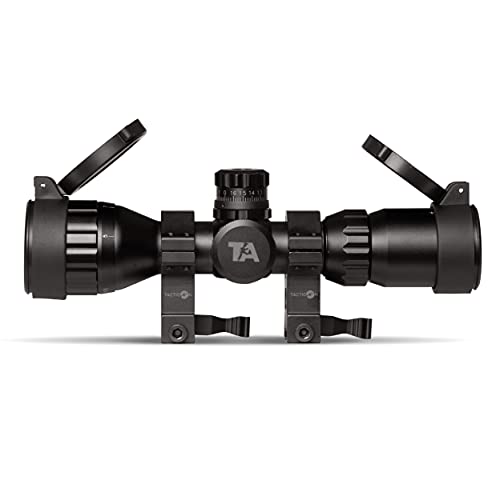
Top 10 Best Mid Range Rifle Scopes: Expert Reviews
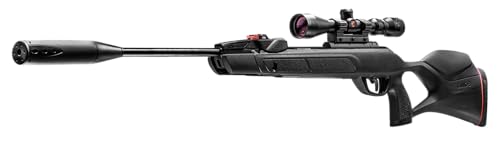
Top Best Gamo Air Rifles 2026 - (Newtest)
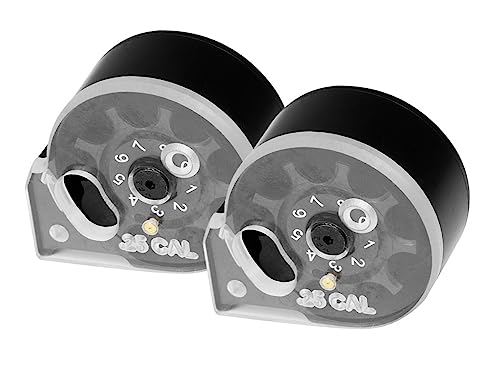
Unleash the Mechanism: The Science Behind Air Rifles

Unveiling the Art of Chatter Bait Fishing
Embrace the Art: How to Hook a Shiner