
What Is Gun Bluing: Understanding Its Purpose

Gun bluing plays a crucial role in firearm care, combining practical protection with visual appeal. This process creates a thin layer of controlled oxidation on the metal surface, offering resistance against rust, corrosion, and environmental wear. Many enthusiasts value gun bluing not only for its durability benefits but also for the sleek, deep finish it gives to steel firearms, elevating their overall look. Properly executed bluing ensures that the firearm maintains both functional reliability and an aesthetic edge over time.
Different methods of gun bluing cater to varying needs. Hot bluing delivers a uniform and highly resistant finish, ideal for frequently handled firearms, whereas cold bluing provides a convenient touch-up solution to restore worn spots without full refinishing. Understanding these methods empowers owners to select the right approach, balancing convenience, cost, and longevity. With careful application, bluing enhances mechanical resilience while maintaining the firearm's original lines and contours.
Maintenance and handling are equally important. Regular cleaning and oiling, paired with bluing, protect against moisture and abrasive exposure. Even subtle lapses in care can affect the protective layer, underscoring the importance of combining chemical treatment with diligent routine practices. Bluing also complements other protective measures like rust-preventive coatings, providing a multi-layered defense for critical firearm components.
The visual appeal of gun bluing can't be overlooked. A well-blued firearm radiates a polished, professional finish that conveys quality and attention to detail. This effect enhances both collector value and pride of ownership. Subtle variations in hue or pattern can add character, making each firearm uniquely attractive. Coupled with ergonomic design and balanced handling, bluing contributes to a comprehensive sense of craftsmanship and refinement.
Ultimately, gun bluing is about merging form and function. It protects metal surfaces while boosting aesthetic charm, ensuring firearms perform reliably and look impressive. Whether for practical defense, sport shooting, or display, understanding and applying bluing effectively strengthens both durability and style. Owners who invest attention into proper bluing practices enjoy firearms that maintain performance and visual integrity for years to come.

- ARS Mark7.0
ARS Mark is a ranking system developed by bestairriflescopes.com. ARS Mark has no relationship or impact from any manufacturers or sales agent websites. Learn more
- BrandGeneric
![Byrna SD [Self Defense] Kinetic Launcher Ultimate Bundle - Non Lethal Kinetic Projectile Launcher, Home Defense, Personal Defense (Black) | Proudly Assembled in The USA](https://m.media-amazon.com/images/I/51q1LTzZdRL._SL160_.jpg "Byrna SD [Self Defense] Kinetic Launcher Ultimate Bundle - Non Lethal Kinetic Projectile Launcher, Home Defense, Personal Defense (Black) | Proudly Assembled in The USA")
- ARS Mark9.2
ARS Mark is a ranking system developed by bestairriflescopes.com. ARS Mark has no relationship or impact from any manufacturers or sales agent websites. Learn more
- BrandByrna
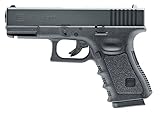
- ARS Mark8.8
ARS Mark is a ranking system developed by bestairriflescopes.com. ARS Mark has no relationship or impact from any manufacturers or sales agent websites. Learn more
- BrandUmarex

- ARS Mark8.8
ARS Mark is a ranking system developed by bestairriflescopes.com. ARS Mark has no relationship or impact from any manufacturers or sales agent websites. Learn more
- BrandUmarex

- ARS Mark8.6
ARS Mark is a ranking system developed by bestairriflescopes.com. ARS Mark has no relationship or impact from any manufacturers or sales agent websites. Learn more
- BrandEvike

- ARS Mark8.6
ARS Mark is a ranking system developed by bestairriflescopes.com. ARS Mark has no relationship or impact from any manufacturers or sales agent websites. Learn more
- BrandNerf

- ARS Mark8.6
ARS Mark is a ranking system developed by bestairriflescopes.com. ARS Mark has no relationship or impact from any manufacturers or sales agent websites. Learn more
- BrandReobrix

- ARS Mark8.6
ARS Mark is a ranking system developed by bestairriflescopes.com. ARS Mark has no relationship or impact from any manufacturers or sales agent websites. Learn more
- BrandUmarex

- ARS Mark8.4
ARS Mark is a ranking system developed by bestairriflescopes.com. ARS Mark has no relationship or impact from any manufacturers or sales agent websites. Learn more
- BrandWowok

- ARS Mark8.4
ARS Mark is a ranking system developed by bestairriflescopes.com. ARS Mark has no relationship or impact from any manufacturers or sales agent websites. Learn more
- BrandNogevo

- ARS Mark8.4
ARS Mark is a ranking system developed by bestairriflescopes.com. ARS Mark has no relationship or impact from any manufacturers or sales agent websites. Learn more
- BrandUmarex
Last update on 2026-06-26 / Affiliate links / Images, Product Titles, and Product Highlights from Amazon Product Advertising API
What Is Gun Bluing And Why It Matters
Rust sneaks in faster than most people expect. A firearm stored in a humid closet, carried during wet hunting trips, or handled with sweaty hands can start showing tiny corrosion spots before anyone notices. That frustrating moment pushes many owners toward gun bluing, a finish designed to protect steel while giving firearms a darker, cleaner appearance. The process adds a thin oxidation layer that helps reduce moisture damage and surface wear without covering the metal in thick paint or coatings.
Collectors often appreciate the rich black or deep blue tone because it gives firearms a more refined personality. Older revolvers and rifles with well-preserved blued finishes usually attract more attention than neglected models covered in scratches and fading. That visual appeal isn't just vanity either. A cared-for finish often signals better maintenance habits overall, which matters for long-term reliability.
Many first-time owners assume bluing makes firearms completely rustproof. That's not true, and honestly, that's where disappointment usually starts. Gun bluing slows corrosion, but it still requires regular oiling and cleaning to stay effective. Moisture, fingerprints, and poor storage conditions can eventually wear through the protective layer if maintenance gets ignored.
Manufacturers have relied on bluing for decades because it balances protection, cost, and appearance reasonably well. Stainless steel and polymer finishes gained popularity over time, yet blued firearms continue to hold a strong following. Plenty of shooters still prefer the warmer, classic look of blued steel compared to flat synthetic coatings that sometimes feel cold or overly industrial.
Why Bluing Changed Firearm Maintenance
Before modern finishing techniques became common, exposed steel surfaces suffered badly from humidity and rough handling. Rust wasn't just cosmetic either. Corrosion could affect moving parts, weaken components, and create reliability issues during critical moments. Bluing offered a more practical solution by creating controlled oxidation instead of allowing destructive rust to spread unchecked.
Military firearms helped popularize the process during the twentieth century. Soldiers needed rifles that could survive changing climates, muddy conditions, and constant handling without deteriorating too quickly. Hot salt bluing became one of the preferred methods because it created a darker, more durable finish than older chemical treatments.
Collectors still chase vintage firearms with original factory bluing because refinished guns sometimes lose historical appeal. A worn but authentic finish can carry more value than an aggressively polished restoration job. That surprises some people at first, though seasoned collectors know original details matter more than shiny perfection.
Modern gun owners benefit from improved cleaning oils and storage systems, but bluing still plays a major role. A firearm exposed to changing temperatures, truck storage, or damp hunting conditions gains extra protection from a properly maintained finish. That extra layer helps reduce stress over small scratches and environmental exposure.
How Hot Bluing Actually Works
Hot bluing remains the most common factory process for steel firearms. The metal parts get submerged in heated chemical salts that trigger controlled oxidation on the surface. Instead of flaky red rust, the steel develops a darker protective layer known as magnetite. That sounds technical, sure, but the result is fairly straightforward: better corrosion resistance and a polished dark finish.
Temperature control matters a lot during this process. Uneven heating or contaminated solutions can leave streaks, patches, or weak spots across the firearm. Experienced gunsmiths pay close attention to preparation because oils, fingerprints, and residue can ruin consistency before the bluing even starts.
Polishing also affects the final appearance. Highly polished steel creates a glossy deep-black finish, while bead-blasted surfaces produce a softer matte look. Some shooters love mirror-like bluing on revolvers, though others prefer satin finishes that hide fingerprints and field wear more effectively.
Hot bluing works well for many firearms, but aluminum and stainless steel components require different finishing methods. That's why certain modern pistols combine blued steel slides with coated or anodized frames. Manufacturers choose finishes based on material compatibility rather than appearance alone.
Cold Bluing And Quick Touch-Ups
Scratches bother firearm owners more than they usually admit. A tiny silver mark near the muzzle or slide edge catches attention immediately, especially on darker finishes. Cold bluing gives people a relatively easy way to darken those exposed spots without sending the firearm to a gunsmith for complete refinishing.
Most cold bluing products come in liquid, cream, or paste form. The chemical reacts with bare steel and darkens it after a short application period. Results vary depending on preparation and patience. Rushing the process often creates blotchy patches that stand out worse than the original scratch.
Cold bluing works best for small repairs instead of entire firearms. Full applications usually lack the durability and uniform appearance of professional hot bluing. Heavy handling, holster friction, and cleaning solvents can wear cold-blued areas faster than factory finishes.
Still, cold bluing has practical value. Hunters and range shooters often use it to reduce glare on exposed steel after minor scratches appear. Explore best bow sight under 300 options if outdoor gear durability and field visibility matter during rugged conditions. Small maintenance habits like touch-up bluing can help equipment look cleaner and stay protected longer.
Common Problems That Ruin Bluing
Moisture remains the biggest enemy of blued firearms. A rifle stored in a soft case after a rainy hunting trip can develop rust surprisingly fast because trapped humidity lingers against the steel. Foam-lined hard cases can create similar problems if moisture gets sealed inside for long periods.
Fingerprints create trouble too. Human skin oils contain salts and acids that slowly attack metal surfaces. Plenty of owners learn this lesson after noticing cloudy spots or faint rust marks where they handled a firearm without wiping it down afterward.
Cheap cleaning habits can also damage bluing. Harsh abrasives, steel wool, and aggressive polishing compounds strip protective layers over time. Some people unintentionally thin the finish while trying too hard to make older firearms look brand new again.
Holster wear causes another headache, especially on carry pistols. Friction along sharp edges gradually removes the finish, exposing raw steel underneath. That kind of wear isn't always avoidable, though regular oiling slows corrosion once the metal becomes exposed.
Why Some Shooters Prefer Bluing Over Modern Coatings
Polymer coatings and ceramic finishes dominate plenty of modern firearm catalogs. They resist corrosion well and handle abuse better than traditional bluing in many situations. Even so, a large number of enthusiasts still stick with classic blued steel because it carries a timeless appearance modern coatings rarely match.
Texture plays a role here. Some synthetic finishes feel thick or slightly artificial in the hand, while blued steel keeps the natural character of the metal underneath. Revolvers and lever-action rifles especially benefit from that traditional appearance because the finish complements wood furniture beautifully.
Bluing also ages differently. Scratches, fading, and holster wear often create a softer patina instead of chipped coatings or peeling edges. Some shooters actually enjoy that worn-in look because it reflects years of practical use rather than neglect.
Cost matters too. Rebluing older firearms usually costs less than advanced ceramic coatings, especially for vintage guns that originally came with blued finishes. Matching the original style often preserves collector value better than switching to newer surface treatments.
Storage Habits That Protect Blued Steel
Humidity control changes everything for firearm storage. A damp basement or garage creates ideal conditions for rust, even on well-maintained guns. Owners who invest in dehumidifiers, silica gel packs, or climate-controlled safes usually avoid the headaches that come from hidden corrosion.
Gun socks help reduce scratches during storage, but material choice matters. Silicone-treated fabric offers light moisture protection without trapping condensation against the metal. Cheap foam cases, on the other hand, sometimes hold moisture longer than expected.
Routine wipe-downs make a bigger difference than many people realize. A lightly oiled cloth removes fingerprints, dust, and moisture before they start affecting the finish. That thirty-second habit can dramatically slow wear over time.
Outdoor conditions demand extra attention after trips end. Firearms exposed to rain, snow, or sudden temperature changes should dry fully before going back into storage. Compare outdoor optic durability through best binocular power for bow hunting discussions since moisture protection affects nearly every piece of hunting gear.
The Difference Between Bluing And Parkerizing
People sometimes confuse bluing with parkerizing because both protect steel from corrosion. The finishes look and behave differently, though. Bluing creates a darker polished appearance, while parkerizing leaves a matte textured surface with a gray or charcoal tone.
Military firearms often used parkerizing because the rougher surface held oil better under harsh field conditions. That extra oil retention improved corrosion resistance during prolonged exposure to moisture and dirt. Bluing offered a cleaner visual appearance but required more consistent maintenance.
Collectors tend to associate blued finishes with sporting firearms and classic revolvers. Parkerized finishes usually feel more utilitarian and rugged. One isn't universally better than the other. The choice depends heavily on environment, usage patterns, and personal preference.
Maintenance routines differ slightly too. Parkerized surfaces absorb oil more effectively, while blued finishes rely more heavily on external protective layers. Owners who understand those differences generally keep their firearms looking better for longer periods.
Rebluing Older Firearms Without Ruining Value
Refinishing older firearms creates heated debates among collectors. Some believe rebluing destroys originality and lowers value immediately. Others argue that restoring badly damaged finishes helps preserve the firearm for future use and display. Honestly, both viewpoints have valid points depending on the firearm itself.
Rare collector pieces usually benefit from keeping original wear intact. Scratches, fading, and holster marks often prove authenticity. Aggressive polishing before rebluing can soften markings, remove edges, and erase details that collectors care about deeply.
Common hunting rifles and working revolvers sit in a different category. Rebluing those firearms may improve appearance and corrosion protection without severely affecting resale value. Owners often prioritize usability over collector-grade originality for guns that still see regular field use.
Professional gunsmiths usually recommend careful evaluation before refinishing anything older or historically significant. Repairing damage while preserving character requires patience and restraint. Rushing cosmetic restoration often creates regret later.
Daily Habits That Extend Finish Life
Simple habits keep gun bluing looking cleaner for years. A microfiber cloth, light oil, and regular inspections prevent many common problems before they spread. Neglect tends to build slowly, then suddenly appear all at once through rust spots or fading patches.
Cleaning products matter more than flashy marketing suggests. Some solvents strip protective oils aggressively, leaving surfaces vulnerable after use. Balanced cleaners designed for blued firearms usually protect the finish while removing carbon and debris effectively.
Field conditions change maintenance priorities too. Dusty environments may require more frequent wipe-downs, while humid regions demand heavier rust prevention. Adapt maintenance routines based on actual conditions rather than following rigid schedules blindly.
Outdoor enthusiasts already know small preparation details matter. Upgrade survival and field prep knowledge with how to tie water knot techniques that improve reliability during hunting, camping, and rugged backcountry trips.
How Gun Bluing Protects Firearms Long Term
Plenty of firearm owners don't notice damage until small orange spots begin spreading near the slide, barrel, or receiver edges. That slow corrosion feels frustrating because the firearm may have looked completely fine only weeks earlier. Proper gun bluing helps slow those problems by creating a controlled oxidation layer that shields steel from moisture, fingerprints, and daily handling wear. A good finish won't stop every issue forever, but it gives steel surfaces a much better fighting chance.
Humidity causes more trouble than many people expect. A rifle sitting inside a truck during changing temperatures can collect condensation even if the outside looks dry. That trapped moisture eventually attacks exposed steel, especially around scratches and worn corners. Bluing creates an extra line of defense that reduces direct exposure and keeps minor damage from spreading quickly.
Visual appeal matters too, though people don't always admit it out loud. Deep black or dark blue finishes give firearms a cleaner, more refined appearance that many synthetic coatings struggle to match. Owners who spend time maintaining blued steel usually notice their firearms age with more character instead of looking chipped or overly worn.
Daily carry pistols, hunting rifles, and collectible revolvers all experience different kinds of stress. Some endure constant holster friction while others spend months inside safes before seeing daylight again. Bluing helps bridge that gap between practical protection and long-term preservation without changing the feel of the metal underneath.
Why Moisture Creates Constant Problems
Steel reacts badly to trapped humidity. That problem gets worse in coastal regions, damp basements, or hunting camps where firearms shift between cold mornings and warmer indoor temperatures. Tiny water droplets form faster than people realize, and bare steel surfaces don't need much exposure before corrosion starts creeping in.
Gun safes aren't automatically safe from moisture either. A tightly sealed safe without airflow can quietly trap humidity for weeks. Owners sometimes open the door expecting perfect storage conditions only to find faint rust freckles near screws, sights, or slide serrations.
Protective oils help, but oil alone eventually wipes away during handling or cleaning. That's why gun bluing still matters even with modern maintenance products available everywhere. The finish acts like a backup barrier once protective oils begin thinning out.
Outdoor equipment faces similar environmental stress. Hunters who already pay attention to weather-resistant gear often compare firearm durability alongside optics and bow equipment. Explore best target archery compound bow setups if long-term outdoor reliability and gear maintenance matter during repeated field use.
How Bluing Handles Everyday Wear
Firearms rarely stay pristine once regular use begins. Holsters rub against slides, slings scrape rifle receivers, and repeated cleaning slowly affects exposed edges. Blued finishes don't completely prevent wear, but they usually fade more naturally than thick painted coatings that chip or peel over time.
Sharp corners take the most abuse. Muzzle edges, cylinder tips, and safety levers often show wear first because friction concentrates around those contact points. That gradual fading becomes part of the firearm's appearance instead of creating rough flakes or uneven coating buildup.
Some shooters actually appreciate mild finish wear because it reflects real use rather than careless neglect. A lightly worn revolver with clean mechanical parts often feels more authentic than a heavily refinished firearm polished beyond recognition. Character matters to many long-time enthusiasts.
Heavy-duty coatings may outperform bluing in extreme conditions, sure, but they also change the personality of traditional firearms. Lever actions, vintage revolvers, and classic hunting rifles often look far better with properly maintained blued steel instead of modern tactical finishes.
Cleaning Mistakes That Damage Bluing
Overcleaning ruins plenty of finishes. Some owners scrub aggressively after every range trip, thinking extra effort automatically means better maintenance. Harsh brushes and abrasive compounds slowly thin the protective blued layer, especially around corners and engraved markings.
Cheap solvents create another issue. Certain cleaners strip oils so aggressively that the steel gets left exposed and dry after wiping everything down. A firearm may look spotless for a few hours while actually becoming more vulnerable to corrosion underneath.
Paper towels cause problems too. Their rough texture creates tiny scratches that gradually dull polished surfaces over time. Soft microfiber cloths work far better because they remove fingerprints and residue without grinding debris into the finish.
Storage right after cleaning matters just as much as the cleaning itself. A firearm returned to a soft case while still damp from solvent or oil condensation can trap moisture against the metal for days. That hidden exposure often explains mysterious rust spots appearing later.
Why Collectors Care About Original Bluing
Collectors inspect finishes closely because original factory bluing often affects value more than people expect. Tiny wear marks around the muzzle or grip frame usually matter less than refinished surfaces that erase historical details. Once original polish lines disappear, they're gone permanently.
Rebluing older firearms sounds appealing at first, especially when scratches and fading become obvious. Still, excessive polishing before refinishing can soften serial numbers, blur roll marks, and remove subtle machining details collectors want preserved. That kind of restoration sometimes lowers interest instead of improving it.
Authentic aging carries its own appeal. Slight edge wear, handling marks, and faded grip areas often tell a believable story about the firearm's history. Collectors generally prefer honest wear over aggressive cosmetic restoration that makes vintage firearms look oddly artificial.
Condition still matters, though. Rust pits and neglected corrosion hurt both appearance and function. Light preservation work combined with careful oiling usually helps maintain balance between originality and long-term protection.
Cold Weather And Bluing Performance
Freezing temperatures create unusual problems for steel firearms. Condensation forms quickly once cold guns move indoors, especially after hunting trips or winter range sessions. Moisture settles into corners, seams, and sight cuts where people often forget to wipe things down thoroughly.
Bluing helps reduce direct exposure, but cold-weather users still need disciplined maintenance routines. A warm cloth wipe followed by light oil application usually prevents moisture from sitting against steel surfaces overnight. Ignoring that simple habit often leads to corrosion surprises days later.
Gloves can unintentionally scratch polished finishes too. Rough stitching or trapped debris inside glove fingers sometimes creates faint marks near grip frames and receivers during repeated handling. Matte blued finishes hide those imperfections better than glossy mirror-style polishing.
Hunters dealing with icy marshes, snow, and wet brush already understand how quickly harsh conditions wear down equipment. Compare durability discussions around best shotgun for sandhill crane setups because weather exposure affects both performance and long-term firearm care.
Storage Setups That Help Bluing Last Longer
Safe placement matters more than expensive branding. A massive gun safe sitting in a damp garage still creates moisture risks if airflow stays poor. Interior humidity slowly builds unless owners actively control it through dehumidifiers, silica packs, or electrical drying rods.
Soft cases create hidden trouble during long-term storage. Foam padding traps moisture surprisingly well, especially after outdoor trips involving rain or sudden temperature swings. Firearms stored inside soft cases for weeks sometimes emerge with corrosion beginning around pressure points.
Open-air racks work better in dry climates because they allow airflow around the firearm. Owners living in humid regions usually benefit more from enclosed safes with active moisture control systems. Storage methods should match environmental conditions rather than following one-size-fits-all advice.
Regular inspection routines catch small issues before they spread. A quick monthly wipe-down helps reveal fingerprints, fading, or early rust spots while they're still manageable. Neglect usually builds slowly before suddenly becoming expensive to fix.
How Bluing Differs From Cerakote
Modern firearm finishes sparked endless debates between traditionalists and tactical-focused shooters. Cerakote coatings resist corrosion extremely well and handle rough treatment better than standard bluing in many situations. Still, blued steel continues holding strong appeal because it preserves the natural feel and appearance of the firearm.
Cerakote adds a physical coating over the metal, while bluing chemically alters the steel surface itself. That difference affects texture, wear patterns, and long-term appearance. Bluing generally develops softer edge wear while ceramic coatings may chip or scratch differently after heavy impact.
Repair methods differ too. Small scratches on blued firearms can often be darkened using cold bluing products, though results vary. Damaged ceramic finishes usually require stripping and recoating larger sections to maintain consistent color and texture.
Traditional hunting rifles and collectible revolvers often benefit visually from blued finishes instead of tactical coatings. Firearms designed primarily for harsh duty use may lean toward ceramic protection because durability becomes the higher priority there.
Daily Habits That Preserve Appearance
Consistency matters more than complicated routines. A lightly oiled cloth used after handling removes fingerprints before skin salts begin affecting the finish. That tiny habit helps preserve gun bluing far more effectively than occasional deep cleaning sessions done months apart.
Handling firearms with clean hands reduces hidden residue buildup around grips, slides, and trigger guards. Sweat and dirt seem harmless initially, but repeated exposure gradually weakens protective surfaces over time. Small habits compound slowly.
Transport methods deserve attention too. Loose firearms bouncing around inside truck compartments or gear bags collect scratches quickly. Padded sleeves, silicone socks, and proper storage spacing reduce unnecessary wear during travel and hunting trips.
Owners who maintain their firearms consistently usually spend less money on refinishing later. Preventive care keeps blued surfaces darker, smoother, and more resistant to corrosion while preserving the firearm's original appearance for years.


12 Best 22 Pcp Air Rifle For Hunting of 2026 With Quiet Power

7 Best 22 Pcp Air Rifle Under 300 of 2026 For Backyard Pest Control

10 Best 22 Break Barrel Air Rifles of 2026 For Backyard Pest Control

10 Best 30 Caliber Pcp Air Rifle of 2026 For Medium Game

Top Best 177 Air Rifle Under 100: Budget-Friendly Picks for 2026

How to Safely Reload Shotgun Shells at Home

11 Best Co2 Air Rifle For Pest Control of 2026 To Ensure Humane Dispatch

12 Best Inexpensive Air Rifles of 2026 For Dependable Backyard Accuracy






