
What Is Gun Caliber and Why It Really Matters

What Is Gun Caliber often sounds way more complicated than it really is. Plenty of people hear numbers like .22, 9mm, or .45 ACP tossed around and quietly wonder what those measurements actually mean. Some assume caliber only affects power, while others think bigger automatically equals better. Truth is, caliber changes far more than just noise and recoil. It shapes handling, comfort, accuracy, ammunition cost, and even how confident a shooter feels after a long session at the range.
Small calibers usually feel easier to control, especially for someone still building consistency. Less recoil means quicker follow-up shots and fewer flinching habits creeping into your technique. Bigger calibers can hit harder, sure, but they also bring sharper kickback and louder report. That tradeoff catches many people off guard because the “stronger is better” mindset doesn't always hold up once fatigue sets in. A firearm that feels uncomfortable after a few magazines often ends up sitting untouched.
Ammunition availability also becomes part of the conversation pretty fast. Certain calibers cost less and appear on store shelves more consistently, which matters a lot if regular practice is the goal. Spending extra money every range trip adds up before you know it. That's why many experienced shooters lean toward calibers that balance recoil, affordability, and performance instead of chasing raw stopping power alone. Comfort and repetition usually sharpen skills faster than brute force.
Gun caliber also affects the firearm itself. Larger calibers may require heavier frames, thicker grips, and increased slide weight to manage pressure and recoil. Smaller calibers often allow slimmer, lighter designs that carry easier throughout the day. Then there's barrel length, magazine capacity, and intended use, all tangled together in ways many newcomers don't expect. One setup might feel smooth during indoor target practice but awkward for concealed carry or outdoor use.
Ballistics add another layer to the mix. Different calibers travel at different speeds, create different wound channels, and react differently at various distances. Some excel in precision shooting while others perform better in close-range situations. Environmental factors, ammunition grain weight, and firearm platform all influence the final result. That's why two calibers with similar size numbers can still behave very differently once fired.
What Is Gun Caliber becomes easier to understand once the jargon gets stripped away. At its core, caliber refers to the diameter of the bullet or the inside width of a firearm barrel. Simple idea, right? Yet that one measurement impacts recoil feel, shooting rhythm, maintenance habits, and overall shooting experience more than most people realize. A little practical knowledge clears up the confusion quickly and helps every trip to the range feel far less intimidating.

- ARS Mark10.0
ARS Mark is a ranking system developed by bestairriflescopes.com. ARS Mark has no relationship or impact from any manufacturers or sales agent websites. Learn more
- BrandN/A

BOOSTEADY Universal Handgun Cleaning kit .22,.357,.38,9mm,.45 Caliber Pistol Cleaning Kit
View on Amazon- ARS Mark9.4
ARS Mark is a ranking system developed by bestairriflescopes.com. ARS Mark has no relationship or impact from any manufacturers or sales agent websites. Learn more
- BrandBOOSTEADY

- ARS Mark9.2
ARS Mark is a ranking system developed by bestairriflescopes.com. ARS Mark has no relationship or impact from any manufacturers or sales agent websites. Learn more
- BrandButch's
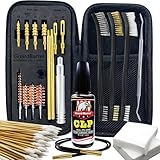
- ARS Mark9.4
ARS Mark is a ranking system developed by bestairriflescopes.com. ARS Mark has no relationship or impact from any manufacturers or sales agent websites. Learn more
- BrandGuardBarrel
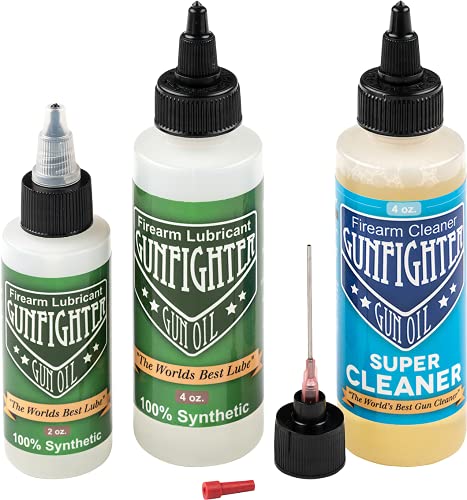
- ARS Mark9.2
ARS Mark is a ranking system developed by bestairriflescopes.com. ARS Mark has no relationship or impact from any manufacturers or sales agent websites. Learn more
- BrandGun Oil
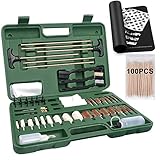
- ARS Mark9.2
ARS Mark is a ranking system developed by bestairriflescopes.com. ARS Mark has no relationship or impact from any manufacturers or sales agent websites. Learn more
- Brandiunio

- ARS Mark9.0
ARS Mark is a ranking system developed by bestairriflescopes.com. ARS Mark has no relationship or impact from any manufacturers or sales agent websites. Learn more
- BrandN/A

- ARS Mark9.0
ARS Mark is a ranking system developed by bestairriflescopes.com. ARS Mark has no relationship or impact from any manufacturers or sales agent websites. Learn more
- BrandCrosman

- ARS Mark9.0
ARS Mark is a ranking system developed by bestairriflescopes.com. ARS Mark has no relationship or impact from any manufacturers or sales agent websites. Learn more
- Brandmoloxo

- ARS Mark9.0
ARS Mark is a ranking system developed by bestairriflescopes.com. ARS Mark has no relationship or impact from any manufacturers or sales agent websites. Learn more
- BrandUmarex

- ARS Mark8.8
ARS Mark is a ranking system developed by bestairriflescopes.com. ARS Mark has no relationship or impact from any manufacturers or sales agent websites. Learn more
- BrandUmarex

- ARS Mark8.8
ARS Mark is a ranking system developed by bestairriflescopes.com. ARS Mark has no relationship or impact from any manufacturers or sales agent websites. Learn more
- BrandSig Sauer

- ARS Mark8.6
ARS Mark is a ranking system developed by bestairriflescopes.com. ARS Mark has no relationship or impact from any manufacturers or sales agent websites. Learn more
- BrandGamo
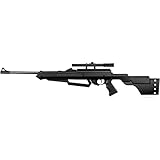
- ARS Mark8.4
ARS Mark is a ranking system developed by bestairriflescopes.com. ARS Mark has no relationship or impact from any manufacturers or sales agent websites. Learn more
- BrandBarra
Last update on 2026-06-13 / Affiliate links / Images, Product Titles, and Product Highlights from Amazon Product Advertising API
What Is Gun Caliber and Why It Really Matters
Picking up a firearm for the first time can feel oddly confusing once the numbers start flying around. One person talks about 9mm, another swears by .45 ACP, and somebody else insists .22 LR is the easiest place to start. That swirl of opinions leaves plenty of people wondering what those measurements actually change in real life. What is gun caliber becomes a much bigger deal once recoil smacks your hands, ammo prices pile up, or accuracy starts slipping after a long range session. Small details like bullet diameter, firearm weight, and cartridge pressure shape the entire shooting experience more than most expect.
Why Caliber Changes The Entire Shooting Experience
Gun caliber affects nearly every part of shooting, from comfort to confidence. Larger calibers usually create stronger recoil, louder muzzle blast, and heavier firearm movement. That might sound exciting at first, but sharp recoil can wear people down fast during extended practice. A firearm that feels manageable for ten rounds may become frustrating after fifty.
Smaller calibers tend to feel smoother and easier to control. That's one reason .22 LR remains common for target shooting and training sessions. Less recoil helps shooters focus on grip, breathing, and trigger control instead of bracing for impact. Consistency often improves once people stop anticipating the kick.
Ammunition cost also shifts dramatically between calibers. Practice becomes difficult if every trigger pull feels expensive. Plenty of shooters realize pretty quickly that affordable rounds encourage more range time and steadier improvement. Frequent practice usually matters more than firing the most powerful cartridge available.
Physical comfort sneaks into the equation too. Heavier calibers sometimes require thicker firearm frames and wider grips to manage pressure safely. Smaller hands may struggle with oversized grips, especially during rapid fire. Comfort and control often work together better than raw power alone.
Bullet Diameter And Barrel Size Explained
At its core, caliber refers to the internal diameter of a firearm barrel and the matching bullet size. Measurements appear either in inches or millimeters depending on cartridge design and naming tradition. A 9mm bullet measures roughly nine millimeters wide, while a .45 caliber bullet measures about .45 inches across. The numbers sound technical, yet the basic idea stays surprisingly straightforward.
Confusion usually starts because caliber names don't always follow perfect logic. A .38 Special actually fires bullets close to .357 inches wide. Then there's .223 Remington and 5.56 NATO, which look nearly identical but still have pressure differences worth paying attention to. Small measurement variations can create major performance changes.
Barrel dimensions affect bullet stabilization and accuracy. Rifling grooves inside the barrel spin the projectile during firing, helping maintain stability in flight. Different calibers pair with different barrel lengths depending on intended use. Compact concealed carry pistols behave very differently from long-range precision rifles.
Bullet diameter also influences penetration, wound channels, recoil impulse, and velocity. Bigger doesn't always mean better because heavier bullets often travel slower. Meanwhile, smaller high-velocity rounds may create flatter trajectories at longer distances. Those tradeoffs shape how each caliber performs in practical situations.
Why Recoil Feels So Different Between Calibers
Recoil surprises plenty of new shooters. Movies make firearms look easy to handle, but reality feels different once energy transfers into your hands and wrists. Larger calibers generate more backward force because of increased bullet weight and powder charge. Some firearms push sharply while others create more of a rolling shove.
Body size and grip strength influence recoil perception too. A lightweight compact pistol chambered in a heavy caliber can feel downright unpleasant after several magazines. Meanwhile, a heavier steel-framed firearm may soften recoil considerably even with the same cartridge. Firearm weight changes the experience almost as much as caliber itself.
Anticipation becomes another problem. Strong recoil often causes flinching before the shot breaks, leading to poor accuracy. Many shooters don't realize they're jerking the trigger until shots consistently drift low or sideways. Reduced recoil helps build cleaner shooting habits and steadier trigger control.
Noise contributes to fatigue as well. Larger calibers usually create sharper muzzle blast, especially indoors. Long range sessions with aggressive recoil and loud concussion can mentally drain shooters faster than expected. Comfortable recoil management keeps practice enjoyable instead of exhausting.
Popular Handgun Calibers And Their Tradeoffs
Handgun calibers each carry their own strengths and weaknesses. The 9mm remains one of the most common choices because it balances recoil, magazine capacity, and ammunition cost fairly well. Many shooters appreciate how manageable it feels during rapid fire. That combination explains why it dominates both civilian and law enforcement markets.
.45 ACP offers a completely different personality. The recoil feels heavier and slower, often described as a push rather than a snap. Fans appreciate the larger bullet diameter and substantial feel, though magazine capacity typically drops compared to 9mm platforms. Ammunition costs also tend to rise.
.380 ACP sits in another category entirely. Smaller pistols chambered in .380 often conceal easier but produce sharper recoil than expected due to lighter firearm weight. Tiny carry guns can become difficult to control despite firing a smaller cartridge. Tradeoffs appear everywhere once compactness enters the conversation.
.22 LR stays popular because of its low recoil and lower ammunition cost. Plenty of shooters use it for training, plinking, and introductory range sessions. While it lacks the power of larger defensive calibers, its ease of use encourages more consistent practice. Affordable repetition sharpens shooting skills surprisingly fast.
Rifle Calibers Create Different Long Range Results
Rifle calibers introduce another layer of complexity because distance performance matters far more. Smaller rounds like .223 Remington produce lighter recoil and flatter shooting trajectories at moderate ranges. That's one reason AR-platform rifles chambered in .223 remain so common for recreational shooting. Less recoil also helps maintain faster follow-up shots.
Larger calibers such as .308 Winchester deliver heavier bullets with stronger energy transfer. Hunters and long-range shooters often appreciate that added impact, especially at extended distances. Still, stronger recoil and increased ammunition costs create tradeoffs many people overlook at first. Precision shooting becomes physically tiring over time.
Environmental conditions influence rifle performance more than many realize. Wind drift affects lighter bullets faster, while heavier projectiles may resist movement better. Barrel length, twist rate, and bullet grain weight all combine to shape trajectory and terminal behavior. Caliber selection rarely works as a one-size-fits-all decision.
Some calibers excel for target shooting while others lean toward hunting or defensive use. That's why experienced shooters usually pick firearms based on intended purpose rather than hype alone. Practical needs matter more than internet arguments about “best” calibers. Real-world shooting conditions expose weaknesses pretty quickly.
Ammo Prices Influence Practice Habits
Ammunition cost quietly shapes shooting skill more than almost anything else. People naturally practice more when each range trip feels financially manageable. Smaller calibers like .22 LR and 9mm usually cost less per round than magnum revolver cartridges or large rifle calibers. That affordability encourages longer sessions and more repetition.
Expensive ammunition often leads shooters to ration practice. Fewer repetitions make it harder to build muscle memory and consistency. Somebody firing hundreds of manageable rounds each month typically improves faster than someone firing a handful of expensive magnum cartridges occasionally. Regular practice builds confidence far better than occasional power shooting.
Availability matters too. Some calibers remain easier to find during supply shortages because of widespread production and demand. Rare cartridges can become frustrating during periods of limited inventory. Many experienced firearm owners keep at least one platform chambered in a commonly available caliber for that exact reason.
Reloading ammunition changes the equation for some enthusiasts. Handloading allows shooters to customize bullet weights and powder charges for specific performance goals. Still, reloading requires time, equipment, and careful attention to safety procedures. Factory ammunition remains the simpler route for many people.
How Barrel Length Affects Caliber Performance
Barrel length changes how calibers behave in surprisingly noticeable ways. A longer barrel usually allows powder to burn more completely, increasing bullet velocity. That extra speed can improve accuracy and energy retention at distance. Short barrels sacrifice some velocity in exchange for easier portability.
Compact carry pistols chambered in larger calibers sometimes produce intense muzzle flash and sharp recoil because powder burns outside the barrel. The firearm stays easier to conceal, but comfort and controllability may suffer. Those tradeoffs catch many people off guard after firing their first compact handgun.
Rifles show similar patterns. Short-barreled rifles maneuver more easily in tight spaces but may lose velocity compared to longer setups. Longer barrels often stabilize shots better for precision work, though they become heavier and less convenient during long hikes or field use. Practical balance matters more than chasing extremes.
Sound levels shift alongside barrel length as well. Shorter barrels frequently create louder muzzle blast due to unburned powder exiting the firearm. Indoor shooting ranges amplify that concussion dramatically. Ear protection becomes even more important with aggressive short-barrel configurations.
Caliber Myths That Refuse To Go Away
One stubborn myth claims bigger calibers automatically guarantee better performance. Reality looks far messier. Accuracy, shot placement, recoil management, and reliability usually matter more than simply carrying the largest cartridge possible. A manageable firearm often outperforms an uncomfortable powerhouse in practical shooting scenarios.
Another myth suggests smaller calibers lack usefulness entirely. Yet .22 LR continues appearing in training classes, competitive shooting events, and recreational range sessions across the country. Lower recoil allows shooters to practice fundamentals without developing flinch habits. Skill development thrives on repetition and comfort.
Internet debates also exaggerate caliber differences dramatically. Some discussions make tiny ballistic variations sound life-changing. In real-world use, shooter proficiency often outweighs slight performance advantages between similar cartridges. Consistent technique usually beats theoretical superiority.
Marketing language fuels confusion too. Flashy ammunition packaging and exaggerated claims create unrealistic expectations. Ballistics involve tradeoffs, not magic shortcuts. Every caliber carries strengths alongside limitations depending on firearm setup and intended purpose.
How Hunting Changes Caliber Selection
Hunting calibers depend heavily on game size, terrain, and local regulations. Smaller calibers may handle varmints and small predators effectively, while larger animals require more energy and penetration. Hunters often balance recoil against ethical shot placement because excessive recoil can reduce accuracy under pressure.
Terrain shapes decisions too. Dense woods may favor shorter-range cartridges with heavier bullets, while open fields benefit from flatter trajectories and longer-range performance. The same caliber won't behave identically across every environment. Weather conditions and shooting distance complicate matters further.
Weight becomes another practical concern during long hunts. Carrying a heavy rifle chambered in a hard-kicking caliber across rough terrain quickly wears people down. Lightweight setups feel more manageable but may increase felt recoil noticeably. Field comfort influences endurance more than many first-time hunters expect.
For shooters exploring alternative hunting tools, compare large bore air rifles for quieter shooting setups and different recoil characteristics. Some hunters appreciate reduced noise levels and simpler maintenance routines in specific environments. Air rifle performance still depends heavily on caliber selection and shot placement.
What Gun Caliber Means For Accuracy And Control
Missed shots frustrate people fast, especially after spending money on ammunition and range time. Plenty of shooters blame themselves immediately, but caliber plays a bigger role in consistency than most expect. A firearm that feels too snappy, too loud, or too heavy can wreck confidence in a hurry. What gun caliber means becomes much clearer once accuracy problems, recoil fatigue, and handling issues start showing up side by side.
Why Accuracy Changes Between Calibers
Accuracy depends on more than just steady hands. Different calibers create different recoil impulses, muzzle rise, and follow-through behavior. Some shooters naturally perform better with softer shooting calibers because they stay relaxed during the trigger press. Reduced flinch often leads to tighter groupings without changing anything else.
Bullet speed also affects accuracy at varying distances. Faster rounds tend to travel flatter, which helps simplify aiming over longer ranges. Heavier bullets may drop more over distance but sometimes resist wind drift better. Those little ballistic quirks explain why certain calibers feel easier in one shooting environment but awkward in another.
Firearm design matters too. A full-sized pistol chambered in 9mm usually feels steadier than an ultra-light compact revolver firing .357 Magnum. Bigger recoil in smaller guns can pull shots off target quickly. Comfort and control often matter more than raw ballistic energy during practical shooting.
Practice habits shape accuracy more than internet debates ever will. Someone training regularly with affordable ammunition usually improves faster than somebody firing expensive rounds occasionally. Explore left handed youth bow setups if balanced control and body positioning already matter in your shooting or hunting routine. The same idea carries over into firearms because proper fit influences consistency every single session.
Magazine Capacity Versus Bigger Bullets
Many shooters eventually notice the tradeoff between bullet size and magazine capacity. Larger calibers usually require more internal space inside the magazine, reducing total round count. A compact handgun holding fifteen rounds of 9mm may only carry eight rounds in .45 ACP. That difference changes how people approach defensive shooting and range practice.
Higher capacity doesn't automatically mean better performance, though. Some people shoot larger calibers more confidently because they prefer the slower recoil impulse and heavier feel. Others value quicker follow-up shots and lighter recoil over bullet size. Shooting confidence often matters more than chasing impressive numbers.
Weight becomes another factor once spare magazines enter the picture. Carrying additional magazines loaded with larger cartridges adds noticeable bulk over time. Smaller calibers usually reduce overall carry weight, especially during extended outdoor trips or training days. Little details become surprisingly noticeable after several hours.
Reload speed also enters the conversation. Larger magazines reduce reload frequency during training and competition. Fewer reload interruptions help shooters stay focused on fundamentals instead of constantly managing equipment. Practical efficiency sometimes outweighs caliber prestige entirely.
How Noise And Muzzle Blast Affect Shooting
Noise catches many new shooters completely off guard. Television and movies rarely capture how violent muzzle blast feels indoors. Certain calibers produce sharp concussion waves that rattle concentration after only a few magazines. Louder firearms can create hesitation even before recoil enters the equation.
Short-barreled firearms often amplify this issue. Unburned powder exiting the muzzle creates brighter flash and harsher blast, especially with powerful calibers. Compact carry pistols chambered in aggressive cartridges may feel significantly louder than larger range guns. Muzzle concussion drains mental focus faster than people expect.
Indoor shooting ranges intensify sound reflection dramatically. Walls bounce muzzle blast back toward the shooter, increasing fatigue over longer sessions. Double hearing protection becomes common for larger rifle calibers and magnum revolvers. Comfortable practice environments help maintain better concentration and cleaner technique.
Suppressors reduce some of that harshness, though caliber still matters heavily. Larger cartridges remain louder even with suppression attached. Smaller calibers often feel less intimidating for extended practice because recoil and sound stay more manageable together. Reduced fatigue encourages steadier shooting habits.
Defensive Shooting Creates Different Caliber Priorities
Defensive firearms demand practical balance rather than flashy numbers. Reliability, controllability, and quick follow-up shots usually matter more than theoretical stopping power arguments online. A caliber that feels easy to manage under pressure often performs better than one causing hesitation or flinching. Stress changes everything once adrenaline enters the picture.
Compact concealed carry firearms create unique compromises too. Smaller handguns conceal easier but often increase felt recoil because of lighter weight and shorter grips. Some shooters buy ultra-small pistols only to realize they dislike practicing with them. Consistent carry comfort and shootability need to work together.
Ammunition selection matters alongside caliber itself. Hollow points, bullet weight, and velocity all influence terminal performance differently. Two loads within the same caliber can behave very differently after impact. That's why experienced shooters test multiple ammunition types instead of relying on packaging claims alone.
Grip texture and firearm ergonomics become even more important during rapid defensive drills. Sweaty hands, awkward positioning, and adrenaline spikes expose weaknesses fast. Explore best glue for gun case foam solutions if firearm storage and protection matter during transport or long-term organization. Damaged optics, loose accessories, and shifting equipment can ruin training consistency surprisingly fast.
Rimfire And Centerfire Differences Matter
Rimfire and centerfire cartridges may look similar at first glance, but they operate very differently internally. Rimfire ammunition places primer compound inside the rim of the cartridge case. Centerfire rounds use a dedicated primer located in the center base of the cartridge. That structural difference affects reliability, pressure handling, and cartridge strength.
.22 LR remains the most recognizable rimfire caliber. Low recoil and relatively affordable ammunition make it common for practice and recreational shooting. Rimfire ammunition can occasionally experience ignition inconsistencies, though. Centerfire cartridges generally offer more dependable primer ignition and stronger case construction.
Centerfire calibers dominate defensive, hunting, and military use because they handle higher pressures safely. Larger rifle and handgun calibers depend on stronger cartridge cases and more reliable ignition systems. Mechanical reliability becomes crucial once performance demands increase.
Reloading potential changes too. Most rimfire cases aren't practical to reload, while centerfire brass can often be reused multiple times with proper equipment. Serious shooters sometimes reload centerfire ammunition to reduce costs and fine-tune ballistic performance. That flexibility appeals heavily to precision shooters and dedicated hobbyists.
How Caliber Impacts Hunting Ethics
Ethical hunting depends heavily on using enough caliber for clean, humane shots. Too little power risks poor penetration and wounded animals. Too much recoil can reduce shot placement accuracy under field pressure. Hunters constantly balance energy, recoil, distance, and practical shooting comfort.
Shot placement usually matters more than exaggerated caliber debates. A well-placed moderate caliber round often performs better than a missed heavy magnum shot. Confidence behind the trigger plays a huge role once nerves kick in during real hunts. Controlled shooting remains critical.
Terrain and hunting style shape caliber needs as well. Dense woods may favor heavier bullets at shorter distances, while open terrain rewards flatter trajectories. Lightweight rifles help reduce fatigue during long hikes but sometimes increase recoil sharply. Those tradeoffs become obvious after carrying gear across uneven ground for hours.
Bowhunters transitioning into firearms often notice similarities in shot discipline and positioning. Precision still matters regardless of weapon platform. The equipment changes, but patience and proper placement stay just as important in the field.
Why Internet Caliber Debates Never End
Caliber arguments have floated around gun shops and online forums for decades. Some shooters defend their favorite cartridge almost like sports fans defending a team. Personal experience shapes opinions heavily because recoil sensitivity, hand size, and shooting goals vary so much. One person's favorite caliber might feel miserable to someone else.
Marketing hype fuels plenty of unrealistic expectations too. Ammunition companies often spotlight velocity numbers and expansion performance while downplaying recoil or ammunition cost. Real-world shooting feels very different from polished advertisements. Practical experience usually cuts through exaggerated claims quickly.
Ego sometimes sneaks into caliber conversations as well. Bigger rounds carry a reputation for toughness or power, which influences buying decisions emotionally. Yet many experienced shooters quietly spend most of their practice time with softer calibers because they simply enjoy shooting them more. Enjoyment keeps skills sharp.
Range experience tends to humble people fast. Hard-kicking calibers lose their appeal if accuracy falls apart after a few magazines. Smaller calibers may seem less exciting initially, but smoother shooting often keeps people practicing longer and improving faster. Consistency beats intimidation almost every time.
Building Confidence Starts With The Right Caliber
Confidence changes the entire shooting experience. A firearm that feels manageable encourages more practice, steadier breathing, and smoother trigger control. People usually improve faster once recoil stops dominating their attention. Comfortable shooting creates better habits naturally over time.
Starting too aggressively can backfire badly. Heavy recoil often teaches anticipation and flinching before proper fundamentals even settle in. Smaller calibers allow shooters to focus on sight alignment, grip pressure, and trigger movement without fighting excessive force. Skill development thrives on repetition and comfort.
Physical limitations matter too. Hand injuries, arthritis, or reduced grip strength can make larger calibers uncomfortable or impractical. Softer shooting calibers keep training accessible without sacrificing enjoyment. Shooting should feel challenging in a productive way, not physically punishing.
Personal preference ultimately shapes long-term satisfaction more than trends or internet hype. Some shooters genuinely enjoy powerful magnum recoil while others prefer low-recoil precision platforms. The right caliber often feels less about chasing extremes and more about creating a setup that keeps people practicing consistently and shooting confidently.


12 Best 22 Pcp Air Rifle For Hunting of 2026 With Quiet Power

7 Best 22 Pcp Air Rifle Under 300 of 2026 For Backyard Pest Control

10 Best 22 Break Barrel Air Rifles of 2026 For Backyard Pest Control

10 Best 30 Caliber Pcp Air Rifle of 2026 For Medium Game

Top Best 177 Air Rifle Under 100: Budget-Friendly Picks for 2026

How to Safely Reload Shotgun Shells at Home

11 Best Co2 Air Rifle For Pest Control of 2026 To Ensure Humane Dispatch

12 Best Inexpensive Air Rifles of 2026 For Dependable Backyard Accuracy






