
Which Bow Sight Is Right for Your Hunting Style?

Picking an aiming setup feels stressful with so many choices on the shelf, but finding the right one is simple once you look at where you hunt. For tight woods and tree stands under forty yards, a fixed multi-pin sight is best because it lets you draw and shoot without moving any parts. For open ground with longer distances, a single-pin slider works best because it clears away visual clutter and lets you adjust to the exact yardage.
The right choice really comes down to your shooting pace and the terrain around you. Quick encounters in heavy brush leave no time to turn dials, so having set distance marks ready to go keeps you from freezing up. Open country often gives you a few quiet moments to range the animal and dial your pin smoothly. Here is a clear look at how both designs handle real hunting situations.
Decide Between Fixed Multi-Pins and a Single-Pin Slider First
The biggest choice you face when picking an aiming setup is deciding how your pins behave when game walks into view. A fixed-pin sight uses three, four, or five stationary pins stacked vertically inside the housing (the round protective ring around the pins). Each pin stays locked at a specific distance that you choose, such as 20, 30, 40, and 50 yards. When a buck steps into a clearing, you do not touch your sight. You pull to full draw, place the proper pin on the animal's vitals, and release. This setup keeps things simple and eliminates extra movement when an animal is looking right through your shooting lane.
A single-pin slider uses one aiming point attached to an adjustable gear track. You spin a wheel or slide a lever on the side of the sight mounting bracket to adjust your pin up or down to the exact yardage before you draw. If a target stands at 37 yards, you dial the pointer to the 37-yard mark on your sight tape. Your sight picture stays wide open because only one fine post sits inside the viewing ring. You never confuse pins or pick the wrong colored dot in the heat of the moment.
The drawback of a single-pin slider happens when an animal moves while you are at full draw. If you dial your pin to 40 yards, draw your bow, and the buck walks into 25 yards, you cannot reach down to move your slider dial. You must let down your bowstring, move the dial, and draw again, or hold the single pin low on the deer's body and guess the holdover. A fixed multi-pin sight solves that hesitation. You simply drop your eyes to the 20-yard or 30-yard pin while remaining at full draw.
Hybrid sights try to bridge this gap. A multi-pin slider gives you three fixed pins inside the housing, but the entire housing can move up and down on a slider track. This gives you instant aiming points for quick shots at 20, 30, and 40 yards, while still allowing you to dial your bottom pin out to 60 or 70 yards for open ground practice. If you hunt thick timber where shots happen in seconds, fixed pins offer peace of mind. If you hunt open fields where you have time to range your target and want zero visual distraction, a single-pin slider is hard to beat.
Match Your Sight Action to Your Hunting Terrain and Animal Movement
Your hunting location dictates how much time you have between spotting an animal and making a shot. In dense eastern hardwoods, river bottoms, and cedar thickets, shooting distances rarely go beyond 35 yards. Deer appear quickly out of brush, walk behind tree trunks, and offer small windows between branches. Picking the best bow sight for treestand hunting means prioritizing fast target pickup over long-distance micro adjustments. When a whitetail walks beneath your stand, you need to draw immediately without taking your hands off the grip or looking away to turn an adjustment wheel.
Spot-and-stalk hunting across western sage flats, crop fields, or open mountain basins creates an entirely different pacing. You often spot mule deer, elk, or pronghorn from hundreds of yards away. You plan your approach, crawl into position, and check distances with a laser rangefinder while tucked behind cover. In these open spaces, shots frequently stretch out to 40, 50, or 60 yards. Animals often graze peacefully rather than darting through brush. A single-pin slider shines here because dialing an exact yardage removes holdover guesswork across longer distances.
Think about how your quarry reacts to human movement. Nervous animals pick up even tiny shifts in your silhouette. Adjusting a slider wheel requires an extra physical motion, which can catch the eye of a wary animal standing within 30 yards. If you hunt from a ground blind or a tree stand where deer pass close, extra movements increase your chances of getting spotted. Fixed pins allow you to make your draw when the animal's head moves behind a tree, leaving your hands locked in position until you anchor and release.
Wind conditions in open country also affect your sight choice. When shooting in open terrain with steady crosswinds, having a clear sight picture without four or five extra pins blocking the horizon helps you focus on your target. Clutter-free housings let you watch the animal's body language better while holding steady against the breeze. Match your gear to the fastest possible encounter you expect to face during your season.
Balance Your Pin Count and Fiber Thickness for Clean Visibility
Too many pins inside your housing can create a distracting visual wall. When you look through your peep sight at full draw, your eye needs to focus through the sight ring onto the vitals of the animal. If your housing is packed with five or seven horizontal metal pins, they cover up large portions of the target. This crowding makes it difficult to see ribs, shoulder angles, or subtle shifts in how the animal stands.
For most bow hunters, a 3-pin or 5-pin setup provides the best balance. Follow this breakdown to decide what fits your shooting range:
- 3-Pin Configuration: Best for timber, ground blinds, and tree stands where shots stay inside 40 yards. Sighting your pins at 20, 30, and 40 yards leaves the entire bottom half of the housing wide open for tracking animal movement.
- 5-Pin Configuration: Ideal for mixed terrain where you might shoot close in the timber or stretch out to 50 or 60 yards across field edges. It gives you fixed aiming points for longer shots, but takes practice so you do not grab the wrong pin under stress.
- Single Pin: Best for open-country stalkers who want maximum clarity. It provides one uncluttered aiming dot right in the center of your sight ring, keeping your entire sight picture completely clear.
Pin size, which measures the thickness of the aiming dot, also determines how clearly you see your target. Bow sights generally use fiber optic strands in three standard diameters: .029 inch, .019 inch, and .010 inch. A fiber optic is a thin colored plastic strand that wraps around the housing to collect daylight and channel it into a glowing point at the tip of the pin.
A .029-inch pin is very bright and easy to spot in low light, but it is physically thick. At 40 yards, that large dot can cover the entire vital zone of a deer, making precise shot placement difficult. A .010-inch pin is needle-sharp and great for fine aiming, but it can vanish in dim dawn or dusk shadows inside deep woods. A .019-inch pin sits right in the sweet spot for hunting. It gathers enough light to remain visible at legal shooting hours while staying small enough that it does not obscure your target at moderate distances.
Look for Sturdy Adjustment Locks and a Clear Level Bubble
Hunting equipment takes a beating from tree bark, brush, bow cases, and the sharp shock of bowstring release. A reliable sight must hold its position without vibrating loose over hundreds of shots. Start by checking the mounting bracket and housing frame. Sights machined from solid aluminum handle bumps and drops far better than thin plastic or composite models. When outfitting compound setups, choosing solid sight options for high-performance bows ensures your bracket can handle the strong mechanical snap produced by modern cam systems.
Look for toolless micro-adjust dials for windage (left and right adjustment) and elevation (up and down adjustment). Micro-adjust systems use small click dials that let you move the pins in tiny, precise increments without loosening main bracket bolts or tapping parts with an allen wrench. Once your pins land where you want, solid locking levers keep those adjustments frozen tight. Sights without locking mechanisms can shift if you snag your bow on a branch while climbing into your tree stand.
A spirit level bubble built into the bottom of the housing ring is necessary for consistent hunting accuracy. When you hold your bow, you might unintentionally tilt the riser to the left or right, a mistake known as canting. Canting tilts your sight pins off center. Even a slight tilt causes arrows to miss left or right, with the error growing dramatically wider as your distance increases. Checking that the bubble rests dead center between the two black lines before releasing your shot guarantees your bow is standing completely vertical.
A rheostat light (an adjustable LED pin light) provides extra visibility when hunting during legal shooting hours at dawn and dusk. The light threads into the sight bracket above the clear fiber optic spools. Good rheostat lights let you click through multiple brightness steps so you can brighten the pin against dark brush without causing a blinding glare inside your housing. Always verify game regulations in your hunting area, as some states do not allow battery-powered lights attached to hunting bows.
Follow a Clear Sequence to Calibrate Your Distance Pins
Sighting in your bow takes patience and a safe shooting lane. Before touching any adjustment screws, confirm your shooting area has a solid earthen backstop, keep bystanders away, and inspect your arrows for cracks. Never dry fire your bow without an arrow on the string. Reviewing how to use a bow sight with better accuracy helps build a steady anchor point before you start tuning your pins. Work through the following steps to calibrate your pins accurately.
- Mount and square the bracket: Bolt the sight bracket to your bow riser using the factory mounting holes. Tighten mounting screws with an inch-pound torque tool so you do not strip the riser threads. Apply a small drop of blue thread-locking fluid to each bolt so bow vibration does not shake the bracket loose over time.
- Set your 20-yard zero: Step back 10 yards from the target to ensure your arrows land safely on the foam. Move back to 20 yards once on target. Shoot a group of three arrows using your top pin. If your arrows hit low, move the pin down. If your arrows hit high, move the pin up. Always follow the arrow: adjust your pin in the same direction the arrow hit off-target until your top pin hits dead center.
- Tune windage: Once your arrow height is correct at 20 yards, check your horizontal alignment. If your group lands to the left of the bullseye, move the entire housing slightly to the left using your windage dial. If your shots hit to the right, adjust the housing to the right until arrows split the center line.
- Dial in your longer distance pins: Move back to 30 yards. Leave the main housing locked in place and adjust only your individual second pin up or down until it hits the bullseye. Repeat this exact process at 40 yards with your third pin, moving only the individual pin bracket. Take breaks between groups so your shoulder muscles do not tire out, which leads to sloppy shooting form.
- Lock every adjustment bolt: Once your pins group cleanly at their set distances, tighten all locking levers and set screws on the housing and slider rail. Use a pencil or silver paint pen to draw small witness marks across your adjustment tracks. These marks give you an instant visual check to confirm no dials have slipped during transport or rough hunting trips.
Select Bow Sight Hardware That Matches Your Daily Hunting Realities
Choosing the right aiming hardware comes down to matching your gear to your realistic shooting distances and physical environment. Look for sights built with all-metal frames and protected fiber optic channels that shield delicate plastic strands from snagging on thorns and branches. A well-designed sight protects its components inside a tough frame while still allowing maximum daylight to reach the colored fibers.
Check the mounting bracket design before making a final selection. Reversible mounting plates let you flip the bracket to accommodate both right-handed and left-handed shooters, and multi-hole bolt patterns allow you to adjust how close the housing sits to your bow riser. Moving the housing farther out from your riser extends your sight radius for finer aiming, while tucking it closer keeps your bow compact and maneuverable inside dense brush or tight ground blinds.
Make sure any slider mechanism operates smoothly with one hand and locks down quietly. Sights with loud clicks or stiff adjustment tracks can alert nearby game when you attempt to make quiet adjustments in the woods. Pair your shooting habits with hardware that feels intuitive under pressure, and confirm that all mounting threads match your bow riser before heading out into the field.
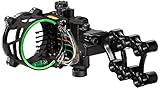
- ARS Mark9.2
ARS Mark is a ranking system developed by bestairriflescopes.com. ARS Mark has no relationship or impact from any manufacturers or sales agent websites. Learn more
- BrandTrophy Ridge

- ARS Mark9.0
ARS Mark is a ranking system developed by bestairriflescopes.com. ARS Mark has no relationship or impact from any manufacturers or sales agent websites. Learn more
- BrandLWANO
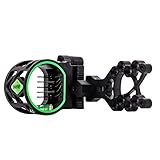
- ARS Mark8.8
ARS Mark is a ranking system developed by bestairriflescopes.com. ARS Mark has no relationship or impact from any manufacturers or sales agent websites. Learn more
- BrandLWANO

- ARS Mark8.8
ARS Mark is a ranking system developed by bestairriflescopes.com. ARS Mark has no relationship or impact from any manufacturers or sales agent websites. Learn more
- BrandTrophy Ridge

- ARS Mark8.6
ARS Mark is a ranking system developed by bestairriflescopes.com. ARS Mark has no relationship or impact from any manufacturers or sales agent websites. Learn more
- BrandSafari Choice
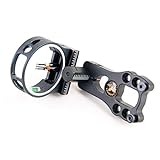
- ARS Mark8.6
ARS Mark is a ranking system developed by bestairriflescopes.com. ARS Mark has no relationship or impact from any manufacturers or sales agent websites. Learn more
- BrandTOPOINT ARCHERY

- ARS Mark8.6
ARS Mark is a ranking system developed by bestairriflescopes.com. ARS Mark has no relationship or impact from any manufacturers or sales agent websites. Learn more
- BrandSOPOGER
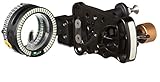
- ARS Mark8.4
ARS Mark is a ranking system developed by bestairriflescopes.com. ARS Mark has no relationship or impact from any manufacturers or sales agent websites. Learn more
- BrandTrophy Ridge

- ARS Mark8.2
ARS Mark is a ranking system developed by bestairriflescopes.com. ARS Mark has no relationship or impact from any manufacturers or sales agent websites. Learn more
- BrandTRUGLO

- ARS Mark7.6
ARS Mark is a ranking system developed by bestairriflescopes.com. ARS Mark has no relationship or impact from any manufacturers or sales agent websites. Learn more
- BrandGotical
Last update on 2026-09-30 / Affiliate links / Images, Product Titles, and Product Highlights from Amazon Product Advertising API
FAQs
Can I use a single-pin slider sight from a tree stand?
Yes, you can use a single-pin slider from a tree stand by setting your pin to a fixed baseline distance like 25 yards. At typical tree stand ranges, modern fast compound bows shoot flat enough that a 25-yard setting lets you hit the vitals from 10 to 30 yards with slight aiming adjustments. You only need to touch the slider dial if an animal stops farther away in an open lane.
What should I do if my sight pin covers the entire vitals at long distance?
If your aiming pin blocks your target at 40 or 50 yards, switch to a smaller pin diameter such as .019 inch or .010 inch. Thick .029-inch pins cover several inches of target area at long range, which hides your point of aim. A smaller pin covers less target surface, giving you a cleaner view for placing your arrow precisely where you want it.
Are battery-powered sight lights legal for bow hunting everywhere?
Battery-powered sight lights are not legal in every state or hunting zone. Some jurisdictions ban any electrical or battery-operated devices attached to a hunting bow during archery seasons. Check your state wildlife agency hunting regulations book before installing an electronic LED light on your sight bracket.
How do I stop bow vibration from loosening my sight pins?
To stop vibration from loosening sight hardware, apply a small drop of removable blue thread-locking fluid to the threads of your mounting and adjustment screws. Avoid red thread-locker, which requires heat to remove. Tighten all hardware securely with an inch-pound torque tool according to the manufacturer guidelines, and check your screws periodically throughout the season.


12 Best 22 Pcp Air Rifle For Hunting of 2026 With Quiet Power

7 Best 22 Pcp Air Rifle Under 300 of 2026 For Backyard Pest Control

10 Best 22 Break Barrel Air Rifles of 2026 For Backyard Pest Control

10 Best 30 Caliber Pcp Air Rifle of 2026 For Medium Game

Top Best 177 Air Rifle Under 100: Budget-Friendly Picks for 2026

How to Safely Reload Shotgun Shells at Home

11 Best Co2 Air Rifle For Pest Control of 2026 To Ensure Humane Dispatch

12 Best Inexpensive Air Rifles of 2026 For Dependable Backyard Accuracy






