
What Is the Best Gun for Home Defense Today?

What is the best gun for home defense keeps popping up because most people don’t want guesswork standing between safety and panic. Stress changes everything. Hands shake, rooms feel tighter, and loud noises hit harder than expected. A firearm that feels manageable at the range can suddenly feel awkward inside narrow hallways or dark bedrooms.
Recoil becomes a bigger deal than many expect. Heavy kick can slow follow-up shots, throw off accuracy, and create hesitation in tense moments. That’s why plenty of homeowners lean toward firearms with controllable recoil, practical capacity, and straightforward operation instead of chasing raw power. Comfort matters. Confidence matters even more.
Storage creates another headache people rarely talk about openly. A firearm needs to stay accessible while still remaining secure around kids, guests, or curious hands. Quick-access safes, mounted lock boxes, and staged setups often become part of the conversation long before caliber debates even begin. Nobody wants to fumble around half-awake trying to remember complicated controls.
Shotguns often attract attention because of their stopping capability, but they aren’t automatically the easiest fit for every household. Longer barrel length can feel clumsy indoors, especially around corners or staircases. Recoil can also surprise first-time owners. Some people love the simplicity and raw effectiveness, while others quickly realize the platform feels heavier and slower than expected.
Handguns usually appeal to people who prioritize maneuverability and compact storage. They’re easier to secure in smaller spaces and simpler to move through tight rooms. Still, handguns demand consistent practice because shorter sight radius and lighter weight can reduce accuracy under pressure. Tiny carry pistols, despite their popularity, often produce snappier recoil that catches people off guard.
AR-style rifles stir up strong opinions, yet many experienced shooters appreciate their controllability and magazine capacity. Reduced recoil compared to some shotguns helps maintain accuracy during rapid follow-up shots. Indoor noise and muzzle blast, though, can feel brutal without hearing protection. That tradeoff alone pushes some households toward quieter or softer-shooting alternatives.
Lighting conditions change the entire equation. A firearm that feels smooth during daylight practice may become awkward in complete darkness. Weapon-mounted lights, illuminated sights, and simple controls suddenly matter a whole lot more. Under stress, fine motor skills can disappear fast, so uncomplicated setups usually perform better than overloaded accessories.
What is the best gun for home defense rarely has one universal answer because homes, comfort levels, and physical ability all vary wildly. A lightweight handgun may work beautifully for one household yet feel unstable for another. A shotgun may provide reassurance for some people but become intimidating for smaller-framed shooters. Real-world practicality beats internet bravado every single time.
![Byrna SD [Self Defense] Kinetic Launcher Ultimate Bundle - Non Lethal Kinetic Projectile Launcher, Home Defense, Personal Defense (Black) | Proudly Assembled in The USA](https://m.media-amazon.com/images/I/51q1LTzZdRL._SL160_.jpg "Byrna SD [Self Defense] Kinetic Launcher Ultimate Bundle - Non Lethal Kinetic Projectile Launcher, Home Defense, Personal Defense (Black) | Proudly Assembled in The USA")
- ARS Mark9.0
ARS Mark is a ranking system developed by bestairriflescopes.com. ARS Mark has no relationship or impact from any manufacturers or sales agent websites. Learn more
- BrandByrna

- ARS Mark9.0
ARS Mark is a ranking system developed by bestairriflescopes.com. ARS Mark has no relationship or impact from any manufacturers or sales agent websites. Learn more
- BrandByrna
![Byrna SD [Self Defense] Kinetic Launcher Ultimate Bundle - Non Lethal Kinetic Projectile Launcher, Home Defense, Personal Defense (Tan) | Proudly Assembled in The USA](https://m.media-amazon.com/images/I/51Oc5EB4SQL._SL160_.jpg "Byrna SD [Self Defense] Kinetic Launcher Ultimate Bundle - Non Lethal Kinetic Projectile Launcher, Home Defense, Personal Defense (Tan) | Proudly Assembled in The USA")
- ARS Mark9.0
ARS Mark is a ranking system developed by bestairriflescopes.com. ARS Mark has no relationship or impact from any manufacturers or sales agent websites. Learn more
- BrandByrna

- ARS Mark9.0
ARS Mark is a ranking system developed by bestairriflescopes.com. ARS Mark has no relationship or impact from any manufacturers or sales agent websites. Learn more
- BrandPOLICE

- ARS Mark9.0
ARS Mark is a ranking system developed by bestairriflescopes.com. ARS Mark has no relationship or impact from any manufacturers or sales agent websites. Learn more
- BrandSTREET WISE SECURITY PRODUCTS

- ARS Mark8.8
ARS Mark is a ranking system developed by bestairriflescopes.com. ARS Mark has no relationship or impact from any manufacturers or sales agent websites. Learn more
- BrandByrna

- ARS Mark8.8
ARS Mark is a ranking system developed by bestairriflescopes.com. ARS Mark has no relationship or impact from any manufacturers or sales agent websites. Learn more
- BrandVIPERTEK
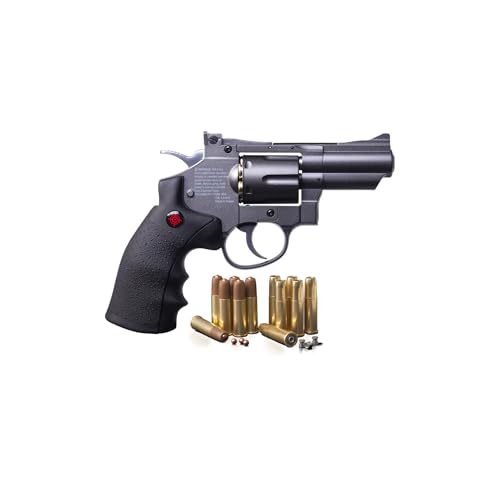
- ARS Mark8.8
ARS Mark is a ranking system developed by bestairriflescopes.com. ARS Mark has no relationship or impact from any manufacturers or sales agent websites. Learn more
- BrandCrosman
![Byrna CL [Compact Launcher] Kinetic Launcher Ultimate Bundle - Non Lethal Kinetic Projectile Launcher, Home & Personal Defense (Black)](https://m.media-amazon.com/images/I/51eqkC-mcLL._SL500_.jpg "Byrna CL [Compact Launcher] Kinetic Launcher Ultimate Bundle - Non Lethal Kinetic Projectile Launcher, Home & Personal Defense (Black)")
- ARS Mark8.6
ARS Mark is a ranking system developed by bestairriflescopes.com. ARS Mark has no relationship or impact from any manufacturers or sales agent websites. Learn more
- BrandByrna
Last update on 2026-06-26 / Affiliate links / Images, Product Titles, and Product Highlights from Amazon Product Advertising API
What Is The Best Gun For Home Defense
Glass breaking at two in the morning changes the way people think about safety real fast. Adrenaline kicks in, hands shake, and even familiar hallways suddenly feel different. That’s usually the moment the question what is the best gun for home defense stops sounding theoretical and starts feeling painfully practical. A firearm that feels controllable, reliable, and simple to operate matters far more than flashy features or internet bragging rights.
Why Simplicity Matters More Than Raw Power
Complicated firearms can create hesitation during stressful moments. Tiny switches, awkward safeties, or confusing controls often become frustrating once pressure enters the picture. Plenty of homeowners eventually realize that simple operation beats excessive customization inside a defensive setup. Smooth handling and predictable controls help reduce panic-driven mistakes.
Heavy recoil also causes problems people rarely expect during their first range session. A powerful firearm may look appealing online, yet sharp kickback can slow recovery between shots and damage confidence fast. That’s why many experienced shooters lean toward platforms with manageable recoil instead of chasing the biggest caliber possible. Consistency matters more than ego.
Noise inside enclosed rooms feels brutal too. Indoor gunfire creates disorientation almost instantly, especially during nighttime emergencies. Short-barreled rifles and magnum loads can become overwhelming indoors, making communication and awareness harder afterward. A setup with balanced recoil and controllable muzzle blast often proves easier to live with long term.
Maintenance adds another layer most people don’t think about initially. Firearms requiring constant tuning, complicated disassembly, or expensive accessories tend to spend more time locked away than practiced with. A dependable platform encourages regular training because it feels approachable rather than intimidating. Familiarity builds confidence far faster than raw horsepower.
Shotguns Still Carry Serious Defensive Strength
Shotguns remain a popular home defense option because of their close-range effectiveness and straightforward manual of arms. The sound of chambering a round alone carries psychological weight, though relying purely on intimidation is risky thinking. Defensive situations move quickly, and hesitation can create dangerous openings. Reliability and preparation still matter more than dramatic movie moments.
Pump-action models attract plenty of attention because they’re mechanically simple and generally dependable. They also force deliberate operation, which some people appreciate during tense situations. Still, short-stroking a pump under stress happens more often than many admit. Semi-automatic shotguns reduce that issue but introduce extra cost and potential ammunition sensitivity.
Recoil creates the biggest dividing line. Twelve-gauge loads can feel punishing for smaller-framed shooters or people without much practice experience. Reduced recoil ammunition helps soften the blow, though even lighter loads still produce noticeable kick indoors. Comfort during practice sessions usually predicts confidence during emergencies.
Length matters more than expected inside cramped spaces. Moving through doorways or around furniture with a longer shotgun requires awareness and deliberate movement. Compact defensive models improve maneuverability while maintaining enough barrel length for practical control. Explore more compact gear setups through warm hunting foot strategies that also highlight mobility challenges in outdoor environments.
Handguns Fit Smaller Spaces Better
Handguns appeal to many homeowners because they’re easier to secure, easier to maneuver, and generally quicker to access in confined areas. Tight hallways, stairwells, and narrow bedrooms often favor compact movement over larger platforms. A properly sized handgun allows one-handed operation if someone needs to guide family members or use a flashlight simultaneously. That flexibility becomes valuable fast.
Storage convenience plays a huge role too. Quick-access safes for pistols fit neatly inside bedside tables, closets, or mounted furniture compartments. Larger firearms require more planning and usually more dedicated storage space. Practical placement often determines whether a firearm can actually be reached during emergencies.
Smaller pistols aren’t automatically easier to shoot, though. Lightweight carry guns tend to produce snappier recoil and sharper muzzle rise than full-sized models. New shooters frequently assume compact means comfortable, then realize tiny grips and shorter sight radius make accurate shooting harder. Mid-sized handguns often strike a better balance between control, capacity, and storage.
Training consistency matters enormously with handguns. Accurate shooting under stress requires repetition because shorter barrels magnify small mistakes. Grip pressure, trigger control, and sight alignment all become more noticeable on pistols than long guns. Compare practical shooting setups through best bow sight for poor vision discussions that also emphasize visibility and accuracy challenges under pressure.
AR-Style Rifles Changed The Conversation
AR-style rifles have become increasingly common in home defense discussions, partly because they offer surprisingly manageable recoil and fast follow-up shots. Many first-time shooters expect rifles to kick harder than shotguns or pistols, then quickly realize the opposite can be true. Lightweight recoil helps maintain accuracy during rapid shooting sequences. That control often surprises skeptical buyers.
Magazine capacity also influences defensive planning. Standard rifle magazines carry far more rounds than traditional defensive shotguns. Some homeowners value that added reserve, especially in rural locations where law enforcement response times may stretch longer than expected. Capacity alone shouldn’t replace training, but it does influence peace of mind.
Size and maneuverability depend heavily on configuration. Shorter rifles handle indoor corners better while remaining stable enough for accurate shooting. Attachments like lights and red dot optics can improve usability dramatically if installed thoughtfully. Overloading the firearm with unnecessary accessories, though, usually creates more bulk and distraction than benefit.
Muzzle blast becomes the biggest downside indoors. Rifle calibers fired inside enclosed rooms produce intense noise and pressure that can temporarily disrupt orientation. Suppressors help where legally permitted, though length and storage requirements increase afterward. Plenty of homeowners accept that tradeoff because they prioritize accuracy and controllability over compact simplicity.
Safe Storage Changes Everything
A defensive firearm loses most of its value if it can’t be accessed quickly during emergencies. Still, leaving firearms unsecured introduces obvious risks around children, guests, or accidental handling. That balancing act pushes many people toward quick-access safes with biometric locks or simple keypad entry. Speed matters, but security matters just as much.
Placement becomes surprisingly personal. Some people prefer bedside storage for immediate nighttime access, while others stage firearms near main entry points. Multi-level homes create additional complications because response routes change depending on where disturbances happen. Thoughtful positioning reduces unnecessary movement during stressful situations.
Battery-powered safes require regular maintenance that often gets ignored. Dead batteries at the wrong moment create a nightmare scenario nobody wants to imagine. Mechanical backup keys or secondary access methods help reduce that risk. Simple weekly checks usually prevent ugly surprises later.
Environmental factors matter too. Humidity, dust, and temperature fluctuations can affect firearm condition over time. Proper storage with light maintenance helps preserve reliability without turning ownership into a constant chore. Explore compact gear management ideas through best recurve bow under 300 setups that also focus heavily on storage practicality and accessibility.
Lights And Sights Matter In Low Visibility
Darkness changes accuracy faster than most people expect. Shapes blur together, shadows distort depth perception, and identifying threats becomes much harder under stress. A firearm equipped with a weapon-mounted light allows faster target identification while keeping both hands engaged on the platform. That extra visibility can prevent catastrophic mistakes.
Iron sights still work fine for many shooters, especially during close-range encounters. Red dot optics, though, simplify sight alignment dramatically under pressure. Instead of focusing on front and rear sight relationships, shooters place a visible dot directly onto the target. Faster sight acquisition often improves confidence during defensive drills.
Brightness settings matter more than people think. Overly bright optics can bloom indoors and obscure vision in darker rooms. Adjustable illumination creates flexibility across different lighting environments. Simple equipment adjustments often improve performance more than expensive upgrades.
Flashlights require practice too. Poor light discipline can accidentally expose a homeowner’s location or create tunnel vision during movement. Consistent training helps develop smoother scanning habits and better room awareness. Reliable visibility tools support decision-making and threat identification instead of creating additional confusion.
Best Home Defense Gun Setup For Real Life
Sleepy eyes, adrenaline, barking dogs, and a dark hallway can turn even a confident person into a nervous wreck. Most homeowners don’t need fantasy-level tactical gear. They need a practical home defense setup that feels reliable during chaotic moments instead of overwhelming. That’s where smart firearm selection, realistic training habits, and simple equipment choices start making far more sense than internet arguments.
Practice Changes Confidence More Than Accessories
Expensive optics and oversized magazines won’t magically improve reaction time. Familiarity with the firearm usually matters far more than stacked accessories or flashy upgrades. A person who practices basic reloads, safe handling, and low-light movement regularly tends to stay calmer under stress. That calmness supports faster decisions and cleaner execution.
Dry-fire practice helps build consistency without burning through ammunition every week. Short sessions inside a safe environment improve trigger control, grip stability, and sight alignment surprisingly fast. Even ten focused minutes several times a week can sharpen confidence noticeably. Consistency beats occasional marathon range days.
Movement drills matter too. Standing still at an indoor lane doesn’t fully prepare someone for navigating door frames, furniture, or awkward angles at home. Practicing safe movement patterns around tight spaces exposes weaknesses quickly. People often realize certain firearms feel heavier or slower than expected once movement enters the equation.
Physical comfort influences practice frequency more than many admit. A firearm with punishing recoil or awkward ergonomics tends to stay locked away instead of getting used consistently. Explore equipment that prioritizes comfort and manageable handling through best compound bow older hunters discussions that also focus heavily on reduced strain and practical usability.
Ammo Selection Creates Different Tradeoffs
Defensive ammunition changes firearm behavior dramatically. Hollow points, buckshot, and defensive rifle rounds each create different penetration patterns and recoil characteristics. Plenty of homeowners focus only on caliber while ignoring ammunition performance entirely. That mistake can create unnecessary risk inside shared living spaces.
Overpenetration worries many households, especially in apartments or tightly packed neighborhoods. Thin drywall doesn’t stop rounds effectively, which means missed shots carry real consequences. Defensive ammunition designed to expand consistently may help reduce excessive penetration compared to full metal jacket rounds. Still, no round completely eliminates risk indoors.
Shotgun ammunition creates another balancing act. Heavy buckshot delivers strong stopping capability, though recoil increases sharply with hotter loads. Reduced recoil shells often improve controllability and speed without sacrificing practical effectiveness at home defense distances. Comfort during rapid follow-up shots matters more than raw pellet count.
Rifle ammunition selection deserves careful thought too. Some lighter defensive rifle loads fragment more rapidly after impact compared to traditional hunting rounds. That characteristic changes penetration behavior significantly inside homes. Compare sighting precision and realistic distance expectations through best hunting rifle scopes under 400 dollars discussions that also highlight practical accuracy concerns.
House Layout Influences Defensive Planning
Not every home creates the same defensive challenges. A small apartment with narrow hallways feels completely different from a multi-story house with long sightlines and several entry points. Defensive planning should match the actual environment instead of copying someone else’s setup online. Layout affects movement, visibility, and firearm handling more than many realize.
Staircases introduce awkward angles and visibility problems quickly. Longer firearms may become harder to maneuver around tight turns or narrow railings. Compact rifles and handguns usually handle those transitions more comfortably than full-length shotguns. Mobility inside the home deserves serious attention.
Room positioning matters too. Bedrooms near entry points create different response options compared to isolated back rooms. Some homeowners prefer barricading strategies instead of actively clearing the house. Defensive planning works better when people focus on protecting loved ones rather than pretending they’re part of a tactical team.
Furniture placement can also create unexpected obstacles. Coffee tables, tight corners, and decorative clutter slow movement fast during high-stress situations. Walking through the home mentally while considering defensive positioning often exposes weaknesses people never noticed before. Small environmental changes sometimes improve safety and response efficiency more than expensive gear purchases.
Stress Physically Changes Performance
Fine motor skills disappear quickly once adrenaline spikes. Fingers feel clumsy, hearing narrows, and tunnel vision can set in without warning. That’s one reason many experienced instructors encourage simple firearm setups with intuitive controls. Complicated manipulations become harder during genuine panic.
Heart rate changes accuracy more than people expect. Even practiced shooters notice sight wobble and rushed trigger pulls under simulated stress drills. Controlled breathing and repetitive practice help reduce those effects over time. Training creates familiarity, and familiarity helps prevent freezing during emergencies.
Nighttime encounters feel especially disorienting because the brain takes time to process sudden wakefulness. Grogginess, darkness, and confusion combine into a nasty mix. A firearm staged safely with a mounted light and simple controls reduces unnecessary fumbling. Small preparation habits support faster reaction and better awareness.
Communication often breaks down too. Family members may panic, shout conflicting information, or move unpredictably during stressful situations. Establishing simple verbal plans beforehand can reduce confusion dramatically. Calm structure inside chaos often matters more than technical shooting skill alone.
Budget Decisions Should Focus On Reliability
Price tags tempt people into extremes. Some buyers overspend chasing tactical trends they’ll barely use, while others grab the cheapest firearm available and hope for the best. Reliable performance matters far more than flashy branding or social media hype. Practical ownership usually lands somewhere in the middle.
Entry-level firearms from respected manufacturers often perform perfectly well for home defense purposes. Spending extra money on ammunition and training sometimes creates better outcomes than buying expensive accessories immediately. Confidence develops through repetition, not through oversized marketing promises. Reliable basics usually outperform neglected luxury setups.
Optics, lights, and safes deserve thoughtful budgeting too. Cheap weapon lights with inconsistent switches or weak output can become frustrating during low-light practice. Poorly built safes may fail electronically or open unreliably over time. Supporting equipment should feel dependable instead of disposable.
Long-term ownership costs deserve attention as well. Ammunition availability, replacement parts, and magazine pricing vary heavily between platforms. Firearms that stay affordable to train with tend to get practiced more often. That steady repetition supports skill retention and safer handling habits.
Mindset Often Matters More Than Hardware
Fear pushes people toward emotional decisions fast. Some buyers chase the loudest caliber possible because it feels psychologically reassuring. Others avoid defensive preparation entirely because the topic feels uncomfortable. Balanced thinking usually creates the healthiest approach to home protection.
Situational awareness prevents more problems than hardware alone ever will. Locked doors, exterior lighting, cameras, and communication plans all strengthen household safety before firearms even enter the conversation. Defensive tools work best as part of a broader safety strategy instead of acting as the only solution.
Training with realistic expectations changes mindset dramatically. Hollywood-style fantasies fade quickly once people experience stress drills or timed shooting exercises. Responsible ownership means recognizing limitations honestly instead of pretending confidence automatically equals competence. Humility keeps people safer than bravado.
What is the best gun for home defense ultimately depends on controllability, familiarity, safe storage, and realistic day-to-day practicality. A firearm that feels manageable during stressful moments usually serves households far better than something chosen purely for appearance or internet approval. Calm preparation, thoughtful planning, and regular practice shape defensive readiness more effectively than chasing trends ever could.


12 Best 22 Pcp Air Rifle For Hunting of 2026 With Quiet Power

7 Best 22 Pcp Air Rifle Under 300 of 2026 For Backyard Pest Control

10 Best 22 Break Barrel Air Rifles of 2026 For Backyard Pest Control

10 Best 30 Caliber Pcp Air Rifle of 2026 For Medium Game

Top Best 177 Air Rifle Under 100: Budget-Friendly Picks for 2026

How to Safely Reload Shotgun Shells at Home

11 Best Co2 Air Rifle For Pest Control of 2026 To Ensure Humane Dispatch

12 Best Inexpensive Air Rifles of 2026 For Dependable Backyard Accuracy






