
What Is the Gun Show Loophole and Why It Matters

What Is the Gun Show Loophole has turned into one of those phrases people hear constantly yet rarely get explained in plain English. News reports throw it around during heated political arguments, social media debates spiral fast, and honestly, most conversations end with more confusion than clarity. Some people assume it means gun shows operate without rules at all, while others think every firearm purchase already requires the exact same process everywhere. Reality sits somewhere in the middle, and that gray area is exactly why the topic sparks so much tension.
Federal firearm laws already require licensed gun dealers to run background checks through the National Instant Criminal Background Check System. That part surprises many folks because the term “loophole” makes it sound like regulations vanish entirely at gun shows. They don’t. Licensed sellers still follow the same federal rules whether they sell from a retail store, a convention hall, or a folding table at a weekend event. The debate centers around private sales, where individuals selling personal firearms may not legally need to conduct background checks in certain states.
That distinction creates frustration from every direction. Some believe the gap allows prohibited buyers to avoid screening requirements. Others argue private sales between lawful owners shouldn’t automatically involve federal oversight or added paperwork. The disagreement often boils down to balancing public safety, constitutional rights, and practical enforcement challenges. Nobody seems to agree on where the line should land, which keeps the issue front and center during elections and policy debates.
Gun shows themselves also carry a reputation that doesn’t always match reality. Many events include security checks, local law enforcement presence, and strict vendor requirements. Families browse collectibles, hunting gear, survival tools, and historical firearms alongside modern sporting rifles. Still, critics point toward the possibility of undocumented private transfers happening within those crowded spaces. That concern keeps fueling calls for expanded background check laws across all firearm transactions.
State laws complicate the picture even more. Some states already require universal background checks for nearly every firearm transfer, including private sales. Others leave room for direct person-to-person transactions without involving a licensed dealer. So, depending on location, the exact meaning of What Is the Gun Show Loophole changes dramatically. One state may tightly regulate private transfers while another handles them far differently.
Public conversations around firearms tend to get emotional fast, and honestly, it’s easy to see why. Safety concerns, personal freedoms, political beliefs, and cultural traditions all collide in the same discussion. Understanding the actual legal framework helps cut through exaggerated claims and knee-jerk reactions. Clear information matters because oversimplified talking points rarely explain how firearm laws actually work in everyday situations.

- ARS Mark9.6
ARS Mark is a ranking system developed by bestairriflescopes.com. ARS Mark has no relationship or impact from any manufacturers or sales agent websites. Learn more
- BrandGORTAR
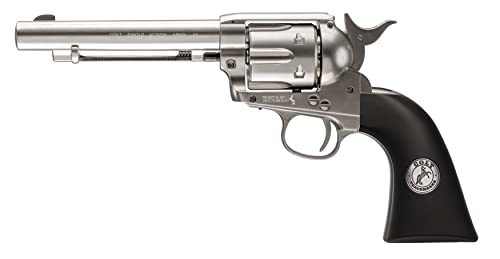
- ARS Mark9.2
ARS Mark is a ranking system developed by bestairriflescopes.com. ARS Mark has no relationship or impact from any manufacturers or sales agent websites. Learn more
- BrandUmarex

- ARS Mark9.2
ARS Mark is a ranking system developed by bestairriflescopes.com. ARS Mark has no relationship or impact from any manufacturers or sales agent websites. Learn more
- BrandOsight
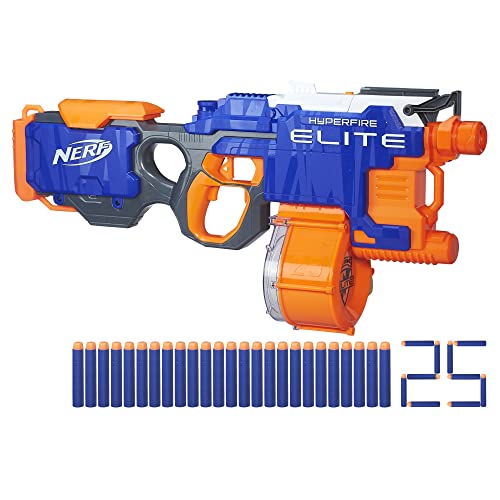
- ARS Mark9.2
ARS Mark is a ranking system developed by bestairriflescopes.com. ARS Mark has no relationship or impact from any manufacturers or sales agent websites. Learn more
- BrandNerf

- ARS Mark9.0
ARS Mark is a ranking system developed by bestairriflescopes.com. ARS Mark has no relationship or impact from any manufacturers or sales agent websites. Learn more
- BrandTactical Scorpion Gear
![Byrna SD [Self Defense] Kinetic Launcher Ultimate Bundle - Non Lethal Kinetic Projectile Launcher, Home Defense, Personal Defense (Black) | Proudly Assembled in The USA](https://m.media-amazon.com/images/I/51q1LTzZdRL._SL160_.jpg "Byrna SD [Self Defense] Kinetic Launcher Ultimate Bundle - Non Lethal Kinetic Projectile Launcher, Home Defense, Personal Defense (Black) | Proudly Assembled in The USA")
- ARS Mark9.2
ARS Mark is a ranking system developed by bestairriflescopes.com. ARS Mark has no relationship or impact from any manufacturers or sales agent websites. Learn more
- BrandByrna

- ARS Mark9.0
ARS Mark is a ranking system developed by bestairriflescopes.com. ARS Mark has no relationship or impact from any manufacturers or sales agent websites. Learn more
- BrandJOYIN

- ARS Mark9.0
ARS Mark is a ranking system developed by bestairriflescopes.com. ARS Mark has no relationship or impact from any manufacturers or sales agent websites. Learn more
- BrandCrosman

- ARS Mark8.8
ARS Mark is a ranking system developed by bestairriflescopes.com. ARS Mark has no relationship or impact from any manufacturers or sales agent websites. Learn more
- BrandUmarex

- ARS Mark8.8
ARS Mark is a ranking system developed by bestairriflescopes.com. ARS Mark has no relationship or impact from any manufacturers or sales agent websites. Learn more
- BrandUmarex

- ARS Mark8.6
ARS Mark is a ranking system developed by bestairriflescopes.com. ARS Mark has no relationship or impact from any manufacturers or sales agent websites. Learn more
- BrandUmarex

- ARS Mark8.4
ARS Mark is a ranking system developed by bestairriflescopes.com. ARS Mark has no relationship or impact from any manufacturers or sales agent websites. Learn more
- BrandUmarex
- ARS Mark7.6
ARS Mark is a ranking system developed by bestairriflescopes.com. ARS Mark has no relationship or impact from any manufacturers or sales agent websites. Learn more
- BrandUmarex
Last update on 2026-06-26 / Affiliate links / Images, Product Titles, and Product Highlights from Amazon Product Advertising API
What Is The Gun Show Loophole
Confusion spreads fast anytime firearm laws hit the news cycle, especially after a tragic event or political standoff. One headline says private sales are dangerous, another claims existing laws already cover most purchases, and somewhere in the middle sits what is the gun show loophole. Plenty of people hear the phrase constantly yet still don’t know what actually separates a licensed firearm sale from a private one. That gap in clarity keeps the debate heated because emotional reactions usually arrive long before the legal details do.
Why The Phrase Causes So Much Debate
The gun show loophole sounds dramatic by design, and honestly, that wording shapes public opinion before facts even enter the conversation. Many people assume gun shows operate outside the law entirely, but federally licensed firearm dealers must still run background checks through the National Instant Criminal Background Check System. Those rules apply whether a sale happens inside a retail store, at a convention center, or during a traveling gun expo. The real argument focuses on private individuals selling personal firearms in states where private transfers don’t require the same screening process.
Critics argue that this gap allows prohibited buyers to avoid checks they’d face at a licensed dealership. Supporters push back by saying private ownership rights shouldn’t automatically involve government paperwork every time a lawful firearm changes hands. That tension fuels years of political gridlock because both sides frame the issue around very different priorities. One group sees a public safety concern, while another sees a constitutional rights issue.
The media also tends to compress complicated firearm regulations into short sound bites. That creates a messy situation where people hear the term repeatedly without hearing the actual legal distinction behind it. A private sale at a neighbor’s house and a private sale inside a gun show may follow the exact same state law, yet the phrase “gun show loophole” keeps the spotlight on events rather than the broader private-sale debate. Language shapes perception, and this topic proves that point every single election season.
Gun owners themselves often disagree on the issue too. Some support universal background checks because they believe consistent screening helps protect responsible ownership. Others worry expanded regulations could slowly create registration systems or unnecessary barriers for lawful citizens. Those competing concerns keep the conversation alive long after headlines fade.
How Federal Firearm Laws Actually Work
Federal firearm law already covers more ground than many casual observers realize. Licensed firearm dealers must verify identification, maintain transaction records, and run buyers through the federal background check system before completing most sales. That process applies to handguns, rifles, and shotguns sold by federally licensed businesses. The location of the transaction matters far less than the seller’s licensing status.
Private sales operate differently under federal law. A person selling a firearm from a personal collection generally doesn’t need a federal firearms license if they’re not regularly selling guns as a business. That distinction matters because private transfers in certain states may happen without a mandatory background check. Critics see that as the loophole itself, while supporters argue it’s simply the long-standing legal difference between commercial dealers and individual citizens.
State laws complicate the issue even further. Some states already require nearly all firearm transfers to involve background checks, including private transactions between individuals. Others allow face-to-face transfers without dealer involvement. So, someone asking what is the gun show loophole might receive completely different answers depending on geographic location. The phrase sounds universal, but firearm laws absolutely are not.
Federal law also prohibits firearm possession for specific categories of people, including convicted felons, domestic abusers under qualifying restrictions, and certain individuals with severe mental health disqualifications. The disagreement centers around enforcement gaps and whether private-sale regulations should become more standardized nationwide. That’s where politics, legal interpretation, and practical enforcement collide.
What Actually Happens At Gun Shows
Movies and viral clips tend to paint gun shows as chaotic free-for-all marketplaces, but most events feel surprisingly structured. Vendors typically rent tables, security personnel monitor entrances, and many shows require unloaded firearms with visible safety ties. Licensed dealers display paperwork procedures openly because federal law still applies to them no matter where they conduct business. The atmosphere often resembles a trade convention more than a lawless marketplace.
Collectors, hunters, hobbyists, and military history enthusiasts walk through aisles filled with far more than modern firearms. Antique rifles, survival equipment, ammunition accessories, holsters, and collectible memorabilia usually dominate large sections of the floor. Some attendees never purchase a firearm at all. They simply browse historical displays or compare gear with fellow enthusiasts.
Private sellers sometimes attend gun shows carrying personal firearms they want to sell or trade. In states without universal background check laws, those transactions may happen legally without dealer involvement. That’s the point critics focus on most heavily because they believe it creates inconsistent oversight. Still, supporters note that many private sellers voluntarily choose licensed dealers to process transfers anyway for liability protection and documentation.
Gun show operators themselves often support tighter event policies than outsiders expect. Many require compliance checks, ban unsafe firearm handling, and cooperate closely with local law enforcement. The image of completely unregulated activity doesn’t line up neatly with how many modern gun shows actually function on the ground.
Why Universal Background Checks Stay Controversial
Polls frequently show broad public support for universal background checks, yet legislation surrounding them still struggles to move smoothly through Congress. Part of the problem comes from disagreements about enforcement logistics rather than the concept itself. People may support background checks generally while disagreeing sharply on how private transfers should legally work. That gray area turns simple slogans into messy legislative fights.
Gun rights advocates often raise concerns about unintended consequences. Some fear expanded private-sale regulations could create accidental criminal liability for ordinary people transferring inherited firearms or lending guns during hunting trips. Others worry about informal registries emerging through expanded transaction records. Those concerns may sound exaggerated to critics, but they remain deeply influential within firearm communities.
Supporters of universal checks counter with public safety arguments tied to trafficking prevention and prohibited buyers. They believe requiring all sales to pass through licensed dealers creates more accountability and fewer opportunities for illegal firearm acquisition. Statistics from organizations like the Pew Research Center regularly show strong support for background checks across broad sections of the population. Still, agreement on broad principles doesn’t automatically translate into agreement on implementation details.
The emotional tone surrounding firearm policy discussions also makes compromise difficult. People rarely approach the topic casually because firearms connect directly to personal safety, political identity, and constitutional interpretation. A proposal viewed as a basic safeguard by one side may feel like a serious overreach to another. That emotional divide explains why the gun show loophole debate never seems to cool off for very long.
How State Laws Create A Patchwork System
Traveling across state lines can completely change how firearm transactions work. Some states require background checks for almost every transfer, including private sales between acquaintances. Others allow direct person-to-person sales without involving licensed dealers. That legal patchwork creates confusion even among responsible gun owners trying to stay compliant.
California, Colorado, and New York already enforce broader background check requirements covering most private transfers. States like Texas historically allowed more flexibility for private sales conducted between lawful residents. Because of that variation, the phrase what is the gun show loophole doesn’t carry one universal legal definition nationwide. Local regulations shape the real-world answer.
Enforcement also varies dramatically. Urban areas with stricter firearm regulations may dedicate more resources toward transaction oversight and illegal trafficking investigations. Rural regions often operate with fewer restrictions and a stronger culture surrounding private firearm ownership. Those cultural differences matter because firearm laws don’t exist in a vacuum. They interact constantly with local traditions and public attitudes.
People moving between states sometimes assume firearm laws remain consistent everywhere, and that assumption can create legal trouble fast. Responsible ownership requires checking local regulations carefully before buying, selling, or transporting firearms. Explore best pse bow for deer hunting if you're also comparing outdoor equipment tied to hunting regulations and field use.
Common Misconceptions About Private Sales
One major misconception suggests all private firearm sales happen secretly between strangers in parking lots. Reality looks far less dramatic most of the time. Many private transfers occur between family members, hunting partners, or longtime acquaintances who already know each other personally. That context shapes how many firearm owners view private-sale regulations.
Another misunderstanding assumes private sales automatically mean illegal sales. Federal law still prohibits knowingly transferring firearms to prohibited individuals. Selling a gun to someone believed to be legally barred from possession remains a crime even in states allowing private transfers. The disagreement revolves around mandatory verification systems rather than whether prohibited ownership laws exist.
Some people also believe gun shows themselves create the legal exemption, but the location isn’t really the central issue. A lawful private sale in a state allowing private transfers could happen inside a gun show, at someone’s home, or during a casual exchange between acquaintances. The phrase “gun show loophole” sticks politically because it sounds more concrete and emotionally charged than “private-sale background check exemption.”
Then there’s the assumption that every firearm owner opposes expanded checks. That simply isn’t accurate. Plenty of gun owners support broader screening systems while still advocating strongly for Second Amendment rights. The firearm community includes a wide range of opinions, and reducing everyone into one political stereotype usually misses reality by a mile.
How Public Opinion Keeps Shifting
Mass shootings often push firearm policy debates back into national headlines almost overnight. Public frustration rises quickly after highly publicized tragedies, especially when reports suggest firearms changed hands through private sales. Politicians respond with renewed calls for expanded background check laws, and the phrase gun show loophole suddenly dominates television panels again. Emotional momentum tends to spike after major incidents.
Public opinion surveys show support for stronger firearm regulations can rise sharply immediately after tragic events. Then attention gradually fades as other issues dominate the news cycle. That pattern creates intense bursts of political pressure followed by long periods of legislative stalemate. Firearm policy debates rarely move in a straight line.
Younger generations also approach firearm ownership differently than many older Americans. Some view guns primarily through the lens of public safety concerns, while others focus on self-defense rights and distrust of government authority. Social media accelerates these divides because viral clips and emotional reactions travel faster than nuanced explanations. Complex legal details rarely fit neatly into short online arguments.
Cultural differences across regions shape public attitudes too. Rural communities with deep hunting traditions may view private firearm transfers as normal parts of daily life. Dense urban areas facing higher rates of gun violence often prioritize tighter oversight. Those differences help explain why national consensus remains difficult even after decades of debate.
Private Gun Sale Laws And Background Check Gaps
Frustration usually starts once people realize firearm laws aren’t nearly as simple as television panels make them sound. One state may require background checks for nearly every transfer, while another allows private face-to-face sales with fewer restrictions. That uneven legal landscape keeps private gun sale laws tangled in confusion, especially for ordinary people trying to stay compliant without accidentally crossing legal lines. Plenty of lawful owners worry about making a mistake simply because regulations shift dramatically from one state border to the next.
Why Private Transfers Feel So Confusing
Private firearm transfers sit in a legal gray area that many people never fully expect. Someone can legally purchase a firearm from a licensed dealer after passing a federal background check, then later sell that same firearm privately depending on local state laws. That process surprises people because they assume all firearm transfers follow one consistent federal standard. The reality feels much more fragmented.
Confusion grows even faster once online marketplaces and local classified ads enter the picture. Some states require private sellers to process transactions through federally licensed dealers, while others leave more room for direct transfers between residents. That difference creates uncertainty for lawful owners trying to avoid accidental violations. A casual sale between neighbors might be legal in one state and illegal in another.
Many firearm owners actually prefer documented transfers even where private sales remain legal. Paper trails, dealer processing, and verification steps provide a layer of protection if questions ever arise later. That practical concern often gets lost during heated political arguments because media coverage usually focuses only on extreme examples. Real-world decisions tend to look far more cautious than internet debates suggest.
Political messaging also muddies the water. One side frames private sales as dangerous gaps in enforcement, while another frames them as protected private property exchanges. Those competing narratives leave average readers stuck sorting through emotionally charged language instead of straightforward legal explanations. Explore how to sight in a compound bow if you also follow outdoor sports where state regulations and equipment laws shift from region to region.
How Licensed Dealers Differ From Private Sellers
Federal firearms license holders operate under strict rules tied to recordkeeping, identification checks, and transaction oversight. Licensed dealers must maintain forms, verify buyer eligibility, and contact the federal background check system before completing most firearm sales. Those responsibilities follow the dealer regardless of whether sales happen inside a storefront or at a traveling gun show. The process creates a documented transaction trail tied to federal oversight.
Private sellers generally operate under different legal expectations because they are not classified as commercial firearm businesses. A person selling part of a personal collection occasionally doesn’t automatically become a federally licensed dealer. That distinction matters because federal law treats commercial firearm activity differently from casual private ownership. Critics argue that difference creates inconsistent safeguards.
The line between occasional selling and operating as an unlicensed dealer can become blurry though. Federal agencies may examine frequency of sales, advertising patterns, and profit motives to determine whether someone should legally hold a firearms license. That uncertainty makes some private owners nervous about selling multiple firearms over time. Nobody wants to stumble into legal trouble because definitions feel vague.
Supporters of private-sale flexibility argue lawful citizens shouldn’t face commercial-level regulation for occasional personal transactions. Critics respond that firearms carry public safety risks requiring stronger consistency across all transfers. That back-and-forth has fueled decades of legislative proposals without producing broad nationwide agreement.
Why Gun Policy Debates Get So Emotional
Firearms connect directly to identity, safety, family traditions, and political beliefs, so discussions rarely stay calm for long. Someone raised around hunting culture may see firearm ownership as a normal part of everyday life, while another person shaped by urban gun violence may view widespread firearm access with deep concern. Those lived experiences shape emotional reactions before statistics even enter the conversation. Facts matter, but personal experiences often matter more.
Social media amplifies emotional reactions at lightning speed. Viral clips, dramatic headlines, and angry political arguments spread far faster than nuanced legal breakdowns. One emotional story can dominate national attention within hours, even if important context arrives much later. That cycle rewards outrage instead of clarity.
Politicians also tend to simplify firearm policy into slogans designed for campaign speeches rather than practical education. Phrases like gun show loophole carry emotional weight because they sound direct and alarming. Still, the underlying laws involve state authority, federal licensing rules, constitutional protections, and enforcement logistics that rarely fit into a short televised segment. Oversimplified messaging leaves people more divided and less informed.
Distrust fuels the debate from both directions too. Some citizens worry about firearm violence and weak enforcement gaps. Others fear expanding regulations could slowly erode lawful ownership rights over time. That mutual suspicion keeps compromise difficult even when broad public agreement exists around certain safety measures.
How Criminal Enforcement Already Applies
One common misconception suggests private firearm sales happen outside criminal law entirely. That’s simply not true. Federal law already prohibits knowingly selling firearms to convicted felons, prohibited individuals, or buyers intending criminal misuse. Those restrictions apply whether the transfer happens through a dealer, inside a gun show, or during a private exchange.
Straw purchases create another major enforcement concern. That occurs when someone legally eligible to purchase a firearm buys it on behalf of a prohibited person. Federal authorities aggressively prosecute those cases because they undermine existing screening systems. Many gun owners support stronger enforcement against illegal trafficking even if they oppose broader private-sale regulations.
Law enforcement agencies also track patterns tied to trafficking networks and illegal firearm resale operations. Investigators examine recovered firearms, transaction histories, and interstate movement patterns when criminal activity appears connected to firearm transfers. Those investigations can become extremely complicated because firearms often move through multiple hands over time. Tracing the origin of a weapon isn’t always straightforward.
Critics of current laws argue enforcement gaps remain too large because prohibited buyers may still exploit private-sale systems in some states. Supporters counter that enforcing existing criminal laws more aggressively would produce better results than creating additional regulations for lawful owners. That disagreement sits right at the center of the national policy divide.
Why State Differences Create Everyday Problems
Traveling with firearms or relocating across state lines can turn into a legal headache surprisingly fast. A firearm transfer considered completely lawful in one state might require dealer processing or additional paperwork somewhere else. Responsible owners often spend hours researching transportation rules, waiting periods, and transfer regulations simply to avoid accidental violations. The patchwork system creates stress even for people trying hard to follow the law.
College students, military families, and temporary workers run into these complications regularly because they move between states more often than average residents. One area may permit broader private transactions, while another demands tighter oversight for nearly every transfer. Those shifting requirements create uncertainty that many people never expect until they experience it firsthand. Legal assumptions become risky quickly.
Online firearm discussions don’t help much either. Advice shared casually in forums or social media groups may apply only within one state’s legal framework. Someone reading outdated or region-specific guidance could accidentally misunderstand local regulations entirely. That’s why checking official state laws directly matters far more than relying on random internet opinions.
Outdoor communities often face similar regional rule changes tied to hunting gear and sporting equipment. Compare local regulations carefully before using specialized gear like best nitro piston air pistol options because state restrictions on air-powered equipment vary more than many shooters realize.
What Critics And Supporters Both Agree On
Despite intense disagreement, some common ground does exist beneath the political noise. Most people support keeping firearms away from violent criminals and individuals legally prohibited from ownership. Many also agree that lawful citizens deserve clear rules instead of confusing legal contradictions spread across multiple agencies and state systems. That shared frustration rarely gets enough attention.
Gun owners often support stronger prosecution of illegal trafficking operations and straw purchasers. Public safety advocates frequently acknowledge that millions of lawful firearm owners use guns responsibly for hunting, sport shooting, and self-defense. Those overlapping views create space for practical discussions, even if broad political consensus still feels distant. The loudest voices online don’t always represent the full conversation happening offline.
Technology also keeps entering the debate. Digital background check systems, online verification tools, and electronic recordkeeping proposals continue appearing in policy discussions. Supporters argue streamlined systems could reduce loopholes while minimizing inconvenience. Critics worry about privacy concerns, government overreach, and long-term data retention.
At the heart of the issue sits a constant balancing act between public safety, individual rights, and workable enforcement. That balance looks different depending on personal experiences, geography, and political philosophy. The phrase what is the gun show loophole may sound simple on the surface, but the legal and cultural realities behind it stretch far deeper than most headlines ever explain.
How Media Coverage Shapes Public Perception
Television debates often reduce firearm policy into dramatic sound bites because quick emotional reactions attract more attention than slow legal explanations. A headline mentioning the gun show loophole instantly sparks concern, even if the report barely explains how federal and state laws interact. That pattern leaves many people emotionally charged but still uncertain about the actual rules behind private firearm transfers.
Short news segments rarely have enough time to explain licensing distinctions, interstate transfer rules, or the legal difference between a dealer sale and a private exchange. Instead, coverage tends to focus on conflict, outrage, and political confrontation. That approach keeps viewers engaged but often oversimplifies complicated firearm laws into easy talking points. Simplified narratives spread faster than nuanced explanations ever will.
Documentaries and investigative reports sometimes provide deeper context, though even those can lean heavily toward one political perspective. Some focus on trafficking concerns and enforcement gaps, while others emphasize constitutional rights and lawful ownership traditions. Readers trying to form balanced opinions often end up sorting through emotionally loaded information from both directions. That process can feel exhausting after a while.
Outdoor culture media usually frames firearms differently than mainstream political coverage. Hunting publications, sport shooting channels, and equipment reviewers often focus more on safety habits, maintenance, and legal compliance than ideological arguments. Compare seasonal hunting strategies with how to attract a coyotes methods if you also follow predator control discussions tied to rural firearm use and wildlife regulations.


12 Best 22 Pcp Air Rifle For Hunting of 2026 With Quiet Power

7 Best 22 Pcp Air Rifle Under 300 of 2026 For Backyard Pest Control

10 Best 22 Break Barrel Air Rifles of 2026 For Backyard Pest Control

10 Best 30 Caliber Pcp Air Rifle of 2026 For Medium Game

Top Best 177 Air Rifle Under 100: Budget-Friendly Picks for 2026

How to Safely Reload Shotgun Shells at Home

11 Best Co2 Air Rifle For Pest Control of 2026 To Ensure Humane Dispatch

12 Best Inexpensive Air Rifles of 2026 For Dependable Backyard Accuracy






