
Best Guide on What Size Crossbow for Deer

Choosing the right crossbow size for deer hunting isn’t just a gear decision, it’s the difference between a confident, ethical shot and a frustrating miss. Hunters often struggle with questions like: How much draw weight is enough? What bolt speed should I look for? Will a smaller frame sacrifice power? These concerns are real, especially for beginners who want to get it right the first time. The good news is that a well-matched crossbow size can make every hunt more rewarding. A crossbow with too little power risks wounding instead of cleanly dropping a deer. On the other hand, an oversized, heavy setup can be clunky, noisy, and hard to handle in tight blinds or tree stands. Balance is the key. For most hunters, a crossbow with 150–175 pounds of draw weight and speeds over 300 FPS offers enough penetration to take down a deer reliably. But that’s not the whole story. The best fit depends on your body strength, your hunting environment, and how much control you want during long hours of waiting. Compact crossbows offer maneuverability in brushy woods, while longer and heavier models may provide added stability for open-field shots. By paying attention to these factors, hunters can avoid the common pitfall of chasing maximum numbers without thinking about real-world usability. So, instead of second-guessing, focus on choosing a crossbow that balances power, accuracy, and comfort. That’s the real secret to consistent success in deer hunting.
Stepping into the world of deer hunting with a crossbow can feel overwhelming. With shelves packed full of models boasting sky-high FPS ratings and intimidating draw weights, it’s easy to wonder: what size crossbow for deer is truly the right one? Here’s where things get interesting. Bigger doesn’t always mean better. While a monster-sized crossbow may impress on paper, it can become a burden in the woods, slowing you down or making your shot less steady. A smaller, more balanced bow may deliver better results because it matches your skill, strength, and style of hunting. Think about it: sitting in a cramped tree stand with a bulky crossbow isn’t just uncomfortable, it can cost you that one perfect shot you’ve been waiting hours for. On the flip side, going too light risks losing the penetration needed for a clean, ethical harvest. That’s why the smart move is to find the sweet spot, typically a 150–175 lb draw weight paired with 300+ FPS. This combination provides enough knockdown power while still being manageable for most hunters. Instead of chasing numbers, hunters should focus on how the crossbow feels in their hands, how easily they can cock and steady it, and whether it supports accurate, confident shots under pressure. With the right size, you’re not just shooting, you’re hunting with purpose, efficiency, and confidence.

- ARS Mark9.2
ARS Mark is a ranking system developed by bestairriflescopes.com. ARS Mark has no relationship or impact from any manufacturers or sales agent websites. Learn more
- BrandBARNETT

- ARS Mark8.8
ARS Mark is a ranking system developed by bestairriflescopes.com. ARS Mark has no relationship or impact from any manufacturers or sales agent websites. Learn more
- BrandCenterPoint Archery

- ARS Mark8.2
ARS Mark is a ranking system developed by bestairriflescopes.com. ARS Mark has no relationship or impact from any manufacturers or sales agent websites. Learn more
- BrandIsaazon

Killer Instinct BOSS 405 Camo Crossbow - 405 FPS Compact Hunting Package with Micro‑Lite
View on Amazon- ARS Mark8.2
ARS Mark is a ranking system developed by bestairriflescopes.com. ARS Mark has no relationship or impact from any manufacturers or sales agent websites. Learn more
- BrandKiller Instinct
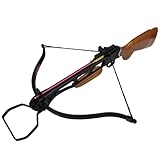
- ARS Mark8.0
ARS Mark is a ranking system developed by bestairriflescopes.com. ARS Mark has no relationship or impact from any manufacturers or sales agent websites. Learn more
- BrandSAS

- ARS Mark7.8
ARS Mark is a ranking system developed by bestairriflescopes.com. ARS Mark has no relationship or impact from any manufacturers or sales agent websites. Learn more
- BrandIsaazon

- ARS Mark6.6
ARS Mark is a ranking system developed by bestairriflescopes.com. ARS Mark has no relationship or impact from any manufacturers or sales agent websites. Learn more
- BrandKiller Instinct

- ARS Mark6.0
ARS Mark is a ranking system developed by bestairriflescopes.com. ARS Mark has no relationship or impact from any manufacturers or sales agent websites. Learn more
- BrandIsaazon

- ARS Mark2.0
ARS Mark is a ranking system developed by bestairriflescopes.com. ARS Mark has no relationship or impact from any manufacturers or sales agent websites. Learn more
- BrandIsaazon
Last update on 2025-11-16 / Affiliate links / Images, Product Titles, and Product Highlights from Amazon Product Advertising API
For many hunters, the big question isn’t just about gear, it’s about confidence. Picking the right size crossbow for deer can determine whether your hunt ends with a clean, ethical harvest or with frustration. A crossbow that’s too weak won’t provide enough penetration for a humane kill, while one that’s oversized can be awkward and reduce your shooting accuracy. Hunters want something that balances power, comfort, and control in real-world conditions.
Another key factor is stamina. Lugging around a heavy crossbow through thick woods or climbing into a tree stand can wear you down before you even spot a deer. On the other hand, compact and lighter setups are often easier to manage, especially for beginners or hunters with smaller frames. The right size doesn’t just impact your shot, it shapes the entire hunting experience.
Research backs this up. According to industry data, most hunters prefer a crossbow with 150–175 lbs draw weight and speeds of at least 300 FPS, because this balance ensures enough energy to pierce a deer’s vital areas. Yet, this isn’t a one-size-fits-all solution. A younger hunter, for example, may prioritize maneuverability, while a seasoned hunter might lean toward higher power for longer shots.
Choosing wisely means avoiding two major pitfalls: chasing maximum numbers that don’t fit your needs, and underestimating the importance of control. A deer hunt is often a waiting game, and the wrong crossbow size can cost you the chance you’ve been preparing for all season.
One of the most debated points is draw weight. Too low, and you risk not having enough penetration. Too high, and cocking the bow becomes exhausting, especially during long hunting sessions. Most states recommend or mandate at least 125 pounds of draw weight for deer hunting, but seasoned hunters often go for 150–175 pounds. This range ensures a clean kill without demanding excessive effort.
Hunters often ask, “Why not go higher if you can handle it?” The truth is that bigger isn’t always better. A crossbow with 200 pounds or more draw weight may sound impressive, but it comes with drawbacks. It’s harder to cock, heavier to carry, and can produce louder shots, which spook deer. Instead, focus on finding a draw weight that matches your physical strength and hunting environment.
Cocking devices can ease the strain, but even then, managing an overly powerful bow can wear down accuracy. A balanced draw weight ensures consistent shots, which is far more important than sheer numbers on paper. After all, accuracy kills, not statistics.
A hunter’s personal story often highlights this. Many report that moving from a 200 lb crossbow to a 165 lb model improved not just their comfort but their actual success rate. By cutting down on noise, improving handling, and making cocking manageable, they increased their chances of a clean, ethical harvest.
While draw weight sets the foundation, arrow speed is the other half of the equation. For deer hunting, a crossbow capable of shooting at least 300 FPS is widely considered the benchmark. This speed ensures bolts have the momentum to reach the deer’s vitals quickly and cleanly. Going faster, 350 FPS or more, can offer added insurance, especially for longer shots.
But speed alone doesn’t tell the whole story. Kinetic energy, measured in foot-pounds (ft-lbs), is what truly determines penetration. For deer, experts recommend at least 40 ft-lbs of kinetic energy, which most 150–175 lb crossbows achieve. Choosing a crossbow based only on speed risks overlooking this vital factor.
Interestingly, extremely high-speed crossbows can also magnify human error. A shaky release at 400 FPS can result in greater misses than a steady shot at 320 FPS. That’s why consistency and control should matter more than just chasing maximum speed.
According to surveys, most successful deer hunters use crossbows that combine balanced speed and energy rather than chasing extremes. This mix not only delivers reliable penetration but also makes the weapon easier to handle in real hunting scenarios.
The debate between compact and full-size crossbows is one that often splits hunters. Compact models are shorter, lighter, and easier to maneuver, making them ideal for tree stands or ground blinds. Hunters who navigate dense woods often praise them for their agility. However, compact designs sometimes trade off stability and may feel less balanced for longer-range shots.
On the flip side, full-size crossbows bring more heft, which can translate into greater stability during aiming. For hunters in open fields or those who prefer longer-distance shots, the extra size can be a strength rather than a burden. Yet, their bulk can be a disadvantage when stalking through brush or setting up in tight quarters.
Choosing between the two boils down to your hunting style. If you spend more time in cramped environments, compact crossbows may give you the upper hand. But if you hunt in wide-open spaces, the control of a full-size crossbow may prove invaluable. Both options can be effective as long as they align with your environment and shooting preferences.
Ultimately, this decision isn’t about which design is universally better. It’s about matching the crossbow to your terrain, comfort level, and strategy. Many hunters even keep one of each, switching depending on the conditions of the day.
Numbers on paper are one thing, but accuracy in the field is another. Even the fastest, most powerful crossbow won’t matter if you can’t hold it steady or aim comfortably after hours of waiting. Factors like balance, grip, and trigger pull often make or break performance.
Hunters frequently underestimate how much crossbow ergonomics influence accuracy. A poorly balanced bow that tips forward can exhaust your arms and throw off your aim. Similarly, a heavy, stiff trigger can cause jerky releases, leading to missed shots. These aren’t minor issues, they’re the difference between success and failure.
Control also extends to cocking. If you struggle to cock your crossbow quietly or consistently, you may spook deer before you even get the chance to aim. That’s why many hunters invest in models that provide smoother cocking mechanisms or rope cockers for added leverage.
Seasoned hunters often emphasize practicing with your chosen crossbow in real hunting positions. Whether kneeling in a blind or sitting in a tree stand, getting used to how your bow handles in these conditions can greatly improve accuracy. In short, comfort leads to confidence, and confidence leads to clean, ethical shots.
Before settling on what size crossbow for deer, hunters must consider state regulations. Many states set a minimum draw weight requirement, usually around 125 lbs, to ensure ethical harvests. Ignoring these rules doesn’t just risk fines; it compromises the responsibility every hunter carries toward the animal and the sport. By following these legal standards, you’re aligning with practices that protect both wildlife and hunting traditions.
Ethics go beyond numbers. A hunter with a 200 lb crossbow who takes a poor shot isn’t more ethical than one with a 150 lb bow who waits patiently for the right angle. The key is to ensure clean, humane kills. Choosing the correct size ensures bolts penetrate vital organs quickly, avoiding unnecessary suffering. This balance of legality and ethics reflects the true spirit of hunting.
Seasoned hunters often advise, “Don’t let pride choose your crossbow, let your purpose and principles decide.” That wisdom underscores why responsible choices matter just as much as accuracy and speed. Your gear is only as ethical as the decisions you make in the field.
Another critical factor in deciding crossbow size for deer is the environment you’ll be hunting in. Thick, brushy woods call for a compact, lightweight bow that’s easy to maneuver without catching on branches. Hunters who spend most of their time in tree stands also prefer shorter models for smoother aiming in tight quarters.
In contrast, open fields or clearings often reward hunters with larger, heavier crossbows. These provide stability when you’re aiming across longer distances, where even small movements can throw off accuracy. Full-size bows often feel more anchored, which can improve confidence in wide-open shots.
Terrain also affects carrying comfort. Trekking miles through rugged ground with a bulky crossbow quickly drains energy. This is why many hunters weigh not just the specs but also the practicality of carrying their gear all day. The best size is the one that helps you endure the entire hunt without fatigue stealing your focus.
By aligning your crossbow with your environment, you turn potential weaknesses into strengths. That’s how hunters maximize efficiency while keeping the hunt enjoyable instead of exhausting.
There’s a common misconception that faster always means better. While speed certainly matters, accuracy holds greater weight in real hunting scenarios. A bolt flying at 320 FPS with steady accuracy is far deadlier than a 400 FPS bolt that misses its mark. Many hunters chase high-speed numbers, only to find the extra power difficult to control.
Experts often highlight that accuracy is about muscle memory and control. Crossbows with moderate speeds still deliver the necessary kinetic energy for deer, but their smoother handling reduces the margin of error. In fact, archery coaches often recommend prioritizing accuracy drills over speed obsessions.
This doesn’t mean speed is irrelevant. In open terrain, higher FPS helps counter crosswind drift and extends effective range. But hunters must weigh whether the trade-offs, heavier limbs, louder shots, and reduced control, are worth it.
The real winning formula is balance. A well-sized crossbow with consistent accuracy always outperforms raw speed that’s hard to manage. This perspective keeps hunters grounded and focused on what truly matters: making each shot count.
Sometimes the best way to decide what size crossbow for deer is by listening to those who’ve walked the trail before. Experienced hunters often stress comfort and handling over raw specifications. They’ll tell you stories about downsizing their gear, only to see improved accuracy and higher success rates.
One seasoned bowhunter shared how switching from a 200 lb, 400 FPS crossbow to a 165 lb, 330 FPS model changed his hunts. Not only did his accuracy improve, but he also found himself less fatigued after hours in the stand. That real-world insight carries more weight than any catalog description.
Community forums and hunting clubs echo similar sentiments. Hunters repeatedly mention that confidence in your crossbow’s size trumps chasing specs that look good on paper. These lessons remind newcomers that a bow tailored to their strength and style always wins over brute force.
Learning from others also helps you avoid costly mistakes. Instead of buying into marketing hype, you’ll build decisions around practical experience, ethical hunting, and personal comfort, all vital for consistent success.
At the end of the day, the debate about what size crossbow for deer boils down to one word: balance. A crossbow must carry enough draw weight to ensure penetration, enough speed to guarantee a clean kill, and enough comfort to allow accuracy under pressure. Missing any of these three factors can lead to frustration, or worse, unethical hunting.
The sweet spot for most hunters lies between 150–175 lbs draw weight with speeds around 300–350 FPS. This range balances power and usability for both beginners and seasoned hunters alike. But even within this range, choices depend on environment, body strength, and hunting strategy.
Hunters who prioritize compactness will thrive in dense woods, while those favoring full-size stability may excel in open terrain. The most important thing is selecting a bow that feels right in your hands and allows you to shoot confidently. Confidence is the true weapon in every hunt.
By focusing on ethical responsibility, personal comfort, and real-world performance, hunters can make informed choices that elevate their entire experience. The right size crossbow isn’t just a tool, it’s a partner that ensures every hunt is meaningful, respectful, and successful.


12 Best 22 Pcp Air Rifle For Hunting of 2026 With Quiet Power

7 Best 22 Pcp Air Rifle Under 300 of 2026 For Backyard Pest Control

10 Best 22 Break Barrel Air Rifles of 2026 For Backyard Pest Control

10 Best 30 Caliber Pcp Air Rifle of 2026 For Medium Game

Top Best 177 Air Rifle Under 100: Budget-Friendly Picks for 2026

How to Safely Reload Shotgun Shells at Home

11 Best Co2 Air Rifle For Pest Control of 2026 To Ensure Humane Dispatch

12 Best Inexpensive Air Rifles of 2026 For Dependable Backyard Accuracy






