
What Size Pin Should You Use for a Bow Sight?

Most archers assume the smallest possible aiming dot leads to tighter groups, but shrinking your pin too much often causes more missed shots than it prevents. For almost everyone, a 0.019-inch pin is the best all-around choice. It gives you a clear aiming point without vanishing when the woods get dim or covering up your target at standard hunting ranges.
A few practical factors can still tip your choice in a different direction. Long-range shooting past forty yards calls for a finer 0.010-inch pin so the dot does not block the bullseye. Dark timber at sunset often favors a thicker 0.029-inch pin that stays bright in deep shadows. Personal eyesight plays a role too, because very bright pins can blur into wide halos for older eyes. Here is how to weigh your typical distances, shooting light, and vision to pick the right size.
The Short Version
- 0.019 inches is the standard pick: This diameter gives you the best balance between brightness and clean target visibility for shots inside 40 yards.
- 0.010 inches fits long range and precision: A fine pin covers less of the target at 50 or 60 yards, making it great for open country, 3D archery, and small targets.
- 0.029 inches helps in dark woods: A thick, bold pin gathers extra light, making it easier to see in heavy timber or ground blinds when shots stay close.
- You can mix pin sizes on one sight: Many hunters run larger 0.019-inch pins at the top for quick close shots, then switch to smaller 0.010-inch pins at the bottom for long-range precision.
The Standard Pick: Why 0.019 Inches Fits Most Archers
If you buy a compound bow sight right off the shelf today, chances are it comes fitted with 0.019-inch pins. Manufacturers use this size as their default for a simple reason. It strikes a practical middle ground between light-gathering power and a clean sight picture.
Each pin holds a fiber optic, which is a colored plastic strand that gathers light from your surroundings and channels it to the tip facing your eye. A 0.019-inch strand has enough surface area to catch ambient daylight, so your aiming dot glows brightly without needing battery power. At the same time, the tip remains narrow enough that it does not swallow your target at common hunting distances.
For shots between 15 and 35 yards, a 0.019-inch pin gives you an immediate, sharp reference point. You can drop the dot right into the vitals of a deer or the center ring of a foam target without feeling like the pin is getting in your way. It allows you to draw your bow, settle your eye, and release cleanly without second-guessing your hold.
Unless you know you have unique shooting needs, like shooting past 50 yards regularly or hunting inside pitch-black ground blinds, starting with 0.019-inch pins is the safest and most reliable choice for your bow setup.
Pin Size Comparison: 0.010 vs 0.019 vs 0.029 Inches
Sight pins are measured by their outer diameter in fractions of an inch. While the numbers look tiny on paper, the difference between them becomes obvious the moment you look through a peep sight at full draw.
The 0.010-Inch Pin
This is the smallest pin size commonly used on modern archery sights. Target archers and Western spot-and-stalk hunters favor this size because it creates a pinpoint aiming reference. When you aim at an animal standing 50 yards away, a 0.010-inch dot leaves nearly the entire vital area visible around it.
The trade-off comes down to light gathering. Because the plastic fiber is so thin, it collects much less sunlight than thicker strands. In thick woods at twilight, an unlit 0.010-inch pin can quickly fade into a dull gray speck that is tough to pick up against dark fur.
The 0.019-Inch Pin
This is the all-around workhorse of the archery world. It offers roughly twice the surface area of a 0.010-inch fiber, meaning it stays visibly bright much earlier in the morning and later in the evening. It provides plenty of precision out to 40 yards, which covers the vast majority of bowhunting situations.
The only downside is slight target coverage at extended ranges. When you push your shots out past 50 or 60 yards, a 0.019-inch pin starts to hide smaller bullseyes, which can make fine group shooting more challenging.
The 0.029-Inch Pin
This is the largest standard pin size you will encounter on modern sights. Years ago, almost every bow sight used 0.029-inch pins because older fiber optics were not efficient at collecting light. Today, this size is mostly reserved for specialized close-range setups.
A 0.029-inch pin gathers an immense amount of light, creating a blazing aiming bead that catches your eye instantly. But it has a noticeable downside. The thick post and large dot cover a large patch of your target, which makes precise arrow placement difficult past 30 yards.
Target Coverage and Shooting Distance: Keeping Distant Targets Visible
The main reason pin size matters is target coverage, which simply means how much of the target the aiming dot blocks from your view. The further away a target stands, the smaller it appears to your eye, but your sight pin stays the exact same size inside your sight housing.
Think of it like holding a coin out at arm's length. If you hold a dime in front of a tree 10 yards away, you can still see the trunk and branches all around it. If you hold that same dime up against a barn 100 yards away, the coin blocks the entire barn door from your sight. That is exactly what happens with bow sight pins.
At 20 yards, a 0.029-inch pin covers only about an inch of target space. You can shoot accurately because you still see plenty of the scoring ring or vital area around the dot. But stretch that shot to 50 yards, and that same 0.029-inch pin can easily cover six to eight inches of target, completely hiding the center ring.
When you focus on how to use a bow sight with steady accuracy, you need to see the exact spot you want your arrow to hit. If your aiming dot hides the entire chest cavity of a game animal, your brain has to guess where the center is. A 0.010-inch or 0.019-inch pin keeps distant targets visible, allowing you to pick a single tuft of hair or a specific scoring line for a cleaner shot.
Low-Light Brightness: Balancing Fiber Visibility Against Sight Clutter
Most big game hunting happens during the first and last thirty minutes of legal daylight. In heavy timber, tree cover cuts down ambient light even faster, creating dark shadows on the forest floor well before the sun actually dips below the horizon.
Setting up your gear with a proper bow sight for treestand hunting requires you to think about how pins react to low light. A thick 0.029-inch fiber optic captures stray light from above the canopy and stays bright long after thin fibers dim out. If you routinely take close shots in deep river bottoms or thick pine forests, that extra light-gathering power can make the difference between seeing your pin and losing your sight picture.
Too much brightness creates its own problems, however. If a large pin glows too intensely in dim woods, your eye naturally focuses on the blazing dot rather than looking through the sight at the animal behind it. The animal fades into a dark blur while the pin blinds your pupil.
A 0.019-inch pin avoids this issue for most shooters. It stays visible during legal hunting hours without creating excessive glare. If you prefer the fine aim of a 0.010-inch pin for hunting, you can use an adjustable sight light to illuminate the fiber optic when natural light fades, keeping the dot visible without making it blot out your target.
Mixing Pin Sizes: Using Larger Top Pins and Smaller Bottom Pins
You do not have to pick just one pin size for your entire sight. If you use a multi-pin sight, which is a sight housing with several aiming dots for different yardages, you can mix different pin diameters to get the benefits of each.
Many experienced bowhunters build a staggered pin setup. You use a thicker, brighter pin for your closest yardage marks where speed matters most, and smaller pins for your bottom yardages where pinpoint accuracy is critical.
Here is a simple checklist for setting up a staggered multi-pin sight:
- 20-yard pin: Use a 0.019-inch pin (or even a 0.029-inch pin) for your top distance. This gives you a bright, quick-to-acquire aiming point for fast shots in tight cover.
- 30-yard pin: Use a 0.019-inch pin to keep a consistent sight picture across your standard hunting range.
- 40-yard pin: Select a 0.019-inch or a 0.010-inch pin, depending on whether you hunt thick timber or open fields.
- 50 and 60-yard pins: Drop down to 0.010-inch pins for your bottom marks. These fine dots will not obscure the vital area or target face at long distances.
- Housing clearance check: Make sure your pins have enough vertical spacing inside the housing so the different sizes do not bleed together into a cluttered stack.
Eyesight Checks: Managing Pin Blur and Halos
Your own eyesight plays a massive role in choosing the right pin diameter. What looks like a crisp, razor-sharp dot to a teenager might look like a messy blob to someone in their forties or fifties.
A common issue archers face is a starburst, which is a blurry halo around a bright aiming dot. This happens when bright light scatters inside the eye, often caused by natural aging of the eye lens or minor astigmatism. When a fiber optic pin is too large or too bright, that starburst can double the apparent size of the dot, obscuring your view of the target.
If you see a fuzzy flare around your sight pin, dropping to a smaller diameter often cleans up your sight picture immediately. Switching from a 0.029-inch pin to a 0.019-inch or 0.010-inch pin reduces the total volume of light hitting your pupil, which helps your eye focus on a sharp, distinct point.
You can also check your peep sight aperture, which is the small opening set into your bowstring. Just like narrowing the aperture on a camera lens sharpens the depth of field, using a slightly smaller peep sight helps sharpen a blurry pin. Balancing a smaller peep with a 0.019-inch green or yellow fiber often gives older eyes the cleanest, most comfortable aiming picture.
What to Check Before Buying Sights or Replacement Pins
When you are ready to buy a new bow sight or swap out individual pins, check the hardware details to ensure everything mounts cleanly to your setup. Bow sights undergo intense vibration with every release, so sturdy construction matters just as much as pin diameter.
Look for sights built with machined metal housings and well-protected fiber tracks. Plastic pins or exposed fibers that wrap around the outside of the sight ring can snap if you brush against thick briars or tree limbs. Sights with fully enclosed fiber tracks keep the colored plastic strands protected while still letting ambient light reach the material.
Before buying individual replacement pins, check the mounting track width in your current sight housing. Common pins use standard slot widths, but thread sizes and slot clearances vary by manufacturer. You need to verify that replacement posts match your specific sight bracket before ordering.
Whenever you mount a new sight or swap pins, handle your bow safely. Make sure the bow is unstrung or fully relaxed if working on internal components, and use proper hex wrenches to tighten your hardware. Applying a tiny drop of blue thread-locking fluid to your mounting screws prevents bow vibration from shaking your windage and elevation settings loose in the field.

- ARS Mark10.0
ARS Mark is a ranking system developed by bestairriflescopes.com. ARS Mark has no relationship or impact from any manufacturers or sales agent websites. Learn more
- BrandElkrich

- ARS Mark10.0
ARS Mark is a ranking system developed by bestairriflescopes.com. ARS Mark has no relationship or impact from any manufacturers or sales agent websites. Learn more
- BrandThe Lord of the Tools
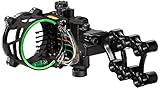
- ARS Mark9.4
ARS Mark is a ranking system developed by bestairriflescopes.com. ARS Mark has no relationship or impact from any manufacturers or sales agent websites. Learn more
- BrandTrophy Ridge

- ARS Mark9.4
ARS Mark is a ranking system developed by bestairriflescopes.com. ARS Mark has no relationship or impact from any manufacturers or sales agent websites. Learn more
- BrandDuoduole
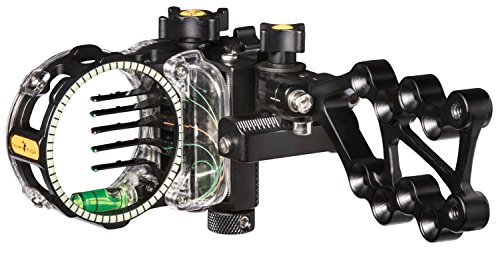
- ARS Mark9.2
ARS Mark is a ranking system developed by bestairriflescopes.com. ARS Mark has no relationship or impact from any manufacturers or sales agent websites. Learn more
- BrandTrophy Ridge

- ARS Mark8.6
ARS Mark is a ranking system developed by bestairriflescopes.com. ARS Mark has no relationship or impact from any manufacturers or sales agent websites. Learn more
- BrandTrophy Ridge
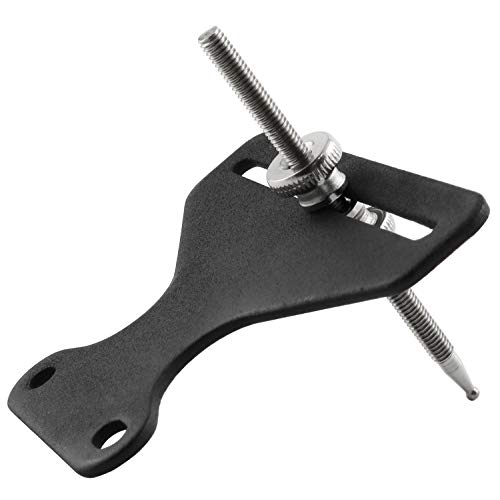
- ARS Mark8.2
ARS Mark is a ranking system developed by bestairriflescopes.com. ARS Mark has no relationship or impact from any manufacturers or sales agent websites. Learn more
- BrandSQXBK

- ARS Mark8.0
ARS Mark is a ranking system developed by bestairriflescopes.com. ARS Mark has no relationship or impact from any manufacturers or sales agent websites. Learn more
- BrandBICASTER
- ARS Mark6.6
ARS Mark is a ranking system developed by bestairriflescopes.com. ARS Mark has no relationship or impact from any manufacturers or sales agent websites. Learn more
- BrandKURUGEILI
Last update on 2026-10-02 / Affiliate links / Images, Product Titles, and Product Highlights from Amazon Product Advertising API
Frequently Asked Questions
What color fiber optic pin is easiest to see in low light?
Green is the easiest color for the human eye to see in dim conditions. Human eyes process green light wavelengths more efficiently than red or amber, making green pins appear brighter at dawn and dusk. Yellow is a close second, while red fibers tend to look dark and fade out fastest as natural light drops.
Can you change the pin size on your current bow sight?
Yes, many multi-pin sights allow you to loosen the pin mounting screws and slide in replacement pins of different diameters. You must check that the replacement pin fits your sight housing slot width and uses the correct thread pattern. If your sight has fixed molded pins, however, you will need to replace the entire sight housing to change sizes.
Is a 0.010-inch pin too small for whitetail deer hunting?
A 0.010-inch pin works well for deer hunting if you hunt open fields or use an auxiliary sight light in low light. In deep timber or heavily shaded tree stands, an unlit 0.010-inch pin can become difficult to spot against dark deer hair at twilight. For most woodland deer hunters, a 0.019-inch pin provides a more dependable glow without washing out.
Why does my sight pin disappear against an animal in low light?
A pin disappears when its color and brightness blend into the background. Red fibers frequently blend into brown deer hide in low light because red loses contrast quickly as light fades. Switching to a bright green 0.019-inch fiber creates strong contrast against dark animals, keeping your aiming point distinct right up to the end of legal shooting hours.


12 Best 22 Pcp Air Rifle For Hunting of 2026 With Quiet Power

7 Best 22 Pcp Air Rifle Under 300 of 2026 For Backyard Pest Control

10 Best 22 Break Barrel Air Rifles of 2026 For Backyard Pest Control

10 Best 30 Caliber Pcp Air Rifle of 2026 For Medium Game

Top Best 177 Air Rifle Under 100: Budget-Friendly Picks for 2026

How to Safely Reload Shotgun Shells at Home

11 Best Co2 Air Rifle For Pest Control of 2026 To Ensure Humane Dispatch

12 Best Inexpensive Air Rifles of 2026 For Dependable Backyard Accuracy






