
What To Put On Airsoft Battle Belt Without Overloading

What to put on airsoft battle belt sounds simple at first, but wow, plenty of setups turn into a bulky mess after just one skirmish. Extra pouches, random tools, oversized dump bags, and unnecessary gadgets can slow movement fast. A battle belt should help you move cleaner, reload quicker, and stay focused instead of constantly adjusting loose gear. Smart placement matters more than stuffing every empty inch with accessories.
Magazine pouches usually become the backbone of a reliable setup. Most players prefer keeping rifle magazines on the support-hand side because reloads feel more natural under pressure. Pistol mag pouches also deserve careful positioning since awkward placement creates fumbling during close encounters. A streamlined arrangement keeps muscle memory sharp and reduces those frustrating “Where the heck is my mag?” moments.
Comfort changes everything during longer outdoor games. Heavy gear hanging unevenly around the waist starts digging into hips and lower back after several rounds. Slim medical pouches, lightweight dump pouches, and compact utility holders help maintain balance without turning the belt into dead weight. Small adjustments often make a bigger impact than buying expensive tactical extras.
Dump pouches spark debate all the time, honestly. Some players love large folding versions for quick mag retention, while others hate the swinging bulk during sprinting. Compact foldable designs usually strike a better middle ground because they stay tucked away until needed. Less bounce means fewer distractions while pushing through tight corners or wooded terrain.
Hydration and quick access tools also deserve attention, though not every item belongs directly on the belt. Multi-tools, dead rags, gloves, or small flashlights work best when placed where they won’t interfere with kneeling or crawling. Overloaded side panels often catch on barriers, door frames, and vegetation. Keeping critical items accessible without crowding movement zones makes gameplay smoother and less irritating.
Holsters can either improve mobility or completely ruin it. A properly mounted pistol holster should stay stable during running while still allowing a fast draw under stress. Drop-leg setups sometimes look cool, sure, but many players eventually switch back to mid-ride or belt-mounted systems because they move more naturally. Stability usually beats flashy setups once matches become physically demanding.
What to put on airsoft battle belt also depends heavily on play style and field layout. Indoor CQB players often lean toward lighter setups with fewer magazines and smaller utility pouches. Outdoor games usually require extra ammo, hydration support, and weather-related essentials. Adapting the belt to actual conditions prevents wasted space and reduces fatigue throughout the day.
Minimalism wins more often than people expect. Carrying only what gets used regularly keeps movement faster and reactions sharper. A battle belt shouldn’t feel like hauling a toolbox around the field. Balanced gear placement, practical pouch selection, and realistic load management create a setup that feels natural instead of exhausting halfway through the match.
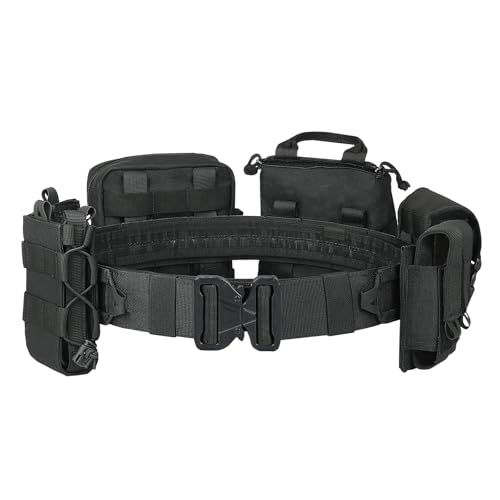
- ARS Mark9.6
ARS Mark is a ranking system developed by bestairriflescopes.com. ARS Mark has no relationship or impact from any manufacturers or sales agent websites. Learn more
- BrandPIKEON

- ARS Mark9.0
ARS Mark is a ranking system developed by bestairriflescopes.com. ARS Mark has no relationship or impact from any manufacturers or sales agent websites. Learn more
- BrandYAY YAKEDA
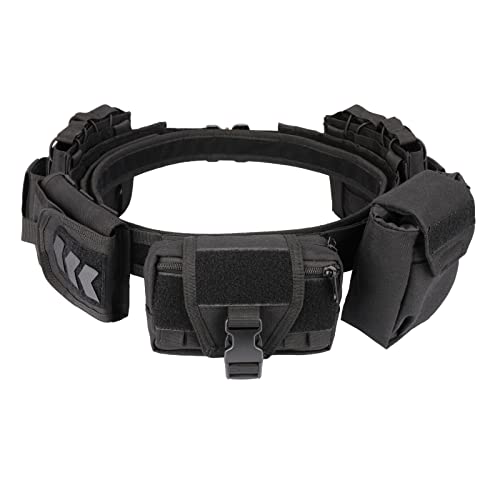
- ARS Mark9.0
ARS Mark is a ranking system developed by bestairriflescopes.com. ARS Mark has no relationship or impact from any manufacturers or sales agent websites. Learn more
- BrandYAY YAKEDA
- ARS Mark8.8
ARS Mark is a ranking system developed by bestairriflescopes.com. ARS Mark has no relationship or impact from any manufacturers or sales agent websites. Learn more
- BrandBOMTURN

- ARS Mark8.8
ARS Mark is a ranking system developed by bestairriflescopes.com. ARS Mark has no relationship or impact from any manufacturers or sales agent websites. Learn more
- BrandYAY YAKEDA

- ARS Mark8.6
ARS Mark is a ranking system developed by bestairriflescopes.com. ARS Mark has no relationship or impact from any manufacturers or sales agent websites. Learn more
- BrandYouchingWld
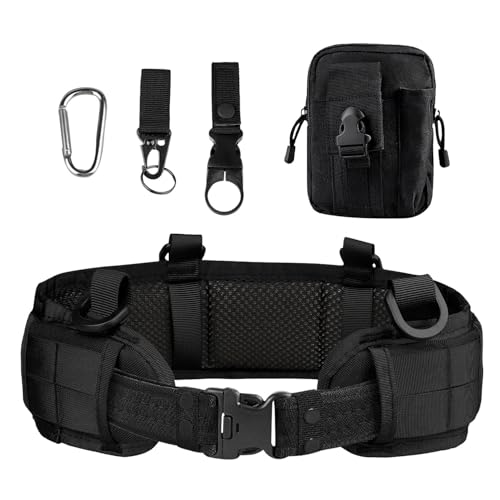
- ARS Mark8.6
ARS Mark is a ranking system developed by bestairriflescopes.com. ARS Mark has no relationship or impact from any manufacturers or sales agent websites. Learn more
- BrandYrhrol

- ARS Mark8.4
ARS Mark is a ranking system developed by bestairriflescopes.com. ARS Mark has no relationship or impact from any manufacturers or sales agent websites. Learn more
- BrandHLYQE

- ARS Mark8.0
ARS Mark is a ranking system developed by bestairriflescopes.com. ARS Mark has no relationship or impact from any manufacturers or sales agent websites. Learn more
- BrandYouchingWld
Last update on 2026-06-02 / Affiliate links / Images, Product Titles, and Product Highlights from Amazon Product Advertising API
What To Put On Airsoft Battle Belt
Running through a field with gear bouncing everywhere gets old fast. A overloaded waist setup can ruin reload speed, slow movement, and leave bruises on your hips before the match even heats up. Plenty of players start stacking random pouches onto what to put on airsoft battle belt without realizing how badly poor placement affects mobility. A smart layout feels balanced, quick to access, and comfortable enough to forget about once the action starts.
Build Around Fast Reload Access
Magazine placement shapes almost every movement during a match. Rifle mags sitting too far behind the hip force awkward twisting that burns time during reloads. Most experienced players keep primary magazines on the support-hand side because reload consistency matters more than squeezing extra pouches onto the belt. Smooth muscle memory beats carrying excessive ammo every single time.
Retention style also changes the overall feel of the setup. Open-top mag pouches provide faster access, but they may loosen during aggressive sprinting or sliding. Elastic retention tends to feel quieter and slimmer than hard-shell systems, especially in tighter indoor fields. Players who crawl often appreciate low-profile pouches because bulky designs press awkwardly into the stomach and thighs.
Spacing between pouches matters more than many people expect. Cramming magazines tightly together can create snagging during quick reloads. Leaving slight gaps helps fingers grab cleanly under pressure without fumbling. Small layout tweaks usually improve reload speed more than buying expensive tactical accessories.
Indoor CQB setups often work best with fewer magazines on the belt itself. Outdoor players may carry additional rifle mags, but even then, balance becomes critical. Heavy reload-side weight eventually pulls the belt unevenly during long sessions. Tight positioning and realistic load management keep movement sharp instead of exhausting.
Keep Weight Balanced Across The Waist
Uneven setups create fatigue way earlier than expected. A heavy pistol, several rifle mags, and oversized utility pouches stacked on one side can constantly drag the belt downward. That irritation builds gradually until sprinting and crouching feel clumsy. Balanced gear placement supports comfort, especially during long outdoor games with uneven terrain.
Minimalist setups usually outperform overloaded ones for a reason. Every extra pouch adds friction against door frames, barriers, and vegetation. Slim utility storage helps maintain mobility without turning the waistline into a crowded toolbox. Plenty of players eventually remove half their accessories after realizing they barely use them during actual matches.
Battle belts should stay stable while moving aggressively. Loose belts slide upward while running or kneeling, which becomes frustrating fast. Inner belt systems and lightweight suspenders help distribute weight more evenly across the body. Stable gear placement improves movement efficiency without constantly requiring adjustments between rounds.
Long games expose weak setups quickly. Pressure points near the hips and lower back become obvious after hours of movement. Lightweight materials and properly spaced gear reduce unnecessary strain during extended sessions. Strong balance keeps players focused on positioning and communication instead of fighting their own equipment.
Choose A Practical Dump Pouch
Dump pouches look simple, yet they can either help tremendously or become annoying dead weight. Large floppy designs swing around while running and catch on obstacles constantly. Compact foldable dump pouches stay tucked away until needed, which helps preserve mobility. Less movement around the legs creates a cleaner feel during fast transitions.
Reload habits influence dump pouch size more than people realize. Fast-paced CQB games often involve frequent magazine swaps, so quick retention becomes useful. Outdoor milsim setups may prioritize ammo preservation instead of rapid reload dumping. Tailoring the pouch size to actual gameplay prevents unnecessary bulk.
Placement matters just as much as pouch style. Dump pouches mounted directly behind the hip generally stay out of the way while still remaining accessible. Hanging them too far rearward creates awkward arm movement during reloads. Smart positioning supports natural hand motion without forcing exaggerated reaching.
Some players skip dump pouches completely, honestly. Speed reloads straight into pockets can work fine for shorter games with fewer magazines. But during longer matches, dedicated retention storage keeps reload areas organized and reduces lost gear. Compact utility often beats oversized storage solutions.
Holster Position Can Make Or Break Mobility
Pistol placement affects movement more than flashy marketing ever admits. Drop-leg holsters may look aggressive, but they often shift during running and snag while crouching. Mid-ride or direct belt-mounted holsters usually feel tighter and more controlled during active movement. Strong draw stability matters far more than appearance once adrenaline kicks in.
Retention systems should feel secure without slowing access. Overly stiff retention mechanisms can create awkward delays during stressful moments. Adjustable retention allows players to balance safety with accessibility based on field style and personal preference. Fast draws depend heavily on consistent hand positioning and clean movement paths.
Holster angle deserves more attention than people give it. Slight forward cant positioning often improves natural wrist alignment during draws. Straight vertical setups may feel cleaner for some body types and gear layouts. Tiny adjustments can completely change comfort levels during repeated movement.
Heavy pistols eventually exaggerate weak belt setups. Poor support causes bouncing and instability during sprints or quick directional changes. Reinforced mounting systems reduce shifting while protecting the waist from pressure hotspots. Better stability keeps focus centered on gameplay instead of constantly fixing gear placement.
Medical Gear Needs Quick Access
Medical pouches shouldn't become buried under random accessories. Fast access matters during intense games where quick treatment saves time and reduces confusion. Compact IFAK-style pouches mounted toward the rear support side usually provide easy reach without interfering with movement. Reliable access improves field readiness without cluttering primary reload zones.
Oversized medical kits create unnecessary weight for most airsoft environments. A practical setup normally includes essentials like bandages, tape, gloves, and basic trauma supplies. Keeping the pouch slim helps preserve mobility during crawling and kneeling. Smart organization beats stuffing the pouch with rarely used extras.
Bright pull tabs or clearly marked identifiers help teammates locate medical gear quickly. Stressful situations create tunnel vision, so visible organization matters more than tactical aesthetics. Compact medical placement supports both efficiency and teamwork during larger field events. Accessibility remains one of the most important safety factors in any loadout.
Separate your support gear logically. Medical supplies should never compete for space with magazines or utility tools. Organized layouts reduce hesitation during chaotic moments. Functional placement keeps the belt cleaner, lighter, and easier to manage during long sessions.
Utility Pouches Need Real Purpose
Random utility pouches often become clutter magnets. Tossing every small accessory onto the belt creates unnecessary weight and wasted space. Multi-tools, dead rags, gloves, and compact flashlights deserve placement only if they actually get used regularly. Practical setups prioritize efficiency over tactical appearance.
Small zippered pouches usually work better than oversized general-purpose bags. Large pouches encourage overpacking, which adds weight surprisingly fast. Compact storage forces smarter gear choices and reduces unnecessary movement restriction. Lean setups feel faster and cleaner during aggressive gameplay.
Placement should avoid interfering with crouching and prone movement. Bulky side-mounted utility storage often presses awkwardly against barriers or catches on narrow doorways. Slim rear-side mounting tends to preserve mobility more effectively. Functional positioning supports smoother transitions between standing, kneeling, and crawling.
Weather conditions can change utility needs dramatically. Outdoor fields may require extra batteries, lens wipes, or rain protection supplies. Indoor arenas usually reward lighter setups with minimal extras. Adaptable gear layouts prevent carrying unnecessary items through every match.
Field Conditions Should Shape Your Setup
Indoor and outdoor fields demand completely different belt configurations. Tight CQB arenas usually reward lightweight setups focused on speed and fast reload access. Outdoor woodland games often require additional magazine storage and support equipment. Adjusting what to put on airsoft battle belt based on actual field conditions keeps movement cleaner and fatigue lower.
Dense woodland terrain punishes oversized setups quickly. Long pouches and dangling accessories constantly catch on branches and brush. Slim configurations help players move quietly while reducing frustration during navigation. Lower-profile gear improves both comfort and stealth across uneven terrain.
Urban-style fields create different problems entirely. Tight corners and narrow hallways expose poor holster placement and bulky side storage immediately. Compact loadouts support faster directional changes during aggressive room clearing. Cleaner movement patterns help maintain momentum during close-range encounters.
Weather also changes how gear behaves throughout the day. Wet conditions increase belt slippage and can soften certain pouch materials. Reinforced mounting systems and water-resistant fabrics help maintain reliability during muddy or humid matches. Practical preparation often matters more than stacking expensive tactical accessories.
Explore smarter outdoor gear setups with best compound bow for field archery if your loadout priorities also extend into longer range field sports.
Optimizing Gear Placement On Airsoft Battle Belt
Keeping movement fluid in tight skirmishes requires more than random pouch stacking. Poorly positioned gear slows reaction times and makes long matches exhausting. Strategic choices in what to put on airsoft battle belt enhance agility while keeping essentials within reach. Thoughtful organization ensures every hand movement serves a purpose rather than compensating for cluttered placement.
Positioning Secondary Weapons And Tools
Pistols and sidearms demand stability and quick accessibility. Placement on the dominant side often improves draw speed and comfort during dynamic movement. Drop-leg setups can offer style, but mid-ride or belt-mounted holsters usually stay secure during running, crouching, and sliding. Reinforced mounting ensures the weapon remains steady while maintaining rapid access.
Multi-tools and small flashlights complement sidearms if organized strategically. Tucking them toward the rear minimizes interference with primary reloads. Overcrowding near the front causes awkward motion and slows reaction times. Practical separation of gear improves efficiency across varied scenarios.
Spacing between pouches prevents catching or snagging on obstacles. Slight gaps allow smooth, instinctive hand movement during stressful engagements. A belt that remains balanced and ergonomic reduces strain on the lower back and hips. Focused layout creates a faster, cleaner operational flow during matches.
Quality retention and adjustable straps are crucial. They support consistent hand placement and minimize wobble during aggressive movements. Optimal configurations make quick decisions feel natural instead of forced. Stability in secondary weapon placement enhances both confidence and performance.
Integrating Compact Utility And Ammo Pouches
Utility pouches often accumulate clutter if not managed properly. Carrying only frequently used items reduces belt weight and preserves speed. Slim, well-positioned pouches keep critical gear within easy reach while avoiding interference with reload zones. Streamlined arrangements enhance mobility and reduce fatigue.
Compact ammo pouches are essential for sustained engagements. Overstuffed compartments hinder smooth access and slow reaction times. Elastic or modular systems hold magazines securely while allowing rapid extraction. Effective placement supports consistent reloads without added effort.
Consider terrain and game type when placing utility and ammo. Outdoor fields often require additional rifle mags and hydration, whereas indoor CQB benefits from minimalism. Properly positioned pouches improve field readiness without unnecessary weight. The right balance between storage and accessibility supports prolonged comfort and efficiency.
Adapting pouch layout based on movement patterns reduces awkward reaches. Vertical stacking may work for some players, while side-by-side arrangements enhance natural hand motion for others. Personalized placement ensures every gesture is optimized for fast, instinctive action.
Optimizing Medical Kit Access
Emergency medical supplies must remain instantly reachable. A dedicated pouch located toward the rear or slightly lateral ensures quick access without interference. Slim profiles reduce weight while keeping essential items like bandages, gloves, and tape handy. Organized layouts boost field safety and prevent scrambling under pressure.
Clear identification and pull tabs minimize confusion during high-stress moments. Quick recognition supports team efficiency and individual responsiveness. Properly organized kits allow rapid treatment without disrupting gameplay. Maintaining readiness enhances overall match performance.
Weatherproofing medical kits protects contents during rain or humidity. Water-resistant materials keep bandages dry and equipment functional. Minor design details like durable zippers and reinforced seams extend the pouch’s lifespan. Functional preparation contributes to reliability in unpredictable conditions.
Placement should avoid hindering prone or kneeling movements. Properly positioned kits keep essential items accessible while maintaining clean motion paths. This careful planning reduces unnecessary strain and allows focus on the game. Strategic medical integration enhances both safety and efficiency.
Adjusting Belt For Comfort And Stability
Padded inner belts or suspenders help distribute load evenly, reducing fatigue. Proper weight distribution across the waist prevents downward dragging and preserves natural movement. Stability improves reaction time and prevents injury over prolonged matches. Balancing gear ensures comfort while maintaining operational effectiveness.
Regular adjustment before and during matches maintains proper tension. As gear shifts, small tweaks keep pouches aligned and prevent slippage. Consistent placement supports muscle memory during high-pressure scenarios. Minor adjustments contribute to sustained performance.
Environmental factors influence belt stability. Humidity, rain, or mud can affect strap grip and pouch friction. Reinforced materials and water-resistant fabrics help maintain alignment and comfort. Strong construction ensures dependable operation across varied conditions.
Integrating lightweight accessories reduces overall strain. Compact tools and minimalistic designs enhance comfort while keeping functionality intact. Balanced belts allow more agile movement and less energy spent adjusting gear. Proper ergonomics reinforce field readiness throughout every engagement.
Field-Adaptable Gear Configuration
Matching belt loadout to specific field conditions enhances performance. Indoor tight corridors benefit from compact setups, while outdoor woodland scenarios demand extra magazines and hydration. Tactical flexibility ensures the belt supports mobility rather than restricting it.
Modular systems allow swapping pouches based on mission duration and environment. Quick-detach components improve adaptability without permanent modifications. Adjustments support efficient transitions between game styles and field layouts. The right configuration increases comfort and operational capacity.
Layering considerations optimize comfort and accessibility. Light belts under a vest or harness system distribute weight and maintain natural balance. Even minor ergonomic tweaks significantly affect long-term performance. Properly configured systems emphasize stability and ease of use.
Gear layouts can incorporate specialized equipment based on game requirements. Extra tools or sighting devices should be placed strategically to minimize interference. Organized and logical distribution improves reaction time and overall efficiency. Strategic configuration enhances both tactical and physical performance.
Incorporating Optics And Accessories
Small optics like red-dot sights or laser pointers sometimes integrate into the belt. Mounting accessories should not interfere with holsters or reload pouches. Accessibility and minimal obstruction are the primary priorities. Effective placement improves tactical versatility without overloading the belt.
Compact accessories reduce clutter and preserve agility. Overcrowding creates unnecessary friction with other gear. Lightweight, modular solutions enhance mobility while maintaining functionality. Proper planning ensures smooth integration into existing layouts.
Position optics for rapid acquisition. Quick adjustments between scenarios are easier when mounted ergonomically. Consistency in placement reinforces muscle memory and reduces mental load during matches. Small details have outsized impact on field effectiveness.
Players often prefer detachable options for field customization. Removable units allow swapping based on mission type or game duration. Flexibility ensures the belt remains adaptable without compromising efficiency. Strategic accessory integration supports performance and comfort simultaneously.
Hydration And Energy Considerations
Water carriers integrated into belts should maintain low profile to prevent imbalance. Proper placement avoids interference with prone positions or quick directional changes. Hydration support enhances stamina during extended engagements. Lightweight reservoirs prevent added fatigue.
Quick-access pouches for energy snacks or gels allow players to sustain focus without searching through packs. Optimized placement supports efficiency in movement-intensive matches. Streamlined systems prevent distractions and support sustained performance.
Modular hydration components allow swapping based on game type. Short matches may not require full reservoirs, while longer outdoor sessions benefit from extra water. Flexibility ensures consistent comfort and prevents unnecessary load. Adaptable systems balance endurance and mobility.
Hydration pouches with durable clips reduce shifting and bounce during movement. Secure attachments preserve balance and prevent interference with other gear. Consistent positioning maintains ergonomic support and natural movement throughout matches. Proper planning enhances field performance and reduces strain.
Upgrade your gear strategy by exploring best hoyt bow for women for complementary accuracy and handling improvements in field exercises.
Consider enhancing tactical sight alignment with best ar sight under 200 to improve quick targeting and precision during skirmishes.


12 Best 22 Pcp Air Rifle For Hunting of 2026 With Quiet Power

7 Best 22 Pcp Air Rifle Under 300 of 2026 For Backyard Pest Control

10 Best 22 Break Barrel Air Rifles of 2026 For Backyard Pest Control

10 Best 30 Caliber Pcp Air Rifle of 2026 For Medium Game

Top Best 177 Air Rifle Under 100: Budget-Friendly Picks for 2026

How to Safely Reload Shotgun Shells at Home

11 Best Co2 Air Rifle For Pest Control of 2026 To Ensure Humane Dispatch

12 Best Inexpensive Air Rifles of 2026 For Dependable Backyard Accuracy






