
Where Should You Buy a Crossbow?

Most people assume ordering from a giant website is the easiest way to get started, but visiting a local archery pro shop is usually the smartest move for beginners. While seasoned archers can safely order online for convenience, a local shop lets you hold the bow, make sure you can pull the string back comfortably, and get the gear assembled correctly before walking out the door.
The best shopping route depends on your physical comfort and where you live. Some states restrict direct home delivery, and local hunting regulations strictly control which bow styles are legal in the field. You also need to know whether you can pull the string back safely on your own or if you need a crank tool to help. Here is how to weigh your options so you pick the right seller with total confidence.
The Short Version
- Local archery pro shops: Best for first-time buyers who need bow assembly, personal instruction, and a physical check to ensure they can draw the string back safely.
- Major sporting goods stores: Useful for checking bow weight and balance on display models, though staff archery knowledge varies by store.
- Authorized online retailers: Offer the largest inventory and lower package prices, but require you to assemble components yourself and confirm local delivery laws.
- Verify game laws first: State wildlife agencies enforce specific rules on minimum pull weight and hunting seasons that dictate what equipment you can legally use.
Comparing Where to Buy: Pro Shops, Sporting Goods Stores, and Online Retailers
Where you choose to buy your crossbow shapes your entire setup experience. Archery gear requires precise alignment and physical effort to operate, so selecting between a neighborhood archery shop, a large chain store, or an online warehouse comes down to your personal mechanical confidence and comfort level.
A local archery pro shop is a dedicated brick-and-mortar store run by archery technicians. When you purchase here, you pay for both the gear and individual guidance. The technician assembles the bow, mounts the optic, aligns the string, and watches you draw the bowstring. They will explain your pull weight, which is the muscular effort needed to cock the bowstring back. If drawing the bow feels difficult using a rope cocking aid (a rope tool with handles and hooks that cuts the pulling effort in half), the staff can demonstrate a crank cocking aid or adjust your stance. Pro shops also own specialized equipment like an archery pro shop bow press. Crossbow limbs and cables sit under hundreds of pounds of pressure and must never be clamped with workshop tools. Having a local technician nearby gives you direct access to safe string changes and tune-up help.
Major sporting goods chains offer a balance between small pro shops and online retailers. These stores feature display models hanging on wall racks. You can pick up each model, shoulder it, and feel its weight distribution. You can also evaluate the wheel-to-wheel length, which is the distance between the axle points on the limbs, to see if the frame feels comfortable for your arms. However, customer service at big-box chains can be uneven. You might encounter an experienced archery shooter on one visit, or a general retail clerk on the next. These stores often carry boxed starter bundles, but their staff rarely provide custom string maintenance or detailed optic adjustments.
Authorized online dealers provide the broadest selection, competitive bundle pricing, and year-round availability. If you live far from outdoor stores or want a specific configuration, buying online is straightforward. Online sellers frequently offer complete packages, such as a ready-to-hunt crossbow package that includes optics, arrows, and cocking tools in one delivery. The main trade-off is that you take on all assembly and inspection yourself. You must unbox the bow, attach the quiver bracket, mount the scope, and sight it in at a range. If an item arrives damaged or missing, you must arrange a return through the mail rather than driving to a store counter.
Legal Checks and Shipping Restrictions to Confirm First
Before paying for a crossbow at a register or clicking submit online, you must verify how your state and city classify the weapon. Hunting regulations and shipping rules differ across state lines. Review this checklist before spending your budget:
- State wildlife agency season rules: State game agencies decide whether crossbows are legal during general archery seasons, restricted to modern firearm seasons, or reserved only for hunters with documented medical conditions. Checking your state hunting proclamation keeps you from buying gear you cannot legally carry into the woods.
- Minimum pull weight requirements: Most wildlife departments enforce a minimum pull weight for big game hunting, often set between 125 and 150 pounds. This rule ensures the arrow carries enough energy for a clean, humane harvest. Check that the listed pull weight of your chosen bow satisfies your local hunting rules.
- Shipping restrictions and local bans: Certain cities, counties, and states restrict direct home delivery of weapons with mechanical triggers. Some online sellers will cancel orders addressed to zip codes with municipal restrictions. Confirm whether your area permits direct residential shipping, or if the order must route through an authorized business.
- Arrow specifications and broadhead rules: Hunting codes often dictate minimum bolt length and arrow weight, as well as whether expandable mechanical broadheads are permitted. Crossbow bolts are shorter than traditional arrows, usually measuring between 16 and 22 inches. Ensure the arrows included with your bow meet local minimum length requirements.
- Optic rules: Some hunting districts ban scopes with electronic rangefinders, glowing lasers, or night vision during regulated archery seasons. Standard multi-reticle scopes or non-magnified glowing fiber dots are widely allowed, but electronic aiming aids may violate local game rules.
When to Choose a Pro Shop Over an Online Discount
Online retailers often promote lower prices, but saving upfront does not always save money overall. There are distinct situations where paying regular retail at a local pro shop is the wiser move.
Crossbows pack heavy pull weights into short power strokes. A bow with a 180-pound pull weight still requires 90 pounds of lifting force when using a rope cocking aid. If you have back, shoulder, or joint problems, drawing that weight without guidance can cause muscle strain or painful slips. At a pro shop, a technician will walk you through the leg-drive mechanics or demonstrate an integrated crank cocking aid, which drops the pulling resistance to single-digit pounds. You can verify your physical ability to draw the bow before committing your funds.
Crossbow scopes endure sharp recoil when the limbs snap forward. If an optic is mounted crooked or sits at the wrong distance from your eye, your sight picture blurs and your arrows drift off target. A pro shop technician mounts the scope level, sets the correct eye relief, and checks that your steep-angle alignment stays true when shooting downward from an elevated tree stand.
Crossbow strings sit under immense tension and require regular lubrication to avoid premature wear. A pro shop technician will show you how to apply rail lube to the barrel and wax to the string fibers. They will also explain the severe danger of a dry fire, which means firing the bow without an arrow loaded. Dry firing absorbs zero energy, often splintering the fiberglass limbs and throwing sharp pieces outward.
When string servings wear down or timing cables stretch, you cannot fix them on a home workbench. Crossbow limbs require an archery pro shop bow press built to handle heavy tension. Buying from a local shop often includes free initial assembly, string timing checks, and discounted service down the road. If you are comparing models for the field, looking into the right hunting crossbow setup gives you a solid foundation of questions to ask your local pro shop technician.
What to Verify Before You Check Out or Open the Box
Whether you buy in person or order online, confirming critical details beforehand prevents frustrating returns and unexpected expenses. Follow these steps before completing your purchase:
- Confirm your cocking method matches your physical strength: Check what cocking aid comes in the package. A rope cocking aid halves the effort by using pulley hooks, but still requires pulling half the bow's weight from a bent-knee stance. If you cannot lift heavy loads comfortably, choose a model that includes an integrated crank cocking aid.
- Check the package contents: Bare-bow purchases require you to buy optics, quivers, and arrows separately. A complete hunting package should include the crossbow, a mounted scope, three or more matching bolts, field points for target practice, a quiver, a cocking device, and rail lubricant. Missing essentials force you to shop for extra components later.
- Read the return policy carefully: Many retailers treat crossbow sales as final once the package seal is broken. Because an improper draw or an accidental dry fire can cause hidden limb damage, shops often refuse returns on opened equipment. Confirm whether the retailer offers a return window for transit damage, or if all claims must go through the manufacturer.
- Inspect components before assembly: When your bow arrives, inspect the outer carton for crushing or puncture marks. Open the box and check the fiberglass limbs for hairline cracks, chips, or fiber separation. Finally, flex-check carbon arrows by bending each shaft gently between your hands while listening for cracking noises. A cracked carbon bolt can shatter upon release and cause serious hand injuries.
Choosing the Right Starter Crossbow Setup
When shopping for a starter crossbow, look for a balanced package that combines manageable physical handling with built-in safety mechanisms. An automatic dry-fire inhibitor is essential, as it prevents the trigger from releasing the string unless an arrow is firmly seated in the flight track. Complete bundles that include matched arrows, an optical sight, and a dedicated cocking aid take the guesswork out of finding compatible parts. Choosing a model with a moderate pull weight and a compact wheel-to-wheel profile ensures you can maneuver easily in tight blinds while practicing without physical exhaustion.
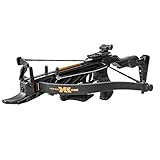
- ARS Mark8.5
ARS Mark is a ranking system developed by bestairriflescopes.com. ARS Mark has no relationship or impact from any manufacturers or sales agent websites. Learn more
- BrandBear X
Last update on 2026-10-19 / Affiliate links / Images, Product Titles, and Product Highlights from Amazon Product Advertising API
FAQs
Can a crossbow be shipped directly to my front door?
In most states, authorized online retailers can ship a crossbow directly to your home address. However, certain states, counties, and cities classify mechanical archery weapons as restricted items. Always check your local municipal laws and state wildlife regulations before placing an online order.
How do I know if I can physically pull the string back before buying?
Check the bow's pull weight and the cocking aid included in the package. A rope cocking aid cuts the draw effort in half, but a 180-pound bow still requires 90 pounds of physical lift from your legs and back. If you have joint pain or back concerns, visit a local pro shop to practice drawing a bow in person, or choose a bow equipped with a crank cocking aid.
What accessories should always come in the box?
A standard ready-to-shoot package should include the crossbow, a matching optical sight, at least three bolts with field points, a quiver, rail lubricant, and a cocking device. Buying a bare bow means you will need to purchase these accessories separately to start shooting.
What return policies should I look for before paying?
Look for policies that clearly outline return terms for damaged shipments and opened boxes. Because dry-fire damage cannot be verified easily, many sellers consider opened crossbows non-returnable. Make sure the store offers a return window for defective shipments and clarify whether warranty issues are handled by the retailer or the manufacturer.

12 Best 22 Pcp Air Rifle For Hunting of 2026 With Quiet Power

7 Best 22 Pcp Air Rifle Under 300 of 2026 For Backyard Pest Control

10 Best 22 Break Barrel Air Rifles of 2026 For Backyard Pest Control

10 Best 30 Caliber Pcp Air Rifle of 2026 For Medium Game

Top Best 177 Air Rifle Under 100: Budget-Friendly Picks for 2026

How to Safely Reload Shotgun Shells at Home

11 Best Co2 Air Rifle For Pest Control of 2026 To Ensure Humane Dispatch

12 Best Inexpensive Air Rifles of 2026 For Dependable Backyard Accuracy






