
Best 22 caliber air pistols 2026 picks

22 caliber air pistols sit in that sweet, stubborn little corner of airgun shooting where power matters, but size still matters too. A .177 pistol can feel quick and tidy, sure, but the heavier .22 pellet hits with more authority on steel, spinners, cans, and small pest-control chores where legal and safe. That extra pellet weight brings a more satisfying thump, though it also asks more from the powerplant, the shooter, and the setup. So, yeah, there’s a tradeoff, and pretending otherwise would be selling fairy dust.
PCP air pistols usually bring the cleanest shot cycle and the easiest accuracy at distance, especially with a decent trigger and a steady grip. But they come with the usual baggage: fill gear, pressure checks, seals, and a little more patience before the fun starts. CO2 pistols feel simpler and more casual, yet cold weather can make them lose steam fast. Spring-piston models keep things self-contained, but the recoil pulse can punish sloppy technique in a hurry.
Pellet choice makes a bigger difference than many buyers expect. Domed pellets often give the most consistent groups, while wadcutters punch clean paper holes at shorter ranges. Heavier pellets may hit harder, but some pistols simply don’t have enough power to push them well. That’s the rub: a .22 label doesn’t automatically mean strong performance.
Accuracy also depends on grip shape, sight quality, barrel consistency, and trigger feel. A pistol that looks mean on a product page can still feel nose-heavy, loud, or awkward after a few magazines. Quiet backyard practice needs attention to report, backstop safety, and pellet trap durability, not just muzzle energy. Better gear helps, but calm hands and repeatable habits still carry the day.
The best fit usually comes down to how much effort feels reasonable before each shooting session. A hand-pump PCP can be rewarding, but it can also turn a quick plinking break into a mini workout. CO2 keeps things breezy until cartridge cost and temperature swings start nagging. Pick the pistol that matches the rhythm of real use, not the fantasy version where everything happens under perfect weather with unlimited free time.

- ARS Mark9.0
ARS Mark is a ranking system developed by bestairriflescopes.com. ARS Mark has no relationship or impact from any manufacturers or sales agent websites. Learn more
- BrandCrosman

- ARS Mark8.8
ARS Mark is a ranking system developed by bestairriflescopes.com. ARS Mark has no relationship or impact from any manufacturers or sales agent websites. Learn more
- BrandCrosman
- ARS Mark8.6
ARS Mark is a ranking system developed by bestairriflescopes.com. ARS Mark has no relationship or impact from any manufacturers or sales agent websites. Learn more
- BrandUmarex

- ARS Mark8.4
ARS Mark is a ranking system developed by bestairriflescopes.com. ARS Mark has no relationship or impact from any manufacturers or sales agent websites. Learn more
- BrandHatsan

- ARS Mark7.8
ARS Mark is a ranking system developed by bestairriflescopes.com. ARS Mark has no relationship or impact from any manufacturers or sales agent websites. Learn more
- BrandIsaazon

- ARS Mark7.8
ARS Mark is a ranking system developed by bestairriflescopes.com. ARS Mark has no relationship or impact from any manufacturers or sales agent websites. Learn more
- BrandGamo

- ARS Mark7.6
ARS Mark is a ranking system developed by bestairriflescopes.com. ARS Mark has no relationship or impact from any manufacturers or sales agent websites. Learn more
- BrandGamo
Last update on 2026-05-29 / Affiliate links / Images, Product Titles, and Product Highlights from Amazon Product Advertising API
Crosman P1322 American Classic .22 Air Pistol
Cheap plastic grips, stiff triggers, and awkward loading routines can suck the fun out of backyard shooting faster than most people expect. A lot of entry-level 22 caliber air pistols promise decent power, then leave shooters wrestling with inconsistent shots or clumsy ergonomics after a single afternoon. The Crosman P1322 American Classic Multi Pump avoids some of those headaches by sticking to a simple formula that’s been around for years and still earns respect. Multi-pump air pistols aren’t flashy, but this one keeps showing up on workbenches, garage ranges, and basement target setups because the fundamentals actually make sense.
P1322 American Classic
Variable pump power changes the whole personality of this pistol. A few pumps keep indoor pellet trap sessions manageable, while extra pumps bring noticeably stronger impact for outdoor plinking. That flexibility matters more than people realize, especially in neighborhoods where noise and backstop space become constant concerns. Some shooters want quiet ten-yard practice after dinner, while others want enough punch to smack steel targets with authority on weekends.
The rifled steel barrel helps the pistol maintain respectable accuracy for its category. Nobody should expect match-grade precision from a compact multi-pump pistol at long distance, but inside typical backyard ranges, it settles into a surprisingly predictable rhythm. Pellet choice still matters a lot, though. Lightweight pellets may feel snappy, while heavier domed pellets usually tighten groups and reduce random flyers.
Single-shot bolt action systems slow things down in a good way. Rapid-fire blasting has its place, sure, but the slower loading cycle encourages better habits and more deliberate shooting. That pace helps newer shooters focus on sight alignment and trigger control instead of emptying pellets mindlessly. Funny enough, the old-school simplicity becomes part of the appeal after a while.
The pistol’s synthetic grip won’t fool anyone into thinking this is a handcrafted heirloom piece, yet it keeps the weight manageable and holds up reasonably well during routine use. Sweaty summer sessions, dusty garages, and occasional bumps against benches don’t seem to bother it much. Some shooters eventually swap grips or modify parts because the platform supports tinkering pretty well. Others leave it bone stock for years and never feel shortchanged.
Trigger feel sits firmly in the “usable but not magical” category. A clean break would elevate the pistol noticeably, but the factory setup still remains predictable enough for practical target work. That consistency matters more than chasing ultra-light pull weights. Muscle memory builds faster when the trigger behaves the same way shot after shot.
Practical Backyard Shooting Feel
Multi-pump operation creates a very different rhythm compared to CO2 or PCP air pistols. Every shot requires effort, so shooting sessions naturally become slower and more intentional. Some people love that hands-on routine because it feels mechanical and satisfying. Others may get tired of pumping after extended sessions, especially at higher power levels.
The pumping motion itself feels smoother after a short break-in period. Early use can feel stiff, particularly near the final pump strokes, but that’s common with pneumatic designs. Shorter shooting sessions rarely become an issue. Long afternoons of repeated high-power pumping, though, can leave wrists and forearms reminding you that physics always collects payment.
Noise control stays relatively manageable compared to louder spring-piston airguns. Backyard practice becomes less stressful when every shot doesn’t sound like a slammed car door echoing through the neighborhood. Lower pump counts keep things especially tame indoors with proper pellet traps. That quieter report often makes shooters practice more frequently because setup feels less disruptive.
Front and rear sights deserve more credit than they usually get. The adjustable rear sight allows practical tuning without turning the pistol into a frustrating guessing game. Windage and elevation adjustments help compensate for pellet preferences and distance changes. Cheap fixed sights can ruin an otherwise decent pistol, but Crosman avoided that trap here.
Grip angle feels natural enough for casual offhand shooting. Some air pistols force the wrist into awkward positions that create fatigue after twenty minutes. This one keeps things straightforward and reasonably comfortable. It won’t mimic a competition target pistol exactly, yet the handling stays approachable for long practice sessions.
Skill Building And Real-World Use
Skill development training might sound like boring catalog language, but this pistol genuinely fits that role well. Shot discipline becomes unavoidable because every pellet requires manual preparation. Breathing, trigger squeeze, and follow-through become easier to notice when there’s no semi-auto distraction in the mix. Bad habits show up quickly, and that’s honestly helpful.
The pistol also rewards experimentation. Different pellet weights, pump counts, and shooting distances noticeably change performance. Curious shooters tend to enjoy that process because the gun communicates results clearly instead of masking everything behind raw power. Tiny adjustments can tighten groups or shift point of impact enough to keep practice interesting.
Crossbolt safety placement stays simple and familiar. Nobody buys an air pistol because the safety feels exciting, but awkward controls become irritating fast during repetitive practice. Crosman kept the layout practical and easy to understand. That straightforward handling adds confidence, especially for shooters still building safe routines.
Maintenance requirements remain refreshingly basic. Occasional lubrication and reasonable storage habits usually keep the pistol running without drama. Pneumatic pistols can lose efficiency if neglected for years, but routine care here isn’t complicated or expensive. Plenty of older P1322 models still circulate because the design stays mechanically simple.
Some related discussions around traditional backyard airgun setups also appear in Crosman Phantom air rifle, especially for shooters comparing lightweight practice platforms with more rifle-oriented power and handling.
Tradeoffs Worth Knowing Before Buying
Power limits deserve realistic expectations. The advertised velocity numbers depend heavily on pellet weight and pump count, so real-world performance varies. This pistol handles casual target shooting and controlled pest situations within reasonable distances, but it’s not built to replace a high-powered PCP platform. Overselling its capability would miss the point entirely.
The loading area can feel cramped for shooters with larger hands. Small pellets occasionally fumble during cold-weather sessions or rushed reloads. That annoyance comes with many compact single-shot pistols, not just this model. Patience helps a lot here.
Customization potential remains one of the more interesting long-term strengths. Crosman’s older pneumatic platforms developed a loyal following partly because aftermarket modifications exist almost everywhere. Barrels, grips, optics mounts, and internal tuning parts give hobbyists plenty to experiment with. Tinkerers may end up enjoying the platform almost as much as the actual shooting.
Weight balance leans slightly forward once pumping begins repeatedly, though not to a dramatic degree. Compact shooters usually adapt quickly, while others may prefer a more target-oriented grip shape for extended precision work. That slight front-heavy feel actually helps stabilize some offhand shots. Personal preference plays a huge role there.
Value comes from consistency and simplicity rather than raw specs on paper. Plenty of modern air pistols look more tactical or aggressive, yet they often rely heavily on disposable CO2 cartridges or complicated systems. The P1322 sticks with a slower, mechanical shooting experience that feels surprisingly refreshing in an era packed with flashy gimmicks. Oddly enough, that old-school approach becomes its biggest strength.
Crosman 2240 Bolt Action .22 CO2 Air Pistol
Backyard shooting gets frustrating fast when an air pistol feels cheap in the hand, burns through gas too quickly, or sprays pellets all over the place after ten yards. Plenty of compact 22 caliber air pistols look appealing on paper, then stumble once real shooting sessions begin. The Crosman 2240 Bolt Action has managed to stick around for years because it keeps things simple without feeling disposable. CO2 pistols often lean heavily on convenience, but this one balances ease of use with enough punch to stay genuinely entertaining.
Crosman 2240 Air Pistol
CO2-powered operation gives the pistol a very different personality compared to multi-pump models. Drop in a 12-gram cartridge, load a pellet, and the shooting session starts almost immediately. That convenience matters after long workdays when nobody feels like spending extra time pumping between shots. Casual plinking becomes smoother and more relaxed because the rhythm stays uninterrupted.
The bolt action system keeps loading straightforward while adding a more deliberate shooting pace. Semi-auto airguns can turn target sessions into noisy chaos pretty quickly, but the 2240 slows things down just enough to encourage cleaner technique. Cocking effort feels manageable, and the updated bolt design helps reduce the clunky feeling older budget pistols sometimes suffer from. Tiny details like that can make repeated shooting far less annoying.
.22 caliber pellets give this pistol a satisfying impact on cans, spinner targets, and lightweight steel plates. Lighter calibers often punch paper cleanly, but the heavier pellet weight here creates a more noticeable smack downrange. That extra feedback adds to the fun, especially during informal backyard sessions. The pistol doesn’t pretend to be a precision Olympic platform, though, and honestly, that’s part of its charm.
Grip shape deserves some attention because Crosman handled the ergonomics fairly well for a compact air pistol. The ambidextrous grip fits naturally in the hand without forcing awkward wrist positioning. Long shooting sessions stay reasonably comfortable, even for people who dislike bulky tactical-style grips. Some shooters still customize grips later on, but the stock setup works better than expected right out of the box.
Velocity claims around 460 fps place the pistol in that practical middle ground between casual plinker and lightweight pest-control tool within appropriate distances. Pellet choice changes performance noticeably, so expectations should stay realistic. Heavier pellets trade some speed for stronger impact, while lighter pellets tend to feel snappier. Either way, shot placement still matters more than raw velocity numbers stamped on packaging.
Daily Shooting Experience
CO2 consistency feels pleasantly smooth during moderate shooting sessions. Trigger pull, recoil feel, and shot cycle remain predictable enough to build solid muscle memory. Cold weather, though, can change the story pretty quickly. CO2 pistols naturally lose efficiency in lower temperatures, so winter backyard shooting sometimes feels softer and less lively.
Noise levels land somewhere in the comfortable middle zone. The report carries enough crack to sound satisfying, yet it usually avoids the sharp mechanical slap associated with some spring-powered pistols. Backyard ranges feel less disruptive because the sound stays controlled. Neighbors probably won’t appreciate endless rapid-fire sessions, but occasional practice generally stays manageable.
Single-shot loading may seem old-fashioned beside magazine-fed airguns, but it brings a calmer shooting rhythm that many experienced shooters actually enjoy. Each pellet gets loaded with intention rather than sprayed downrange carelessly. Funny thing is, slower shooting often improves accuracy because focus naturally increases. Cheap pellets and rushed handling expose themselves pretty quickly with this pistol.
The barrel setup helps maintain decent practical accuracy at common plinking distances. Tight groups depend heavily on pellet quality and steady grip control, but the platform itself feels mechanically honest. Missed shots usually point back to technique rather than mysterious inconsistencies. That kind of predictable behavior makes practice sessions feel productive instead of frustrating.
Balance stays slightly front-heavy without becoming tiring. Compact air pistols sometimes feel twitchy or toy-like during aiming, yet the 2240 settles into the hand with reasonable stability. Offhand shooting feels natural after a few magazines. Table-supported shooting tightens things up even more for people who enjoy slower target work.
Where The 2240 Really Shines
Skill development remains one of the strongest reasons people keep recommending this pistol year after year. Trigger control, sight alignment, and breathing become easier to refine because the shooting cycle stays simple and repeatable. Fancy electronics and rapid-fire gimmicks don’t distract from the basics. Newer shooters usually improve faster with straightforward platforms like this.
Backyard plinking sessions feel especially enjoyable because setup takes almost no effort. Pop in CO2, grab pellets, and shooting starts within minutes. Busy schedules often kill motivation for hobbies that require complicated preparation. The 2240 keeps things easy enough that quick evening practice actually happens instead of getting postponed.
Customization potential adds another layer of long-term appeal. Crosman platforms developed a huge modification culture over the years, so replacement grips, steel breeches, optics mounts, and upgraded barrels are widely discussed among hobbyists. Some owners leave the pistol stock forever. Others gradually turn it into a deeply personalized project gun.
Conversations around home-range practice and entry-level shooting setups sometimes overlap with discussions found in best airsoft gun for home defense, especially among people balancing compact handling, manageable noise, and affordable backyard shooting routines.
Maintenance requirements stay refreshingly basic. Occasional seal lubrication and proper CO2 handling usually keep the pistol running reliably without endless tinkering. Neglect can still dry out seals over time, especially if cartridges remain installed too long. Routine care, though, feels straightforward rather than intimidating.
Tradeoffs And Honest Limitations
Cold weather performance remains the biggest practical weakness of most CO2-powered air pistols, and this model doesn’t magically escape physics. Rapid shooting cools the cartridge quickly, which can lower velocity and consistency. Slow, deliberate pacing helps stabilize performance. Winter sessions may still feel noticeably weaker compared to warm-weather shooting.
The trigger feels functional rather than refined. Crisp match-grade breaks belong to far more expensive target pistols, so expecting that here would miss the price category entirely. Still, the trigger becomes more predictable with use, and experienced shooters usually adapt quickly. Smooth technique matters more than obsessing over tiny trigger imperfections.
Iron sights handle casual target shooting competently, though shooters with aging eyesight may eventually want optic upgrades through aftermarket modifications. Bright outdoor lighting helps sight visibility significantly. Indoor basement ranges sometimes reveal the limits of basic sight setups. Luckily, the platform’s customization support leaves room for experimentation later.
Pellet loading can feel slightly fiddly with larger fingers, particularly during colder weather when dexterity drops. Tiny single-shot loading ports simply require patience. That slower pace won’t bother shooters who enjoy methodical target practice. Fast-action enthusiasts may prefer magazine-fed alternatives instead.
Overall shooting character leans toward relaxed backyard practice rather than aggressive high-volume firing. That personality won’t appeal to everyone, and honestly, it shouldn’t have to. The 2240 succeeds because it feels mechanically honest, easy to live with, and satisfying in a way many overly tactical-looking air pistols never quite manage.
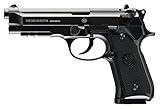
Umarex Beretta M92 A1 Blowback BB Pistol
A backyard setup can turn messy fast when the pistol feels too toy-like, the trigger feels vague, or the shooting rhythm becomes dull after the first magazine. This model lands in a slightly different lane than typical 22 caliber air pistols because it shoots .177 caliber steel BBs, not .22 pellets, so expectations need to be sorted out right away. The Umarex Beretta M92 A1 Blowback leans more toward realistic handling, fast plinking, and action-style practice than heavy pellet impact. That difference matters, especially for anyone expecting the harder thump of a .22 pellet pistol.
Umarex Beretta M92 A1
Realistic blowback action gives this pistol its main personality. The slide movement adds a lively feel after each shot, making it more engaging than a basic non-blowback BB pistol. That realism does come with a tradeoff, though, because blowback systems use CO2 to cycle the slide. So, shot count and consistency may feel different from simpler CO2 designs that save gas only for launching the BB.
The all-metal construction gives the Beretta M92 A1 a weightier, more serious feel in the hand. Lightweight plastic pistols can feel hollow and jumpy, but this one has enough heft to steady the sight picture during casual aiming. That extra weight also makes full-auto shooting easier to control than expected. Still, extended sessions may fatigue the wrist faster than lighter target pistols.
Semi-auto and full-auto modes are the big grin factor here. Semi-auto keeps things controlled for cans, paper targets, and short backyard drills. Full-auto burns through the 18-shot BB load quickly, but yeah, it’s hard not to smile when the pistol runs through a burst. Practical accuracy takes a back seat in that mode, so it’s better viewed as fun rather than precision work.
The 18-shot capacity fits the pistol’s personality well. It gives enough shots for fast plinking without constantly reloading after every trigger pull. That said, full-auto mode empties the magazine in a blink, so BB management becomes part of the routine. Slow, deliberate shooting stretches the session better and keeps CO2 behavior more stable.
Handling And Shooting Rhythm
CO2 power keeps the setup simple. A 12-gram cartridge runs the pistol, though the cartridge is not included, so that extra consumable should be planned from the start. CO2 pistols are convenient because there’s no pumping between shots. But cold weather and rapid firing can soften performance, and that’s just part of the deal.
The listed speed of up to 310 fps places this pistol firmly in the recreational BB category. That’s enough for paper targets, cans, and controlled plinking with a proper backstop, but it shouldn’t be confused with the stronger impact of many pellet-shooting 22 caliber air pistols. Steel BBs also behave differently from lead pellets. They tend to ricochet more, so backstop discipline matters every single time.
Fixed front and rear tactical sights keep aiming simple, but they don’t offer the fine tuning some target shooters prefer. Fixed sights make sense on a realism-focused replica because the pistol is built around fast handling rather than slow benchrest work. Bright lighting helps sight pickup, especially on dark targets. Indoor practice may require more attention to contrast and target placement.
The integrated Weaver rail adds useful flexibility without making the pistol feel overcomplicated. A compact light or laser-style accessory can fit the role-play and handling side of this airgun, though added weight changes the balance. Some shooters will leave the rail empty because the clean profile already feels right. Others may enjoy setting it up for short-range drills where quick alignment matters more than tiny groups.
Strengths That Stand Out
Realism is the strongest reason this pistol earns attention. The blowback movement, metal frame feel, and Beretta-style shape make it feel more involved than many casual BB pistols. That tactile feedback keeps practice from feeling flat. For short-range plinking, the experience has more character than a plain fixed-slide CO2 gun.
Fast follow-up shots make the pistol enjoyable for reactive targets. Cans, spinners rated for BB use, and paper silhouettes all fit its casual shooting style. The trigger experience won’t replace a dedicated target pistol, but it suits quick handling drills nicely. A safe BB-rated trap is non-negotiable because steel BBs can bounce back from poor surfaces.
The pistol’s full-auto feature gives it a playful edge, but it also teaches a useful lesson about control. Short bursts feel more manageable than holding the trigger down until the magazine is empty. CO2 cooling becomes noticeable during aggressive firing, so pacing helps keep shots more consistent. A little restraint goes a long way here.
Some readers who move from CO2 replica pistols into higher-power airgun setups may also run into longer-range discussions around best PCP air rifles, especially where shot consistency, fill systems, and precision-focused platforms become part of the conversation.
Limits And Buying Expectations
Caliber mismatch deserves clear attention. This pistol is not a .22 pellet pistol, even though it may appear in conversations around 22 caliber air pistols. It shoots .177 steel BBs, which changes accuracy potential, target choice, safety needs, and downrange impact. Anyone wanting heavier pellet energy should look at true .22 pellet models instead.
BB accuracy has natural limits because steel BBs are round and smooth, unlike rifled-barrel pellets designed to stabilize in flight. Short-range plinking feels satisfying, but tiny paper groups are not the main event. The fixed sights reinforce that casual shooting role. Expect fun handling and repeatable hits on reasonable targets, not surgical precision.
CO2 cost and temperature sensitivity also shape the ownership experience. Cartridges are convenient, but they’re consumables, and rapid full-auto shooting uses gas faster. Cooler weather can reduce pressure and make shots feel weaker. Warm, steady pacing gives the pistol a better chance to behave consistently.
The all-metal build feels rugged in hand, yet it also means the pistol is heavier than many entry-level BB guns. That weight feels good during short sessions and adds realism, but younger or smaller-handed shooters may notice fatigue sooner. The large-frame Beretta shape won’t fit every hand equally well. Comfort depends on grip size, wrist strength, and how long the session runs.
Best Fit And Real Use Cases
Action-style plinking is where this pistol makes the most sense. It suits quick target transitions, casual backyard cans, and safe indoor BB-trap practice better than slow pellet accuracy work. The blowback cycle keeps each shot lively. That liveliness is exactly why many plain CO2 pistols feel boring beside it.
Training value comes from handling familiarity rather than pellet-gun precision. The pistol can help reinforce safe muzzle control, trigger discipline, sight pickup, and magazine-style shooting flow in a low-powered airgun format. It’s still not a replacement for formal firearm instruction or true defensive training. But for controlled practice routines, the handling cues feel useful.
The small pest control mention should be treated carefully because this model fires .177 BBs at modest velocity. Ethical pest control depends on local rules, distance, shot placement, and enough power for the task. This pistol is better understood as a plinker first. For serious pest work, stronger pellet platforms are usually the more responsible discussion.
Realistic expectations make the Beretta M92 A1 easier to appreciate. It isn’t the hardest-hitting option, it isn’t a precision paper puncher, and it isn’t a true .22 pellet pistol. It is a fun, metal-bodied, blowback BB pistol with semi-auto and full-auto shooting modes that make short-range practice feel alive. Judged on that lane, it has a clear reason to exist.
Hatsan Mod 25 Supercharger QE .22 Air Pistol
Backyard shooting loses its charm pretty quickly once a pistol becomes loud, awkward to cock, or frustratingly inconsistent after a few sessions. Plenty of compact 22 caliber air pistols promise power, then punish the shooter with harsh recoil and stiff handling that wears thin over time. The Hatsan Mod 25 Supercharger QE goes in a different direction by blending spring-piston simplicity with a more serious target-oriented feel. It’s still demanding in certain ways, though, and pretending otherwise would miss the point of owning a break-barrel air pistol.
Mod 25 Supercharger QE
Spring-piston operation gives this pistol a self-contained personality that appeals to shooters tired of CO2 cartridges or air pumps. Grab pellets, cock the barrel, and it’s ready to go without extra accessories cluttering the bench. That independence becomes surprisingly satisfying during spontaneous backyard sessions. No tanks. No cartridges. No pressure gauges eating up time before the first shot.
The QuietEnergy sound moderator softens the report enough to make the pistol feel less aggressive than many spring-powered models. It’s not movie-scene quiet, obviously, but the integrated moderator helps trim the sharp crack that often annoys neighbors during repeated practice. Lower noise also changes the whole shooting mood indoors or inside small backyard spaces. Sessions feel calmer and less chaotic.
.22 caliber pellets give the Mod 25 a heavier downrange presence than smaller calibers usually provide. Steel spinners react with a cleaner smack, and paper targets show satisfying impact holes at practical distances. The listed velocity figures vary depending on pellet type, which is completely normal with spring-piston systems. Lightweight lead-free pellets move faster, while standard lead pellets tend to produce steadier accuracy.
The pistol’s overall build leans toward functional rather than flashy. Hatsan clearly focused more on shooting mechanics than cosmetic polish, and honestly, that approach works here. Some shooters may notice the pistol feels bulkier than slim CO2 handguns. That extra mass, though, helps tame movement during firing and gives the pistol a more planted feel in the hand.
Single-shot loading slows the pace in a useful way. Fast magazine dumps can be entertaining, but slower loading forces better concentration on grip, sight picture, and trigger control. That rhythm turns casual plinking into more deliberate practice. Misses become easier to diagnose because every shot feels intentional rather than rushed.
Trigger And Sight Performance
Quattro Trigger adjustment stands out as one of the pistol’s stronger features. Budget spring pistols often suffer from gritty triggers that feel like dragging a cinder block through wet sand. This setup feels noticeably more refined, especially after a little adjustment time. The two-stage pull helps shooters settle the sight picture before the shot breaks.
Fiber optic sights make target pickup easier during outdoor sessions. The green rear fibers and red front sight create decent contrast against cans, paper targets, and darker backstops. Bright sunlight helps them pop even more. Indoor shooting under dim lighting can still feel less crisp, but that’s common with many fiber optic setups.
Micro-adjustable rear sight gives shooters enough control to fine-tune point of impact without turning the process into a headache. Tiny windage and elevation adjustments matter more than people expect once pellet preferences enter the picture. Different pellets can shift impact noticeably. That adjustability helps the pistol stay adaptable instead of feeling locked into one setup.
Break-barrel cocking effort may surprise people expecting a lightweight plinker. The pistol demands a firm motion, particularly during longer sessions. Wrist fatigue can creep in after repeated shooting, especially for shooters used to softer CO2 platforms. Still, that effort is part of what gives the pistol its stronger spring-powered character.
Optics dovetail grooves open the door for red dots or compact pistol optics later on. Some shooters prefer sticking with iron sights because they suit the old-school spring-piston feel. Others enjoy squeezing more precision out of the platform with a lightweight optic. The flexibility helps extend the pistol’s usefulness over time.
Real Backyard Experience
Recoil behavior feels completely different from CO2 pistols or pneumatic models. Spring-piston systems create a quick forward-and-back movement that punishes sloppy technique. A loose grip or rushed trigger pull shows up immediately on paper targets. That challenge frustrates some shooters at first, but others end up appreciating how much the pistol sharpens fundamentals.
The Mod 25 feels happiest during slower shooting sessions rather than rapid-fire plinking marathons. A handful of carefully aimed shots often feels more rewarding than emptying magazines from gas-powered pistols. The shooting cycle has personality. Mechanical noise, spring movement, and recoil all combine into a more involved experience.
Pellet sensitivity deserves attention because this pistol reacts differently depending on ammunition weight and shape. Some pellets group tightly, while others scatter enough to irritate even patient shooters. Trial and error becomes part of ownership. Oddly enough, many airgun enthusiasts enjoy that tuning process because it makes the pistol feel more personal.
One practical detail worth noting involves portability and outdoor range setups. Discussions around compact field-friendly shooting gear sometimes overlap with best air rifles for hicking, especially where lightweight transport and self-contained power systems become important considerations.
Noise management works reasonably well for a spring pistol with this level of energy. Backyard practice still requires common sense and proper surroundings, but the integrated moderator helps keep the sound from becoming overly sharp. Early morning sessions feel less disruptive. That softer report encourages more casual practice instead of forcing trips to remote ranges every time.
Pros And Cons
Pros start with the self-contained design. No CO2 cartridges or external air systems means fewer accessories and lower long-term hassle. The adjustable trigger adds real value because it improves practical control rather than serving as empty marketing fluff. QuietEnergy moderation also makes the pistol more neighbor-friendly than many spring-powered alternatives.
Accuracy potential feels respectable once the shooter adapts to the spring recoil cycle. The rifled barrel, adjustable sights, and .22 pellet weight all work together nicely at realistic backyard distances. Strong fundamentals matter here, though. Shooters expecting effortless laser-beam precision may need time to adjust their technique.
Cons begin with cocking effort. Break-barrel pistols naturally demand more physical input than CO2 pistols, and this one doesn’t hide it. Long sessions can tire wrists and forearms faster than expected. Smaller-handed shooters may especially notice the effort required to cock the barrel consistently.
Weight and bulk also create tradeoffs. The pistol feels solid, but it’s definitely not compact in the way slim CO2 handguns are. Holster-style carry isn’t really the point here anyway. The larger frame supports stability and power better than portability.
Spring-piston sensitivity remains another limitation. Tiny grip changes, rushed follow-through, or inconsistent hold technique can shift shots noticeably. Some shooters love that challenge because it rewards discipline. Others may prefer the easier shooting behavior of pneumatic or CO2-powered 22 caliber air pistols.
Isaazon 5.5mm 22 Caliber Break Barrel Air Pistol
Cheap spring air pistols have a nasty habit of sounding better on the box than they feel in real life. Loose sights, rough triggers, and shaky balance can turn a relaxing backyard session into pure irritation after ten minutes. The Isaazon 5.5mm 22 Caliber Pistol Air Pellet Gun enters the conversation as a lightweight break-barrel option that focuses more on practical casual shooting than polished refinement. That distinction matters because expectations shape whether this pistol feels enjoyable or disappointing.
Isaazon 5.5mm Air Pistol
Break-barrel operation keeps the pistol fully self-contained, which immediately appeals to shooters tired of chasing CO2 cartridges or pumping pneumatic systems between shots. One smooth cocking motion, one pellet, and the pistol is ready again. That mechanical simplicity gives the shooting process a more hands-on feel. Plenty of shooters actually prefer that slower rhythm because it feels less disposable and more deliberate.
The pistol’s lightweight frame changes the handling experience right away. Heavier spring pistols can become tiring during long backyard sessions, especially while practicing unsupported shots. This one feels easier to hold steady for extended periods, though lighter weight also means recoil movement becomes more noticeable. Spring-piston pistols always ask for some technique adjustment, and this model is no exception.
.22 caliber pellets give the pistol a more satisfying impact than smaller calibers usually provide. Tin cans jump harder, paper targets show cleaner holes, and reactive backyard targets feel more rewarding overall. The listed velocity range between 350-450 FPS depends heavily on pellet weight and shooting conditions. Lighter pellets naturally push faster, while heavier lead pellets often deliver steadier shot behavior.
The black and gray finish gives the pistol a straightforward working-tool appearance rather than a flashy tactical vibe. Some shooters may appreciate the simpler styling because it avoids unnecessary gimmicks. Others may wish for more refined detailing around the grip and barrel area. Either way, the pistol feels designed for practical backyard use rather than display-case aesthetics.
Single-shot loading slows everything down in a surprisingly useful way. Fast shooting can be fun, sure, but slower loading encourages attention to sight alignment and follow-through. That deliberate pace often improves consistency without the shooter even realizing it. Tiny habits become easier to spot when every shot requires a reset.
Handling And Shooting Feel
Spring recoil gives this pistol more personality than many entry-level CO2 handguns. The shot cycle creates a quick pulse through the grip that rewards steady technique and punishes rushed handling. Shooters coming from soft-shooting pneumatic pistols may need time to adapt. Once the rhythm clicks, though, the pistol starts feeling more predictable.
The overall length of 374mm gives the pistol a slightly stretched profile compared to compact plinkers. That extra length helps stabilize aiming during casual target sessions, especially outdoors. It won’t fit the “tiny pocket plinker” category by any means. Instead, it leans toward a compact carbine-like feel in pistol form.
Adjustable aiming sights deserve more attention than they’ll probably get. Budget spring pistols often include crude sights that drift or feel impossible to dial in correctly. The adjustable setup here gives shooters enough flexibility to tune impact points for different pellets and distances. Small adjustments make a bigger difference than many newcomers expect.
Grip comfort feels decent during shorter shooting sessions. The pistol’s relatively modest weight helps reduce wrist strain while standing and shooting offhand. Extended sessions may still reveal some fatigue because spring-piston cocking adds repetitive effort into the mix. That tradeoff comes with most break-barrel pistols, honestly.
General shooting practice suits this pistol better than ultra-precise target competition. Backyard cans, paper targets, and reactive plinking setups match its personality well. Tiny one-hole groups aren’t really the point here. Consistent fun and practical handling matter more than chasing benchrest bragging rights.
Pros And Positive Surprises
Self-sufficiency stands out as one of the pistol’s strongest advantages. No gas cartridges, no hand pumps, and no external charging equipment means fewer ongoing expenses and less setup hassle. That simplicity encourages spontaneous shooting sessions because preparation takes almost no time. Grab pellets, cock the barrel, and the range is open.
The pistol’s lightweight construction also helps beginners avoid the wrist fatigue common with bulkier spring-powered handguns. Some break-barrel pistols feel overly nose-heavy after twenty minutes. This one stays more manageable during casual backyard sessions. Fast target transitions feel smoother because the pistol doesn’t drag the hand downward as much.
Adjustable sights improve flexibility for real-world use. Pellet preference varies wildly between spring airguns, so fixed sights can become frustrating quickly. Being able to fine-tune elevation and windage helps the pistol adapt instead of forcing the shooter to compensate awkwardly. That feature adds more practical value than flashy cosmetic extras.
In some discussions about spring recoil behavior and field-style shooting setups, a related reference appears in best kickback air rifles, especially where recoil impulse and hold sensitivity become part of the conversation.
Compact backyard practicality gives this pistol a comfortable niche. It doesn’t require expensive accessories to function properly. That low-maintenance ownership style appeals to shooters who simply want uncomplicated target practice without turning airguns into a full-blown gear hobby.
Cons And Tradeoffs
Spring-piston sensitivity remains the pistol’s biggest learning curve. Grip pressure, wrist angle, and follow-through all influence accuracy more than many newcomers expect. A sloppy hold can throw shots wider than anticipated. Patience and repetition help tighten things up over time.
The trigger system feels serviceable rather than refined. Crisp match-grade triggers belong to more expensive platforms, so expecting that level of polish here would be unrealistic. Some shooters may notice a heavier break or slight creep during slower target work. The trigger still functions consistently enough for practical plinking sessions.
Velocity expectations also deserve realism. The pistol can reach respectable speeds depending on pellet type, but lightweight marketing numbers rarely tell the whole story. Heavier lead pellets usually shoot slower while delivering steadier impact and better consistency. Chasing maximum FPS often produces less satisfying real-world accuracy.
Cocking effort can wear on the hand during extended sessions. Smaller-framed shooters may especially notice the repeated break-barrel motion after a few dozen shots. The effort isn’t excessive, but it’s definitely more demanding than pulling a trigger on a CO2-powered pistol. Long sessions naturally become slower and more methodical.
Fit and finish may not impress shooters expecting premium machining or luxury-grade detailing. Some edges and surfaces lean toward functional rather than polished. That rougher personality doesn’t necessarily hurt performance, though. The pistol feels built around straightforward shooting utility instead of showroom presentation.
Where This Pistol Makes Sense
Casual backyard shooting fits this air pistol far better than high-pressure competition use. Quiet afternoons with paper targets, soda cans, and spinning steel feel right at home with its slower single-shot rhythm. The pistol rewards shooters who enjoy the mechanical side of spring-powered airguns. Fast-action fans may eventually want something magazine-fed instead.
Skill-building routines benefit from the pistol’s deliberate pace. Trigger discipline, breathing control, and steady grip technique become easier to recognize with a spring-powered setup like this. Misses reveal themselves quickly because there’s no rapid-fire distraction covering up mistakes. That honesty can actually speed up improvement.
The pistol’s manageable size and weight also make storage easier for small home setups where space matters. Oversized air rifles can become awkward in apartments, garages, or crowded storage rooms. This compact format slides into smaller spaces without much trouble. Simplicity becomes part of the appeal once daily ownership enters the picture.
Realistic expectations are the key to enjoying this model. It’s not a precision competition pistol, nor is it built for ultra-high-powered pest control. What it offers instead is a lightweight, break-barrel 22 caliber air pistol with practical backyard utility, straightforward mechanics, and enough punch to keep routine target sessions interesting.


12 Best 22 Pcp Air Rifle For Hunting of 2026 With Quiet Power

7 Best 22 Pcp Air Rifle Under 300 of 2026 For Backyard Pest Control

10 Best 22 Break Barrel Air Rifles of 2026 For Backyard Pest Control

10 Best 30 Caliber Pcp Air Rifle of 2026 For Medium Game

Top Best 177 Air Rifle Under 100: Budget-Friendly Picks for 2026

How to Safely Reload Shotgun Shells at Home

11 Best Co2 Air Rifle For Pest Control of 2026 To Ensure Humane Dispatch

12 Best Inexpensive Air Rifles of 2026 For Dependable Backyard Accuracy






