
Best Material To Make A Bow And Arrow 2026 Guide

Best material to make a bow and arrow depends less on fancy gear and more on the kind of draw, release, and upkeep that feels right in the hand. A bow can look beautiful and still feel stubborn, sluggish, or too fragile after a few shooting sessions. Wood brings warmth and tradition, but it asks for patience, careful drying, and respect for grain direction. Fiberglass forgives more mistakes, which is handy when consistency matters more than old-school charm.
Hickory, yew, osage orange, ash, maple, and bamboo often come up for good reason. These woods can handle bending stress better than soft, weak, or knotty stock. Still, every stave has its own mood, and that’s where beginners often get tripped up. A tiny twist, hidden crack, or rushed tillering job can turn a promising bow into wall decor.
Fiberglass-backed bows make sense for anyone who wants fewer surprises during practice. The material adds strength, helps protect the back of the bow, and reduces some of the heartbreak that comes with natural wood failure. But, yes, it can feel less romantic than shaping a self bow from a clean stave. That tradeoff is worth thinking about before buying materials or cutting into a piece of lumber.
Arrows need their own kind of honesty. Cedar, spruce, bamboo, aluminum, fiberglass, and carbon all behave differently in flight. Wood shafts feel classic and are easy to tune by hand, but they can warp if stored badly. Carbon shafts fly fast and stay straight, though they need careful inspection after hard impacts because splintering isn’t something to shrug off.
Bowstrings matter too, even though they’re easy to overlook. Dacron works well for traditional wooden bows because it has a bit of stretch and doesn’t punish older limb designs as harshly. Fast Flight style materials can add speed, but they’re better suited to bows built for that extra stress. In plain terms, the strongest string isn’t always the smartest string.
The safest answer lands somewhere practical. Use straight-grained hardwood or bamboo for a handmade bow, fiberglass backing for durability, and matched cedar or carbon arrows depending on whether feel or consistency matters more. Keep expectations realistic, especially with a first build. A smooth-shooting bow starts with patient material selection, not wishful thinking.

- ARS Mark9.0
ARS Mark is a ranking system developed by bestairriflescopes.com. ARS Mark has no relationship or impact from any manufacturers or sales agent websites. Learn more
- Brandsanlida

- ARS Mark8.4
ARS Mark is a ranking system developed by bestairriflescopes.com. ARS Mark has no relationship or impact from any manufacturers or sales agent websites. Learn more
- BrandLWANO

- ARS Mark8.4
ARS Mark is a ranking system developed by bestairriflescopes.com. ARS Mark has no relationship or impact from any manufacturers or sales agent websites. Learn more
- Brandcrazymouse
- ARS Mark8.4
ARS Mark is a ranking system developed by bestairriflescopes.com. ARS Mark has no relationship or impact from any manufacturers or sales agent websites. Learn more
- Brandsanlida

- ARS Mark8.0
ARS Mark is a ranking system developed by bestairriflescopes.com. ARS Mark has no relationship or impact from any manufacturers or sales agent websites. Learn more
- BrandLanneret
Last update on 2026-05-29 / Affiliate links / Images, Product Titles, and Product Highlights from Amazon Product Advertising API
Best Material To Make A Bow And Arrow
Cold mornings have a funny way of exposing weak gear fast. Strings slap harder, grips feel awkward, and cheap limbs start buzzing like loose fence wire after a few shots. That’s where the Sanlida Eagle X9 starts making more sense than a random budget bow kit tossed into a shopping cart at midnight. Built around a wood-and-fiberglass recurve structure, this setup leans into durability and smoother energy transfer instead of chasing flashy gimmicks.
Sanlida Eagle X9 Recurve Bow Set
American solid wood in the riser gives the bow a warmer, more traditional feel compared to cold aluminum-heavy setups. The grip settles naturally into the palm without forcing the wrist into awkward angles, which honestly matters more after an hour of repeated shooting. Fatigue creeps up slowly with recurve bows, especially heavier draw weights, so the ergonomic shaping helps keep form cleaner. That softer hand feel also reduces the temptation to over-grip during release.
Fiberglass laminated limbs paired with maple wood cores create a balance that fits the main keyword surprisingly well. Wood alone can feel temperamental in changing humidity, while fiberglass alone sometimes loses that classic recurve character archers enjoy. Sanlida blended both materials in a practical way here. The result feels stable during draw cycles without becoming stiff or overly harsh near anchor point.
The bow sits around 2.2 pounds, which lands in a comfortable middle ground. Lightweight bows can become twitchy if the shooter’s form isn’t settled yet, while overly heavy risers tire the shoulder faster during longer sessions. Eagle X9 avoids both extremes. Carrying it through wooded terrain or storing it inside a vehicle doesn’t become a chore either.
Dacron string material deserves more attention than most people give it. Plenty of beginner and intermediate shooters underestimate how aggressive some modern string materials can feel on traditional-style limbs. Dacron stretches slightly more, softening the release and reducing long-term stress on the bow structure. That softer response pairs nicely with wooden hunting recurves like this one.
Vibration control feels noticeably calmer thanks to the smaller redesigned limb tips and included rabbit fur string dampers. Recurve bows naturally produce more hand shock than compound systems, so small design tweaks matter. Shots don’t feel dead quiet, obviously, but the post-shot buzz stays manageable. That smoother release helps maintain confidence during repeated practice sessions.
Material Choice And Shooting Feel
Best material to make a bow and arrow usually turns into an argument between traditional wood lovers and carbon-focused modern shooters. Eagle X9 quietly sits between those camps instead of fully committing to either side. The wooden riser keeps the classic recurve personality alive, while fiberglass reinforcement improves durability and consistency. That blend makes more sense for practical field use than pure nostalgia builds.
Pure carbon arrows included in the package add another layer of practicality. Wooden arrows look fantastic hanging on a wall or during historical reenactment setups, but carbon shafts handle rough treatment better during repeated target sessions. Bent shafts, moisture swelling, and spine inconsistency become less frustrating with carbon construction. Removable field tips also simplify maintenance and replacement.
Arrow flight stability stays fairly predictable with the included setup. Some entry-level kits toss random accessories into the box without proper matching, which turns tuning into a headache right away. Sanlida clearly tried to keep the package balanced. The arrows, bow weight, and string setup feel intentionally paired rather than randomly assembled.
Brace height between 8¼ and 9 inches helps the bow avoid feeling twitchy during release. Smaller brace heights can squeeze more speed from a recurve, but they also punish inconsistent form much harder. Eagle X9 leans toward smoother shooting instead of raw aggression. That tradeoff makes extended practice sessions less frustrating.
Outdoor conditions expose weak materials quickly. Fiberglass-backed limbs resist weather changes better than plain unfinished wood bows, especially in humid environments or colder hunting mornings. A related optics discussion sometimes appears in what is the difference in binocular magnification, especially for hunters balancing visibility and shooting distance in changing terrain.
Practical Use During Hunting And Practice
Takedown recurve construction gives the Eagle X9 a major advantage for storage and transport. One-piece recurves have charm, no doubt about it, but hauling a full-length bow through tight spaces gets annoying fast. Breaking the bow into three pieces simplifies travel without turning assembly into some complicated ritual. The included stringer also helps avoid sloppy string installation mistakes.
Draw weight options from 25 lbs to 60 lbs create flexibility for different experience levels and shooting goals. Lower draw weights feel far more manageable for refining anchor position and release mechanics. Heavier limbs shift the bow closer toward hunting territory. Jumping too quickly into high draw weight still causes problems for plenty of shooters, though, especially shoulder fatigue and collapsing form.
The horse leather arrow rest adds a small but appreciated traditional detail. Plastic rests can feel disposable after enough use, while leather introduces a quieter and smoother arrow pass. Tiny details like that shape the overall shooting experience more than spec sheets usually admit. Traditional archery often lives or dies through feel, not just numbers.
Accessory completeness helps reduce early frustration. The package includes a quiver, arm guard, finger glove, bow stringer, arrows, dampers, and adjustment tools. Piecing together accessories separately often creates mismatched setups or hidden costs. Eagle X9 avoids that annoying scavenger hunt feeling.
Right-hand orientation and a 58-inch bow length place this setup squarely into standard hunting recurve territory. Compact enough for tighter movement in brush, yet still long enough to maintain smoother draw characteristics. Shorter bows sometimes stack harshly near full draw, but this length stays reasonably forgiving. That balance matters during repeated shooting sessions where comfort slowly affects accuracy.
Strengths, Limitations, And Long-Term Value
The strongest part of this bow honestly comes down to material balance rather than pure power. Solid wood gives warmth and visual character. Fiberglass adds resilience. Carbon arrows improve consistency. Dacron softens the release cycle. None of those parts feel randomly selected.
The included accessories save time, though not every piece feels equally refined. Finger gloves and arm guards in bundled kits sometimes lean basic compared to dedicated premium gear. Serious shooters may eventually swap a few accessories after building preferences over time. Still, starting with a complete setup reduces beginner mistakes and unnecessary spending.
Intermediate shooters will likely appreciate the bow more than absolute beginners chasing ultra-light draw cycles. The hunting-oriented configuration carries slightly more authority during draw and release. Someone expecting a feather-soft target bow might feel surprised at first. Patience during the first few sessions smooths out that learning curve.
Wood-and-fiberglass recurves also demand occasional maintenance awareness. Strings need inspection, limb bolts should stay properly tightened, and storage conditions matter. Tossing any traditional-style bow carelessly into a damp garage rarely ends well. Eagle X9 feels durable, but durability still benefits from basic common sense.
Sanlida’s factory-direct approach explains why the package includes so much equipment without pushing into luxury pricing territory. The bow doesn’t pretend to be handcrafted boutique archery gear. Instead, it focuses on practical usability, reliable materials, and balanced shooting characteristics. For archers interested in the best material to make a bow and arrow, this combination of wood, fiberglass, carbon, and dacron lands in a pretty sensible place.
LWANO Recurve Bow And Arrow Set
Backyard practice can get messy fast when the bow feels awkward, the arrows keep slipping, or the setup needs extra parts before the first shot even happens. A beginner-friendly kit needs to remove that friction without pretending archery is effortless. The LWANO Recurve Bow fits into the best material to make a bow and arrow conversation because it leans on fiberglass limbs, a reinforced nylon riser, and fiberglass arrows instead of a traditional all-wood build. That choice makes the set feel more practical for early practice, especially where durability and simple handling matter more than classic craftsmanship.
LWANO Recurve Bow Set
LWANO Recurve Bow Set keeps the first setup simple, and that matters more than people admit. The package includes the bow, instruction manual, fiberglass arrows, quiver, target papers, target pins, armguard, arrow rests, wrench, and nock points. That full kit design cuts down the usual beginner headache of buying a bow, then realizing the basic accessories are missing. Less guessing, fewer mismatched parts, and a much smoother first session.
The 52-inch takedown design gives this bow a compact, manageable feel. A shorter bow can be easier to store, carry, and handle in tighter practice spaces, though it may not feel as forgiving as a longer recurve for every shooter. Still, for casual target practice, the size feels sensible. It’s not trying to be a polished hunting bow with a traditional wood riser, and that honesty helps.
The 40-pound draw weight gives the bow more pull than ultra-light starter models. That can feel satisfying once form starts settling in, but it may be too much for someone with weaker shoulders or no archery experience at all. Draw weight affects comfort, accuracy, and shot control, so rushing into 40 pounds can turn practice into a tug-of-war. Stronger beginners may appreciate it, while lighter practice sessions might feel better with the lower draw options listed for this model.
Ambidextrous use is one of the most useful design choices here. The double arrow rests allow both left-handed and right-handed shooting, which makes the bow easier to share across a household or practice group. Extra arrow rests also help reduce the frustration of arrows dropping before release. Small detail, big relief.
Material Build And Real Shooting Feel
Fiberglass limbs make sense for a beginner bow because they’re generally more forgiving than natural wood. Wood can be beautiful, no doubt, but it can also be picky about moisture, storage, grain direction, and long-term care. Fiberglass handles repeated flexing with less fuss, which suits a bow meant for learning and casual target sessions. That practical material choice keeps the focus on form instead of babying the equipment.
The reinforced nylon riser is a clear tradeoff. It won’t deliver the warm, grounded feel of laminated wood, and it doesn’t have the same traditional charm. On the other hand, nylon keeps the bow lighter, less intimidating, and easier to manage during longer practice periods. For a starter recurve, that’s a fair bargain.
Fiberglass arrows match the beginner-friendly direction of the whole package. They’re tougher against common early mistakes than many delicate wood shafts, especially when shots miss the target paper or hit harder surfaces. They may not offer the refined flight feel of well-matched carbon or cedar arrows, but they’re better suited to rough learning sessions. Practice gear gets bumped, dropped, and pulled from targets badly, so toughness counts.
The bowstring and protective gear help round out the safety side of the setup. The provided armguard matters because string slap can turn excitement into hesitation real quick. Nock points also support more repeatable arrow placement once installed correctly. Little setup pieces like these often decide whether practice feels smooth or sloppy.
Comfort, Control, And Beginner Mistakes
The ergonomic grip gives the LWANO bow an easier learning curve. A grip that feels odd can cause over-tightening, wrist torque, and inconsistent shots before the archer even understands what went wrong. This handle aims for comfort during longer sessions, which helps reduce fatigue. Tired hands make bad habits sneak in through the back door.
The maximum 30-inch draw gives enough room for many adult and teen shooters, though fit still matters. A bow that doesn’t match draw length well can feel cramped or overextended. This is where beginners should pay attention instead of assuming any recurve will work. Comfort at full draw affects aim, release, and confidence.
The double arrow rest setup helps with one of the most annoying beginner problems: keeping the arrow seated. Dropped arrows interrupt rhythm and make people rush their next shot. With two extra arrow rests included, maintenance feels less stressful too. A small spare part can save a practice day from turning sour.
The instruction manual adds value because archery setup isn’t always obvious. String placement, nock points, and arrow rest alignment can confuse new shooters right out of the box. A guided setup reduces the chance of assembling the bow incorrectly. That doesn’t replace proper safety habits, but it gives the first session a cleaner start.
What The Kit Does Well
The biggest strength is convenience without too much clutter. The package includes enough gear to start target practice without hunting down every small accessory separately. Target papers and pins make the practice setup feel complete, while the quiver keeps arrows from ending up scattered around the yard. Simple, tidy, and less annoying.
The ambidextrous design gives this bow more flexibility than many basic starter sets. Left-handed shooters often get stuck with fewer choices, so this setup avoids that problem. Families or shared practice spaces benefit from the same feature. One bow can serve more than one shooting style, at least for casual use.
Durability sits at the center of the LWANO approach. Reinforced nylon, fiberglass limbs, and fiberglass arrows all point toward a bow designed to tolerate beginner handling. That doesn’t mean it should be abused or dry-fired. It simply means the material choices feel practical for repeated learning sessions.
Outdoor target practice also pairs naturally with gear conversations beyond the bow itself, especially where viewing distance and field awareness matter. A neutral reference for that broader outdoor setup appears in best binocular power for wildlife viewing, which sits alongside archery as part of a larger field-use routine rather than the bow’s core function.
Limits, Tradeoffs, And Best-Fit Use
The nylon riser won’t satisfy someone chasing a classic wooden bow feel. Traditional archers often prefer the weight, balance, and character of wood, especially in a recurve. LWANO takes a more utility-first route. That makes it easier to handle, but less emotionally satisfying for purists.
The 40-pound version may be a bit much for a first bow if strength and form are still developing. A heavier draw can make people shake, collapse at anchor, or snap-release before aiming properly. That doesn’t make the bow bad. It just means the right draw weight matters more than pride.
Fiberglass arrows are tough and beginner-friendly, but they’re not the most refined option for advanced tuning. As shooting improves, arrow spine, weight, and consistency become more noticeable. Some users may eventually move toward carbon arrows for cleaner flight and better consistency. For first practice sessions, though, fiberglass keeps costs and worry down.
The LWANO Recurve Bow Set makes the most sense as a practical starter kit for target practice, youth-to-adult shared use, and casual skill building. It isn’t a boutique traditional bow, and it doesn’t pretend to be one. Its value comes from forgiving materials, left-and-right-hand flexibility, and a complete accessory bundle that helps the first few sessions feel less scattered. For the best material to make a bow and arrow discussion, it shows why fiberglass and reinforced synthetics can be smarter than classic wood in beginner-focused gear.
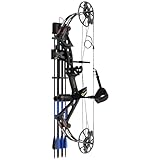
CrazyMouse Beginner Recurve Bow Set
A backyard bow set can go sideways pretty quickly if it feels too stiff, too sharp, or too serious for casual practice. Nobody wants a first archery session to turn into sore fingers, dropped arrows, and nervous glances every time someone lines up a shot. The CrazyMouse Beginner Recurve Bow Set takes a softer, safer route in the best material to make a bow and arrow conversation by using fiberglass construction, a reinforced handle, and beginner-focused arrows with non-sharp and suction cup tips. It’s clearly built more for controlled practice, coordination, and relaxed outdoor fun than for hunting power or advanced target tuning.
CrazyMouse Beginner Bow Set
CrazyMouse Beginner Bow Set feels designed around first-time confidence rather than raw shooting force. The 44.3-inch bow length keeps the setup compact enough for teens and new adult shooters to handle without feeling swallowed by the equipment. A big traditional bow can look exciting, sure, but it can also feel clumsy during early practice. This shorter frame makes basic aiming and draw control less intimidating.
The 18-22 lb draw weight is one of the smartest choices in this kit. Heavy draw weights can wreck form before someone even understands anchor point or follow-through. A lighter pull gives the shooter room to focus on alignment, grip pressure, and release without wrestling the bow. That matters because bad habits tend to stick once the shoulders start fighting the equipment.
The 22-24 inch draw length also signals that this bow is meant for casual learning, not full-size performance shooting. Taller adults with longer arms may feel limited, and that’s worth saying plainly. Still, for backyard practice, early archery drills, and family-style outdoor games, the size makes sense. It keeps the bow manageable instead of turning every shot into a strength test.
Right-and-left-handed usability adds welcome flexibility. Shared beginner gear often gets passed between different people, and hand orientation can become an annoying problem. This set avoids that issue by supporting both sides. That simple detail makes the bow easier to include in group practice without needing separate models.
Fiberglass Build And Safety-Focused Materials
Fiberglass is the main material story here, and honestly, that’s a practical fit for this kind of bow. Traditional wood has soul, but wood can crack, warp, or behave unpredictably when it’s cheaply made or poorly stored. Fiberglass handles beginner handling with less fuss. For a casual recurve set, toughness and repeatability beat old-school charm most days.
The reinforced handle gives the bow a more secure feel during practice. A weak handle can twist in the hand, especially when someone grips too tightly from nerves. Beginners do that all the time. A sturdier grip area helps keep the bow steadier while still staying light enough for repeated shooting.
The comfortable grip matters more than it looks on paper. Hand fatigue shows up fast during archery because the bow hand stays under tension even when the draw weight is light. A grip that feels too thin, slippery, or sharp can make shots inconsistent. CrazyMouse keeps the hold simple and approachable, which suits short backyard sessions well.
Non-sharp arrow tips and suction cup arrows change the personality of the kit completely. This isn’t a set for serious penetration, field hunting, or high-speed target work. It’s a controlled practice set that reduces some of the worry around first-time shooting. That safety-first design makes the materials feel intentional rather than watered down.
Practice Experience In A Backyard Setting
Backyard practice is where this set makes the most sense. Colorful bullseye targets help turn aim training into something visual and easy to understand. That may sound small, but clear targets help build patience and focus without overexplaining technique. The shooter can see progress, adjust, and try again without getting bogged down.
Hand-eye coordination gets a real workout with a light recurve like this. The draw, aim, release, and follow-through all happen in a simple rhythm. Nothing feels overly technical, yet the body still has to work together. That’s the sweet spot for a beginner kit.
The included finger saver is a useful touch because string pressure can surprise new shooters. Sore fingers can shorten a practice session fast, especially for teens or anyone still learning proper release. The finger saver attached to the bowstring helps make early sessions less punishing. It’s not fancy, but it solves a real little problem.
The arm guard belongs in the package, and it’s good to see it included. String slap is one of those beginner mistakes that feels worse than it looks, and it can make someone hesitant on the next shot. A guard adds a layer of comfort while form develops. Confidence grows faster when each shot doesn’t come with a sting.
What Comes In The Set
The full kit includes one recurve bow, five non-sharp safety fiberglass arrows, three suction cup arrows, five target face papers, an arm guard, a quiver, a pin sight, and a user manual. That’s a useful mix for casual target practice right out of the box. The variety of arrows also helps separate soft practice from slightly more traditional target-style use. It feels more like a backyard activity kit than a stripped-down bow purchase.
The quiver keeps arrows organized instead of scattered across the grass. That sounds basic, but outdoor practice gets messy when arrows are lying everywhere between rounds. A quiver also teaches better habits early. Gear has a place, shots happen in sequence, and the whole session feels less chaotic.
The pin sight adds a beginner-friendly aiming reference. Serious archers may eventually outgrow simple included sights, but early practice benefits from having a visual guide. It helps the shooter connect aim point with arrow impact. Little by little, that builds awareness.
The user manual is worth mentioning because beginners often need more than just parts in a box. Form, stance, and safe shooting habits aren’t automatic. The manual gives structure to the first setup and early practice. For a recreational set, that support keeps frustration from showing up too soon.
Limitations And Realistic Expectations
The biggest limitation is power. An 18-22 lb draw weight is friendly and manageable, but it won’t feel like a serious hunting recurve or an intermediate target bow. That’s not a flaw if the goal is safe practice and outdoor games. Trouble only starts if expectations drift too far from what the product is built to do.
The short draw length may not suit larger adults. A 22-24 inch range can feel cramped if the shooter has a longer natural draw. Cramped form can lead to awkward anchor points and inconsistent release. For casual use, it’s fine, but size fit still matters.
The suction cup arrows are fun and safer, though they come with obvious tradeoffs. They won’t fly like carbon target arrows, and they’re not meant to. Their job is to make practice less risky and more approachable. Judging them by advanced archery standards would miss the point.
Outdoor viewing habits sometimes overlap with backyard sports and nighttime curiosity, especially where distance and magnification start shaping expectations. A neutral reference related to optics appears in best binocular magnification for planet viewing, which sits outside the bow’s function but still belongs in the broader world of visual focus and outdoor observation.
Best Use Cases And Material Takeaway
CrazyMouse Bow and Arrow Set works best as a starter archery kit for relaxed outdoor practice. The materials don’t chase heritage craftsmanship, and that’s okay. Fiberglass brings resilience, the reinforced handle adds stability, and the safer arrow tips keep the experience approachable. It’s built to help people shoot more comfortably, not to impress traditional bow collectors.
The best material to make a bow and arrow changes depending on the goal. For handmade longbows, wood still has a special place. For beginner backyard sets, fiberglass often makes more sense because it handles bumps, repetition, and casual storage better. CrazyMouse leans into that practical side without overcomplicating the setup.
Safety-focused design shapes nearly every part of this product. The finger saver, arm guard, suction cup arrows, non-sharp tips, and lightweight build all point in the same direction. The set wants early archery to feel controlled rather than nerve-racking. That’s a smart lane to occupy.
The realistic buyer expectation should be simple: this is not a hunting bow, not a tournament bow, and not a handcrafted traditional showpiece. It’s a beginner recurve set for backyard games, coordination practice, and low-pressure target sessions. Used that way, the material choices make sense. Push it beyond that lane, and the limits show pretty quickly.
Sanlida Dragon X7 Compound Bow Package
Power sounds exciting until setup turns into a wrench hunt, a confusing manual, and a draw weight that feels like pulling against a locked door. A compound bow should feel adjustable, steady, and predictable before it ever feels fast. The Sanlida Dragon X7 brings a different angle to the best material to make a bow and arrow discussion because it steps away from traditional wood and leans into A380 aluminum, 6061 T6 aluminum cams, carbon arrows, and a full hunting-style accessory package. That material mix aims for repeatable performance, easier tuning, and stronger long-term structure than a basic recreational bow.
Sanlida Dragon X7
Sanlida Dragon X7 is built around a compound platform, so the experience feels nothing like a simple backyard recurve. The biggest difference shows up in the draw cycle, where the cams help manage holding weight once the bow reaches full draw. With about 75% let-off, the bow lets the shooter settle into aim without fighting the full draw weight the entire time. That calmer hold can make practice feel less frantic, especially after repeated shots.
The A380 aluminum riser gives this bow a rigid, stable backbone. Wood risers can feel warmer and more traditional, but compound bows need firm structure to handle cam tension, cables, accessories, and higher adjustment ranges. Aluminum makes sense here because it resists the small flex and seasonal movement that can affect softer materials. The bow feels more like a tool than a craft object, and that’s exactly the point.
6061 T6 aluminum cams and modules add another serious material advantage. CNC machining supports cleaner alignment and repeatable adjustment points, which matters when draw length changes in 0.5-inch steps. Cams do a lot of work on a compound bow, so sloppy parts would ruin the whole feel. Sanlida’s material choice gives the Dragon X7 a more confident mechanical personality.
The full package design also lowers the usual setup barrier. This kit includes a 5-pin sight, arrow rest, stabilizer, wrist sling, peep sight, carbon arrows, quiver, release, arrow puller, bow stand, compound bow case, and manual. Buying those parts separately can get messy fast, especially when compatibility isn’t clear. Having everything matched from the start keeps the first setup from feeling like a garage puzzle.
Material Choices That Shape Performance
Best material to make a bow and arrow depends heavily on the bow style, and the Dragon X7 proves that point well. Traditional bows often benefit from wood, fiberglass, bamboo, or laminated limb construction. Compound bows play by a different rulebook. Here, aluminum, machined cams, high-strength strings, cables, and carbon arrows matter more than old-school charm.
Carbon arrows fit this setup better than basic fiberglass arrows. A compound bow with adjustable power and a listed IBO speed of 300 FPS needs arrows that can handle more force and deliver steadier flight. Carbon shafts usually make more sense for repeatable shooting than casual beginner arrows. They’re also lighter and straighter in feel than many budget training arrows, though they still require inspection after hard impacts.
High-strength string and cable materials are essential on a bow like this. Compound systems place constant load on cables, cams, and string tracks, so weak material would create safety and accuracy problems quickly. The provided description doesn’t name the exact string fiber, so there’s no need to pretend otherwise. What matters from the supplied specs is that the system is built for the bow’s broad adjustment range and higher draw capacity.
The aluminum riser also helps support accessory weight. A 5-pin sight, stabilizer, quiver, arrow rest, sling, and peep sight all add function, but they also add complexity. A flimsy frame would make that setup feel scattered. The Dragon X7’s rigid build keeps the package feeling more purposeful.
Adjustability And Setup Control
The 0-70 lb draw weight range is the headline feature, and it’s genuinely useful if handled with patience. A bow that can adjust from very light pull to hunting-level draw weight gives room to grow. That doesn’t mean everyone should crank it up right away. Good form beats bragging rights every single time.
The 17-31 inch draw length range makes the bow adaptable across a wide span of body sizes and shooting styles. A poorly fitted draw length can wreck anchor point, peep sight alignment, and release timing. Half-inch adjustment increments help fine-tune the feel instead of forcing a rough compromise. That kind of fit control is one reason compound bows attract shooters who care about consistency.
No bow press needed is a major convenience point. Bow presses can be intimidating, expensive, and easy to misuse without proper knowledge. Sanlida includes seven hex wrenches for adjustment, which makes basic draw weight and draw length changes more approachable. Still, careful reading of the manual matters because compound bows store serious energy.
The 30-inch axle-to-axle length keeps the Dragon X7 compact without feeling toy-like. Shorter compound bows move well in tighter spaces, but they can sometimes feel less forgiving than longer target models. This size leans toward hunting-style handling rather than slow, ultra-stable range shooting. For practical field carry, that tradeoff makes sense.
Real Use Feel And Accessory Value
The 6.5-inch brace height hints at a bow tuned for a balance of speed and control. Shorter brace heights can produce more speed but may punish sloppy release habits. Longer brace heights often feel more forgiving, though sometimes slower. Dragon X7 sits in a practical middle lane for a ready-to-hunt compound setup.
The 4.1-pound net weight gives the bow enough presence in the hand. Feather-light bows may carry nicely, but they can feel nervous during aim. Extra mass can steady the sight picture, especially with a stabilizer installed. After a long session, though, that weight can still tire the arm if conditioning isn’t there yet.
The 5-pin sight makes sense for varying distances, especially in outdoor use where fixed single-distance practice can feel limiting. Pin sights require patience, careful adjustment, and honest range awareness. They won’t magically fix poor anchor or bad release habits. But once tuned, they give the shooter a more structured aiming reference.
The included release changes the shooting feel compared with fingers on a recurve string. Compound bows typically benefit from cleaner release mechanics, and a release aid can reduce string torque. That matters because even small inconsistencies can move an arrow off line. It also makes practice feel more repeatable once the shooter develops a steady routine.
Safety, Limits, And Field Reality
Dry firing risk deserves plain language. The product notes warn that dry firing may damage the bow and cause possible injury, and that warning should not be treated like fine print. Compound bows store a lot of energy. Releasing without an arrow can send that energy into cams, limbs, strings, and cables in a nasty way.
The broad draw range is helpful, but it also invites bad decisions if someone rushes the setup. A 70 lb draw setting can be too much for many people, especially without practiced form. Shoulder strain, shaky aim, and sloppy release usually follow when draw weight is set too high. Starting lower and building control is the smarter path.
The full accessory bundle creates value, though bundled gear may not satisfy every picky shooter forever. Some people will eventually want a different rest, sight, stabilizer, or release after learning their preferences. That’s normal. The stock package gives a working foundation rather than a custom-tuned premium build.
Outdoor shooting conversations sometimes overlap with pest-control gear and distance judgment, though the equipment categories are different. A separate reference point appears in best air rifles for pigeons, which relates more to air-powered pest-control discussion than compound bow setup.
What Stands Out In The Dragon X7
The strongest advantage is adjustability without needing a bow press. That one feature can save a lot of hassle during early setup, especially as draw length and draw weight get dialed in. The included wrench set makes small changes more manageable. Still, slow adjustments and careful manual reading are part of the deal.
The material package feels appropriate for a modern compound bow. A380 aluminum gives the riser structure, 6061 T6 aluminum supports the cam system, carbon arrows suit stronger launches, and high-strength string materials handle mechanical load. This isn’t the romantic answer to the best material to make a bow and arrow. It’s the practical answer for compound performance.
The ready-to-hunt bundle reduces the number of separate purchases needed before the bow feels usable. The case, quiver, arrow puller, stand, sight, rest, stabilizer, release, and arrows all serve real roles. That completeness matters for someone who doesn’t want to piece together a system one part at a time. Fewer mismatches mean less early frustration.
The realistic tradeoff is complexity. A compound bow gives speed, let-off, and adjustability, but it also brings cams, cables, tuning points, and safety responsibilities. A simple recurve may be easier to understand, while the Dragon X7 rewards a more careful setup mindset. For a shooter willing to respect the mechanics, the materials and package design make this bow feel serious without turning the first build into a professional shop project.
Lanneret Compound Bow Hunting Set
Some bows look friendly on the product page, then punish sloppy setup the second the string comes back. That’s the awkward gap this Lanneret Compound Bow tries to close with a broad adjustment range, a lighter frame, and a ready-to-shoot accessory bundle. In the bigger conversation around the best material to make a bow and arrow, this one clearly favors aluminum alloy construction, modern compound mechanics, and practical tuning over the warmth of traditional wood. It’s not the romantic campfire version of archery, but it does make a strong case for durability, speed, and adjustability.
Lanneret Compound Bow Set
Lanneret Compound Bow Set feels built for people who want the mechanics of a compound bow without being buried under shop-only adjustments right away. The draw weight ranges from 0-70 lbs, which gives plenty of room to start light and work upward as form improves. That matters because forcing heavy draw weight too early is a quick way to build bad habits. A bow should help develop consistency, not turn every shot into a shoulder contest.
The 25-31 inch adjustable draw length gives this setup a useful fit range for many adult shooters. Draw length affects anchor position, peep alignment, release timing, and overall comfort. A half-correct fit can make even a decent bow feel twitchy. Lanneret’s no-bow-press adjustment makes tuning less intimidating, though it still deserves careful reading of the manual.
The 30.25-inch axle-to-axle length puts this bow in a compact hunting-style category. It’s short enough to handle in tighter outdoor spaces, yet not so tiny that it feels like a toy. Compact compound bows can feel a little less forgiving than longer target models, especially with rushed form. Still, this size makes sense for training, outdoor target work, and field-style use.
The right-hand orientation needs attention before anything else. This bow is held in the left hand while the string is drawn with the right hand, and aiming lines up with the right eye. That setup fits right-handed shooters, but it won’t suit everyone. Buying the wrong hand orientation is one of those mistakes that feels obvious only after the package arrives.
Aluminum Alloy Build And Modern Bow Materials
Aluminum alloy is the main material story here, and it’s a sensible choice for a compound bow. Traditional wood has character, sure, but compound systems need a riser that can handle tension, accessories, cable load, and repeated adjustment. Aluminum gives the structure a firmer backbone without adding the seasonal worries that come with natural materials. For this style of bow, strength and stability matter more than rustic charm.
The lightweight 2.5 lb net weight is a standout detail from the supplied specs. A lighter bow is easier to carry and less tiring during longer practice sessions. The tradeoff is that very light bows can sometimes feel less settled at full draw, especially before the stabilizing accessories are dialed in. That’s not a dealbreaker, but it’s something a careful shooter will notice.
The compound design changes the shooting experience compared with a recurve or longbow. Cams help manage the draw cycle and can make aiming feel more controlled once the bow is set correctly. Still, compound bows bring more moving parts, which means more responsibility. Strings, cables, screws, sight alignment, and rest position all need respect.
The best material to make a bow and arrow depends on the job, and this bow proves that point nicely. Wood and fiberglass make sense for traditional recurve bows, while aluminum alloy fits modern compound builds better. The arrow side also matters because higher-speed bows need properly matched arrows. Material choice isn’t about tradition alone, it’s about stress, repeatability, and safe energy transfer.
Speed, Adjustment, And Shooting Comfort
The listed IBO speed up to 320 fps gives this bow a quicker personality than casual backyard recurves. Speed can flatten arrow trajectory and make distance gaps feel less dramatic, but it doesn’t replace clean form. A fast bow with poor grip pressure still sends arrows off course. Speed is a tool, not a shortcut.
The 0-70 lb tension range gives the bow room to grow with skill and strength. Starting low helps build repeatable anchor, smooth release, and steadier aim. Cranking the weight too high too soon usually leads to shaking, punched releases, and sore shoulders. The smart path is boring at first, but it pays off.
Allen wrench adjustment without a bow press is a practical advantage. A bow press can add cost, complexity, and risk if someone doesn’t know what they’re doing. Lanneret keeps basic adjustment more accessible, which helps during early tuning. Even so, small changes should be made slowly because compound bows store serious energy.
Comfort accessories play a bigger role than they get credit for. The included accessories are described as helping reduce vibration and assist aiming, which can make practice feel less harsh. A smoother shot encourages better follow-through. Less arm shock also helps keep the shooter from flinching after release.
Included Gear And Setup Practicality
The ready-to-hunt style package means this bow arrives with accessories that support actual shooting rather than just display value. The product description notes that it comes complete with shooting accessories, including items that help with aiming and vibration comfort. That matters for anyone who doesn’t want to piece together every part separately. Matching accessories can reduce the early confusion that often comes with compound bows.
The arm guard is a practical safety piece, not filler. String contact can sting badly, and it often happens while form is still developing. Newer shooters may rotate the elbow inward or crowd the string path without realizing it. A guard gives some protection while those habits get cleaned up.
The aiming support built into the package helps organize the shooting routine. Compound bows reward repeatability, so a sight reference, stable grip, and consistent release process all matter. The equipment won’t do the work by itself, but it gives structure. That structure is helpful when practice starts feeling scattered.
Outdoor use often brings up other gear conversations around distance, power, and responsible field setup. A separate neutral reference appears in best coyote rifles for any budget, which sits in a different equipment category but shares the broader theme of matching tools to outdoor conditions.
Safety Notes And Real Limitations
Dry firing warning deserves the loudest mention in this review. The product description clearly says not to shoot the compound bow without an arrow because it can hurt the shooter and damage the bow. That’s not a casual warning. A compound bow stores enough energy that one careless dry fire can turn expensive parts into a problem fast.
The right-hand-only setup limits who should consider this bow. Left-handed shooters or left-eye-dominant shooters may struggle with comfort and aiming. Archery fit isn’t just about strength. Hand orientation and eye dominance shape the whole experience.
The lightweight build has a small tradeoff during aiming. At 2.5 lbs, the bow should feel easy to carry, but a very light frame can move more if grip pressure gets uneven. A stabilizer and patient form help. Still, shooters expecting a heavy, rock-steady target bow may need to adjust expectations.
The adjustment range is generous, but it can also tempt people into tinkering too much. Draw weight, draw length, sight position, and shooting form all interact. Changing everything at once makes it hard to know what actually improved. A slower setup process usually leads to better results.
Where This Bow Makes The Most Sense
Lanneret Compound Bow Set fits best where adjustability, light carry weight, and modern materials matter. It isn’t trying to feel like a handcrafted wooden bow. It’s built around aluminum alloy structure, compound mechanics, and flexible settings. That gives it a practical edge for training, outdoor target shooting, and hunting-style preparation.
The material choice separates it from beginner fiberglass recurves and traditional wood bows. Aluminum alloy gives the riser a firmer foundation, while the compound system handles speed and adjustability. This makes the bow more mechanical, yes, but also more tunable. That’s a fair trade for shooters who like precise setup control.
The best material to make a bow and arrow isn’t one universal answer. For a handmade longbow, straight-grained wood still carries the magic. For a beginner safety set, fiberglass can be the more forgiving pick. For a compound bow like this Lanneret, aluminum alloy makes better sense because the platform depends on rigidity, adjustability, and controlled mechanical movement.
The realistic expectation should stay grounded. This bow offers a wide draw range, a light frame, right-hand shooting layout, and no-bow-press adjustment, but it still needs careful setup and safe handling. The manual isn’t optional reading here. Used with patience, the Lanneret package gives a practical route into compound archery without making the first step feel like a full pro-shop project.


12 Best 22 Pcp Air Rifle For Hunting of 2026 With Quiet Power

7 Best 22 Pcp Air Rifle Under 300 of 2026 For Backyard Pest Control

10 Best 22 Break Barrel Air Rifles of 2026 For Backyard Pest Control

10 Best 30 Caliber Pcp Air Rifle of 2026 For Medium Game

Top Best 177 Air Rifle Under 100: Budget-Friendly Picks for 2026

How to Safely Reload Shotgun Shells at Home

11 Best Co2 Air Rifle For Pest Control of 2026 To Ensure Humane Dispatch

12 Best Inexpensive Air Rifles of 2026 For Dependable Backyard Accuracy






