Best Pump Shotgun for Waterfowl 2026 Field Picks

A dependable best pump shotgun for waterfowl needs to keep functioning after cold rain, marsh mud, loose vegetation, and hurried loading have all joined the hunt. Fancy finishes matter far less once wet gloves make every control feel smaller and the blind floor starts collecting grit. A straightforward pump action earns its place by giving the shooter direct control over each cycle, though that same manual operation demands clean technique. Short-stroking the fore-end can still interrupt a follow-up shot, especially during an awkward swing or a rushed second chance.
Weather-resistant construction deserves close attention because waterfowl guns rarely live an easy life. Protective metal coatings, synthetic stocks, and simple internal parts can reduce the worry caused by damp cases, splashing water, and sudden temperature changes. Still, no finish makes a shotgun maintenance-free, so the receiver, magazine tube, bore, and choke threads should be dried and cleaned after exposure. Saltwater marshes call for even stricter care since corrosion can begin in places that aren’t immediately visible.
Barrel length changes how the gun behaves in a blind, boat, or flooded timber. A 26-inch barrel feels quicker in tight cover, while a 28-inch barrel often delivers a steadier swing across open water without becoming excessively cumbersome. Longer barrels may feel smoother on passing birds, but they can bump against blind walls and snag more easily while climbing into a small boat. Balance and fit usually influence real shooting comfort more than an extra inch or two on the specification sheet.
Chamber size also affects flexibility, though bigger isn’t automatically better. A 3-inch chamber handles a broad range of common waterfowl loads and often keeps the shotgun lighter than many 3.5-inch alternatives. Heavy magnum shells add recoil, cost, and recovery time between shots, so they won’t fix poor range judgment or inconsistent mounting. A properly patterned 12-gauge with the right choke and non-toxic load can produce cleaner results than an oversized shell fired through a gun that’s uncomfortable to control.
Stock dimensions can make or break the experience once thick jackets enter the picture. A length of pull that feels natural in a T-shirt may become clumsy under insulated layers, causing the butt to catch on clothing or the muzzle to dip during mounting. Spacers, adjustable comb pieces, or compact stock options can help, but not every pump shotgun includes them. Recoil pads deserve scrutiny too, since a firm plastic plate can turn a long morning with stout loads into a sore shoulder and a growing flinch.
Controls should remain easy to locate by touch, not just look tidy on a showroom rack. A generously sized safety, a reachable action release, and a fore-end with useful texture all matter once fingers are cold or covered by gloves. Sling attachment points are handy for long walks through muddy fields, although loose hardware can rattle against the gun and create unwanted noise. Simple, positive controls usually beat decorative extras in a wet hunting environment.
Capacity, weight, and legal restrictions must be considered together. Waterfowl regulations commonly require a magazine plug that limits the shotgun to three shells total, so a large magazine tube won’t necessarily provide a field advantage. A heavier gun can soften recoil and smooth the swing, but it becomes tiring during long hikes or repeated climbs over levees. A lighter model carries easily, yet stout loads may feel sharper and the muzzle can become harder to keep moving through the target.
The strongest value often comes from a proven design with widely available replacement parts, choke tubes, and accessories. An unusual model may look appealing on paper, but limited parts support can become frustrating after a lost magazine cap or damaged extractor. Fit, reliable extraction, corrosion protection, and a cleanly moving fore-end should take priority over cosmetic extras. The right pump shotgun won’t erase missed leads or poor positioning, but it can remove mechanical doubt from an already demanding day.
Gamo Varmint .177 Air Rifle
A product can look appealing on paper and still miss the mark for the job at hand. The best pump shotgun for waterfowl needs shotgun-specific traits such as reliable shell cycling, suitable non-toxic loads, practical choke compatibility, and dependable operation around mud and water. The Gamo Varmint is something entirely different: a .177-caliber break-barrel air rifle built around single-pellet shooting rather than shotshell use. That distinction isn’t a minor technicality, because it changes the product’s purpose, handling, effective application, and legal considerations.
Gamo Varmint Air Rifle
The Varmint uses a single-cocking break-barrel action, so each shot requires the barrel to be hinged downward, a pellet to be loaded, and the action to be closed again. That routine is simple enough to understand, but it’s slower than cycling a pump shotgun and far removed from the quick follow-up rhythm expected during waterfowl hunting. The spring-piston powerplant is designed for repeated pellet shooting without external air tanks or CO2 cartridges. For casual target practice or carefully controlled pest work, that self-contained setup keeps the equipment list pleasantly short.
Gamo states a muzzle velocity of up to 1,250 feet per second with its PBA Platinum pellets. That figure describes a particular lightweight pellet and shouldn’t be treated as the speed of every .177 load, since pellet weight and shape influence velocity. Faster isn’t automatically better, either, because some rifles group more consistently with heavier pellets traveling at lower speeds. The sensible approach is to treat the listed velocity as a ceiling tied to the specified ammunition rather than a blanket performance promise.
The rifle’s spring-piston system has a reputation for being mechanically straightforward, but it also creates a distinct firing cycle. Recoil moves differently than it does in a firearm, with the spring and piston producing movement in more than one direction. That can punish ordinary scopes that weren’t designed for air-rifle recoil, which helps explain why Gamo includes a shockproof optic. Shooters new to break barrels may also notice that grip pressure and resting technique can change point of impact more than expected.
A lightweight build makes the rifle easier to carry around a property or move between informal shooting positions. Still, reduced weight can make the spring-piston movement feel more noticeable, especially during longer practice sessions. The included rubber recoil pad helps the stock sit comfortably against the shoulder, though it isn’t solving shotgun-level recoil because this isn’t a shotgun. Weight, balance, and hold sensitivity matter here mostly because they affect steadiness and repeatable accuracy.
Barrel, Stock, And Everyday Handling
The barrel combines a rifled steel core with a fluted polymer jacket. Rifling is essential for stabilizing a pellet, while the outer jacket keeps the exterior from feeling like a plain exposed steel tube. The fluted styling adds visual character, but the real performance question is whether the barrel and chosen pellet produce consistent groups. Pellet rifles can be picky, so a tin that shoots tightly in one barrel may perform poorly in another.
The synthetic stock is ambidextrous and weather resistant, which makes it less fussy than a traditional wood stock around damp grass, light rain, or dusty storage spaces. That doesn’t mean the rifle can be ignored after exposure, since the steel barrel, fasteners, and internal metal still benefit from proper drying and light maintenance. The stock’s neutral shape also avoids forcing left-handed operation into an awkward compromise. Even so, cheek placement should be checked carefully because the included scope sets the natural sighting height.
The grooved cylinder rail provides the mounting surface for the optic. Break-barrel rifles can be hard on mounts because the firing cycle may encourage gradual movement if the hardware isn’t properly secured. A stable setup depends on correctly installed rings, even screw tension, and occasional inspection after the first few sessions. Scope creep can look like poor accuracy when the real problem is simply shifting hardware.
The rifle’s cocking stroke is part of every shot, so technique matters beyond merely pulling the barrel downward. Consistent hand placement, a fully completed stroke, and careful closure help maintain the same mechanical starting point each time. Fingers should remain clear of the trigger and breech area while loading, and the barrel should be controlled rather than allowed to snap shut. That sounds basic, yet break-barrel handling punishes shortcuts rather quickly.
Scope And Trigger Characteristics
The included 4x32 shockproof scope gives the rifle a fixed four-power view. Fixed magnification keeps operation simple, and 4x is enough for paper targets or small, clearly identified objects at sensible air-rifle distances. A 32 mm objective offers a practical compromise between light gathering, size, and mounting height. The optic won’t provide the broad field of view associated with open sights, so close-range target acquisition may feel slower at first.
Scope quality often becomes a point of debate in bundled rifle packages. The supplied optic gets the rifle into service without requiring an immediate separate purchase, but expectations should stay grounded. Eye relief, adjustment feel, reticle clarity, and zero retention matter more than flashy specifications. Careful mounting and gradual zeroing can reveal whether an accuracy issue comes from the optic, the pellet, the hold, or the rifle itself.
The Gamo trigger includes an adjustable second stage, allowing some tuning of the break characteristics. That adjustment can help reduce the feeling of dragging through an uncertain release, though it doesn’t turn the trigger into a competition unit. Small changes should be made cautiously and within the manufacturer’s instructions. A predictable trigger supports tighter groups because the shot is less likely to break during a last-second grip change.
Spring rifles reward a lighter, repeatable hold more than a forceful clamp on the stock. Resting the fore-end in the same place and allowing the rifle to move naturally can produce better consistency than muscling it into position. This learning curve frustrates some first-time owners, but it also teaches useful trigger and follow-through habits. Technique sensitivity is both a limitation and a training benefit, depending on the patience brought to the setup.
Noise, Maintenance, And Practical Limits
The product description lists no noise-dampening system, so the Varmint shouldn’t be assumed to be whisper quiet. Spring-piston noise includes the mechanical snap of the powerplant along with the sound produced at the muzzle. Lightweight pellets approaching or crossing the speed of sound may create a sharper report, depending on conditions and actual velocity. That matters around close neighbors, enclosed structures, or properties where sound carries farther than expected.
Maintenance is relatively modest, but “modest” doesn’t mean careless. The bore should be treated according to air-rifle guidance rather than cleaned aggressively with firearm methods that may be unnecessary or damaging. External metal benefits from a light wipe after handling, particularly in humid climates. The pivot point, stock screws, scope mounts, and trigger-area fasteners also deserve periodic inspection because repeated cocking and firing can loosen hardware over time.
The included one-year warranty gives a defined coverage period, and the rifle is listed as made in Spain. Buyers should keep purchase records and follow the stated warranty process rather than assuming every wear issue will be covered automatically. Spring-piston rifles contain parts that operate under substantial mechanical stress, so proper use and storage matter. Leaving the rifle cocked for long periods, dry-firing it, or using unsuitable projectiles can create problems that routine care might otherwise prevent.
Purpose is the largest limitation in this comparison. A .177 pellet rifle is not a substitute for a pump shotgun, and it shouldn’t be presented as equipment for waterfowl hunting. Waterfowl laws, approved ammunition, hunting seasons, licensing rules, and humane harvest requirements vary by location, but a pellet air rifle and a shotgun occupy very different legal and ethical categories. A related discussion of controlled small-pest equipment appears in air guns for backyard pest control, where the product category fits more naturally.
Strengths, Weaknesses, And Best-Fit Use
The strongest part of the package is its self-contained simplicity. There’s no CO2 cartridge to replace, no compressor to run, and no separate air cylinder to fill. Cocking the barrel powers the next shot, which keeps ongoing setup straightforward. That convenience suits deliberate target sessions better than rapid shooting, since every pellet requires the full loading cycle again.
The supplied stock, scope, recoil pad, and rail make the Varmint feel like a more complete starter package than a bare rifle. Its ambidextrous stock also avoids shutting out left-handed handling. Still, included accessories shouldn’t distract from the need to test pellet compatibility and verify every mounting screw. Out-of-box completeness saves shopping time, but it doesn’t eliminate setup work.
Noise and hold sensitivity are the clearest tradeoffs. The absence of dampening means sound may be sharper than expected, while the spring-piston firing cycle can expose inconsistent technique. A shooter hoping for near-silent backyard use or effortless accuracy may come away disappointed. Someone willing to learn the rifle’s preferred hold, pellet, and scope setup will have a more realistic path to dependable results.
The Gamo Varmint makes sense as a .177-caliber target and pest-control air rifle where such use is lawful, safe, and appropriate. It makes far less sense under the keyword best pump shotgun for waterfowl, because the operating system, ammunition, range expectations, and intended quarry don’t align. That mismatch should be treated honestly rather than massaged into a forced recommendation. Product category matters, and here it matters a lot.
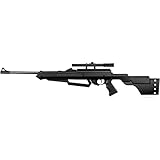
Barra Sportsman 900 Air Rifle
A rifle can look ready for serious field duty and still belong in a completely different lane. The best pump shotgun for waterfowl needs shotshell capability, legal non-toxic hunting loads, dependable cycling, and a pattern suited to moving birds, while the Barra Sportsman 900 is a .177-caliber multipump air rifle built around deliberate single-projectile shooting. That mismatch matters more than styling, advertised velocity, or the presence of a scope. Judged for target practice and lawful small-pest use, though, the Barra offers a flexible setup with adjustable power, two ammunition formats, and familiar rifle-like handling.
Barra Sportsman 900
The Sportsman 900 uses a multipump pneumatic system that allows between one and ten pump strokes before each shot. Fewer pumps suit close targets and lower-energy practice, while additional strokes raise the available pressure toward the listed maximum velocity of 800 feet per second. That adjustable output gives the rifle a useful amount of control, especially where a full-power shot isn’t necessary. The tradeoff is simple: every extra pump adds time and physical effort between shots.
Unlike a spring-piston break barrel, this design doesn’t rely on one heavy cocking stroke. The long pump lever spreads the effort across repeated movements, which can feel manageable at first but tiring during a long session. Ten pumps for every shot gets old fast, particularly from a seated position or a bench where the lever has limited room to swing. Variable pumping is handy, yet it rewards a slower shooting pace rather than rapid strings.
The rifle accepts both .177 pellets and steel BBs, giving it more flexibility than a pellet-only platform. Pellets are loaded individually and benefit from the rifled barrel, while the built-in reservoir holds up to 50 BBs for easier repeated loading. Dual-ammunition capability sounds convenient, but each projectile type behaves differently and may produce a different point of impact. Mixing them during the same session can create confusing groups unless the sights are checked again.
A multipump air rifle also makes the shooter responsible for keeping pressure consistent. Five pumps followed by six, then eight, will naturally change velocity and trajectory, even if the rifle itself is functioning correctly. Careful shot notes and a repeatable pumping routine can tighten results more than chasing accessories. Consistency behind the rifle is every bit as important as the mechanical specifications printed on the box.
Barrel And Sight Setup
The Sportsman 900 uses a 20-inch rifled barrel, which is a sensible foundation for pellet accuracy. Rifling imparts spin to the pellet, helping it maintain a more stable path than a smoothbore design would. Pellet shape, weight, and fit still influence grouping, so one tin may shoot noticeably better than another. Steel BBs can be used, but they don’t engage rifling in the same manner as lead pellets.
The included 4x15 rifle scope offers fixed magnification and a compact objective lens. Four-power magnification can make small paper targets easier to see without adding the size or adjustment complexity of a large variable optic. Still, a 15 mm objective is modest, so the sight picture may appear dimmer in poor light than it would through a larger scope. Realistic expectations help here, since the bundled optic is designed to get the rifle usable rather than mimic a costly target setup.
Adjustable fiber-optic sights remain available as an alternative to the scope. Their bright reference points can be quicker to acquire at shorter distances, and they avoid concerns about loose scope rings or shifting zero. The open sights also keep the rifle lighter and simpler, which may suit casual plinking better than magnified aiming. Two sighting systems give the owner room to choose between speed and visual precision.
Scope mounting deserves patience because a loose ring or uneven base can turn a straightforward zeroing session into a headache. Screws should be checked after the first few shooting sessions, especially if groups suddenly begin wandering. The rifle’s drop stock is intended to support a useful line of sight, though cheek placement may feel different with the scope than with the open sights. A repeatable cheek weld helps keep the eye centered behind either system.
Loading And Ammunition Handling
The large loading chamber is one of the more practical details in the design. Small .177 pellets can be fiddly, especially with cold fingers, and a wider opening reduces some of that frustration. A magnetic loading pin helps retain BBs during loading, which is useful when the rifle isn’t held perfectly level. That small feature doesn’t sound dramatic, but it addresses a real annoyance found on compact airgun breeches.
The built-in 50-BB reservoir reduces the need to handle each steel BB individually. Tilting and positioning the rifle feeds a BB toward the magnetic pin, allowing repeated loading without reaching for a separate container every time. The system is convenient for informal target practice, though it won’t feel as quick as a detachable magazine. A missed feed can still happen if the rifle isn’t oriented correctly or the reservoir is nearly empty.
Pellets require more deliberate loading but generally make better use of the rifled barrel. Their skirted shape and varied weights provide more opportunities to tune accuracy for a particular distance. BBs lean toward convenience, while pellets lean toward precision, so the rifle’s dual-ammo capability isn’t merely a marketing detail. Ammunition choice changes the entire shooting experience, from loading speed to group size.
A related look at projectile selection appears naturally in air gun pellets for rabbits, since pellet weight and construction affect trajectory and terminal behavior. Local laws, safe backstops, property boundaries, and humane-use standards still determine whether any small-game application is appropriate. The rifle’s listed capability doesn’t override those responsibilities. Paper targets remain the clearest way to evaluate accuracy without introducing unnecessary variables.
Stock Design And Shoulder Fit
The stock is made from thick-walled ABS plastic with a lightly textured surface. Synthetic construction keeps moisture from affecting it the way unfinished wood can be affected, and the texture provides extra grip around the pistol-grip area. ABS also helps keep manufacturing costs under control, which fits the rifle’s budget-oriented position. It won’t deliver the warmth or visual character of wood, but it’s easier to live with around dirt and damp grass.
The modern sporting-rifle influence is obvious in the pistol-grip handle and dropped stock line. That shape gives the rifle a more contemporary appearance than the traditional curved stocks found on many multipump BB guns. The grip can help maintain wrist alignment while aiming, particularly from a bench or supported position. Some shooters may still prefer a conventional stock because it allows a more relaxed hold during repeated pumping.
Stock geometry affects more than appearance. The dropped comb helps establish a sight line behind the scope, but fit will vary with face shape, shoulder position, and whether open sights or magnification are being used. A poor cheek weld can make the scope seem inconsistent even when its zero hasn’t moved. Shoulder fit and eye alignment deserve a few quiet minutes before any serious zeroing begins.
The lightweight build makes the rifle easier to carry around a yard or transport to a range. Less weight also means the gun moves more readily with small changes in breathing, grip pressure, or trigger movement. Supported shooting may reveal the rifle’s accuracy more clearly than standing practice at first. Once technique improves, the lighter frame becomes easier to manage without feeling cumbersome.
Power Control And Practical Accuracy
The listed maximum velocity of 800 feet per second represents the upper end of the rifle’s performance with appropriate ammunition and pumping. Actual velocity can vary with pellet weight, pump count, seal condition, temperature, and other factors. A light projectile may travel faster than a heavier one, but speed alone doesn’t guarantee the smallest group. Accuracy depends on a combination of ammunition fit, sight setup, trigger control, and consistent pressure.
Adjustable pump count gives the Sportsman 900 a useful advantage at short distances. Lower power can reduce noise, pumping effort, and the chance of damaging a lightweight target trap. Higher power may flatten trajectory somewhat, but it also demands more work and may increase the consequences of an inadequate backstop. Power should match the task, not simply be pushed to the maximum out of habit.
The trigger and stock arrangement encourage deliberate shooting rather than rushed firing. Each shot requires loading, pumping, shouldering, aiming, and follow-through, which naturally slows the pace. That rhythm can be helpful for building sound habits because sloppy preparation becomes obvious on the target. It may frustrate anyone expecting semiautomatic speed or magazine-fed convenience.
Long-range language should be interpreted carefully for a .177 multipump rifle. The scope can make distant targets look closer, but magnification doesn’t remove pellet drop, wind drift, or reduced energy downrange. Practical distance depends on the target size, projectile, pump level, and the shooter’s ability to hold a repeatable group. Responsible range limits matter more than stretching the rifle to an arbitrary number.
Noise, Effort, And Everyday Tradeoffs
The pump mechanism gives the rifle adjustable power without CO2 cartridges or a separate air tank. That independence reduces ongoing supply needs, but the shooter provides the energy manually. Ten-stroke shooting sessions can become tiring for smaller frames or anyone dealing with limited hand and shoulder strength. Self-contained operation trades consumable convenience for physical effort.
Noise changes with pump count and ammunition. Lower pressure generally produces a softer report, while maximum pumping can make the rifle noticeably louder. The product details don’t identify a dedicated sound-dampening system, so it shouldn’t be treated as nearly silent. Backyard use requires consideration for neighbors, local ordinances, and the way sound reflects between fences and buildings.
Maintenance is straightforward but shouldn’t be ignored. Pump seals depend on proper care, the barrel benefits from suitable airgun maintenance, and external screws should be checked periodically. Dirt around the loading area can interfere with smooth feeding, especially when BBs are poured from a dusty container. Simple upkeep helps preserve consistent pumping pressure and sight alignment.
The biggest limitation has nothing to do with the rifle’s materials or scope. This is not a shotgun, and it cannot perform the role suggested by best pump shotgun for waterfowl. It fires individual .177 projectiles rather than patterned shotshell loads, and its operating method is intended for a different kind of shooting. Treating it as a waterfowl option would blur an essential distinction in equipment, ethics, and legal use.
Where The Sportsman 900 Makes Sense
The Barra is best understood as a budget-conscious target air rifle with adjustable power and dual-ammunition convenience. Its scope, fiber-optic sights, BB reservoir, and rifled barrel create a fairly complete setup without requiring several separate purchases. The ability to choose one to ten pumps makes it adaptable for different paper-target distances. That flexibility is the rifle’s central strength.
The loading system also makes sense for someone tired of tiny, awkward breeches. A larger chamber and magnetic retention pin reduce fumbling, especially during relaxed outdoor practice. BB reservoir capacity adds convenience, while pellet compatibility provides a path toward tighter groups. Ease of loading and ammo flexibility give the Sportsman 900 more personality than a basic single-format plinker.
Its weak points are equally plain. Repeated pumping slows the pace, maximum-power use can become tiring, and the compact bundled scope may feel limited in dim conditions. The synthetic build favors practicality over refinement, while the rifle’s light weight can expose shaky technique. None of those drawbacks ruin the package, but they shape who will enjoy it.
Someone expecting a fast follow-up rifle, a quiet backyard tool, or a true waterfowl firearm should look elsewhere. The Sportsman 900 fits slower, controlled sessions where the shooter doesn’t mind working the pump arm and experimenting with pellets. It rewards patience more than speed. Used for its actual purpose, it offers a flexible introduction to multipump pneumatic shooting without pretending to be something it isn’t.
Gamo Swarm Whisper .22 Air Rifle
A quiet shooting session can fall apart fast once harsh recoil, awkward loading, and a flimsy stock start piling on. The best pump shotgun for waterfowl belongs to a very different category, though, because the Gamo Swarm Whisper is a .22-caliber air rifle rather than a shotshell firearm. That distinction affects range, ammunition, intended use, and legal suitability. Judged on its actual design, the Swarm Whisper focuses on reduced vibration, controlled sound, weather-tolerant materials, and a more forgiving firing cycle than many traditional spring-powered airguns.
Gamo Swarm Whisper
The heart of this rifle is Gamo’s IGT gas-piston system. Instead of relying on a conventional coiled spring, the rifle uses inert gas technology to drive the shot. Gamo describes this setup as offering higher velocity, less vibration, and a longer service life than traditional spring-powered airguns. That sounds technical, but the practical payoff is easier to understand: the firing cycle should feel less buzzy and less mechanically harsh.
Reduced vibration matters because spring-powered rifles can be surprisingly sensitive to grip pressure and follow-through. A rough firing cycle may move the sight picture before the pellet leaves the barrel, making consistent groups harder to achieve. The gas piston doesn’t remove every movement, but it aims to make the shot feel cleaner and more controlled. Smoother operation can help the rifle feel less demanding during longer practice sessions.
The .22 caliber also gives the Swarm Whisper a different personality from a lighter .177 rifle. A larger pellet generally carries more weight, which can support steadier behavior in some outdoor conditions, though actual performance depends on pellet design and range. The tradeoff is a more curved trajectory compared with many fast .177 loads. Pellet selection and sight-in distance still matter more than caliber labels alone.
This rifle’s strengths make the most sense for measured shooting rather than quick, reactive firing. The owner still needs time to cock, load, aim, and reset between shots. That pace suits paper targets and lawful pest-control situations better than anything involving fast-moving birds. The air-rifle format should never be confused with the operating role of a pump shotgun.
Gas Piston Pros And Cons
The biggest advantage of the IGT system is its effort to reduce the familiar twang and vibration of a steel spring. A less abrupt shot cycle can make the rifle feel more refined without adding complicated external equipment. There’s no CO2 cartridge to replace and no separate air tank to fill. Self-contained power keeps the setup straightforward for regular backyard or range use where local rules allow it.
Gas-piston rifles can also remain cocked for a short period without the same concerns often associated with compressing a traditional coil spring. That doesn’t mean the rifle should be left cocked casually or stored under tension. Safe handling and manufacturer guidance still come first. The benefit is more about mechanical consistency than permission to ignore good habits.
A gas ram can deliver a firm cocking stroke, and that effort may surprise anyone expecting a lightweight plinker. The smooth firing cycle doesn’t automatically mean the rifle is easy to cock. Repeated use can become tiring, especially from a seated bench or confined shooting position. Cocking effort is a realistic drawback for smaller frames or limited upper-body strength.
Repair options may also differ from those of a simple steel-spring rifle. Traditional spring components are familiar to many airgun technicians, while gas-piston service can require specific replacement parts. The product description emphasizes longer life, but it doesn’t eliminate wear or maintenance needs. That’s worth remembering before treating the powerplant as maintenance-free.
Whisper Technology And Recoil Control
Gamo’s Whisper Technology is designed to reduce the rifle’s report. That feature can make outdoor shooting less intrusive, especially compared with louder air rifles that produce a sharp crack. Sound still depends on pellet choice, surroundings, and the way nearby walls or fences reflect noise. “Really quiet” should be understood as reduced noise rather than silence.
The firing mechanism itself contributes another layer of sound beyond the muzzle report. A gas piston may remove some spring noise, but the action still produces a mechanical snap. Lightweight pellets can also sound sharper if they travel near the speed of sound. Pellet weight and environment influence the final noise level more than the rifle’s branding alone.
The buttpad uses a Shock Wave Absorber to reduce felt movement at the shoulder. Air-rifle recoil is much lighter than shotgun recoil, yet the unusual forward-and-rearward impulse of a piston system can still affect comfort and scope stability. A cushioned buttpad helps the rifle settle against clothing and keeps the stock from feeling hard during repeated shots. It also improves shoulder grip, which can make mounting more repeatable.
The pad won’t erase technique problems. A tight, forceful hold can sometimes make a piston rifle group worse, while a consistent relaxed hold may improve accuracy. The Swarm Whisper still rewards patience, even with its softer firing behavior. Recoil management and hold consistency work together rather than acting as separate issues.
Stock Design And Outdoor Durability
The rifle uses an all-weather synthetic stock with black rubber inserts. Synthetic material handles moisture and temperature changes with less fuss than unfinished wood. That’s useful around damp lawns, dusty sheds, or range benches where scratches and grime are part of the routine. The stock still needs to be wiped down, though, because metal parts remain vulnerable to neglect.
Rubber inserts add texture where the hands naturally contact the rifle. A slippery stock can make cocking and shouldering more awkward, particularly in light rain or humid weather. The inserts should improve grip without requiring aggressive checkering. Practical traction is a small detail, but it matters once hands are sweaty or cold.
Synthetic construction usually favors function over classic appearance. Some shooters prefer the warmth and balance of wood, while others would rather not worry about dents and moisture marks. The black finish gives the Swarm Whisper a straightforward, modern look. Its design won’t satisfy everyone, but it fits the rifle’s low-maintenance direction.
The listed package dimensions are 47.7 inches long, 7.1 inches wide, and 2.7 inches high. Those measurements describe the package rather than the rifle’s exact handling length, so they shouldn’t be mistaken for stock dimensions. Still, the packaging suggests a full-length air rifle rather than a compact carbine. Storage space and transport cases deserve a quick check before purchase.
Practical Accuracy And Pellet Behavior
The product details don’t provide a scope specification, barrel length, trigger description, or measured group size. That missing information limits how far any accuracy claim should go. A gas-piston system and .22 caliber can support capable target shooting, but the actual result depends on the barrel, sights, pellet fit, and technique. No honest review should invent precision figures that weren’t supplied.
Pellet rifles often show clear preferences for one projectile shape or weight over another. A dome-shaped pellet may group tightly, while a pointed or hollow design may open up at the same distance. That variation doesn’t necessarily indicate a bad rifle. Testing several pellet types is part of setting up almost any serious airgun.
The .22 caliber’s heavier projectile can offer useful energy retention, but it also demands careful range estimation. A slower pellet drops more noticeably as distance increases, especially when sighted for a short backyard lane. Small errors in holdover can move the impact point enough to matter. A stable rest and repeatable sight picture help separate rifle behavior from shooter error.
In some cases, a neutral reference to unrelated aiming accessories appears in laser sights for handguns, though that topic doesn’t directly match this air rifle. The Swarm Whisper should be evaluated using air-rifle optics, sights, and mounting hardware suited to its recoil pattern. Standard firearm accessories aren’t automatically compatible with piston-driven airguns. Correct equipment matching prevents wasted money and wandering zero.
Pros That Stand Out
Reduced vibration is the clearest mechanical advantage in the supplied description. The IGT piston aims to replace the rougher sensation of a traditional spring with a cleaner shot cycle. That can make practice feel less tiring and may help keep the sight picture calmer. It’s especially valuable for anyone frustrated by the buzz and bounce of basic spring rifles.
Noise control is another meaningful strength. Whisper Technology and the gas-piston system work toward a less abrupt report than many loud break-barrel designs. The rifle won’t be silent, but the reduced sound can make it easier to use responsibly in suitable outdoor areas. Local ordinances and safe backstop requirements still apply regardless of noise level.
The synthetic stock with rubber inserts suits damp and dusty environments better than delicate furniture-grade wood. Grip texture supports steadier handling, while the black finish hides minor scuffs more easily. The stock also reduces anxiety about light rain or muddy hands. That practical attitude fits a rifle meant to be used rather than displayed.
The Shock Wave Absorber buttpad rounds out the comfort features. It softens the contact point at the shoulder and helps keep the stock planted during the shot. Combined with lower vibration, it makes the rifle sound less punishing over repeated use. Comfort and control are handled thoughtfully here, even though they don’t eliminate the need for consistent technique.
Cons And Realistic Limitations
The largest drawback is the mismatch with best pump shotgun for waterfowl. This product is a .22 air rifle, not a shotgun, and it cannot fire legal waterfowl shotshell loads. Its single-projectile format, operating cycle, and intended applications are entirely different. That difference should be stated plainly rather than buried under feature talk.
Sound reduction may also create unrealistic expectations. The word “Whisper” suggests quiet operation, but no piston air rifle becomes silent simply through barrel technology. Mechanical noise, pellet speed, and nearby surfaces still shape what the shooter hears. Reduced noise is not no noise, and neighbors may still notice the report.
Cocking effort is another likely concern. Gas-piston rifles often need a firm stroke, and repeated loading can wear out the arms before the pellet tin is empty. The smoother shot doesn’t cancel the physical work required to prepare each round. Anyone with shoulder, wrist, or grip limitations may find the routine less comfortable than expected.
The supplied information also leaves several practical questions unanswered. There’s no listed scope, trigger adjustment detail, magazine capacity, exact rifle length, or warranty information in the description provided. Those omissions don’t prove a weakness, but they prevent a complete evaluation of setup and ownership costs. Missing specifications should encourage careful product verification rather than guesswork.
Where This Rifle Fits Best
The Swarm Whisper fits slow, controlled shooting where quiet operation and lower vibration matter more than rapid follow-up shots. Paper targets, informal practice, and lawful pest control align better with its design than fast-moving game. The .22 caliber adds weight and authority compared with lighter pellet formats, though responsible range limits remain essential. A solid backstop is non-negotiable.
The rifle also suits someone who wants a self-contained powerplant without CO2 or external filling gear. Cocking supplies the energy for each shot, so there’s less equipment to carry and fewer consumables to manage. The cost appears in physical effort and a slower pace. Simplicity and repetition come as a package.
Cold, damp, or messy outdoor conditions play to the synthetic stock’s strengths. Rubber inserts add grip, while the weather-resistant construction reduces concern about cosmetic damage. Proper drying and maintenance still matter because the barrel and internal components aren’t immune to corrosion. Weather resistance lowers fuss, but it doesn’t excuse neglect.
Anyone shopping specifically for waterfowl equipment should move on to a legal shotgun designed for non-toxic shot and moving targets. The Gamo Swarm Whisper belongs beside airgun targets, pellet tins, and suitable air-rifle optics, not duck blinds and shotshell belts. Its appeal comes from quieter .22-caliber shooting, smoother gas-piston behavior, and a practical synthetic build. Used within that role, its feature set makes sense without forcing it into the wrong category.
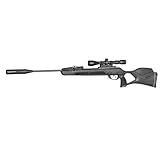
Gamo Swarm Magnum 10X GEN3i .22 Air Rifle
Power gets plenty of attention, but awkward loading and inconsistent trigger feel can ruin the experience long before velocity becomes the deciding factor. The best pump shotgun for waterfowl belongs to a different class of equipment, while the Gamo Swarm Magnum 10X GEN3i is a .22-caliber break-barrel air rifle built for repeated pellet shooting. Its 10-shot magazine, gas-piston powerplant, adjustable trigger, and scope-protecting rail solve several frustrations commonly associated with traditional single-shot piston rifles. Still, the size, cocking effort, recoil behavior, and high listed velocity create tradeoffs that deserve a clear-eyed look.
Gamo Swarm Magnum 10X GEN3i
The standout feature is the 10X GEN3i inertia-fed magazine. Instead of manually placing one pellet into the breech after every shot, the shooter loads the 10-shot magazine and cycles the break barrel between shots. That saves fiddling with tiny pellets, especially outdoors where cold fingers or dropped ammunition can become irritating. The rifle still requires a full cocking stroke for every shot, so the magazine speeds loading rather than turning the gun into a semiautomatic.
The horizontal magazine layout is intended to keep the feeding system compact and closer to the rifle’s natural profile. A tall magazine can interfere with scope placement or create an awkward sight line, so the GEN3i arrangement addresses a real packaging problem. Low-profile feeding helps preserve a conventional shoulder position while still carrying ten pellets. The tradeoff is added mechanical complexity around the breech compared with a plain single-shot break barrel.
Magazine reliability depends on using pellets that fit the system properly. Odd shapes, damaged skirts, or unusually long projectiles may not feed as smoothly as standard ammunition. Dirt and pellet debris can also interfere with the indexing mechanism if the magazine isn’t kept clean. Ammunition compatibility matters here because convenience disappears quickly if feeding becomes inconsistent.
Follow-up shots are quicker than with a manually loaded break barrel, but “quick” needs some perspective. The barrel must still be pulled down, cocked fully, returned to battery, and shouldered again. That rhythm is much faster than handling each pellet separately, yet slower than operating a repeating pneumatic or firearm. The system fits deliberate shooting where faster reloading matters more than true rapid fire.
Power And The IGT Mach1 System
The rifle uses Gamo’s IGT Mach1 gas piston instead of a conventional steel spring. A 33-millimeter inert gas cylinder supplies the energy, and Gamo states that the rifle can reach up to 1,300 feet per second with alloy .22-caliber pellets. That figure represents the upper end with lightweight ammunition rather than a universal speed for every pellet. Heavier lead pellets will generally travel slower, though they may behave more consistently depending on the rifle and distance.
Gas-piston power removes much of the metallic spring buzz found in older break barrels. The firing cycle can feel shorter and cleaner, which helps reduce the sensation of internal parts vibrating after the trigger breaks. Less spring vibration doesn’t mean no movement, however, because a hard-hitting piston rifle still produces a distinct forward-and-rearward impulse. Hold technique remains important if tight groups are the goal.
The Mach1 system emphasizes velocity and penetration, but maximum output isn’t always the smartest setting for practical shooting. Lightweight pellets can produce more noise, greater sensitivity to wind, or less predictable accuracy at distance. A slower, heavier pellet may group better and retain energy differently, though the supplied specifications don’t identify an ideal weight. Pellet testing matters more than chasing the highest printed speed.
Cocking effort is one of the less glamorous parts of owning a powerful break barrel. More energy generally requires a stronger cocking stroke, and repeated use can become tiring during long sessions. The 10-shot magazine reduces loading hassle, but it doesn’t reduce the physical work needed to prepare each shot. High power carries a workload, especially for smaller shooters or anyone with shoulder limitations.
Whisper Fusion Noise Control
Gamo describes Whisper Fusion as its quietest noise-reduction technology. The system is designed to lower muzzle report through an integrated sound-dampening arrangement. That can make the rifle less abrupt outdoors than a bare-barrel magnum airgun. It shouldn’t be confused with silent operation, since the piston, pellet speed, and nearby surfaces all contribute to the sound.
A high-velocity alloy pellet may create a sharp crack if it approaches or exceeds the speed of sound. The quieter barrel system can reduce part of the report, but it can’t erase every noise source. Fences, walls, and covered firing positions may also reflect sound back toward the shooter. Real-world noise depends on the ammunition and setting as much as the dampening hardware.
The mechanical portion of the firing cycle remains noticeable. A powerful gas piston releases energy quickly, creating a solid internal snap even when muzzle noise is moderated. That sound is different from the twang of a traditional spring, but it’s still present. Reduced report is the fair expectation, not a whisper-soft shot in every environment.
Noise control may be valuable where lawful backyard practice is allowed, though safe backstops, property boundaries, and local ordinances still matter. A quieter rifle can sometimes make people less cautious because it feels less disruptive. That’s the wrong lesson to take from the feature. Lower sound doesn’t lower responsibility, and the .22 pellet still demands a secure shooting lane.
Trigger And Scope Protection
The CAT, or Custom Action Trigger, allows independent adjustment of the first and second stages. That gives the shooter more control over take-up and the point where the trigger releases. A predictable break can reduce last-second movement and make the rifle easier to shoot consistently. Adjustments should remain within the manufacturer’s instructions, since chasing an extremely light pull can create safety and reliability concerns.
Two-stage triggers work best when the first stage is smooth and the second stage is clearly defined. A vague transition can make the shot feel like it happens by surprise in the wrong way, while a crisp wall helps with deliberate pressure. The CAT system offers room to tailor that feel instead of forcing one factory setting on every shooter. Trigger adjustability is a meaningful advantage for anyone willing to tune carefully.
The Recoil Reducing Rail is designed to protect the included optic from the unusual stress generated by powerful air rifles. Piston-driven airguns can recoil in more than one direction, which may damage ordinary firearm scopes or loosen mounts. The RRR system attempts to absorb some of that energy before it reaches the scope. That feature matters because wandering zero can turn a decent rifle into a frustrating guessing game.
The package includes a Gamo 3-9 scope, giving the rifle variable magnification for different target distances. A lower setting offers a wider field of view, while higher magnification makes smaller aiming points easier to see. The scope still needs careful installation, proper eye relief, and periodic screw checks. Included optics save an immediate extra purchase, but they don’t eliminate setup work.
Stock Feel And Everyday Handling
The rifle’s design favors a substantial, purpose-built feel rather than a light plinking profile. A magnum gas piston, magazine system, sound moderator, and scope rail all add bulk and complexity. That can make the rifle feel steady from a supported position, but less lively during offhand shooting. Weight and balance become especially noticeable after repeated cocking cycles.
A larger rifle may help absorb some movement and settle more calmly on target. On the flip side, carrying it around a property or holding it unsupported can become tiring. The product details don’t provide an exact weight, so it would be misleading to claim a specific number. Still, the feature set points toward a full-size platform rather than a compact casual plinker.
The break-barrel action demands enough clearance to swing the barrel downward. Tight benches, low windows, or crowded shooting positions can make that motion awkward. The magazine speeds pellet feeding, but the rifle still needs space and leverage for each cocking stroke. Shooting position matters more with this design than with a side-lever or precharged pneumatic rifle.
Storage also requires some thought because the mounted scope, horizontal magazine assembly, and integrated muzzle system add delicate points around the rifle. A properly sized case helps prevent bumps to the optic and feeding mechanism. The magazine should be removed or handled according to the manual during storage. Careful transport protects the very features that make this model appealing.
Pros Of The Swarm Magnum
The clearest advantage is ten-shot loading convenience. Break-barrel rifles often force the shooter to handle one pellet at a time, which slows the pace and increases the chance of dropping ammunition. The GEN3i magazine removes much of that interruption while keeping the familiar cocking action. It makes target sessions feel less stop-and-start without changing the rifle’s basic power system.
High listed velocity gives the rifle a broad performance ceiling. Up to 1,300 feet per second with alloy pellets places it firmly in magnum air-rifle territory. That speed may support flatter short-range trajectories with some ammunition, though accuracy and suitability still depend on pellet choice. The rifle offers plenty of power, but thoughtful ammunition selection keeps that power useful.
The combination of Whisper Fusion, the CAT trigger, and the RRR rail shows a fairly balanced approach. Noise, trigger feel, and optic durability are three common pain points with powerful piston rifles. Gamo addresses each area with a dedicated system rather than relying on one headline feature. Integrated problem-solving is one of the product’s better qualities.
A five-year warranty and Spanish manufacturing are also included in the supplied specifications. The longer warranty period provides more coverage than a basic one-year arrangement. Warranty terms still need to be followed, including proper use and proof of purchase. Five-year coverage adds reassurance, though it doesn’t replace sensible care.
Cons And Ownership Tradeoffs
The first drawback is physical effort. A powerful gas piston can require a firm cocking stroke, and every shot demands that motion regardless of the 10-shot magazine. Long sessions may feel more like a workout than relaxed plinking. Cocking fatigue can overshadow the rifle’s speed advantage for anyone expecting easy repetition.
Magazine systems add convenience, but they also add parts that can wear, collect debris, or reject certain pellet shapes. A simple single-shot breech has fewer feeding variables. The GEN3i system is more capable, yet it may require more attention to pellet length and magazine cleanliness. Extra complexity is the price of faster loading.
The rifle’s high power may be excessive for short indoor ranges or lightweight traps. A strong .22 pellet demands a robust backstop and careful assessment of what lies beyond it. Lower-powered practice rifles are often easier to manage in confined spaces. Power without adequate containment creates more risk than benefit.
The included scope may also need patience during setup. Piston recoil can loosen mounts, shift zero, or expose weaknesses in installation. The RRR rail helps, but it can’t compensate for poor ring alignment or loose screws. Optic maintenance remains part of ownership rather than a one-time chore.
Category Fit And Realistic Use
The Gamo belongs among serious break-barrel air rifles, not waterfowl shotguns. The best pump shotgun for waterfowl must fire legal shotshell ammunition, cycle reliably around mud and water, and produce a pattern suited to moving birds. This rifle fires individual .22 pellets and operates through a gas-piston break barrel. The two categories share a shoulder-fired shape, but not the same purpose.
Target practice suits the Swarm Magnum’s design far better. The adjustable trigger, variable scope, and repeated magazine feeding support careful shooting across a range of distances. Its power also makes a strong backstop essential, even during casual sessions. Controlled target use lets the rifle’s features work together without forcing it into an unsuitable role.
Lawful pest control may also align with the .22 caliber and high-energy powerplant, depending on local regulations and the exact situation. Humane use requires proven accuracy, suitable pellets, safe distances, and a clear understanding of legal restrictions. Marketing velocity alone can’t answer those questions. A broader category reference appears in quality air rifles, where this model’s magazine and gas-piston design fit naturally.
The Swarm Magnum makes the most sense for someone who wants strong break-barrel performance without loading every pellet by hand. It’s less suitable for light casual plinking, limited-strength shooters, or compact shooting areas where cocking room and backstop capacity are restricted. The rifle rewards methodical setup, steady technique, and willingness to maintain the magazine and optic system. Power, convenience, and effort arrive together here, and none of the three should be ignored.
Umarex Notos .22 PCP Carbine
Compact air rifles often promise easy handling, then spoil the deal with rough cocking, uneven velocity, or a front-heavy feel. The best pump shotgun for waterfowl sits in a completely different equipment category, while the Umarex Notos is a .22-caliber PCP carbine built for controlled pellet shooting. Its short barrel, regulated air system, side-lever action, and rotary magazine aim to keep the shooting rhythm smooth without turning the rifle into a bulky bench gun. That blend is appealing, though ownership also brings the extra filling equipment and pressure management that come with any precharged pneumatic platform.
Umarex Notos PCP Carbine
The Notos launches a 12-grain .22-caliber pellet at a listed velocity of 700 feet per second. That specification gives the carbine a practical middle ground rather than chasing an eye-catching speed figure with extremely light ammunition. Pellet weight, actual pressure, and environmental conditions can still change real velocity. The supplied figure should be treated as the stated performance with the specified 12-grain projectile, not a guarantee for every pellet in the tin.
A short 11.75-inch barrel keeps the rifle compact and easier to maneuver around a bench, vehicle, or confined shooting position. Short barrels can make a carbine feel quicker to shoulder and less awkward to carry through brush. The compact profile also reduces the amount of rifle extending beyond the support hand. That said, a shorter platform may feel less settled during unsupported shooting than a longer, heavier rifle.
The Notos is a PCP, meaning its fixed air tank stores compressed air before the shooting session begins. That removes the repeated cocking effort of a powerful break barrel and lets the shooter focus on cycling the side lever, aiming, and pressing the trigger. Low-effort shot preparation is a major benefit during longer sessions. The tradeoff arrives before shooting, since the rifle must be filled from a compatible high-pressure source.
The listed uses include small-game hunting, plinking, and target shooting. Those roles fit the Notos far better than the waterfowl keyword attached to this review. A .22 pellet carbine fires one projectile at a time and doesn’t perform the same job as a shotgun using legal non-toxic shotshell loads. Purpose matters more than outward shape, especially where hunting regulations and humane use are involved.
Side-Lever Action And Seven-Shot Magazine
The seven-shot auto-indexing rotary magazine gives the Notos a steady repeating rhythm. Each movement of the side lever prepares the next pellet without requiring the shooter to remove the rifle from the shoulder and handle ammunition individually. That’s a welcome change from single-shot break barrels, particularly during target sessions where constant manual loading becomes tedious. Seven rounds won’t last forever, but the capacity suits the carbine’s compact, deliberate character.
Side-lever cocking usually feels more natural from a supported position than swinging an entire barrel downward. The shooter can keep the muzzle pointed safely downrange while operating the action with a short hand movement. Smoother shot-to-shot transition is one of the clearest practical strengths in the supplied description. It also reduces the amount of physical movement that can disturb a stable bench setup.
Magazine systems introduce their own small complications. Pellet length, skirt condition, and loading orientation can influence whether the rotary mechanism indexes cleanly. Damaged pellets may drag inside the chamber or interfere with the next cycle. Clean ammunition and careful loading help the repeating system deliver the convenience it was designed to provide.
A seven-shot magazine also encourages a measured pace rather than careless firing. The action may be quick, but each pellet still deserves the same attention to backstop, target identification, and safe direction. Running the lever rapidly doesn’t improve accuracy. The best rhythm is smooth, controlled, and repeatable.
Regulated Air For Consistent Performance
The Notos uses a regulated fixed high-pressure air tank. A regulator is designed to release a controlled amount of pressure for each shot rather than allowing velocity to fall sharply as tank pressure changes. That supports more consistent shot behavior through the usable pressure range. Consistency is valuable because it reduces one variable while the shooter evaluates pellet choice, hold, and sight alignment.
Unregulated PCP rifles often produce a velocity curve as pressure rises and then falls. A regulated system aims to flatten that behavior, helping shots land closer together vertically at a fixed distance. The supplied description doesn’t provide a shot count or pressure range, so those figures shouldn’t be guessed. Shot-to-shot regulation is still a meaningful feature even without invented numbers.
The fixed tank keeps the rifle’s power supply integrated into the carbine. There’s no disposable CO2 cartridge to replace, and there’s no heavy break-barrel stroke between shots. The catch is that compressed air must come from somewhere, such as a compatible hand pump, tank, or compressor. Easy shooting shifts effort into filling, and that ownership detail shouldn’t be brushed aside.
Pressure management also requires attention to gauges, fittings, and safe fill procedures. Dirt around a fill port can damage seals, while overfilling can create unnecessary risk and wear. PCP systems reward owners who follow the manual closely and keep fittings clean. The platform feels simple during shooting because the preparation happens earlier.
Compact Handling And Practical Balance
The Notos carbine format favors mobility. A short barrel and compact overall layout can make it easier to shoulder from a seated position or move through a narrow lane without bumping the muzzle into nearby objects. Compact handling is especially helpful during informal target work where space around the bench is limited. It also reduces the cumbersome feel that sometimes comes with full-length PCP rifles.
Shorter rifles can be easier to carry but may feel more sensitive to small movements. A longer barrel and stock often add visual steadiness, while a compact carbine responds quickly to wrist and shoulder input. That isn’t necessarily a flaw. It simply means the rifle may reward a firm cheek weld and calm trigger press more than its handy size initially suggests.
The supplied details don’t list the stock material, weight, optic setup, or exact overall length. Those missing specifications limit any honest claim about balance or long-session comfort. Still, the 11.75-inch barrel strongly suggests a platform built around maneuverability rather than traditional full-length proportions. Compact design is clear, while exact ergonomics remain something the provided information can’t fully settle.
A small carbine can also be easier to store, yet the mounted optic and air fittings still need protection. The rifle shouldn’t be tossed loosely into a vehicle or crowded cabinet where the side lever or scope can be bumped. A properly fitting case helps preserve zero and protects the magazine system. Compact doesn’t mean indestructible.
Quiet Shooting Benefits And Limits
The product description emphasizes quiet shooting, which fits the moderated feel many shooters expect from a PCP carbine. Unlike a spring-piston rifle, there’s no large mechanical spring or gas ram slamming forward inside the receiver. That removes one source of noise and vibration. The remaining sound comes mainly from the released air, pellet, action, and surrounding surfaces.
Quiet is relative, though. A pellet striking a hard backstop can be louder than the rifle itself, and walls or fences may reflect the report back toward the firing point. Pellet speed and barrel design also influence the sound signature. Reduced noise isn’t silence, so local rules and nearby property still matter.
The softer firing behavior can make follow-through easier. Less vibration means the sight picture is less likely to jump in the same abrupt way seen with many piston rifles. That can help reveal whether a miss came from trigger movement or poor alignment rather than a rough powerplant. Calmer firing manners are one reason PCP rifles often feel easier to shoot accurately.
Low noise can also encourage longer practice sessions without the same fatigue created by a harsh mechanical report. Still, hearing protection may remain appropriate depending on the setup, environment, and local guidance. The rifle’s sound level shouldn’t be judged from the product name alone. Real surroundings always have the final say.
Pros Of The Umarex Notos
The Notos offers a strong combination of compact size and repeating convenience. Its seven-shot magazine reduces interruptions, while the side lever keeps the firing position relatively stable between shots. That creates a smoother experience than a manually loaded single-shot rifle. The benefit is most obvious during target sessions where the same aiming routine is repeated over and over.
The regulated air tank is another substantial advantage. Consistent pressure delivery supports a more predictable point of impact across the usable fill range. It also helps separate equipment behavior from shooter error. Regulated performance is a serious feature, not just a line on the specification sheet.
The listed 700 feet per second with a 12-grain pellet is sensibly matched to the compact carbine concept. The Notos doesn’t rely solely on an extreme velocity claim to make its case. Instead, the package focuses on controllable power, quiet operation, and easy cycling. Balanced output often proves more useful than raw speed that’s difficult to manage.
The side lever also reduces the physical work required between shots. There’s no barrel to swing down and no series of pump strokes before every pellet. That can make the rifle more accessible during longer sessions or supported shooting. Lower operating effort helps keep attention on sight alignment and trigger control.
Cons And Ownership Tradeoffs
The biggest drawback is the need for high-pressure filling equipment. A break barrel can be cocked anywhere, but a PCP eventually needs a hand pump, compressor, or charged tank. That adds cost, storage requirements, and another set of fittings to maintain. The Notos is easy to shoot only after the air supply has been handled.
Magazine capacity is useful, yet seven shots can disappear quickly during relaxed plinking. Spare magazines may improve the flow, though none are listed in the supplied components. Reloading the rotary magazine is still faster than filling the tank, but it interrupts the shooting rhythm. Seven-round capacity is practical rather than generous.
The compact barrel can also reduce steadiness for some shooting styles. A lightweight or short platform tends to reveal small movements more readily than a long, heavy rifle resting on a bench. That quick handling may feel lively instead of planted. Compactness trades some stability for easier movement and storage.
The supplied description leaves out several details that affect ownership. There’s no stated shot count, fill pressure, weight, trigger adjustment, included optic, or warranty information. Those omissions don’t make the rifle poor, but they prevent a complete cost and setup assessment. Missing specifications deserve verification rather than assumptions.
Fit For Small Game And Target Work
The .22-caliber pellet, regulated pressure, and repeating action make the Notos better suited to deliberate target work and lawful small-game use than casual toy-like plinking. A secure backstop remains essential because a 12-grain pellet at the stated speed carries meaningful energy. Humane field use also depends on proven accuracy, sensible distance, and suitable pellets. Capability doesn’t replace judgment.
Paper targets provide the cleanest way to evaluate the rifle. Different pellet shapes and weights can be tested without guessing how the gun will behave in the field. Group size, point of impact, and magazine feeding should all be confirmed before relying on the carbine for anything beyond practice. Pellet compatibility can matter as much as the rifle’s regulator.
A separate category reference appears in affordable break barrel air rifles, though that power system differs from the Notos PCP design. Break barrels avoid external filling gear, while the Notos trades that independence for easier cycling and regulated shooting. Neither format is automatically better in every setting. The better fit depends on whether simplicity before shooting or convenience during shooting matters more.
The Notos doesn’t belong under best pump shotgun for waterfowl because it can’t fire shotshells, create a pellet pattern, or serve the legal role of a waterfowl shotgun. It belongs in a quieter, more controlled setting where compact handling and repeatable pellet placement are the priority. The carbine’s strengths are its regulator, side lever, short barrel, and rotary magazine. Forcing it into a shotgun comparison would hide the very qualities that make it useful.