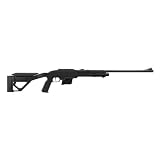
Best Semi Auto Shotgun for Hunting 2026 Picks

A long morning in wet grass can expose every bad decision made at the gun counter. An overly heavy shotgun drags on the shoulder, a poorly fitted stock turns recoil into punishment, and a finicky action can stumble just as birds start moving. The best semi auto shotgun for hunting should feel steady without becoming a burden, cycle the ammunition carried into the field, and point naturally when a clean opportunity appears. Reliability matters, but so do balance, fit, controls, and the small handling details that become painfully obvious after several hours outdoors.
Gas-operated shotguns often soften felt recoil by using part of the fired shell’s gas to cycle the action. That gentler push can make follow-up shots easier and reduce fatigue during long practice sessions or high-volume bird hunts. The tradeoff is extra cleaning, since carbon and residue collect around pistons, ports, and related parts. Neglect that maintenance and the smooth action that felt so pleasant at first may become sluggish, especially after exposure to dust, moisture, or dirty ammunition.
Inertia-operated designs usually have fewer gas-system parts and tend to stay cleaner inside the receiver. Their lighter, simpler construction can be a real blessing while climbing hills, crossing muddy fields, or carrying a shotgun from dawn until the afternoon. Still, the sharper recoil pulse won’t suit every shoulder, and extremely light loads may not cycle consistently in every model. Stock fit, firm mounting, and the manufacturer’s recommended ammunition range deserve more attention than flashy catalog language.
Gauge and chamber length shape the experience, though bigger numbers don’t automatically create better results. A 12-gauge offers broad ammunition availability and plenty of flexibility for waterfowl, upland birds, turkey, and other lawful hunting uses. A 20-gauge can trim weight and recoil, making quick handling less of a chore, yet very light guns may still feel snappy with heavier shells. Ammunition compatibility should match the intended game, local regulations, and the shotgun’s chamber markings rather than a one-size-fits-all recommendation.
Fit separates a field companion from a safe full of regrets. The eye should settle naturally along the rib, the trigger should be reachable without stretching, and the stock shouldn’t snag on heavy clothing during the mount. Adjustable shims, spacers, and interchangeable recoil pads provide useful tuning, but they can’t completely rescue a receiver or stock shape that feels wrong from the start. A careful shoulder fit check, preferably with the same type of jacket worn during hunting season, tells more than a long feature list.
Controls also deserve a hard look. A small safety button may seem harmless indoors, then become frustrating with cold fingers or gloves. The charging handle, bolt release, and loading port should be easy to operate without sharp edges or awkward hand positions. Practical ergonomics reduce fumbling, help keep attention on safe firearm handling, and make unloading at the end of the day less of a wrestling match.
Finish and construction affect how much worry follows every patch of rain or brush. Synthetic stocks tolerate rough weather with less fuss, while wood brings warmth and character but asks for more care around moisture and impact. Protective metal finishes help, yet no finish makes a shotgun maintenance-free. Wiping away moisture, checking the bore, cleaning the action as directed, and storing the firearm securely remain part of responsible ownership.
Magazine capacity, barrel length, choke options, and overall weight should reflect the actual hunting environment. A longer barrel may swing smoothly on crossing birds, though it can feel clumsy in thick cover or cramped blinds. Shorter setups move quickly but may feel lively to the point of being difficult to control. The right semi-automatic hunting shotgun is rarely the one with the longest specification sheet; it’s the one that fits the body, handles the expected conditions, and keeps working without demanding constant attention.
DPMS Full Auto SBR CO2 BB Air Gun Review
Rapid-fire practice can get messy fast when the controls feel toy-like, the stock won’t settle against the shoulder, or the magazine interrupts the rhythm every few moments. The DPMS Full Auto SBR takes a different route, pairing a full-size synthetic build with dual-action operation and an adjustable layout designed to feel more substantial in the hands. It isn’t the best semi auto shotgun for hunting, nor should it be confused with a hunting shotgun, since this is a 4.5 mm steel-BB air gun built for recreational target use. That distinction matters right from the start, especially for anyone comparing firearm-shaped training tools with equipment intended for lawful hunting.
DPMS Full Auto SBR BB Air Gun
The headline feature is the choice between semi-automatic and full-automatic firing. Semi-auto mode gives each trigger pull a single shot, which is better suited to paced target drills and careful sight alignment. Full-auto mode pushes the pace dramatically, with the stated cycling rate reaching up to 1,400 rounds per minute. That sounds wild on paper, and frankly, it means the 25-round magazine can empty in a blink if the trigger is held down.
That fast rate creates both fun and a practical limitation. A short controlled burst can bring an energetic feel to paper-target sessions, but extended bursts burn through BBs and CO2 quickly. The gun’s dual-action capability makes more sense when treated as two distinct practice styles rather than one mode being automatically better. Semi-auto supports deliberate repetition, while full-auto adds movement, timing, and trigger-control challenges.
The synthetic body is described as durable, and the full-size dimensions help it avoid the hollow, undersized feel common to basic BB guns. Still, synthetic construction won’t replicate the exact balance, recoil, or internal mechanics of a centerfire platform. The value lies in familiar proportions and accessible controls, not a one-to-one replacement for firearm training. That’s a fair tradeoff for backyard-safe environments only where local laws, adequate backstops, and property rules allow air-gun use.
One detail deserves plain language: this model is not hunting equipment despite the broader keyword around the best semi auto shotgun for hunting. Steel BBs can ricochet, the power level is limited, and the design is centered on recreational shooting rather than taking game. Safe eyewear, a proper BB-rated trap, controlled muzzle direction, and awareness of what sits beyond the target aren’t optional niceties. They’re the foundation of using this type of air gun responsibly.
CO2 Power And Realistic Firing Pace
Two 12-gram CO2 cartridges power the action, with the listed muzzle velocity reaching up to 430 feet per second. Actual velocity can shift with temperature, firing pace, cartridge condition, and BB consistency, so the “up to” wording carries real weight. Cold weather usually reduces CO2 pressure, while rapid firing can chill the cartridges and lower shot-to-shot performance. In other words, the gun may feel strongest early in a warm session and less lively after repeated bursts.
The two-cartridge setup supplies enough gas to operate the blowback-style action and rapid cycling, but the cartridges aren’t included. That adds a recurring cost alongside steel BBs, which also must be purchased separately. Full-auto shooting makes those supplies disappear faster than expected, so operating cost is worth considering before the novelty takes over. Semi-auto mode stretches each loading session and encourages better shot placement, which usually makes the setup more satisfying over time.
CO2 installation also brings a small routine that can’t be ignored. The seals benefit from proper handling, and cartridges shouldn’t be left installed indefinitely after a session. A tiny amount of manufacturer-approved air-gun lubricant on the cartridge tip may help maintain seals if the product instructions recommend it. Basic maintenance isn’t complicated here, but skipping it can lead to leaks and inconsistent performance later.
Rapid cycling can tempt people to focus only on speed, yet the most useful practice often comes from slowing down. Controlled pairs, short strings, and deliberate resets provide more feedback than simply emptying the magazine. The 430 fps rating gives paper targets a crisp response at sensible air-gun distances, but the design still demands a secure backstop capable of stopping steel BBs without dangerous bounce-back. Cardboard alone won’t do the job.
Adjustable Stock And Sight Setup
The six-position stock is one of the more practical features because body size, clothing, and shooting stance can change the ideal length. A shorter setting keeps the gun compact and easier to shoulder in tighter spaces, while an extended position gives longer arms more room. This adjustable stock helps reduce the awkward reach that can make trigger control feel sloppy. It also lets several responsible shooters configure the same air gun without treating one fixed stock length as a universal answer.
Stock adjustment doesn’t fix every fit issue, though. Cheek placement, eye alignment, grip angle, and shoulder pressure still affect how naturally the sights appear. The synthetic stock may feel firm rather than cushioned, and there’s no heavy recoil to justify a thick pad anyway. Compared with the recoil-management concerns surrounding the best semi auto shotgun for hunting, this CO2-powered platform delivers a much lighter shooting experience, though its purpose is entirely different.
The removable pop-up sight and adjustable rear sight provide a workable starting point for target practice. Sight adjustment allows the point of impact to be brought closer to the intended aiming point at a chosen distance, provided the same BB type and shooting position are used consistently. The removable sight arrangement also leaves room for changes in setup, though any accessory should match the available mounting system and the modest range of a BB gun. Overspending on optics can quickly become out of proportion with the platform itself.
Accuracy will depend on more than the sights. Steel BBs aren’t known for the same precision potential as quality pellets fired from a rifled pellet gun, and the full-auto mechanism prioritizes speed and mechanical activity over tiny groups. A stable stance, consistent hold, clean sights, and fresh CO2 can tighten results. For those researching nearby air-gun formats, a neutral overview of manually cycled alternatives appears in pump air rifle options, which operate very differently from this CO2-powered design.
Magazine Handling And Everyday Tradeoffs
The drop-out magazine holds 25 traditional 4.5 mm steel BBs, giving the gun a familiar reload motion and enough capacity for short drills. The magazine format keeps ammunition and part of the operating system in a removable unit, which can make loading feel more organized than pouring BBs into an internal reservoir. Still, 25-round capacity feels generous only in semi-auto mode. Full-auto fire can drain it so quickly that magazine loading becomes the dominant activity.
Steel BB compatibility keeps ammunition widely recognizable, but only the correct 4.5 mm type should be used. Misshapen, dirty, reused, or incorrect projectiles can cause feeding trouble and may damage internal parts. The drop-out magazine should be handled carefully during loading because forcing BBs or releasing the follower abruptly can create avoidable wear. A small loading tray and a clean workspace can save a surprising amount of frustration.
Noise is another tradeoff that deserves realistic expectations. A CO2 BB gun is quieter than a firearm, but full-auto cycling, target impact, and mechanical blowback can still draw attention. Metal targets may ring sharply, and hard surfaces increase ricochet risk. A BB-rated trap with a soft capture system can reduce both bounce-back and impact noise, making the setup easier to manage in a controlled environment.
The strongest appeal comes from the combination of realistic proportions, adjustable handling, semi-auto pacing, and brief full-auto bursts. The weaker side shows up in CO2 consumption, frequent magazine reloads, temperature sensitivity, and limited precision compared with dedicated pellet rifles. Those compromises don’t make the DPMS SBR poorly designed; they simply define what it does well. It offers fast recreational target shooting with a substantial feel, provided expectations stay grounded and safety remains the first rule.
Storage should receive the same care given to any gun-shaped object. Keep it unloaded, remove the CO2 cartridges after use according to the manufacturer’s directions, secure it away from unauthorized access, and never display or carry it in public as though its air-powered nature will be obvious. The realistic appearance can create serious misunderstandings, even though it isn’t a firearm. That final point may be the most important ownership consideration attached to the entire product.
Benjamin Armada BP22SAC Semi-Auto PCP Air Rifle
A missed follow-up shot can happen before the shooter even realizes the rifle has shifted off line. Slow cycling, inconsistent pressure, and awkward stock geometry all add friction to a task that already demands patience. The Benjamin Armada BP22SAC approaches the best semi auto shotgun for hunting conversation from a different lane because it’s a regulated .22-caliber PCP air rifle rather than a shotgun. Its real appeal rests in semi-automatic pellet delivery, adjustable handling, and the kind of shot-to-shot consistency that matters during field-target sessions or lawful small-game use.
Benjamin Armada BP22SAC
The Armada’s defining trait is its regulated PCP power system. An integrated regulator helps manage air pressure as the reservoir empties, reducing the large velocity swings that can occur in unregulated platforms. That consistency gives each shot a more predictable starting point, which matters whenever pellet drop and point of impact need to remain stable. It won’t erase every variable, but it removes one of the bigger mechanical uncertainties.
Semi-automatic operation changes the pace without turning the rifle into a spray-and-pray tool. Each trigger pull advances the shooting sequence without requiring a separate manual cocking stroke between shots. That means less movement behind the stock, fewer interruptions to the sight picture, and a quicker second shot if the first opportunity doesn’t unfold cleanly. Reduced action movement also helps maintain body position on a bench or in a supported field stance.
The rifle uses a 10-shot rotary magazine compatible with .22-caliber pellets, though pellets aren’t included. Ten shots strike a sensible balance between capacity and bulk, especially for target strings or carefully paced hunting situations. Magazine-fed operation keeps loose pellets out of pockets and reduces the clumsy hand movements that can happen in cold weather. Still, carrying a spare loaded magazine requires care because exposed pellets can be damaged if they’re tossed around with other gear.
Calling this model the same thing as the best semi auto shotgun for hunting would blur two very different categories. A shotgun launches shotshell payloads and serves a broader range of game and wing-shooting roles, while the Armada sends a single .22-caliber pellet. The Benjamin fits controlled small-game and target applications where local rules permit air-rifle use. That narrower purpose is a strength when it matches the job, but a clear limitation when it doesn’t.
Regulated Power And Shot Consistency
The stated output reaches up to 950 feet per second, though actual speed depends on pellet weight, pressure, environmental conditions, and the specific setup. Velocity alone doesn’t tell the whole story because heavier pellets may travel slower while retaining useful energy and resisting wind better. A regulated platform helps reduce guesswork by keeping pressure delivery steadier through much of the fill. That gives the shooter a more repeatable baseline for zeroing and holdover practice.
Benjamin lists up to 40 shots per fill at a maximum fill pressure of 3000 PSI. That capacity can cover several magazines before the reservoir needs attention, but rapid semi-auto shooting will make the shot count disappear sooner than expected. Pacing each string keeps the session more deliberate and makes it easier to notice when point of impact begins to shift. The figure should be treated as an upper-end estimate rather than a promise under every condition.
A 3000 PSI fill requirement brings extra equipment into the equation. The air compressor isn’t included, so the rifle needs a compatible high-pressure pump, compressor, or properly rated fill source. That adds startup cost and storage considerations that a spring-powered air rifle doesn’t carry. PCP convenience at the trigger comes with more preparation before the trigger is ever touched.
Air management also becomes part of routine ownership. Pressure should be monitored rather than guessed, fittings need to stay clean, and the reservoir must be filled within the manufacturer’s limits. A rushed fill setup can create leaks, damaged seals, or inconsistent charging. The Armada rewards a careful owner, but it won’t suit someone who wants to grab a rifle after months in storage and shoot without checking anything.
Stock Fit And Field Handling
The all-weather synthetic stock is built around a chassis-style layout with adjustable, ambidextrous features. Synthetic material shrugs off damp grass, light rain, and muddy hands with less fuss than traditional finished wood. That doesn’t make the rifle weatherproof, but it does reduce the anxiety of carrying it through rough ground. A wipe-down after use still matters, especially around metal surfaces and moving parts.
Adjustment is more than a cosmetic perk here. Stock length and cheek position influence trigger reach, eye alignment, and how quickly the rifle settles into a supported stance. An awkward setup forces the neck or wrist into compensation, and that tension tends to show up downrange. The Armada’s adjustable chassis gives more room to tune the fit rather than accepting a fixed geometry.
Ambidextrous handling adds flexibility for left-handed use or awkward shooting positions. Field conditions rarely provide a perfectly square bench, so the ability to shoulder from either side can matter around cover or uneven terrain. The controls and stock shape still need to feel natural in actual use, and no spec sheet can guarantee that. Fit remains personal, even on a highly adjustable rifle.
Balance is another practical point. PCP rifles often carry noticeable weight through the air reservoir and receiver area, so sling setup and hand placement can affect comfort during longer walks. A rifle that feels steady on a rest may become tiring offhand after several minutes. The balanced synthetic platform should appeal to those who value stability, but compactness and low carry weight may matter more in thick brush.
Barrel, Suppression, And Accuracy Support
The Armada uses a rifled steel barrel, which gives the pellet controlled spin as it travels. Rifling supports repeatable accuracy, provided the pellet shape, weight, and diameter agree with the barrel. Not every .22-caliber pellet will group the same, so testing several suitable designs on paper is part of setting up the rifle. Consistency beats guesswork here, plain and simple.
A shrouded barrel with integrated sound suppression helps reduce the sharp report associated with compressed-air discharge. The result should be less disruptive than an unsuppressed setup, though mechanical noise and pellet impact remain audible. Sound level also changes with pellet choice, surroundings, and target material. Quieter operation can make backyard practice more manageable where lawful, but it doesn’t erase the need for neighbor awareness and a safe backstop.
The machined receiver gives the rifle a solid foundation for the firing system and accessory mounting. A 5-inch Picatinny rail provides space for a compatible optic or related sighting equipment. Five inches isn’t endless room, so mount length and eye relief need attention before accessories are purchased. A bulky setup can quickly make the rifle feel cluttered and nose-heavy.
Optics should match the realistic distances and precision of a .22-caliber PCP rifle. Huge magnification may sound appealing, but excessive size adds weight and narrows the field of view. A clear, properly mounted scope with repeatable adjustments is more useful than an oversized optic chosen for appearance. The rail gives flexibility, yet restraint usually produces the better field setup.
Magazine Use And Practical Shooting Rhythm
The rotary magazine supports a smooth rhythm without demanding constant single loading. For field-target work, that means less time breaking position and more time reading wind, judging distance, and refining trigger control. During lawful small-game use, the follow-up shot can be made without a loud cocking motion or a major shift in posture. The 10-shot feeding system serves convenience, not careless speed.
Magazine reliability depends on clean pellets and careful loading. Bent skirts, debris, or forced insertion can interrupt feeding and affect accuracy. Pellets should fit the magazine properly without being crushed or seated unevenly. Keeping the magazine in a small protective case is a minor habit that prevents a fair amount of aggravation.
Semi-auto operation can encourage faster shooting than the situation deserves. That temptation is especially strong during informal target practice, where a full magazine disappears before the group is properly assessed. Better results come from pausing between strings, checking pressure, and noting point-of-impact changes. Shot discipline matters more than cycling speed once the initial novelty fades.
Those weighing different PCP layouts may also appreciate how magazine style and action design vary across the category, and a related reference appears in snowpeak pcp air rifle for a separate look at another air-powered platform. The Armada’s semi-auto system remains the more distinctive feature in this discussion. That difference can justify the extra complexity for shooters who value quicker follow-up shots and less movement between them.
Strengths, Weaknesses, And Realistic Fit
The strongest benefit is the combination of regulated pressure and semi-auto cycling. Consistent air delivery supports predictable trajectories, while the action reduces interruptions between shots. Add the adjustable stock and rifled barrel, and the rifle offers a thoughtful package for structured target work. Its features work together rather than feeling like unrelated extras.
The weak spots start with the supporting equipment. A compressor or other 3000 PSI fill source isn’t included, pellets aren’t included, and optics may need to be purchased separately. Those extras can push the real cost well beyond the rifle alone. PCP ownership expense is easy to underestimate if attention stays fixed on the advertised muzzle velocity.
The 40-shot figure also requires realistic expectations. Temperature, firing pace, fill quality, and individual rifle behavior can influence usable shot count. The final shots in a fill may not perform exactly like the first, even with regulation helping the pressure curve. Careful logging during early sessions reveals the rifle’s practical sweet spot better than assumptions do.
Noise suppression, weather-resistant furniture, and an adjustable chassis make the Armada easier to live with in the field. Yet the rifle isn’t a substitute for a shotgun, and it doesn’t cover the same hunting roles suggested by the phrase best semi auto shotgun for hunting. Its proper lane is more focused: pellet accuracy, restrained follow-up speed, and small-game capability where regulations allow. Used within that lane, the design makes sense and avoids pretending to be something broader.
The Benjamin Armada BP22SAC fits a shooter who accepts the ritual of filling, pressure checks, pellet selection, and magazine care in exchange for a smoother firing cycle. Someone wanting a simple, low-maintenance plinker may prefer a less demanding powerplant. Someone chasing precise semi-auto pellet performance, though, will likely appreciate the regulated shot behavior and adaptable stock. The rifle asks for preparation, then pays it back with a controlled, repeatable shooting experience.
Crosman CAK1 Full And Semi-Auto CO2 BB Rifle
Fast shooting loses its charm once reloading becomes constant, the stock feels awkward, or the air supply fades halfway through a session. The Crosman CAK1 tackles those annoyances with a 28-round magazine, selectable firing modes, and an adjustable layout that can be shortened or extended to suit different handling preferences. It doesn’t belong in the same category as the best semi auto shotgun for hunting, since this is a 4.5 mm steel-BB air rifle intended for controlled recreational shooting rather than shotgun hunting. Still, its full-size proportions and rapid-fire operation create a lively practice platform for paper targets and properly rated BB traps.
Crosman CAK1 CO2 BB Rifle
The CAK1’s personality comes from its choice of full-auto or semi-auto operation. Semi-auto mode supports slower strings where sight alignment and trigger timing matter, while full-auto mode changes the session into short, energetic bursts. Crosman lists a firing rate of more than 1,400 rounds per minute, so the 28-round magazine can empty much faster than the capacity suggests. A light touch on the trigger makes far more sense than holding it down until everything goes quiet.
That speed is entertaining, no doubt, but it also exposes the rifle’s most obvious tradeoff. BBs disappear quickly, CO2 cools under rapid discharge, and reload breaks arrive sooner than expected. Semi-auto mode stretches supplies and gives each shot a purpose, while full-auto works better as an occasional change of pace. The two modes make the rifle flexible, though they reward very different shooting habits.
The full-size synthetic construction gives the CAK1 a more substantial presence than a small entry-level BB gun. Synthetic furniture also handles fingerprints, light moisture, and routine bumps without demanding the same cosmetic care as finished wood. Even so, the material can’t copy the exact weight distribution, recoil, or mechanical behavior of a firearm. The benefit is familiar sizing and rugged everyday handling, not a one-for-one training substitute.
Realistic styling also creates a serious ownership responsibility. The CAK1 can easily be mistaken for a firearm from a distance, so public handling, casual display, or unsecured storage can lead to dangerous misunderstandings. Secure storage and controlled transport matter just as much as muzzle discipline. Treating it casually because it fires BBs would be a bad bet.
CO2 Power And Rapid-Fire Behavior
Two 12-gram CO2 cartridges fit inside the drop-out magazine and power the action. Crosman states that the rifle can send steel BBs at speeds up to 430 feet per second, though actual velocity can vary with temperature, firing pace, cartridge condition, and ammunition consistency. Warm conditions generally help CO2 pressure, while colder air tends to reduce it. Rapid bursts also chill the cartridges, which can soften performance as the session rolls on.
The dual-cartridge setup supports the fast cycling that defines the CAK1, but the cartridges aren’t included. BBs are also sold separately, so the rifle arrives without the consumables needed to start shooting. Those recurring supplies deserve attention because full-auto operation increases consumption in a hurry. A casual afternoon can burn through far more ammunition and gas than a slow semi-auto session.
CO2 power makes the rifle easy to run once the cartridges are installed, yet it isn’t maintenance-free. Seals need clean contact surfaces, cartridges shouldn’t be left installed for long storage, and the manufacturer’s care instructions deserve more than a quick glance. A neglected seal can turn a fresh pair of cartridges into an expensive hiss. Simple gas-system care protects consistency and saves frustration later.
Velocity figures can sound more impressive than they feel in actual use. The CAK1 is built around steel BBs, rapid cycling, and recreational target reaction rather than long-range precision. A proper BB-rated backstop is essential because steel BBs can ricochet from hard surfaces. Cardboard boxes, fences, and improvised metal plates aren’t reliable substitutes for a trap designed to capture this ammunition safely.
Magazine Capacity And Reloading Rhythm
The 28-round drop-out magazine carries both the BB supply and the two CO2 cartridges. Keeping those systems together creates a tidy, familiar reload format, and the magazine can be removed without turning the rifle upside down or pouring BBs into a fixed reservoir. Twenty-eight rounds feel generous in semi-auto mode. Under full-auto fire, though, that number shrinks to a very brief burst.
Magazine loading rewards patience more than force. Clean, undamaged 4.5 mm steel BBs are the right choice, while reused or misshapen BBs can cause feeding trouble and unnecessary internal wear. The follower should be controlled rather than snapped loose, and the feed channel should stay free of grit. Careful loading habits take a few extra seconds but help keep the action moving smoothly.
Reload frequency shapes the whole experience. Short semi-auto strings provide time to assess shot placement, check the trap, and notice any drop in gas pressure. Full-auto shooting creates more noise and excitement, but it can turn the session into a repeating loop of filling the magazine and replacing supplies. That isn’t automatically a flaw, but it’s a reality worth accepting before buying.
A spare magazine could reduce interruptions if a compatible one is available, though extra magazines carrying CO2 cartridges add cost and weight. Storing a loaded magazine also requires care because loose steel BBs and pressurized cartridges shouldn’t be treated casually. The magazine-centered design is convenient during use, yet it places more responsibility on how the magazine is handled before and after shooting.
Stock Adjustment And Handling
The foldable and adjustable buttstock gives the CAK1 several ways to change its footprint. Extending the stock creates a more traditional shoulder position, while shortening it can make the rifle easier to manage in a compact shooting area. Folding the stock reduces storage length, though local laws and safe transport practices still apply. Adjustable length helps the rifle feel less awkward across different arm lengths and clothing layers.
A stock tube and pistol grip shape the shooting position around a more upright wrist angle. That can feel natural during standing or supported target work, especially for anyone who dislikes the wrist bend of a conventional sporting stock. The grip still won’t suit every hand, and a full-size body can feel bulky for smaller frames. Fit is personal, so the adjustment range is useful but not magical.
The quad-mounting rail system provides space for compatible accessories. A simple optic, light, or other legal air-gun accessory may fit the available rail sections, but piling on equipment quickly adds weight and clutter. Accessory restraint usually produces a cleaner, easier-handling setup. The CAK1 already has a strong visual presence, so it doesn’t need every rail covered to feel complete.
Optic selection should match the rifle’s practical range and BB accuracy. Large magnification can narrow the field of view and make minor movement look worse without delivering a meaningful benefit. A compact sighting setup is often more sensible for short-range paper targets. In a separate optics category, broader background on magnification and mounting considerations appears in german rifle scopes, though those products serve a different class of shooting equipment.
Shooting Feel And Practical Accuracy
The CAK1 emphasizes action and repetition more than tiny target groups. Steel BBs don’t usually deliver the same precision potential as well-matched pellets fired from a rifled pellet barrel. Even so, consistent shoulder placement, steady trigger pressure, and a stable sight picture can produce useful recreational accuracy at sensible distances. The rifle becomes more rewarding once speed stops being the only goal.
Semi-auto mode is the better teacher. It allows a clean rhythm of aim, press, reset, and reassess without requiring a manual cocking motion between shots. That reduced movement helps the shooter stay behind the sights and notice errors in grip or stance. Full-auto mode is louder and livelier, but it gives less feedback about why individual shots land where they do.
The rifle’s mechanical action and target impacts still produce noticeable sound. It’s quieter than a firearm, yet calling it silent would be misleading. Hard targets can ring sharply, while unsuitable surfaces may send BBs back toward the firing line. A soft-capture BB trap helps manage impact noise and greatly reduces ricochet risk.
The phrase best semi auto shotgun for hunting may bring this product into the same search path, but the purposes remain far apart. A shotgun handles shotshells and lawful hunting tasks that a CO2 BB rifle cannot replace. The CAK1 belongs on a controlled recreational range or private property where air-gun use is legal and a safe backstop is available. Clear expectations prevent the fun features from being mistaken for broader capability.
Strengths, Weaknesses, And Ownership Reality
The strongest part of the CAK1 is its combination of selectable firing modes, full-size handling, and a relatively generous magazine. Semi-auto shooting can be paced and deliberate, while full-auto offers a brief burst of mechanical excitement. The adjustable stock and rail system add flexibility without changing the core purpose. Those features fit together logically rather than feeling tacked on.
The weaknesses are mostly tied to consumption and precision. Full-auto fire drains 28 rounds quickly, two CO2 cartridges become a repeating expense, and steel BBs limit the accuracy ceiling compared with many pellet rifles. Cold weather and sustained bursts may also reduce pressure and consistency. Operating cost and temperature sensitivity are part of the package, not minor footnotes.
Maintenance remains manageable but necessary. Wiping down the exterior, removing CO2 for storage as directed, keeping the magazine clean, and inspecting the backstop should become routine. The synthetic body can handle ordinary use, yet abuse around the magazine, stock hinge, or rail-mounted accessories may still cause damage. Durability doesn’t mean neglect-proof, plain and simple.
The CAK1 makes the most sense for controlled target sessions where rapid-fire novelty shares space with slower semi-auto drills. It makes less sense for someone seeking quiet precision, low supply costs, or a direct hunting tool. Its realistic appearance also demands mature storage and handling every single time. The best use case is recreational BB shooting with firm safety rules, a rated trap, eye protection, and no confusion about what the rifle is designed to do.
Crosman 1077TAC Semi-Auto CO2 Air Rifle
A target session gets old quickly when every shot requires a long cocking routine or the rifle feels awkward after a few minutes at the shoulder. The Crosman 1077TAC answers that frustration with a 12-shot semi-automatic pellet system, a weather-resistant synthetic build, and straightforward sights intended for repeatable practice. It appears beside searches for the best semi auto shotgun for hunting, but the two platforms serve very different purposes because this is a .177-caliber CO2 air rifle rather than a shotgun. Its proper lane is plinking, paper-target work, and structured skill development in a safe setting.
Crosman 1077TAC Air Rifle
The 1077TAC centers its shooting experience around a 12-round pellet magazine. Each trigger pull advances the action without requiring the shooter to stop, break position, and manually cock the rifle between shots. That smoother rhythm helps keep the cheek on the stock and the eye behind the sights. For basic target drills, less movement between shots can make small errors in stance and trigger pressure easier to notice.
Crosman pairs the magazine system with a rifled steel barrel, an important distinction from smoothbore BB guns built mainly for fast informal shooting. Rifling spins the pellet and supports more predictable flight, provided the ammunition fits the barrel well. Different .177-caliber pellet shapes and weights may behave differently, so one tin shouldn’t be treated as representative of every option. The rifle’s accuracy potential still depends on a steady hold, clean ammunition, and sensible target distance.
The synthetic exterior brings a practical, no-nonsense feel. Light moisture, dusty benches, and routine handling are less likely to create the cosmetic worry associated with finished wood, though water resistant doesn’t mean waterproof or maintenance-free. Metal parts still deserve a wipe after damp use, and the rifle should be stored dry. That tradeoff suits a practice rifle that may spend more time on outdoor ranges than sitting untouched in a display rack.
A clear category distinction prevents unrealistic expectations. The 1077TAC cannot replace the best semi auto shotgun for hunting, and its .177 pellets don’t perform the same job as shotshells. Its lighter power source, magazine format, and target-oriented design create a different kind of experience. Viewed as a recreational semi-auto pellet rifle, the feature set makes far more sense.
CO2 Performance And Shooting Rhythm
CO2 power gives the rifle its easy cycling and convenient multi-shot operation. Crosman lists velocity up to 780 feet per second, though the actual figure can shift with pellet weight, cartridge temperature, firing pace, and pressure remaining in the cartridge. The phrase “up to” matters because a lightweight pellet may travel faster than a heavier one. Velocity alone also says little about group size or consistency without knowing the ammunition and conditions.
Cold air can make CO2 rifles feel less energetic, while quick strings may cool the cartridge and reduce pressure temporarily. That means rapid shooting can produce a different response than slow, measured fire. The semi-auto action makes quick follow-up shots easy, but pacing the magazine usually gives more useful feedback from the target. A steady tempo also stretches each cartridge further than racing through twelve shots.
The required CO2 cartridge isn’t included, and neither are the pellets. Those supplies create a recurring cost that should be considered alongside the rifle itself. Unlike a manual-pump platform, the 1077TAC depends on disposable gas cartridges for every session. Simple operation is the upside, while ongoing consumable expense is the catch.
Cartridge care can’t be shrugged off. Leaving a pierced CO2 cartridge installed for extended storage may place unnecessary pressure on seals, so the manufacturer’s removal and maintenance instructions deserve attention. Clean cartridge contact points and approved air-gun lubricant, where recommended, can help preserve the system. A small amount of routine care protects the gas seal and shot consistency far better than waiting for a leak to appear.
Sights, Safety, And Skill Development
The sighting setup combines a fiber-optic front sight with an adjustable rear sight. The bright front element can be easier to pick up against darker targets or shaded backdrops, reducing the time spent searching for the sight picture. Rear adjustment allows the point of impact to be corrected at a chosen distance. That arrangement keeps the rifle approachable without immediately requiring a separate optic.
Open sights also reveal technique problems that a large scope can hide behind extra magnification. A shifting cheek weld, inconsistent shoulder pressure, or hurried trigger pull shows up clearly on paper. The 1077TAC’s 12-shot capacity supports repeatable strings where one variable can be changed at a time. That makes the platform useful for practicing sight alignment, breathing rhythm, and follow-through without a manual cocking interruption.
The crossbolt safety adds a familiar physical control for managing the firing condition of the rifle. It supports safe handling, but no mechanical safety replaces keeping the muzzle controlled and the finger outside the trigger guard until the shot is intended. Eye protection and a pellet-rated backstop remain basic requirements. Safe habits matter even more with a semi-auto action because another pellet is ready after each shot.
Pellet traps need to match the ammunition and expected velocity rather than being improvised from thin cardboard or brittle household materials. Hard surfaces can send pellets back toward the firing line, while poorly contained targets may allow shots to pass beyond the intended area. A soft-capture system reduces rebound and impact noise. The rifle’s approachable operation shouldn’t tempt anyone into treating the shooting environment casually.
Pros And Everyday Advantages
The biggest strength is the blend of semi-automatic convenience and pellet-barrel accuracy support. Twelve shots can be fired without breaking the shoulder position to cock the rifle, creating a clean practice rhythm. That setup feels especially useful during timed paper drills or repeated work on trigger control. It removes a mechanical interruption without turning the session into uncontrolled rapid fire.
The water-resistant synthetic design is another practical benefit. Outdoor benches, damp grass, and changing weather won’t create the same level of concern that comes with a more delicate stock finish. The material should also be easy to wipe clean after ordinary use. Low-fuss exterior care makes the rifle easier to keep in regular rotation.
The included sight arrangement keeps the initial setup simple. A visible fiber-optic front element and adjustable rear sight allow basic zeroing without an immediate accessory purchase. That matters for a rifle positioned around plinking and skill building rather than elaborate long-range setups. From a broader manufacturing angle, a related air-gun reference appears in american made air rifles, where design priorities can differ across power systems and intended uses.
The 1077TAC also offers a calmer learning curve than platforms with heavier recoil or louder reports. Shooters can focus on stance, sight alignment, and trigger movement without fighting a strong kick at the shoulder. That doesn’t make the fundamentals optional; it simply makes mistakes easier to isolate. Skill development remains the strongest argument for the rifle’s semi-auto layout.
Cons And Practical Limitations
CO2 dependence is the most obvious weakness. Every shooting session requires a suitable cartridge, and performance may change as temperature drops or pressure fades. A partly depleted cartridge can leave the final shots feeling different from the first. Variable gas pressure is part of CO2 ownership, even in a well-maintained rifle.
The 12-round magazine adds convenience but also brings extra handling compared with a single-shot platform. Pellets must be loaded carefully so their skirts aren’t bent or seated unevenly. A damaged pellet can affect feeding and accuracy before the trigger is ever touched. The magazine should be kept clean and protected rather than tossed loose into a pocket with dirt or metal objects.
The .177 caliber favors economical target shooting and relatively flat short-range flight, yet it may not fit every air-rifle purpose. Pellet weight, lawful use, target type, and local regulations all matter. The product information describes the rifle for plinking, targets, and skill development, which is where expectations should remain centered. Limited role flexibility becomes a drawback only when someone expects it to cover jobs it wasn’t designed to handle.
The full shooting cost also extends beyond the rifle. CO2 cartridges, pellets, eye protection, targets, and a proper trap all belong in the budget. None of those items are glamorous, but they determine whether the setup is usable and safe. Real ownership cost is modest only if the recurring supplies match the planned shooting frequency.
Handling And Realistic Ownership
The synthetic stock and traditional rifle profile should provide familiar shoulder placement without the bulk of a shotgun platform. A consistent cheek position helps the sights settle into view, while the lighter air-rifle experience reduces fatigue during longer paper-target sessions. Stock fit is still personal, and a fixed shape won’t suit every arm length equally. Comfort at the shoulder should be judged by natural alignment rather than appearance alone.
Semi-auto operation can encourage careless speed, particularly once the magazine starts cycling smoothly. Twelve quick shots may feel entertaining, but they reveal less about technique than a paced string with a target check afterward. Pausing between groups helps track sight adjustments and pressure changes. The rifle rewards restraint more than a hurried trigger finger.
Storage deserves serious attention because the 1077TAC still resembles a firearm to an observer who can’t inspect it closely. It should be unloaded, secured away from unauthorized access, and transported discreetly according to local rules. The CO2 cartridge should be handled according to Crosman’s instructions before long storage. Responsible handling doesn’t become optional simply because the power source is compressed gas.
The Crosman 1077TAC fits regular target practice better than occasional rough use followed by months of neglect. Its rifled barrel, 12-shot magazine, adjustable sights, and semi-auto action form a sensible package for building repetition without a complicated firing routine. The drawbacks are equally plain: recurring CO2 expense, temperature sensitivity, magazine care, and a narrower purpose than the keyword best semi auto shotgun for hunting might suggest. Kept within its intended role, it offers a practical path to quieter, low-recoil shooting practice with enough mechanical interest to keep paper sessions from feeling stale.
Benjamin Marauder BP22SAW Semi-Auto PCP Air Rifle
Long target sessions can expose every weak spot in a rifle, from an uncomfortable cheek weld to pressure changes that shift the point of impact. The Benjamin Marauder BP22SAW answers those frustrations with a regulated PCP system, a balanced hardwood stock, and semi-automatic operation that reduces unnecessary movement between shots. It may surface beside searches for the best semi auto shotgun for hunting, but this is a .22-caliber pellet rifle built for a much narrower role. Its appeal rests on controlled follow-up shooting, useful energy, and a platform that favors deliberate small-game or target use where regulations allow.
Benjamin Marauder BP22SAW
The Marauder’s main distinction is its regulated semi-automatic action. A regulator helps manage the air released with each shot, giving the rifle a steadier pressure curve as the reservoir gradually empties. That consistency can make zeroing less frustrating because the rifle isn’t relying on a wildly changing pressure level from one trigger pull to the next. It doesn’t remove every variable, but it gives the shooter a more stable mechanical starting point.
Semi-auto cycling also keeps the shooting position quieter and more settled. There’s no need to lift the cheek, reach for a bolt, or reset the rifle between each shot, so the sight picture can stay closer to where it began. That’s useful during target strings and can matter during a lawful follow-up opportunity in the field. Reduced movement between shots is the real benefit, not simply the ability to fire faster.
The rifle feeds from a 10-shot rotary magazine, which balances practical capacity with a compact layout. Ten rounds are enough for a meaningful target group without making the magazine bulky or awkward. The system also keeps loose pellets from rolling around in a pocket or tray, though damaged pellet skirts can still create feeding issues. Careful loading pays off because the magazine can’t correct a pellet that was bent before it entered the chamber.
This model shouldn’t be mistaken for the best semi auto shotgun for hunting. A shotgun uses shotshells and serves completely different hunting roles, while the Marauder launches a single .22-caliber pellet. The rifle’s purpose is more focused, and that focus is part of its strength. It makes sense for controlled pellet shooting where precision and restraint matter more than broad versatility.
Regulated Power And Useful Energy
Benjamin lists velocity up to 1,000 feet per second and energy up to 29 foot-pounds. Those figures place the rifle well above casual plinking territory, though actual results depend on pellet weight, fill pressure, temperature, and setup. A lighter pellet may travel faster, while a heavier pellet may carry more momentum at a lower speed. Velocity and energy should be considered together rather than treated as competing bragging rights.
The rifle is rated for up to 60 shots per fill at 3000 PSI. That capacity can cover several magazines before the reservoir needs another charge, which reduces interruptions during a structured practice session. Still, the stated figure represents an upper-end expectation rather than a guarantee in every situation. Shooting pace, pellet choice, regulator behavior, and environmental conditions can affect the practical number of consistent shots.
A 3000 PSI fill requirement creates the first major ownership tradeoff. The rifle needs a compatible high-pressure pump, compressor, or tank system, and that equipment isn’t part of the provided description. PCP rifles feel effortless once charged, but the preparation happens before the first shot. Convenience at the trigger comes with added equipment, cost, and maintenance behind the scenes.
Pressure management also asks for a steady routine. Fill fittings need to remain clean, the reservoir shouldn’t be pushed beyond its rated limit, and seals should be monitored for leaks. A careless filling process can turn a refined air rifle into an irritating source of pressure loss. The Marauder rewards someone who doesn’t mind a bit of mechanical housekeeping.
Barrel Design And Shot Control
The rifled steel barrel gives the pellet spin, which supports predictable flight and tighter groups with properly matched ammunition. Barrel quality matters, but pellet selection still plays a large role. Two .22-caliber pellets can differ in weight, skirt shape, and head diameter enough to produce noticeably different results. Paper testing is the sensible way to determine which load behaves consistently.
An integrated resonance dampener is included in the barrel system. That feature is intended to reduce unwanted vibration and help the barrel behave more consistently as the shot is released. Small mechanical vibrations can influence pellet departure, especially in a rifle built around repeatable accuracy. The resonance-dampening design supports consistency without adding another external accessory.
The semi-auto action changes the way accuracy should be approached. It’s tempting to fire quickly because the rifle allows it, but fast trigger work can magnify grip pressure, breathing errors, and inconsistent shoulder placement. Deliberate strings make it easier to separate rifle behavior from shooter behavior. A steady cadence usually produces more useful information than an empty magazine and a scattered target.
Related break-barrel platforms handle power delivery and shot preparation very differently, and a neutral reference appears in crosman break barrel rifles for another look at that style of air gun. The Marauder’s PCP system removes the need to cock a spring piston before each shot. That difference changes recoil behavior, loading rhythm, and the amount of equipment required before shooting.
Hardwood Stock And Fit
The hardwood stock gives the rifle a more traditional feel than many chassis-style PCP designs. Wood brings warmth, weight, and a solid shoulder presence that synthetic furniture doesn’t quite replicate. The tradeoff is greater sensitivity to moisture, scratches, and rough handling. A damp day in the field calls for a thorough wipe-down rather than tossing the rifle into storage and hoping for the best.
Balance matters because PCP rifles often carry noticeable weight around the air reservoir and receiver. Benjamin describes the stock as balanced, which should help keep the rifle from feeling overly nose-heavy during supported shooting. A balanced platform settles more naturally on bags, sticks, or a steady shoulder. It can still feel substantial during a long walk, though, especially once an optic and sling are added.
The adjustable raised comb cheek piece is one of the more useful stock features. A higher comb can bring the eye into better alignment with a mounted optic, reducing the need to stretch the neck or lift the head. That small adjustment can improve consistency because the cheek returns to the same position more easily. Repeatable eye alignment often matters as much as the optic itself.
Stock fit remains personal despite the available adjustment. Arm length, shoulder shape, optic height, and shooting position all influence comfort. The hardwood body may also feel heavier than a synthetic equivalent, which can be a strength on the bench and a drawback in thick cover. Stable weight and easy carrying rarely arrive in the same package.
Pros That Matter In Daily Use
The strongest advantage is the pairing of regulated pressure and semi-auto operation. Consistent air delivery supports predictable shooting, while the action minimizes movement between shots. Those two features work together rather than pulling in different directions. The result is a rifle designed around repeatability and smoother follow-up work.
The 10-shot rotary magazine adds useful capacity without turning the rifle into a high-volume novelty. Ten rounds are enough for target strings, pressure checks, or careful field use, yet the magazine remains compact. Reloading several magazines in advance could make a session run smoothly, though spare magazines add expense. Practical capacity is a better description than excessive capacity here.
The rifled steel barrel and resonance dampener support the rifle’s accuracy-focused character. Neither feature guarantees tiny groups, since pellet choice and technique still matter, but both provide a solid mechanical foundation. The rifle isn’t pretending that speed alone is the point. Its accuracy-oriented hardware gives the semi-auto action a more serious purpose.
The hardwood stock also separates the Marauder from many modern PCP rifles with fully synthetic bodies. It offers a traditional appearance and a planted feel at the shoulder. The adjustable comb adds function rather than serving as decoration. That combination suits a rifle expected to spend time on a bench, in a supported field position, or during careful small-game use.
Cons And Ownership Tradeoffs
The filling system is the clearest downside. A 3000 PSI reservoir requires specialized equipment, and that equipment can add significant cost beyond the rifle. Hand pumping may also become tiring, especially if the reservoir is large or the rifle is used frequently. PCP support gear is part of the purchase whether it appears in the product name or not.
The hardwood stock asks for more care than synthetic furniture. Rain, mud, and repeated contact with brush can leave marks or allow moisture to affect the finish over time. A synthetic rifle may be easier to ignore after a rough day, while this one deserves attention. The stock’s visual appeal comes with higher maintenance expectations.
Semi-auto operation can encourage a shooting pace that works against precision. Ten pellets can vanish quickly if the trigger becomes the focus instead of the target. Fast strings also use air more aggressively and may make pressure changes harder to track. The rifle performs best when speed remains available but doesn’t become the goal.
The up-to-60-shot figure may also set expectations too neatly. Real-world shot count can shift with pellet weight, temperature, fill technique, and the pressure range that produces the best consistency. Some shooters may stop before the reservoir is technically empty because the point of impact begins to change. Usable shot count matters more than squeezing out every last pellet.
Realistic Fit And Field Limits
The Marauder’s strengths line up with patient target practice and lawful small-game applications. Semi-auto cycling supports follow-up shots, but the rifle still rewards careful range estimation, proper pellet selection, and disciplined shot placement. A powerful specification doesn’t replace judgment. Responsible use remains the deciding factor in whether the platform performs as intended.
The rifle may feel excessive for someone who only wants occasional backyard plinking. Filling equipment, magazine care, pressure checks, and stock maintenance create more routine than a basic spring-powered air gun requires. On the other hand, a simpler rifle won’t offer the same semi-auto rhythm or regulated pressure behavior. The choice depends on whether those features solve a real frustration or merely add complexity.
The Marauder also isn’t the answer for broad hunting situations covered by the best semi auto shotgun for hunting. It lacks the shotshell flexibility, moving-target role, and wider game applications of a shotgun. Its narrower purpose should be respected rather than stretched. Used inside that boundary, the rifle’s design feels coherent and honest.
Storage and transport deserve the same seriousness given to any realistic gun-shaped object. The rifle should be unloaded, depressurized or stored according to manufacturer guidance, and secured away from unauthorized access. Its appearance can create confusion even though it’s an air rifle. Safe handling, secure storage, and local compliance aren’t side notes; they’re part of owning the platform responsibly.