Shotgun Safety for Hunting and Home Protection 2026

Shotgun safety for hunting and home protection starts long before anyone touches a firearm. Secure storage, controlled access, and clear household rules matter more than brand names, barrel lengths, or marketing claims. A locked safe that prevents unauthorized access is the foundation, especially where children, visitors, or inexperienced adults may be present. Ammunition should also be stored according to local laws and the safety plan established for the home.
Hunting creates a different set of risks, but the same basic habits still carry the load. Every firearm should be treated as loaded, the muzzle must remain pointed in a safe direction, and the trigger finger stays outside the trigger guard until a lawful shot has been clearly identified. A deer-shaped movement behind brush isn’t enough. The target, foreground, and background must all be visible before any decision is made.
Professional instruction helps replace guesswork with repeatable habits. A qualified instructor can cover safe loading and unloading, malfunction procedures, transport rules, range commands, and storage practices without encouraging reckless confidence. Training should also include judgment under stress, because rushed decisions are where small mistakes turn serious. Dry handling should only occur in a designated safe area after the firearm and surrounding space have been checked carefully.
Home protection planning shouldn’t revolve around searching rooms or confronting an unknown person. A safer plan emphasizes locked doors, exterior lighting, alarms, a charged phone, a secure retreat area, and immediate contact with emergency services. Family members need a simple routine they can remember under pressure, including where to gather and how to avoid being mistaken for a threat. De-escalation and avoidance remain safer than moving toward danger.
Legal requirements can vary by state, city, hunting zone, storage situation, and household circumstance. Hunting licenses, seasonal rules, transport restrictions, magazine limits, safe-storage laws, and defensive-force standards should be checked through official local authorities. A firearm that is lawful in one place may be restricted in another. Responsible ownership means keeping those rules current rather than relying on an old conversation or a social media post.
Maintenance also deserves plain, practical attention. A dirty or damaged firearm can malfunction, while careless cleaning can cause an unintended discharge. The firearm should be unloaded, ammunition removed from the work area, and the manufacturer’s manual followed closely. Worn parts, cracked stocks, unusual resistance, or repeated failures call for inspection by a qualified gunsmith rather than a home repair experiment.
Tradeoffs matter, too. Shotguns can produce substantial recoil, loud muzzle blast, and difficult handling in tight indoor spaces. Hearing damage can occur quickly, and stress may reduce coordination and judgment. Anyone unable to control the firearm safely, store it securely, or commit to ongoing training should consider non-firearm security measures instead.
Umarex AirJavelin Arrow Gun Review
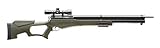
A product name can create expectations that the hardware simply doesn’t support, and that matters a great deal here. The Umarex AirJavelin isn’t a shotgun, doesn’t fire shotgun ammunition, and shouldn’t be presented as a direct answer to the best shotgun for deer hunting and home defense search. It’s a CO2-powered arrow launcher built around specialized carbon-fiber arrows, modest onboard shot capacity, and accessory-friendly handling. That distinction shapes nearly every strength, weakness, and practical limitation in this review.
Umarex AirJavelin
The AirJavelin runs on a single 88-gram CO2 cartridge, which isn’t included in the package. According to the supplied specifications, one cartridge can provide up to 27 effective shots, though temperature, shooting pace, and cartridge condition may affect consistency. CO2 systems tend to lose pressure as temperatures drop, so cold mornings can create a noticeable gap between advertised capability and field behavior. That isn’t a defect unique to this model; it’s part of the tradeoff that comes with compressed-gas power.
Velocity is listed at up to 300 feet per second, with kinetic energy reaching up to 35 foot-pounds. Those numbers place the AirJavelin in a very different category from a firearm, even if its shoulder-fired shape looks familiar. The launcher is designed around arrows rather than pellets, slugs, or shells, and the projectile’s construction plays a major role in flight and impact behavior. Treating it like a conventional air rifle can lead to poor equipment choices and unsafe assumptions.
Three Umarex Straight Flight Technology arrows are included, each fitted with a 50-grain field tip. That gives the package enough equipment for initial setup and controlled target use, but three arrows won’t feel generous once one is damaged, misplaced, or set aside for inspection. Proprietary or model-specific projectiles can also be less convenient than common archery arrows found at local sporting-goods stores. Replacement cost and availability deserve attention before the launcher becomes part of a regular practice routine.
Handling And Stock Design
The all-weather stock gives the AirJavelin a practical, low-fuss exterior that should tolerate ordinary outdoor handling better than unfinished wood. Its rubber recoil pad is somewhat misleading at first glance because CO2 propulsion produces far less recoil than a shotgun. Still, the pad can improve shoulder contact and keep the stock from sliding against a jacket. It also makes the launcher feel more settled during careful sight alignment.
Picatinny accessory mounts broaden the setup options without requiring unusual adapters. Optics, bipods, and compatible quiver hardware can be attached, which helps tailor the launcher for target sessions or controlled sporting use. That said, adding equipment piles on weight and can upset the balance that makes the bare launcher easy to carry. Accessory compatibility is useful, but restraint often produces a cleaner setup than filling every available rail slot.
The fixed orange fiber-optic front sight offers a bright reference point in decent light. It’s simple, doesn’t need batteries, and gives the launcher a functional starting configuration before an optic is added. The fixed design also means adjustment options may be more limited than some shooters expect from a dedicated sighting system. Clear sight visibility helps, yet precise alignment still depends on a consistent cheek position and a suitable rear reference.
The AirJavelin will accept aftermarket quivers, which addresses one of the awkward realities of carrying long carbon-fiber projectiles. A securely mounted quiver keeps arrows organized and reduces the temptation to carry them loosely. Compatibility should be checked carefully because broadheads, field tips, shaft dimensions, and retention systems can differ. Poorly fitted accessories may rattle, interfere with movement, or damage the arrow shafts.
Performance Tradeoffs
CO2 power keeps operation relatively straightforward, but it comes with environmental sensitivity. Pressure can shift as the cartridge cools during repeated firing, particularly when shots are taken quickly. That may produce changing velocity across a session, even before the cartridge is fully depleted. Measured pacing and careful observation matter more here than simply counting toward the stated 27-shot maximum.
The listed 300 fps velocity sounds quick beside traditional bows, yet speed alone doesn’t explain accuracy or suitability. Arrow straightness, vane condition, tip installation, wind, range, and launch consistency all influence the result. A damaged carbon shaft can present a serious safety hazard and should never be fired. Pre-shot arrow inspection is essential, especially after an impact against a hard surface or an uncertain backstop.
The 35 foot-pound energy figure also needs context rather than hype. It doesn’t turn the AirJavelin into a shotgun, and it doesn’t erase local restrictions involving hunting methods, permitted equipment, minimum energy standards, seasons, or projectile types. Regulations can vary sharply between jurisdictions. The launcher’s technical capability and its lawful use are two separate questions.
Noise and recoil are lower than those associated with many firearms, but “lower” doesn’t mean harmless or suitable for casual backyard use. Arrows can travel beyond poorly planned targets, penetrate light materials, and ricochet or deflect under bad conditions. A real archery-rated backstop and a clear area beyond it are necessary. Safe containment matters more than how quiet the shot sounds.
Pros In Practical Use
The strongest part of the design is its relatively simple operating concept. One CO2 cartridge powers multiple shots, the stock offers familiar shoulder contact, and the included arrows allow basic setup without buying a separate starter bundle. There’s no heavy firearm recoil to manage. Low recoil may make controlled aiming easier during supervised target sessions.
The rail system is another practical advantage because it supports common mounting standards. A modest optic can improve sight clarity, while a bipod may help during bench-based practice. The all-weather stock also avoids some of the swelling, scratching, and finish concerns associated with wood. These details make the AirJavelin easier to configure around a stable practice environment.
The supplied carbon-fiber arrows use Umarex Straight Flight Technology, giving the launcher a matched projectile system rather than leaving arrow selection entirely to guesswork. Matching matters because an incorrect shaft can affect fit, sealing, launch behavior, and safety. Included field tips keep the initial configuration focused on targets rather than more aggressive uses. Matched arrows reduce setup uncertainty, although replacements still need careful verification.
Cons And Important Limits
The missing CO2 cartridge is the first practical drawback. The launcher can’t be used straight from the box unless the correct 88-gram cartridge has already been purchased. CO2 cartridges are consumable, add recurring expense, and may be less convenient to source than smaller common formats. Once pierced, a cartridge also requires proper handling rather than indefinite storage inside the launcher.
Only three arrows are included, and that small quantity leaves little margin for damage or loss. Carbon-fiber shafts require close inspection because cracks, splinters, or hidden structural damage can make firing dangerous. Specialized replacement arrows may cost more than expected. Projectile dependence is a meaningful ownership cost, not a minor footnote.
Cold-weather behavior can be frustrating for anyone expecting identical performance in every season. CO2 loses efficiency in low temperatures, and rapid firing can cool the system further. Pressure variation may change point of impact as a session continues. A compressed-air platform may offer greater consistency in some circumstances, though it brings its own equipment and filling requirements.
The biggest limitation is the mismatch between this product and the stated keyword. The AirJavelin is neither a shotgun nor a reasonable substitute for one, and it shouldn’t be framed as dedicated home-defense equipment. Household protection involves legal, identification, storage, access-control, and emergency-response issues that product marketing can’t solve. Secure storage and avoidance remain more responsible than assigning a defensive role to equipment built around CO2-launched arrows.
Safety, Maintenance, And Ownership
Every arrow should be checked before loading, with particular attention to the shaft, nock area, vanes, and tip connection. Carbon damage may appear as fine cracks or raised fibers rather than an obvious break. Running bare fingers forcefully along a suspected damaged shaft can cause splinters, so inspection should be cautious. Damaged arrows must be retired rather than tested with another shot.
The launcher should be depressurized, unloaded, and stored where unauthorized access is prevented. Arrows and CO2 cartridges deserve controlled storage as well, especially around children, visitors, or anyone unfamiliar with the equipment. The safety mechanism shouldn’t replace secure physical storage. Locked access provides a stronger safeguard than relying on verbal rules alone.
Seals and cartridge interfaces are central to reliable CO2 operation. Dirt, damaged threads, dried seals, or incorrect lubrication can lead to leaks and inconsistent pressure. Only manufacturer-approved maintenance products and procedures should be used because petroleum-based oils can damage some seals. Repairs involving the pressure system belong with qualified service personnel rather than improvised fixes.
Local laws should be checked before transport, target use, or any hunting-related application. Some jurisdictions regulate arrow guns separately from bows, crossbows, firearms, and ordinary air rifles. Landowner permission doesn’t override discharge ordinances or hunting rules. Legal classification needs confirmation from current official sources, not assumptions based on the product’s appearance or retail category.
Gamo Varmint .177 Air Rifle Review
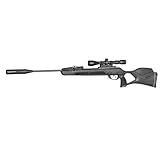
Speed figures can steal the spotlight, but they don’t tell the whole story. The Gamo Varmint is a lightweight, spring-piston pellet rifle built for target practice and lawful small-pest control where local rules permit, not a substitute for the best shotgun for deer hunting and home defense. Its .177-caliber break-barrel action, included scope, synthetic stock, and straightforward mechanical layout make it easier to understand than many multi-pump or precharged pneumatic systems. Still, the lack of noise suppression, spring-piston recoil behavior, and narrow projectile role create limits that deserve plain language rather than sales gloss.
Gamo Varmint Air Rifle
The rifle uses a single-cocking break-barrel system, so each shot requires the barrel to be hinged downward, a pellet loaded, and the action returned to battery. That process removes the need for CO2 cartridges or an external air tank, which keeps the operating routine relatively self-contained. The tradeoff is physical effort between shots, plus a slower follow-up pace than repeating airguns. For deliberate paper-target sessions, that slower rhythm may actually encourage better concentration instead of hurried shooting.
Gamo lists a muzzle velocity of up to 1,250 feet per second with its .177-caliber PBA Platinum pellets. That figure is tied to a specific lightweight pellet, so ordinary lead ammunition may produce a different result. Velocity also doesn’t automatically equal accuracy, consistency, or useful impact at distance. Pellet fit, weight, barrel condition, wind, and the shooter’s hold can matter just as much as the headline number.
The spring piston is described as long lasting, and its biggest practical advantage is independence from disposable gas cartridges. A sealed mechanical powerplant can sit between sessions without requiring a refill station or hand pump. Spring-powered rifles do, however, create a distinctive forward-and-rearward recoil cycle that can punish poor technique and loosely mounted optics. Consistent handling matters because small changes in grip pressure or resting position may shift the point of impact.
The supplied specifications make the product’s category very clear. It fires .177-caliber pellets through a rifled barrel and isn’t chambered for shotgun shells, slugs, buckshot, or centerfire ammunition. That makes the keyword connection a mismatch rather than a minor technical difference. Air-rifle capability should be judged within its intended sporting role, not stretched into deer hunting or defensive claims that the product description doesn’t support.
Barrel And Powerplant Design
The Varmint uses a rifled steel barrel covered by a fluted polymer jacket. The steel bore handles pellet stabilization, while the outer jacket helps shape the barrel profile and protects the metal from ordinary handling marks. A polymer covering can also feel less cold during winter setup, though it doesn’t replace routine inspection for moisture or debris. The fluting is mainly part of the exterior design rather than proof of improved ballistic performance.
Break-barrel alignment is central to repeatable accuracy because the barrel moves every time the rifle is cocked. Dirt around the locking surfaces, careless snapping of the barrel, or inconsistent closing pressure can interfere with a stable lockup. A firm but controlled return is preferable to slamming the action shut. Mechanical consistency begins with treating the hinge and breech area as precision components rather than rough hardware.
Spring-piston firing behavior feels different from firearm recoil. The internal piston accelerates before stopping abruptly, creating movement in more than one direction while the pellet is still traveling through the barrel. That’s why a relaxed, repeatable hold often produces better groups than clamping the rifle tightly. The learning curve can be frustrating at first, but it also exposes small flaws in trigger control and follow-through.
No noise-dampening system is included, so the report may be sharper than the modest caliber suggests. High-velocity pellets can also generate additional crack depending on ammunition and conditions. No built-in suppression means the rifle shouldn’t be assumed suitable for dense neighborhoods, indoor spaces, or casual backyard use. Local discharge ordinances and a safe pellet-rated backstop still matter, even where ordinary firearm laws don’t apply in the same way.
Scope And Sight Setup
A 4x32 shockproof scope comes with the rifle, giving the package a basic magnified aiming system from the start. Four-power magnification is simple enough for fixed-distance paper targets and doesn’t require managing a zoom ring. The 32-millimeter objective keeps the optic reasonably compact, which suits the rifle’s lightweight profile. Expectations should stay measured, though, because bundled scopes are generally designed as practical starter optics rather than elaborate precision instruments.
The rifle uses a grooved cylinder rail for mounting the optic. Spring-piston recoil can make mounts creep if screws aren’t tightened correctly or if the mounting system lacks a proper stop arrangement. Frequent checking during early sessions is sensible because a shifting scope can mimic poor ammunition or inconsistent shooting. Stable mounting matters more than chasing adjustments after every scattered group.
Eye relief and reticle focus should be set before attempting serious zeroing. A scope positioned too far forward or backward encourages awkward head placement, while a poorly focused reticle can make a clear target look deceptively fuzzy. Small alignment errors become more obvious once magnification is involved. Taking time with the initial setup usually saves pellets and irritation later.
The included optic should also be evaluated for suitability with a spring-piston platform rather than assumed compatible forever. Airgun recoil can be hard on optics that weren’t designed for its bidirectional movement. If zero begins wandering despite secure mounts and consistent technique, the optic may deserve inspection before the rifle is blamed. Diagnosis by elimination is more reliable than endlessly turning the adjustment turrets.
Trigger And Stock Feel
The Gamo trigger includes an adjustable second stage, allowing some refinement of the break point within the manufacturer’s intended range. A predictable second stage helps separate deliberate pressure from a rushed pull. Adjustment shouldn’t be treated as a contest to create the lightest possible trigger, especially on equipment used around inexperienced handlers. Safe engagement, reliable reset, and correct operation matter more than a feather-light feel.
The synthetic stock is ambidextrous and designed for all-weather use. That makes the rifle easier to share between right-handed and left-handed shooters without forcing an exaggerated cheek position. Synthetic material also resists ordinary moisture and minor surface wear better than unfinished wood. Weather resistance doesn’t mean maintenance-free, since exposed metal and the bore still need proper care.
A rubber recoil pad sits at the rear of the stock, though this rifle doesn’t produce firearm-level recoil. The pad can still improve shoulder contact and reduce slipping against smooth fabric. Its greater value may be stability rather than cushioning. For smaller frames, stock length and scope position may still require attention because a lightweight rifle can remain awkward if the reach is too long.
The low overall weight makes transport and offhand aiming less tiring, yet it also reduces the mass available to absorb spring movement. Lighter rifles can feel lively during the firing cycle and may reveal inconsistent support more readily. That isn’t automatically a flaw, but it changes the technique required for tight groups. Easy carrying and calm bench behavior don’t always come in the same package.
Accuracy Expectations And Pellet Choice
The fastest pellet isn’t necessarily the pellet that groups best. Lightweight alloy ammunition may deliver the advertised velocity range, while heavier lead pellets can behave differently in the rifled barrel. Each barrel may show a preference for a particular shape, diameter, or weight. Pellet testing is therefore more useful than relying on one velocity specification as a complete performance forecast.
Accuracy work should begin at a modest distance with a proper backstop and a stable shooting position. Large groups can result from scope movement, inconsistent hold, loose stock screws, unsuitable pellets, or a dirty bore. Changing every variable at once makes the problem harder to identify. A slower process, one adjustment at a time, usually reveals more than burning through a tin of pellets.
Spring-piston rifles often reward a loose support technique sometimes called an artillery-style hold. The fore-end rests consistently without being clamped hard, allowing the rifle to move in a repeatable way during the firing cycle. Resting the barrel directly on a hard support can change the point of impact and damage consistency. Repeatable contact points matter more than brute-force steadiness.
The .177 caliber produces a small projectile that can be affected by wind, especially as distance increases. A zero established on a calm day may not hold under gusty conditions, and light pellets can drift noticeably. Shooters expecting rimfire-like behavior may be disappointed. Realistic range limits should be set according to actual grouping ability, not the highest velocity printed on the box.
Strengths In Routine Use
The Varmint’s strongest practical trait is its uncomplicated power source. No disposable CO2 cartridges, scuba tanks, compressors, or charging pumps are needed for ordinary operation. Cocking the barrel prepares the powerplant for one shot, which keeps the setup mechanically straightforward. Self-contained operation is appealing for occasional target practice where supporting equipment would otherwise become a nuisance.
The bundled scope, synthetic stock, and lightweight layout make the package feel complete enough for initial setup. An ambidextrous stock also avoids forcing one-sided controls or cheek geometry on different shooters. The rubber pad adds grip at the shoulder, while the grooved rail provides a familiar mounting arrangement. None of these features is flashy, but together they reduce the number of immediate accessories required.
The all-weather stock suits garages, workshops, and outdoor ranges where a polished wooden finish might invite extra worry. Rain exposure still shouldn’t be ignored, yet synthetic furniture is generally less fussy about brief moisture or scuffs. The polymer-jacketed barrel also gives the front end a durable exterior feel. Low-maintenance furniture is a sensible match for a utility-oriented air rifle.
The one-year warranty offers a defined support period without implying lifetime coverage. The rifle is listed as made in Spain, a detail that may matter to buyers who pay attention to manufacturing origin. Warranty terms should still be read carefully because seals, misuse, unauthorized modification, and ordinary wear may be handled differently. Documented coverage is useful, but it shouldn’t replace proper setup and maintenance.
Weaknesses And Mismatched Expectations
The fixed-power scope limits flexibility across very short and longer target distances. Four-power magnification is easy to manage, but it can feel restrictive for tiny targets or changing range conditions. The bundled optic may also require careful mounting and periodic checks because of the spring piston’s recoil cycle. Starter-scope convenience comes with realistic limits in adjustment, clarity, and durability.
Cocking effort is part of every shot, and repeated break-barrel operation may become tiring during long sessions. The action also slows the pace compared with magazine-fed pneumatic rifles. That can be a benefit for deliberate practice, but it won’t suit anyone expecting fast strings. The barrel must be handled carefully each time, which makes safe muzzle control especially important during loading.
The lack of noise dampening is another clear drawback. A pellet rifle can still disturb neighbors, alarm pets, and violate local discharge rules. Indoor firing without a purpose-built range creates risks involving noise, lead residue, ricochet, and inadequate containment. Quiet appearance shouldn’t be mistaken for quiet operation.
The most serious limitation is simple: this rifle doesn’t fit the stated deer-hunting and home-defense category. It’s a .177-caliber air rifle with specifications aimed at target shooting and limited lawful pest-control roles, not a shotgun and not a defensive firearm. Framing it otherwise could create unsafe expectations about power, projectile behavior, and legal use. A neutral technical reference for a different mounting category appears in scope mounting considerations, though compatibility must be verified for the exact rail and recoil system rather than assumed from a general guide.
Maintenance And Safe Storage
The rifle should be stored unloaded, uncocked, and secured against unauthorized access. Pellets belong in controlled storage as well, particularly where children or visitors may be present. A mechanical safety is only one layer and shouldn’t replace a locked cabinet or case. Access prevention is more dependable than expecting every person nearby to understand the equipment.
Barrel cleaning should follow the manufacturer’s guidance rather than firearm habits copied without checking. Aggressive solvents, steel rods, or excessive oil may damage seals, finishes, or the bore. The breech seal and hinge area deserve periodic inspection for wear, dirt, and unusual resistance. Correct maintenance products matter because spring-piston systems don’t tolerate every lubricant used elsewhere.
Stock screws and scope hardware can loosen over time due to the firing cycle. A sudden loss of accuracy may therefore come from movement in the mounts or action rather than a damaged barrel. Tightening should follow appropriate torque guidance instead of brute force, since overtightening can strip threads or crush components. Routine inspection catches small shifts before they become a long, frustrating troubleshooting session.
Every pellet needs a safe direction, a clearly identified target, and a backstop rated for the expected energy. Thin plywood, household furniture, fences, and improvised containers don’t provide reliable containment. Eye protection remains sensible because pellet fragments or target debris can rebound. Responsible handling matters at every velocity, even when the equipment is sold outside conventional firearm categories.
Elite Force Umarex AirSaber Combo Review
A shoulder-fired launcher can look familiar while serving a completely different purpose, and that difference shouldn’t be brushed aside. The Elite Force Umarex AirSaber is a precharged pneumatic arrow rifle, not a shotgun, and it doesn’t fire shells, buckshot, or slugs. That makes it a poor match for the phrase best shotgun for deer hunting and home defense, even though its listed speed and energy figures may sound substantial at first glance. The honest way to assess it is as specialized air-archery equipment with a self-contained air tank, dedicated carbon-fiber arrows, an included optic, and several practical ownership tradeoffs.
Umarex AirSaber Combo
The AirSaber uses a bolt-action PCP system paired with an integrated pressure gauge. Unlike a spring-piston air rifle, it relies on compressed air stored in an onboard tank, so there’s no break-barrel cocking stroke between shots. The bolt cycles the loading system, while the pressure gauge provides a basic visual reference for remaining air. That setup can feel cleaner and more consistent than CO2 operation, though it introduces the need for proper filling equipment and careful pressure management.
The supplied specifications state that the high-capacity air tank provides up to 25 effective shots per fill. That number describes a maximum expectation rather than a guarantee of identical performance from the first shot to the last. Air pressure changes during a shooting session, and projectile behavior may shift as the reservoir drops. Temperature, fill pressure, equipment condition, and the pace of shooting can also influence consistency.
Listed performance reaches up to 450 feet per second and as much as 169 foot-pounds of kinetic energy. Those figures place the AirSaber well above casual backyard plinking equipment, but raw energy still doesn’t make it a shotgun. The projectile is a long carbon-fiber arrow launched over a specialized air tube, so flight behavior, terminal behavior, and safety considerations differ sharply from firearm ammunition. Marketing categories shouldn’t replace a clear understanding of what the device actually launches.
Three Umarex Straight Flight Technology arrows are included, each fitted with a 100-grain field tip. Field tips are generally associated with controlled target practice rather than hunting use, and the provided quantity leaves little room for damage or loss. Carbon shafts require careful inspection because hidden cracks or raised fibers can create a serious hazard. A small starter set is convenient, but replacement availability and exact compatibility deserve attention before regular use begins.
PCP Power And Filling Tradeoffs
The PCP system avoids disposable CO2 cartridges, which removes one recurring consumable from the routine. In exchange, the AirSaber needs a source capable of filling its reservoir to the manufacturer’s specified pressure. A suitable hand pump, compressor, or regulated tank system may add cost, storage needs, and maintenance that aren’t obvious from the basic package. Compressed-air independence sounds appealing until the supporting equipment is added to the equation.
The integrated gauge is useful because it keeps reservoir pressure visible without attaching a separate tester. Still, a gauge isn’t a substitute for following the manufacturer’s filling procedure or using properly rated equipment. Overfilling, damaged seals, contaminated fittings, or makeshift adapters can create dangerous conditions. Pressure-system discipline matters more than squeezing a few extra shots from a fill.
PCP platforms often provide a calmer firing cycle than spring-piston rifles because there’s no heavy internal piston moving forward and stopping abruptly. That can help preserve sight alignment and reduce the technique sensitivity associated with spring recoil. The AirSaber still launches a heavy projectile with meaningful energy, so steady support and a safe shooting environment remain necessary. Lower mechanical movement doesn’t turn it into casual equipment.
Reservoir service is another ownership consideration. Seals, valves, fittings, and gauges can wear or leak over time, especially if stored improperly or exposed to dirt. Pressure-related repairs aren’t a sensible place for improvised fixes. Qualified servicing is the safer route whenever the tank, valve, or fill system behaves abnormally.
Stock, Size, And Carrying Feel
The AirSaber measures 41 inches overall, putting it in the general size range of many shoulder-fired sporting tools. Its listed weight without the scope is 6.85 pounds, so the completed setup will be somewhat heavier once the optic, mounts, and any additional accessories are installed. That weight can help the launcher feel settled, yet it may become tiring during extended carrying. Balance matters just as much as the scale number because forward-heavy equipment can wear on the support arm.
An all-weather synthetic stock gives the platform a practical exterior for ordinary outdoor conditions. Synthetic material usually asks for less cosmetic care than finished wood and won’t swell in the same manner after brief moisture exposure. The rubber recoil pad helps keep the stock planted against clothing, though recoil here won’t feel like a conventional shotgun. Stable shoulder contact is its main benefit rather than heavy recoil absorption.
The stock and controls create a familiar rifle-like posture, which may make initial handling feel intuitive. Familiar shape can also encourage the wrong assumptions about loading, projectile path, or lawful use. The AirSaber should be treated according to its own manual and classification rather than handled as though it were a firearm, crossbow, or ordinary pellet rifle. Similar appearance doesn’t erase mechanical differences.
The 41-inch length may feel cumbersome in tight storage spaces or compact vehicles. A padded case needs enough internal room for the launcher and mounted scope without placing pressure on the optic. Arrows also require protected storage because bent vanes, cracked shafts, or damaged tips can compromise safe use. Transport planning includes more than fitting the launcher into a generic rifle sleeve.
Scope And Accessory Setup
The combo includes an Axeon 4x32mm scope with a custom Air Archery Ballistic Reticle. Fixed four-power magnification keeps operation simple because there’s no zoom ring to manage. A 32-millimeter objective also helps keep the optic reasonably compact. The custom reticle may offer useful reference points, but those markings still depend on the exact arrow, velocity, zero distance, and environmental conditions.
Reticle marks shouldn’t be treated as universal impact guarantees. Changes in reservoir pressure, arrow condition, tip weight, or range can alter the point of impact. A reticle reference that appears accurate under one setup may be misleading after components change. Verified zero matters more than relying on printed ballistic assumptions.
Picatinny accessory mounts allow compatible optics, bipods, quivers, and other equipment to be attached. Common rail geometry makes the platform easier to configure than a proprietary mounting system. The downside is that accessories can quickly add bulk, create snag points, and shift the balance. Filling every rail slot rarely improves a setup as much as careful selection does.
A mounted quiver can keep arrows organized, though compatibility needs more than a quick visual match. Shaft diameter, tip clearance, retention pressure, and mounting position can affect whether arrows remain secure without damage. A loose quiver may rattle or interfere with movement, while an overly tight holder can stress carbon shafts. From a practical angle, a related bow-maintenance reference appears in recurve bow string materials, although string selection doesn’t apply directly to this PCP-powered launcher.
Arrow Design And Inspection Needs
The included Straight Flight Technology arrows are designed around the AirSaber’s launch system. Dedicated projectiles reduce uncertainty about fit, but they also tie regular use to a narrower replacement pool. Standard archery arrows shouldn’t be assumed compatible simply because the length or shaft material looks similar. Exact projectile matching is a safety requirement, not a branding preference.
Each included arrow carries a 100-grain field tip, providing a target-oriented starting configuration. Tip weight affects total projectile mass, balance, and flight characteristics, so substitutions can change behavior. Loose tips should be corrected before use, and damaged threads call for replacement rather than forced assembly. A projectile launched at the listed energy deserves meticulous inspection.
Carbon-fiber shafts can hide damage more easily than visibly bent aluminum. Fine cracks, splintering, crushed sections, or unusual flex may indicate that an arrow is unsafe. Bare hands shouldn’t be dragged forcefully across a questionable shaft because carbon splinters can pierce skin. Retiring damaged arrows costs less than gambling on one more shot.
Three arrows are enough to begin a controlled target session, but the small quantity becomes restrictive quickly. One impact with a hard surface can remove a projectile from service, while another may disappear beyond a poorly designed backstop. Replacement cost and availability therefore belong in the ownership calculation. The launcher itself is only part of the recurring expense.
Practical Strengths
The AirSaber’s most obvious strength is its high-energy PCP platform paired with a purpose-built arrow system. The firing cycle avoids spring-piston vibration, and the integrated tank supports multiple shots between fills. A pressure gauge adds useful information without requiring the reservoir to be disconnected. Those features create a cleaner operating rhythm than single-shot CO2 or break-barrel designs.
The included scope reduces the number of separate parts needed for initial setup. Fixed magnification is straightforward, the ballistic reticle is tailored to air archery, and the package arrives with three matching arrows. That combination lowers early compatibility guesswork. It doesn’t remove the need for proper mounting, zero verification, and frequent hardware checks.
The synthetic stock and accessory rails support outdoor sporting use without demanding delicate treatment. Rain, mud, and rough transport still require cleanup, but the exterior is less fussy than polished wood. Picatinny mounts also make common accessories easier to fit. Utility-focused construction suits equipment that may spend time around benches, cases, and uneven ground.
The 6.85-pound bare weight gives the launcher enough mass to feel planted without becoming exceptionally heavy. Additions such as the scope, mounts, and quiver will push the completed weight higher, yet the base platform remains manageable on paper. The rubber pad also helps prevent shoulder slippage. These are sensible ergonomic details rather than flashy extras.
Weaknesses And Poor-Fit Situations
The biggest drawback is the supporting equipment required by the PCP system. A capable filling source may be expensive, bulky, noisy, or physically demanding depending on the method. Hand pumps can require substantial effort, while compressors and tanks involve their own maintenance and safety procedures. Air supply logistics can make a seemingly self-contained launcher less convenient than expected.
Only three arrows come in the package. That’s a thin margin for a specialized platform whose projectiles may not be sitting on every local store shelf. Damage, loss, and inspection failures can interrupt a session quickly. Replacement arrows should be sourced by exact model specification rather than approximate dimensions.
The fixed 4x scope is simple, but it won’t satisfy every distance or eyesight need. Fixed magnification can feel too strong at very short range and too limited for small targets farther out. Reticle references also need verification with the actual setup. Bundled-optic convenience shouldn’t be confused with universal suitability.
The product’s relationship to the stated keyword is fundamentally weak. The AirSaber is not a shotgun, isn’t designed around shotgun ammunition, and shouldn’t be framed as home-defense equipment. Defensive planning involves secure retreat, emergency communication, target identification, legal judgment, and safe storage, none of which is solved by a high-energy arrow launcher. Category mismatch is the central limitation, not a minor wording issue.
Noise, Backstops, And Storage
PCP operation may sound quieter than a firearm, but the AirSaber still releases compressed air and launches an arrow at substantial speed. Noise can disturb neighbors and may violate local discharge rules even where air-powered equipment is treated differently from firearms. Hearing protection remains sensible during repeated shooting. Lower report doesn’t mean silent or neighborhood-safe.
A proper backstop must account for arrow penetration, deflection, and missed shots. Thin boards, fences, stacked household objects, and improvised targets don’t provide reliable containment. The area behind the target matters just as much as the target face itself. A long carbon projectile can travel well beyond an inadequate setup.
Storage should keep the launcher unloaded, depressurized according to manufacturer guidance, and inaccessible to unauthorized hands. Arrows need separate protection from bending, impact, moisture, and tip damage. Filling equipment also deserves secure storage because high-pressure components can be hazardous when mishandled. Locked control provides more protection than relying on a mechanical safety alone.
Local rules may classify arrow guns differently from air rifles, bows, crossbows, and firearms. Hunting regulations can also specify permitted equipment, projectile types, seasons, minimum energy, and approved game. Retail availability doesn’t establish lawful use. Current official regulations should govern transport and sporting decisions rather than assumptions based on product labeling.
Maintenance And Long-Term Ownership
Pressure seals and valve components sit at the center of the AirSaber’s reliability. Dirt around fill fittings, incorrect lubricants, and damaged O-rings can cause leaks or inconsistent operation. Only manufacturer-approved products belong near the pressure system. Petroleum-based oils or improvised sealants may damage components and create unsafe conditions.
Scope mounts, stock fasteners, and accessory hardware should be checked periodically. Repeated handling and transport can loosen screws even without heavy firearm recoil. Excessive tightening is also a poor fix because stripped threads and crushed mounts create new problems. Measured hardware checks are more useful than reaching for maximum force.
The barrel and arrow-loading surfaces need to remain free from debris. Dirt, damaged components, or foreign material can interfere with proper seating and projectile alignment. Cleaning procedures should follow the supplied manual rather than habits borrowed from firearms or conventional bows. Different systems require different maintenance routines.
Air pressure equipment deserves inspection for damaged hoses, worn fittings, unusual sounds, or heat buildup during filling. A leaking valve or faulty gauge shouldn’t be ignored simply because the launcher still fires. Pressure-related repairs belong with qualified service personnel. Preventive inspection protects both equipment life and the person handling it.
Umarex Ruger Blackhawk .177 Air Rifle Review
A familiar rifle-shaped profile can blur categories faster than expected, especially when a product page emphasizes velocity and includes a scope. The Umarex Ruger Blackhawk is a .177-caliber pellet rifle, not a shotgun, so it doesn’t genuinely fit the phrase best shotgun for deer hunting and home defense. Its listed 1,000-feet-per-second velocity, bundled 4x32 scope, and one-year limited warranty point toward recreational airgun use rather than shotgun performance. That distinction isn’t a technical footnote; it changes the projectile, power source, lawful use, safe backstop requirements, and realistic role of the entire package.
Ruger Blackhawk Air Rifle
The Blackhawk fires .177-caliber pellets, a small projectile commonly associated with paper targets and limited lawful pest-control situations. Nothing in the supplied description identifies it as a shotgun, a firearm chambered for shells, or equipment intended for deer hunting. The product should therefore be judged inside the air-rifle category rather than stretched across unrelated uses. Calling it a shotgun alternative would create the wrong expectations before the first pellet is loaded.
Velocity is listed at 1,000 feet per second, though that number alone doesn’t describe accuracy, pellet energy, or consistency. Pellet weight, shape, barrel fit, temperature, and shooting technique can all change real-world behavior. A lighter pellet may travel faster while carrying a different balance of stability and retained energy than a heavier one. Speed gets attention, but repeatable grouping is what reveals whether a setup is actually behaving well.
The package includes a 4x32 scope, giving the rifle a basic magnified sighting system without requiring an immediate separate optic purchase. Fixed four-power magnification keeps the controls simple because there’s no zoom ring to adjust. The 32-millimeter objective also keeps the optic relatively compact. Still, the scope must be mounted securely, aligned correctly, and zeroed with the exact pellet being used.
A one-year limited warranty provides a defined support period for covered issues. The word “limited” matters because coverage may exclude misuse, modifications, normal wear, or damage caused by incorrect maintenance. Warranty paperwork should be kept with purchase records rather than tossed aside with the packaging. Clear documentation becomes useful only when the owner can show what was purchased and when.
Velocity Without The Hype
The 1,000-feet-per-second figure is the headline specification, but air-rifle performance can’t be reduced to one number. A pellet may leave the muzzle quickly and still group poorly if its weight or shape doesn’t suit the barrel. Wind also affects .177 projectiles more than many newcomers expect, particularly as distance grows. Practical accuracy depends on a full system rather than a single velocity claim.
Fixed-distance target work usually exposes inconsistency faster than casual plinking. Loose scope mounts, varying shoulder pressure, uneven trigger control, or different pellet batches can all move the point of impact. Changing several variables at once makes the problem harder to diagnose. A slower approach, testing one thing at a time, is less exciting but far more useful.
The .177 caliber creates a smaller hole and generally lighter projectile than larger airgun calibers. That can make paper-target feedback less obvious at longer distances unless the target has a contrasting background. It also means a missed shot can travel beyond a casual homemade setup. Proper containment matters even though the projectile is small.
Fast pellets may produce a sharper report than expected, especially in enclosed spaces or near hard surfaces. The supplied description doesn’t mention any noise-dampening feature, so quiet operation shouldn’t be assumed. Neighborhood rules, local discharge ordinances, and property boundaries still apply. A pellet rifle can create legal and safety problems even where firearms are regulated differently.
Scope Setup And Everyday Use
The included 4x32 optic gives the Blackhawk a straightforward starting point for target use. Four-power magnification is enough to make small targets easier to see without creating an overly narrow field of view. Because the magnification is fixed, the shooter can focus on consistent head position instead of adjusting zoom. Simple optics often reveal setup errors quickly because there are fewer controls to blame.
Scope position affects comfort as much as sight picture. Too far forward, and the shooter stretches the neck; too far back, and eye relief becomes cramped. A centered reticle also means little if the rifle is canted during the shot. Small alignment habits can shift groups even when the optic itself is functioning correctly.
Mounting hardware deserves regular inspection because vibration and repeated handling can loosen screws. A wandering zero may come from the mount rather than the barrel or pellet. Overtightening isn’t a good fix either, since stripped threads can turn a small issue into a lasting one. Measured adjustments beat brute force every time.
Optic compatibility also matters whenever owners consider replacing the included scope. Air rifles can place different stresses on optics than ordinary rimfire platforms, depending on the powerplant. From a practical angle, a related airgun reference appears in air rifles for slugs, though slug-capable platforms belong to a different performance category and shouldn’t be treated as interchangeable with this .177 pellet rifle.
What The Blackhawk Does Well
The included scope is the clearest convenience in the package. It reduces the number of separate components needed before basic zeroing can begin, and the fixed magnification keeps the setup uncomplicated. For someone who dislikes assembling a pile of accessories, that simplicity has real value. Bundled sighting equipment won’t remove setup work, but it trims the shopping list.
The .177 caliber also supports inexpensive, compact ammunition compared with many larger projectile types. Pellets are easy to store in small containers and convenient for controlled paper-target sessions. Their light weight makes transport simple, though careful handling still matters because damaged pellets can affect accuracy. This caliber suits deliberate practice better than oversized expectations.
The 1,000-feet-per-second specification suggests a platform intended to deliver brisk pellet velocity. That can help flatten the trajectory over modest distances compared with slower airguns using similar ammunition. Even so, the benefit only matters if the rifle groups consistently with the selected pellet. Usable speed is speed paired with control, not a number printed in isolation.
The one-year limited warranty adds a basic layer of manufacturer support. That may ease concerns about early defects if the rifle is used and maintained according to instructions. Warranty value depends on the terms, proof of purchase, and condition of the product. It’s helpful, but it isn’t a substitute for careful ownership.
Where The Package Falls Short
The strongest weakness is the mismatch between the product and the keyword. The Blackhawk is not a shotgun, doesn’t fire shotgun shells, and doesn’t belong in a serious discussion of deer-hunting shotgun setups. It also shouldn’t be promoted as dedicated home-defense equipment. Category confusion creates poor decisions long before mechanical performance becomes relevant.
The supplied information is sparse, leaving several practical questions unanswered. There’s no stated weight, overall length, powerplant type, trigger description, stock material, or noise-control system in the provided details. Those omissions make it harder to judge carrying comfort, cocking effort, balance, and routine maintenance needs. A responsible review has to acknowledge what isn’t known instead of filling gaps with guesses.
The fixed 4x scope may feel limiting for very close targets or for anyone who prefers variable magnification. Eye relief, glass clarity, reticle style, and mount quality aren’t described in the supplied information. That doesn’t automatically make the optic poor, but expectations should stay modest. Included equipment is convenient, not proof of refined optical performance.
The one-year limited warranty is also fairly narrow compared with lifetime coverage sometimes offered on unrelated sporting equipment. Coverage may be perfectly adequate for early manufacturing issues, yet it won’t protect against every long-term repair. Owners should read the terms rather than relying on the word “warranty” alone. Fine print, dull as it is, sets the real boundary.
Accuracy And Pellet Selection
Different pellets can produce noticeably different groups from the same .177 barrel. Weight, skirt design, head diameter, and manufacturing consistency all affect how the projectile seals and stabilizes. The fastest pellet may not be the most accurate. Pellet preference is often discovered through patient testing rather than brand loyalty.
Zeroing should start at a modest distance with a stable rest and a proper pellet-rated backstop. Large groups can come from scope movement, inconsistent support, poor trigger follow-through, or unsuitable ammunition. Moving the scope adjustments after every shot usually makes the process worse. A small group, even if off-center, provides more useful information than scattered impacts around the bullseye.
Wind deserves respect because .177 pellets are light. A mild crosswind can move the point of impact enough to confuse scope adjustments, especially at longer distances. Calm conditions create a cleaner baseline for evaluating the rifle and optic. Environmental consistency helps separate equipment behavior from weather effects.
Pellets should be inspected before loading. Bent skirts, crushed heads, dirt, or mixed ammunition can introduce erratic shots. A damaged pellet can also fit poorly and leave debris in the barrel. Basic inspection takes seconds and saves a good deal of pointless troubleshooting.
Safety And Storage Realities
The Blackhawk should be stored unloaded and secured against unauthorized access. Pellets need controlled storage too, especially around children, visitors, or anyone unfamiliar with airguns. A mechanical safety is one layer, not the entire plan. Locked storage does more than verbal reminders ever will.
Every shot requires a clearly identified target and a backstop designed to contain pellets. Thin plywood, household furniture, fencing, and stacked boxes aren’t reliable substitutes. Hard surfaces can cause fragments or ricochets, while soft improvised materials may allow pass-through. Eye protection remains sensible around targets and backstops.
Local laws may treat air rifles differently from firearms, but different doesn’t mean unrestricted. Discharge rules, age limits, transport requirements, and hunting regulations can vary by location. Property ownership doesn’t automatically grant permission to fire. Current local rules should guide use rather than assumptions based on retail availability.
The rifle also shouldn’t be left cocked or loaded between sessions. Stored mechanical tension can create wear and introduces an unnecessary hazard. The manufacturer’s manual should govern unloading and maintenance procedures. Familiarity with rifles doesn’t replace product-specific instructions.
Maintenance And Ownership Costs
Routine cleaning should follow the manufacturer’s guidance because air rifles don’t always tolerate the same solvents and oils used on firearms. Excess lubricant can damage seals or create inconsistent behavior, depending on the internal system. The bore, breech, and scope mounts deserve periodic inspection. Correct maintenance is usually simple, but the wrong product can create expensive problems.
Scope screws and mounting hardware may loosen with use. A sudden shift in point of impact doesn’t always mean the barrel has failed or the optic is defective. Checking fasteners, pellet consistency, and shooting technique provides a sensible troubleshooting order. Random adjustments usually hide the real cause.
Pellet cost is low compared with many ammunition types, though regular practice still adds up over time. Targets, backstop materials, eye protection, cleaning supplies, and secure storage also belong in the budget. The rifle’s purchase price isn’t the full cost of responsible ownership. Supporting equipment is part of the package whether it appears in the box or not.
The limited warranty lasts one year according to the supplied description, so long-term maintenance eventually falls outside that period. Keeping the rifle dry, checking hardware, storing it correctly, and avoiding unauthorized modifications can reduce preventable issues. Damage caused by poor handling may not qualify for coverage. Careful ownership is less glamorous than velocity claims, but it determines how well the setup ages.
Glock 19 Gen3 .177 BB Air Pistol Review
Compact styling can make a training-oriented air pistol seem more capable than it really is. The Glock 19 Gen3 .177 BB Air Pistol uses a 12-gram CO2 cartridge and steel BBs, so it isn’t a shotgun and doesn’t belong in a literal discussion of the best shotgun for deer hunting and home defense. Its realistic markings, fixed sights, 15-shot capacity, and accessory rail make more sense for supervised recreational shooting and familiarity practice. That category line matters because appearance alone says very little about projectile energy, lawful use, safe storage, or practical suitability.
Glock 19 Gen3 BB Pistol
The pistol holds 15 steel BBs in .177 caliber, giving it a repeating format rather than a single-shot loading routine. That capacity can keep a target session moving, but it also makes careful muzzle discipline more important because several projectiles remain available after the first shot. The pistol should be treated as loaded until the magazine, chamber area, and CO2 system have been checked according to the manual. Small steel BBs are easy to spill, lose, or overlook, so tidy handling pays off.
Power comes from one 12-gram CO2 cartridge, which isn’t included. CO2 keeps the design compact and convenient, though each cartridge becomes an ongoing consumable rather than a permanent part of the pistol. Temperature and rapid firing can affect gas pressure, so shot consistency may change during a session. Cold conditions, in particular, can make a CO2-powered pistol feel less predictable than the advertised number suggests.
The listed maximum velocity is 410 feet per second. That figure describes speed, not a full measure of accuracy, retained energy, or safe range. BB condition, gas pressure, temperature, sight alignment, and distance can all change the result. A fast BB still requires a proper backstop because steel projectiles can rebound from hard targets.
Official Glock markings and familiar external proportions give the air pistol a realistic visual identity. That realism may help with basic grip familiarity and sight alignment, but it also creates serious storage concerns because a bystander could mistake it for a firearm. Clear identification and secure storage are essential. It should never be displayed, carried, or handled casually in public.
CO2 Operation And Shot Consistency
A 12-gram cartridge keeps the power system simple. There’s no external pump, compressor, or large tank to manage, which reduces setup clutter. The drawback is that every pierced cartridge has a limited working life and may lose pressure over time. Consumable gas makes the pistol convenient in the moment but adds recurring cost.
CO2 cools as it expands, especially during rapid strings. That cooling can lower pressure and produce weaker or less consistent shots until the system warms again. Slower pacing usually gives the cartridge more time to recover. The effect isn’t mysterious, but it can frustrate anyone expecting identical velocity from all 15 shots.
Leaving a cartridge installed for long periods may also stress seals, depending on the manufacturer’s instructions. Some CO2 pistols tolerate brief storage differently from others, so the manual should settle that question rather than guesswork. A leaking seal can turn a fresh cartridge into a short session. Correct cartridge handling protects both performance and the internal valve system.
Cartridge installation deserves care because overtightening can damage seals while loose seating can cause leaks. A faint hiss after installation may indicate improper sealing or a worn component. Petroleum-based lubricants shouldn’t be used unless specifically approved because they may harm seals. Pressure-system maintenance is one area where improvised fixes usually backfire.
Fixed Sights And Accessory Rail
The pistol uses fixed Glock-style sights, so there’s no built-in windage or elevation adjustment listed in the supplied information. Fixed sights keep the top of the pistol clean and uncomplicated. They also mean point-of-impact corrections may depend more on ammunition consistency, distance, and sight picture than mechanical adjustment. For close paper targets, that simplicity can be easy to live with.
The familiar sight layout may help reinforce a repeatable visual routine. Front sight focus, even grip pressure, and smooth trigger movement matter more than chasing tiny mechanical changes. Fixed sights can reveal inconsistent technique because there’s less temptation to blame adjustment knobs. Simple sighting works best when expectations remain realistic.
An integrated Weaver accessory rail sits beneath the barrel area for compatible equipment. The rail adds flexibility, though accessories increase weight and can change balance quickly on a compact pistol. Oversized attachments may also make holster fit difficult or interfere with ordinary handling. A rail is useful, but filling it simply because it exists rarely improves the experience.
Compatibility should be checked carefully because Weaver and Picatinny accessories may look similar without always fitting identically. Mount dimensions, cross-slot spacing, and screw length can matter. Loose accessories can shift during use, while overtightening may damage hardware. Proper fit beats forcing a mount into place.
Handling And Realistic Styling
The Glock 19-inspired form gives the pistol a compact, familiar outline. That can make grip placement and sight alignment feel intuitive to anyone already accustomed to similar shapes. Still, the air pistol’s controls, trigger behavior, weight distribution, and recoil won’t perfectly duplicate a firearm. Training resemblance has limits, and those limits shouldn’t be ignored.
Officially licensed markings improve visual authenticity, but they also increase the chance of dangerous misunderstanding. A neighbor, police officer, visitor, or family member may not recognize it as an air pistol from a distance. Bright storage labels and a locked case can reduce confusion inside the home. Public display is a bad idea, full stop.
Steel BBs produce essentially no firearm-like recoil, so the rubbery movement and report won’t recreate live-fire handling. That makes the pistol more suitable for basic trigger-control drills on a safe airgun range than for pretending it duplicates defensive practice. A realistic shell can’t reproduce muzzle blast, recoil management, or firearm malfunction procedures. Visual similarity shouldn’t be mistaken for full training equivalence.
The compact shape may also tempt casual indoor use. Hard walls, metal objects, glass, and furniture can all create ricochet hazards. Steel BBs are especially prone to bouncing from rigid surfaces. A purpose-built trap and eye protection are more important than the pistol’s small size suggests.
Practical Strengths
The 15-shot capacity keeps reloading interruptions fairly modest during controlled target practice. That makes it easier to focus on repeated sight pictures and trigger presses rather than handling a single-shot mechanism after every attempt. The repeating format is simple to understand once the loading procedure is learned. Session continuity is the clearest benefit of the magazine capacity.
The included fixed sights require no batteries and little setup. There’s no illumination system to charge, no brightness control to manage, and no optic to zero before basic use. For short-range paper targets, that simplicity can be refreshing. The downside is limited adjustability, but the sighting system itself is straightforward.
The Weaver rail adds room for compatible accessories without modifying the frame. A compact light or small training accessory may fit, provided weight and mounting dimensions remain sensible. The rail also gives the pistol more flexibility than a completely bare frame. Accessory support is useful as long as additions stay proportionate.
CO2 power keeps the pistol self-contained once the cartridge is installed. There’s no manual pumping between shots and no external filling station. That convenience suits short recreational sessions where elaborate equipment would feel like overkill. The tradeoff, naturally, is dependence on disposable cartridges.
Weaknesses And Category Limits
The largest weakness is the mismatch with the stated keyword. This product is neither a shotgun nor equipment for deer hunting. It also shouldn’t be framed as dedicated home-defense gear because its projectile, power, construction, and intended use differ sharply from a firearm. Misclassification can create unsafe expectations about stopping capability and lawful use.
Steel BBs carry a meaningful ricochet risk. Hard targets, angled surfaces, and improvised traps can send projectiles back toward the firing line. That makes casual garage or basement shooting more complicated than it appears. A proper BB-rated trap and eye protection aren’t optional details.
CO2 performance can drop in cold conditions or during rapid firing. That may produce changing point of impact and weaker shots as the cartridge cools. The pistol’s maximum velocity figure won’t remain identical under every condition. Environmental sensitivity is a built-in compromise of the power source.
Fixed sights limit adjustment flexibility, while the realistic styling increases the risk of mistaken identity. Those two traits pull in opposite directions: the pistol is visually convincing but mechanically simple. It may suit controlled target practice, yet it’s a poor fit for anyone wanting adjustable competition sights or a visibly toy-like trainer. Realism demands more careful storage, transport, and handling.
Best Fit And Poor-Fit Situations
This air pistol makes the most sense in a controlled recreational setting with a rated backstop, eye protection, and clear supervision. Its 15-shot capacity and fixed sights support repetitive short-range practice without complicated preparation. The realistic shape may help with basic grip familiarity. Structured target use is where the supplied features line up most logically.
It’s a poor fit for deer hunting, shotgun practice, or any task requiring firearm-level power. The supplied 410-fps maximum and .177 steel BB format belong to a different equipment class. A neutral airgun reference appears in small-game air rifle considerations, though local law, projectile type, and humane-use standards must be evaluated separately. That link’s topic is still distinct from this compact BB pistol.
The pistol may also disappoint anyone expecting adjustable sights, blowback action, or detailed simulation of live-fire recoil. None of those features appears in the supplied description. The realistic markings carry most of the visual resemblance, while the shooting experience remains that of a CO2 BB gun. Expectation control prevents a familiar logo from doing too much persuasive work.
Homes without a secure storage plan aren’t a sensible environment for realistic air pistols. Children, visitors, and emergency responders may not distinguish this model from a firearm quickly enough. A locked case, separate BB storage, and clear household rules reduce that risk. Convenience should never outrank identification and access control.
Maintenance And Safe Storage
The pistol should be unloaded before storage, with BBs removed and the CO2 system handled according to the manufacturer’s instructions. Leaving loose BBs in the magazine area can cause confusion during the next session. A visual check alone may not be enough if the loading path isn’t clearly visible. Deliberate unloading should follow the exact manual procedure.
Seals and the cartridge interface need protection from dirt, excess oil, and improper tools. Only manufacturer-approved lubricants should be used near the gas system. A persistent leak or damaged piercing mechanism deserves qualified service rather than home experimentation. CO2 pressure may be modest compared with larger PCP systems, but careless repair is still a bad bet.
The barrel should be kept free from debris, damaged BBs, and foreign material. Steel BBs that are rusted, misshapen, or dirty can feed poorly and affect accuracy. Mixed ammunition types shouldn’t be used unless the manual explicitly allows them. Correct ammunition protects both function and consistency.
Storage should prevent unauthorized access and reduce the chance of mistaken identity. The pistol belongs in a locked case or cabinet rather than a drawer, backpack, or open shelf. CO2 cartridges and BBs should be secured separately where practical. Realistic markings raise the stakes, so discreet and controlled storage is the sensible baseline.