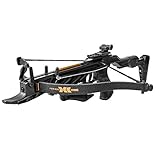
Best Shotgun for Home Defense and Hunting 2026

The best shotgun for home defense and hunting has to balance two jobs that place very different demands on the same firearm. A defensive setup should be manageable in confined spaces, dependable under stress, and simple to operate safely. A hunting shotgun, meanwhile, needs comfortable handling, suitable barrel characteristics, and compatibility with the lawful ammunition required for the intended game. Trying to force one specialized configuration into both roles can leave you with awkward handling at home or a frustrating day in the field.
Proper fit matters more than flashy accessories or aggressive styling. A stock that feels too long can make the firearm difficult to shoulder, while an uncomfortable comb height may cause poor alignment and inconsistent control. Weight deserves equal attention because a light shotgun is easier to carry but can transmit more felt recoil. A heavier model may feel steadier and softer during practice, though carrying it through brush for several hours can become a real chore.
Action type shapes the ownership experience, so there’s no automatic winner. A pump-action shotgun is mechanically straightforward and commonly valued for durability, but reliable operation depends on deliberate cycling and regular practice. A semi-automatic design can reduce perceived recoil and allow smoother follow-up shots, yet it may demand more careful cleaning and ammunition selection. Break-action models are simple to inspect and handle, though their limited capacity makes them less adaptable as a dual-purpose choice.
Gauge selection should reflect recoil tolerance, ammunition availability, legal hunting requirements, and realistic practice habits. The common 12-gauge offers a broad ammunition range, but its recoil may discourage frequent training in a light firearm. A 20-gauge can be easier to manage while still serving many lawful hunting roles, although specific loads and local availability vary. Manageable recoil usually produces better control than raw power that makes every practice session feel like punishment.
Barrel configuration creates another tradeoff. Shorter legal barrels generally feel handier indoors, while longer sporting barrels tend to swing more smoothly on moving birds and may offer better balance during field use. Interchangeable barrels can make one receiver more adaptable, provided the manufacturer supports the arrangement and every component remains legally compliant. Even then, swapping parts takes time, so the firearm won’t instantly shift roles while sitting in a safe.
Choke compatibility adds useful flexibility for hunting because different game and distances call for different shot patterns. Patterning on paper with lawful hunting ammunition reveals far more than package claims, since two loads can behave differently through the same barrel. Defensive ammunition also needs careful evaluation for reliability, recoil, and the risk of projectiles passing through interior walls. Local laws, professional instruction, and a clear household safety plan should guide those decisions rather than internet folklore.
Controls should be easy to reach without changing the firing grip or fumbling under pressure. The safety, action release, loading area, and bolt controls need to make sense during slow, supervised practice before speed is ever considered. Ambidextrous or centrally located controls can help in shared households, but fit should be verified individually. Simple operation means little if the firearm’s dimensions fight the person handling it.
Secure storage isn’t optional, especially in a home with children, visitors, or anyone who shouldn’t have access. A locking safe or rapid-access security container should prevent unauthorized handling while meeting local laws and household needs. Ammunition storage, access procedures, and emergency communication deserve the same attention as the firearm itself. A shotgun left unsecured because it’s considered a defensive tool creates a serious risk long before it solves any imagined problem.
The strongest dual-purpose setup is usually a dependable, properly fitted shotgun supported by training rather than a heavily modified platform. Lights, slings, optics, and recoil accessories can add weight or complexity, and every attachment should solve a specific, verified problem. Hunting regulations may restrict capacity, ammunition type, or equipment, while home-defense laws differ sharply by location. Realistic expectations, safe storage, lawful use, and regular instruction matter more than chasing a single model advertised as capable of everything.
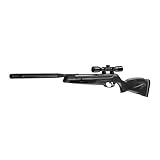
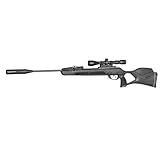
Gamo Varmint .177 Air Rifle
A long afternoon of missed targets can make even a simple backyard session feel like a chore, especially when the rifle is heavy, awkward, or inconsistent. The Gamo Varmint takes a more straightforward route with a lightweight break-barrel design, a synthetic stock, and a bundled 4 x 32 scope. It appears beside searches for the best shotgun for home defense and hunting, but that keyword creates a serious mismatch because this product is a .177-caliber air rifle, not a shotgun. Its practical lane is recreational target shooting and lawful small-pest or varmint use where local rules allow, not home defense or conventional shotgun hunting.
Gamo Varmint Air Rifle
The core setup is familiar and uncomplicated: one cocking stroke compresses the spring piston, one pellet enters the breech, and one shot follows. That single-shot break-barrel action keeps magazines, gas cartridges, and external power sources out of the equation. It also slows the pace naturally, which can encourage more deliberate aiming rather than rapid, careless shooting. The tradeoff is obvious, though, because every follow-up shot requires the barrel to be broken open and reset.
Gamo states that the spring piston can produce muzzle velocities up to 1,250 feet per second with .177-caliber PBA Platinum pellets. That figure depends heavily on pellet weight and type, so it shouldn’t be treated as a universal speed for every pellet placed in the chamber. Lighter alloy ammunition tends to produce higher advertised velocity, while heavier lead pellets commonly travel slower and may behave differently on target. Real-world accuracy matters more than chasing the biggest number printed on a box.
The rifle includes a fluted polymer-jacketed rifled steel barrel, giving the design a finished exterior without adding the feel of a bare steel tube. Rifling is the important part for target use because it spins the pellet and supports more stable flight. Still, break-barrel rifles can be sensitive to shooting technique, grip pressure, and the consistency of the cocking and loading routine. A loose hold one shot and a tight hold the next can open a group surprisingly fast.
The grooved cylinder rail accepts the included scope mount, though spring-piston air rifles place unusual forward-and-rearward stress on optics. Gamo describes the bundled 4 x 32 optic as a shockproof scope, which is relevant because ordinary firearm scopes aren’t always designed for the two-direction recoil impulse produced by a spring piston. Mount screws should be checked periodically, since gradual movement can look like an accuracy problem. A stable mount and a consistent cheek position will usually matter more than fiddling endlessly with adjustment turrets.
Handling And Stock Comfort
The synthetic stock is ambidextrous, so the basic shape doesn’t force a strictly right-handed shooting position. Its all-weather construction also avoids some of the swelling, scratching, and finish concerns associated with traditional wood stocks. That doesn’t mean the rifle should be left wet, dusty, or unattended after use. The metal components and breech area still deserve routine care, particularly after shooting outside in damp weather.
A rubber recoil pad sits at the rear, although the recoil sensation from a spring air rifle is different from the kick of a shotgun or centerfire rifle. The pad helps with shoulder contact and keeps the butt from sliding around on clothing. More importantly, the stock’s lightweight feel makes the rifle easier to carry between shooting positions. That lighter build may also make the rifle feel more lively and less settled from an unsupported stance.
The Gamo trigger includes an adjustable second stage, giving some control over how the trigger feels before the shot breaks. A predictable second stage can reduce the tendency to jerk the rifle at the last moment. Adjustments should remain within the manufacturer’s instructions, because making a trigger excessively light can create a serious safety issue. Clean trigger control comes from disciplined technique, not from chasing the shortest or lightest possible release.
Length and balance deserve attention before purchase because a rifle can be lightweight yet still feel long in tighter spaces. The full-length barrel provides leverage for cocking, but it also makes this model less compact than some smaller air rifles. Shooters with limited arm strength may find the repeated cocking motion tiring during a long session. That’s one of the quiet tradeoffs of a spring-piston platform: no tank or cartridge is needed, but the shooter supplies the energy for every shot.
Scope Use And Practical Accuracy
The included 4 x 32 scope offers fixed magnification, which keeps operation simple and removes the temptation to keep changing zoom settings. Four-power magnification is enough for many paper-target and small-varmint distances without making the field of view feel overly narrow. The 32 mm objective also keeps the optic relatively compact. It won’t replace a more refined optic with clearer glass and finer adjustments, but it provides a workable starting point.
Scope setup begins with proper mounting, but pellet selection deserves just as much attention. Two .177-caliber pellets with different weights, skirts, and head shapes can group very differently through the same barrel. The best approach is to test several appropriate pellets on paper from a stable position and look for repeatable grouping, not simply the fastest load. A slower pellet that lands consistently is far more useful than a high-velocity pellet that scatters unpredictably.
Spring-piston rifles often respond well to a relaxed support method rather than being clamped down tightly. Excessive pressure on the fore-end can change how the action moves during the shot cycle. Small variations in that pressure may shift impact, which explains why a rifle can group well from one rest and poorly from another. Consistent placement of the supporting hand becomes a key accuracy habit.
Optic alignment can also expose stock-fit issues. If the scope sits too high, the shooter may lift the cheek off the stock and lose a repeatable head position. If it sits too low, access to the breech during loading can feel cramped. The bundled setup should be checked for comfort before serious zeroing begins. Separately, optic-selection questions for other air-rifle setups are discussed in air rifle scope options, where mounting style and intended distance matter more than flashy extras.
Noise, Maintenance, And Everyday Use
This model includes no dedicated noise-dampening system, so the shot report and mechanical spring sound remain part of the experience. The sound may be modest compared with a firearm, but it can still disturb neighbors or violate local discharge rules. Backyard use should never be assumed legal simply because the projectile is a pellet. Local ordinances and safe backstops need to be settled before the rifle comes out of storage.
A proper backstop must capture pellets reliably without allowing ricochets or penetration into an unsafe area. Thin fencing, trees, cardboard boxes, and improvised household objects aren’t dependable barriers. Eye protection remains necessary because pellets can rebound from hard surfaces with little warning. The rifle should always be treated as loaded until the action is opened and physically checked.
Routine maintenance is relatively modest, but over-lubrication can cause trouble. Excess oil in a spring-piston compression chamber may ignite under pressure, creating harsh firing behavior and inconsistent velocity. The exterior steel should be wiped down after handling, while the pivot and breech seal should be inspected according to the manual. Manufacturer-approved maintenance is the safer route than experimenting with random oils or firearm cleaners.
The product information lists a one-year warranty and states that the rifle is made in Spain. A one-year term is useful, though it’s still wise to inspect the stock, barrel lockup, scope mount, and trigger operation soon after purchase. Any unusual looseness, cracked parts, or unreliable safety behavior should stop use immediately. Keeping the receipt and original packaging can make warranty communication less of a headache.
Where This Rifle Fits And Where It Does Not
The Gamo Varmint makes the most sense as a recreational air rifle for paper targets, informal plinking, and lawful varmint work within the capabilities of a .177 pellet. Its single-shot simplicity suits a careful pace and reduces the number of moving feeding parts. The included scope lowers the barrier to getting started, even if some owners may eventually prefer different glass. The platform rewards patience, consistent technique, and attention to pellet choice.
It does not belong in a serious discussion of the best shotgun for home defense and hunting as though the products were interchangeable. A .177 air rifle lacks the construction, projectile energy, loading system, and legal role of a shotgun. Presenting it as a home-defense substitute would create false confidence and could lead to dangerous decisions. Home security is better addressed through reinforced entry points, alarms, lighting, communication plans, lawful secure storage, and qualified professional guidance.
Traditional hunting applications also need careful limits. A .177 pellet may be suitable for certain small pests or small game only where lawful, with correct shot placement and an appropriate pellet. It is not intended for deer, turkey, waterfowl, or other game commonly associated with shotguns. Humane use and legal compliance should set the boundary, not an advertised velocity figure.
The rifle may disappoint anyone expecting quiet operation, rapid follow-up shots, or effortless accuracy straight from the box. Spring-piston technique takes practice, and the bundled optic may require repeated mounting checks during the early sessions. Cocking effort can become tiring, especially during extended target practice. For a deliberate shooting routine, though, the straightforward mechanism and weather-resistant stock keep the ownership experience refreshingly uncomplicated.
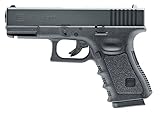
Glock 19 Gen3 .177 BB Air Pistol
Compact proportions and familiar styling can make this air pistol seem more capable than it really is, so expectations need to stay grounded from the start. The Glock 19 Gen3 .177 BB Gun is a CO2-powered recreational air pistol designed for controlled target shooting with steel BBs. It may appear beside searches for the best shotgun for home defense and hunting, but that keyword doesn’t match the product’s actual role. This model isn’t a shotgun, isn’t built for hunting, and shouldn’t be treated as a home-defense tool.
Glock 19 Gen3 BB Pistol
The 15-shot magazine is one of the pistol’s most practical strengths because it keeps target sessions moving without constant reloading. That capacity supports repeated work on grip, sight alignment, and trigger control at short distances. Steel BBs are inexpensive and easy to store, but they also bring a higher ricochet risk than softer projectiles. A properly rated BB trap and eye protection aren’t optional details.
A standard 12-gram CO2 cartridge powers the pistol, although the cartridge isn’t included. CO2 removes the need for manual pumping or break-barrel cocking between shots, which makes the shooting cycle feel smooth and uncomplicated. The catch is that each cartridge becomes an ongoing expense, and pressure gradually falls as it empties. Cold temperatures and rapid firing can also reduce consistency because both conditions cool the gas system.
The listed velocity reaches up to 410 FPS with .177-caliber steel BBs. That figure represents a maximum claim rather than a fixed speed for every shot, cartridge, and weather condition. A fresh cartridge may feel lively at first, while later shots can lose some snap as pressure drops. Measured pacing generally makes more sense than firing the entire magazine in a hurry.
Officially licensed Glock markings give the pistol a convincing appearance, and the compact proportions mirror the visual character of the firearm-inspired design. That realism adds collector appeal, yet it also creates a serious responsibility. Someone seeing it from a distance may assume it is a firearm, regardless of the BB mechanism inside. Locked storage and discreet transport matter because appearance can influence how others react.
Handling And Sight Design
The fixed Glock-style sights keep the top of the pistol uncluttered. A simple front post and rear notch make basic alignment easy to understand, especially during close-range paper practice. Fixed sights, however, don’t allow the same correction options found on adjustable target systems. Any consistent point-of-impact difference may need to be managed through distance, ammunition consistency, and careful technique.
The compact frame helps the pistol feel less bulky than many full-size airguns. Smaller dimensions can support better reach to the trigger, though hand size still changes how natural the grip feels. A cramped grip may pull shots sideways, while a loose grip can make the sight picture wander. Consistent hand placement matters more than trying to copy a fast, dramatic shooting stance.
The integrated Weaver rail sits beneath the barrel and accepts compatible accessories. A compact light or aiming device may fit, but additional hardware can change balance and make storage more awkward. Accessories also won’t fix uneven trigger pressure or poor muzzle control. Basic shooting mechanics remain the real foundation of useful practice.
From a practical angle, broader airgun categories are discussed in European air rifle options, although those shoulder-fired platforms differ sharply from this compact CO2 pistol. Air rifles generally offer a more stable shooting position and a different power profile. This Glock-style model favors short-range recreational sessions and portable handling instead. Treating the two categories as interchangeable would blur their genuine strengths and limitations.
Practical Strengths During Target Sessions
The semiautomatic-style firing rhythm is convenient for repeated target work. Once the magazine and CO2 system are prepared, the shooter can concentrate on several shots before pausing to reload. That makes the pistol useful for practicing a steady presentation and clean trigger press. Fifteen-shot capacity is especially handy during structured paper drills that don’t require high power.
No manual cocking is required between shots, and that saves effort during longer sessions. Spring-piston airguns can become tiring because every shot demands another cocking stroke. The Glock 19 Gen3 avoids that routine, though it replaces physical effort with reliance on disposable cartridges. Convenience comes with recurring cost, plain and simple.
The compact body also travels easily in an appropriate locked case. It takes up less room than a long gun and doesn’t require a bulky support setup for casual range use. That portability should never be mistaken for permission to carry it loosely or display it in public. The realistic profile makes responsible concealment during transport especially important.
Licensed markings and familiar styling give the pistol personality without changing its mechanical purpose. Collectors may appreciate the visual detail, while casual shooters may enjoy the recognizable outline. Still, the logo doesn’t turn the pistol into a firearm trainer for every scenario. Its strongest value remains controlled recreation with realistic expectations.
Weaknesses And Tradeoffs
The largest weakness is the mismatch between this product and the best shotgun for home defense and hunting topic. A .177 steel-BB pistol lacks the energy, design, and legal role of a shotgun. Depending on it for home defense could create false confidence and worsen an already dangerous situation. Its sensible use ends at supervised recreation and lawful target practice.
Steel BBs can rebound sharply from rocks, masonry, metal surfaces, and poorly designed targets. That behavior makes improvised backyard setups a bad idea, even when the distance seems harmless. Thin cardboard or wooden fencing won’t necessarily stop a BB safely. A rated trap and clear backstop should define the shooting area.
CO2 consistency changes as the cartridge cools and empties. Fast strings of shots may produce a noticeable drop in pressure, especially in cool weather. Anyone expecting uniform performance from first shot to last may be disappointed. The system favors moderate pacing and warm conditions rather than nonstop rapid fire.
The fixed sights and short sight radius also limit precision. Small aiming errors become obvious on paper, and the shooter can’t simply adjust the rear sight to correct every offset. That can be useful for learning discipline, but it may frustrate anyone expecting tight groups immediately. Shorter distances and larger targets provide a more realistic starting point.
Safety, Maintenance, And Realistic Use
Safe operation starts with a controlled location, a secure firing lane, and a backstop designed for steel BBs. Hard surfaces, water, trees, and scrap metal can send projectiles in unpredictable directions. Eye protection should remain on throughout the session, including during target changes. Muzzle discipline and target awareness apply to airguns every bit as seriously as they do to firearms.
Storage deserves extra attention because the official Glock shape can be mistaken for a firearm. A locked container prevents unauthorized handling and reduces the chance of panic or confusion. BBs and CO2 cartridges should also remain inaccessible to children and unapproved handlers. Realistic appearance increases responsibility, not capability.
Routine care should follow the supplied instructions for cartridge installation, seals, and approved lubrication. Random household oils or firearm solvents may damage airgun seals and cause leaks. The magazine, rail, sights, and grip should also be inspected for looseness or visible damage. Simple preventative maintenance keeps the pistol usable without turning ownership into a repair project.
This model fits casual paper shooting, collection interest, and supervised practice with a compact air pistol. It won’t fit hunting needs, home-defense planning, cold-weather consistency, or precision competition expectations. The 15-shot magazine, licensed styling, and simple CO2 operation make sense within a narrow recreational role. Staying inside that role keeps the experience safer, clearer, and far less likely to disappoint.
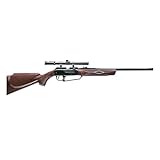
Daisy 880 .177 Multi-Pump Rifle With Scope
A lightweight rifle can look straightforward until the first shooting session exposes awkward pumping, loose groups, or a sight picture that never quite settles. The Daisy 880 takes a practical middle road with a multi-pump pneumatic system, dual BB-and-pellet capability, and familiar rifle-style controls. It may surface near searches for the best shotgun for home defense and hunting, though that phrase doesn’t accurately describe this product. This is a .177-caliber recreational air rifle intended for controlled target shooting and lawful small-pest applications, not a shotgun or a home-defense substitute.
Daisy 880 Multi-Pump Air Rifle
The Daisy 880 supports both .177-caliber BBs and pellets, which gives the rifle more flexibility than a single-ammunition airgun. Its internal reservoir holds up to 50 BBs, while pellets are loaded one at a time. That split arrangement suits casual plinking with BBs and slower, more deliberate target work with pellets. Still, switching ammunition types requires attention because each behaves differently through the rifled barrel.
The multi-pump pneumatic action lets the shooter control the power level within the limits stated by the manufacturer. More pumps generally increase velocity, while fewer pumps can make short-range paper practice quieter and less demanding. The system reaches a listed maximum of 800 feet per second, though actual speed varies with ammunition type, projectile weight, pump count, temperature, and rifle condition. That headline number shouldn’t be treated as the result of every shot.
Pumping adds a physical routine before each trigger press. Some shooters appreciate that slower pace because it discourages rushed strings and makes each shot feel deliberate. Others may find repeated pumping tiring during longer sessions, especially when using higher power settings. Manual effort is the main tradeoff for avoiding CO2 cartridges and spring-piston recoil.
The rifle’s 37.6-inch overall length gives it traditional long-gun proportions without making it exceptionally bulky. That size offers a more stable shoulder position than a compact BB pistol and provides enough space for a Monte Carlo-style stock. Smaller-framed shooters may still need time to establish a comfortable cheek position. Proper fit and safe handling matter more than the rifle’s modest weight or approachable appearance.
Dual Ammunition And Barrel Design
The ability to fire BBs or pellets is useful, but the two formats shouldn’t be treated as interchangeable. Steel BBs are convenient for informal shooting and feed from the built-in reservoir, while pellets are commonly chosen for tighter target groups. The rifle uses a steel rifled barrel, which is intended to stabilize pellets through rotational spin. Hard steel BBs don’t engage rifling in the same way, so pellet accuracy may be more consistent at a given distance.
A single-shot pellet setup slows the session down, and that isn’t necessarily a bad thing. Each pellet must be handled, seated, and followed by another pumping cycle before the next shot. That rhythm encourages attention to breathing, sight alignment, and trigger pressure. Deliberate loading also reduces the temptation to fire rapidly without checking the target area.
The 50-shot BB reservoir cuts down on ammunition handling between shots, though the rifle still requires pumping and cocking. A reservoir isn’t the same thing as a detachable 50-round magazine, and that distinction matters for expectations. BBs remain stored internally and feed into the firing mechanism according to the rifle’s operating sequence. The convenience lies in reduced reloading, not semiautomatic fire.
Steel BBs can ricochet from hard surfaces more readily than soft lead pellets. Masonry, rocks, metal fencing, water, and improvised targets can send a projectile in an unpredictable direction. A properly rated backstop and eye protection should be part of every shooting session. Thin cardboard or a backyard fence isn’t a reliable substitute for equipment designed to stop airgun ammunition.
Stock Shape And Everyday Handling
The molded stock and forearm use a woodgrain appearance, giving the rifle a traditional look without the upkeep associated with unfinished wood. Moisture won’t swell molded material in the same way it can affect a neglected wooden stock. Scratches and scuffs are also less likely to become a refinishing project. The tradeoff is that molded construction may feel less substantial than genuine hardwood.
A Monte Carlo-style stock raises the comb to support a scoped shooting position. That shape can help keep the eye closer to the optic’s centerline, reducing the need to lift the head awkwardly. Facial structure and shoulder placement still influence whether the fit feels natural. A repeatable cheek weld remains a major accuracy factor, especially with a basic bundled scope.
The full-length forearm gives the support hand room to settle into a comfortable position. Pumping requires movement through that area, so keeping fingers clear of pinch points matters throughout the loading cycle. A rushed pump stroke can be awkward and may disrupt the shooting position before the rifle returns to the shoulder. Slow, controlled movement keeps the process more predictable.
Balance shifts during handling because the rifle combines a long barrel, molded stock, and top-mounted optic. The design isn’t especially compact for indoor storage, so an appropriate locked cabinet or rifle case needs enough room for its 37.6-inch length. Secure storage should also keep BBs and pellets inaccessible to unauthorized handlers. An air rifle may look less intimidating than a firearm, but careless access can still cause severe injury.
Scope And Open Sight Options
The included scope gives the Daisy 880 a ready-made aiming setup for paper targets and other lawful airgun uses. Bundled optics are convenient because they remove the immediate need to source separate rings and glass. Even so, mounting screws can loosen over time, and an unstable optic can mimic poor ammunition performance. Mount security should be checked before repeated adjustments are made.
Blade-and-ramp front sights pair with an adjustable rear sight, giving the rifle a usable backup if the scope isn’t preferred. Open sights can also make early practice less fussy because they avoid concerns about eye relief and scope alignment. The adjustable rear sight helps correct windage or elevation within its available range. That flexibility is useful for short-range paper work with a chosen ammunition type.
Scope height and stock position work together. A scope mounted too high can force the cheek off the comb, while one set too low may make the sight picture uncomfortable. The goal is a natural alignment that appears without stretching the neck or rolling the head sideways. Consistent eye position often tightens groups more than chasing tiny adjustments between every shot.
From a practical angle, an unrelated accessory category appears in laser and light combinations, though those handgun-oriented products don’t directly match this multi-pump rifle. The Daisy 880 already includes conventional sights and a scope, so its setup revolves around steady aiming rather than defensive-style accessories. Forcing a handgun accessory concept onto a recreational air rifle would add clutter without addressing its main limitations. The connection is best understood as a separate equipment reference, not a direct recommendation.
Practical Strengths In Routine Use
The Daisy 880’s broadest strength is its ability to handle two ammunition formats. BBs keep informal sessions simple, while pellets support more measured accuracy work. That flexibility lets one rifle serve different backyard-range routines where local laws permit shooting. Dual-ammunition capability also makes it easier to experiment with shooting style without buying a second airgun immediately.
The pneumatic system avoids disposable CO2 cartridges. A session won’t end because the last gas cartridge was forgotten at home, and cold weather won’t affect stored gas pressure in the same way. The shooter supplies the operating energy through each pump cycle. That independence is convenient, though it comes at the cost of physical repetition.
Adjustable rear sights and an included scope provide two aiming approaches from the start. A beginner can begin with open sights, then move to the optic after learning a stable stance and sight picture. More experienced hands may appreciate keeping the open sights available as a simple fallback. Built-in aiming flexibility adds value without requiring immediate modifications.
The molded stock is practical for ordinary outdoor handling because it doesn’t demand delicate treatment. Light rain or damp grass still calls for drying and inspection, especially around the steel barrel and action. Yet the stock itself won’t require the same finish care as traditional wood. That makes the rifle easier to live with during casual target sessions and routine storage.
Limitations And Realistic Expectations
The biggest limitation is the mismatch between the Daisy 880 and the best shotgun for home defense and hunting keyword. A .177-caliber pneumatic air rifle doesn’t provide the construction, energy, ammunition system, or legal role of a shotgun. Treating it as a home-defense tool could create dangerous false confidence. Its realistic purpose is controlled recreation and lawful small-pest use within local regulations.
Repeated pumping can wear down the rhythm of a long session. Higher-power shooting asks for more effort before every shot, which may become uncomfortable for smaller or less experienced hands. That routine also slows follow-up shots significantly. Physical pumping effort should be weighed against the convenience of cartridge-free operation.
BB accuracy and pellet accuracy may not match. The rifled steel barrel favors pellet stabilization, while steel BBs can produce looser grouping and present more ricochet concerns. Anyone expecting identical results from both ammunition types may be disappointed. Testing one safe, appropriate load at a time gives a clearer picture of what the rifle actually prefers.
The included optic may satisfy casual use, but it shouldn’t be assumed to perform like a costly target scope. Basic glass can have a narrower eye box, simpler adjustments, or limited clarity under poor lighting. The open sights reduce dependence on the optic if mounting or alignment becomes troublesome. Realistic scope expectations keep the package from being judged by standards it was never meant to meet.
Safety, Maintenance, And Storage
A safe shooting lane needs more than open space. The target area should include a rated trap, a clear zone behind it, and no hard surfaces that could redirect BBs or pellets. Eye protection remains necessary during shooting and target changes. Positive target identification and strict muzzle control apply every time the rifle is handled.
The pumping arm, loading area, and action deserve careful attention during operation. Fingers should stay clear of moving parts, and the rifle shouldn’t be pumped beyond the manufacturer’s stated limit. Excessive pumping may damage components rather than create useful performance. Following the supplied manual protects both the equipment and the person operating it.
Maintenance should focus on the procedures and lubricants approved for pneumatic air rifles. Random firearm solvents or household oils may damage seals, attract debris, or create unreliable operation. The barrel exterior, sights, scope mounts, stock screws, and pumping linkage should be inspected periodically. Simple preventive care is usually more helpful than frequent disassembly.
The Daisy 880 fits paper targets, informal plinking, and carefully limited pest-control tasks where lawful and humane. It won’t fit shotgun hunting, defensive planning, rapid-fire expectations, or anyone unwilling to pump before each shot. The 50-BB reservoir, single-shot pellet option, adjustable sights, and included scope give it a broad recreational role. Keeping that role clearly defined makes the rifle easier to use responsibly and much less likely to disappoint.
Barra Sportsman 900 Multi-Pump Air Rifle
A long shooting session gets old fast when loading feels fiddly, the sights won’t settle, or each shot demands a wrestling match with the action. The Barra Sportsman 900 tries to smooth out those rough edges with a large loading chamber, a magnetic loading pin, and a multi-pump system that lets the shooter vary the power level. It may appear beside the best shotgun for home defense and hunting keyword, but that connection needs a firm reality check. This .177-caliber air rifle is built for controlled target practice and limited lawful small-game use, not home defense and not the hunting roles normally handled by a shotgun.
Barra Sportsman 900 Air Rifle
The Sportsman 900 uses a dual-ammunition design, accepting single .177-caliber pellets or BBs from its built-in 50-BB reservoir. That flexibility makes the rifle less one-dimensional than models tied to a single projectile type. BBs suit casual paper sessions where quick loading matters, while pellets are generally the more sensible choice for deliberate accuracy work through the rifled barrel. The two formats won’t necessarily group the same way, so changing ammunition can shift the point of impact.
A multi-pump pneumatic action gives the shooter control over how much air is compressed before each shot. The pump arm can be cycled from one to ten times, with the supplied description listing a maximum velocity of 800 feet per second. Fewer pumps may suit close paper targets, while additional pumps increase effort and reported output. The real tradeoff is simple: adjustable power is useful, but every extra pump adds time and physical work.
The 20-inch rifled barrel is a meaningful feature for pellet shooting because rifling spins the projectile and supports more stable flight. It doesn’t guarantee tiny groups by itself, though, since pellet shape, weight, pumping consistency, and shooting technique all play a part. A loose grip on one shot and a hard pull on the next can scatter an otherwise decent group. Repeatable handling matters more than chasing the highest possible velocity.
Modern sporting-rifle styling gives the Barra 900 a sharper, less traditional appearance than many basic pump airguns. The pistol-grip shape and dropped stock are intended to improve the line of sight while the rifle is shouldered. That arrangement can make scope use feel more natural, especially for someone who dislikes lifting the cheek away from the stock. Still, the fit depends on arm length, face shape, and how the optic is mounted.
Loading System And Shooting Rhythm
The large chamber opening is one of the more practical parts of this design. Small .177 pellets can be awkward to handle, especially with cold fingers or limited light, so extra room around the breech reduces some of that frustration. A magnetic loading pin helps hold ammunition during the loading process rather than letting it roll or fall out immediately. That convenience won’t eliminate every fumble, but it addresses a common annoyance in single-shot pellet rifles.
The built-in 50-BB reservoir reduces how often loose BBs need to be poured into the rifle. It’s worth noting that a reservoir isn’t the same as a detachable 50-shot magazine. The action still needs to be pumped and prepared between shots, so the rifle doesn’t behave like a semiautomatic platform. Reduced reloading interruptions are the benefit, not rapid-fire capability.
Pellets are handled one at a time, which naturally creates a slower shooting rhythm. That pause can be useful because it gives the shooter time to reset posture, check the target area, and rebuild a steady sight picture. Anyone expecting fast follow-up shots may find the process tedious. For measured target work, though, the pace encourages more deliberate habits.
Pumping from one to ten strokes also creates a built-in decision before every shot. Higher settings demand more effort and can become tiring over a full afternoon, especially for smaller-framed shooters. Lower settings shorten the preparation cycle but won’t deliver the listed maximum velocity. Variable pumping effort is both a strength and a weakness, depending on how the rifle will be used.
Scope And Fiber Optic Sights
The included 4x15 scope gives the package a basic magnified aiming option from the start. Fixed four-power magnification keeps the setup uncomplicated and avoids constant zoom adjustments. The 15 mm objective is compact, though it won’t gather light like a larger hunting-style optic. Simple magnification suits paper targets at modest distances better than demanding low-light work.
Adjustable fiber optic sights offer a second aiming system when the scope feels unnecessary or awkward. Bright sight inserts can be easier to pick up against mixed outdoor backgrounds than plain black posts. Rear-sight adjustment also allows some correction for windage and elevation without relying on the optic. That flexibility is handy during short-range practice, where magnification can sometimes feel like more fuss than help.
Scope mounts deserve periodic attention because repeated handling and pumping can loosen hardware. A shifting mount may cause wandering groups that look like an ammunition problem. Before changing pellets or cranking the turrets, the rings and mounting points should be inspected for movement. A stable optic base is the starting point for any useful zero.
From a practical angle, larger-caliber hunting discussions sit in a separate category represented by air rifles for hogs, since this .177 multi-pump rifle isn’t designed for that level of game. The Sportsman 900’s stated role is closer to recreational target shooting and limited small-game use where lawful. Linking the two categories too closely would create false expectations about energy and humane capability. Caliber, projectile design, and local hunting regulations define that boundary.
Stock Construction And Everyday Handling
The stock uses thick-wall ABS plastic with a lightly textured finish. That material avoids swelling, finish damage, and moisture sensitivity associated with poorly maintained wood. It also helps keep the rifle more manageable during long walks around a property or repeated trips between a bench and target stand. Weather-resistant stock construction is practical, though it may not have the solid feel some shooters expect from hardwood.
The pistol-grip handle creates a more vertical hand position than a traditional straight wrist. Some shooters will appreciate that geometry because it can reduce wrist strain while aiming through a scope. Others may prefer the feel of a conventional sporting stock, especially during offhand shooting. Grip comfort is personal, and modern styling doesn’t guarantee a better fit.
The dropped stock is meant to line the eye up with the scope more naturally. That can reduce the tendency to stretch the neck or float the cheek above the comb. A repeatable cheek weld still depends on scope height and shoulder placement, so poor mounting can cancel the benefit. Consistent head position remains one of the quiet keys to better grouping.
ABS construction also makes routine cleanup fairly simple. Dirt and light moisture can be wiped from the stock without worrying about refinishing or oiling the exterior. The barrel, action, screws, and pumping linkage still need inspection after outdoor use. Plastic furniture reduces one maintenance concern, but it doesn’t make the entire rifle maintenance-free.
Strengths That Stand Out
The strongest feature is the combination of BB and pellet compatibility. A single rifle can support casual plinking with reservoir-fed BBs and slower accuracy work with individually loaded pellets. That versatility reduces the need to buy separate airguns for two basic types of recreation. Dual-ammo flexibility gives the Sportsman 900 a broad practical lane.
The adjustable pump range adds control that fixed-power systems can’t offer. A short indoor-rated practice setup, where legal and safely contained, may not require maximum output. Outdoor paper targets at greater distances may benefit from more pumps, provided the rifle remains within the manufacturer’s instructions. User-controlled power lets the setup adapt without relying on CO2 cartridges.
The loading chamber and magnetic pin address a small but persistent frustration. Tiny pellets have a habit of turning sideways, falling out, or disappearing into grass before they ever reach the breech. More room and magnetic assistance make the process less finicky. That isn’t flashy, but it improves the part of shooting that happens every single time.
The included scope and adjustable fiber optic sights give two usable aiming choices. The shooter isn’t forced to buy an optic immediately, nor is the rifle useless if the bundled scope doesn’t suit the session. Open sights can handle short-range practice, while the 4x optic supports a closer look at small paper targets. Two sighting methods add real convenience without overcomplicating the platform.
Weaknesses And Practical Tradeoffs
The biggest drawback is repeated pumping. Ten strokes before a shot can wear out the fun during an extended session, and the effort may be uncomfortable for some shooters. That physical routine also slows follow-up shots, making the rifle a poor fit for anyone expecting fast cycling. Manual pumping fatigue is the price paid for adjustable pneumatic power.
BBs and pellets won’t deliver identical accuracy. The rifled barrel is better matched to pellets, while hard steel BBs may produce wider groups and carry a greater ricochet concern. Anyone switching back and forth should expect the zero and grouping behavior to change. Ammunition inconsistency isn’t necessarily a defect, but it requires realistic expectations.
The 4x15 scope is a basic bundled optic, not a large-objective precision scope. Its compact lens may feel dimmer in poor light, and the eye position may be less forgiving than more expensive glass. Mounting quality also affects whether the scope holds a stable point of aim. The included optic is useful for getting started, but it shouldn’t be judged against specialized target equipment.
The phrase best shotgun for home defense and hunting remains a poor fit for this rifle. A .177 pneumatic airgun doesn’t match the construction, power, ammunition, or legal role of a shotgun. Treating it as a defensive substitute could create dangerous false confidence, while using it on game beyond its humane capability would be irresponsible. Its sensible limits are target shooting and narrowly defined small-game applications permitted by local law.
Safety, Maintenance, And Realistic Use
Steel BBs require a backstop built to contain hard projectiles without sending them back toward the firing line. Rocks, metal sheets, trees, masonry, and water can create unpredictable rebounds. Eye protection should remain in place during shooting and while handling targets. Ricochet control matters even at distances that seem harmless.
The pump arm introduces moving parts and pinch points. Fingers need to stay clear as the lever closes, and the rifle should never be pumped beyond the stated ten-stroke limit. Extra pumping doesn’t turn the rifle into a different class of airgun and may damage the system. Controlled operation protects both the mechanism and the shooter.
Maintenance should follow the manufacturer’s instructions for pneumatic seals, pivots, and approved lubricants. Random firearm solvents or household oils can damage seals and lead to leaks. Mounting screws, stock fasteners, sights, and the pumping linkage also deserve routine checks. Preventive inspection is more useful than unnecessary disassembly.
The Sportsman 900 fits deliberate paper practice, informal plinking, and carefully limited small-game use where legal. It won’t satisfy anyone seeking rapid fire, effortless high-power shooting, serious big-game capability, or a defensive firearm. The large loading chamber, 50-BB reservoir, adjustable pumping range, and dual sighting setup give it a practical recreational identity. Keeping the rifle inside that identity makes its strengths easier to appreciate and its weaknesses much easier to manage.
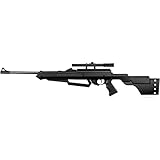
DPMS Full Auto SBR CO2 BB Air Gun
Fast firing sounds exciting until gas pressure drops, magazines empty in seconds, and accuracy starts wandering all over the paper. The DPMS Full Auto SBR leans hard into realism with a full-size synthetic build, dual-action operation, and a 25-round magazine, but its purpose still needs to be kept in the right lane. It may appear beside the best shotgun for home defense and hunting keyword, yet this CO2-powered .177 BB rifle isn’t a shotgun and shouldn’t be treated as a defensive or hunting replacement. Its strongest fit is controlled recreational shooting where realistic handling and rapid target engagement matter more than high power.
DPMS Full Auto SBR BB Air Gun
The standout feature is the selectable dual-action firing system, which supports both semiautomatic and full-auto operation. Crosman lists a firing rate of up to 1,400 rounds per minute, a number that sounds dramatic but also explains why the 25-round magazine can empty almost immediately. Full-auto mode is entertaining on a suitable range, though it burns through BBs and CO2 quickly. Semiautomatic use gives the shooter more time to work on sight alignment and trigger control.
Two 12-gram CO2 cartridges power the rifle, and they aren’t included with the package. Using a pair of cartridges helps support the rapid cycling system and a listed velocity of up to 430 feet per second. Actual output can shift as the cartridges cool, empty, or operate in colder weather. Rapid firing makes that pressure drop more noticeable because expanding CO2 chills the system fast.
The full-size synthetic construction gives the rifle a more substantial feel than a compact BB pistol. Its dimensions and controls imitate a modern sporting-rifle layout, which can make shoulder positioning and basic handling feel familiar. That realism also raises the stakes for transport and storage because bystanders may not recognize it as an airgun. Locked storage and discreet transport aren’t just sensible, they’re essential with a replica-style design.
A 25-round drop-out magazine holds standard 4.5 mm steel BBs, though the ammunition isn’t supplied. The detachable format makes reloading more structured than pouring BBs into an internal reservoir. It also gives the rifle a more realistic operating rhythm, which adds to its recreational appeal. The downside is that spare magazines, BBs, and cartridges can increase the running cost of frequent sessions.
Adjustable Stock And Handling
The six-position stock is one of the more useful design choices because it lets the rifle adapt to different arm lengths and shooting positions. A shorter setting can make the platform easier to shoulder in a compact stance, while a longer position may feel steadier for deliberate paper shooting. Adjustable length of pull improves comfort more than a fixed stock that happens to fit only one body type. Each position should lock securely before the rifle is loaded.
The stock adjustment also helps manage the rifle’s full-size proportions. A replica-style SBR can feel bulky if the stock sits too far back, especially during longer sessions. Bringing it closer can reduce shoulder strain and make the sight picture easier to repeat. Still, collapsing the stock doesn’t turn the rifle into a lightweight pistol, so its overall handling remains closer to a shoulder-fired platform.
Synthetic construction keeps the exterior from demanding the same care as hardwood. Scratches, light moisture, and routine range handling are less likely to become a refinishing problem. The internal CO2 system, magazine, sights, and moving controls still need regular inspection. Low-maintenance furniture doesn’t mean the whole airgun can be neglected.
The realistic balance can help reinforce a stable stance, but it may also encourage careless assumptions about capability. A full-size body and adjustable stock don’t increase projectile energy beyond the limits of a .177 steel BB. The design feels serious in the hands, yet its practical role remains recreational. Keeping that distinction clear prevents appearance from overruling common sense.
Magazine Capacity And Firing Rhythm
The 25-round magazine provides enough capacity for short drills without constant reloading. In semiautomatic mode, that can support a steady pace with pauses to check grouping and gas consistency. Full-auto operation changes the rhythm completely because the magazine may disappear in a brief burst. Magazine capacity feels generous until the selector is moved to the fastest setting.
Rapid fire has a direct effect on CO2 performance. Each shot releases gas, and repeated shots cool the cartridges and surrounding components. As pressure falls, velocity and cycling behavior may become less consistent. A slower pace usually gives the system more time to recover between strings.
The drop-out design makes magazine changes quick, but the shooter still needs to handle BBs carefully. Steel BBs can spill easily, and loose ammunition on a hard floor becomes a slipping hazard. Loading should happen away from the firing line with the airgun pointed in a safe direction. Controlled magazine handling matters just as much as trigger discipline.
Full-auto capability is the fun factor, no question, but it’s also the biggest source of waste and inconsistency. BB consumption rises sharply, gas drains faster, and tight grouping becomes harder during long bursts. Short controlled strings are more useful for observing how the rifle behaves. The feature is best understood as recreational novelty rather than a shortcut to better accuracy.
Sights And Target Acquisition
The rifle includes a removable pop-up front sight and an adjustable rear sight. That setup supports a familiar sight picture without requiring an optic immediately. Rear adjustment helps correct point of impact for a chosen distance and ammunition type. Open-sight flexibility keeps the rifle usable even if no accessory is mounted.
Removable sights also allow the top rail to be configured differently, provided any added accessory is appropriate for airgun use. Extra equipment can add weight and clutter, so there’s little reason to mount something that doesn’t solve a clear problem. A basic red-dot-style sight may suit close paper targets, but the supplied sights already cover that role. Simple setups are often easier to keep zeroed.
The short sighting system suits reactive targets and larger paper zones at modest distances. Tiny distant targets expose the limitations of steel BBs, fixed projectile shape, and CO2 consistency. Full-auto fire widens that gap because recoil movement and gas cooling stack up quickly. Realistic accuracy expectations keep the rifle enjoyable instead of frustrating.
From a practical angle, a separate airgun category appears in .25 caliber break-barrel rifles, which differ sharply in projectile size, action type, firing rhythm, and intended use. The DPMS favors rapid recreational shooting with steel BBs, while a .25-caliber break barrel generally emphasizes single-shot power. Treating the two as direct substitutes would blur their actual strengths. One prioritizes volume of fire, the other deliberate shot placement.
Pros That Make It Fun To Use
The strongest advantage is the combination of semiautomatic and full-auto firing modes. That dual-action layout gives one platform two distinct personalities, from paced paper practice to quick recreational bursts. Selectable firing behavior keeps sessions from feeling repetitive. It also lets the shooter conserve gas and ammunition when full-auto speed isn’t needed.
The six-position stock adds genuine comfort rather than cosmetic flair. Different shoulder lengths, clothing thicknesses, and shooting stances can all change what feels natural. Being able to shorten or extend the stock makes the rifle easier to fit. That adjustability is especially useful during shared use under proper supervision.
The 25-round detachable magazine supports cleaner reloads and a familiar operating sequence. It’s less fiddly than loading one BB at a time into a small breech. Spare magazines can keep a session moving, though they also add expense and require organized storage. Detachable magazine convenience is a practical benefit as long as the shooter doesn’t rush the loading process.
Full-size proportions and licensed-style details give the rifle strong visual appeal. The platform feels more substantial than many lightweight plastic BB guns, and the shoulder-fired layout supports a stable stance. That realism makes it engaging for recreational handling drills on a safe range. It also means the rifle must never be displayed casually in public.
Cons And Real-World Tradeoffs
CO2 consumption is the clearest drawback. Two cartridges power the system, and full-auto fire can drain them much faster than a slow semiautomatic session. The cartridges are not included, so the rifle can’t operate straight from the box without extra supplies. Ongoing gas cost should be expected from the beginning.
Steel BBs bring a serious ricochet concern. Hard targets, rocks, masonry, scrap metal, and water can redirect a BB without warning. A properly rated trap and protective eyewear belong in every setup. Backyard improvisation is a poor match for a rapid-fire airgun.
Accuracy can decline as the cartridges cool and pressure drops. Fast strings may feel lively at first, then less consistent as the session continues. Anyone expecting the same point of impact from the first shot to the last may be disappointed. Gas-pressure variation is part of the CO2 experience, not necessarily a defect.
The rifle also has no credible place in a best shotgun for home defense and hunting comparison. A .177 BB airgun lacks the energy, ammunition, construction, and legal purpose of a shotgun. Depending on it for protection could create dangerous false confidence, while using it for game beyond its capability would be unethical. Its role should remain recreational target shooting on a lawful, controlled range.
Safety, Storage, And Practical Limits
The replica-style appearance makes secure storage especially important. A locked case or cabinet prevents unauthorized handling and reduces the chance of the rifle being mistaken for a firearm. BBs and CO2 cartridges should remain stored separately or according to local rules. Realistic design increases responsibility, even though the power source is compressed gas.
A safe range needs a rated BB trap, a clear backstop, eye protection, and firm muzzle-control rules. Full-auto fire increases the number of projectiles sent downrange in a very short period. That leaves less room for careless target placement or weak containment. Every burst should remain directed at a known, safe target zone.
Maintenance should follow the supplied manual, especially around seals and cartridge installation. Random oils can damage CO2 components or cause leaks, so approved airgun lubricant is the sensible route. The magazine, stock lock, pop-up sight, and rear sight should be checked for looseness. Preventive inspection helps catch small problems before they interrupt a session.
The DPMS SBR fits structured recreational shooting, replica collection interest, and short-range paper or reactive-target sessions where local law permits. It won’t fit hunting, home-defense planning, low-cost high-volume use, or anyone who dislikes buying CO2 cartridges. The adjustable stock, 25-round magazine, removable sights, and dual firing modes give it a lively personality. Its enjoyment depends on accepting the gas expense, accuracy limits, and strict safety demands that come with rapid-fire steel BBs.