Bestairriflescopes.com is reader-supported. When you buy through links on our site, we may earn an affiliate commission. Learn more

Best Shotgun for Women Duck Hunting: A Safer Fit Guide

Best shotgun for women duck hunting searches often start with brand names, gauges, and price tags, but those details can distract from the issue that matters most: physical fit. A shotgun that feels awkward at the shoulder may encourage poor posture, inconsistent mounting, and unnecessary fatigue during a long morning in cold, wet conditions. Stock length, comb height, grip reach, balance, and overall weight all influence how naturally the firearm points. A properly fitted setup should come to the shoulder without forcing the neck forward or twisting the upper body into an uncomfortable position.

Recoil management deserves just as much attention as fit. A lighter shotgun may feel easier to carry through marsh grass, yet low weight can make felt recoil sharper, especially during repeated practice. A heavier model may absorb more recoil but become tiring when carried for hours alongside decoys, waders, and other gear. That tradeoff is easy to overlook in a store, so supervised practice with a qualified instructor is more useful than judging comfort from a few seconds at a counter.

Gauge alone doesn’t determine comfort. Ammunition type, load weight, firearm weight, stock geometry, recoil pads, mounting technique, and shooting stance all affect the experience. A smaller gauge can still feel unpleasant with a poor fit or a heavy load, while a well-fitted setup with moderate ammunition may feel much more controlled. The practical goal isn’t chasing the smallest or lightest option. The goal is consistent handling without flinching, bruising, or losing control during loading and unloading.

Duck hunting adds another layer of difficulty because heavy clothing changes the way a stock fits. Thick jackets can shorten the usable reach, alter cheek placement, and make controls harder to operate with gloves. Cold fingers, mud, rain, and low light also raise the chance of handling mistakes. A safe evaluation should include the clothing and protective equipment likely to be worn in the field, rather than relying on a warm indoor fitting.

Professional instruction can reveal problems that aren’t obvious at first. A qualified coach can check stance, shoulder placement, muzzle discipline, trigger reach, and the ability to operate the safety without shifting the firing hand. They can also help identify whether discomfort comes from the firearm, the ammunition, or technique. That matters because buying around a technique problem rarely fixes it.

Practical expectations matter too. No shotgun becomes comfortable simply because it’s marketed as compact, lightweight, or designed for a particular body type. Some shortened stocks feel cramped, some light models kick harder than expected, and some controls remain difficult to reach while wearing gloves. The safest path is a supervised fitting, gradual practice, proper hearing and eye protection, and strict compliance with storage, transport, licensing, and hunting laws.


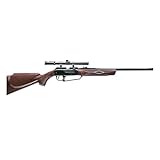
Gamo Varmint .177 Air Rifle

A lightweight break-barrel can look appealing on paper, especially when the spec sheet highlights velocity and an included scope. Still, the Gamo Varmint .177 Air Rifle doesn’t match the practical demands behind the best shotgun for women duck hunting keyword. It’s a single-shot pellet rifle built around a spring-piston action, not a shotgun designed for lawful waterfowl hunting. That distinction matters more than any headline number.

Gamo Varmint Overview

The Gamo Varmint uses a .177 caliber pellet and a single-cocking break-barrel mechanism. Breaking the barrel compresses the spring piston and prepares the rifle for one shot, so every follow-up requires another full cocking cycle. That setup suits deliberate target sessions far better than fast-moving birds over water. It also demands consistent technique because spring-piston rifles can react noticeably to grip pressure and shooting position.

Gamo lists a muzzle velocity of up to 1,250 fps with PBA Platinum pellets. That figure describes performance under a specific pellet choice and shouldn’t be treated as a universal speed for every load. Pellet weight, fit, temperature, and the condition of the rifle can change actual results. Velocity alone also doesn’t guarantee accuracy, humane field performance, or suitability for a particular animal.

The rifle includes a 4x32 shockproof scope, which gives the package a ready-to-mount aiming system for controlled-distance shooting. Fixed four-power magnification is simple and avoids the extra adjustment of a variable optic. Still, a bundled scope may require careful mounting, retightening, and zero confirmation after the first sessions. Spring-piston recoil moves differently from firearm recoil, so mount security matters.

The fluted polymer-jacketed rifled steel barrel keeps the exterior handling relatively light while preserving a rifled steel bore. A grooved cylinder rail provides the mounting surface for the optic. The arrangement is straightforward, though the rail and rings must be aligned correctly to prevent the scope from shifting. Small setup errors can show up as wandering groups that are mistakenly blamed on the pellets or barrel.

Stock Fit And Handling

The synthetic stock has an ambidextrous shape, so the basic layout isn’t limited to right-handed handling. That flexibility is useful in a household where more than one trained adult may use the rifle for supervised target practice. The all-weather material also avoids the swelling and finish concerns associated with untreated wood. Even so, ambidextrous doesn’t automatically mean properly fitted.

Length of pull, comb height, grip angle, and reach to the trigger still affect comfort. A stock that feels manageable in a store may become tiring after repeated cocking because the shooter must control the rifle while applying leverage to the barrel. The lightweight design helps during carry, but low weight can also make the spring-piston movement feel more noticeable. Balance should be judged during supervised handling, not from specifications alone.

The rubber recoil pad provides a softer contact point at the shoulder. On a .177 spring-piston rifle, that pad is less about heavy firearm recoil and more about keeping the stock planted comfortably and consistently. Consistency matters because small changes in shoulder pressure can affect point of impact. A stable hold usually produces better groups than trying to clamp the rifle tightly.

The trigger includes an adjustable second stage, giving some control over how the final part of the pull feels. Trigger adjustments should stay within the manufacturer’s instructions and should never be altered to the point that safe engagement becomes uncertain. A lighter or shorter pull isn’t automatically better. Predictability and safe sear engagement matter far more than chasing a hair-trigger feel.

Scope Setup And Accuracy Expectations

The included optic can make paper targets easier to see, but the scope won’t correct inconsistent technique. Break-barrel rifles often reward a repeatable, relatively relaxed hold instead of a rigid grip. The same rest position, cheek pressure, and shoulder contact should be used from shot to shot. That routine can feel fussy at first, yet it’s part of getting useful accuracy from a spring-powered platform.

Pellet selection also affects grouping. Different head sizes, weights, and skirt shapes may behave differently in the same barrel, so one pellet type can group tightly while another spreads out. The stated 1,250 fps maximum shouldn’t become the only buying criterion. Many shooters value stable grouping and predictable impact more than the highest possible velocity.

The fixed 4x magnification keeps the sight picture uncomplicated, though it offers less flexibility than a variable-power scope. For short paper-target distances, four power may be plenty. At very close range, the image can feel tighter than open sights, while at longer distances the target may appear smaller than expected. That tradeoff is normal for a basic fixed optic.

Scope zero should be checked on a safe range with a proper backstop. A pellet can travel well beyond the target area, so cardboard alone isn’t a reliable safety barrier. Eye protection remains sensible because pellet fragments and ricochets can return from hard surfaces. Hearing protection may still be useful even though the rifle isn’t described as having a conventional firearm report.

Noise And Everyday Practicality

The product description states no dedicated noise dampening. A spring-piston air rifle produces more than one sound, including the muzzle report, piston movement, and mechanical vibration. Indoors or near reflective surfaces, that sound can seem sharper than expected. Neighbors may also hear it clearly, depending on distance and local surroundings.

Backyard use isn’t automatically lawful or safe simply because the projectile is a pellet. Local rules may restrict discharge, property setbacks, pest control, or shooting within residential areas. A secure pellet trap and a dependable backstop are separate needs, not substitutes for each other. Hard surfaces, water, metal signs, and rocks can create dangerous ricochets.

The single-shot layout slows the firing pace, which can support deliberate target practice. Every shot requires breaking the barrel, loading one pellet, closing the action, and reestablishing the shooting position. That rhythm discourages careless rapid fire, but it doesn’t remove the need for muzzle discipline. The rifle should be treated as loaded until personally verified otherwise.

Storage deserves the same care given to any projectile weapon. The rifle should remain unloaded, secured against unauthorized access, and separated from pellets where appropriate. A locked cabinet or properly rated locking system reduces casual access. The included scope also benefits from dry storage because moisture and temperature swings can affect lenses, mounts, and metal surfaces.

Why It Does Not Fit Duck Hunting

The biggest issue is simple: this product is not a shotgun. Duck hunting typically involves fast-moving birds, specialized ammunition, regulated seasons, approved methods, and strict safety practices around water and other hunters. A .177 single-shot pellet rifle isn’t a substitute for that equipment. Marketing the two as interchangeable would be misleading and potentially unsafe.

The break-barrel action also makes rapid follow-up shots impractical. Each shot requires a full cocking motion and manual pellet loading, which is poorly suited to a moving bird scenario. More importantly, a small pellet may fail to produce a humane result on unsuitable quarry. Ethical hunting starts with using lawful equipment that can perform the task reliably.

A more accurate role for this rifle is supervised paper-target practice or other lawful uses clearly allowed by local regulations. The .177 caliber, fixed scope, synthetic stock, and single-shot mechanism support careful, paced shooting. Separately, background reading about lawful pest-control equipment appears in air gun considerations, though local wildlife rules and property restrictions still take priority. No online product page can replace jurisdiction-specific guidance.

The keyword itself can create the wrong expectation because body size or gender doesn’t determine a single correct firearm or air rifle. Fit depends on reach, strength, stance, training, clothing, and comfort with the controls. A qualified instructor can identify problems that a product listing won’t show. That supervised evaluation is especially important before any hunting activity.

Limitations Worth Knowing

The rifle’s spring-piston action requires physical effort for every shot. Repeated cocking can become tiring, especially during longer target sessions. The exact effort isn’t provided in the supplied description, so it shouldn’t be guessed. Anyone with limited shoulder, wrist, or hand strength should handle a comparable model under supervision before deciding whether the mechanism is manageable.

No noise-moderation system is listed, which may rule out settings where sound is a concern. The included 4x32 scope adds value as a basic package component, but bundled optics can be less refined than separately selected glass. The fixed magnification also narrows flexibility across different target distances. Those aren’t fatal flaws, though they shape what the rifle does well.

The one-year warranty offers a defined support period, and the product is described as made in Spain. Warranty coverage should be checked against the seller’s current terms because exclusions, shipping responsibilities, and service procedures may vary. Keep the receipt, serial information, and original documentation. Modifications outside the manual may affect eligibility for service.

The Gamo Varmint makes the most sense when judged as a basic .177 break-barrel package, not as equipment for duck hunting. Its light stock, included scope, adjustable second stage, and single-shot rhythm can support controlled target practice. Its drawbacks include mechanical noise, repeated cocking effort, sensitivity to technique, and a role that doesn’t match the supplied hunting keyword. Realistic expectations keep the review grounded and prevent a capable target rifle from being pushed into the wrong job.

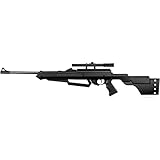
Umarex Notos .22 PCP Carbine

A compact air rifle can feel easier to handle than a long, front-heavy platform, but size alone doesn’t settle whether it fits a particular job. The Umarex Notos .22 PCP Carbine brings a short barrel, regulated air supply, rotary magazine, and side-lever action into a small package. Those traits may support controlled target shooting and other lawful uses, yet they don’t make it the best shotgun for women duck hunting. This is a .22-caliber pellet rifle, not a shotgun, and that difference shapes every practical judgment that follows.

Umarex Notos Carbine

The Notos uses a pre-charged pneumatic system, commonly shortened to PCP. Compressed air stored in its fixed high-pressure tank powers each shot, so the rifle doesn’t require the barrel-breaking motion associated with a spring-piston design. That can make the firing sequence feel smoother and less physically repetitive. It also means the rifle needs compatible filling equipment and careful attention to pressure limits.

The supplied description lists a short 11.75-inch barrel and states that a 12-grain .22-caliber pellet can reach 700 fps. That number describes one stated pellet weight and shouldn’t be treated as a guaranteed result with every pellet. Ammunition fit, ambient temperature, fill pressure, and mechanical condition can affect real performance. A velocity figure also says little about accuracy unless the rifle, pellet, and shooting technique work well together.

A seven-shot auto-indexing rotary magazine reduces the need to manually place a pellet before every shot. Cycling the side lever advances the magazine and prepares the next pellet, which can keep a target session moving without the awkward pause of single-loading each round. The seven-shot capacity is modest enough to stay manageable while still providing several follow-up shots. Magazine condition and correct pellet seating remain important because damaged skirts or improper loading can cause feeding trouble.

The action is described as quiet, and the side lever gives the Notos a smoother operating rhythm than many break-barrel rifles. Still, quiet doesn’t mean silent. Muzzle sound, valve noise, pellet impact, and surrounding surfaces all contribute to what nearby people hear. Indoor spaces, fences, sheds, and hard backstops can make the report seem louder than expected.

Compact Handling And Balance

Short overall dimensions can make a carbine easier to maneuver around a shooting bench, vehicle case, or confined storage area. Less barrel length may also reduce the forward pull that sometimes tires the support arm during extended practice. The compact format can feel less cumbersome, but stock dimensions still determine whether the trigger, grip, and cheek position line up comfortably. Physical fit should be judged individually rather than inferred from gender or marketing labels.

A shorter rifle isn’t automatically lighter in every meaningful way because the air cylinder, receiver, optic, and accessories influence balance. The useful question is where the weight sits once the rifle is shouldered. A rear-balanced setup may feel quick, while a front-heavy one can remain steady from a supported position. Neither feel is universally better, and a supervised fitting can expose discomfort that product dimensions won’t reveal.

The side lever can reduce disruption between shots because it doesn’t require changing the rifle’s entire position. That matters during paper-target practice, where keeping a consistent cheek weld and shoulder position helps reduce avoidable variation. The smooth follow-up cycle is one of the clearest practical benefits in the supplied description. Even so, speed should never take priority over confirming the target, backstop, and safe direction.

Compact handling has a downside, too. A shorter platform may place the muzzle closer to surrounding objects if the shooter becomes careless while moving or changing positions. It can also feel cramped for someone with longer arms or a broader shoulder position. Safe handling habits matter more than the rifle’s dimensions, especially during loading, filling, transport, and storage.

Regulated Air Performance

The fixed high-pressure tank is described as regulated for consistent shots. A regulator manages the air delivered to the firing valve, helping reduce large velocity swings while the tank remains within its working range. More consistent air delivery can support tighter vertical grouping because one shot isn’t receiving dramatically more pressure than the next. Pellet consistency and shooter technique still play major roles, though.

A regulated PCP usually feels calmer during firing than a spring-piston rifle because there’s no heavy internal spring lunging forward. That calmer behavior may make the rifle less sensitive to minor changes in grip pressure. It won’t erase errors in trigger control, breathing, or rest position. Repeatable technique remains the backbone of useful accuracy.

The air system adds maintenance responsibilities that a basic spring-powered rifle doesn’t have. Seals, fill fittings, valves, and pressure gauges should be kept clean and used within the manufacturer’s stated limits. Petroleum-based products and unsuitable lubricants can be unsafe around high-pressure air equipment. Only products and procedures approved in the manual should be used.

Filling equipment also changes the ownership experience. A suitable hand pump, compressor, or scuba-style air source may be needed, depending on the approved filling method. That extra equipment adds cost, storage needs, and setup time beyond the rifle itself. A neutral reference to beginner-oriented PCP considerations appears in air gun basics, though manufacturer instructions and local law remain the controlling sources.

Magazine And Side-Lever Operation

The rotary magazine is a practical convenience, but it introduces another component that must be loaded correctly. Pellets should sit flush and face the proper direction so the magazine indexes without resistance. Forcing the lever can damage a pellet, magazine, or internal part. Smooth operation should never require excessive pressure.

Side-lever cocking can be easier to repeat than a stiff break-barrel motion, particularly during longer practice sessions. The shooter can remain closer to the firing position while cycling the action. That may reduce shoulder and wrist fatigue, although the actual lever effort isn’t supplied and shouldn’t be guessed. Hand strength, reach, and dexterity still affect comfort.

A magazine can encourage a faster pace, which isn’t always helpful for skill building. Deliberate pauses between shots create room to check breathing, posture, sight alignment, and the backstop. The seven-shot sequence is better treated as seven separate safety decisions, not one continuous burst of activity. Each lever cycle should begin only after the previous shot area is confirmed safe.

Single-loading may still be useful for certain training drills or pellet testing if the manufacturer permits it. Loading one pellet at a time slows the process and makes ammunition changes easier to track. Magazine use is more convenient, but convenience can hide a partially loaded condition. A rifle with the magazine removed may still contain a pellet in the chamber, so the chamber must be checked independently.

Target Shooting And Small-Game Claims

The supplied description positions the Notos for small-game hunting, plinking, and target shooting. Those categories are broad, and legality varies by location, species, season, property rules, and projectile requirements. A product description can’t determine whether a particular use is lawful. Local wildlife authorities and land regulations should be consulted before any field use.

Humane hunting requires more than adequate velocity. Pellet construction, retained energy, accuracy at the actual distance, shot placement, and the animal involved all affect whether a shot is responsible. A rifle that prints tight groups from a supported bench may perform differently from an unstable field position. Ethical limits should be based on demonstrated control, not optimistic range estimates.

The duck-hunting keyword is a poor match for this air rifle. Ducks are moving waterfowl governed by specialized hunting rules, and a .22 PCP carbine isn’t a shotgun. Calling it the best shotgun for women duck hunting would blur the distinction between two different classes of equipment. That could create unsafe expectations and encourage unsuitable field use.

Paper targets and lawful range practice provide a clearer setting for evaluating the Notos. A secure pellet trap, reliable backstop, controlled firing line, and eye protection reduce avoidable risk. Water, metal, stone, and other hard surfaces can cause ricochets. The pellet’s relatively small size doesn’t make careless discharge harmless.

Noise, Storage, And Filling Tradeoffs

The quiet-shooting description is useful, but surroundings strongly shape perceived noise. A pellet striking steel can sound sharper than the muzzle report, while a soft trap may reduce impact noise. The mechanical sound of the valve and action also remains present. Residential use may still violate local discharge or nuisance rules even when the rifle seems subdued.

High-pressure air storage deserves respect. The rifle shouldn’t be exposed to excessive heat, impact, unauthorized disassembly, or unapproved filling methods. Pressure components must be inspected according to the manual, and damaged fittings should be serviced rather than improvised. A PCP air reservoir is part of the rifle’s operating system, not a casual accessory.

Secure storage matters whether the rifle is filled or empty. The carbine should remain unloaded, locked against unauthorized access, and stored separately from pellets where appropriate. Removing the magazine doesn’t prove the chamber is empty. Direct chamber verification is still required before handling, transport, maintenance, or storage.

The Notos also isn’t the simplest platform for someone who wants equipment with minimal support gear. Filling hardware, magazines, seals, and pressure management create more moving parts in the routine. In exchange, the regulated PCP action and side lever can offer a smoother shooting cycle. That tradeoff makes sense only when the extra equipment and maintenance fit the intended lawful use.

Where The Notos Fits And Falls Short

The strongest points in the provided specifications are the regulated tank, compact barrel, seven-shot magazine, and side-lever action. Together, those features support paced target sessions with fewer physical interruptions than a single-shot break barrel. The .22 caliber may also offer a different balance of pellet weight and velocity than smaller calibers. None of those traits convert the rifle into waterfowl equipment.

The clearest limitations are its reliance on high-pressure filling equipment and its mismatch with the supplied shotgun keyword. Magazine loading adds convenience but also creates another item to maintain and inspect. The quiet description may reduce expectations of noise too far if impact sound and local surroundings aren’t considered. Realistic ownership includes all of those details, not just the headline velocity.

Comfort can’t be predicted from the word carbine alone. Trigger reach, stock length, optic height, balance, and the shooter’s clothing all influence whether the rifle feels natural. A qualified instructor or supervised range session can identify fit issues before habits become ingrained. Gender-based recommendations are less useful than direct evaluation of reach, control, strength, and safe operation.

The Umarex Notos should be assessed as a compact regulated PCP pellet rifle for lawful target work and other uses expressly permitted by local rules. Its design offers a smooth follow-up process, but the owner must accept filling equipment, pressure-system care, magazine checks, and disciplined storage. It isn’t a duck-hunting shotgun, and presenting it as one would be inaccurate. The most responsible reading of the supplied specifications keeps that boundary clear.

Daisy 880 Multi-Pump Air Rifle With Scope

Compact dimensions and a familiar rifle-style stock can make an air gun feel approachable at first glance, yet the real experience depends on pumping effort, ammunition choice, sight setup, and safe handling. The Daisy 880 combines BB and pellet capability with a multi-pump pneumatic action, giving it more flexibility than a single-ammunition design. Still, it doesn’t match the role implied by best shotgun for women duck hunting because it’s a .177-caliber air rifle rather than a shotgun. That distinction affects power, lawful use, humane hunting suitability, and the type of training required.

Daisy 880 Rifle

The Daisy 880 uses a multi-pump pneumatic action, meaning each shot requires the shooter to work the forearm several times before firing. That setup offers a more deliberate pace than a repeating firearm and doesn’t rely on CO2 cartridges or a separate high-pressure tank. The tradeoff is physical effort, especially during a long target session. Repeated pumping can become tiring for the arms and shoulders, so the action should be handled before purchase rather than judged by appearance alone.

The rifle accepts both .177-caliber BBs and pellets. Its 50-shot BB reservoir supports faster reloading, while pellets are loaded one at a time. That split personality is handy for casual paper targets, but each ammunition type behaves differently. Steel BBs are more prone to ricochet from hard surfaces, while pellets generally offer better engagement with the rifled barrel.

The listed maximum velocity is 800 fps. That number represents the upper limit stated in the supplied description, not a promise for every projectile or pumping routine. Ammunition weight, number of pumps, temperature, barrel condition, and seal health can all affect actual speed. Velocity also doesn’t guarantee tight groups, because sight alignment and consistent pumping technique matter just as much.

The overall length is 37.6 inches, which gives the Daisy 880 a fairly conventional shoulder-fired profile. It isn’t especially short, yet it avoids the bulk of many full-size hunting rifles. The molded Monte Carlo-style stock provides a raised comb and a familiar grip shape. Fit remains personal, though, and a stock that feels comfortable for one person may feel too long or too high for another.

Stock Shape And Everyday Handling

The woodgrain finish gives the molded stock a traditional look without introducing the maintenance concerns of real wood. Moisture and temperature changes are less likely to affect the synthetic material in the same way they can affect an unfinished wooden stock. That’s useful around garages, barns, and outdoor practice areas where humidity shifts. The downside is that molded material can feel more hollow and less substantial than wood.

The Monte Carlo profile raises the cheek area, which can help align the eye with an optic. With open sights, that same cheek height may feel slightly different depending on facial structure and shoulder placement. Cheek weld consistency matters because even a small change in head position can shift the sight picture. A scope won’t compensate for a stock that doesn’t fit comfortably.

The forearm doubles as the pumping lever, so the support hand performs more work than it would on a spring-powered or PCP rifle. Each pump should be smooth and controlled, with fingers kept clear of pinch points. The pumping cycle also breaks the shooting position between shots. That can slow practice, but it encourages a deliberate reset rather than rushed firing.

The rifle’s conventional shape may feel familiar, but familiarity shouldn’t be confused with simplicity. BB reservoirs, pellet loading, pumping technique, sight adjustment, and chamber checks all require attention. A beginner can learn the process, yet supervision remains sensible until the entire sequence becomes consistent. Safe muzzle direction matters during every pump, not only at the moment of firing.

BB Reservoir And Pellet Loading

The 50-shot BB reservoir reduces the need to handle individual BBs after every shot. Once filled, the shooter can feed the next BB through the rifle’s loading system. That convenience comes with a safety wrinkle: a reservoir can still contain ammunition even after the rifle seems empty. Removing visible ammunition doesn’t replace a full chamber and reservoir check.

Pellet shooting works differently because the Daisy 880 uses a single-shot pellet loading process. Each pellet must be placed correctly before the bolt is closed. Pellets with bent skirts or poor fit can affect accuracy and may complicate loading. The slower process can be useful for careful target work because each shot requires a fresh setup.

The rifled steel barrel is more relevant to pellets than BBs. Steel BBs don’t engage rifling the same way soft lead or alloy pellets do, so their accuracy potential may differ. Pellets generally suit deliberate grouping, while BBs are often associated with informal plinking. Either choice still requires a proper backstop designed for that projectile.

Hard metal targets, concrete, stone, glass, and water can create unpredictable rebounds. BBs deserve extra caution because their round steel shape can ricochet sharply. A pellet trap should be rated for the rifle’s expected energy and placed in front of a reliable secondary backstop. Cardboard alone only holds paper and doesn’t safely stop projectiles.

Sights And Scope Practicality

The rifle includes blade-and-ramp front sights plus an adjustable rear sight. Open sights keep the setup simple and allow practice without relying on magnification. They also help reveal basic alignment errors that a scope can sometimes hide. Front-sight focus and a repeatable cheek position remain essential.

The included scope adds magnification for paper targets at controlled distances. Exact scope specifications aren’t included in the supplied description, so magnification, objective size, and reticle type shouldn’t be guessed. Mounting screws may need periodic inspection because a loose optic can cause shifting groups. The rifle should be zeroed only at a lawful range or other controlled location with a secure backstop.

A scope can improve target visibility, but it also adds height and weight above the receiver. That changes balance slightly and may alter how naturally the cheek rests on the stock. The Monte Carlo comb can help, though individual fit still decides whether the eye centers easily behind the optic. Natural alignment is better than forcing the head downward or sideways.

Open sights remain useful as a fallback if the optic loses zero or becomes damaged. Learning both sighting systems also builds a clearer understanding of trajectory and hold. The adjustable rear sight provides basic correction, while the scope offers a more precise aiming reference. Neither system eliminates the need for consistent pumping and careful trigger control.

Pros Of The Daisy 880

The broadest advantage is dual-ammunition capability. BBs offer reservoir-fed convenience, while pellets allow more deliberate single-shot use through the rifled barrel. That flexibility can reduce the need for separate air rifles for casual targets and basic marksmanship practice. It also gives the owner room to see which ammunition type behaves better in a controlled setting.

The multi-pump system doesn’t require disposable CO2 cartridges or a PCP compressor. That simplifies supply planning and avoids pressure tanks or filling fittings. The rifle is self-contained once ammunition and a safe shooting location are available. Still, that independence is exchanged for manual effort before every shot.

The molded stock handles ordinary moisture better than traditional wood and needs less finish care. Its 37.6-inch length provides a familiar rifle stance without becoming unusually large. The Monte Carlo shape supports scope use, while the open sights preserve a basic aiming option. This combination makes the platform adaptable for supervised paper-target sessions.

The stated 800 fps maximum gives the rifle enough performance to demand serious safety precautions. It isn’t a toy, and that fact can support disciplined training when handled responsibly. The moderate firing pace also reduces the temptation to rush through a magazine. Every shot requires setup, pumping, aiming, and a fresh safety check.

Cons And Tradeoffs

The clearest drawback is repeated pumping effort. A few shots may feel easy, but longer sessions can strain the support arm, shoulder, or wrist. The pumping motion also disrupts the firing position, making it harder to preserve the same cheek weld and shoulder placement. Anyone with limited upper-body strength may prefer a different air-power system.

The BB reservoir adds convenience but makes status checks less obvious. Ammunition can remain inside the rifle even when no BB is visible at the loading port. That demands careful unloading procedures and secure storage. Young or inexperienced handlers shouldn’t use the rifle without responsible adult supervision.

The supplied scope may be adequate for basic target use, but its specifications and long-term durability aren’t provided. A bundled optic can also require patience during mounting and zeroing. The stock’s molded construction may feel less refined than wood, and the overall fit may not suit every body shape. Comfort can’t be inferred from gender, height alone, or marketing language.

The strongest mismatch is the keyword itself. A Daisy 880 isn’t a shotgun and shouldn’t be framed as equipment for duck hunting. Waterfowl hunting involves specialized rules, lawful methods, moving targets, and humane-kill considerations that a .177 air rifle doesn’t satisfy. Presenting it as the best shotgun for women duck hunting would be inaccurate and unsafe.

Realistic Use And Safety Limits

The most defensible role for the Daisy 880 is supervised target shooting or other uses clearly permitted by local law. A safe range, proper eye protection, disciplined muzzle control, and a dependable backstop are non-negotiable. The rifle should always be treated as loaded until the chamber and ammunition system are personally checked. Storage should prevent access by children or unauthorized adults.

Local regulations may limit air-gun discharge even on private property. Noise, projectile travel, property boundaries, and wildlife laws all matter. A low-powered appearance doesn’t reduce legal responsibility. The pellet or BB can travel beyond a casual backyard target and injure a person or animal.

Home-defense language also deserves caution because air rifles are not substitutes for emergency planning, secure locks, lighting, alarms, and professional safety guidance. From a practical angle, a related discussion appears in small home defense considerations, though the Daisy 880 itself shouldn’t be positioned as defensive equipment. Its manual pumping, limited projectile performance, and handling requirements make that role especially questionable. Neutral product evaluation is more responsible than forcing unrelated uses onto the rifle.

The Daisy 880 offers a flexible air-rifle format with BB and pellet compatibility, open sights, a scope, and a self-contained pneumatic system. Its strengths are versatility, simple ammunition options, and a familiar stock shape. Its weaknesses include pumping fatigue, reservoir-status complexity, ricochet concerns with BBs, and a complete mismatch with duck-hunting shotgun needs. Those limits should shape expectations before the rifle ever reaches a firing line.

Barra Sportsman 900 Multi-Pump Air Rifle

A rifle can look tidy on a product page and still feel awkward once pumping, loading, and sight alignment enter the picture. The Barra Sportsman 900 combines a 20-inch rifled barrel, dual-ammunition support, a built-in BB reservoir, and two sighting options in one budget-minded package. Those features suit controlled target practice more naturally than the phrase best shotgun for women duck hunting, because this product is a .177-caliber air rifle rather than a shotgun. That isn’t a minor labeling issue; it changes the lawful uses, handling routine, projectile behavior, and ethical limits of the platform.

Barra Sportsman 900

The Sportsman 900 uses a multi-pump pneumatic action that can be pumped from one to ten times before a shot. More pumps generally increase the air pressure available for the next projectile, while fewer pumps create a lighter practice routine at close range. That adjustable process gives the shooter control over effort and intended target distance. Still, every shot requires another pumping cycle, so fatigue can creep in during a long afternoon.

The supplied specifications list a maximum velocity of 800 fps. That figure shouldn’t be treated as a fixed result for every BB, pellet, temperature, or pump count. Projectile weight, seal condition, barrel cleanliness, and the exact number of pumps can shift real performance. A high velocity number also doesn’t automatically create small groups or make a projectile suitable for every hunting situation.

A 20-inch rifled barrel gives pellets a guided spin as they travel down the bore. That rifling can support more predictable pellet flight, provided the ammunition fits the barrel and the shooter repeats the same technique. Steel BBs behave differently because they don’t engage the rifling like soft pellets. Dual-ammunition flexibility is convenient, but it comes with two distinct accuracy and ricochet profiles.

The included 4x15 scope and adjustable fiber-optic sights offer two ways to aim. Fixed magnification keeps the scope simple, while the open sights remain useful for closer paper targets or basic marksmanship drills. Neither sighting system can correct poor pumping rhythm, inconsistent shoulder pressure, or a loose mount. Accuracy comes from the whole routine, not one accessory.

Loading Design And Ammunition Choices

The large chamber opening and magnetic pin are intended to make loading less fiddly. That can be helpful with small .177 pellets, especially when cold fingers or limited dexterity make tiny ammunition frustrating. A wider opening reduces the chance of dropping a pellet beside the chamber. Easy access doesn’t remove the need to point the muzzle safely during every loading step.

The built-in reservoir holds up to 50 BBs, while pellets are loaded individually. Reservoir feeding speeds up informal target sessions, but it also makes ammunition status less obvious at a glance. A rifle may still contain BBs even when the loading port appears empty. The chamber and reservoir should be checked separately before storage, maintenance, or transport.

Pellets usually make more sense for careful grouping through a rifled barrel. Their shape and softer material interact with the rifling in a way round steel BBs do not. BBs can be convenient for casual plinking, yet their hard surface raises ricochet concerns around metal, concrete, rocks, glass, and water. A rated pellet trap and dependable secondary backstop are basic requirements, not optional extras.

The dual-ammunition setup sounds broad, but switching between BBs and pellets can complicate expectations. A zero established with one projectile may not match the point of impact of the other. Different pellet weights can also group differently at the same distance. Keeping notes on ammunition type and sight settings can prevent needless confusion at the range.

Pumping Effort And Shot Control

The ability to pump from one to ten times gives the Sportsman 900 a flexible operating range. A few pumps may suit short-distance paper work, while the full count is associated with the listed maximum velocity. That sounds simple, but consistency matters. Using a different pump count from shot to shot can change impact height and make the rifle seem less accurate than it really is.

The pump arm also creates a physical tradeoff. Repeated cycles work the shoulder, wrist, and support arm, especially near the upper end of the pump range. The motion interrupts the shooting position and forces the shooter to rebuild cheek placement after every shot. Manual effort is part of the ownership experience, not a small footnote.

A slower firing rhythm can support disciplined practice. Each shot creates time to inspect the target, confirm the backstop, reset breathing, and check muzzle direction. On the flip side, a repetitive pumping routine may become sloppy if the shooter rushes. Fingers should remain clear of pinch points, and the action shouldn’t be forced past the manufacturer’s stated limit.

The pump count also shouldn’t be used as a substitute for distance judgment. Maximum pumping doesn’t make every shot responsible or every target appropriate. Wind, projectile choice, unsupported shooting positions, and target size still matter. Controlled practice should establish realistic limits before any lawful field use is considered.

Stock Shape And Shoulder Fit

The stock uses thick-wall ABS plastic with a subtle textured finish. That material keeps routine moisture and finish care simpler than unfinished wood, and the texture can help maintain grip with damp hands. The rifle’s modern styling includes a pistol grip and drop stock. Those features shape the handling feel, but they don’t guarantee comfort for every body type.

The pistol grip can make wrist positioning feel more vertical than a traditional sporting stock. Some shooters may prefer that angle during bench practice, while others may feel cramped around the trigger area. The drop stock is intended to provide a clearer line of sight when the rifle is shouldered. Trigger reach and cheek position still need to be judged individually.

Gender-based sizing is a weak shortcut. Arm length, hand size, shoulder width, clothing thickness, and experience all matter more than a marketing category. A person wearing a heavy jacket may perceive the stock as shorter, while light clothing can expose extra reach. Supervised handling with the intended clothing gives a clearer answer than product photos.

The synthetic build also has a feel tradeoff. ABS can resist ordinary bumps and moisture, yet it may feel lighter or more hollow than a wooden stock. Some people like that reduced weight, while others prefer extra mass for stability. Balance matters more than appearance, especially once the scope is mounted.

Scope And Fiber-Optic Sights

The 4x15 scope gives a fixed four-power view with a compact objective. Fixed magnification keeps operation straightforward because there’s no zoom ring to manage. The small objective may also help keep weight down. Exact optical clarity, eye relief, and long-term mount stability aren’t supplied, so those points shouldn’t be overstated.

The adjustable fiber-optic sights provide a second aiming method. Bright inserts can stand out clearly against many paper targets, particularly in daylight. They may become less distinct in very dim conditions or against certain backgrounds. Open-sight practice remains useful even when the scope is installed.

Scope mounting deserves patience. Rings should sit squarely, screws should be tightened according to the manual, and the reticle should appear level when the rifle is shouldered naturally. A shifting optic can create wandering groups that look like ammunition trouble. Zeroing should happen only in a controlled area with a proper backstop.

The line of sight also sits above the barrel, which creates an offset at close distances. A scope centered at one range may print slightly high or low at another. That’s ordinary trajectory behavior, not necessarily a defect. Distance-specific zeroing keeps expectations grounded.

Practical Strengths

The Sportsman 900’s clearest strength is the range of operating choices built into one rifle. It accepts BBs and pellets, offers one-to-ten-pump control, and includes both a scope and adjustable open sights. That combination can support different forms of supervised target practice without extra sight purchases at the outset. The package feels broad, though each mode still needs its own setup.

The large loading chamber addresses a real frustration. Small pellets can be awkward to place, and a magnetic pin may help hold the projectile during loading. That detail is more meaningful than a flashy cosmetic feature because it affects every shot. Simpler loading can reduce fumbling, dropped pellets, and rushed hand movements.

The 20-inch rifled barrel gives the rifle a conventional sight radius and a clear pellet-oriented design feature. The textured ABS stock also reduces concern about scratches or moisture compared with delicate finishes. A pistol grip and drop stock may help some shooters settle into a comfortable line of sight. Those benefits depend on fit and technique rather than broad demographic labels.

The self-contained pneumatic action avoids CO2 cartridges and external PCP filling equipment. That means there’s no separate air tank, compressor, or cartridge supply to manage. The price paid for that independence is manual pumping. Low accessory dependence and higher physical effort arrive as a package deal.

Weaknesses And Limitations

Pumping fatigue sits at the top of the drawback list. Ten pumps before each shot can become tedious, and the action may be difficult for someone with limited wrist, elbow, or shoulder strength. The process also breaks the firing position every time. A rifle that feels comfortable for three shots may feel very different after thirty.

The BB reservoir adds speed but complicates unloading. Ammunition can remain hidden inside the system, and removing visible BBs doesn’t prove the rifle is empty. Steel BBs also increase the risk of bounce-back from unsuitable targets. Reservoir convenience demands stricter ammunition checks.

The included optic keeps the package simple, yet bundled scopes often require realistic expectations. The supplied description doesn’t establish optical sharpness, durability, or repeatability, so those qualities can’t be assumed. Fixed four-power magnification may also feel restrictive at very close or longer distances. Open sights partly offset that limitation.

The biggest problem is the mismatch between product and keyword. This air rifle isn’t a shotgun, and it shouldn’t be presented as equipment for duck hunting. Waterfowl hunting involves regulated methods, specialized ammunition, moving birds, and humane-kill standards that a .177 multi-pump rifle doesn’t fulfill. Calling it the best shotgun for women duck hunting would misrepresent the product and the activity.

Lawful Use And Realistic Expectations

The Sportsman 900 fits most naturally into supervised paper-target practice, plinking in an approved setting, or other uses specifically allowed under local law. A safe range, eye protection, disciplined muzzle control, and a rated backstop should be part of every session. The rifle’s appearance and air-powered action don’t make it harmless. An 800 fps maximum is enough to cause serious injury.

Small-game references in a product description don’t override wildlife laws. Species rules, seasons, minimum equipment standards, property boundaries, and humane hunting considerations vary by location. Accuracy should also be proven from realistic positions, not assumed from a benchrest group. Legal permission and demonstrated control are separate requirements.

Storage should keep the rifle unloaded and inaccessible to unauthorized people. The chamber, BB reservoir, and loading system need independent checks because one empty-looking area doesn’t prove the entire rifle is clear. Pellets and BBs should be secured as well. A locked storage method is more dependable than hiding the rifle in a closet.

From a practical angle, a related price-focused reference appears in air rifles under 250, though model selection should never outrun fit, legal restrictions, and safe handling. The Barra Sportsman 900 offers flexible ammunition, adjustable pumping, a long rifled barrel, and two sighting systems. It also brings pumping fatigue, ricochet concerns, hidden-reservoir checks, and a role that doesn’t overlap with duck-hunting shotgun use. Those tradeoffs are the real story behind the specification list.

NewRay Real Camo Toy Rifle With Scope

Pretend play falls apart fast when a toy feels flimsy, awkward, or too bare-bones to hold attention for more than a few minutes. The NewRay Real Camo Toy Rifle leans into visual detail with licensed Winchester styling, a camouflage finish, a scope-shaped accessory, light and sound effects, and ejecting shells. Those features can make role-play feel more involved, though the product still has no practical connection to the phrase best shotgun for women duck hunting. This is a toy built for imaginative play, not hunting equipment, sporting gear, or a functioning projectile device.

NewRay Real Camo Toy Rifle

The strongest first impression comes from the Winchester-licensed appearance. Familiar branding and a single-barrel shape give the toy a more specific identity than a generic plastic prop. The green camouflage finish supports pretend outdoor scenes without requiring extra accessories. Still, realistic styling may deserve extra supervision in public or shared spaces because observers could mistake the silhouette from a distance.

The scope is primarily a visual feature based on the information provided. No optical magnification, adjustment range, or aiming function is listed, so it shouldn’t be described as a working sight. Its real value is role-play detail, helping the toy resemble the hunting-themed props seen in cartoons, games, and outdoor stories. Visual immersion matters here more than technical performance.

Light and sound functions add immediate feedback during play. A trigger pull that produces noise or illumination can make a short pretend scenario feel more lively than a silent molded toy. That said, repeated sound effects may become irritating indoors, especially in small rooms or during long sessions. Electronic feedback is a fun extra, but it’s also one of the first features likely to feel repetitive.

The product is described as a first toy rifle for pretend hunting play. That wording sets the right expectation: it’s a prop for storytelling, not a training tool for real firearm use. Adults should keep that boundary clear and avoid presenting toy handling as a substitute for actual safety education. Play can be imaginative without blurring the difference between a toy and a real weapon.

Ejecting Shells And Play Value

Ejecting shells are likely the most interactive feature in the package. They turn the toy from a simple sound-making prop into something with a visible loading and unloading routine. That extra step can stretch out pretend play because the child isn’t only pulling a trigger over and over. Mechanical interaction usually holds attention longer than decoration alone.

Loose shells also create a practical downside. Small parts can disappear under furniture, get mixed into other toy bins, or end up outside during backyard play. Once a few are missing, the ejecting feature may feel less complete. Keeping a small container nearby can reduce the usual scavenger hunt after playtime.

The ejecting motion may encourage repeated opening, loading, closing, and cycling. That rhythm supports imaginative scenarios, but it also means the moving parts receive more wear than the fixed body. Plastic hinges, catches, and shell rims can loosen over time if handled roughly. Durability depends heavily on play style, especially with a toy that invites repeated mechanical action.

The feature also adds a cleanup task that simpler toys don’t have. Shells may scatter several feet depending on how the mechanism operates and how the toy is held. Hardwood floors make them easy to spot but noisy, while carpet can hide them surprisingly well. The fun is real, yet so is the post-play search.

Camouflage Styling And Realism

The green camouflage pattern gives the toy a clear outdoor theme. It fits backyard make-believe, costume play, camping stories, and pretend wildlife adventures more naturally than a bright sci-fi color scheme would. The styling helps create a recognizable character prop without much setup. Theme consistency is one of the product’s better strengths.

Realistic colors bring a tradeoff, though. A toy rifle with camo coloring may look more convincing from across a yard, through a window, or in dim lighting. That makes supervised use and sensible play locations important. Bright marker tips or other identifying details should remain intact if the product includes them.

The Winchester licensing adds another layer of realism. Brand recognition may appeal to families who already know outdoor-themed toys or licensed replicas. It also makes the toy feel less generic on a shelf or as part of a costume. Still, licensing doesn’t say anything about plastic thickness, mechanism longevity, or sound quality.

The styling works best as part of structured pretend play rather than unsupervised public play. Indoor rooms, fenced yards, and private costume settings reduce confusion. Parks, sidewalks, vehicles, and public events deserve more caution because the silhouette could be misunderstood. Context changes how safe the realism feels.

Light And Sound Experience

Light and sound can give younger pretend play a stronger sense of cause and effect. Pressing or pulling a control produces an immediate response, which keeps the interaction simple. No technical details about volume, light color, or battery type are supplied, so those points shouldn’t be guessed. The safe assumption is that the electronics are basic play features rather than adjustable systems.

Sound effects are usually a mixed bag for adults nearby. They can make the toy exciting during short sessions, then become grating after dozens of repeated activations. A volume switch would help, but none is listed in the supplied description. Noise tolerance may matter more than expected in apartments or shared living spaces.

The light function may be more noticeable indoors than outside in bright daylight. That doesn’t make it useless, but it changes where the effect feels most engaging. Evening costume play or a dim playroom may show it better than a sunny backyard. Expectations should stay modest because the light is a novelty feature, not an illumination tool.

Electronic components also introduce battery maintenance. Batteries can leak if left installed during long storage, and weak batteries may make sounds distort or lights dim. The exact battery arrangement isn’t provided, so the manual and packaging should guide replacement. Removing batteries during extended storage can help protect the compartment.

Pros Of The NewRay Toy Rifle

The product’s clearest strength is how many play cues it combines in one package. Licensed styling, camouflage coloring, a scope-shaped accessory, light, sound, and ejecting shells all support a more involved pretend scenario. A plain molded toy can feel one-note, while this one gives several actions to repeat. Layered play features are the main reason it stands out.

The single-barrel design keeps the concept easy to understand. There’s no complicated assembly or broad accessory system described, which may make setup straightforward. The toy appears focused on immediate pretend play rather than collecting separate parts. That simplicity can be refreshing in a toy category that often piles on extra pieces.

The ejecting shells create a tactile element that light and sound alone can’t provide. Loading and cycling make the play sequence feel more complete, especially during imaginative outdoor stories. This physical feedback may keep attention longer than a static prop. Hands-on operation gives the toy its strongest replay value.

The camo appearance also works well with costumes and themed play. It can pair with toy binoculars, vests, camping gear, or wildlife-themed storytelling without looking out of place. In some cases, an unrelated air-rifle reference appears in CO2 air rifle information, but that subject involves functioning equipment and shouldn’t be confused with this children’s toy. The NewRay product belongs firmly in the pretend-play category.

Cons And Practical Tradeoffs

The realistic appearance is both a selling point and a concern. Camouflage, licensed branding, and a recognizable rifle shape can make the toy more convincing than bright-colored alternatives. That realism may cause confusion in public or from a distance. Supervised play locations matter more with this design than with a clearly fantastical toy.

Ejecting shells are easy to lose. Once the set becomes incomplete, the feature may lose some of its appeal, and replacement availability isn’t mentioned. Small pieces can also create a choking concern around younger siblings or pets. Storage discipline becomes part of owning the toy.

Sound effects may wear out their welcome quickly in quiet homes. Without confirmed volume controls, adults may have no way to soften repeated noise beyond removing the batteries. The light function may also feel minor compared with the shell mechanism. Electronic novelty can fade faster than mechanical play.

The supplied description doesn’t include dimensions, recommended age, materials beyond the implied toy construction, battery information, or durability claims. That leaves several buying questions unanswered. Fit and weight may affect comfort, especially for smaller children, yet those details can’t be evaluated from the provided information. Realistic expectations should stay limited to the listed features.

Safety And Supervision

The toy should remain clearly separated from any real firearm or air gun. Storage, language, and adult guidance can reinforce that distinction without making pretend play feel tense. Children should understand that real weapons are never toys and shouldn’t be touched without direct adult control. Clear boundaries matter more than trying to teach real shooting habits through a play prop.

Public use deserves caution because realistic toy weapons can be misidentified. Carrying the toy in a case or bag between private locations reduces unnecessary alarm. Decorative safety markings shouldn’t be removed or painted over. A backyard or indoor playroom is generally easier to manage than a park or sidewalk.

The ejecting shells should be counted before and after play. That routine helps prevent small parts from being left where toddlers or pets can reach them. Damaged shells or cracked moving pieces should be removed rather than forced back into the mechanism. Routine inspection keeps rough edges and broken fragments from turning into avoidable problems.

The NewRay Real Camo Toy Rifle offers a strong pretend-play package built around realism, sound, light, and shell ejection. Its best qualities are visual detail and interactive operation, while its drawbacks center on loose parts, noise, uncertain durability, and public misunderstanding. It doesn’t serve any real hunting purpose and shouldn’t be discussed as a functional shotgun. Used in an appropriate private setting, it remains a themed toy with a fairly specific style of play.

5
1 ratings
John Timmons
WRITTEN BY
John Timmons
I'm an airgun enthusiast and I love nothing more than spending my time outdoors shooting targets. I'm always on the lookout for new airgun gear, and I love sharing my knowledge with others.