Best Shotgun for Women Shooting Clays 2026 Fit Guide

The phrase best shotgun for women shooting clays can point people in the wrong direction before the first shell is ever loaded. Gender labels don’t determine what feels comfortable, mounts cleanly, or places the eye in the correct position. Stock dimensions, balance, total weight, and recoil management matter far more than a pink finish or a product marketed with a smaller shooter in mind. A well-fitted sporting shotgun should come to the shoulder without forcing the neck to stretch, the head to tilt awkwardly, or the trigger hand to reach like it’s grabbing the last jar on a high shelf.
Length of pull deserves close attention because an overly long stock can make the gun feel front-heavy and clumsy. It may also snag on clothing during the mount, push the shooting shoulder backward, and make consistent cheek placement harder. A stock that’s too short brings its own headaches, including cramped hand placement and excessive thumb contact near the face. So, the useful goal isn’t simply “shorter”; it’s a stock length that supports a relaxed stance and repeatable movement.
Recoil can sour an otherwise enjoyable afternoon in a hurry. A very light shotgun may feel convenient while carrying it between stations, yet lower weight can allow more felt recoil to reach the shoulder. Moderate overall weight, sensible ammunition, correct mounting technique, and a properly fitted recoil pad often create a calmer experience than chasing the smallest firearm on the rack. Still, more weight isn’t automatically better, since a barrel-heavy setup can wear out the arms and slow down transitions on crossing targets.
Clay shooting also exposes poor balance quickly. A shotgun that moves naturally with the body helps maintain a smooth swing, while one that feels awkward may lead to poking at the target or stopping the barrel during the shot. Neutral balance and comfortable grip geometry can make practice feel less like wrestling with equipment and more like learning rhythm. Small hands may benefit from a grip that doesn’t require an exaggerated reach, but hand size varies widely, so assumptions based on gender aren’t reliable.
Action type influences handling, maintenance, and the overall pace of a clay session. Gas-operated semi-automatic designs are often associated with softer perceived recoil, though they usually require more cleaning and careful attention to ammunition compatibility. Over-and-under designs provide a simple visual indication of an open action and allow two choke selections, but they can transfer recoil more directly and may cost more. Either style can be suitable under qualified supervision, provided it fits correctly and is legal for the shooter’s location and circumstances.
Real progress comes from professional fitting and supervised instruction, not from buying around a catchy category name. A reputable clay range or certified instructor may offer rental equipment with different stock dimensions, weights, and action types. Trying several properly maintained options under supervision reveals more than reading a long string of specifications online. The right setup should support safe muzzle control, comfortable mounting, and consistent practice without encouraging fatigue or flinching.
Practical limits matter, too. Adjustable combs, recoil systems, and stock modifications can improve comfort, but they add cost and may change balance. Specialized compact stocks sometimes become restrictive as technique develops, while full-size configurations can be frustrating from the start if they don’t fit. Fit should be reassessed over time, especially after changes in posture, strength, clothing thickness, or shooting discipline.
Gamo Varmint .177 Air Rifle
A product name can send expectations sideways before the box is even opened. The Gamo Varmint .177 Air Rifle isn’t a shotgun, doesn’t fire shells, and isn’t built for clay-target disciplines such as trap, skeet, or sporting clays. That mismatch matters because someone researching the best shotgun for women shooting clays needs equipment designed for moving aerial targets, while this single-shot break-barrel air rifle belongs in a very different lane. Judged on its actual purpose, though, it offers a straightforward combination of spring-piston power, basic optics, and weather-resistant furniture for supervised target practice.
Gamo Varmint Air Rifle
The Varmint uses a .177-caliber pellet and a single-cocking break-barrel action. Each shot requires the barrel to be hinged downward, a pellet to be loaded, and the barrel to be returned to its firing position before the safety and trigger are managed according to range rules. That process slows the pace and encourages deliberate shooting, which can help keep practice from turning into careless rapid fire. Still, repeated cocking takes effort, so comfort depends on upper-body strength, technique, and a stable shooting position.
Its spring-piston powerplant is rated to deliver up to 1,250 feet per second with Gamo PBA Platinum pellets, according to the supplied product information. That figure reflects a specific lightweight pellet rather than a promise that every pellet will produce the same speed. Heavier ammunition generally changes velocity, trajectory, and the way the rifle behaves, so the headline number shouldn’t be treated as the whole story. The practical takeaway is simple: this isn’t a low-powered toy, and it requires the same disciplined muzzle awareness and secure storage expected of any serious airgun.
The rifle’s single-shot format keeps the mechanism uncomplicated, but it also means there’s no magazine to prepare several follow-up shots. For paper targets, basic marksmanship drills, and careful sight-in sessions, that slower routine can feel refreshingly focused. For anyone expecting the fluid rhythm of clay shooting, however, the experience will feel completely unrelated. A clay shotgun is pointed and swung through a moving target, while this rifle is aimed at a stationary target through sights or a scope.
That distinction also affects training goals. Shotgun fit revolves heavily around stock dimensions, eye alignment along the rib, balance between the hands, and a repeatable mount from a ready position. The Gamo’s handling is closer to a conventional scoped rifle, where steady support, breathing, trigger control, and sight picture take center stage. Skills can overlap at the broadest level, especially safe handling and follow-through, but this air rifle won’t realistically substitute for shotgun practice.
Spring-Piston Power And Shot Behavior
A spring-piston air rifle creates a distinctive firing cycle. Pulling the trigger releases the compressed spring system, and the internal movement can make the rifle react differently from a firearm or a pre-charged pneumatic airgun. That movement rewards a consistent, relaxed hold rather than an overly tight grip that changes from shot to shot. New shooters sometimes fight the rifle, squeeze it harder, and then wonder why pellets land in scattered groups.
The Varmint’s power system is described as long lasting, but the provided information doesn’t include a service-life figure or maintenance schedule. Spring-powered rifles avoid external air tanks and CO2 cartridges, which keeps the basic operating routine self-contained. On the other hand, cocking effort returns before every shot, and the mechanical firing cycle can be more noticeable than expected. That tradeoff suits patient target sessions better than long strings where fatigue starts creeping into posture.
No dedicated noise-dampening system is listed for this model. An air rifle may sound quieter than many firearms, but it can still produce a sharp report alongside mechanical spring noise. Indoor use should never be assumed safe simply because the projectile is a pellet, since walls, windows, hard surfaces, and improvised backstops may not contain a shot or prevent ricochet. A lawful range or a properly designed shooting area remains the sensible setting.
Pellet choice also matters more than the velocity number suggests. The supplied description specifically connects the maximum figure to Gamo PBA Platinum pellets, so other loads shouldn’t be expected to duplicate that result. Accuracy, consistency, and safe compatibility deserve more attention than chasing the fastest possible reading. Without independently verified test data, there’s no honest basis for claiming which pellet will group best in an individual rifle.
Barrel, Rail, And Included Scope
The barrel combines a rifled steel core with a fluted polymer jacket. Rifling is intended to stabilize the pellet as it travels down the bore, while the outer polymer treatment helps shape the rifle’s handling and exterior profile. The supplied details don’t specify twist rate, barrel length, or measured group sizes, so claims about exceptional precision would be guesswork. What can be said is that the design follows a familiar break-barrel arrangement built around deliberate, scoped target shooting.
A grooved cylinder rail provides the mounting surface for the included optic. Spring-piston recoil behaves in a way that can be demanding on scopes, which is why the provided 4 x 32 optic is described as shockproof. The fixed 4-power magnification keeps operation simple, and the 32-millimeter objective offers a conventional profile without adding complicated zoom controls. It’s a basic package rather than a feature-heavy optical system.
Mounting and sighting the scope still deserve care. Rings need to sit correctly on the rail, hardware must be tightened to appropriate specifications, and eye relief should allow a comfortable view without crowding the face. A rubber recoil pad is present, but that doesn’t eliminate the need for sensible head position and a stable cheek weld. Improper setup can make even a modest optic feel awkward and can encourage inconsistent posture.
The fixed magnification may be limiting in some situations. Four-power viewing is simpler than variable magnification, but it can feel narrow at very close distances and insufficient for identifying tiny aiming points farther away. The supplied information doesn’t mention parallax adjustment, illuminated reticles, or lens coatings, so none should be assumed. Buyers who already own a preferred airgun-rated optic may eventually view the included scope as a starting point rather than the final setup.
Stock Fit And Everyday Handling
The synthetic stock is described as ambidextrous and all-weather. That layout avoids forcing the basic stock shape toward only right-handed or left-handed handling, while the synthetic material is less sensitive to routine moisture and temperature changes than unfinished wood. “All-weather” shouldn’t be read as permission to neglect the rifle, leave it exposed, or store it damp. Metal components still require sensible care, and the rifle should be cleaned and secured after use.
A rubber recoil pad finishes the buttstock and adds a less slippery contact point against the shoulder. Spring-piston air rifles don’t produce shotgun-style recoil, yet they do generate mechanical movement that can feel abrupt to an inexperienced shooter. The pad may improve shoulder contact, but it can’t correct a stock that’s too long, a grip that doesn’t suit the hand, or a stance that strains the neck. Physical fit should be checked in person under qualified supervision.
The product is described as lightweight, though no exact weight is included in the supplied details. Lower weight can make carrying and holding easier, especially during shorter target sessions, but it may also make the rifle’s firing behavior feel more lively. A heavier rifle often settles more steadily on support, while a lighter one is easier to move and more tiring to hold still without assistance. That balance is personal, and broad labels based on gender don’t predict it reliably.
This is where the original keyword and the actual product separate most sharply. A search for the best shotgun for women shooting clays should prioritize professional shotgun fitting, manageable recoil, stock dimensions, balance, gauge, action type, and access to supervised rental trials. The Gamo Varmint can’t answer those needs because its action, ammunition, sighting system, and target style are fundamentally different. Calling it a clay-shooting option would be misleading, full stop.
Trigger, Adjustment, And Learning Curve
The rifle includes a Gamo trigger with an adjustable second stage. Second-stage adjustment can help refine the point at which the trigger reaches its final release phase, but it shouldn’t be treated as an invitation for casual modification. Trigger work directly affects safe handling, and any adjustment should follow the manufacturer’s instructions without disabling factory safety features. A lighter-feeling break isn’t automatically safer or more accurate.
Consistent trigger pressure matters because snatching at the trigger can disturb the sight picture just before the pellet leaves the barrel. The spring-piston cycle magnifies sloppy habits, especially if the shooter also changes grip pressure or cheek contact between shots. Slow, repeatable technique tends to reveal more than chasing accessories during the first practice sessions. A stable bench, suitable backstop, eye protection, and qualified oversight provide a better learning environment than improvised backyard experiments.
The break-barrel loading sequence has its own safety discipline. Fingers should stay clear of pinch points, the barrel must be controlled during cocking, and the muzzle needs to remain pointed in a safe direction throughout the process. The supplied description doesn’t detail an anti-bear-trap mechanism or automatic safety operation, so those features shouldn’t be assumed. The owner’s manual is the correct reference for the rifle’s exact loading and safety procedure.
Adjustability is modest compared with more specialized target rifles. There’s no supplied mention of an adjustable cheekpiece, adjustable butt plate, modular grip, or variable power system. That keeps the layout straightforward, but it limits how much the rifle can be tailored to different body dimensions. Someone who needs substantial stock changes may be better served by trying several models at a supervised range before settling on one.
Build Details, Warranty, And Practical Limits
The rifle is listed as made in Spain and backed by a one-year warranty. Warranty coverage can add some reassurance, though the provided information doesn’t describe exclusions, service procedures, shipping responsibility, or regional limitations. Those details should be read directly in the current warranty terms supplied with the product. A warranty also doesn’t replace routine care, correct ammunition, or safe handling.
The polymer-jacketed barrel and synthetic stock make practical sense for equipment likely to encounter dust, light moisture, or changing temperatures. Still, the description doesn’t claim full waterproofing, corrosion immunity, or resistance to careless storage. A dry, locked location protects both the rifle and anyone who shouldn’t have access to it. Local law may also regulate airgun purchase, transport, discharge, and storage differently from conventional firearms.
The included scope, spring-piston system, and single-shot action form a usable entry-level package for lawful stationary-target practice. Yet there are genuine compromises: repeated cocking effort, no sound moderator, fixed magnification, and limited stock adjustment. Those drawbacks won’t bother everyone, but they become noticeable during longer sessions or when physical fit is off. Realistic expectations make the rifle easier to judge on what it actually provides.
Related airgun categories often raise similar questions about caliber, power, sighting systems, and lawful use. A separate reference appears in air pistol considerations, although pistols and break-barrel rifles differ substantially in handling, range, stability, and training demands. That distinction shouldn’t be blurred merely because both launch pellets. Humane wildlife control, where legal, is better addressed through local authorities or qualified pest-control professionals rather than improvised shooting.
The clearest strength of the Gamo Varmint is its uncomplicated setup: one pellet, one cocking cycle, one deliberate shot. Its biggest weakness in this particular review is equally clear: it has almost nothing in common with equipment selected for clay shooting. As an air rifle, it may suit supervised paper-target practice and basic marksmanship work. As an answer to a shotgun search, it misses the target before the first clay leaves the trap.
Gamo Swarm Magnum 10X GEN3i .22 Air Rifle
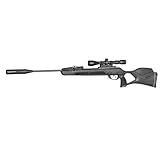
Fast follow-up capability sounds appealing until the product category gets mixed up with the job it’s expected to do. The Gamo Swarm Magnum 10X GEN3i is a powerful .22-caliber break-barrel air rifle, not a shotgun, and it isn’t designed to swing through airborne clay targets. That makes it a poor match for anyone searching for the best shotgun for women shooting clays, where stock fit, balance, gauge, and moving-target handling carry far more weight than pellet velocity. Judged as an air rifle instead, this model brings together a 10-shot magazine system, gas-piston power, adjustable trigger stages, noise reduction, and a scope-protection rail.
Gamo Swarm Magnum GEN3i
The headline feature is the 10X GEN3i inertia-fed magazine, which sits horizontally above the breech. Breaking the barrel cocks the powerplant and allows the magazine system to load the next pellet, reducing the need to handle an individual pellet before every shot. The process remains manual, though, since the barrel still has to be cocked between shots. That distinction matters because “10-shot” doesn’t mean semiautomatic operation.
The included magazine can make a target session feel less fiddly, especially in cool weather or whenever small pellets become awkward to handle. A visible magazine also offers a practical reminder that ammunition may remain in the system after a shot has been fired. Safe unloading and chamber checks deserve extra attention because removing the magazine alone may not confirm the rifle’s exact condition. The manual should guide every loading, unloading, and storage routine.
This repeating mechanism adds convenience, but it also introduces more parts than a plain single-shot break barrel. Magazine alignment, pellet shape, and careful handling may affect how smoothly the system cycles. The supplied description doesn’t identify compatible pellet lengths or shapes, so broad ammunition claims would be guesswork. Mechanical simplicity is traded for faster reloading, and that tradeoff won’t suit everyone.
Its operating rhythm still favors deliberate stationary-target shooting rather than quick, reactive movement. The shooter breaks the barrel, returns it to battery, reacquires the sight picture, and then takes the next controlled shot. That sequence can support measured practice, but repeated cocking may become tiring during a long session. Anyone expecting the effortless follow-up pace of a magazine-fed firearm may be surprised by the physical work between shots.
Power And Gas-Piston Character
The rifle is rated at up to 1,300 feet per second with alloy .22-caliber pellets, according to the supplied product details. That number is tied to a particular pellet type and shouldn’t be treated as the velocity of every load. Heavier pellets generally travel more slowly, and individual results can vary with pellet fit, temperature, maintenance, and the condition of the rifle. The advertised figure signals substantial power, not a universal performance guarantee.
Gamo’s IGT Mach1 gas piston replaces a conventional coiled spring with an inert gas cylinder. The listed 33-millimeter cylinder is intended to deliver strong propulsion while avoiding some traits associated with traditional metal springs. Gas-piston systems don’t eliminate movement, cocking effort, or hold sensitivity, however. The firing cycle can still punish sloppy technique and loose scope mounting.
A powerful .22 air rifle demands more respect than its familiar stock shape might suggest. Pellets can penetrate unsuitable backstops, damage property, and ricochet from hard surfaces. Eye protection, secure storage, lawful range use, and a purpose-built pellet trap aren’t side notes. They’re basic requirements for responsible ownership.
The added power also brings a physical tradeoff. Stronger gas-piston systems often require meaningful cocking force, and the supplied information doesn’t provide an exact effort rating. Someone with limited shoulder, wrist, or upper-body strength may find repeated barrel breaking uncomfortable. A rifle that feels manageable for three shots at a counter can become a different animal after several magazines.
Noise Control And Recoil Management
Whisper Fusion technology is described as Gamo’s quietest noise-reduction system. It’s intended to reduce the muzzle report, but “quietest” within one brand’s lineup doesn’t mean silent. Mechanical noise from the gas piston, pellet impact, and the remaining muzzle sound can still be noticeable. Hearing protection and compliance with local discharge rules remain sensible even with dampening technology fitted.
Noise reduction can improve the feel of a controlled range session, particularly where repeated sharp reports become distracting. It won’t make an unsuitable backyard location safe or lawful, and it won’t prevent neighbors from hearing pellet impacts. Sound control has limits, especially when lightweight alloy pellets approach high velocities. The practical benefit is reduced report, not stealth.
The Recoil Reducing Rail is designed to lessen the stress transferred to the scope by the rifle’s unusual recoil cycle. Spring and gas-piston air rifles can move in more than one direction during firing, which may be harder on optics than many newcomers expect. The rail is a thoughtful inclusion because it addresses a real durability concern rather than merely adding decoration. Proper ring installation and periodic hardware checks are still necessary.
Recoil here shouldn’t be confused with the shoulder impact of a clay shotgun. The sensation is more mechanical, with internal movement that can disturb a poorly supported sight picture. A rubbery or excessively tight hold may produce less consistent results than a repeatable, relaxed technique. Scope protection and shooting comfort are related, but they aren’t the same problem.
Trigger And Scope Package
The rifle uses Gamo’s Custom Action Trigger, which allows independent adjustment of the first and second stages. That flexibility can help shape the trigger feel around a shooter’s preference, provided all changes remain within the manufacturer’s approved instructions. A predictable second stage may support steadier target work by reducing surprise at the release point. Trigger adjustment should never involve bypassing safety mechanisms or improvising beyond the manual.
A 3-9 scope is included, giving the package more magnification flexibility than a fixed-power optic. Lower magnification generally offers a wider view, while the upper end can make smaller paper aiming points easier to see. The supplied details don’t specify the objective diameter, reticle design, parallax setting, lens coatings, or ring specifications. The scope should be treated as an included starting optic, not judged by features that haven’t been provided.
Variable magnification can expose mounting mistakes quickly. Poor eye relief, a canted reticle, or loose rings may make the rifle frustrating even when the optic itself is functioning correctly. The recoil-reducing rail helps address stress, but it doesn’t replace careful setup. A qualified range technician can verify alignment without turning a simple installation into a guessing game.
The trigger and scope combination gives this rifle more adjustment than a bare-bones break barrel, yet customization has limits. The description doesn’t mention an adjustable cheekpiece, interchangeable stock spacers, or adjustable butt-pad geometry. Optical clarity won’t fix poor physical fit, especially if the stock forces the neck or wrist into an awkward position. Handling the rifle safely before purchase can reveal those issues faster than reading a specification list.
Strengths And Everyday Tradeoffs
The strongest part of this package is the way its major components support repeated stationary-target shooting. The 10-shot magazine reduces pellet handling, the gas piston supplies the listed power, and the adjustable trigger offers some control over release feel. Whisper Fusion addresses noise, while the recoil-reducing rail protects the mounted optic from harsh movement. Taken together, those features form a coherent air-rifle setup rather than a random bundle.
Convenience comes with bulk and complexity. The magazine assembly adds hardware above the breech, and the gas-piston system still demands a full cocking stroke before each shot. High power may also amplify sensitivity to pellet selection, holding technique, and backstop quality. Faster loading doesn’t remove the need for patience, especially during sight-in work.
The product includes the pellet rifle, a Gamo 3-9 scope, one 10X GEN3i inertia magazine, and a manual. It’s also listed with a five-year warranty and manufacturing in Barcelona, Spain. The supplied details don’t explain warranty exclusions, service shipping, replacement-magazine availability, or regional support procedures. Those terms deserve a close read before relying on the warranty as a deciding factor.
A related equipment category is discussed in crossbow accuracy range, though crossbows and gas-piston air rifles differ sharply in projectile behavior, handling, lawful use, and safety procedures. The link works as a separate reference rather than evidence that the two platforms should be used interchangeably. Each requires its own rated backstop, secure storage plan, and training routine. Blurring those distinctions creates more confusion than value.
Why It Misses The Clay-Shooting Brief
The original keyword creates the biggest weakness in this review. A search for the best shotgun for women shooting clays calls for discussion of shotgun stock dimensions, comb height, cast, pitch, balance, gauge, recoil, and action type. The Gamo Swarm Magnum has none of the handling characteristics required to evaluate a clay gun. Its scope, break barrel, pellet magazine, and rifle-style aiming process place it in a separate category.
Clay shooting relies on tracking a moving target with both eyes involved, mounting the gun consistently, and maintaining a smooth swing through the shot. This Gamo is built around a magnified sight picture and a more deliberate rifle hold. Rifle marksmanship doesn’t replace clay technique, even though both activities demand safe muzzle control and disciplined trigger handling. Buying this model for clay practice would create the wrong training pattern.
Gender also isn’t a reliable shortcut for firearm or air-rifle fit. Arm length, shoulder structure, grip reach, neck position, strength, and experience vary from person to person. A product marketed with broad assumptions can feel worse than a standard model that has been properly fitted. Individual fit beats category labels, whether the equipment is a clay shotgun or a scoped air rifle.
The Gamo Swarm Magnum makes the most sense as a high-powered, repeating break-barrel air rifle for lawful stationary-target use under controlled conditions. Its limitations are equally plain: substantial cocking effort may be tiring, the magazine adds complexity, the system isn’t silent, and the included stock offers no listed fit adjustments. None of those points make it inherently unsuitable as an air rifle. They simply define the situations where its feature set helps and where it starts getting in the way.
Bear River TPR 1200 Pellet Rifle
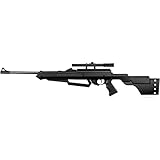
A rifle can look straightforward on a product page and still hide a few practical tradeoffs once fit, cocking effort, sight setup, and noise enter the picture. The Bear River TPR 1200 Pellet Rifle is a .177-caliber break-barrel air rifle built around spring-piston power, an 18-inch rifled steel barrel, and two aiming options. It doesn’t belong in a serious discussion of the best shotgun for women shooting clays, because it neither fires shotshells nor handles like a clay gun. Judged as a pellet rifle for lawful paper-target practice, though, its appeal rests on simple mechanics, familiar controls, and an included optic.
Bear River TPR 1200
The TPR 1200 uses a single-shot break-barrel action, so every firing cycle begins by hinging the barrel downward, loading one pellet, and closing the action. That routine creates a slower, more deliberate pace than a magazine-fed design. Some shooters appreciate the simplicity because there’s less feeding hardware to manage, while others may find the repeated loading process tedious. Either way, the barrel must remain controlled throughout cocking to reduce the chance of pinched fingers or an unsafe snap-back.
The supplied description presents this rifle as suitable for target shooting and small-game hunting, but local laws, property boundaries, and humane-control standards vary widely. Paper targets on a lawful range are the clearest setting for evaluating accuracy and handling without making assumptions about field performance. The rifle’s power also means an improvised cardboard box isn’t an adequate backstop. A purpose-built pellet trap, eye protection, hearing protection, and secure storage belong in the basic setup.
A comfortable grip is listed as one of the stock’s practical benefits. Grip comfort matters because a cramped wrist or stretched trigger reach can make the rifle feel awkward before accuracy is even considered. Still, the description doesn’t provide stock dimensions, length of pull, overall weight, or comb height. Fit remains personal, and broad gender labels don’t predict whether the stock will settle naturally against the shoulder.
The rifle accepts .177-caliber, 4.5-millimeter pellets, which are widely used for air-rifle target work. Pellet shape and weight can affect how the rifle groups, even when the caliber is correct. The supplied information doesn’t identify an ideal pellet profile or tested grouping standard, so there’s no honest reason to claim that one load will perform best in every example. Consistent ammunition and repeatable technique matter more than chasing a flashy number on the tin.
Spring-Piston Power And Cocking Effort
The TPR 1200 relies on spring-piston technology rather than CO2 cartridges or a pre-charged air reservoir. That keeps the rifle self-contained because each break-barrel stroke compresses the spring for the next shot. There’s no external tank to fill and no cartridge to replace. The tradeoff is physical effort, since every shot requires another full cocking cycle.
The product information lists speeds of up to 1,300 feet per second with premium pellets. That figure should be read as a maximum under particular conditions, not a guarantee across every pellet weight or shooting environment. Lightweight pellets usually produce higher velocity readings than heavier options, and consistency can matter more than raw speed on paper. Without independent test data, measured group size, and exact pellet details, any stronger claim would be speculation.
Spring-piston rifles produce a distinctive firing sensation caused by internal movement. The recoil isn’t the same as a shotgun’s rearward push, but the rifle can still feel lively and may react poorly to an inconsistent grip. A death grip often makes things worse by changing the pressure against the stock from shot to shot. A repeatable, relaxed hold generally makes more sense than trying to wrestle the rifle into stillness.
Cocking effort isn’t listed, and that omission matters in everyday use. A rifle that feels manageable for a few shots may become tiring after several strings, especially if shoulder or wrist strength is limited. The barrel length can provide leverage, but it also requires room to complete the stroke safely. Physical comfort over a full session deserves more attention than how easy the first cocking cycle feels at a counter.
Barrel And Sight Options
An 18-inch rifled steel barrel gives the rifle a conventional foundation for pellet stabilization. Rifling imparts spin to the pellet, helping it travel more predictably than it would through a smooth tube. The description doesn’t provide twist rate, crown details, or measured accuracy results, so there’s no basis for promising tiny groups at a particular distance. The barrel specification is useful, but technique and pellet compatibility still carry plenty of weight.
The package includes a 4x32 scope with covers, offering fixed four-power magnification and a 32-millimeter objective. Fixed magnification keeps operation simple because there’s no zoom ring to manage. It can also feel limiting at very close range or when a smaller target demands more detail. The product information doesn’t specify parallax adjustment, reticle style, lens coatings, or ring type, so those features shouldn’t be assumed.
Adjustable fiber-optic sights provide a second aiming method. Bright sight inserts can be easier to see against darker paper targets or uneven backgrounds, especially where plain black sights disappear. Fiber optics don’t eliminate the need for careful alignment, though, and bright dots can sometimes cover more of a small target than expected. Scope and open-sight flexibility is still a useful strength for anyone learning which sighting style feels more natural.
The rifle also includes a six-inch Picatinny rail for scopes or compatible accessories. A standardized rail gives more mounting flexibility than a proprietary groove, but accessory fit still depends on ring height, eye relief, and the rifle’s recoil cycle. Spring-piston movement can be demanding on optics and hardware, so airgun-rated equipment and correctly tightened mounts matter. A rail creates options; it doesn’t guarantee that every optic will hold zero.
Trigger Feel And Shooting Rhythm
The product description highlights a smooth trigger pull, though it doesn’t provide pull weight, stage count, adjustment range, or break measurements. That means the phrase should be treated as a design claim rather than verified performance data. Trigger feel can also vary between individual rifles. A predictable release helps, but safe finger placement and steady follow-through matter just as much.
Single-shot loading naturally slows the session down. That’s not necessarily a flaw, because the pause between pellets creates time to reset posture, check the backstop, and rebuild the sight picture. Rushing the barrel cycle can lead to sloppy loading or careless muzzle movement. Deliberate repetition fits this design better than speed.
The description says the rifle can fire high-powered shots rapidly, but that wording needs practical context. A break-barrel action still requires a full cocking stroke and manual pellet loading before each shot. “Rapidly” here doesn’t describe semiautomatic fire. It simply means the mechanism can be cycled repeatedly without CO2 replacement or external charging between shots.
Consistency depends heavily on routine. Resting the rifle differently, changing hand pressure, or moving the cheek position can shift the point of impact. The included scope may make those differences more visible, which can be useful during practice. The rifle rewards patience, and that’s either a benefit or a nuisance depending on how someone prefers to shoot.
Strengths In Practical Use
The clearest advantage is the self-contained power system. There’s no need to buy CO2 cartridges or bring an external air tank to a lawful shooting area. The break-barrel format also keeps the loading process visually straightforward. For controlled paper-target sessions, that simplicity can reduce distractions.
The second strength is the combination of scope, fiber-optic sights, and Picatinny rail. A beginner can start with the included optic, switch to the open sights, or later mount another compatible airgun-rated scope. That flexibility makes it easier to test different sight pictures without replacing the entire rifle. The catch is that setup quality matters, particularly on a spring-piston platform.
The 18-inch rifled barrel and .177-caliber format create a familiar target-rifle layout. Pellets are compact, and the caliber is commonly associated with paper-target practice. Still, the listed power means the rifle shouldn’t be treated casually or handed around without supervision. Accessible ammunition doesn’t make the platform harmless.
The comfortable-grip claim may help during longer shooting sessions, especially if the stock shape supports a neutral wrist angle. Synthetic furniture can also be less fussy around routine humidity than unfinished wood. The description doesn’t confirm waterproof construction or corrosion resistance, though. Dry storage and basic maintenance remain part of ownership.
Weaknesses And Realistic Tradeoffs
The biggest drawback is repeated cocking. Strong spring-piston systems can wear down the arms, and the provided details don’t offer an exact force figure. That makes it difficult to judge comfort from specifications alone. Someone with limited upper-body strength may prefer a platform that reduces physical effort between shots.
The included 4x32 scope adds value, but its fixed magnification may feel restrictive. Close paper targets can appear too large in the field of view, while distant small targets may not show enough detail. The lack of listed optical specifications also makes it hard to assess the scope beyond basic size and magnification. Included doesn’t automatically mean fully tailored.
Noise reduction isn’t mentioned in the supplied details. A pellet rifle can produce a noticeable muzzle report, mechanical spring noise, and a sharp impact at the trap. That makes residential assumptions risky, even where local rules permit discharge. No listed moderator means quiet operation shouldn’t be expected.
The rifle also doesn’t solve the equipment needs behind the best shotgun for women shooting clays keyword. Clay shooting calls for a smooth mount, moving-target balance, appropriate stock dimensions, manageable shotshell recoil, and instruction at a licensed range. This Bear River model uses a scope, fires one pellet at a time, and emphasizes stationary aiming. The two activities share safety fundamentals but very little handling technique.
How The Product Category Changes The Verdict
A shotgun is pointed and swung through a flying clay, while a pellet rifle is generally aimed with the sights held on a stationary mark. That difference reshapes posture, vision, trigger timing, and follow-through. Scoped rifle practice won’t reproduce a clay-gun mount. Using this rifle as a substitute could build habits that don’t transfer cleanly to skeet or trap.
Fit also works differently between the two platforms. A shotgun’s comb, cast, pitch, and length of pull influence where the shooter’s eye sits along the rib during a quick mount. A scoped pellet rifle introduces eye relief and optic height into the equation. Both require proper fit, but the measurements solve different problems.
The language around airsoft, BB guns, and pellet rifles often gets muddled, even though their ammunition and intended setups differ. From a practical angle, a related explanation appears in airsoft and BB gun differences, while this Bear River model is specifically described as a .177 pellet rifle. That distinction affects compatible ammunition, backstop selection, and safe handling. Mixing projectile types can damage equipment or create unsafe conditions.
The Bear River TPR 1200 makes the most sense as a simple, powerful break-barrel option for controlled paper-target use where lawful. Its strengths are self-contained spring power, dual sighting options, a rifled steel barrel, and a mounting rail. Its weaknesses are repeated cocking effort, limited supplied optic details, no listed sound moderation, and no provided stock-adjustment measurements. Those boundaries define the rifle far more accurately than broad marketing language.
Gamo Swarm Whisper .22 Air Rifle
A product can sound like a tidy answer on paper and still land in the wrong category once the actual use is considered. The Gamo Swarm Whisper .22 Air Rifle is a gas-piston pellet rifle built for deliberate, sighted shots, not a shotgun made for swinging through clay targets. That difference matters for anyone researching the best shotgun for women shooting clays, since stock fit, balance, gauge, mount consistency, and shotshell recoil define that search far more than pellet-rifle velocity or sound reduction. Reviewed on its own terms, though, the Swarm Whisper brings together a repeating break-barrel system, reduced vibration, synthetic furniture, and a recoil-mitigating buttpad.
Gamo Swarm Whisper Air Rifle
The rifle uses Gamo’s IGT inert gas piston in place of a traditional coiled spring. According to the supplied product details, that system is intended to provide higher velocity, less vibration, and a longer operating life than a conventional spring-powered airgun. The design remains self-contained, so there’s no external air bottle or CO2 cartridge to manage before a session. The tradeoff is still there, plain as day: every shot requires the barrel to be cocked again.
Gas-piston operation can feel cleaner than the twang and vibration often associated with a metal spring, but it doesn’t make the firing cycle motionless. Internal movement still affects the rifle during the shot, and inconsistent hand pressure can shift the point of impact. A steady, repeatable hold matters more than squeezing the stock for dear life. That learning curve can be rewarding, though it may frustrate anyone expecting the rifle to behave like a low-recoil rimfire.
The supplied name identifies this as a .22-caliber air rifle, which separates it from smaller-caliber paper-punching setups and from any shotgun discussion. Pellet weight, shape, and fit can influence velocity and grouping, but the description doesn’t provide tested ammunition data. Claims about exact accuracy or effective distance would therefore be guesswork. The sensible reading is that the rifle is built around controlled stationary-target use rather than fast-moving aerial targets.
The Swarm name suggests a repeating pellet system, although the provided description doesn’t spell out magazine capacity, loading sequence, or compatibility details. That omission matters because feeding convenience often becomes a deciding factor on a repeating break barrel. Magazine operation shouldn’t be assumed beyond the stated product name, and the owner’s manual remains the proper source for loading and unloading procedures. Extra feeding parts also mean more alignment points than a plain single-shot design.
IGT Piston Strengths And Limits
The strongest argument for the IGT setup is consistency of mechanical behavior over repeated use. A gas piston avoids the conventional spring’s coil fatigue and characteristic vibration, at least according to the supplied description. That can make the rifle feel less buzzy in the hands and may support a more settled sight picture. Lower vibration is useful, but it won’t correct poor trigger control, loose scope hardware, or an unstable rest.
Cocking effort remains a practical question. The product information doesn’t provide a pound rating, so there’s no reliable way to judge how demanding the break-barrel stroke will feel over a full session. A rifle can feel manageable for the first few cycles and tiring after repeated use. Upper-body comfort matters, especially where shoulder, wrist, or hand strength is limited.
The IGT design also avoids dependence on consumable power sources. There’s no need to carry CO2 cartridges or schedule tank fills, which simplifies preparation for lawful target shooting. On the flip side, the shooter supplies the energy through each cocking stroke. That makes the system convenient in one sense and physically repetitive in another.
Long-term durability is described as a benefit, but no service-life figure or maintenance interval is provided. Dust, moisture, loose fasteners, careless storage, and unsuitable ammunition can still affect performance. A longer-lifespan claim isn’t permission to neglect the rifle. Dry storage, regular inspection, and adherence to the manual remain part of ownership.
Whisper Technology In Real Use
Gamo’s Whisper Technology is presented as a way to make the rifle noticeably quieter. Sound reduction can improve comfort during repeated target sessions, particularly where the sharp muzzle report becomes distracting. Still, “quiet” shouldn’t be read as silent. Mechanical piston noise and pellet impact remain part of the experience.
Noise control also doesn’t make an unsuitable location safe. Pellets can travel through weak backstops, strike hard surfaces, or ricochet in unpredictable directions. A lawful range or a properly designed pellet trap remains essential. Reduced sound and safe containment are separate issues, and confusing them can create serious problems.
The supplied information doesn’t provide measured decibel levels or a comparison standard. That means the rifle can’t honestly be described with a specific sound figure or ranked against unrelated airguns. The useful takeaway is limited but clear: the barrel system is designed to reduce report. Real-world loudness will still depend on pellet choice, surroundings, and the firing environment.
Sound-dampening hardware can also add length and alter the rifle’s front-end feel. The exact barrel length and overall weight aren’t included, so balance can’t be assessed from the description alone. A quieter muzzle may come with handling tradeoffs, especially if the rifle feels nose-heavy during unsupported shooting. Hands-on fit tells that story better than package dimensions.
Stock Fit And Recoil Control
The rifle uses an all-weather synthetic stock with black rubber inserts. Synthetic construction generally handles routine humidity and temperature changes with less fuss than unfinished wood. The rubber panels may also provide extra grip where hands contact the stock. “All-weather” doesn’t mean waterproof or maintenance-free, though, and exposed metal still deserves dry storage.
A buttpad equipped with the Shock Wave Absorber is intended to reduce the recoil felt at the shoulder. Air-rifle recoil differs from the rearward push of a shotgun, but powerful break-barrel systems can still feel abrupt because of internal piston movement. The pad may soften contact and reduce slipping against clothing. It can’t fix an unsuitable stock length, awkward comb height, or excessive trigger reach.
Stock dimensions aren’t listed in the supplied description. Without length of pull, comb height, grip circumference, or total weight, there’s no sound basis for calling the rifle especially suitable for one body type. Fit varies person by person, and gender-based labels are a poor shortcut. A rifle that shoulders naturally for one shooter may feel long, bulky, or unbalanced to another.
The black rubber inserts may help maintain hand placement during damp or hot conditions. That’s useful during longer sessions where smooth polymer can become slick. Still, grip texture can’t compensate for a wrist angle that feels strained. Comfort should remain stable after several cocking cycles, not merely during a quick shoulder test.
Pros In A Controlled Shooting Setup
The first clear advantage is the gas-piston powerplant. It removes the need for CO2 cartridges and is described as producing less vibration than a traditional spring. That can create a cleaner firing sensation and reduce the metallic buzz associated with some spring rifles. The rifle remains mechanically simple enough for deliberate practice without external charging equipment.
Whisper Technology forms another practical strength. Lower sound can make repeated shots less jarring and may improve concentration on the sight picture. The absence of supplied decibel data keeps expectations in check, but the design intent is useful. Reduced report is a comfort feature, not a safety substitute.
The synthetic stock and rubber inserts suit environments where wood furniture might require extra care. Routine humidity, light surface moisture, and changing temperatures are less likely to affect synthetic material in the same way they can affect untreated wood. The stock may also be easier to wipe down after use. Low-fuss exterior maintenance is a real benefit for equipment stored and transported regularly.
The Shock Wave Absorber buttpad adds a sensible finishing touch. It addresses shoulder contact and helps keep the stock planted during the shot. That matters because a lively gas-piston cycle can magnify poor positioning. The pad won’t transform the rifle’s geometry, but it may make the firing sensation easier to manage.
Cons And Practical Friction
The largest drawback is the continued need to cock the barrel for every shot. Even with a repeating pellet system, the rifle isn’t semiautomatic. Each cycle requires room, control, and physical effort. Repeated cocking can become tiring, especially during longer target sessions.
The product details leave several useful specifications unstated. Overall weight, barrel length, scope information, stock dimensions, cocking force, and magazine capacity aren’t included here. That makes fit and handling difficult to judge before hands-on use. Missing specifications create uncertainty, particularly for anyone sensitive to weight or reach.
The sound-reduction claim also needs realistic limits. Whisper Technology may reduce the muzzle report, but the rifle still produces mechanical noise and a noticeable pellet strike. Residential use can remain unsafe, disruptive, or unlawful despite reduced sound. Quiet doesn’t mean discreet or harmless.
Gas-piston rifles can be demanding on scopes and mounting hardware because of their unusual recoil cycle. The provided description doesn’t mention an included optic or a recoil-reducing rail. Any scope setup would therefore need to be assessed for airgun compatibility rather than assumed suitable. Loose mounts can turn a decent rifle into a wandering-zero headache.
Why It Does Not Fit Clay Shooting
The keyword creates an obvious category conflict. The best shotgun for women shooting clays should be evaluated through stock fit, cast, pitch, comb height, gauge, balance, recoil, and the ability to swing naturally through a moving target. The Swarm Whisper is aimed through rifle sights or an optic at a stationary point. Those are different tools solving different problems.
Clay shooting relies on a smooth mount and a continuous swing, often with both eyes involved. A pellet rifle encourages a more settled position, deliberate sight alignment, and a controlled trigger press. The movement patterns don’t transfer cleanly. Using a scoped air rifle as a stand-in for clay practice can build habits that feel awkward on a shotgun range.
Recoil comparison also gets messy. The Shock Wave Absorber deals with gas-piston movement, not shotshell recoil. A clay shotgun’s comfort depends heavily on gun weight, stock shape, ammunition, mount, and professional fitting. Reduced air-rifle recoil isn’t evidence of clay-gun suitability.
Package dimensions are listed as 47.7 inches long, 7.1 inches wide, and 2.7 inches high, but those figures describe the packaging rather than the rifle’s actual dimensions. They help with shipping or storage planning, not fit assessment. Someone deciding between clay shotguns needs actual firearm measurements and supervised range trials. This Gamo belongs in a separate evaluation altogether.
Handling Expectations And Safe Use
A break-barrel rifle rewards a deliberate routine. The muzzle must remain pointed in a safe direction, the barrel should stay controlled during cocking, and fingers need to remain clear of pinch points. The magazine or breech must be treated as loaded until verified otherwise under the manual’s procedure. Mechanical familiarity reduces careless handling.
Secure storage matters because a .22 pellet rifle can cause serious injury and property damage. A locked location, separated ammunition, and restricted access are basic precautions. Local rules may govern purchase, transport, discharge, and hunting use differently from conventional firearms. Airgun laws aren’t uniform, so assumptions can be costly.
The product description positions the Swarm Whisper as a quieter, lower-vibration break barrel, not as a precision competition rifle. That distinction keeps expectations reasonable. Without supplied group sizes, trigger measurements, or velocity data, accuracy claims should stay modest. The rifle’s real strengths lie in its feature set, not in unverified performance numbers.
From a practical angle, a related beginner-focused reference appears in beginner air rifle basics, while the Swarm Whisper itself may still demand meaningful cocking strength and careful technique. That connection is useful because beginner suitability depends on more than a simple power source. Fit, supervision, safe backstops, and the physical effort required between shots all shape the experience. A powerful break barrel can be approachable without being effortless.
Barra Sportsman 900 Multi-Pump Air Rifle
A long afternoon with an awkward stock or stiff loading port can wear down patience faster than a windy range day. The Barra Sportsman 900 approaches that problem with a multi-pump pneumatic action, dual-ammunition capability, and two sighting systems, though it has no real connection to the best shotgun for women shooting clays. It’s a .177-caliber air rifle intended for stationary targets, not a shotgun built to swing through airborne clays. Judged in the correct category, its strongest traits are adjustable power, a large loading opening, a 20-inch rifled barrel, and a stock shaped around a modern sporting-rifle profile.
Barra Sportsman 900
The Sportsman 900 uses a multi-pump pneumatic system rather than a spring, gas piston, CO2 cartridge, or external air tank. The pump arm can be cycled from one to ten times, allowing the shooter to vary the rifle’s power within the limits described by the manufacturer. That flexibility can make lower-powered paper-target practice feel more manageable while preserving the option for the listed maximum velocity. Still, every extra pump adds effort and slows the rhythm between shots.
A maximum speed of 800 feet per second is listed in the supplied description. That figure shouldn’t be treated as the result for every pellet, BB, pump count, or environmental condition. Ammunition weight, seal condition, pumping consistency, and temperature can all influence behavior. The honest takeaway is that the rifle offers adjustable output, not that every shot will duplicate the headline number.
The dual-ammunition design accepts single .177 pellets or BBs from the built-in 50-BB reservoir. That creates two different loading routines in one platform, which can be handy for basic paper-target sessions. Pellets travel through the rifled barrel one at a time, while BBs feed from the internal reservoir. Mixing ammunition carelessly or using incompatible projectiles can create reliability and safety problems, so the manual needs to settle any uncertainty.
This rifle isn’t a semiautomatic system, despite the built-in BB reservoir. The action still requires pumping and manual preparation before each shot. That slower cycle can support deliberate practice, but it won’t satisfy anyone expecting rapid strings. Adjustable power and simple ammunition storage are the real benefits, not speed between shots.
Loading Design And Daily Convenience
The large chamber opening is one of the more practical details in the supplied description. Small .177 pellets can be awkward to handle, especially with cold fingers or limited dexterity, so extra room around the breech can reduce fumbling. A magnetic loading pin is intended to help hold ammunition in place during loading. That may sound minor, but tiny conveniences often decide whether a target session feels smooth or irritating.
BB operation uses the built-in 50-round reservoir, cutting down on repeated handling of individual steel BBs. The reservoir adds convenience, though it also means the rifle may still contain ammunition after a casual glance suggests otherwise. Removing visible ammunition isn’t the same as confirming an empty rifle. Unloading and storage procedures should follow the manufacturer’s instructions exactly.
Pellet loading remains a single-shot process. That’s slower than feeding from a detachable magazine, yet it keeps the sequence easy to understand and encourages a pause before every shot. The break in pace gives time to rebuild the sight picture, check the backstop, and settle the trigger hand. For paper targets, that unhurried routine can be a strength rather than a nuisance.
The downside appears after several rounds of pumping, loading, aiming, and resetting. What feels pleasantly hands-on for ten shots can become repetitive during a longer session. The rifle’s convenience depends heavily on whether someone enjoys manual operation. No cartridges or tanks are needed, but the shooter supplies the energy each time.
Barrel And Included Sights
A 20-inch rifled barrel provides the basic foundation for pellet stabilization. Rifling is especially relevant with lead pellets, which are designed to engage the barrel and spin during flight. The supplied information doesn’t include twist rate, group measurements, or a tested distance, so exact accuracy claims would be made up. Barrel length alone can’t guarantee tight groups.
The package includes a 4x15 rifle scope, giving the rifle fixed four-power magnification. A compact optic like this keeps the setup simple and can help make small paper aiming points easier to see. Its 15-millimeter objective is modest, so expectations for brightness and field of view should stay realistic. The description doesn’t mention parallax adjustment, lens coatings, or reticle design.
Adjustable fiber-optic sights offer a second aiming method. Bright inserts can stand out well against dark targets, though they may cover a small bullseye at greater distance. The ability to alternate between scope and open sights gives the rifle more flexibility than an optic-only design. Two sighting options also help reveal whether poor results come from technique or from an improperly mounted scope.
Scope mounting still deserves attention. A canted optic, loose rings, or poor eye relief can make the rifle frustrating even if the barrel and ammunition are behaving consistently. The supplied description doesn’t specify the mount type or adjustment method. Careful setup matters more than simply attaching the scope and hoping for the best.
Adjustable Power In Real Use
The one-to-ten-pump range is the Sportsman 900’s defining control feature. Fewer pumps can reduce effort and may suit short-range paper targets, while additional pumps raise the listed power level. Variable pumping gives the shooter control, but consistency requires using the same number of pumps from shot to shot. Changing the count randomly makes point-of-impact shifts harder to interpret.
Ten pumps before every shot can become physically tiring. Pumping also moves the rifle away from the firing position, forcing the shooter to rebuild posture and sight alignment each time. That routine doesn’t bother everyone, but it can interrupt concentration during careful group shooting. A bench or stable support may make the process feel less clumsy, provided all range rules are followed.
The pump arm introduces pinch points and moving parts. Fingers need to stay clear, and the rifle should remain pointed in a safe direction throughout the pumping sequence. The supplied description doesn’t explain any automatic safety or anti-pinch features. Mechanical familiarity is essential before the rifle is handled casually.
Multi-pump systems also rely on internal seals to hold compressed air. The product details don’t give a seal-maintenance schedule or storage recommendation, so broad durability promises would be speculation. Pumping beyond the stated limit shouldn’t be treated as a way to gain extra performance. Manufacturer instructions define the safe operating range.
Stock Shape And Handling
The stock uses thick-wall ABS plastic with a lightly textured surface. ABS keeps the exterior less sensitive to routine moisture than unfinished wood and can be wiped down without much fuss. The texture may help maintain grip during warm or damp conditions. It doesn’t make the rifle waterproof, corrosion-proof, or immune to rough storage.
A pistol-grip handle and drop-stock profile give the rifle its modern sporting appearance. The drop is intended to create a useful line of sight when the rifle is shouldered, particularly with the included optic. That geometry may suit some neck and wrist positions better than a straight traditional stock. Stock shape remains personal, though, and no length-of-pull or comb-height measurements are supplied.
The product is described as budget friendly, but price alone doesn’t settle long-term value. Plastic furniture can keep cost and weight under control, while metal components and seals still determine much of the rifle’s service behavior. The supplied claims say the materials are rigorously evaluated, but no testing standards are listed. Realistic expectations matter more than broad durability language.
Comfort depends on more than the grip texture. Pumping repeatedly places load on the hands, elbows, and shoulders, while the drop stock changes how the head meets the sights. Someone with a shorter reach may appreciate the compact feel, or may still struggle if the stock dimensions don’t line up. Hands-on fit beats gender-based assumptions every time.
Pros That Matter During Target Practice
The biggest advantage is power control without consumables. There’s no CO2 cartridge to replace and no compressed-air cylinder to refill. A chosen pump count can be repeated for a particular paper-target distance. That self-contained setup keeps the basic routine predictable.
Dual-ammunition compatibility adds another practical benefit. Pellets can be loaded individually for deliberate target work, while the built-in BB reservoir reduces handling time during casual sessions. The rifle’s broad flexibility may appeal to someone who doesn’t want two separate airguns for basic practice. Convenience comes from choice, not from automatic operation.
The loading opening and magnetic pin address a common frustration with tiny .177 ammunition. Dropped pellets and awkward breech access can turn a relaxing session into a fiddly mess. A more accessible chamber helps keep attention on the target rather than on pinching ammunition between two fingers. That feature has real everyday value.
The included scope and fiber-optic sights round out the package. Neither system is described with competition-level specifications, but having both creates room to experiment with different aiming styles. The 20-inch rifled barrel supports pellet use, while the modern stock keeps the cheek and eye oriented toward the sights. The package covers the basics without requiring an immediate sight purchase.
Cons And Friction Points
Repeated pumping is the most obvious drawback. Ten strokes for maximum listed power can wear on the arms, slow down practice, and break concentration between shots. Even lower pump counts require more work than a pre-charged pneumatic or CO2 platform. Manual effort is built into every shot.
The dual-ammunition system may also create confusion for inexperienced handling. BBs and pellets behave differently, load differently, and may call for different backstop considerations. The internal reservoir can make the rifle’s ammunition status less obvious at a glance. Careful unloading procedures matter more with stored BBs inside the stock or receiver.
The supplied scope is compact and basic. A 4x15 optic may feel dim or narrow in less favorable lighting, and its fixed magnification limits framing options. No optical specifications beyond size are provided, so its long-term holding ability and clarity can’t be claimed. The fiber-optic sights provide a useful backup, but they don’t erase the scope’s limits.
No specific noise-reduction feature is mentioned. Multi-pump air rifles can still produce a distinct report, along with pellet impact noise. Backyard use may be unsafe, disruptive, or unlawful even if the rifle sounds quieter than a firearm. A lawful range and rated pellet trap remain the sensible setting.
Why It Does Not Match Clay Shooting
The keyword and the product point in opposite directions. The best shotgun for women shooting clays should be assessed through stock fit, cast, comb height, balance, gauge, recoil, and the smoothness of the mount. The Sportsman 900 uses a scope or open sights and fires a single .177 projectile. It isn’t designed to track and break a flying clay.
Clay shooting depends on continuous movement. The gun mounts to the cheek, swings with the target, and keeps moving through the shot. A pellet rifle encourages a steadier hold and a precise sight picture on a stationary mark. The techniques overlap in safety discipline, but not in aiming style or body movement.
Adjustable air pressure also has no meaningful equivalent in clay-gun selection. Pump count changes pellet-rifle output, while shotgun comfort depends on ammunition, gun weight, stock geometry, and proper mounting. The Barra’s pistol grip and drop stock may feel comfortable for scoped shooting but awkward as a model for shotgun posture. Buying it as clay-training equipment would miss the point.
Physical fit shouldn’t be predicted by gender. Shoulder width, arm length, hand size, neck position, vision, and strength vary widely. A properly fitted standard shotgun may feel far more natural than a so-called specialized model. Professional fitting and supervised rental trials answer the clay question more reliably than any air-rifle specification.
Safety And Category Boundaries
The listed ability to fire pellets or BBs makes ammunition identification part of safe handling. Only the compatible projectile type and caliber specified by the manufacturer should be used. Hard surfaces can send steel BBs back toward the firing line, while pellets can penetrate weak traps. Backstop choice must match the ammunition.
Secure storage matters even though the Sportsman 900 isn’t a conventional firearm. A locked location, controlled ammunition access, and a clear unloaded condition reduce the chance of unauthorized handling. Local rules can regulate airgun discharge, transport, purchase, and wildlife use. Casual assumptions about backyard legality can cause trouble fast.
The product description mentions small-game use, but lawful and humane wildlife control involves more than listed velocity. Local regulations, safe shot placement, suitable ammunition, nearby property, and the risk of wounding all matter. Professional pest-control services or local wildlife authorities may be the responsible route in many situations. Target practice is the cleaner basis for evaluating this rifle.
Airsoft guns, BB guns, and pellet rifles are often lumped together even though their projectiles and operating purposes differ. From a practical angle, a separate related reference appears in backyard air rifle considerations, while any real use still depends on local law and a safe, rated shooting area. The Sportsman 900’s defining compromises remain clear: flexible pumping and ammunition choices on one side, repeated manual effort and more complicated unloading on the other. Those details shape the ownership experience far more than its tactical styling.