Best Youth Shotgun for Duck Hunting 2026 Fit Guide

A poorly fitted shotgun can turn an exciting morning in the marsh into a frustrating battle with recoil, awkward mounting, and missed opportunities. The best youth shotgun for duck hunting should feel controlled before it ever feels powerful, with a stock length that allows a natural shoulder mount and easy access to the trigger. A model that’s too long tends to pull the muzzle off line, while one that’s too heavy becomes tiring during long walks through mud, reeds, or flooded timber. Fit matters more than flashy finishes, oversized controls, or bold marketing claims.
Manageable recoil deserves equal attention because repeated discomfort can quickly create flinching and poor shooting habits. Smaller gauges may feel gentler, but gauge alone doesn’t tell the whole story, since firearm weight, stock shape, ammunition selection, and shooting stance all influence felt recoil. A very light shotgun can be easy to carry yet surprisingly sharp against the shoulder, so there’s a real tradeoff between portability and shooting comfort. Proper instruction and supervised practice with suitable ammunition remain essential, especially before anyone heads into cold, wet field conditions.
Duck blinds create their own set of headaches. Thick gloves, bulky jackets, cramped seating, and wet surfaces can make an otherwise comfortable firearm feel clumsy, so simple controls and secure handling deserve careful consideration. A stock that fits well in a T-shirt may feel too long under insulated clothing, and a glossy surface may become slippery after rain or spray. That’s why fit should be checked while wearing the same layers likely to be used during the season.
Reliability also matters, but expectations should stay grounded. Mud, moisture, vegetation, and freezing temperatures are rough on equipment, and no action type is immune to poor maintenance or careless handling. Simpler designs may be easier to inspect and clean, while more complex operating systems can reduce some recoil yet require closer attention to ammunition compatibility and upkeep. Routine cleaning, safe storage, and corrosion prevention often matter more than small differences printed on a specification sheet.
Adjustability can extend useful service life as a young shooter grows. Stock spacers, interchangeable recoil pads, and adjustable comb systems may help preserve a consistent sight picture without replacing the entire firearm after one season. Still, extra adjustment hardware can add cost, weight, or complexity, so it isn’t automatically worthwhile for every situation. A qualified instructor or experienced firearm fitter can spot alignment problems that are easy to miss at a store counter.
Legal requirements, hunter education rules, supervision standards, and minimum ages vary by location. Those details shouldn’t be treated as fine print, since they shape where, when, and how a young person may lawfully participate. Safe muzzle control, hearing protection, eye protection, and strict separation of firearms from ammunition during transport are non-negotiable. The right setup supports confidence, but responsible adult supervision is what keeps the experience controlled and constructive.
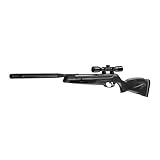
Gamo Varmint Air Rifle and Pellet Pen Bundle
A long day around wetlands demands equipment that matches the quarry, the weather, and local hunting rules. This bundle doesn’t meet the core requirements behind the best youth shotgun for duck hunting, because it’s a .177-caliber break-barrel air rifle rather than a shotgun built for lawful waterfowl loads. That mismatch matters more than the advertised velocity, included scope, or convenient pellet pen. Judged honestly, the Gamo bundle belongs in the pest-control and recreational target category, not in a duck blind.
Gamo Varmint Rifle Bundle
The package combines a Gamo Varmint .177 air rifle with an Air Venturi pellet pen, giving the setup a simple, self-contained feel. The rifle uses a spring-piston break-barrel action, so each shot requires the barrel to be cocked manually before loading a pellet. That layout avoids CO2 cartridges and external air tanks, which keeps routine ownership fairly straightforward. Still, spring-piston rifles have their own learning curve, especially around consistent grip pressure and scope stability.
Gamo lists the rifle at up to 1,250 feet per second, though actual speed depends heavily on pellet weight and construction. Lighter alloy pellets generally produce higher advertised velocity, while heavier lead pellets usually travel slower and may behave more predictably. Raw speed sounds impressive on a product page, but accuracy, safe backstops, and appropriate use matter far more in practice. A fast pellet that doesn’t group consistently won’t solve much.
The included 4x32 scope and mount add practical value for casual target work and short-range pest-control situations where air-rifle use is legal. Fixed four-power magnification is simple, uncluttered, and easier to understand than a feature-heavy variable optic. The 32 mm objective offers a reasonable sight picture in normal daylight without making the rifle feel excessively top-heavy. Factory-bundled scopes, however, often require careful mounting, repeated zero checks, and realistic expectations about optical refinement.
The pellet pen is a small accessory, but it solves an annoying handling problem. Loose .177 pellets are tiny, easy to drop, and awkward to manage with cold or dirty fingers, so the Air Venturi pellet pen can make loading cleaner and more organized. It also keeps pellets from rolling around loose in a pocket where skirts may become bent. Bent pellets can affect consistency, so protecting them isn’t just about neatness.
Where The Bundle Fits And Where It Does Not
This rifle is described for varmint hunting, pest control, and target shooting, yet every one of those uses depends on local law, safe distances, and suitable backstops. A .177 pellet can travel beyond an intended target, and hard surfaces may cause ricochets, so safe containment can’t be treated casually. The rifle also shouldn’t be viewed as a toy because its velocity and energy can cause serious injury. Secure storage, adult control, and eye protection remain basic requirements.
Duck hunting is a different job entirely. Waterfowl regulations typically involve approved shotguns, legal shot types, magazine limits, licensing requirements, and season-specific rules, none of which this air rifle is designed to satisfy. Calling it a candidate for the best youth shotgun for duck hunting would be misleading on both equipment and legal grounds. It lacks a shotgun action, shotshell capability, and the patterning characteristics required for moving birds.
The bundle may still be useful before hunting season as a separate training tool for basic discipline, but even that role needs careful framing. An air rifle can reinforce muzzle awareness, trigger control, and steady sight alignment under qualified supervision. It cannot replicate a shotgun’s recoil, moving-target lead, swing, mounting dynamics, or safe waterfowl field procedures. Treating the two platforms as interchangeable would create bad expectations.
From a practical angle, quiet air rifles are relevant where backyard noise, property size, and neighborhood restrictions shape recreational shooting decisions. The Gamo Varmint uses a spring-piston mechanism, so it still produces a distinct mechanical snap and muzzle report. It may be quieter than many firearms, but it isn’t silent, and sound can vary with pellet choice and surroundings. Fences, sheds, and enclosed yards may reflect noise more sharply than an open rural setting.
Shooting Character And Everyday Handling
Break-barrel rifles reward a repeatable routine. Cocking the barrel compresses the spring, loading seats the pellet, and closing the action prepares the shot. That sounds simple, but consistent technique affects accuracy more than newcomers often expect. Changing hand pressure, resting the barrel directly on a hard surface, or pulling the rifle tightly into the shoulder can shift the point of impact.
Spring-piston recoil also moves differently from firearm recoil. The internal piston travels forward during the shot cycle, producing a two-direction movement that can be rough on optics not designed for air rifles. The included scope should be mounted evenly and checked after early shooting sessions because scope creep and loose fasteners can appear over time. Thread-locking products shouldn’t be added carelessly, since improper use can damage screws or complicate later adjustment.
The fixed-power optic keeps aiming simple at ordinary air-rifle distances. Four-power magnification gives enough enlargement for paper targets and clearly identified small pests without creating an overly narrow field of view. Still, the scope may feel limiting for extremely close plinking or for those who prefer open sights. Optical clarity around the edges and adjustment precision should also be judged against the bundle’s price class, not against dedicated scopes costing nearly as much as the rifle.
Cocking effort is another practical factor. A spring-piston rifle stores energy through manual leverage, so repeated sessions can become tiring, particularly for smaller or less experienced shooters. That fatigue may lead to sloppy loading, poor muzzle control, or rushed shots if supervision is weak. Short, structured sessions make more sense than chasing a large shot count for its own sake.
Accuracy Expectations And Pellet Selection
Pellet choice can change the rifle’s behavior more than the velocity number suggests. Different head sizes, weights, and skirt designs interact with the barrel differently, so two .177 pellets may group very differently from the same rifle. A sensible approach uses several reputable pellet types on paper targets, with the rifle supported consistently and the same aiming point used each time. Group size and repeatability reveal more than a single fast shot.
Ultra-light pellets may reach closer to the headline speed, but maximum velocity isn’t always the sweet spot. Heavier pellets can reduce speed while improving stability, impact behavior, and resistance to wind, though they may also produce a more curved trajectory. The best match depends on the rifle and the lawful task, not on one number printed on the box. Pellet compatibility should be tested methodically rather than guessed.
The 4x32 scope can support reasonable precision once mounted and zeroed correctly. A loose mount, inconsistent cheek position, or parallax mismatch may produce wandering groups that look like a rifle problem. Repeatable head placement matters because even a basic fixed-power scope rewards the same eye position from shot to shot. Rushing the setup often creates more frustration than the rifle itself.
Wind also deserves respect with .177 pellets. Their small diameter and relatively low mass make them more vulnerable to crosswinds than many newcomers expect. Calm-day accuracy may not carry over once leaves and grass begin moving. That limitation is normal for the caliber, not necessarily a defect in the bundle.
Pros Of The Gamo Varmint Bundle
The biggest strength is the bundle’s straightforward completeness. The rifle, scope, mount, and pellet pen cover the basic pieces needed for lawful target shooting without requiring several separate purchases. The spring-piston system also avoids disposable gas cartridges and charging equipment. For occasional use, that independence can be convenient.
The advertised velocity gives the rifle enough capability for paper targets and certain pest-control roles where legal and appropriate. Its .177 caliber keeps pellet cost and availability relatively manageable compared with less common airgun calibers. The flatter trajectory of faster .177 pellets may also simplify aiming across modest distances. Still, accuracy and humane suitability must be established before any pest-control use.
The fixed 4x scope keeps the sighting system approachable. There are fewer controls to fiddle with, and the magnification suits many ordinary backyard or range distances. The 32 mm objective strikes a fair balance between light gathering and compactness. Beginners may appreciate that simplicity once the optic is mounted securely and zeroed.
The pellet pen earns its place by reducing fumbling. It protects pellets, organizes loading, and keeps small ammunition pieces from scattering across a bench or disappearing into grass. That’s not glamorous, but practical accessories often improve the day more than flashy extras. The pen also encourages a slower, more deliberate loading rhythm.
Cons And Important Tradeoffs
The largest weakness is relevance to the stated keyword. This product is not a youth shotgun, and it isn’t appropriate equipment for duck hunting. Anyone shopping specifically for lawful waterfowl use would need an entirely different platform, proper hunter education, and guidance based on local regulations. The Gamo bundle shouldn’t be presented as a substitute.
Spring-piston shooting can be technique-sensitive. The rifle may produce disappointing groups until the shooter learns a consistent hold, follows through, and checks the scope mount carefully. That sensitivity can frustrate someone expecting firearm-like bench-rest behavior from the first session. Patience and repetition are part of the ownership experience.
The advertised 1,250 FPS figure may create unrealistic expectations if read without context. Pellet weight, pellet material, barrel condition, and environmental factors all influence real velocity. Faster isn’t automatically quieter, more accurate, or more suitable for a given task. Buyers focused only on the largest number may miss the variables that actually shape performance.
The bundled optic may also be the first component some owners eventually replace. Fixed magnification limits flexibility, and entry-level glass can have modest clarity, adjustment feel, or durability compared with specialized airgun optics. None of that makes it useless, but it does mean the scope should be treated as a starting point. A loose or damaged optic can make a capable rifle seem inconsistent.
Cocking effort and rifle weight may reduce comfort during long sessions. Repeated break-barrel operation can tire arms and encourage careless technique, especially without structured supervision. The platform also requires a safe loading routine because the barrel is physically opened and closed between shots. Control of the muzzle and action has to stay deliberate every single time.
Gamo WildCat Whisper .22 Air Rifle
Noise, recoil feel, and awkward handling can drain the fun out of a shooting session long before the pellet tin is empty. The Gamo WildCat Whisper takes a different route with a gas-piston powerplant, a lightweight synthetic stock, and built-in sound reduction, though it still has nothing in common with the best youth shotgun for duck hunting beyond the broad idea of supervised shooting practice. This is a .22-caliber break-barrel air rifle, not a shotgun, and it shouldn't be framed as legal or suitable waterfowl equipment. Its real strengths sit in recreational target work and lawful pest-control settings where an air rifle makes sense.
Gamo WildCat Whisper Air Rifle
The heart of this rifle is Gamo's IGT gas-piston system, which replaces the traditional coiled spring found in many break-barrel designs. That change matters because gas pistons generally produce less vibration through the stock and don't create the same metallic spring buzz after the shot. The result should feel smoother and less jangly, especially during repeated target sessions. It won't erase recoil or movement, but it does tidy up the firing cycle.
Gamo lists the rifle at up to 975 feet per second with PBA Platinum ammunition. That figure gives a sense of the platform's potential, yet pellet weight and material will change real-world velocity considerably. Heavier lead pellets usually travel slower than lightweight alloy designs, and slower isn't automatically worse. Consistent grouping, predictable impact, and safe use matter more than squeezing every last foot per second from the rifle.
The .22-caliber chambering brings more pellet mass than a typical .177 air rifle. That often means a more noticeable impact at ordinary airgun distances, though it also creates a more curved trajectory and greater sensitivity to range estimation. Pellet selection becomes especially important because different shapes and weights can change both accuracy and downrange behavior. A rifle may clearly favor one pellet type over another, so assumptions based on caliber alone won't get far.
The package includes a 4x32 shockproof scope, giving the rifle a ready-to-use optical setup once the mount is secured and the scope is zeroed. Fixed four-power magnification suits paper targets and clearly identified small pests at sensible distances without adding complicated controls. The 32 mm objective keeps the optic relatively compact while allowing a usable daylight image. As with most bundled scopes, expectations should stay grounded, since fit, adjustment feel, and edge clarity may not match a dedicated aftermarket optic.
Gas Piston Feel And Cocking Routine
The single-cocking break-barrel action keeps the operating sequence simple. The barrel is opened to compress the gas piston, a pellet is loaded directly into the breech, and the barrel is returned to the firing position. That routine avoids CO2 cartridges, pumps, and external fill equipment. Self-contained operation is a real convenience for occasional shooting, provided the loading process remains deliberate and supervised.
Gamo describes the cocking effort as constant and smooth, which is one of the practical promises behind IGT. A gas piston doesn't have spring coils stacking and releasing in the same way as a conventional springer, so the motion may feel more even through the stroke. Still, "smooth" doesn't necessarily mean "light." Repeated cocking can tire smaller arms, and fatigue can make safe handling sloppy if sessions drag on too long.
The firing cycle has less spring vibration, but it still moves enough to expose inconsistent technique. Break-barrel air rifles often respond poorly to changing grip pressure, hard rests, and uneven shoulder contact. A repeatable hold helps the barrel, stock, and scope return to the same relationship from shot to shot. Clamping down harder usually isn't the answer, since many gas-piston rifles prefer a steady but not overly rigid hold.
The mechanism also reduces concerns about a traditional spring taking a set after long-term use, though the gas ram is still a mechanical component that can eventually require service. It isn't maintenance-free, and careless storage can create problems elsewhere in the rifle. Pivot points, fasteners, seals, and scope mounts deserve periodic attention. A one-year warranty offers some reassurance, but it doesn't replace routine inspection.
Whisper Technology And Backyard Noise
The built-in Whisper noise reduction system is one of the rifle's most recognizable features. Gamo designed it to reduce the muzzle report, which can make the rifle less sharp sounding than an unsuppressed barrel of similar power. The benefit is real in principle, but the word "Whisper" shouldn't be read as silent. Mechanical noise from the piston and the pellet's flight still remain part of the sound profile.
Surroundings change perceived loudness more than many product descriptions admit. A shot taken beside a wooden fence, under a covered patio, or inside a narrow yard may sound harsher because nearby surfaces reflect the report. Open rural space tends to disperse sound more naturally. Property layout and local rules matter just as much as the muzzle device itself.
Pellet choice may also influence noise. Lightweight pellets can travel faster and may create a sharper crack, while heavier pellets often reduce speed and change the character of the report. That doesn't guarantee one pellet will always be quieter, since every barrel and environment behaves a little differently. Safe backstops and lawful use still outrank noise reduction in every setting.
From a practical angle, quiet pcp air rifles use a different power system and may appeal to people comparing sound, recoil character, and shot-to-shot consistency across airgun platforms. The WildCat Whisper avoids the pumps and fill equipment associated with PCP rifles, but it must be cocked for every shot. That tradeoff keeps the system simpler while giving up rapid follow-up convenience. It also means each firing cycle involves more movement and physical effort.
Stock Design And Field Handling
The synthetic ambidextrous all-weather stock is built for practical handling rather than visual nostalgia. Synthetic material won't swell like unfinished wood after exposure to damp air, and it generally tolerates scratches and mud with less fuss. That suits garages, barns, and outdoor target areas where equipment doesn't stay pristine. The black finish also keeps the overall look plain and workmanlike.
Ambidextrous shaping broadens compatibility across right-handed and left-handed shooting positions. It doesn't guarantee a perfect cheek weld for every face shape, but it removes the obvious bias found in strongly molded right-hand stocks. The lightweight build makes the rifle easier to carry between targets or around a property. On the flip side, lower rifle weight can make movement during the shot more noticeable.
The rubber recoil pad adds grip against the shoulder and softens the rear contact point. Air-rifle recoil isn't the same as shotgun recoil, but a gas-piston break barrel still produces forward and rearward movement that can feel abrupt. The pad helps keep the stock planted, especially against smooth clothing. It may also reduce slipping during an imperfect mount, though proper fit remains the better fix.
Weather resistance shouldn't be confused with neglect resistance. The synthetic stock handles moisture better than many wood stocks, yet the metal barrel, action, and fasteners can still corrode if stored wet. A dry wipe after damp use and a suitable storage location do more than the stock material alone. All-weather construction buys tolerance, not immunity.
Scope, Trigger, And Practical Accuracy
The included 4x32 scope gives the rifle a straightforward aiming system, but mounting details matter. Gas-piston rifles can be demanding on optics because their recoil impulse differs from that of conventional firearms. Rings need even tension, the scope stop must engage correctly where applicable, and fasteners should be checked during early use. Scope movement can mimic poor accuracy and send someone chasing the wrong problem.
Fixed four-power magnification is easy to live with at ordinary air-rifle distances. It provides enough image enlargement for paper groups without creating a very narrow field of view or a fussy eye position. Still, close-range shooting may feel cramped through the optic, especially where a wider field would help. The lack of variable magnification is a simplicity benefit and a flexibility limitation at the same time.
The Gamo trigger includes an adjustable second stage, which gives some control over the final part of the trigger pull. That can help reduce surprises as the shot breaks, provided adjustments remain within the manufacturer's instructions. It shouldn't be treated like a match trigger, and careless adjustment can create safety concerns. A clean, predictable pull matters more than chasing the lightest possible setting.
Accuracy depends on more than the trigger and scope. Pellet fit, barrel condition, follow-through, wind, and the shooter's hold all influence the result. A stable bench can help evaluate pellet groups, but resting a break barrel directly on a hard surface may change its behavior. Consistent support gives a clearer picture than forcing the rifle into a rigid position.
Pros Of The WildCat Whisper
The IGT powerplant is the strongest reason to consider this model. It reduces traditional spring vibration, offers a smoother firing feel, and keeps the rifle independent from external charging equipment. The design also provides consistent cocking behavior from one shot to the next. For measured target sessions, that simplicity is hard to argue with.
The Whisper system addresses one of the most common complaints about powerful break-barrel rifles. It won't turn the rifle silent, but it can soften the muzzle report compared with a plain barrel. Combined with a synthetic stock, the platform feels suited to practical outdoor use rather than delicate handling. The overall design stays focused on function.
The included scope saves the trouble of starting with bare sights or shopping for an optic immediately. Four-power magnification is sensible for the rifle's likely use, and the shockproof claim is relevant for a gas-piston platform. The adjustable second-stage trigger also gives the setup more tuning potential than a completely fixed unit. Those features create a reasonably complete package straight from the box.
The .22 caliber offers more pellet weight than .177, which may be useful for lawful pest-control applications where greater impact is appropriate. The ambidextrous stock, rubber pad, and lightweight frame make the rifle easier to manage during short sessions. Manufacturing in Spain and a one-year warranty add useful background details without changing the basic ownership experience. The rifle's strengths are clearest when expectations stay tied to airgun tasks.
Cons And Realistic Tradeoffs
The biggest problem is the mismatch with the stated keyword. This model is not a youth shotgun, and it isn't designed for duck hunting. It doesn't fire shotshells, pattern like a shotgun, or satisfy the equipment role associated with lawful waterfowl hunting. Presenting it as the best youth shotgun for duck hunting would be inaccurate and potentially unsafe.
Cocking effort may become tiring during longer sessions. Gas-piston action smooths the stroke, but it doesn't remove the physical work required to compress the powerplant. Smaller or less experienced shooters may struggle to keep the muzzle controlled while opening and closing the barrel. Session length and supervision matter more here than the lightweight stock might suggest.
The advertised 975 FPS figure can distract from the details that shape real performance. Alloy pellets may approach the headline number, while heavier lead pellets will usually travel more slowly. Velocity alone doesn't guarantee accuracy, quiet operation, or humane suitability for pest control. The rifle's true sweet spot has to be established through careful pellet selection and safe paper testing.
The bundled scope is useful, but it may become the first upgrade point for demanding shooters. Fixed magnification limits flexibility, and factory optics can vary in adjustment precision or clarity. Gas-piston recoil also puts pressure on mounts and internal components. Frequent zero checks may be necessary during the early break-in period.
Noise reduction has limits, too. The Whisper barrel moderates the muzzle report, yet the piston action and pellet still create audible sound. Backyard use can remain inappropriate where local ordinances, close neighbors, or inadequate backstops create problems. The rifle solves part of the noise issue, not the entire safety and suitability equation.
Gamo Swarm Whisper .22 Air Rifle
A compact shooting setup can look appealing on paper, especially when noise, recoil, and storage space all matter. The Gamo Swarm Whisper brings together a gas-piston action, sound moderation, and a synthetic stock, but it still doesn’t belong in a roundup for the best youth shotgun for duck hunting. This is a .22-caliber air rifle rather than a shotgun, so it can’t fire waterfowl loads, pattern birdshot, or fill the same legal role in a duck blind. Its honest lane is recreational target shooting and lawful pest control under careful adult supervision.
Gamo Swarm Whisper Air Rifle
The central feature is Gamo’s IGT gas-piston system, which replaces the coiled spring used in many traditional break-barrel airguns. That design aims to produce higher velocity, less vibration, and a longer service life than a conventional spring powerplant. The firing cycle should feel cleaner, with less of the metallic twang that can linger through a spring-powered stock. It still moves during the shot, though, so steady technique remains part of the deal.
Gas-piston operation also keeps the rifle self-contained. There’s no CO2 cartridge to replace, no scuba tank to store, and no hand pump to wrestle with before a short target session. Each shot requires the action to be cocked again, which adds effort but keeps the routine straightforward. Simple power management is one of the rifle’s clearest strengths.
The .22-caliber format carries more pellet mass than a typical .177 setup, which can be useful for certain lawful pest-control tasks. More mass usually means a more noticeable impact, but it also creates a steeper trajectory and makes range estimation more important. Different pellet weights can change velocity, accuracy, and point of impact enough to surprise a newcomer. Pellet compatibility matters more than chasing one impressive speed figure.
The rifle’s size also deserves attention. Its package measures 47.7 inches long, 7.1 inches wide, and 2.7 inches high, which signals a full-length platform rather than a compact youth model. Storage is manageable in a proper locked cabinet, but the rifle won’t disappear into a tiny gear closet. That length may also feel awkward for smaller frames, especially during repeated cocking.
IGT Power And Shooting Behavior
The IGT piston gives this rifle a different personality from an old-school springer. Less internal vibration can make the shot feel more controlled, and the smoother cycle may help the scope stay settled over time. Still, break-barrel air rifles remain sensitive to grip pressure and support placement. Repeatable handling often matters as much as the mechanical design.
A hard bench rest can sometimes make a gas-piston rifle group worse rather than better. These rifles often respond more consistently to a light, steady hold that lets the action move naturally. Clamping the stock tightly or pressing the barrel against a rigid surface may shift the point of impact. A softer support under the fore-end usually gives a fairer picture of the rifle’s behavior.
The cocking cycle is where convenience meets fatigue. A gas piston can feel smoother through the stroke, but it still stores substantial energy and requires deliberate leverage. Repeated cocking may wear out smaller arms before the shooting session feels finished. Short practice blocks make more sense than pushing through tired technique.
Longer service life is another advertised benefit of the IGT setup. A gas ram doesn’t rely on a coiled spring that can fatigue, buzz, or take a set in the same way. That doesn’t make the rifle maintenance-free, since seals, pivot points, screws, and mounts still need attention. Mechanical simplicity helps, but neglect catches up with any airgun.
Whisper Noise Reduction In Real Use
Gamo’s Whisper Technology is designed to soften the muzzle report, and that can make backyard target sessions less sharp sounding than comparable unsuppressed air rifles. The name may sound almost silent, but that isn’t a realistic expectation. The piston cycle, pellet flight, and impact on the backstop all contribute to the total noise. Nearby walls and fences can make every part sound louder.
Open space usually handles sound better than enclosed patios or narrow suburban yards. A shed wall can bounce the report back toward the shooter, while a wooden backstop may create a surprisingly loud smack. Pellet choice also changes the sound character because lighter projectiles may travel faster and produce a sharper crack. Noise reduction helps, but the property layout still sets the practical limit.
Reduced noise doesn’t remove the need for hearing awareness or neighbor consideration. Local ordinances may restrict airgun discharge even where the rifle itself is legal to own. Safe backstops, clear property boundaries, and secure handling matter more than how quiet the muzzle sounds. A quieter shot can still travel far beyond an unsafe target area.
The Whisper system also doesn’t affect the rifle’s category. It remains an air rifle built around a single-projectile pellet, not equipment suited to duck hunting. No amount of sound moderation changes the fact that the best youth shotgun for duck hunting needs proper shotgun fit, lawful ammunition, and waterfowl-specific training. The two platforms solve completely different problems.
Stock Design And Recoil Control
The all-weather synthetic stock is a sensible match for damp garages, dusty barns, and outdoor target areas. Synthetic material won’t swell like unfinished wood after exposure to moisture, and the black rubber inserts add grip where slick plastic might otherwise feel slippery. That practical surface treatment helps during hot weather or light rain. Weather tolerance is useful, though it doesn’t protect the metal action from corrosion.
The stock’s black finish keeps the rifle plain and work-focused. Scratches and handling marks won’t stand out as dramatically as they might on glossy wood, which takes some pressure off everyday use. Rubber inserts can also improve control during cocking and repositioning. The tradeoff is a less traditional look and a feel that some shooters may consider utilitarian.
Gamo equips the buttpad with a Shock Wave Absorber, commonly shortened to SWA. The pad is intended to reduce felt recoil and keep the stock more comfortable against the shoulder. Air-rifle recoil is milder than shotgun recoil, but the forward and rearward motion of a gas-piston action can still feel abrupt. A softer contact point helps during longer sessions.
The pad can’t correct a poor fit, however. If the stock is too long, the trigger reach becomes awkward and the shoulder mount turns inconsistent. A lighter rifle can also move more easily during the firing cycle, which sometimes makes recoil feel sharper rather than softer. Fit and balance matter more than the presence of a padded butt alone.
Practical Accuracy And Pellet Choice
Accuracy starts with pellet testing rather than assumptions. Two .22-caliber pellets with similar shapes may group very differently because of head size, skirt design, and weight. A careful paper session with several reputable pellet types can reveal what the barrel prefers. Consistent groups tell a more useful story than isolated fast shots.
Heavier pellets generally travel slower but may carry momentum more steadily and resist wind better. Lighter pellets may shoot flatter at modest distances, though they can be less stable depending on the rifle. Neither category wins automatically. The sweet spot is the pellet that groups tightly and behaves predictably in the intended lawful use.
Wind deserves respect with any air rifle. A breeze that barely moves a jacket sleeve can push a pellet enough to open up groups at longer distances. That effect becomes more noticeable as range increases and velocity drops. Range discipline keeps expectations realistic and helps prevent poor shot decisions.
The rifle’s break-barrel design also means the barrel moves every time the action is cocked. A well-made lockup should return consistently, but dirt, loose hardware, or careless closing can create variation. Checking the pivot and ensuring the action closes fully are simple habits with real value. Tiny mechanical inconsistencies can show up clearly on paper.
Pros Of The Gamo Swarm Whisper
The strongest advantage is the IGT gas-piston powerplant. It reduces traditional spring vibration, avoids external charging equipment, and offers a smoother firing cycle than many basic spring rifles. The system feels self-contained and ready for short sessions without extra gear. Operational simplicity is a genuine benefit.
The Whisper system addresses one of the common complaints about powerful air rifles. It moderates the muzzle report and makes the rifle less harsh sounding in suitable open spaces. Combined with the synthetic stock, the design feels geared toward practical outdoor use rather than careful display. Noise still remains, but the reduction has clear value.
The SWA buttpad and rubber stock inserts improve handling in different ways. The pad softens shoulder contact, while the inserts add grip during cocking and shooting. Those details matter more after fifty careful repetitions than they do during a quick store-counter inspection. Comfort and control are built into the stock rather than added as afterthoughts.
The .22-caliber platform also offers meaningful pellet weight for lawful pest-control situations. It can provide more impact than lighter .177 projectiles, though only with proper pellet selection and responsible range limits. The rifle’s all-weather stock is easier to live with around moisture and dust. That combination makes sense for utility-focused ownership.
Cons And Important Limitations
The most obvious limitation is its complete mismatch with the main keyword. This rifle is not a shotgun, and it cannot serve as duck-hunting equipment. It lacks shotshell capability, moving-bird pattern coverage, and the legal equipment role associated with waterfowl seasons. Presenting it as a youth shotgun would be inaccurate.
The full-length design may also feel cumbersome for smaller shooters. Package dimensions suggest a rifle that needs meaningful storage space and a decent reach to cock comfortably. Lightweight construction helps during carrying, but it doesn’t shorten the stock or barrel. Physical fit needs careful attention before anyone assumes the rifle is easy to manage.
Break-barrel cocking becomes tiring over time. The IGT system smooths the stroke, yet every shot still requires the barrel to be opened, compressed, loaded, and closed. Fatigue can lead to rushed handling or inconsistent technique. That’s a practical drawback for long target sessions.
The Whisper label can also create expectations the rifle won’t meet. It reduces noise rather than eliminating it, and enclosed spaces can still make the report sound sharp. Backstop impact may be louder than the muzzle itself. Quiet operation depends on the whole shooting environment, not one barrel feature.
No scope details were provided with this version of the package, so optical equipment shouldn’t be assumed. That may mean additional cost and setup depending on the exact retail configuration. Mount compatibility, airgun-rated durability, and eye relief would all need separate attention. The lack of confirmed optic information is worth treating as a real purchasing gap.
Bear River TPR 1200 Air Rifle
Big velocity numbers grab attention fast, but the day-to-day experience depends more on fit, cocking effort, sight setup, and repeatable technique. The Bear River TPR 1200 brings an 18-inch rifled barrel, dual sighting options, and spring-piston power into one straightforward package, yet it doesn’t qualify as the best youth shotgun for duck hunting. It’s a .177-caliber pellet rifle made for target shooting and lawful small-game or pest-control use, not a shotgun designed for waterfowl loads. That distinction isn’t a footnote, either, because the two platforms handle, recoil, and operate in completely different ways.
Bear River TPR 1200 Pellet Rifle
The TPR 1200 uses a break-barrel spring-piston action, which means the barrel is hinged downward to cock the powerplant before each pellet is loaded. That system keeps the rifle independent from CO2 cartridges, pumps, and external air tanks. It’s simple in the sense that everything needed to create pressure lives inside the rifle. Still, each shot requires a full cocking and loading cycle, so the pace is deliberate rather than rapid-fire.
Bear River lists the rifle at up to 1,300 feet per second with premium pellets. That sounds punchy, and it is a substantial advertised figure for a .177 break barrel, but pellet weight changes the real velocity quite a bit. Lightweight alloy pellets generally produce the highest numbers, while heavier lead pellets often move slower and may group more consistently. Speed alone won’t tell the full story, especially once wind and distance enter the picture.
The rifle ships with a 4x32 scope and protective covers, plus adjustable fiber-optic sights. That combination gives two distinct aiming options instead of forcing every session through the scope. Open fiber-optic sights can be quicker at shorter distances and remain usable if the scope shifts or fogs, while four-power magnification helps with smaller paper targets. Having both is practical, though each system still needs careful adjustment.
An 18-inch rifled steel barrel adds a stable foundation for pellet flight. Rifling spins the pellet, helping it maintain a more predictable path than a smooth tube would provide. Barrel length also gives the rifle a full-size feel, which may settle the muzzle but can make the platform less handy for smaller frames. Balance and reach deserve as much attention as the barrel specification itself.
Spring Piston Power And Shot Behavior
Spring-piston rifles have a distinct firing cycle. The spring releases, drives the piston forward, and creates the air pressure that sends the pellet down the barrel. That movement produces both rearward and forward motion, so the rifle may feel jumpier than the small caliber suggests. Consistent hold pressure matters because the action can respond differently if it’s clamped tightly one shot and held loosely the next.
A rigid bench setup isn’t always the best friend of a springer. Resting the fore-end on a slightly forgiving support often produces more repeatable groups than pressing the rifle hard against a solid surface. The action needs room to move in the same way every time. Small changes in hand placement can shift the point of impact enough to make the scope look guilty when technique is really the issue.
The product description mentions a smooth trigger pull, which can make the shooting cycle easier to manage. A predictable trigger helps reduce jerking right before the pellet leaves the barrel. Even so, “smooth” is subjective, and a hunting-style trigger shouldn’t be mistaken for a competition unit. Clean break and safe control matter more than chasing an unusually light pull.
Cocking effort is the flip side of self-contained power. The rifle doesn’t need consumables or charging gear, but every shot asks the shooter to compress the spring manually. Longer sessions can wear down arms and shoulders, especially if the rifle’s length feels awkward. Once fatigue creeps in, muzzle control and loading discipline can slip in a hurry.
Scope And Fiber Optic Sight Setup
The included 4x32 scope offers a straightforward view without a pile of adjustment knobs. Fixed four-power magnification suits common backyard and range distances, giving enough enlargement for small bullseyes without narrowing the field too severely. The 32 mm objective keeps the optic reasonably compact. Simple magnification is easier to live with than a variable scope that’s constantly being changed.
Mounting still deserves patience. Spring-piston recoil can move scopes that aren’t seated properly, and the rifle’s two-way impulse is harder on optics than many newcomers expect. Ring screws need even tension, and the mount should be checked during early sessions. A drifting scope can produce wandering groups that look like inconsistent pellets.
The adjustable fiber-optic sights are more than backup decoration. Bright inserts can help the eye align quickly against dark paper, shaded target boards, or uneven outdoor backgrounds. They also remove concern about scope eye relief during close-range shooting. Open-sight flexibility makes the rifle easier to adapt before deciding whether the bundled optic deserves permanent use.
A six-inch Picatinny rail provides space for compatible accessories or an alternate optic. That rail gives more mounting freedom than a narrow proprietary setup, though accessory weight can change the rifle’s balance. Adding too much gear often makes a simple break barrel feel clumsy. The smartest setup is usually the one that solves a real problem instead of filling every available slot.
Grip Comfort And Full-Size Handling
The described comfortable grip helps the shooter settle into a more repeatable hand position. That sounds like a small detail, yet grip shape influences trigger reach, wrist angle, and how much tension travels into the stock. A grip that feels natural can reduce the temptation to twist the rifle during the shot. Stable hand placement supports better consistency than brute strength ever will.
The full-size layout may feel reassuring on a bench, but it isn’t automatically suited to every body size. An 18-inch barrel and adult-oriented proportions can create an awkward reach for someone with shorter arms. If the trigger feels distant or the stock doesn’t seat naturally, the shooter may lean backward or pull the shoulder out of alignment. That’s a fit problem, not a practice problem.
Weight distribution also shapes the experience. A longer barrel can steady the muzzle during deliberate aiming, but it may tire the support arm during standing shots. The rifle may feel comfortable for five minutes and cumbersome after thirty. Session length and shooting position expose handling tradeoffs that product photos can’t show.
The grip and stock should also be judged while wearing the clothing used during actual outdoor sessions. Thick gloves can make the trigger area feel tighter, and jackets change how the butt sits against the shoulder. Cold hands reduce fine control, too. Those practical details matter more than cosmetic styling once conditions get rough.
Pellet Choice And Realistic Accuracy
The rifle accepts standard .177-caliber pellets, giving access to a wide range of weights and shapes. Domed pellets often suit general target work, while other designs may behave differently depending on the barrel. No single pellet type is guaranteed to shoot best in every rifle. Testing several options on paper is the only sensible way to see what the TPR 1200 prefers.
Premium lightweight pellets may approach the highest advertised speed, but maximum velocity can come with tradeoffs. Fast, light pellets may lose stability, react more strongly to wind, or produce a sharper report. Heavier pellets slow the trajectory and increase holdover at distance, yet they may group more tightly. Predictable accuracy has more practical value than a headline number.
Long-range claims should stay grounded in the realities of .177 airgun shooting. Wind, pellet drop, shooter technique, and target size all become more demanding as distance grows. A calm-day group from a rest doesn’t guarantee the same result outdoors in shifting air. Range should be limited to distances where the shooter can repeatedly place pellets inside a safe target area.
The rifled steel barrel supports accuracy, but clean lockup and consistent closing matter with any break barrel. Dirt around the breech, loose pivot hardware, or slamming the action shut can introduce variation. Routine inspection helps preserve the alignment the barrel and sights depend on. Mechanical care and technique work together here.
Where This Rifle Fits Best
The TPR 1200 makes the most sense as a recreational target rifle where a secure backstop and legal shooting area are already in place. The self-contained action keeps the setup uncomplicated, and the included sights reduce the number of extra parts needed at the start. Paper targets can reveal trigger habits, breathing errors, and inconsistent holds without pretending the platform is something else. Structured target practice is its clearest role.
Small-game or pest-control use requires a separate layer of judgment. Local laws, species rules, safe angles, pellet choice, and the shooter’s proven accuracy all matter. The product description calls it suitable for small game, but that statement doesn’t replace humane range limits or legal requirements. A rifle should never be used simply because its velocity sounds high enough.
It doesn’t fit the best youth shotgun for duck hunting category at all. The rifle fires one .177 pellet at a time, while a shotgun uses a shotshell that produces a pattern designed for moving targets. It also cannot substitute for waterfowl-specific safety training, shotgun fitting, or lawful non-toxic ammunition. The only overlap is that both demand strict muzzle discipline and secure storage.
From a practical angle, air rifles for hiking raise related questions about carry weight, legal transport, storage, and safe use away from a fixed range. The TPR 1200’s full-length barrel and break-action design may feel bulky on a long walk. A padded case and clear knowledge of local rules become essential in any transport scenario. The rifle is portable, but it isn’t a tiny trail tool.
Pros Of The Bear River TPR 1200
The package offers a useful mix of sighting equipment from the start. A 4x32 scope, scope covers, and adjustable fiber-optic sights give more flexibility than a rifle sold with only one aiming method. The Picatinny rail leaves room for future changes without locking the owner into one optic. Multiple sight options are a meaningful practical strength.
The spring-piston system keeps ownership self-contained. There’s no need to stock CO2 capsules, monitor tank pressure, or carry a pump to the range. The rifle can be cocked and used wherever lawful shooting conditions already exist. That simplicity lowers ongoing equipment clutter, though it shifts the effort to manual cocking.
The 18-inch rifled barrel and comfortable grip support deliberate target work. A longer barrel can make the rifle feel steady from a supported position, while the grip encourages repeatable hand placement. The smooth-trigger claim also points toward a less abrupt shot release. Stable setup and repeatability are the bundle’s practical themes.
The .177 caliber keeps pellets widely available and often less costly than larger airgun ammunition. That can make regular paper practice easier to sustain. A broad pellet selection also gives room to experiment with weights and designs. The rifle’s real performance can be tuned through careful pellet testing rather than expensive mechanical changes.
Cons And Real-World Weaknesses
The headline problem is category mismatch. This product is not a youth shotgun, and it isn’t suitable for duck hunting. It can’t fire shotgun ammunition, create a birdshot pattern, or serve the legal role expected in waterfowl hunting. Any ranking that treats it as a duck shotgun would be fundamentally wrong.
The adult-oriented size may also be too much for smaller shooters. Barrel length, stock reach, and cocking leverage can create handling problems even if the grip itself feels comfortable. A rifle that can’t be shouldered or cocked safely isn’t a good training platform. Physical fit has to be judged before velocity or accessories.
Spring-piston recoil can frustrate anyone expecting easy bench-rest accuracy. The rifle may require a lighter hold, careful follow-through, and repeated scope checks before groups tighten. That learning curve isn’t necessarily a defect, but it can make the first few sessions feel inconsistent. Shooters who want minimal technique sensitivity may prefer another power system.
The 1,300 FPS claim may also be misunderstood. It reflects a best-case velocity with particular pellets rather than a guaranteed speed with every .177 load. Heavier pellets will normally travel slower, and the fastest projectile may not be the most accurate. Marketing velocity and useful performance aren’t always the same thing.
The included scope is convenient, but bundled optics often sit at the basic end of the market. It may provide enough clarity for ordinary target use while leaving less room for precise adjustments or demanding light conditions. Spring-piston movement can also expose weak rings or internal components. The optic should be viewed as a starting setup rather than a promise of refined glass.
Umarex NXG APX Youth Air Rifle Kit
Small hands, long stocks, and stiff controls can turn basic marksmanship practice into a wrestling match. The Umarex NXG APX tackles those fit problems with a narrow grip, an ambidextrous loading setup, and a multi-pump action that lets power build gradually, though it still isn't the best youth shotgun for duck hunting. This .177-caliber air rifle shoots pellets or steel BBs, so it belongs in supervised target practice rather than a waterfowl blind. Its real appeal comes from approachable proportions, straightforward sights, and safety-minded features that reduce a few common frustrations without pretending the rifle can replace qualified instruction.
Umarex NXG APX Youth Air Rifle
The NXG APX was shaped around smaller frames rather than simply shrinking one part of an adult rifle. Its progressive synthetic stock uses modern lines, impact-resistant material, and a grip with a narrow curve that doesn't force short fingers into an awkward stretch. Better trigger reach can improve control because the hand stays settled instead of twisting around an oversized grip. That sounds basic, but proper contact points often matter more than flashy velocity claims.
An automatic safety adds another layer to the operating routine. The feature doesn't replace muzzle discipline, secure storage, or direct adult supervision, yet it can reduce the chance of the rifle remaining ready to fire after the action is cycled. Mechanical safety is useful only when it supports careful habits, not when it becomes an excuse for careless handling. Every loading sequence still needs a deliberate check of the target, backstop, and surrounding area.
The rifle accepts both .177-caliber pellets and steel BBs, giving the package two ammunition formats for different kinds of target practice. Pellets generally suit deliberate paper grouping because their shape engages the rifling, while BBs can make informal plinking more convenient. Steel BBs also carry a greater ricochet concern around hard surfaces, rocks, and metal targets. A soft, purpose-built trap and eye protection remain essential regardless of ammunition type.
Umarex lists a maximum velocity of up to 800 feet per second, though the actual result depends on ammunition, pump count, and environmental conditions. That figure shouldn't be treated as the speed of every shot because multi-pump pneumatics let the shooter vary the stored air pressure. Lower pump counts can suit close paper practice, while higher counts demand more effort and produce greater velocity. Accuracy and safe containment matter far more than always pumping to the maximum.
Multi-Pump Action And Power Control
The multi-pump system gives the NXG APX a different rhythm from a break-barrel rifle. Each stroke compresses air inside the rifle, allowing the shooter to build power before loading and firing. That arrangement avoids CO2 cartridges and external tanks, which keeps ongoing equipment needs modest. Variable power is handy, but the pumping motion adds time and physical effort between shots.
Pump count needs consistency during accuracy practice. Three pumps on one shot and six on the next can change velocity, trajectory, and point of impact enough to make a group look scattered. Using the same number of strokes creates a more reliable baseline for sight adjustment and pellet testing. A simple routine beats guesswork every time.
The pumping handle may feel manageable at first and more demanding near the final strokes. Smaller arms can tire quickly during long sessions, especially if every shot is taken at maximum pressure. Once fatigue sets in, fingers drift toward unsafe areas and muzzle control can get sloppy. Short practice sessions with planned breaks make more sense than pushing through poor form.
Multi-pump rifles also encourage a slower pace, which can be either a strength or an annoyance. The extra steps leave time to reset posture, check the safety, and think through the shot. On the other hand, anyone expecting quick follow-up shots may find the process tedious. This is a deliberate practice tool, not a rapid-firing platform.
Small-Hand Fit And Everyday Handling
The narrow grip is one of the most meaningful design choices on the rifle. A smaller curve allows the trigger finger to reach more naturally while the remaining fingers maintain contact with the stock. That can reduce wrist strain and limit the sideways pull that appears when a grip is too thick. Better hand control supports safer handling before it ever improves accuracy.
The stock's synthetic construction is built to tolerate ordinary bumps and changing weather better than delicate finished wood. Scratches from benches, storage racks, or outdoor target areas won't carry the same emotional sting as damage to a polished stock. Still, impact resistance doesn't mean the rifle can be tossed around. The sights, scope, seals, and action remain mechanical parts that need careful treatment.
Ambidextrous operation helps right-handed and left-handed shooting positions feel less improvised. The easy-load pellet ramp is intended to make single-pellet placement less fussy from either side, which matters because .177 pellets are tiny and easy to drop. Simplified loading can reduce fumbling, especially at a bench where attention should stay on muzzle direction. Cold fingers may still struggle, so patience remains part of the process.
The youth-oriented proportions make the rifle more manageable, yet fit still varies from person to person. Stock length, arm reach, shoulder shape, and eye position affect whether the sights line up naturally. A compact rifle can still feel wrong if the cheek weld or trigger reach doesn't suit the shooter. Physical fit deserves an honest check rather than an assumption based on the word "youth."
Sights And Scope Performance
The rifle includes an adjustable rear sight and a fiber-optic front sight, giving a useful open-sight setup before the scope enters the picture. The bright front element can be easier to pick up against dark paper or shaded target boards. Rear adjustment allows the point of impact to be corrected without moving the entire aiming system. Open sights also teach alignment more directly than immediately relying on magnification.
A 4x15 mm scope comes with the standard kit. Four-power magnification can help make small targets easier to see, while the compact 15 mm objective keeps the optic light and low on the rifle. The tradeoff is a smaller viewing window and less light gathering than larger scopes offer. Basic magnification suits daylight paper practice, but it shouldn't be mistaken for refined optical performance.
The integrated tactical-style mounting system is designed to hold the scope securely and reduce movement after zeroing. A stable mount matters because shifting hardware can make a consistent rifle look inaccurate. Screws still deserve periodic checks, especially after the first few sessions. Over-tightening can damage small fasteners, so restraint beats brute force.
Scope eye relief and head position may require some trial and error. A small optic can feel unforgiving if the cheek lands in a different place each time. Consistent stock contact helps the sight picture appear quickly and prevents the black-ring effect around the image. Repeatable cheek placement usually solves more problems than endless adjustment.
Pellets, BBs, And Accuracy Expectations
Pellets and BBs shouldn't be treated as interchangeable just because the rifle accepts both. Pellets are shaped to interact with a rifled barrel and may produce tighter groups at measured distances. Steel BBs are round, inexpensive, and convenient for casual targets, but they may not match pellet precision. Ammunition choice should reflect the target setup rather than whichever container is closest.
Pellet weight and design can change the rifle's behavior noticeably. Lightweight pellets may post higher speeds, while heavier designs often travel more slowly and may hold a steadier line. No single pellet is guaranteed to suit every individual barrel. Testing several options with a consistent pump count provides a clearer answer than relying on packaging claims.
BBs need extra care around hard backstops. Steel can rebound from metal, concrete, rocks, or dry hardwood at unpredictable angles. Cardboard alone won't safely stop every shot, either. A proper airgun trap with a protected surrounding area is part of the setup, not an optional accessory.
Wind still affects .177 projectiles, even at moderate distance. A breeze that feels mild can push lightweight ammunition sideways and turn a tidy group into a scattered pattern. Closing the distance often improves both accuracy and safety during early practice. Realistic range limits keep frustration from becoming reckless experimentation.
What It Can Teach And What It Cannot
The NXG APX can reinforce basic habits such as steady aiming, trigger control, breathing, and follow-through. Its slower multi-pump routine naturally creates pauses between shots, which can support a deliberate process. Those skills have value, but they don't make the rifle a substitute for shotgun instruction. Air-rifle fundamentals and moving-bird shotgun skills overlap only at the most basic safety level.
A shotgun requires a different mount, swing, sight picture, recoil response, and ammunition system. Duck hunting also adds water, cold weather, moving boats, bulky clothing, and specific legal requirements. The Umarex fires one small projectile at a time, while a shotgun patterns multiple pellets from a shotshell. Calling this the best youth shotgun for duck hunting would ignore nearly every practical difference between the platforms.
The rifle may still serve as a separate supervised training tool before formal shotgun instruction begins. It can build patience and reinforce the rule that the muzzle stays pointed in a safe direction during loading, pumping, and unloading. It can't teach lead, follow-through on crossing birds, or recoil recovery. Those skills require qualified coaching with equipment that actually fits the intended activity.
From a practical angle, the gamo swarm maxxim represents a different air-rifle design with its own handling, power, and loading tradeoffs. The NXG APX leans toward adjustable multi-pump operation and compact dimensions rather than stronger break-barrel power. That difference affects effort, shot pace, recoil character, and maintenance. Neither platform belongs in a duck-shotgun category simply because both use rifle-shaped stocks.
Pros Of The Umarex NXG APX
The strongest advantage is its attention to smaller-hand ergonomics. The narrow grip, progressive stock, and ambidextrous pellet-loading arrangement address problems that full-size rifles often ignore. Comfortable trigger reach can improve both control and confidence during supervised paper practice. That thoughtful shaping gives the rifle a clearer purpose than a generic adult model with a shortened label.
Dual-ammunition capability adds flexibility. Pellets support more deliberate grouping, while BBs can suit casual plinking in a properly contained area. The adjustable sights and included scope provide two aiming paths without requiring an immediate accessory purchase. Flexible practice options make the kit easier to adapt as skills develop.
The multi-pump action also keeps the rifle independent from cartridges and charging gear. Power can be adjusted through pump count, which helps tailor the shooting session to distance and target type. A lower-power paper routine may reduce noise and effort compared with constantly using the maximum setting. The tradeoff is slower operation, but the simplicity has real value.
Automatic safety operation adds a useful mechanical safeguard to the loading cycle. It doesn't replace supervision, yet it can reinforce the idea that every shot begins with a deliberate safety check. The impact-resistant synthetic stock also tolerates normal handling better than a delicate finish. Practical durability fits the rifle's training-oriented role.
Cons And Important Limitations
The obvious weakness is category mismatch. This product is not a youth shotgun, doesn't fire shotshells, and isn't suitable equipment for duck hunting. It offers no birdshot pattern, shotgun swing, or waterfowl-specific handling experience. Any recommendation under that keyword needs to state the mismatch plainly.
Multi-pump operation can become tiring and repetitive. Building pressure for every shot slows the session, and higher pump counts demand more effort. Tired arms may lead to incomplete strokes, inconsistent velocity, or unsafe handling. Physical effort is a genuine ownership factor, not a tiny inconvenience.
The included 4x15 mm scope is compact, but its small objective limits the viewing experience. Eye position may feel finicky, and dim conditions can make the image less comfortable than a larger optic. Factory scopes also tend to emphasize affordability over fine adjustment. The open sights may prove more satisfying during early practice.
Steel BB compatibility brings ricochet concerns that can't be brushed aside. Hard targets and makeshift backstops can send a BB back toward the firing line or into an unintended area. Pellets also demand proper containment, but steel spheres are especially unforgiving around rigid surfaces. Backstop quality must match the ammunition.
The 800 FPS maximum may encourage unrealistic expectations about range and capability. Velocity changes with pump count and ammunition, while accuracy falls apart quickly if technique, wind, or sight setup isn't controlled. More speed doesn't turn the rifle into hunting equipment for large or flying quarry. The NXG APX is best understood as a supervised target air rifle with useful ergonomic features and clear limits.