
What Is the Fastest Crossbow for Hunting in 2026?

Today's fastest hunting models reach between 460 and 500 feet per second right out of the box. That advertised velocity drops the moment you load a heavier hunting-weight arrow. Factory ratings rely on the lightest shafts possible, so field setups always shoot a bit slower than the box claims.
Extreme speed also comes with noticeable trade-offs in the woods. Crossbows designed for peak velocity require built-in cocking cranks (small mechanical winches that draw the heavy string back) because pulling them by hand is nearly impossible. These high-stress bows also produce louder shot noise, wear down strings faster, and quickly tear up practice targets. Here is a clear look at how top speeds actually perform on game and whether that extra power helps your hunt.
Check Real Factory Speed Ratings Before Believing the Hype
Modern hunting crossbows have pushed arrow velocity higher than ever before. Today, the fastest flagship models reach speeds between 460 and 500 feet per second (FPS, which measures arrow speed in feet per second). Forward-draw hunting designs like the TenPoint TX Ultra 29.5 are rated at 460 FPS. Even compact pistol designs with reverse-draw limbs, such as the Mini Striker RD, achieve speeds up to 420 FPS.
Other dedicated hunting platforms, like the Ravin R8, combine compact hunting frames with arrow speeds that were once thought impossible. If you want to see how these high-velocity builds handle out in the timber, you can explore our guide to the best TenPoint crossbows for hunting with integrated decocking systems.
Factory ratings represent ideal mechanical conditions. Manufacturers determine those numbers in indoor testing tunnels using machine rests and specially chosen lightweight arrows. They tune the strings perfectly to squeeze out every drop of velocity for marketing brochures. In the real woods, your actual arrow velocity will almost always be lower than the bold number printed on the package.
Understanding these numbers helps you separate marketing claims from field reality. A high rating proves that a crossbow has strong limbs and an aggressive cam system. But knowing what speed you will actually shoot in a tree stand requires looking at your hunting gear, especially the weight of the arrow you load onto the rail.
Expect Slower Real Speeds Once You Switch to Heavy Hunting Arrows
Crossbow manufacturers produce high advertised speeds by shooting the lightest arrow that the bow can safely handle. Factory ratings often rely on a bare test arrow weighing around 370 to 400 grains. A grain is an archery unit of weight, where approximately 437 grains equal one standard ounce.
Hunters rarely shoot minimal-weight arrows in the field. When setting up for deer or elk, you screw a heavy steel hunting broadhead onto the tip of the shaft. You might also add brass inserts, lighted nocks, or thicker carbon tubes to ensure the arrow survives bone impacts. A dependable hunting arrow usually ends up weighing between 420 and 480 grains.
Every extra grain of weight slows the arrow down. As a reliable rule of thumb, adding three to five grains of total weight reduces arrow speed by roughly one foot per second. If your hunting setup is 60 grains heavier than the factory test arrow, your 460 FPS crossbow will realistically shoot closer to 445 FPS.
Losing that small amount of speed is actually an advantage for serious hunting. A heavier arrow absorbs more kinetic energy directly from the limbs upon release, leaving less leftover vibration to rattle the bow frame. That extra mass also gives the arrow higher momentum downrange, driving your broadhead cleanly through thick hide and bone.
Before loading any arrow, always perform flex-testing on carbon arrows. Bend the shaft gently by hand and listen closely for any cracking or splintering sounds. A damaged carbon shaft fired from a powerful crossbow can shatter instantly, driving carbon splinters into your hands and arms.
Do Not Rely on Raw Speed to Beat a Jumping Deer
Many hunters buy high-speed crossbows because they believe blazing arrows will prevent deer from jumping the string. String jump occurs when an animal hears the sudden crack of the bow firing and drops its chest toward the ground to load its legs for an escape. Hunters often assume that an arrow flying at 450 FPS or faster will strike the animal before it has time to react.
Physics shows that no crossbow can outrun sound. Sound travels through open air at approximately 1,125 feet per second at normal hunting temperatures. Even the fastest hunting crossbow moves at less than half the speed of sound.
When you release a shot at 30 or 40 yards, the sound of the limbs snapping shut reaches the deer's ears well before the broadhead arrives. Alert deer have exceptional reflexes and can duck several inches downward in less than a tenth of a second. If a deer is already nervous, stomping, or looking in your direction, extreme arrow speed will not guarantee a solid vital hit.
The best way to prevent string jump is focusing on bow quietness and shot selection rather than pure speed. A moderately fast bow that shoots quietly will disturb game far less than a violent, loud model. Waiting until an animal is relaxed, looking away, and actively feeding within 30 yards will fill your freezer far more consistently than relying on speed alone.
Weigh the Hidden Costs of Shooting Over 450 Feet Per Second
Shooting over 450 FPS delivers an incredibly flat arrow arc, but it brings several real-world headaches. Pushing high speeds places huge mechanical stress on the weapon, the shooter, and the practice gear.
Before choosing a model built strictly for extreme velocity, consider these common practical drawbacks:
- Mandatory cocking cranks: High-speed bows have enormous pull weights, meaning the muscular effort required to pull the string back is far too heavy for bare hands or basic rope hooks. You must use a cocking crank, which is a mechanical winch for pulling the bowstring back safely. Cranks require extra turning time, add mechanical weight to the stock, and slow down your ability to reload quietly in a blind.
- Heavy string and cable wear: Pushing extreme speed forces cams to turn aggressively and creates high friction along the flight rail. The center serving, which is the protective wrapping around the bowstring where the trigger latches, takes severe punishment. You must wax the string frequently and replace strings and cables regularly. Replacing them requires an archery pro shop bow press, because high-tension hunting limbs cannot be safely serviced with home workshop tools.
- Shredded targets and lost arrows: Standard backyard targets cannot handle 450+ FPS arrow impacts. High-velocity arrows often bury past the fletching vanes, stripping the plastic wings off the shaft. The friction heat can even melt foam onto the carbon shaft, making arrow removal painful without specialized pullers. You will need dense, heavy-duty commercial targets rated for top-tier velocity.
- Severe damage from dry-firing: Storing massive energy creates extreme risk. A dry-fire, which means firing the bow without an arrow loaded, leaves all that violent kinetic energy inside the limbs. In high-speed designs, a dry-fire can instantly shatter limbs, bend cams, and fling sharp composite fragments toward your face.
- Increased shot noise and vibration: Stiff limbs releasing heavy loads produce a loud acoustic crack. That sharp sound alerts every animal within earshot and causes noticeable hand shock when you squeeze the trigger.
Pick a Setup That Balances Easy Cocking and Quiet Shots Over Pure Speed
If you want flat arrow flight without the frustrations of extreme wear and loud noise, look for a hunting crossbow that emphasizes overall balance. A practical hunting weapon should combine comfortable handling, quiet shooting, and forgiving operation in cold weather.
Start by prioritizing a built-in cocking crank with a controlled decocking mechanism. Being able to safely let down the string with the turn of a crank handle at the end of legal shooting hours saves you from carrying a discharge target or shooting an arrow into the mud after dark. A smooth, silent crank also makes reloading in a tight blind far safer.
Next, pay attention to the wheel-to-wheel length, which is the total distance between the axle pulleys on the limbs. A compact wheel-to-wheel profile lets you pivot smoothly inside tight ground blinds or dense brush without banging your limbs against tree trunks or blind fabric. You can compare how different frame dimensions fit into blinds in our compact hunting crossbow size guide.
Before buying any model, verify the manufacturer rules and requirements. Check the minimum arrow weight specified in the manual so you do not void the warranty with light shafts. Make sure your local archery shop stocks replacement strings and cables for that specific cam design. Also, verify your state wildlife regulations, because some states regulate minimum pull weights or restrict electronic scopes during archery seasons. Choosing a quiet, balanced model that fits your hunting style is always smarter than chasing top speed numbers alone.
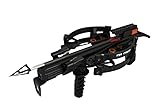
- ARS Mark9.4
ARS Mark is a ranking system developed by bestairriflescopes.com. ARS Mark has no relationship or impact from any manufacturers or sales agent websites. Learn more
- BrandW WILLIAM TELL ARCHERY
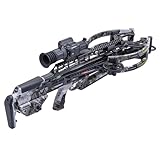
- ARS Mark8.9
ARS Mark is a ranking system developed by bestairriflescopes.com. ARS Mark has no relationship or impact from any manufacturers or sales agent websites. Learn more
- BrandTenPoint

- ARS Mark8.9
ARS Mark is a ranking system developed by bestairriflescopes.com. ARS Mark has no relationship or impact from any manufacturers or sales agent websites. Learn more
- BrandRAVIN

- ARS Mark8.4
ARS Mark is a ranking system developed by bestairriflescopes.com. ARS Mark has no relationship or impact from any manufacturers or sales agent websites. Learn more
- BrandTenPoint
Last update on 2026-10-19 / Affiliate links / Images, Product Titles, and Product Highlights from Amazon Product Advertising API
FAQs
What arrow speed is ideal for hunting whitetail deer?
Arrow speeds between 360 and 400 feet per second are ideal for hunting whitetail deer. This velocity range provides a very flat trajectory inside 40 yards while keeping shot noise low and reducing wear on strings. It also lets you use standard, affordable targets without ruining your arrows.
Does a faster crossbow eliminate the need for a rangefinder?
No, extreme speed does not eliminate the need to measure exact distances. While a fast arrow flies on a flatter path, gravity still causes significant drop past 30 yards. Misjudging distance by just five yards past 40 yards can easily cause a missed vitals hit, making an accurate rangefinder essential.
Can shooting an arrow that is too light damage my crossbow limbs?
Yes, shooting an arrow that weighs less than the manufacturer minimum creates a partial dry-fire. A light arrow cannot absorb the immense energy released by the limbs, sending violent shockwaves into the cams and limbs. Over time, this stress causes hairline cracks and eventual limb failure.
Why do arrows stick so tightly in targets when shot from fast crossbows?
High velocity generates intense friction as the carbon arrow penetrates dense foam. This friction creates high heat, which can briefly melt the target foam and fuse it directly to the carbon finish. Applying silicone arrow lubricant to the front half of the shaft before shooting makes pulling arrows much easier.


12 Best 22 Pcp Air Rifle For Hunting of 2026 With Quiet Power

7 Best 22 Pcp Air Rifle Under 300 of 2026 For Backyard Pest Control

10 Best 22 Break Barrel Air Rifles of 2026 For Backyard Pest Control

10 Best 30 Caliber Pcp Air Rifle of 2026 For Medium Game

Top Best 177 Air Rifle Under 100: Budget-Friendly Picks for 2026

How to Safely Reload Shotgun Shells at Home

11 Best Co2 Air Rifle For Pest Control of 2026 To Ensure Humane Dispatch

12 Best Inexpensive Air Rifles of 2026 For Dependable Backyard Accuracy






