
How Much Does a Gun Cost Without Surprises

How Much Does a Gun Cost sounds like a simple question at first glance, yet the answer rarely stays simple once real-world expenses start piling up. Sticker prices only tell part of the story. Ammunition, storage, maintenance supplies, optics, range fees, and legal requirements can quietly stretch a budget faster than expected. Plenty of people walk into a store expecting one number, then leave realizing the actual ownership cost lives in a completely different ballpark.
Price swings happen for all sorts of reasons. A compact handgun built for concealed carry usually lands in a different range than a long-range hunting rifle or a competition-ready platform. Materials matter too. Polymer frames often lower the entry cost, while steel construction, upgraded triggers, and premium finishes can bump prices substantially. Then there’s the brand factor. Some manufacturers charge more because of reputation, reliability history, or aftermarket support that keeps parts and accessories easy to find years later.
Budget models may look tempting at first, especially for someone trying to avoid overspending. Still, cheaper firearms sometimes come with rougher triggers, inconsistent finishes, or limited compatibility for upgrades. That doesn’t automatically make them bad purchases. It simply means buyers should balance expectations with practical use. A range-only firearm has different demands than something carried daily for personal protection or relied on during hunting season.
Hidden costs trip people up all the time. A safe alone can cost hundreds depending on size and security level. Cleaning kits, hearing protection, eye protection, and extra magazines add up surprisingly fast. Even ammunition prices fluctuate enough to reshape long-term ownership expenses. Someone practicing regularly at the range might spend more on ammo in a year than on the firearm itself, which catches many first-time buyers off guard.
Reliability usually matters more than flashy extras. Fancy coatings and aggressive styling might grab attention in a display case, but consistent cycling and comfortable handling tend to matter far more after months of ownership. Some lower-priced firearms perform remarkably well for casual use, while certain expensive models mainly justify their price through tighter tolerances or collector appeal. That tradeoff depends heavily on how often the firearm will actually be used.
Regional laws can shift overall ownership costs too. Background checks, transfer fees, permits, and mandatory training requirements vary widely depending on location. Those extra steps sometimes push the final bill far beyond the original retail tag. People researching How Much Does a Gun Cost often focus on the firearm itself while overlooking the paperwork and compliance side entirely.
Used firearms create another layer of value and risk. Some pre-owned models offer tremendous savings while remaining mechanically solid for years. Others carry hidden wear issues that inexperienced buyers may miss completely. Scratched finishes rarely matter much, but barrel condition, internal wear, and aftermarket modifications deserve a closer look before money changes hands.
Maintenance habits also influence long-term value. A properly cleaned and stored firearm can last decades without major issues. Neglected firearms, on the other hand, may develop corrosion, cycling problems, or accuracy issues that become expensive to fix. Spending slightly more upfront on dependable construction often reduces headaches later. That’s why many experienced owners focus less on the cheapest price and more on the overall ownership experience.

- ARS Mark8.4
ARS Mark is a ranking system developed by bestairriflescopes.com. ARS Mark has no relationship or impact from any manufacturers or sales agent websites. Learn more
- BrandN/A

- ARS Mark-
ARS Mark is a ranking system developed by bestairriflescopes.com. ARS Mark has no relationship or impact from any manufacturers or sales agent websites. Learn more
- BrandTrokiomi
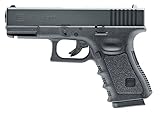
- ARS Mark-
ARS Mark is a ranking system developed by bestairriflescopes.com. ARS Mark has no relationship or impact from any manufacturers or sales agent websites. Learn more
- BrandUmarex
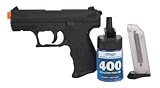
- ARS Mark-
ARS Mark is a ranking system developed by bestairriflescopes.com. ARS Mark has no relationship or impact from any manufacturers or sales agent websites. Learn more
- BrandUmarex

- ARS Mark-
ARS Mark is a ranking system developed by bestairriflescopes.com. ARS Mark has no relationship or impact from any manufacturers or sales agent websites. Learn more
- BrandNerf

- ARS Mark-
ARS Mark is a ranking system developed by bestairriflescopes.com. ARS Mark has no relationship or impact from any manufacturers or sales agent websites. Learn more
- BrandBEVTEE

- ARS Mark-
ARS Mark is a ranking system developed by bestairriflescopes.com. ARS Mark has no relationship or impact from any manufacturers or sales agent websites. Learn more
- BrandFun Costumes

- ARS Mark-
ARS Mark is a ranking system developed by bestairriflescopes.com. ARS Mark has no relationship or impact from any manufacturers or sales agent websites. Learn more
- BrandLeg Avenue

- ARS Mark-
ARS Mark is a ranking system developed by bestairriflescopes.com. ARS Mark has no relationship or impact from any manufacturers or sales agent websites. Learn more
- BrandLeg Avenue

- ARS Mark-
ARS Mark is a ranking system developed by bestairriflescopes.com. ARS Mark has no relationship or impact from any manufacturers or sales agent websites. Learn more
- BrandAmscan

- ARS Mark-
ARS Mark is a ranking system developed by bestairriflescopes.com. ARS Mark has no relationship or impact from any manufacturers or sales agent websites. Learn more
- BrandLeg Avenue
Last update on 2026-07-06 / Affiliate links / Images, Product Titles, and Product Highlights from Amazon Product Advertising API
How Much Does A Gun Cost
Sticker shock hits fast once somebody starts comparing firearm prices online or inside a local shop. One shelf shows compact handguns sitting near a few hundred dollars, while another displays precision rifles priced like used motorcycles. That gap leaves many people frustrated because how much does a gun cost rarely has a simple answer. Extra expenses creep in quickly, and most first-time buyers don't realize the firearm itself may become only one piece of the overall bill.
Why Gun Prices Swing So Much
Price differences usually start with the firearm category itself. A basic pump-action shotgun generally costs less than a competition-ready pistol with upgraded triggers and optics cuts. Hunting rifles also vary wildly depending on barrel quality, stock material, and long-range accuracy expectations. Those little mechanical upgrades may seem minor at first, but they often push prices upward faster than expected.
Materials play a huge role too. Polymer-framed pistols usually stay more affordable because manufacturing costs remain lower compared to all-steel designs. Steel models tend to feel heavier and softer during recoil, but they also cost more to machine and finish properly. Plenty of experienced owners still prefer steel despite the extra weight because the shooting feel can seem smoother during extended range sessions.
Brand reputation changes pricing almost immediately. Some companies charge more because their firearms have long track records for reliability and easier aftermarket support. That matters later when somebody wants replacement sights, holsters, magazines, or upgraded parts. Cheap off-brand firearms sometimes create headaches because accessories become difficult to source after a year or two.
Regional demand affects prices in ways people rarely expect. During uncertain political periods or ammunition shortages, firearm prices can jump quickly in certain states and cities. A handgun that sold comfortably at one price six months ago may suddenly climb much higher once inventory tightens. Buyers often underestimate how heavily supply and demand influence local pricing.
Entry-Level Guns And Realistic Expectations
Budget firearms attract plenty of attention because the lower upfront price feels safer for beginners. Spending less initially seems logical, especially for someone still figuring out long-term interest levels. Some affordable firearms perform surprisingly well for casual target shooting or home defense. Others cut corners in areas like trigger smoothness, finish durability, or sight quality.
Reliability matters more than flashy cosmetics. Fancy slide cuts and aggressive styling look appealing in store displays, but dependable cycling becomes far more valuable after hundreds of rounds at the range. A basic firearm that feeds consistently often delivers a better ownership experience than a stylish model plagued with malfunctions. That tradeoff catches many people off guard after impulse purchases.
Cheaper firearms may also come with fewer upgrade options. Limited holster compatibility or hard-to-find magazines can turn ownership into a constant scavenger hunt. Spending slightly more upfront sometimes saves frustration later because accessories remain widely available. That difference becomes especially noticeable once owners begin customizing their setup.
Maintenance expectations shift with lower-priced models too. Rougher machining and cheaper finishes may require more frequent cleaning to prevent rust or excessive wear. None of that automatically makes budget firearms bad purchases. It simply means buyers should expect practical compromises rather than miracles at the lower end of the market.
Hidden Costs Most Buyers Ignore
The firearm itself rarely represents the full ownership cost. Safe storage becomes a serious priority almost immediately, especially in homes with children or frequent visitors. A sturdy gun safe or lockbox can easily add hundreds to the final budget. Smaller lock cases cost less, but they may not provide the same theft protection or storage flexibility.
Ammunition expenses surprise people constantly. Practice sessions eat through ammo quickly, particularly with popular calibers used for range training. Someone shooting weekly may spend more annually on ammunition than on the firearm itself. That reality changes how many owners approach caliber selection from the beginning.
Cleaning gear also adds up faster than expected. Solvents, lubricants, bore brushes, cleaning rods, and microfiber cloths become recurring purchases over time. Cheap cleaning habits often lead to rust issues or excessive fouling buildup, especially in humid climates. Consistent maintenance helps preserve both reliability and resale value.
Protective equipment deserves attention too. Quality hearing protection and impact-rated eye protection aren't optional extras for responsible shooting. Range fees, transportation costs, and occasional training classes quietly stretch the budget even further. Suddenly, the original firearm price starts looking like only the opening chapter of ownership.
Handgun Costs Compared To Long Guns
Handguns typically dominate conversations because they serve multiple purposes, from concealed carry to home defense and recreational shooting. Compact pistols often cost less than premium rifles, but prices still vary substantially based on features and manufacturer reputation. Optics-ready slides, threaded barrels, and upgraded night sights can raise handgun prices quickly. Buyers chasing concealed carry setups also face additional holster and magazine expenses.
Shotguns usually offer one of the more affordable entry points into firearm ownership. Basic pump-action models remain relatively accessible while still delivering practical versatility for home defense or hunting use. Ammunition costs for shotguns fluctuate depending on shell type, especially for specialty hunting loads. Recoil also becomes a major factor for many newer shooters.
Rifles create the widest pricing spread overall. Entry-level sporting rifles may stay within moderate budgets, while precision long-range builds can become extremely expensive once optics enter the equation. Scope quality alone sometimes exceeds the cost of the rifle underneath it. That surprises people who initially focus only on the firearm itself.
Hunting setups introduce even more expenses tied to outdoor gear and optics. Explore takedown recurve bow hunting gear for another look at how outdoor equipment costs stack up once accessories enter the picture. Firearms and hunting tools often share the same budgeting problem: the base equipment rarely stays the only purchase.
Used Guns And The Risk Factor
Used firearms tempt buyers because lower pricing creates the impression of instant savings. Sometimes that works out beautifully. A well-maintained used handgun from a reputable manufacturer can perform reliably for decades with minimal issues. Older firearms occasionally even feature tighter machining than newer production runs.
Wear patterns deserve close attention before buying anything secondhand. Surface scratches usually don't matter much, but internal wear around locking lugs, feed ramps, or barrels can signal hard usage. Inexperienced buyers sometimes focus too heavily on cosmetics while missing mechanical problems hiding inside. That mistake often leads to costly repairs later.
Private sales also reduce buyer protections compared to dealer purchases. Some shops inspect used inventory carefully and offer limited warranties, while private transactions generally happen as-is. Spending slightly more through a reputable dealer may provide extra peace of mind for people unfamiliar with firearm inspection. A cheap price loses its appeal quickly once repair costs start piling up.
Customization history creates another wildcard. Aftermarket triggers, springs, or internal modifications may improve performance in skilled hands, but poor installation can introduce reliability problems. Smart buyers usually research original factory specifications before purchasing heavily modified firearms. That extra caution prevents nasty surprises once range testing begins.
Why Accessories Drain Budgets Fast
Accessories lure firearm owners into spending patterns they never anticipated. One extra magazine turns into six. A basic flashlight becomes a weapon-mounted light with rechargeable batteries and upgraded switches. Then optics enter the conversation, and suddenly the setup costs more than the firearm itself.
Optics and sights dramatically influence pricing. Some owners remain perfectly happy using factory iron sights for years. Others prefer red dots or magnified scopes for faster target acquisition and better long-range accuracy. Quality optics usually cost more because durability and clear glass matter under rough use conditions.
Mounting systems create additional expenses too. Rings, rails, torque tools, and backup sights often become necessary purchases after installing optics. Cheap mounting hardware may loosen under recoil and destroy zero consistency during shooting sessions. Spending carefully on dependable hardware usually saves money and frustration later.
Precision shooting enthusiasts often obsess over scope adjustments and sight alignment. Compare techniques through crossbow scope adjustment methods because the same principle applies across many shooting platforms. Accurate optics demand patience, proper setup, and realistic expectations instead of rushed installation shortcuts.
Training Costs And Skill Development
Buying a firearm without investing in training creates problems quickly. Poor grip habits, inconsistent trigger control, and unsafe handling practices become difficult to correct once deeply ingrained. Professional instruction helps shorten the learning curve dramatically, even for people with prior shooting experience. Those classes add cost, but they often prevent dangerous mistakes.
Range time eats into budgets steadily over months and years. Indoor ranges may charge lane fees by the hour, while outdoor clubs often require annual memberships. Frequent shooters sometimes spend hundreds annually just maintaining regular practice habits. That ongoing expense surprises many new firearm owners who focus only on purchase price.
Ammunition availability affects training consistency too. Popular calibers tend to remain easier to find, while niche calibers sometimes become scarce during supply disruptions. Smart buyers often factor ammo pricing into firearm selection before committing. A cheaper firearm paired with expensive ammunition may become harder to practice with consistently.
Dry-fire training helps reduce ammo expenses, but it still requires discipline and proper technique. Laser training systems and snap caps add another layer of optional spending for serious practice routines. Small purchases accumulate quietly over time until the total investment becomes far larger than expected.
How Location Changes Gun Ownership Costs
Geography shapes firearm expenses more than many people realize. Some states impose additional permit fees, mandatory training courses, or waiting periods before ownership becomes legal. Those extra requirements increase total costs before the firearm even leaves the store. Buyers often overlook those administrative expenses during early budgeting.
Transfer fees vary substantially between dealers and states. Online firearm purchases frequently require shipment through licensed dealers, which adds processing costs and background check expenses. A seemingly great online deal can lose its appeal once shipping and transfer fees appear. Comparing local pricing sometimes makes more sense than chasing distant discounts.
Urban areas often show higher prices because of overhead costs and stronger local demand. Smaller rural shops may offer lower pricing, though inventory selection sometimes becomes more limited. Buyers living far from ranges or firearm retailers also spend more on travel and transportation. Distance quietly becomes part of the ownership equation.
Noise restrictions and limited shooting areas create frustration for some owners. Indoor ranges may become the only practical option in dense cities, and those facilities often charge premium membership rates. Rural owners usually enjoy more flexibility, but they may still face seasonal weather challenges affecting outdoor practice opportunities.
Air Rifles And Lower-Cost Alternatives
Some people hesitate at firearm ownership costs and begin exploring alternatives instead. Modern air rifles deliver surprising accuracy for backyard target shooting, pest control, and skill development without the same ammunition expenses. High-end air rifles still cost serious money, but entry pricing often stays lower than traditional firearms. Noise levels also remain easier to manage in certain environments.
Pellet costs usually stay far below centerfire ammunition pricing. That affordability encourages more frequent practice without constant concern over ammo shortages or expensive range trips. New shooters often appreciate the lighter recoil and reduced intimidation factor as well. Those benefits make air rifles attractive stepping stones for skill building.
Performance expectations still matter. Air rifles won't fully replace centerfire firearms for every purpose, especially in defensive or large-game hunting situations. But they offer practical advantages for target practice and controlled environments where noise reduction matters heavily. Some modern models even feature impressive precision capabilities.
Upgrade your backyard practice routine with whisper g2 air rifles if quieter shooting and lower recurring costs sound appealing. Plenty of experienced shooters use air rifles regularly to sharpen fundamentals without burning through expensive ammunition supplies.
Average Gun Ownership Cost Beyond Purchase Price
Plenty of people feel prepared after budgeting for the firearm itself, then reality piles on a stack of extra expenses they never saw coming. Storage gear, optics, training, ammunition, and maintenance supplies slowly reshape the total investment over time. That broader picture changes how most experienced owners think about long-term firearm ownership. The actual purchase price often becomes only the beginning of the financial commitment.
Ammo Prices Change The Entire Budget
Ammunition costs influence ownership more than many firearms themselves. Somebody shooting casually a few times per year may barely notice the expense, while weekly range trips can drain wallets fast. Common calibers usually stay easier to locate and cheaper to replace during shortages. Less popular rounds sometimes become frustratingly expensive once supply tightens.
Practice habits matter just as much as caliber selection. A person running through several hundred rounds every weekend faces a completely different budget reality than somebody storing a firearm strictly for emergencies. Frequent training builds confidence and consistency, but it also exposes how quickly ammunition expenses stack up. Many experienced shooters eventually rethink caliber preferences based purely on long-term affordability.
Bulk purchasing sounds attractive at first, though storage conditions become important quickly. Humid garages and poorly sealed containers can damage ammunition over time. Proper ammo cans with moisture control help protect reliability, especially in areas dealing with seasonal humidity swings. Small preventive steps save money later by reducing waste and corrosion risks.
Speed-focused shooters also pay attention to projectile performance and consistency. Explore how fast are crossbow bolts for another example of how projectile speed and trajectory shape shooting expectations across different platforms. Performance numbers look exciting on paper, but practical handling and repeatable accuracy usually matter more during actual use.
Cheap Guns Versus Expensive Guns
Price alone doesn't automatically predict satisfaction. Some affordable firearms hold up surprisingly well for years with regular maintenance and realistic usage expectations. Others develop reliability headaches after moderate range time, especially if manufacturers cut corners on internal parts. Spending more upfront can reduce those risks, but expensive firearms aren't magically flawless either.
Trigger quality, machining consistency, and internal fit often separate lower-priced firearms from premium models. Budget guns may feel rougher during cycling or produce inconsistent accuracy at longer distances. Casual shooters might barely notice those differences, while experienced owners spot them immediately. Expectations play a huge role in whether somebody feels satisfied with the purchase.
Premium firearms usually justify higher prices through durability, tighter tolerances, and smoother operation under stress. Better coatings may resist sweat and moisture more effectively during daily carry. Upgraded barrels can also maintain accuracy longer after heavy use. Those improvements matter most for people shooting frequently rather than occasional range visitors.
Resale value creates another important distinction. Recognized brands with solid reputations often retain value far better than obscure imports or discontinued models. Buyers focused on long-term ownership flexibility frequently consider resale potential before purchasing. A slightly higher initial cost sometimes leads to better financial value years later.
Storage Choices Affect Safety And Spending
Gun storage becomes a serious conversation almost immediately after purchase. A simple cable lock may satisfy basic legal requirements in some areas, but many owners quickly upgrade to lockboxes or full-size safes. That decision usually depends on household layout, firearm quantity, and access speed preferences. Safe storage protects both people and the firearm investment itself.
Quick-access safes appeal strongly to home-defense owners because retrieval speed matters during emergencies. Those units cost more than standard locking containers, especially with biometric or electronic access systems. Batteries, backup keys, and electronic failures also become part of the ownership equation. Mechanical safes avoid some electronic issues but may sacrifice speed.
Humidity control often gets ignored until rust appears unexpectedly. Firearms stored in damp basements or garages can develop corrosion surprisingly fast without dehumidifiers or moisture absorbers. Preventive storage habits usually cost far less than repairing rust damage later. Proper storage conditions help preserve reliability and resale value over time.
Large collections create space management problems too. Smaller safes fill up quickly once optics, magazines, documents, and accessories accumulate. Many owners eventually realize they underestimated future storage needs during the original purchase. Buying slightly larger storage than currently necessary often prevents expensive upgrades later.
Training Builds Confidence But Costs Money
Owning a firearm without proper training leaves huge gaps in safety and consistency. Many beginners assume occasional shooting sessions provide enough experience, but poor habits tend to build quietly over time. Professional instruction helps identify grip issues, sight alignment problems, and unsafe handling patterns early. That feedback dramatically improves long-term confidence.
Defensive shooting classes usually cost more than casual beginner lessons because they involve movement drills, timed exercises, and advanced instruction. Ammunition requirements for those classes can become substantial too. Some shooters initially hesitate at the price, then later realize structured training prevented years of bad habits. Practical instruction often shortens the learning curve dramatically.
Indoor ranges provide convenience during poor weather, though lane fees and time limits may feel restrictive for extended practice sessions. Outdoor ranges offer more flexibility but often require travel and seasonal adjustments. Wind, temperature, and lighting conditions influence performance more than many beginners expect. Regular practice in different conditions builds far more adaptable skills.
Dry-fire routines help reduce ammunition costs while reinforcing trigger control and sight discipline. Snap caps, laser systems, and training targets add some expense, but they remain cheaper than constant live-fire sessions. Consistency matters far more than flashy drills or expensive gear. Simple repetition usually produces the biggest improvements over time.
Hunting Firearms And Seasonal Expenses
Hunting setups introduce another layer of spending beyond the firearm itself. Cold-weather clothing, optics, licenses, transportation, and processing fees all add pressure to the budget. A hunting rifle might appear reasonably priced until the supporting gear enters the equation. Seasonal preparation tends to expose hidden expenses quickly.
Optics quality becomes especially important during low-light hunting conditions. Cheap scopes may struggle with clarity near dawn or dusk, which creates frustration during critical moments. Better glass improves visibility and tracking, though quality optics often cost almost as much as the rifle underneath them. Hunters usually learn quickly that weak optics can ruin otherwise capable setups.
Terrain also influences firearm selection. Dense woods favor compact handling and shorter engagement distances, while open farmland encourages longer-range setups. Explore best straight wall deer rifles for examples of how regional hunting regulations shape rifle preferences and ownership costs. Local rules frequently determine caliber selection more than personal taste.
Maintenance becomes more demanding after wet or muddy hunting trips. Dirt, moisture, and plant debris can work into moving parts surprisingly fast during rough outdoor conditions. Hunters who skip cleaning routines often face rust issues or cycling problems later. Consistent maintenance protects reliability once the next season arrives.
Concealed Carry Raises Ownership Costs
Carrying a firearm daily changes spending priorities almost immediately. Holsters, belts, spare magazines, and lightweight clothing compatibility suddenly matter far more than they did during simple range ownership. Cheap holsters often shift position, wear out quickly, or create uncomfortable pressure points during long days. Many concealed carriers end up buying multiple setups before settling on one that actually feels practical.
Comfort and concealment directly influence whether somebody carries consistently or leaves the firearm at home. Larger handguns may shoot more comfortably but become harder to conceal during hot weather. Compact pistols reduce printing issues, though smaller grips and increased recoil sometimes affect shooting confidence. Every setup involves tradeoffs between comfort, concealability, and shootability.
Clothing adjustments create another overlooked expense. Sturdy belts designed for concealed carry generally outperform regular department-store belts because they support firearm weight more evenly. Loose-fitting clothing may also become necessary depending on firearm size and carry position. Those wardrobe changes gradually become part of the ownership cost.
Permit fees and renewal requirements vary heavily between states. Some areas require fingerprints, classroom instruction, live-fire qualification, and recurring renewals. Administrative costs may seem minor individually, but they accumulate steadily over years of ownership. Responsible carry demands ongoing investment rather than a single one-time purchase.
Maintenance Habits Influence Long-Term Value
Firearms built with decent materials can last decades, but neglect shortens that lifespan quickly. Dirt buildup, poor lubrication, and moisture exposure gradually wear down moving parts and internal surfaces. Basic maintenance routines don't require advanced gunsmithing skills, though they do require consistency. Owners who ignore cleaning often end up paying through repairs later.
Lubrication points differ depending on firearm design, and over-lubrication can cause problems too. Excess oil attracts dirt and carbon buildup, especially during extended range sessions. Many beginners mistakenly assume more lubricant automatically improves reliability. Careful balance usually works better than drowning every component in oil.
Replacement springs and small internal parts eventually wear out under heavy use. Competitive shooters and frequent range visitors tend to replace components more often because round counts climb rapidly. Those expenses stay manageable, but they reinforce the reality that firearms require ongoing upkeep rather than occasional attention. Preventive maintenance almost always costs less than major repairs.
Documentation and original packaging can influence resale value later. Firearms kept with manuals, factory accessories, and clean maintenance histories generally attract more buyer confidence. Organized ownership habits may seem tedious initially, yet they often pay off once somebody decides to sell or trade equipment later.
Emotional Buying Leads To Expensive Mistakes
Impulse purchases create some of the most common ownership regrets. Somebody walks into a store planning to spend modestly, then leaves carrying a heavily accessorized firearm that barely fits actual needs. Marketing hype and social media trends push many buyers toward setups that look impressive but rarely suit daily use. Practical decision-making usually saves far more money than chasing appearance.
Peer pressure shapes buying habits more than people admit. Friends recommend certain calibers, influencers praise flashy upgrades, and online forums constantly argue over "essential" accessories. Sorting through all that noise becomes exhausting quickly. Experienced owners often narrow their priorities down to reliability, comfort, and realistic purpose rather than internet hype.
Large-caliber firearms attract attention because power sounds exciting on paper. Yet heavy recoil discourages regular practice for many shooters, especially beginners. A firearm that feels intimidating or uncomfortable usually spends more time sitting unused than improving actual skill. Comfortable shooting habits matter far more than bragging rights.
Patience usually leads to smarter purchases. Renting firearms at ranges, researching long-term ownership costs, and handling different models before buying often prevents regret later. Small differences in grip shape, trigger feel, and recoil behavior become obvious after hands-on experience. Careful evaluation almost always beats rushed excitement.


12 Best 22 Pcp Air Rifle For Hunting of 2026 With Quiet Power

7 Best 22 Pcp Air Rifle Under 300 of 2026 For Backyard Pest Control

10 Best 22 Break Barrel Air Rifles of 2026 For Backyard Pest Control

10 Best 30 Caliber Pcp Air Rifle of 2026 For Medium Game

Top Best 177 Air Rifle Under 100: Budget-Friendly Picks for 2026

How to Safely Reload Shotgun Shells at Home

11 Best Co2 Air Rifle For Pest Control of 2026 To Ensure Humane Dispatch

12 Best Inexpensive Air Rifles of 2026 For Dependable Backyard Accuracy






