
How To Build A Gun Cabinet Without Wasting Space

How to build a gun cabinet sounds simple at first glance, yet plenty of people hit the same wall halfway through the project. The measurements feel off, shelves end up cramped, and suddenly that “weekend build” turns into a frustrating pile of wood scraps and second guesses. A cabinet that looks good in photos might not handle real-world storage problems, especially once scopes, cleaning kits, ammo boxes, and long firearms start competing for space. That’s where thoughtful planning changes everything.
Storage layout matters more than flashy details. A narrow cabinet may save floor space, but tight interiors quickly become annoying once gear starts piling up. Wider spacing between rifle slots, deeper shelves, and reinforced hinges make everyday use smoother and less stressful. Nobody wants to wrestle a scoped rifle out of a cramped corner while bumping into everything else inside the cabinet.
Material choice also shapes the long-term experience. Soft woods may lower upfront costs, though dents and sagging shelves can show up sooner than expected. Hardwood panels, plywood with proper thickness, and moisture-resistant finishes hold up better in garages, workshops, or rooms where humidity fluctuates throughout the year. A cabinet doesn’t need fancy trim to feel solid. It simply needs smart construction that won’t wobble after a few seasons.
Security plays a huge role too, and honestly, this part gets overlooked all the time. Basic magnetic closures or decorative locks might look clean, but sturdier locking systems provide more peace of mind without turning the cabinet into an industrial safe. Hidden hinges, reinforced door frames, and anchored wall mounting help reduce weak points that many first-time builders never consider until later.
Then there’s the visual side of things. Bulky cabinets can make a room feel cluttered fast. Cleaner lines, darker finishes, glass panel accents, or rustic wood textures can blend the cabinet naturally into an office, hunting room, or workshop without screaming for attention. A functional cabinet shouldn’t feel like a giant metal locker parked in the corner. It should fit the room comfortably while still handling daily storage needs.
How to build a gun cabinet becomes far less intimidating once the focus shifts toward practical details instead of overcomplicated designs. Smart dimensions, durable materials, realistic storage expectations, and secure hardware all work together to create something useful for years instead of months. A few careful decisions early on can save a ton of headaches later, and frankly, that’s what separates a cabinet people actually enjoy using from one that slowly becomes a regret sitting against the wall.

- ARS Mark8.3
ARS Mark is a ranking system developed by bestairriflescopes.com. ARS Mark has no relationship or impact from any manufacturers or sales agent websites. Learn more
- BrandKEDABUBU

- ARS Mark8.4
ARS Mark is a ranking system developed by bestairriflescopes.com. ARS Mark has no relationship or impact from any manufacturers or sales agent websites. Learn more
- BrandSuperday

- ARS Mark7.6
ARS Mark is a ranking system developed by bestairriflescopes.com. ARS Mark has no relationship or impact from any manufacturers or sales agent websites. Learn more
- BrandSaudism

- ARS Mark7.9
ARS Mark is a ranking system developed by bestairriflescopes.com. ARS Mark has no relationship or impact from any manufacturers or sales agent websites. Learn more
- BrandHymnxemo

- ARS Mark8.8
ARS Mark is a ranking system developed by bestairriflescopes.com. ARS Mark has no relationship or impact from any manufacturers or sales agent websites. Learn more
- BrandMarcree

- ARS Mark8.1
ARS Mark is a ranking system developed by bestairriflescopes.com. ARS Mark has no relationship or impact from any manufacturers or sales agent websites. Learn more
- BrandINTERGREAT

- ARS Mark7.9
ARS Mark is a ranking system developed by bestairriflescopes.com. ARS Mark has no relationship or impact from any manufacturers or sales agent websites. Learn more
- BrandKAER
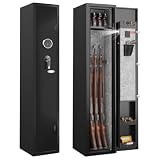
- ARS Mark9.0
ARS Mark is a ranking system developed by bestairriflescopes.com. ARS Mark has no relationship or impact from any manufacturers or sales agent websites. Learn more
- BrandKAER
![[No Assembly Required]10-12 Gun Safe for Home Rifle and Pistols,Fast Biometric Fingerprint Long Gun Safe with Adjustable Shelves, Heavy Duty Black Gun Cabinet - 57" High,Electronics Keyboard Password](https://m.media-amazon.com/images/I/51wmJ7sHsML._SL160_.jpg "[No Assembly Required]10-12 Gun Safe for Home Rifle and Pistols,Fast Biometric Fingerprint Long Gun Safe with Adjustable Shelves, Heavy Duty Black Gun Cabinet - 57\" High,Electronics Keyboard Password")
- ARS Mark8.2
ARS Mark is a ranking system developed by bestairriflescopes.com. ARS Mark has no relationship or impact from any manufacturers or sales agent websites. Learn more
- BrandLeariso

- ARS Mark9.1
ARS Mark is a ranking system developed by bestairriflescopes.com. ARS Mark has no relationship or impact from any manufacturers or sales agent websites. Learn more
- BrandMarcree
Last update on 2026-07-27 / Affiliate links / Images, Product Titles, and Product Highlights from Amazon Product Advertising API
How To Build A Gun Cabinet
Clutter sneaks up fast once rifles, ammo boxes, cleaning kits, and spare scopes start piling into random corners of a room. One week everything feels organized, then suddenly soft cases are stacked against walls and gear gets buried behind old storage bins. That frustration pushes a lot of people toward building a custom setup instead of buying oversized cabinets that barely fit the room. A well-planned how to build a gun cabinet project solves more than storage problems because it also improves accessibility, safety, and everyday convenience without wasting valuable floor space.
Planning The Cabinet Layout First
Skipping the layout stage usually creates headaches later. Plenty of first-time builders focus heavily on exterior appearance while ignoring how awkward the inside becomes once firearms are actually stored. Tight barrel spacing, shallow shelving, and poorly placed dividers turn a cabinet into a daily annoyance. A few rough sketches and accurate measurements can prevent most of those issues before the first cut even happens.
Storage depth matters more than people expect. Rifles fitted with scopes or bipods often need extra clearance, especially near the upper rack area. Cabinets built too shallow force awkward angles during storage, which increases the chance of scratches or bumped optics. Leaving additional space around accessories creates a smoother experience every single day.
Wall placement changes the entire design strategy too. A cabinet tucked into a narrow office corner needs different dimensions than one sitting along a basement wall. Taller vertical builds save floor space, though they can feel cramped if shelf placement isn't balanced properly. Wider cabinets offer better organization but may overwhelm smaller rooms visually.
Many builders regret ignoring future expansion. One or two firearms can quickly turn into several once hunting trips, target shooting, or seasonal gear changes become regular habits. Planning extra room from the beginning helps avoid rebuilding the cabinet later. Explore smarter storage inspiration through best hunting compound bow under 500 ideas that highlight efficient gear organization for tighter spaces.
Choosing Wood That Handles Real Use
Cheap boards may save money upfront, but weak materials often reveal problems within months. Shelves start bowing, screws loosen near joints, and doors lose alignment after repeated opening and closing. Cabinets carrying heavy rifles and stacked ammunition need stronger structural support than basic decorative furniture. Solid plywood or hardwood panels usually hold up far better over time.
Plywood thickness deserves close attention. Thin boards may flex under concentrated weight, especially near shelf brackets or vertical rifle rests. Many experienced builders prefer three-quarter-inch plywood because it balances durability without making the cabinet painfully heavy. That added stability becomes noticeable once the cabinet is fully loaded.
Humidity also affects long-term performance. Garages and workshops experience seasonal temperature swings that cause softer woods to expand or warp unevenly. Moisture-resistant finishes help protect surfaces from swelling, peeling, or cracking over time. A cabinet exposed to damp air without proper sealing can start showing wear surprisingly fast.
Hardwoods create a more refined appearance, though they raise both weight and cost considerably. Oak, maple, and walnut remain popular choices because they resist dents better than softer pine boards. Still, plywood paired with solid trim pieces often creates the best balance between strength, appearance, and manageable construction costs.
Creating A Safe Interior Rifle Setup
The inside layout determines whether the cabinet feels practical or frustrating after daily use. Narrow slots may look organized at first, but they quickly become awkward once scopes or sling attachments enter the picture. Wider spacing prevents constant bumping between firearms and reduces wear on finishes. Small adjustments inside the cabinet often improve usability more than decorative exterior upgrades.
Barrel rests should feel stable without gripping firearms too tightly. Foam padding or felt lining helps reduce scratches while keeping rifles upright during storage. Hard wooden grooves without protective material can slowly damage stock finishes through repeated contact. That problem tends to show up after months rather than immediately.
Lower stock supports deserve equal attention. Uneven rests cause rifles to lean awkwardly, especially taller firearms with heavier optics attached. Balanced positioning keeps everything aligned properly and reduces strain on scopes or mounted accessories. A cleaner layout also makes access faster during busy mornings before a hunting trip.
Hidden storage compartments add another layer of convenience. Cleaning kits, spare magazines, hearing protection, and documents easily create clutter inside open shelves. Smaller concealed drawers or side compartments keep important items accessible without overcrowding the primary storage area. That extra organization helps the cabinet feel calmer instead of chaotic.
Building Doors That Stay Reliable
Cabinet doors take more abuse than almost any other section of the build. Weak hinges or thin frames may feel fine initially, then slowly sag after months of repeated use. Heavy wood doors especially need reinforced support points to avoid alignment problems. A cabinet that sticks or drags every time it opens becomes irritating surprisingly fast.
Hidden hinges create cleaner lines while improving security slightly by limiting exposed hardware. Traditional exterior hinges work too, though they can loosen over time if shorter screws are used. Longer mounting screws anchored deeply into solid wood help prevent wobbling later. Small hardware decisions often separate sturdy builds from frustrating ones.
Glass panel doors look sharp in dedicated hunting rooms or display areas, but they introduce tradeoffs. Tempered glass improves durability, though fingerprints and dust become more noticeable quickly. Solid wood doors offer more privacy and slightly better protection against accidental impacts. The right choice depends heavily on how visible the cabinet will be inside the room.
Magnetic closures alone rarely provide enough long-term reliability. Cabinets carrying expensive gear deserve stronger locking systems with reinforced catches or keyed locks. Basic decorative latches may loosen gradually, especially in humid spaces where wood movement shifts alignment over time. A secure locking setup adds both peace of mind and better structural stability.
Using Space Efficiently Without Crowding
Large cabinets aren't always better. Oversized builds can dominate smaller rooms and make everything feel visually heavier than necessary. Smart vertical storage often creates a cleaner setup without sacrificing accessibility. Tight floor plans benefit heavily from taller cabinets paired with narrow shelving arrangements.
Adjustable shelving adds flexibility that many fixed designs lack. Gear changes constantly throughout the year, especially during hunting season or range trips. Shelves that reposition easily allow storage setups to evolve without major modifications later. That adaptability becomes extremely useful once accessories start accumulating.
Side-mounted hooks and interior door organizers help maximize unused areas. Ear protection, slings, gloves, and compact cleaning supplies often fit perfectly inside these overlooked sections. Small additions like this reduce clutter without increasing cabinet dimensions. A cleaner setup also makes gear easier to locate quickly.
Some builders overpack every inch of space immediately after finishing the cabinet. That usually backfires. Leaving breathing room between items creates faster access and lowers the chance of accidental scratches or impacts. Compare compact organization ideas through best youth compound bow for archery setups that focus heavily on balanced storage without overcrowding gear.
Adding Security Without Overcomplicating Things
Not every cabinet needs to resemble a commercial vault, but basic security matters. Lightweight decorative cabinets with flimsy locks create a false sense of protection that doesn't hold up well during real-world use. Reinforced door frames and solid mounting points improve security far more effectively than flashy lock hardware alone. Structural strength should always come first.
Wall anchoring remains one of the smartest upgrades available. Tall cabinets become safer and more stable once securely fastened into wall studs. That extra support reduces tipping risks while making unauthorized removal far more difficult. A cabinet packed with heavy gear carries significant weight, especially near the upper section.
Electronic locks appeal to many people because they feel modern and convenient. Still, battery dependence creates occasional frustrations that mechanical systems avoid entirely. Traditional keyed locks or combination locks may feel old-school, yet they usually remain dependable for years with minimal maintenance. Simpler hardware often ages better.
Hidden compartments create another useful layer of organization and discretion. Important paperwork, small valuables, or backup keys stay protected without cluttering visible shelves. Builders who include concealed sections during the initial design phase usually end up with cleaner, more practical cabinets overall.
Improving Lighting Inside The Cabinet
Dim interiors become annoying fast, especially during early mornings or low-light conditions. Rifles stored deep inside darker cabinets can feel difficult to access safely without proper visibility. Small LED lighting strips solve that issue without adding much heat or power consumption. Better visibility also helps maintain organization over time.
Battery-powered lighting works well for cabinets placed far from electrical outlets. Motion-sensor systems add convenience by automatically activating when doors open. That small touch makes the cabinet feel far more refined during everyday use. Nobody enjoys fumbling around blindly for gear before heading out.
Hardwired lighting setups provide cleaner long-term reliability but require additional planning during installation. Wires hidden behind wall panels or routed internally help preserve a cleaner appearance. Builders comfortable with basic electrical work often prefer this route because it eliminates battery replacement hassles later.
Bright lighting can also highlight dust and fingerprints more aggressively than expected. Matte finishes inside the cabinet help reduce glare while creating a calmer appearance overall. Explore efficient setup inspiration through best archery target for long range storage concepts that balance accessibility and organized gear presentation.
Best Ways To Build A Secure Gun Cabinet
Most cabinets look organized for the first few weeks, then reality creeps in. Cleaning supplies pile up on shelves, soft cases slide into corners, and suddenly grabbing one rifle means shifting three other things out of the way first. That constant mess frustrates people more than they expect, especially after spending serious time building the cabinet in the first place. A smarter storage system keeps the cabinet functional long after the project is finished, which is exactly why planning the smaller details matters so much.
Managing Moisture Inside The Cabinet
Humidity quietly destroys wood and metal over time. Rifles stored in damp garages or poorly ventilated rooms can develop surface rust faster than expected, especially during seasonal weather swings. Small moisture problems often start around hinges, screws, or tight corners where airflow barely reaches. A cabinet that looks solid outside may still trap damaging humidity internally.
Ventilation gaps help reduce stale air buildup without making the cabinet look unfinished. Tiny openings near the rear panel or lower section improve circulation while staying visually discreet. Builders who completely seal every edge sometimes create moisture traps instead of protection. A little airflow usually works better than an airtight box.
Silica packs and compact dehumidifier rods add another layer of protection. They don't need fancy installation or complicated maintenance either. Most setups only require occasional replacement or a simple power connection. That small investment protects wood finishes, metal components, and optics far better over the long haul.
Basement cabinets deserve extra attention because concrete walls naturally hold moisture longer. Raised cabinet feet help reduce direct contact with cooler flooring surfaces. That slight elevation improves airflow underneath and lowers the risk of long-term moisture damage creeping into lower panels.
Keeping The Cabinet Quiet And Smooth
Noisy cabinet doors become surprisingly irritating after repeated daily use. Hinges that squeak or doors that slam loudly can make the whole setup feel cheap even if the cabinet itself looks impressive. Soft-close hardware helps eliminate that sharp banging sound while also reducing stress on joints over time. Small mechanical upgrades usually improve daily use more than decorative details ever will.
Rubber bumpers inside door frames prevent wood-on-wood impact during closing. That extra cushioning reduces wear near latch points and keeps noise levels lower in smaller rooms. Cabinets placed near bedrooms or home offices especially benefit from quieter hardware setups. Nobody enjoys hearing heavy wood doors clapping shut early in the morning.
Sliding racks and pull-out trays also improve accessibility without creating unnecessary noise. Loose ammo boxes shoved onto shelves tend to scrape surfaces constantly during use. Felt-lined trays protect finishes while helping gear stay organized. Those little upgrades create a cleaner, calmer feel every time the cabinet opens.
Heavy rifles leaning directly against hard interior surfaces often create annoying knocking sounds too. Foam-lined rests reduce movement while protecting firearm finishes at the same time. Builders focused only on appearance sometimes overlook these comfort details, yet they make the cabinet feel much more refined during everyday use.
Adding Adjustable Storage For Seasonal Gear
Storage needs rarely stay identical throughout the year. Hunting season introduces extra gear, colder weather changes clothing storage, and range equipment starts piling up fast once accessories enter the mix. Fixed shelving can become frustrating once equipment changes. Adjustable layouts give the cabinet far more long-term flexibility.
Movable shelf brackets allow quick changes without tearing apart the entire interior. Taller shelves may work better during winter when bulky jackets or larger range bags need temporary space. Shorter spacing feels more efficient during lighter seasons. Flexibility matters because storage routines constantly evolve.
Pull-out bins work well for smaller accessories that usually disappear into cluttered corners. Batteries, hearing protection, spare tools, and cleaning patches stay easier to access once separated properly. Digging through random piles wastes time and usually creates more mess in the process. Cleaner organization also lowers the chance of accidentally damaging optics or firearm finishes.
Some builders dedicate one side panel entirely to accessory storage. Mounted hooks, compact mesh pouches, and magnetic strips create efficient space for gloves, slings, and compact tools. Explore maintenance habits through how often to restring crossbow routines that highlight why organized gear storage helps extend equipment lifespan.
Balancing Appearance With Practical Use
Fancy cabinet designs can look impressive online while becoming frustrating in real rooms. Oversized decorative trim, thick crown molding, or dark glossy finishes sometimes overpower smaller spaces quickly. Cleaner lines usually blend into home offices, workshops, or spare rooms much more naturally. A cabinet should support the room instead of dominating it visually.
Matte finishes hide fingerprints, scratches, and dust far better than glossy surfaces. That practical benefit becomes obvious after a few months of regular use. Dark stains create a classic appearance, though lighter wood tones can help smaller rooms feel more open. The right finish depends heavily on surrounding furniture and lighting.
Glass doors deserve careful consideration too. They showcase rifles nicely but also reveal clutter instantly if the interior stays disorganized. Frosted glass softens that issue slightly while still allowing some visual appeal. Solid wood doors remain the easier maintenance option for many households.
Built-in LED lighting changes the cabinet atmosphere dramatically at night. Warm lighting creates a calmer appearance compared to harsh bright strips that feel overly industrial. Simple details like this make the cabinet feel intentional rather than thrown together from leftover materials.
Preventing Common Beginner Mistakes
Many first-time builders rush into cutting wood before fully checking dimensions. That usually creates alignment issues later around shelves, doors, or rifle spacing. Even small measuring mistakes multiply quickly once assembly starts. Slowing down during the planning stage saves enormous frustration later.
Cheap hardware causes more long-term problems than most people expect. Weak screws strip easily, hinges loosen faster, and budget drawer slides often fail under heavier loads. Spending slightly more on durable hardware usually prevents expensive repairs later. Cabinets experience repeated stress every single day, especially near moving parts.
Overcrowding also ruins otherwise solid cabinet builds. Trying to squeeze every inch full of gear creates difficult access and increases accidental damage risks. Leaving small gaps between firearms and accessories keeps the setup cleaner and easier to manage. Organized storage almost always feels larger than tightly packed layouts.
Ignoring wall support creates another common issue. Tall cabinets carrying heavy rifles become unstable if left freestanding without proper anchoring. Secure mounting improves both safety and long-term durability. Cabinets that shift or wobble eventually stress joints and weaken hardware connections over time.
Creating Better Access For Daily Use
A beautiful cabinet loses value quickly if daily access feels awkward. Doors that swing too wide, shelves placed too high, or cramped lower compartments create unnecessary hassle during regular use. Practical access matters far more than decorative extras once the cabinet becomes part of a weekly routine.
Frequently used items should stay within comfortable reach. Hearing protection, cleaning supplies, and range accessories work best near waist or chest level instead of buried at the bottom. Constant bending or stretching becomes irritating over time. Simple positioning changes make the cabinet feel much easier to live with.
Pull-out lower drawers help prevent awkward crouching during storage access. Deep fixed shelves often waste space because items disappear into the back where they're difficult to grab quickly. Sliding systems keep everything visible while reducing clutter. That convenience becomes especially noticeable during busy mornings.
Quick-access storage sections also help separate defensive equipment from seasonal gear or rarely used accessories. Dividing the cabinet into dedicated zones improves organization without needing extra furniture nearby. Smaller changes in layout often create the biggest improvement in everyday comfort.
Making The Cabinet Last For Years
Long-term durability depends heavily on maintenance habits after the cabinet is finished. Dust buildup, neglected hinges, and ignored moisture issues slowly wear down both wood and hardware over time. Regular inspections catch small problems before they become expensive repairs. Cabinets built carefully still need occasional upkeep.
Wood conditioning helps prevent dryness and cracking, especially in climates with dramatic seasonal temperature changes. Simple furniture oils or protective waxes maintain the finish while reducing surface wear. Neglecting wood treatment for years can leave panels dull and brittle. A little maintenance goes a long way.
Hinge screws and shelf brackets should be checked periodically because repeated weight shifts naturally loosen hardware over time. Tightening loose connections early helps preserve overall structural strength. Builders storing heavier equipment or air rifles often notice these pressure points sooner. Explore compact equipment storage ideas through best air rifle for skunks setups that focus heavily on efficient cabinet spacing.
Cabinets built with realistic expectations tend to age better than overly complicated projects stuffed with decorative extras. Strong materials, thoughtful spacing, reliable hardware, and organized storage create a setup that stays useful year after year. Practical design choices almost always outperform flashy features once real-world use takes over.


12 Best 22 Pcp Air Rifle For Hunting of 2026 With Quiet Power

7 Best 22 Pcp Air Rifle Under 300 of 2026 For Backyard Pest Control

10 Best 22 Break Barrel Air Rifles of 2026 For Backyard Pest Control

10 Best 30 Caliber Pcp Air Rifle of 2026 For Medium Game

Top Best 177 Air Rifle Under 100: Budget-Friendly Picks for 2026

How to Safely Reload Shotgun Shells at Home

11 Best Co2 Air Rifle For Pest Control of 2026 To Ensure Humane Dispatch

12 Best Inexpensive Air Rifles of 2026 For Dependable Backyard Accuracy






