
How to Clean a Gun Barrel Without the Mess

How to clean a gun barrel sounds simple until stubborn carbon buildup, powder residue, and copper fouling start clinging to the inside like they own the place. A quick wipe won’t cut it, and honestly, rushing through the process usually creates more headaches later. Accuracy starts slipping. The smell gets harsher. Then little rust spots creep in where moisture sat too long. That’s the kind of stuff firearm owners notice after a rough day at the range or a hunting trip through damp weather.
Clean barrels don’t just look better sitting in a safe. They help maintain smoother cycling, tighter shot placement, and more reliable performance over time. Dirty residue hidden inside the bore can slowly wear down rifling and affect consistency shot after shot. Nobody wants to spend good money on ammunition only to wonder why groups suddenly spread wider than usual. A proper cleaning routine keeps things predictable, which matters far more than flashy accessories or gimmicky gear.
Most people run into the same annoying problems during cleaning. Solvent drips everywhere. Patches get stuck halfway through the bore. Cheap rods scratch finishes. Then there’s the endless guessing about how much brushing is actually enough. Truth is, over-cleaning can create issues too. Aggressive scrubbing with the wrong tools may damage the barrel crown or wear protective finishes faster than expected. Balance matters, and patience pays off.
Gun barrel maintenance also changes depending on how the firearm is used. A hunting rifle carried through muddy terrain needs different care than a concealed carry pistol riding inside a holster every day. Shotguns used for waterfowl hunting deal with moisture constantly, while range firearms often collect thick layers of carbon after repeated firing sessions. Environmental conditions, ammo type, and storage habits all shape how often cleaning should happen and what products work best.
Good cleaning habits don’t require a giant workbench packed with expensive supplies either. A sturdy cleaning rod, quality bore solvent, soft patches, nylon or bronze brushes, and proper lubrication handle most situations just fine. The trick lies in consistency and technique. Small details matter more than people think. Running patches in the correct direction, avoiding excessive oil inside the bore, and checking fouling under proper lighting can make a huge difference in long-term firearm condition.
Plenty of folks put off maintenance because it feels tedious after a long outing. Still, neglect catches up eventually. Carbon hardens. Moisture settles in hidden areas. Accuracy drifts little by little until frustration takes over. Keeping a clean gun barrel isn’t about perfection or showing off spotless equipment. It’s about protecting reliability, preserving performance, and making sure the firearm works exactly the way it should when it matters most.
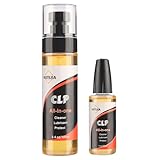
- ARS Mark9.8
ARS Mark is a ranking system developed by bestairriflescopes.com. ARS Mark has no relationship or impact from any manufacturers or sales agent websites. Learn more
- BrandNetLea

- ARS Mark9.6
ARS Mark is a ranking system developed by bestairriflescopes.com. ARS Mark has no relationship or impact from any manufacturers or sales agent websites. Learn more
- BrandHoppe's

- ARS Mark9.6
ARS Mark is a ranking system developed by bestairriflescopes.com. ARS Mark has no relationship or impact from any manufacturers or sales agent websites. Learn more
- BrandPINGMIC
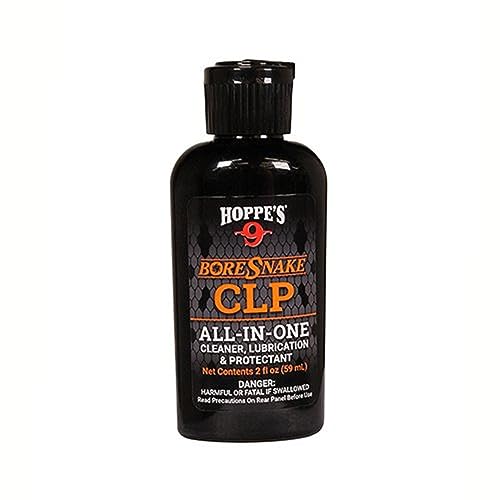
- ARS Mark9.6
ARS Mark is a ranking system developed by bestairriflescopes.com. ARS Mark has no relationship or impact from any manufacturers or sales agent websites. Learn more
- BrandHoppe's

- ARS Mark9.4
ARS Mark is a ranking system developed by bestairriflescopes.com. ARS Mark has no relationship or impact from any manufacturers or sales agent websites. Learn more
- BrandReal Avid

- ARS Mark9.2
ARS Mark is a ranking system developed by bestairriflescopes.com. ARS Mark has no relationship or impact from any manufacturers or sales agent websites. Learn more
- BrandEnvistia

- ARS Mark9.0
ARS Mark is a ranking system developed by bestairriflescopes.com. ARS Mark has no relationship or impact from any manufacturers or sales agent websites. Learn more
- BrandOuters

- ARS Mark8.8
ARS Mark is a ranking system developed by bestairriflescopes.com. ARS Mark has no relationship or impact from any manufacturers or sales agent websites. Learn more
- BrandHoppe's
Last update on 2026-07-27 / Affiliate links / Images, Product Titles, and Product Highlights from Amazon Product Advertising API
How To Clean A Gun Barrel Without The Mess
Dirty patches piling up on the table, solvent dripping onto your hands, and stubborn fouling refusing to budge can turn a simple cleaning session into pure aggravation. Plenty of firearm owners start with good intentions, then rush through the process because the cleanup feels like a chore. That shortcut usually backfires later with rough cycling, weaker accuracy, and tiny rust spots hiding inside the bore. A solid routine for how to clean a gun barrel keeps the firearm reliable, protects the rifling, and helps avoid expensive wear that slowly creeps in after repeated shooting sessions.
Carbon Buildup Changes Accuracy Faster Than Expected
Most barrels don’t suddenly lose performance overnight. Accuracy problems usually creep in little by little as carbon fouling, powder residue, and copper deposits start stacking inside the bore. Shots that once grouped tightly begin spreading wider, especially after extended range sessions. People often blame optics or ammunition first, even though the barrel itself is quietly collecting grime that affects consistency.
Heavy fouling creates uneven pressure inside the barrel during firing. That tiny disruption may not seem dramatic at first, but repeated shots amplify the issue. Semi-automatic firearms can also feel rougher during cycling once residue builds around the chamber and bore. A properly maintained barrel keeps performance more predictable instead of leaving shooters second-guessing every trigger pull.
Cleaning too aggressively causes problems too. Steel brushes, poor-quality rods, and excessive scrubbing can wear sensitive areas near the crown. That section matters more than many realize because escaping gases affect bullet stability right as the projectile exits the barrel. Gentle, consistent cleaning usually protects long-term firearm accuracy better than harsh deep-cleaning marathons once every few months.
Moisture creates another headache after shooting sessions, especially in humid environments or cold weather. Condensation inside a neglected bore quietly encourages corrosion. Small rust spots often appear first near areas where fouling trapped moisture against the steel. Keeping a clean gun barrel helps prevent damage that’s expensive and frustrating to fix later.
Start With Safe Barrel Preparation
Safety checks should happen before solvents, brushes, or patches ever touch the firearm. Remove the magazine, open the action, and visually inspect the chamber every single time. Plenty of accidental discharges happen during cleaning because someone assumed the firearm was unloaded. A careful routine prevents dangerous mistakes from turning into permanent ones.
Good lighting changes everything during prep work. Dim garages and cluttered benches make it harder to spot leftover ammunition or hidden fouling inside the bore. Bright overhead lighting or a focused bench lamp helps reveal stubborn residue that might otherwise stay hidden. Clear visibility also prevents damage from forcing rods or brushes through at awkward angles.
Disassembly matters too, but there’s no need to tear every firearm down to individual pins and springs for routine barrel maintenance. Most modern pistols, rifles, and shotguns only require field stripping before cleaning the bore. Over-disassembling increases the chance of losing small components or scratching finishes during reassembly. A simpler process usually leads to more consistent maintenance habits.
Protecting the workspace saves frustration later. Solvents stain wood surfaces quickly, and dirty patches seem to multiply out of nowhere. Lay down disposable mats or shop towels before starting. A cleaner setup keeps the process manageable and makes firearm maintenance feel far less annoying after a long day at the range.
Choosing The Right Cleaning Tools Matters
Cheap cleaning kits often create more problems than they solve. Weak rods bend inside the barrel, flimsy brushes wear out too quickly, and rough patch loops snag halfway through the bore. Investing in a sturdy cleaning rod sized correctly for the firearm helps protect the rifling and reduces unnecessary frustration. One reliable setup usually lasts far longer than bargain-bin kits that fall apart after a few sessions.
Bronze brushes remove stubborn fouling effectively, but they shouldn’t be used endlessly without reason. Excessive brushing wears components faster and creates unnecessary abrasion inside the bore. Nylon brushes work well for lighter cleaning sessions or delicate finishes. Matching the tool to the level of fouling helps preserve barrel longevity without sacrificing cleanliness.
Bore snakes divide opinions, honestly. Some shooters love the convenience for quick wipe-downs after range trips, while others prefer traditional rods and patches for deeper cleaning. Bore snakes work best for light maintenance between more detailed cleanings. Thick carbon buildup usually requires stronger solvent action and more controlled scrubbing.
Patch quality matters more than expected too. Thin patches shred easily and leave lint behind inside the bore. Durable cotton patches maintain better contact with the barrel walls and absorb fouling more effectively. A smoother cleaning process often comes down to small details that people overlook until cheap supplies start causing delays.
Solvents Break Down More Than Surface Dirt
Not all fouling behaves the same way inside a barrel. Powder residue, copper fouling, and lead buildup each respond differently to cleaning chemicals. General-purpose solvents handle basic carbon fairly well, but copper deposits often need specialized formulas designed specifically for metal fouling. Using the wrong solvent wastes time and leaves stubborn residue behind.
Strong ammonia-based cleaners remove copper effectively, though they shouldn’t sit inside the bore too long. Extended exposure may damage finishes or irritate sensitive metal surfaces over time. Following product instructions matters because over-soaking creates unnecessary risks. Moderation usually protects barrel condition better than trying to dissolve everything in one pass.
Ventilation makes a huge difference during cleaning sessions. Harsh fumes build quickly in enclosed rooms, especially with stronger bore solvents. Open windows, fans, or garage ventilation help reduce irritation and make longer cleaning sessions far more tolerable. Headaches and watery eyes tend to ruin concentration fast.
Some people over-oil the barrel afterward thinking extra lubrication adds protection. Too much oil inside the bore attracts dust, traps residue, and may even affect the first few shots during the next range session. A light protective coating works better than soaking the interior. Thin, controlled lubrication helps maintain consistent firearm performance without creating fresh buildup.
Cleaning Rod Technique Prevents Barrel Damage
Running a cleaning rod carelessly through the barrel causes scratches faster than many realize. Angled entry points and excessive force wear sensitive areas around the chamber and crown over time. Bore guides help stabilize rods and reduce unnecessary metal contact during cleaning. That extra control protects accuracy far better than rushing through the process.
Push patches and brushes through the barrel in a consistent direction whenever possible. Back-and-forth scrubbing with excessive pressure creates uneven wear patterns and increases the chance of bending softer rods. Smooth passes maintain better contact with fouling while reducing strain on the firearm itself. Controlled movement usually cleans more effectively anyway.
Stuck patches frustrate almost everybody eventually. Oversized patches combined with thick fouling can wedge tightly inside the bore. Forcing them harder rarely ends well. Smaller patches with repeated passes typically remove residue more efficiently without risking broken rods or damaged threading.
Patience matters during stubborn fouling removal. Carbon deposits hardened by repeated firing sessions may need several solvent applications before loosening properly. Letting solvent sit briefly inside the bore often works better than aggressive brushing right away. Slowing down protects rifling integrity and prevents unnecessary frustration during maintenance.
Shotgun Barrels Need Different Attention
Shotguns collect fouling differently than rifles and pistols because of plastic wad residue, powder buildup, and moisture exposure during outdoor use. Waterfowl hunting creates especially rough conditions with mud, rain, and temperature swings affecting the barrel constantly. A quick wipe rarely handles the hidden grime left behind after long hunts.
Smoothbore barrels don’t require the same copper fouling treatment as rifled barrels, but they still need consistent cleaning to prevent corrosion. Plastic fouling near the forcing cone often becomes stubborn if ignored too long. Specialized shotgun solvents help loosen residue without damaging protective finishes inside the barrel.
Extended choke tubes deserve regular inspection too. Carbon buildup around choke threading can seize components in place over time. Removing and lightly lubricating choke threads helps prevent expensive repair headaches later. Neglected choke systems become a nightmare once corrosion starts locking everything together.
Hunters carrying older shotguns through damp marshes should pay close attention to hidden moisture after trips. Water trapped near rib sections or around the muzzle slowly encourages rust development. Thorough drying and light protective oiling preserve shotgun barrel durability far better than quick exterior wipe-downs alone.
Pistol Barrels Collect Fouling In Tight Spaces
Compact pistols gather fouling quickly because of shorter barrels and tighter internal spaces. Concealed carry firearms also deal with lint, sweat, dust, and body moisture every single day. Even without heavy shooting, buildup accumulates around feed ramps and chambers surprisingly fast. A neglected carry pistol may develop reliability issues long before obvious rust appears.
Feed ramps deserve careful attention during cleaning because residue there directly affects ammunition feeding. Carbon buildup creates rough surfaces that interfere with smooth chambering. Nylon brushes and solvent-soaked patches usually clean these areas effectively without scratching polished surfaces. Gentle cleaning protects reliable cycling while keeping feeding consistent.
Many handgun owners over-lubricate slide rails and barrels after cleaning sessions. Excess oil attracts dust and burned powder residue almost immediately during firing. Thin lubrication applied only where needed typically keeps pistols running cleaner for longer periods. More oil rarely equals better reliability.
Compact carry guns stored inside waistbands or bags should receive routine inspections even during weeks without range use. Sweat exposure quietly encourages corrosion around the muzzle and chamber area. A simple wipe-down combined with periodic bore cleaning helps maintain defensive firearm reliability without requiring lengthy maintenance sessions.
Storage Habits Affect Barrel Condition
Clean firearms still develop rust if storage conditions stay damp or poorly ventilated. Soft cases trap moisture surprisingly well, especially after range sessions in humid weather. Firearms stored immediately inside padded cases often collect hidden condensation around metal surfaces overnight. Air circulation matters more than many people expect.
Gun safes benefit from dehumidifiers or moisture-absorbing packs, particularly in basements or garages. Temperature swings create condensation even in sealed spaces. Small rust spots inside a neglected barrel usually start because trapped moisture never had a chance to escape. Consistent humidity control protects long-term firearm condition far better than occasional deep cleaning alone.
Storage position also matters with heavily oiled firearms. Excess lubricant inside the bore may slowly migrate into stocks, actions, or trigger groups over time. Horizontal storage combined with moderate lubrication reduces messy buildup and helps preserve surrounding components. Tiny habits like these quietly extend firearm lifespan.
Cases lined with synthetic materials sometimes hold debris or grit that scratches finishes during transport. Cleaning the firearm before long-term storage helps prevent abrasive particles from sitting against metal surfaces. Good storage practices work hand in hand with proper gun barrel cleaning rather than replacing it.
Cold Weather Changes Barrel Maintenance
Freezing temperatures create unique cleaning challenges after outdoor shooting trips. Condensation forms quickly once cold firearms enter warm indoor environments. Moisture collects inside the bore, around optics, and near chamber components almost immediately. Ignoring that moisture allows corrosion to develop surprisingly fast.
Thicker lubricants also behave differently in cold weather. Heavy oils may stiffen inside actions or collect residue faster after firing sessions. Lightweight lubricants designed for colder climates help maintain smoother cycling without excessive buildup. Seasonal adjustments keep firearm maintenance routines more effective throughout the year.
Hunters returning from snowy terrain often overlook packed debris near the muzzle or crown area. Ice, mud, and snow residue should always be removed before storage. Leaving moisture trapped against steel surfaces overnight encourages rust in places that stay hidden during casual inspections.
Explore better outdoor gear maintenance habits through best bow sight for poor vision if changing weather conditions already complicate visibility and shooting accuracy during extended trips. Reliable equipment always starts with consistent care routines, no matter the season.
Best Way To Clean A Gun Barrel After Heavy Use
Hours at the range leave more behind than empty brass and sore shoulders. Thick carbon deposits, copper streaking, and trapped moisture quietly settle inside the bore long after the firearm goes back into storage. Plenty of shooters notice declining accuracy but don’t realize how badly neglected fouling changes barrel performance over time. A smarter routine built around the best way to clean a gun barrel after heavy use helps preserve reliability, keeps shots more consistent, and prevents grime from turning into long-term damage.
Copper Fouling Builds Faster With High Round Counts
Rifles used for repeated target shooting often collect more copper residue than expected. Every fired round leaves microscopic traces behind as bullets travel through the bore at extreme speed. After enough shots, copper layers start clinging to the rifling and affect bullet stabilization. Groups widen gradually, and shooters usually notice the issue during longer range sessions first.
Copper fouling looks different from standard carbon residue. Instead of dark soot, the inside of the barrel may show shiny streaks or slightly uneven coloring under strong light. Specialized copper solvents help loosen those deposits more effectively than basic carbon cleaners. Rushing through the process leaves stubborn buildup hidden deep inside the grooves.
Overusing harsh chemicals creates its own problems, though. Strong copper removers can dry out finishes or irritate sensitive surfaces if left sitting too long. Short treatment cycles combined with repeated patch passes usually clean the bore more safely. Patience protects barrel rifling better than dumping excessive solvent into the chamber and hoping for fast results.
Long shooting days with hotter ammunition accelerate fouling dramatically. Barrels heat up, residue hardens faster, and powder debris sticks more aggressively inside the bore. Shooters running larger calibers or rapid-fire sessions often need more frequent maintenance than casual weekend target practice.
Barrel Crown Damage Often Starts During Cleaning
The crown sits at one of the most sensitive points on the firearm. Tiny scratches or uneven wear near the muzzle affect how gases escape once the bullet exits the barrel. That disruption changes shot consistency more than many people realize. Poor cleaning habits damage crowns quietly over time.
Metal rods dragged carelessly across the muzzle create unnecessary abrasion. A proper bore guide or muzzle protector helps reduce contact and keeps cleaning tools centered during each pass. Smooth alignment matters because repeated friction slowly wears the edges surrounding the crown. Consistency during cleaning preserves shot accuracy far better than aggressive scrubbing.
Dirty patches packed with grit can also scratch surfaces if reused excessively. Fresh patches maintain cleaner contact inside the bore and reduce abrasive buildup during maintenance. Small shortcuts usually create bigger headaches later, especially with precision rifles that depend on tight tolerances.
Hunters and long-range shooters often obsess over optics while overlooking muzzle condition entirely. Explore reliable outdoor gear setups through best shotgun scopes for slugs if precision matters during rough weather, changing light, or extended shooting sessions where visibility and consistency both matter.
Moisture Hides In Places Most People Ignore
Exterior wipe-downs only handle part of the problem after wet shooting conditions. Moisture sneaks into chamber edges, under extractor components, and deep inside the bore where airflow stays limited. Firearms stored too quickly after hunting trips or rainy range sessions quietly trap condensation overnight. Rust develops faster in hidden areas than exposed surfaces.
Cold weather makes the problem worse. Bringing a freezing firearm indoors creates instant condensation as warm air hits cold steel. Tiny water droplets settle inside the barrel almost immediately. Leaving the firearm untouched after that temperature swing gives corrosion plenty of time to start working into sensitive areas.
Dry patches should always follow solvent applications before storage. Residual cleaning chemicals combined with trapped moisture create sticky buildup over time. Light lubrication afterward helps form a protective barrier without soaking the bore unnecessarily. Thin coatings usually preserve metal condition more effectively than excessive oil.
Storage cases cause trouble too. Soft padded interiors trap humidity surprisingly well after outdoor trips. Letting firearms air dry before sealing them inside cases helps prevent moisture from lingering against steel surfaces for hours at a time.
Different Ammunition Leaves Different Residue
Cheap range ammunition often burns dirtier than premium loads. Powder residue builds faster, and some lower-cost rounds leave stubborn carbon deposits around chambers and feed ramps. Shooters using bulk ammunition regularly may notice cleaning sessions taking much longer afterward. The firearm itself isn’t always the problem.
Lead projectiles create another layer of maintenance headaches. Soft lead fouling sticks aggressively inside barrels and may require specialized removers for complete cleaning. Ignoring those deposits long enough affects bore dimensions and gradually impacts shot consistency. Heavy leading becomes especially frustrating inside older revolvers and rimfire firearms.
Steel-cased ammunition changes cleaning routines too. Some coatings leave residue that hardens around chambers after repeated firing. Extraction may start feeling rough once fouling builds around those tighter spaces. Consistent chamber cleaning keeps cycling smoother and reduces reliability issues later.
People switching between ammunition types without cleaning in between often notice mixed residue layers becoming harder to remove. Carbon, copper, and lead fouling combine into stubborn buildup that requires extra solvent time. A consistent cleaning schedule helps prevent deep bore fouling from becoming overwhelming.
Brush Selection Changes Cleaning Results
Bronze brushes remain popular because they remove stubborn fouling effectively without being excessively harsh on steel barrels. Still, they wear down over time and lose stiffness after repeated use. Worn brushes stop cleaning efficiently even if they still look usable at a glance. Replacing them regularly keeps maintenance sessions more productive.
Nylon brushes handle lighter fouling well and work nicely with stronger solvents that may damage bronze bristles. Some shooters prefer nylon for routine maintenance because it feels less aggressive inside the bore. Both brush styles have their place depending on the firearm and residue level.
Oversized brushes create unnecessary friction and may stress cleaning rods during repeated passes. Matching brush size precisely to caliber prevents binding while maintaining good contact inside the bore. Proper sizing protects barrel surfaces from uneven pressure during cleaning.
Rotating brush direction too abruptly can loosen threaded connections over time. Smooth forward passes combined with careful retraction help maintain tool stability. Controlled movement usually cleans better than frantic scrubbing driven by impatience.
Semi Automatic Rifles Need Extra Attention
Semi-automatic systems spread residue throughout the firearm far more aggressively than bolt-action rifles. Gas systems, bolt carriers, and chambers collect carbon rapidly during heavy firing sessions. Fouling around these moving parts affects cycling speed and reliability surprisingly fast.
Gas tubes and piston systems often remain overlooked during basic maintenance. Excess carbon buildup inside those areas creates sluggish operation and inconsistent cycling patterns. Specialized cleaning tools help reach tight sections where residue tends to harden after repeated firing.
Bolt faces collect primer residue and tiny brass particles during normal operation. Ignoring those areas long enough may affect extraction or feeding consistency later. Detailed cleaning around locking lugs and bolt assemblies helps maintain smooth firearm function during extended use.
People storing semi-automatic rifles immediately after rapid-fire sessions sometimes trap heat and residue together inside the system. Allowing components to cool slightly before full cleaning often makes carbon removal easier. Fresh fouling usually wipes away faster than hardened deposits left sitting overnight.
Cleaning Frequency Depends On Real Usage
Some firearms need cleaning after every outing, while others tolerate longer intervals without major issues. High-volume competition shooting creates very different maintenance demands compared to occasional hunting trips. Environmental exposure matters just as much as round count in many cases.
Firearms carried regularly but fired infrequently still collect lint, sweat, and moisture. Concealed carry pistols especially benefit from periodic inspections even during weeks without range use. Small debris around the chamber or feed ramp affects reliability more than people expect.
Hunters using bows or firearms through changing seasons already know equipment wear builds gradually. Explore broader maintenance routines through how often to change crossbow string if outdoor gear reliability matters during long hunting seasons where weather and heavy use slowly wear equipment down.
Obsessive cleaning after every few rounds sometimes causes unnecessary wear too. Over-brushing, repeated solvent soaking, and constant disassembly create their own maintenance risks. Balanced cleaning schedules focused on actual usage usually protect long-term barrel performance more effectively.
Dirty Chambers Cause Feeding Problems
Chambers collect more grime than many shooters realize because residue settles heavily around areas exposed to pressure during firing. Carbon rings gradually build near chamber walls and may interfere with smooth extraction. Semi-automatic pistols often show early feeding issues once those deposits become thick enough.
Short-barreled firearms tend to run dirtier because powder burns less completely before the bullet exits. Extra residue settles around feed ramps, locking surfaces, and chamber edges after repeated firing. Compact carry pistols especially benefit from consistent chamber cleaning routines.
Stiff extraction sometimes gets blamed on faulty ammunition even though hardened chamber fouling sits at the root of the issue. Chamber brushes sized specifically for the firearm help loosen stubborn deposits more effectively than standard bore brushes alone. Detailed cleaning improves feeding reliability without requiring excessive lubrication.
Polished chambers still require careful maintenance despite smoother finishes. Carbon eventually clings to even the slickest surfaces after enough firing sessions. Consistent cleaning prevents buildup from reaching the point where malfunctions become more common during live fire.
Rushing Through Maintenance Creates More Problems
Late-night cleaning sessions after exhausting range trips often lead to sloppy habits. People skip drying patches, leave solvent sitting too long, or rush reassembly because they want the process finished quickly. Those shortcuts quietly create corrosion risks and unnecessary wear over time.
Simple routines usually work best. Clear the firearm safely, apply solvent carefully, let fouling loosen properly, and inspect the bore under strong lighting before storage. Consistency matters far more than complicated rituals packed with unnecessary products.
Experienced shooters often develop maintenance habits around the environments they shoot in most. Dry desert climates create different fouling patterns than damp forests or freezing winter ranges. Adapting cleaning routines to real conditions helps preserve firearm reliability far better than copying generic advice from random online discussions.
Barrels that stay reasonably clean, lightly protected, and inspected regularly usually maintain accuracy longer without requiring aggressive deep-cleaning sessions. Small habits repeated consistently tend to protect firearms better than occasional marathon maintenance days packed with excessive scrubbing and harsh chemicals.


12 Best 22 Pcp Air Rifle For Hunting of 2026 With Quiet Power

7 Best 22 Pcp Air Rifle Under 300 of 2026 For Backyard Pest Control

10 Best 22 Break Barrel Air Rifles of 2026 For Backyard Pest Control

10 Best 30 Caliber Pcp Air Rifle of 2026 For Medium Game

Top Best 177 Air Rifle Under 100: Budget-Friendly Picks for 2026

How to Safely Reload Shotgun Shells at Home

11 Best Co2 Air Rifle For Pest Control of 2026 To Ensure Humane Dispatch

12 Best Inexpensive Air Rifles of 2026 For Dependable Backyard Accuracy






