
How to Put a Gun Sling on a Rifle Without the Hassle

How to put a gun sling on a rifle sounds simple at first glance, yet plenty of rifle owners end up wrestling with twisted straps, loose swivels, or awkward sling positions that feel downright irritating after a short walk. One tiny mistake can turn a comfortable carry into a shoulder-pulling nuisance. Nobody wants a sling smacking against their side while hiking rough terrain or getting tangled during quick movement. A properly installed sling changes the whole experience, giving the rifle better balance and making long days outdoors feel far less tiring.
Comfort matters more than people expect. An incorrectly mounted sling often shifts weight unevenly, creating strain across the neck, shoulder, or upper back. That irritation creeps up slowly, especially during hunting trips, range practice, or extended treks through uneven ground. A well-positioned setup keeps the rifle secure while still allowing quick access, which makes movement feel smoother and less clunky. Small adjustments in sling placement can dramatically improve stability and control without needing expensive gear.
Different rifles also bring their own quirks to the table. Some models use traditional swivel studs, while others rely on QD mounts, loops, or rail attachments. That’s where confusion kicks in for many people because sling hardware doesn’t always look straightforward right out of the package. One setup may sit perfectly on a lightweight hunting rifle but feel awkward on a tactical platform. Understanding how attachment points work prevents frustrating trial-and-error situations later on.
Material choice plays a surprisingly big role too. Nylon slings resist moisture and rough weather, while leather options offer a classic feel with added comfort after they break in. Wider straps distribute weight better, especially on heavier rifles that tend to dig into the shoulder after extended carrying. Some adjustable slings allow quick tightening during movement, then loosen instantly when it’s time to shoulder the rifle. Those little conveniences may seem minor, but out in the field, they can make a world of difference.
Safety and control stay at the center of every good sling setup. A loose attachment point can create unwanted movement or even allow the rifle to slip unexpectedly. Tight hardware, proper orientation, and balanced positioning help prevent that sinking feeling when the firearm swings too freely during motion. Proper sling installation also helps reduce fatigue while improving overall handling in real-world conditions. A rifle should feel steady and predictable, not awkward or cumbersome every time it’s carried.
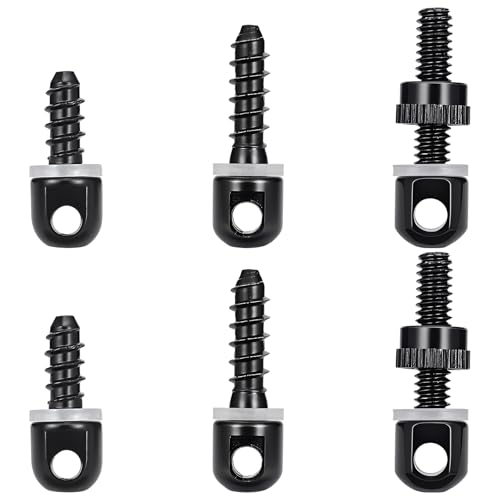
- ARS Mark9.8
ARS Mark is a ranking system developed by bestairriflescopes.com. ARS Mark has no relationship or impact from any manufacturers or sales agent websites. Learn more
- BrandNEATABY

- ARS Mark9.4
ARS Mark is a ranking system developed by bestairriflescopes.com. ARS Mark has no relationship or impact from any manufacturers or sales agent websites. Learn more
- BrandGORAL

- ARS Mark9.2
ARS Mark is a ranking system developed by bestairriflescopes.com. ARS Mark has no relationship or impact from any manufacturers or sales agent websites. Learn more
- BrandCVLIFE
- ARS Mark9.2
ARS Mark is a ranking system developed by bestairriflescopes.com. ARS Mark has no relationship or impact from any manufacturers or sales agent websites. Learn more
- BrandCVLIFE

- ARS Mark9.2
ARS Mark is a ranking system developed by bestairriflescopes.com. ARS Mark has no relationship or impact from any manufacturers or sales agent websites. Learn more
- BrandCaldwell

- ARS Mark9.0
ARS Mark is a ranking system developed by bestairriflescopes.com. ARS Mark has no relationship or impact from any manufacturers or sales agent websites. Learn more
- BrandCVLIFE
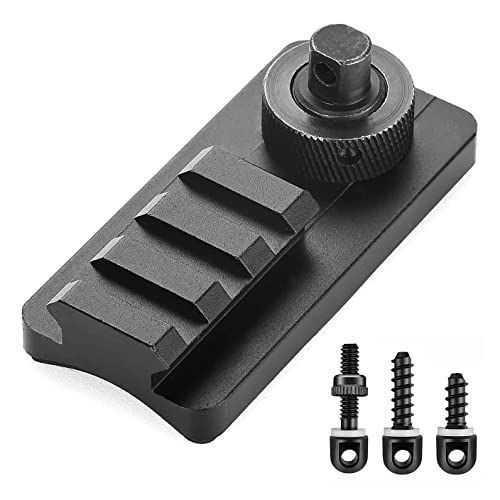
- ARS Mark8.8
ARS Mark is a ranking system developed by bestairriflescopes.com. ARS Mark has no relationship or impact from any manufacturers or sales agent websites. Learn more
- BrandHUNTPAL

- ARS Mark8.6
ARS Mark is a ranking system developed by bestairriflescopes.com. ARS Mark has no relationship or impact from any manufacturers or sales agent websites. Learn more
- BrandAC Allen

- ARS Mark8.4
ARS Mark is a ranking system developed by bestairriflescopes.com. ARS Mark has no relationship or impact from any manufacturers or sales agent websites. Learn more
- BrandGejoy

- ARS Mark8.2
ARS Mark is a ranking system developed by bestairriflescopes.com. ARS Mark has no relationship or impact from any manufacturers or sales agent websites. Learn more
- BrandUnderAlert
Last update on 2026-07-27 / Affiliate links / Images, Product Titles, and Product Highlights from Amazon Product Advertising API
How To Put A Gun Sling On A Rifle
Carrying a rifle for hours can turn into a shoulder-burning chore faster than most people expect. A loose sling twists awkwardly, metal swivels rattle at the worst moment, and suddenly the rifle feels heavier than it really is. That frustration pushes many people to search for how to put a gun sling on a rifle without ending up with tangled straps or unstable positioning. A properly mounted sling changes the entire feel of the rifle, making movement smoother, safer, and far less irritating during long walks, hunting trips, or range sessions.
Why Sling Position Matters
Most rifle owners focus heavily on optics, triggers, or stocks while ignoring the sling setup completely. Then the rifle starts sliding off the shoulder every few minutes, and irritation creeps in fast. A poor sling position throws off balance and creates unnecessary arm fatigue during longer outings. Proper sling placement helps distribute weight evenly while keeping the rifle stable during movement.
Front attachment points influence how the barrel angles while carrying the rifle. A mount placed too far back often causes the muzzle to swing unpredictably, especially while walking over rough ground. That movement becomes annoying quickly and may even create safety concerns in crowded areas. A slightly forward mounting position usually provides better control and smoother rifle handling.
Rear attachment points matter just as much. A sling mounted too close to the buttstock edge can twist awkwardly against the shoulder, especially with heavier rifles. Wider spacing between the front and rear attachment points generally improves stability during hikes or extended range sessions. Little setup changes often produce a surprisingly noticeable difference in comfort.
Quick shoulder transitions also depend heavily on sling positioning. Tight setups may restrict movement while overly loose slings allow excessive bouncing. Finding the sweet spot takes a little patience, but once adjusted properly, the rifle feels far more manageable. Balanced rifle carry reduces strain and helps movement feel more natural during active use.
Choosing The Right Sling Hardware
Not all sling hardware works the same way, and that catches plenty of people off guard. Traditional swivel studs remain common on hunting rifles, while modern tactical rifles often use QD sockets, loops, or rail-mounted systems. Mixing incompatible hardware creates wobble, poor fitment, or noisy movement during use. A reliable setup starts with compatible sling attachments that match the rifle platform correctly.
Metal swivels offer durability, but some cheaper versions develop rattling noise over time. That clicking sound becomes irritating during quiet movement through woods or brush. Heavier steel hardware also adds extra weight that may not feel noticeable indoors but certainly becomes obvious during long outdoor sessions. Lightweight aluminum or coated hardware often feels more comfortable for extended carry.
Nylon loops provide flexibility and reduced noise, though they sometimes wear faster in muddy or wet environments. Leather attachment systems look classic and feel comfortable after breaking in, but they require occasional maintenance to prevent stiffness or cracking. Climate plays a role too because constant humidity or rain can shorten leather lifespan if neglected. Weather resistance matters more than many people initially expect.
Some rifles include factory-installed attachment points that sit awkwardly for certain sling styles. In those cases, aftermarket adapters can improve comfort dramatically without major modifications. Before installing anything permanently, test the sling position while standing, kneeling, and walking. Small adjustments usually reveal whether the hardware setup actually fits the rifle’s intended use.
Installing A Traditional Two Point Sling
Two-point slings remain popular because they balance simplicity with practical control. They support the rifle evenly and work well across hunting, recreational shooting, and outdoor carry situations. Installing one usually starts with securing the front swivel first, followed by the rear attachment near the stock. Keeping the sling untwisted during installation saves a headache later.
Many people accidentally thread the strap backward during the setup process. That mistake creates uncomfortable pressure points against the shoulder and causes the sling to roll awkwardly during movement. Checking the orientation before tightening everything prevents unnecessary frustration. A properly aligned strap sits flat and distributes pressure much more evenly across the shoulder.
Sling length adjustments also deserve more attention than they usually get. A rifle hanging too low bangs against the leg constantly while walking, especially on uneven terrain. An overly tight sling limits quick shouldering and feels restrictive after extended use. The goal involves creating a setup where the rifle stays close enough for control while still allowing comfortable movement. Proper sling adjustment improves both comfort and accessibility.
Quick adjustment sliders help during active movement because they allow rapid tightening or loosening without removing the sling entirely. That flexibility proves useful during hikes, climbing, or transitions between carrying and shooting positions. Some shooters prefer padded sections for heavier rifles since they reduce shoulder pressure significantly during long days outdoors. Comfort tends to matter a lot more after the first few miles.
Common Sling Installation Mistakes
Twisted straps remain one of the most common setup problems. A sling may look fine at first glance, then suddenly bunch up awkwardly once the rifle is carried for a while. That constant twisting rubs against clothing and creates uneven pressure on the shoulder. Taking an extra minute to flatten the strap completely helps avoid that irritation.
Loose swivel hardware creates another issue that sneaks up over time. Some attachment screws gradually back out after repeated movement or recoil exposure. That looseness causes unwanted shifting and increases the chance of accidental detachment. Checking swivel tightness regularly helps maintain safe rifle carry during active use.
Cheap slings with thin materials often dig painfully into the shoulder once heavier rifles enter the picture. A lightweight .22 may feel fine with a narrow strap, but larger calibers quickly expose weak padding and poor weight distribution. Wider slings generally spread pressure better and reduce fatigue noticeably. That difference becomes obvious during extended range days or long hunting trips.
People also tend to overlook noise reduction. Loose buckles, exposed metal clips, or rattling hardware may not matter at the range, but they become frustrating during hunting situations. Wrapping noisy contact points or choosing coated hardware helps reduce unnecessary sound. Quiet movement often depends on these tiny details more than flashy accessories.
Single Point Sling Tradeoffs
Single-point slings attract attention because they allow fast shoulder transitions and easy rifle manipulation in tighter spaces. They attach near the rear of the rifle, giving the firearm more freedom of movement compared to traditional setups. That flexibility feels convenient initially, especially indoors or during quick drills. Still, single-point setups come with several compromises worth considering carefully.
Rifles attached by a single point tend to swing more aggressively while walking or bending down. That movement becomes annoying fast with heavier firearms or longer barrels. The rifle may repeatedly hit the knees or hips unless controlled constantly with one hand. Movement stability often suffers compared to a properly adjusted two-point sling.
Weight distribution also changes significantly with single-point systems. Instead of spreading pressure across the body, the rifle hangs from one central area near the neck or shoulder. That concentrated weight becomes tiring during longer outings or hikes. Some shooters tolerate it for short sessions, but extended carry usually exposes the downside pretty quickly.
Quick transitions remain the main advantage. Shooters moving frequently between shoulders may appreciate the extra flexibility, especially in confined environments. Even so, many eventually return to adjustable two-point slings because they offer better long-term comfort and control. Sling choice depends heavily on how the rifle actually gets used day to day.
Adjusting Sling Length For Comfort
A rifle sling shouldn’t feel like a wrestling match every time it’s worn. Yet many setups either hang too low or squeeze too tightly against the body. Proper adjustment creates a balance between accessibility and stability. The rifle should stay controlled without restricting natural movement.
Standing posture influences ideal sling length more than people realize. Taller shooters often need extra adjustment range, while shorter setups may work better for compact frames or lightweight rifles. Clothing layers also change how the sling fits throughout different seasons. Thick winter jackets can make previously comfortable setups suddenly feel awkward.
Testing the rifle while moving helps identify pressure points quickly. Walk around, kneel, shoulder the rifle, then repeat the process a few times. Small strap adjustments usually reveal dramatic differences in comfort. Consistent rifle positioning reduces fatigue and helps movement feel smoother during extended carry.
Padded slings often improve heavier rifle setups substantially. They spread weight across a wider surface area and reduce shoulder soreness after long periods outdoors. Some pads trap heat during hot weather, though, so material choice matters. Breathable padding usually feels more comfortable during summer conditions or humid environments.
Field Carry Techniques That Reduce Fatigue
Even a perfectly mounted sling won’t help much if the carry method feels awkward. Many people carry rifles the same way for years without realizing how much unnecessary strain they create. Shoulder carry works well for relaxed movement, but cross-body carry often improves stability on rough terrain. Different situations call for different approaches.
Cross-body setups keep the rifle closer to the torso and reduce swinging during movement. That extra stability becomes useful while climbing hills, crossing uneven ground, or moving through brush. Tightening the sling slightly also prevents the rifle from bouncing excessively. Controlled movement protects both comfort and rifle handling.
Shoulder fatigue builds gradually during longer outings. Swapping shoulders occasionally helps distribute pressure more evenly and reduces stiffness. Narrow straps tend to create hot spots faster, especially on heavier rifles with optics or loaded magazines. Wider slings usually feel more forgiving after several hours outdoors.
Weather conditions influence comfort too. Wet straps become slippery, while stiff frozen materials may rub awkwardly against clothing. Nylon generally handles moisture better than untreated leather, though leather often feels softer once broken in properly. Choosing sling materials based on actual field conditions makes a bigger difference than most people expect.
Explore more outdoor carry tips through best bow for bear hunting setups that focus on comfort and long-range movement in rugged terrain.
Best Way To Attach A Rifle Sling Securely
Loose sling mounts have a nasty habit of showing problems at the worst possible time. One minute the rifle feels stable, then suddenly the strap shifts sideways or starts squeaking with every step. Plenty of rifle owners spend money on optics and upgrades while ignoring the small details that make carrying easier day after day. A carefully adjusted setup for how to put a gun sling on a rifle creates better balance, steadier movement, and far less shoulder fatigue during long outings.
Quiet Sling Setups For Hunting Trips
Noise sneaks into hunting gear more often than people realize. A metal swivel lightly tapping against the stock may seem harmless indoors, but out in the woods that repetitive clicking becomes unbelievably irritating. Animals notice unnatural movement and strange sounds quickly, especially during calm early morning conditions. Reducing unwanted sling noise helps movement stay smoother and less distracting.
Rubber-coated swivels usually stay quieter than bare metal hardware. Some hunters even wrap certain contact points with fabric tape to soften rattling during long walks through brush. Tiny adjustments like that can make the rifle feel far less clunky during movement. Quiet gear often creates a stronger sense of confidence in the field.
Loose adjustment buckles create another common issue. As the rifle moves, cheap buckles tend to slide or tap against hard surfaces repeatedly. A sling with tighter stitching and secure hardware generally stays more stable during active movement. That extra stability matters while navigating uneven ground or crouching through dense cover.
Outdoor carry habits overlap across different hunting gear setups too. Hunters comparing bow equipment often pay close attention to speed, weight, and movement control, especially while researching good crossbow fps performance for realistic field conditions. Rifles benefit from the same mindset because stable carry and controlled movement reduce fatigue over longer distances.
Padded Slings And Long Carry Comfort
A rifle sling may feel fine during a five-minute test indoors, then become miserable halfway through a long hike. Heavy rifles with optics, loaded magazines, or bipods place constant pressure against the shoulder over time. Thin straps concentrate that weight into one narrow area, which quickly creates soreness. Wider padded slings usually spread weight more evenly and reduce pressure buildup.
Padding thickness matters, but material matters too. Some heavily padded slings trap heat and sweat during warmer weather, making them uncomfortable after extended use. Breathable materials feel noticeably better during humid conditions or summer range sessions. Comfort isn't just about softness because airflow and flexibility matter too.
Heavier hunting rifles benefit from wider shoulder sections that stay flat during movement. Narrow straps tend to roll sideways, especially while climbing hills or walking through rough terrain. That twisting creates uneven pressure and constant readjustment. A stable padded design helps maintain consistent rifle positioning throughout the day.
Padding does add a little extra bulk, though. Compact lightweight rifles sometimes feel perfectly manageable with slimmer slings that allow faster movement. Every setup involves tradeoffs between comfort, mobility, and weight distribution. Testing sling fit during actual movement reveals far more than standing still indoors ever will.
Using Quick Adjust Slings Effectively
Quick-adjust slings look simple, yet many people never use them properly. The adjustment tab allows rapid tightening or loosening while keeping the rifle attached securely. That flexibility becomes incredibly useful during movement across uneven terrain or crowded environments. A properly adjusted sling creates better rifle retention without slowing down access.
Tightening the sling while climbing hills helps prevent excessive bouncing and keeps the rifle closer to the torso. Loosening it slightly during stationary shooting allows smoother shoulder transitions and easier handling. Those small changes improve comfort noticeably over long periods outdoors. Movement feels more controlled instead of awkward or restrictive.
Some adjustment systems slide smoothly even with gloves, while others become stiff or frustrating in colder weather. Large pull tabs generally feel easier to manipulate during active movement. Cheap adjustment hardware sometimes slips gradually under heavier loads, which creates constant annoyance during longer outings. Strong stitching and reliable hardware matter more than flashy features.
Quick-adjust slings also help while transitioning between standing and seated positions. A fixed-length setup may feel perfect while standing but suddenly awkward inside a vehicle or blind. Adjustable systems allow small corrections without removing the sling entirely. That convenience saves time and reduces unnecessary fumbling.
Rifle Weight Changes Sling Performance
Lightweight carbines and heavier hunting rifles behave very differently once attached to a sling. A compact rifle may stay stable with minimal adjustment, while heavier setups create more swinging and shoulder pressure during movement. Added accessories increase those challenges even further. Optics, bipods, and larger magazines all shift the rifle’s balance point noticeably.
Long-barreled rifles especially benefit from wider attachment spacing. Closely mounted sling points often allow the barrel to swing unpredictably while walking. That constant movement becomes tiring after several miles outdoors. Better spacing improves weight distribution and reduces unnecessary shifting.
Compact rifles sometimes work better with shorter slings that hold the firearm higher against the torso. That tighter positioning reduces bouncing during movement through brush or rough terrain. Heavier rifles usually feel more comfortable with slightly looser setups that spread weight more naturally. Small changes in adjustment can completely alter how the rifle carries.
Balance also affects shoulder fatigue. Front-heavy rifles place more strain on the upper back and neck if the sling setup doesn't compensate properly. Wider shoulder pads help, but positioning remains equally important. A balanced carry setup should feel controlled instead of constantly pulling against one side of the body.
Weather Conditions And Sling Materials
Outdoor conditions expose weaknesses in sling materials surprisingly fast. Rain, mud, heat, and freezing temperatures all affect how straps feel during use. Nylon generally resists moisture well and dries faster after wet conditions. Leather feels comfortable after breaking in, though constant moisture may stiffen or crack untreated surfaces over time.
Cold weather creates another challenge. Some synthetic materials stiffen dramatically in freezing temperatures, making adjustments harder while wearing gloves. Flexible woven nylon usually handles winter movement more comfortably than rigid materials. Small details like this matter a lot once conditions turn rough.
Hot weather introduces sweat and friction issues. Thick padded slings sometimes trap heat against the shoulder, creating irritation after extended carry. Breathable designs help reduce moisture buildup and prevent uncomfortable rubbing during movement. Climate-friendly materials improve comfort far more than flashy styling ever will.
Dust and dirt gradually wear down moving hardware too. Quick-adjust sliders packed with debris may become stiff or inconsistent after repeated outdoor exposure. Regular cleaning helps preserve smooth adjustments and prevents unnecessary wear. A sling doesn’t require constant maintenance, but neglect eventually catches up with moving parts.
Range Practice And Sling Control
Range sessions reveal sling problems quickly because repeated movement exposes weak spots in the setup. A rifle that feels stable while standing still may bounce awkwardly during drills or transitions. Sling tension directly affects how controlled the rifle feels while moving between shooting positions. Stable rifle handling starts with consistent adjustment.
Some shooters prefer tighter setups for better retention during movement-heavy drills. Others keep the sling slightly looser to allow quicker shoulder transitions and easier repositioning. Both approaches have tradeoffs depending on rifle weight and shooting style. Comfort and accessibility should work together rather than fight each other.
Practice also helps identify irritating pressure points before longer outings expose them painfully. Narrow straps may dig into the shoulder after repeated shouldering drills. Adjustment buckles sometimes rub awkwardly against the chest or back depending on placement. Small discomforts become obvious surprisingly fast during extended range time.
People comparing firearm handling gear often explore related defensive equipment too. Discussions around best air pistol for self defense setups frequently highlight grip comfort, accessibility, and control during movement. Rifle slings benefit from the same practical thinking because smooth handling matters far more than appearance alone.
Checking Sling Security Before Every Trip
A sling setup that worked perfectly last month may loosen gradually without obvious warning signs. Screws back out, straps stretch slightly, and hardware experiences repeated movement every time the rifle gets carried. Spending thirty seconds checking attachment points before heading out prevents frustrating surprises later. Consistency matters with safe sling installation.
Swivel studs deserve extra attention because repeated movement slowly wears attachment surfaces over time. Loose swivels may rotate unpredictably or create irritating side-to-side shifting while walking. Tightening hardware periodically helps maintain a more stable feel during active movement. Ignoring those small checks often leads to avoidable problems.
Strap wear also develops gradually near adjustment buckles and attachment loops. Frayed stitching weakens support and increases the chance of sudden failure under heavier loads. Dirt trapped inside moving parts accelerates wear surprisingly fast during muddy or dusty conditions. Regular inspection helps extend sling lifespan considerably.
Reliable sling setups rarely depend on expensive accessories alone. Careful adjustment, strong hardware, and occasional maintenance usually matter more than flashy tactical designs. A properly fitted sling should feel secure, balanced, and predictable every time the rifle gets picked up for another long day outdoors.


12 Best 22 Pcp Air Rifle For Hunting of 2026 With Quiet Power

7 Best 22 Pcp Air Rifle Under 300 of 2026 For Backyard Pest Control

10 Best 22 Break Barrel Air Rifles of 2026 For Backyard Pest Control

10 Best 30 Caliber Pcp Air Rifle of 2026 For Medium Game

Top Best 177 Air Rifle Under 100: Budget-Friendly Picks for 2026

How to Safely Reload Shotgun Shells at Home

11 Best Co2 Air Rifle For Pest Control of 2026 To Ensure Humane Dispatch

12 Best Inexpensive Air Rifles of 2026 For Dependable Backyard Accuracy






