
How to Uncock a Crossbow Without the Stress

How to uncock a crossbow sounds simple right up until that tense moment hits at the end of a hunt or target session. The bolt’s still loaded, the draw weight feels intimidating, and suddenly one careless move could damage the bow or wreck your confidence. Plenty of people freeze up there, honestly. Nobody wants a dry-fire accident, a snapped string, or sore fingers because they rushed through the process.
Crossbows demand respect, but they don’t need to feel nerve-racking every single time. A calm, methodical approach makes unloading far less intimidating and keeps the equipment in solid condition over the long haul. Small details matter more than most expect. Safe footing, proper bolt placement, and controlled handling often separate a smooth uncocking process from a frustrating mess.
Some crossbows include built-in decocking systems, while others rely on discharge bolts or safe firing techniques. That difference catches many people off guard. One setup may feel effortless in the field, while another turns awkward fast after sunset or during bad weather. Knowing the exact unloading method for your crossbow model prevents hesitation and keeps expensive gear from taking unnecessary abuse.
Dry firing remains one of the biggest worries tied to crossbow handling, and yeah, for good reason. A crossbow stores enormous energy under tension. Releasing that energy without a bolt can crack limbs, damage cams, or weaken strings faster than expected. Safe unloading techniques reduce those risks dramatically and help maintain long-term reliability.
Field conditions can complicate everything, too. Muddy boots, cold fingers, low light, or uneven ground create distractions at the worst possible time. That’s why experienced shooters focus heavily on routine and repetition instead of rushing. Consistency builds confidence, especially after long practice sessions or exhausting hunts.
Modern crossbows also vary wildly in draw systems and safety features. Some include crank-assisted decocking mechanisms that lower physical strain significantly. Others still require manual discharge methods that need extra caution and a safe target zone. Understanding those tradeoffs helps avoid unrealistic expectations before buying or using a specific setup.
Noise concerns sneak into the conversation more often than people admit. Firing a discharge bolt late in the day can spook nearby wildlife or draw unwanted attention at smaller properties. That frustration pushes many owners toward crossbows with integrated decocking systems because they reduce both noise and stress. Convenience matters, especially after hours outdoors.
Maintenance also ties directly into proper unloading habits. Repeated unsafe handling can wear serving material, loosen components, or create alignment issues over time. A careful decocking routine protects the investment and reduces the chance of mechanical surprises later on. Nobody enjoys realizing a damaged string right before the next trip.
How to uncock a crossbow isn’t only about unloading a weapon safely. It’s also about building trust in the equipment, staying relaxed under pressure, and avoiding the costly mistakes that usually happen during rushed moments. The smoother the process feels, the more enjoyable every practice session or hunting trip becomes.
- ARS Mark9.2
ARS Mark is a ranking system developed by bestairriflescopes.com. ARS Mark has no relationship or impact from any manufacturers or sales agent websites. Learn more
- BrandSkyhorse

- ARS Mark9.2
ARS Mark is a ranking system developed by bestairriflescopes.com. ARS Mark has no relationship or impact from any manufacturers or sales agent websites. Learn more
- BrandBARNETT
- ARS Mark7.4
ARS Mark is a ranking system developed by bestairriflescopes.com. ARS Mark has no relationship or impact from any manufacturers or sales agent websites. Learn more
- BrandN/A

- ARS Mark9.2
ARS Mark is a ranking system developed by bestairriflescopes.com. ARS Mark has no relationship or impact from any manufacturers or sales agent websites. Learn more
- BrandBARNETT

- ARS Mark9.0
ARS Mark is a ranking system developed by bestairriflescopes.com. ARS Mark has no relationship or impact from any manufacturers or sales agent websites. Learn more
- BrandGMAOPHY

- ARS Mark9.0
ARS Mark is a ranking system developed by bestairriflescopes.com. ARS Mark has no relationship or impact from any manufacturers or sales agent websites. Learn more
- BrandREEGOX

- ARS Mark8.6
ARS Mark is a ranking system developed by bestairriflescopes.com. ARS Mark has no relationship or impact from any manufacturers or sales agent websites. Learn more
- BrandTipfun

- ARS Mark8.6
ARS Mark is a ranking system developed by bestairriflescopes.com. ARS Mark has no relationship or impact from any manufacturers or sales agent websites. Learn more
- BrandHYES
- ARS Mark8.2
ARS Mark is a ranking system developed by bestairriflescopes.com. ARS Mark has no relationship or impact from any manufacturers or sales agent websites. Learn more
- BrandBear X

- ARS Mark8.2
ARS Mark is a ranking system developed by bestairriflescopes.com. ARS Mark has no relationship or impact from any manufacturers or sales agent websites. Learn more
- BrandTEMI
- ARS Mark8.0
ARS Mark is a ranking system developed by bestairriflescopes.com. ARS Mark has no relationship or impact from any manufacturers or sales agent websites. Learn more
- BrandBear X

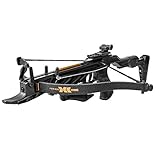
Killer Instinct BOSS 405 Camo Crossbow - 405 FPS Compact Hunting Package with Micro‑Lite
View on Amazon- ARS Mark8.0
ARS Mark is a ranking system developed by bestairriflescopes.com. ARS Mark has no relationship or impact from any manufacturers or sales agent websites. Learn more
- BrandKiller Instinct
Last update on 2026-05-27 / Affiliate links / Images, Product Titles, and Product Highlights from Amazon Product Advertising API
How To Uncock A Crossbow Safely
Nothing ruins the end of a hunt faster than standing beside a loaded crossbow with tired arms and second thoughts. A lot of people feel confident while shooting, then suddenly hesitate during unloading because one wrong move can damage expensive gear or injure a finger in a split second. That uneasy feeling usually comes from uncertainty, not lack of skill. How to uncock a crossbow becomes much easier once the process turns into a calm routine instead of a rushed guess under pressure.
Why Uncocking Feels More Stressful Than Shooting
Pulling the trigger at a target feels straightforward because the brain expects that action. Uncocking feels different because the goal shifts from firing accurately to releasing tension safely. That mental switch catches people off guard, especially after hours outside dealing with cold weather, sore shoulders, or fading daylight. Crossbow tension, finger safety, and equipment protection suddenly become the priority all at once.
Most crossbows hold a serious amount of stored energy. A modern hunting setup can generate enough force to crack limbs or damage cams if dry fired accidentally. That possibility hangs in the back of people’s minds, and honestly, it should. Respect for the equipment helps prevent careless habits from creeping in during repetitive routines.
Noise creates another layer of frustration. Firing a discharge bolt near a hunting area can spook wildlife or annoy nearby landowners. Some shooters delay unloading longer than they should because they hate the loud report after sunset. That hesitation increases risk because carrying a cocked crossbow unnecessarily can create awkward situations during transport or climbing.
Confidence usually improves after repeating the same unloading routine several times. Muscle memory matters more than brute strength here. Slow movements, stable footing, and controlled handling reduce mistakes dramatically. Consistency, safe positioning, and clear focus matter far more than speed.
Common Mistakes That Damage Crossbows
Dry firing sits at the top of the danger list for good reason. Releasing the string without a bolt forces all that stored energy back into the bow itself instead of safely propelling an arrow forward. That impact can weaken strings, crack limbs, or throw cam timing out of alignment. Repairs get expensive fast once internal stress damage starts piling up.
People also rush while exhausted, and that’s where trouble sneaks in. Hands get shaky after a long hunt, especially in freezing temperatures. Gloves can interfere with grip and trigger control if they’re too bulky. Controlled handling becomes harder once fatigue kicks in, so slowing down actually improves safety.
Another common issue involves poor unloading locations. Rocky ground, uneven footing, or cluttered areas increase the chance of dropping equipment or losing balance during discharge. Safe unloading zones should always include a stable stance and a reliable backstop. Even experienced shooters can get distracted in cramped spaces.
Some shooters skip maintenance checks after repeated discharge sessions. Strings, serving material, and rail lubrication all affect safe operation. Small wear issues become larger mechanical problems if ignored too long. Routine inspections, string condition, and rail lubrication help prevent unexpected failures during uncocking.
Using A Decocking System The Right Way
Built-in decocking systems simplify the process considerably, but they still require attention. Crank-operated mechanisms reduce physical strain and lower the chance of accidental slips during unloading. That extra control helps people stay relaxed instead of wrestling against draw weight manually. Some newer models even allow silent decocking, which hunters appreciate immediately.
The biggest mistake with crank systems usually involves rushing the handle rotation. Fast spinning creates uneven tension and increases wear on internal components over time. Smooth, steady movement protects the mechanism while keeping the bow balanced throughout the process. Patience saves money here.
Proper hand placement matters more than many realize. Fingers should stay clear of the rail and string path at all times, even during controlled decocking. One careless repositioning can lead to painful pinches or cuts. Hand safety, steady crank pressure, and slow release control keep the process predictable.
Some decocking systems feel heavier after long periods without maintenance. Dirt, moisture, and neglected lubrication can create resistance inside the crank assembly. Regular cleaning improves reliability and reduces frustrating jams. Hunters dealing with muddy or snowy conditions notice this especially quickly.
Safe Discharge Bolt Techniques
Not every crossbow includes a built-in decocking feature, so discharge bolts remain common. These bolts are designed specifically for unloading safely without risking dry fire damage. Standard hunting arrows can work in some cases, but discharge bolts often hold up better against repeated low-impact use. Their heavier build usually handles repeated unloading more reliably.
Choosing the wrong target area causes plenty of avoidable headaches. Hard surfaces like rocks or frozen ground can damage bolts instantly. Soft dirt, dense foam targets, or approved discharge bags absorb impact more safely while protecting the shaft and tip. Target selection, bolt durability, and safe impact zones matter more than people expect.
Distance also matters during discharge. Extremely close shots can create awkward rebound risks depending on terrain and bolt type. Standing too far away may reduce control in poor lighting conditions. Many shooters prefer moderate distances that allow a stable aim without unnecessary strain.
Weather conditions change the equation quickly, too. Wet grass, snow, or mud can hide obstacles beneath the surface. A safe discharge path should always stay visible from start to finish. That extra check only takes seconds, but it prevents frustrating equipment damage later.
Cold Weather Problems During Uncocking
Cold temperatures turn simple routines into clumsy ones surprisingly fast. Fingers stiffen, grip strength drops, and trigger control becomes less precise after sitting outdoors for hours. Crossbow strings may also feel slightly stiffer in freezing conditions, which changes the feel of the unloading process. Tiny differences become noticeable once hands lose flexibility.
Heavy gloves create another challenge. Thick insulation protects fingers from frostbite, but bulky material can interfere with safety switches and trigger access. Some hunters remove one glove briefly during unloading for better control, though that can feel miserable during extreme cold snaps. Dexterity, trigger awareness, and secure grip control become critical in winter conditions.
Moisture causes problems many people overlook. Snowmelt or freezing rain can collect around rails, triggers, and crank systems during long hunts. That buildup affects mechanical movement if ignored too long. Wiping down exposed components before uncocking helps prevent sluggish operation.
Cold-weather hunting also increases fatigue levels faster than expected. Tired muscles combined with heavy gear create shaky handling near the end of the day. Reliable winter gear helps reduce those distractions. To improve comfort during freezing hunts, explore cold weather archery gloves that allow better grip and trigger control without sacrificing warmth.
Field Habits That Improve Safety
Experienced shooters rely heavily on routine because routine removes hesitation. The same unloading steps repeated every time help the brain stay calm under pressure. That consistency becomes especially valuable after long tracking sessions or exhausting hikes back to camp. Familiar habits reduce panic during stressful moments.
Good footing changes everything during uncocking. Wet leaves, muddy slopes, or loose gravel can throw balance off at the worst possible moment. A stable stance helps maintain control over both the crossbow and discharge direction. Tiny environmental details suddenly matter once stored tension enters the picture.
Transport habits also affect safety more than people realize. Carrying a cocked crossbow unnecessarily increases accidental snag risks around branches, vehicle interiors, or climbing stands. Unloading promptly after shooting sessions helps reduce mechanical strain and mental stress alike. Safe transport, reduced string tension, and better equipment care all benefit from responsible habits.
Preparation before the hunt often determines how smoothly unloading goes later. Organized gear, accessible discharge bolts, and clear unloading plans eliminate confusion once daylight fades. Hunters who scramble through cluttered backpacks usually feel more rushed and distracted. For easier organization during long outings, compare archery elk hunting backpack options that keep discharge gear accessible without digging through loose equipment.
Crossbow Design Differences Matter
Not every crossbow behaves the same during uncocking. Compact reverse-draw models distribute weight differently than traditional designs, and that changes balance during handling. Some bows feel front-heavy while others place tension closer to the shooter’s body. Those differences affect unloading comfort more than marketing brochures usually admit.
Trigger systems vary quite a bit as well. Certain models use heavier trigger pulls that require extra control during discharge. Others feature lighter releases that feel smoother but demand stronger trigger discipline. Shooters switching between setups often notice these changes immediately.
Crossbow width also influences handling in tight spaces. Wider limb systems can snag branches or vehicle interiors while repositioning for safe unloading. Narrow-frame models feel easier to maneuver, especially inside blinds or tree stands. Bow balance, limb width, and trigger sensitivity shape the entire uncocking experience.
Beginners sometimes buy overly aggressive hunting setups before learning basic handling habits. That decision can make uncocking feel intimidating instead of manageable. A balanced beginner setup often builds confidence faster while reducing fatigue during practice sessions. To compare easier entry-level options, explore starter bow for archery choices that focus on smoother handling and manageable draw systems.
Safest Ways To Uncock A Crossbow After Hunting
Late evenings in the woods tend to expose every weak habit people ignore during practice. Muscles feel drained, patience gets thin, and unloading a crossbow suddenly feels more stressful than the actual shot. That’s usually the point where rushed decisions create preventable problems. Safe uncocking habits, controlled movement, and clear unloading routines help keep both equipment and fingers intact after a long day outside.
Why Rushing Creates Most Uncocking Problems
People rarely damage a crossbow because they lack strength. Trouble usually starts because they hurry while distracted or tired. A slippery glove, awkward footing, or poor lighting can turn a simple unloading step into a dangerous mistake within seconds. Slowing down often fixes more problems than expensive accessories ever will.
Tree stand hunters deal with extra pressure during descent. Nobody wants to spend additional time balancing gear after sunset while temperatures keep dropping. That frustration pushes some shooters into unsafe shortcuts. Stable positioning, secure footing, and steady trigger control matter far more than saving thirty seconds.
Transport situations create another issue people underestimate. Carrying a cocked crossbow into a truck cab or ATV rack increases snag risks around straps, doors, and gear bags. Even careful movement becomes harder in cramped spaces. Uncocking before transport reduces both mechanical tension and mental stress.
Noise anxiety also changes behavior. Some shooters hesitate to fire a discharge bolt because nearby deer may still linger in the area. Others worry about drawing attention on smaller properties. That hesitation often leads to delayed unloading, which creates more handling opportunities than necessary.
Discharge Bolts Versus Regular Hunting Bolts
Dedicated discharge bolts exist for a reason. Repeatedly firing expensive hunting bolts into rough terrain eventually damages vanes, inserts, or broadhead alignment. Discharge models usually tolerate repeated low-impact use better because they’re built with simpler expectations. That small difference saves money over time.
Regular hunting bolts can still work in certain situations, though they require extra caution. Broadheads complicate safe unloading because they increase rebound risk and create difficult retrieval conditions in low light. Fixed blades especially can disappear beneath leaves or soft dirt surprisingly fast. Safer retrieval, reduced edge damage, and better visibility make discharge bolts easier to manage repeatedly.
Target selection matters just as much as bolt type. Dense foam targets absorb impact better than frozen ground or rocky soil. Some hunters keep a compact discharge bag inside the vehicle specifically for unloading at the end of the day. That setup simplifies everything during bad weather.
Speed also changes impact behavior. Modern crossbows launch bolts with serious force, which explains why poor discharge surfaces destroy arrows quickly. To better understand velocity differences across setups, compare how fast are crossbow bolts and how that speed affects unloading safety.
Trigger Discipline During Unloading
Trigger mistakes happen faster than people expect. One careless finger placement while repositioning the bow can release the string before the shooter feels ready. That’s especially risky during awkward unloading angles inside blinds or elevated stands. Good trigger discipline stays important long after the hunt ends.
Some crossbows feature extremely light trigger pulls. Those systems feel smooth during target shooting, but they demand stronger attention during uncocking. Heavy gloves or numb fingers reduce feedback around the trigger guard, which increases accidental release risk. Finger awareness, steady grip pressure, and clear trigger separation reduce sudden mistakes.
Crossbow safeties help, but they should never replace careful handling habits. Mechanical safeties can fail, stick, or disengage unintentionally under rough field conditions. Responsible shooters treat every loaded crossbow as active regardless of the safety position. That mindset prevents dangerous complacency.
People often focus entirely on the string and forget muzzle direction. Safe unloading always requires a controlled firing path, even during decocking system use. Pointing toward unsafe areas during unloading creates unnecessary risk if anything slips unexpectedly.
How Moisture And Dirt Affect Decocking
Crossbows collect more grime than many owners realize. Mud splashes into rails, leaves wedge around cams, and moisture creeps into trigger assemblies after wet hunts. Small debris buildup changes how smoothly components move during uncocking. Mechanical resistance feels subtle at first, then suddenly becomes annoying during critical moments.
Rain creates particular problems around string serving and rail friction. Excess moisture increases drag slightly, which changes how smooth the string travels during release. That difference feels especially noticeable on older strings with visible wear. Regular wipe-downs prevent grime from hardening into stubborn buildup.
Cold mud can also interfere with crank-assisted decocking systems. Dirt packed around gears or handles increases resistance during rotation. Hunters sometimes mistake that stiffness for mechanical failure when the real issue is simple contamination. Routine cleaning, dry storage, and basic lubrication help preserve smoother operation.
Storage habits matter more than people admit. Tossing a damp crossbow into a soft case overnight traps moisture against strings and metal components. Ventilated drying before storage reduces corrosion risk and helps maintain reliable uncocking performance throughout the season.
Why Practice Sessions Should Include Uncocking
Many shooters practice firing repeatedly but rarely rehearse unloading procedures. That gap creates hesitation later because uncocking feels unfamiliar under pressure. Building unloading habits during target sessions makes real hunting situations far less stressful. Familiar routines calm nerves quickly.
Practice also exposes physical limitations people don’t notice immediately. Some shooters struggle with crank positioning, grip strength, or discharge setup organization after extended sessions. Those small frustrations become obvious once repetition enters the picture. Repetition, muscle memory, and handling confidence improve through consistent practice.
Low-light practice helps too. Plenty of unloading mistakes happen after sunset because visibility drops dramatically inside wooded areas or blinds. Controlled evening sessions help shooters identify weak habits before hunting season creates real pressure.
Target practice creates a good opportunity to test accessories realistically. Sight visibility, glove fit, and backpack organization all influence unloading convenience after repeated shooting sessions. For clearer aiming adjustments during practice and hunting setups, compare best 3 pin bow sight options that improve visibility in changing light conditions.
String Wear And Long-Term Crossbow Stress
Every uncocking cycle affects the crossbow’s moving parts in some way. Repeated tension and release gradually wear serving material, especially near rail contact points. Tiny frays often appear slowly, which makes them easy to ignore during busy hunting weeks. Regular inspection catches problems before they become expensive failures.
Dry firing accelerates damage dramatically compared to controlled discharge methods. Even one accidental dry fire can weaken limbs or create invisible stress fractures that worsen later. That risk explains why experienced shooters stay extremely cautious during unloading. Protecting the bow matters just as much as protecting fingers.
Rail lubrication often gets overlooked until the string starts feeling rough during movement. Too little lubrication increases friction, while excessive lubricant attracts dirt and debris quickly. Balanced maintenance keeps the rail smoother without turning it into a grime magnet. String longevity, rail condition, and consistent tension release all depend on simple maintenance habits.
Temperature swings also affect string condition over time. Cold weather stiffens serving material slightly, while humid environments encourage moisture buildup around fibers. Those changes may feel minor day to day, but seasonal neglect shortens string lifespan faster than many people expect.
Mental Confidence Around Crossbow Handling
People talk plenty about crossbow speed and power, but confidence rarely gets enough attention. Nervous handling creates stiff movement, poor grip control, and rushed unloading decisions. Calm shooters tend to move more deliberately because they trust the process instead of fearing it. That confidence usually develops through repetition, not bravado.
Frustration often builds after small mistakes pile up. A dropped bolt, tangled sling, or awkward unloading angle can make someone feel clumsy fast. That emotional tension sometimes pushes people toward careless shortcuts just to “get it over with.” Slowing down breaks that cycle quickly.
Experienced hunters usually follow boring routines for a reason. They unload the same way, organize gear the same way, and position equipment consistently after every outing. Predictability reduces mental clutter during tired moments. Routine, patience, and deliberate handling create safer habits over the long haul.
Crossbow confidence doesn’t come from acting fearless around loaded equipment. Real confidence comes from respecting the process enough to stay careful every single time the bow gets uncocked.


12 Best 22 Pcp Air Rifle For Hunting of 2026 With Quiet Power

7 Best 22 Pcp Air Rifle Under 300 of 2026 For Backyard Pest Control

10 Best 22 Break Barrel Air Rifles of 2026 For Backyard Pest Control

10 Best 30 Caliber Pcp Air Rifle of 2026 For Medium Game

Top Best 177 Air Rifle Under 100: Budget-Friendly Picks for 2026

How to Safely Reload Shotgun Shells at Home

11 Best Co2 Air Rifle For Pest Control of 2026 To Ensure Humane Dispatch

12 Best Inexpensive Air Rifles of 2026 For Dependable Backyard Accuracy






