
How To Use A Stun Gun Without Costly Mistakes

How to use a stun gun sounds straightforward until nerves kick in and everything suddenly feels rushed. Plenty of people buy one, toss it in a bag or glove compartment, and assume that’s enough. Then reality hits. A stressful moment can make simple actions feel clumsy, especially if the device hasn’t been handled before. That hesitation matters more than most expect, and honestly, it’s one of the biggest reasons defensive tools fail when they’re needed most.
Grip, positioning, and reaction time all play a bigger role than flashy voltage numbers splashed across product packaging. A poorly placed stun gun buried under loose items won’t help much during a fast-moving situation. Small habits matter. Keeping the safety switch accessible, understanding trigger pressure, and practicing movement patterns can make the difference between fumbling awkwardly and reacting with confidence. Situational awareness also matters because no defensive tool magically fixes poor judgment or distracted behavior.
People often underestimate how adrenaline changes coordination. Hands shake. Focus narrows. Even simple motions can suddenly feel slippery or unfamiliar. That’s why regular handling practice becomes incredibly useful, even without activating the device. Building muscle memory creates smoother reactions under pressure, and over time, those movements stop feeling forced. A stun gun should feel familiar in the hand instead of becoming another object that causes panic during stressful moments.
Storage decisions deserve more attention too. Leaving a stun gun with a dead battery tucked inside a drawer defeats the whole purpose. Recharge schedules, battery checks, and proper placement should become routine. Also, weather exposure can impact reliability, especially with cheaper models that aren’t sealed properly. Dependability matters far more than gimmicky extras that look impressive online but add little practical value.
Body language and confidence quietly influence outcomes as well. Hesitation can invite trouble, while calm awareness often discourages escalation before physical action even becomes necessary. That doesn’t mean acting aggressively. It means staying alert, creating distance, and understanding safe moments to disengage. Defensive tools work best as part of a broader mindset rather than a single answer to every problem.
Legal awareness shouldn’t get brushed aside either. Regulations differ depending on location, and ignoring them can create unnecessary complications later. Carry restrictions, transport rules, and public access limitations may apply even if ownership itself is allowed. Responsible use starts long before someone ever presses the trigger. Smart preparation, calm thinking, and realistic expectations create far better results than fear-driven impulse purchases ever will.
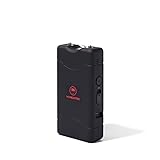
- ARS Mark9.4
ARS Mark is a ranking system developed by bestairriflescopes.com. ARS Mark has no relationship or impact from any manufacturers or sales agent websites. Learn more
- BrandVIPERTEK

- ARS Mark9.2
ARS Mark is a ranking system developed by bestairriflescopes.com. ARS Mark has no relationship or impact from any manufacturers or sales agent websites. Learn more
- BrandFURY

- ARS Mark9.0
ARS Mark is a ranking system developed by bestairriflescopes.com. ARS Mark has no relationship or impact from any manufacturers or sales agent websites. Learn more
- BrandSTREET WISE SECURITY PRODUCTS
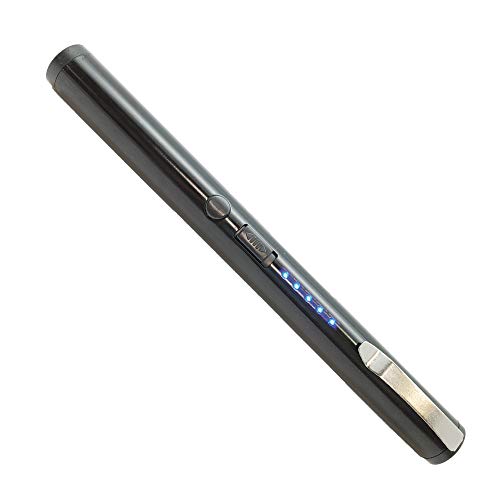
- ARS Mark9.0
ARS Mark is a ranking system developed by bestairriflescopes.com. ARS Mark has no relationship or impact from any manufacturers or sales agent websites. Learn more
- BrandSTREET WISE SECURITY PRODUCTS

- ARS Mark9.0
ARS Mark is a ranking system developed by bestairriflescopes.com. ARS Mark has no relationship or impact from any manufacturers or sales agent websites. Learn more
- BrandFURY

- ARS Mark8.2
ARS Mark is a ranking system developed by bestairriflescopes.com. ARS Mark has no relationship or impact from any manufacturers or sales agent websites. Learn more
- BrandMALTERZER
Last update on 2026-07-06 / Affiliate links / Images, Product Titles, and Product Highlights from Amazon Product Advertising API
How To Use A Stun Gun Without Costly Mistakes
Fear changes people fast. A quiet parking lot suddenly feels different, footsteps sound louder, and fumbling through a purse or jacket pocket becomes frustratingly real. That split second of panic is exactly why how to use a stun gun matters more than flashy packaging or oversized voltage claims. Plenty of people buy one hoping it’ll instantly solve every safety concern, but hesitation, poor placement, and weak preparation can ruin that confidence in a heartbeat.
Carry Placement Changes Everything
Digging through clutter during a stressful moment wastes precious time. A stun gun buried under receipts, makeup, loose chargers, or random keys becomes almost useless once adrenaline kicks in. Fast access matters far more than decorative designs or trendy colors. Keeping the device in a consistent location builds muscle memory and reduces hesitation when reactions need to happen quickly.
Jacket pockets sound convenient until winter gloves, scarves, and cold fingers complicate movement. Belt clips, purse holsters, and dedicated side compartments usually create smoother access during high-pressure moments. Also, consistency matters. Switching carry spots every few days forces the brain to search longer under stress, and that delay can feel endless when nerves spike.
Small stun guns disappear easily inside oversized bags, which creates another problem. Panic can turn organized storage into chaos within seconds. Some people even practice retrieving their device while walking through familiar areas at home, and honestly, that habit makes sense. Repetition builds confidence long before a real emergency ever appears.
Accessibility should stay balanced with safety, though. Tossing a stun gun loosely into reach around children or unsecured environments creates unnecessary risk. Smart storage habits protect both quick access and responsible ownership at the same time. To compare outdoor protection tools that demand similar handling awareness, explore how fast are crossbow bolts for additional perspective on reaction timing and control.
Grip Control During Stressful Situations
Shaky hands can ruin even simple actions. Stress tightens muscles, reduces coordination, and makes smooth movement feel awkward. A weak grip increases the chance of dropping the device or triggering it accidentally. Stable handling becomes one of the most overlooked parts of defensive preparation.
Textured grips help more than many people expect. Sweaty palms, rain, or cold temperatures can turn smooth plastic surfaces slippery fast. Rubberized edges and wider body shapes usually provide better control without requiring excessive hand strength. Tiny compact stun guns sometimes look convenient but may become harder to stabilize during panic-driven reactions.
Practice matters here, even without activating the device. Reaching, gripping, and positioning repeatedly helps the body respond more naturally during pressure-filled moments. That familiarity reduces the mental lag that often appears during unexpected confrontations. Muscle memory can quietly become the difference between calm movement and total confusion.
Grip positioning also affects confidence levels. Holding the device too loosely may cause uncertainty, while over-gripping can create tension that slows movement. Finding that balanced hold takes time, but it’s worth the effort. Defensive tools should feel controlled and familiar rather than intimidating inside your own hand.
Battery Maintenance Gets Ignored Too Often
A dead stun gun creates a nasty surprise nobody wants to experience. Plenty of devices sit forgotten inside drawers or bags for months without battery checks. Then suddenly, during an emergency, the power level is gone. Reliable charging habits matter far more than people realize at first.
Rechargeable models require regular schedules, especially if they include built-in flashlights or alarms that drain power slowly over time. Monthly charging routines help prevent unexpected failures. Some people even set calendar reminders because honestly, life gets busy and maintenance slips through the cracks pretty easily.
Extreme temperatures also affect battery performance. Leaving a stun gun inside a hot vehicle for extended periods can weaken charging efficiency. Cold weather introduces separate problems by reducing immediate power output during use. Storage conditions influence reliability more than flashy marketing claims ever will.
Cheap charging cables and damaged ports create hidden issues too. A charging light may activate while the battery still struggles to hold consistent power afterward. Regular inspections help catch those problems before they become dangerous inconveniences. Dependability should always outweigh cosmetic features or gimmicky extras.
Distance Mistakes Cause Serious Problems
Movies create unrealistic expectations about defensive tools. Many people assume stun guns operate from several feet away like fictional gadgets from action scenes. Most standard models require direct contact, and that changes everything about real-world use. Close-range awareness becomes critical once people recognize those limitations.
Closing distance against an aggressive person can feel terrifying. That reality surprises many first-time owners who expected instant long-range protection. Defensive movement, positioning, and escape routes matter just as much as the tool itself. A stun gun should support smarter decisions rather than replace them.
Crowded spaces create additional complications. Tight hallways, elevators, stairwells, and parking garages reduce movement options dramatically. Practicing how to create space before activating the device helps improve reaction speed later. Even a single step backward can create valuable time for safer positioning.
Awareness matters long before physical contact happens. Distracted walking, phone use, or wearing both earbuds reduces reaction time significantly. Calm observation and early recognition often prevent situations from escalating in the first place. Situational awareness remains one of the strongest personal safety habits anyone can develop.
Confidence Looks Different Than Aggression
Nervous body language sends signals whether people realize it or not. Constantly looking down, fumbling with belongings, or appearing distracted can make someone look vulnerable in unpredictable environments. Calm posture and purposeful movement usually project more confidence without creating confrontation. Controlled awareness changes how situations unfold.
Confidence doesn’t mean acting fearless or confrontational. Aggressive behavior can escalate tension unnecessarily and create new risks. A stun gun should never become an excuse for reckless decisions or avoidable arguments. Smart defensive behavior focuses on creating distance and exiting safely whenever possible.
Voice control matters too. Speaking clearly and firmly can interrupt escalating behavior before physical action becomes necessary. Panic shouting often creates confusion, while calm commands sound more deliberate and controlled. That emotional steadiness can influence outcomes more than many people expect.
People sometimes freeze because they fear overreacting or making the wrong choice. Mental preparation helps reduce that hesitation. Thinking through possible scenarios ahead of time allows reactions to feel less chaotic later. To explore equipment that also depends heavily on fit and physical coordination, compare options through best left handed youth bow for additional handling insight.
Practice Without Activation Still Helps
Many owners avoid practicing because the sound alone feels intimidating. Others worry about accidental discharge or battery waste. Still, inactive handling drills remain incredibly useful for building familiarity and reducing hesitation. Preparation habits shape faster reactions later.
Walking through simple routines helps more than complicated self-defense fantasies. Practice retrieving the device from normal storage positions. Practice switching the safety mechanism on and off calmly. Those tiny actions create smoother coordination during stressful moments, especially when adrenaline clouds focus.
Mirror practice can reveal awkward movement patterns people never notice otherwise. Some discover their jacket blocks access. Others realize crossbody bags slow their reaction time dramatically. Fixing those problems early creates stronger habits without requiring intense training sessions.
Noise sensitivity matters too. Certain stun guns produce loud electrical sounds that can startle inexperienced owners during first activation. Hearing that sound beforehand prevents surprise from becoming hesitation later. Familiarity creates steadier reactions, and steady reactions usually produce better decisions overall.
Legal Restrictions Aren’t The Same Everywhere
Ownership laws vary more than many people expect. Some areas allow possession but restrict public carry. Others limit transportation methods or prohibit stun guns entirely inside schools, airports, or government buildings. Legal awareness matters just as much as physical preparation.
Travel creates additional headaches. Crossing state lines or entering unfamiliar cities without checking local laws can create unexpected complications. Even storing a stun gun improperly inside a vehicle may trigger legal issues depending on location. Responsible ownership starts with knowing those details before problems appear.
Age restrictions also differ widely. Some locations require permits or limit purchases based on age brackets. Retailers don’t always explain those rules clearly either, which leaves many buyers relying on assumptions instead of facts. A quick legal check beforehand saves major frustration later.
Self-defense laws themselves can become complicated too. Using force during situations that could’ve been avoided may create serious consequences. Defensive tools should support personal safety decisions rather than encourage unnecessary confrontation. To compare preservation practices tied closely to responsible outdoor habits, explore how to preserve velvet antlers for another example of preparation-focused care.
Safe Ways To Carry And React With A Stun Gun
People rarely think clearly during frightening moments. Tunnel vision kicks in, breathing changes, and simple actions suddenly feel messy. That’s why carrying habits and reaction patterns deserve just as much attention as the device itself. Safe handling, quick accessibility, and controlled reactions often shape outcomes more than raw voltage numbers printed on product boxes.
Flashlights And Alarms Can Buy Extra Time
Some stun guns include built-in flashlights or loud alarms, and honestly, those features matter more than many people expect. Bright light can interrupt someone’s focus long enough to create distance. Loud alarms also attract attention in parking garages, apartment hallways, or quiet sidewalks where people usually avoid drawing notice. Disruption tactics often create valuable escape opportunities before physical contact even happens.
Still, relying entirely on alarms creates problems too. Crowded areas may already contain loud traffic, music, or general chaos that weakens the alarm’s effect. Cheap flashlight bulbs sometimes drain batteries faster than expected as well. A stun gun should stay primarily focused on personal defense reliability rather than becoming overloaded with flashy extras that complicate maintenance.
Practice using those extra functions calmly before carrying the device daily. Fumbling through multiple buttons during panic wastes precious seconds. Muscle memory matters here just like it does with the safety switch and grip positioning. Smooth movement under stress almost always beats rushed reactions driven by fear.
Compact models with oversized buttons usually perform better during nighttime situations because fine motor skills tend to disappear under pressure. Tiny controls may look sleek online, but real-world handling tells a different story. For people comparing gear that also depends heavily on sight alignment and control, explore best intermediate recurve bow sight to see how equipment design changes reaction consistency.
Clothing Choices Affect Defensive Access
Heavy winter coats, tight jeans, and oversized handbags create frustrating obstacles during emergencies. Carry methods that feel convenient at home may suddenly become awkward outside in crowded spaces or cold weather. Accessibility should stay realistic instead of theoretical. Simple wardrobe adjustments sometimes improve defensive readiness more than upgrading the device itself.
Crossbody bags create one common issue. The strap can twist or shift while moving quickly, especially during stressful moments. Digging through layered compartments under adrenaline rarely goes smoothly either. Dedicated side pockets or structured compartments usually create faster access with fewer surprises.
Workout clothing introduces separate challenges because lightweight fabrics often lack secure storage options. Some people rely on jacket pockets while exercising outdoors, but bouncing movement can shift the stun gun into uncomfortable positions. That constant repositioning may cause hesitation later because the device never feels consistently placed. Consistent carry habits reduce confusion under stress.
Footwear matters more than people realize too. Slippery shoes, unstable heels, or worn-out soles affect movement during fast reactions. Defensive tools should support escape opportunities rather than encouraging unnecessary confrontation. Distance and mobility often solve problems faster than standing still and panicking.
Emotional Reactions Can Override Training
People love imagining calm reactions during stressful moments, but reality feels far messier. Fear causes shaky hands, scattered focus, and delayed decisions even in people who normally stay composed. That emotional overload explains why simple repetition drills help so much over time. Prepared routines reduce hesitation when adrenaline floods the body.
Some people freeze completely because they fear making the wrong move. Others react too aggressively and escalate situations unnecessarily. Balanced preparation matters because defensive tools work best alongside clear thinking and controlled behavior. Panic rarely improves decision-making no matter how confident someone feels beforehand.
Breathing patterns influence reactions more than most expect. Quick shallow breathing tightens muscles and narrows focus dramatically. Slowing down breathing for even a few seconds can improve grip control and awareness during tense situations. That tiny adjustment helps people regain mental clarity faster.
Mental rehearsal can also help reduce shock during unexpected encounters. Visualizing how to retrieve the stun gun, create space, and move toward safety builds familiarity before stress arrives. Nobody reacts perfectly every time, but preparation creates steadier responses. Confidence built through repetition usually feels far more reliable than blind optimism.
Public Spaces Create Different Risks
Parking lots, elevators, public transit stations, and narrow sidewalks all create different defensive challenges. Open spaces may provide room to escape, while cramped areas limit movement dramatically. That’s why environment awareness matters before trouble ever begins. Positioning, distance control, and exit awareness often become the first line of defense.
Distraction creates huge problems in crowded environments. Looking down at phones while walking reduces reaction time significantly and makes suspicious behavior easier to miss. Earbuds can create similar issues by limiting environmental awareness. Small distractions stack up quickly during fast-moving situations.
Lighting conditions matter too. Dim stairwells and poorly lit parking structures increase uncertainty because body language and movement become harder to read clearly. Built-in flashlights can help temporarily, but awareness should start before entering those environments. Confident scanning and purposeful movement often discourage unwanted attention early.
Public confrontations also involve legal and social complications. Witnesses rarely see entire situations clearly, especially during chaotic moments. Staying focused on escape rather than prolonged confrontation helps reduce unnecessary risk afterward. Defensive tools should support safer exits instead of turning stressful moments into extended conflicts.
Poor Maintenance Shortens Device Reliability
Dropped stun guns, cracked housings, and loose charging ports create hidden reliability issues. Plenty of devices look fine externally while internal damage quietly weakens performance over time. Regular inspections help catch problems before emergencies expose them. Routine maintenance protects both safety and reliability.
Dust buildup around switches and charging ports becomes surprisingly common for devices stored inside purses or vehicle compartments. Small particles can interfere with charging connections or button responsiveness. A quick cleaning routine every few weeks keeps basic functions operating more consistently without much effort.
Cheap holsters sometimes create extra wear by rubbing against switches or exposing the device to moisture. Humid climates can also impact long-term durability, especially for low-cost models with weak seals. Storage conditions matter far more than many people initially assume. Reliable storage habits extend usability over time.
Battery aging creates another overlooked issue. Rechargeable units eventually lose charging capacity after repeated cycles. That gradual decline can go unnoticed until power output suddenly weakens during use. Replacing aging devices before reliability drops too far often makes more sense than squeezing out extra months from worn batteries.
Realistic Expectations Prevent Dangerous Assumptions
A stun gun isn’t magic. It won’t automatically stop every threat instantly, and it certainly doesn’t replace awareness or smart judgment. Hollywood scenes create unrealistic expectations that can leave people dangerously overconfident. Practical thinking matters far more than fantasy scenarios.
Body size, clothing thickness, movement, and positioning all influence effectiveness during real encounters. Heavy jackets or unstable contact may reduce immediate impact. That reality surprises people who assumed the device would function perfectly under every condition. Defensive tools always involve limitations and tradeoffs.
Escape should remain the priority whenever possible. Staying engaged in a dangerous confrontation longer than necessary increases physical and legal risk quickly. A stun gun works best as a tool that creates opportunities to leave safely rather than encouraging prolonged conflict. Calm decisions often matter more than physical force.
Confidence grows through realistic preparation instead of exaggerated expectations. Practicing retrieval, checking batteries, and maintaining awareness create far stronger habits than relying on fear-driven assumptions. For people interested in precision-focused outdoor equipment that also depends heavily on control and consistency, compare setups through best broadhead for 40 lb bow for another perspective on preparation and performance.


12 Best 22 Pcp Air Rifle For Hunting of 2026 With Quiet Power

7 Best 22 Pcp Air Rifle Under 300 of 2026 For Backyard Pest Control

10 Best 22 Break Barrel Air Rifles of 2026 For Backyard Pest Control

10 Best 30 Caliber Pcp Air Rifle of 2026 For Medium Game

Top Best 177 Air Rifle Under 100: Budget-Friendly Picks for 2026

How to Safely Reload Shotgun Shells at Home

11 Best Co2 Air Rifle For Pest Control of 2026 To Ensure Humane Dispatch

12 Best Inexpensive Air Rifles of 2026 For Dependable Backyard Accuracy






