
What Is the Most Compact Ravin Crossbow for Tight Spaces?

Measure the narrowest opening of your hunting blind before picking a bow. That physical space dictates your choice, pointing straight to the R18 as the most compact build available at under five inches wide when drawn and ready to shoot. Hunters who prefer a traditional horizontal layout will find the R29X is the tightest standard alternative.
The ideal setup depends on how your hunting spot is laid out. Blind windows and shooting rails often pinch wide limbs, making side-to-side width your biggest concern. In small tree stands, overall length matters just as much so you do not bump tree bark or rails when raising the bow. Here is how both designs handle in close quarters and which build fits your setup best.
Which Ravin Crossbow Has the Smallest Frame?
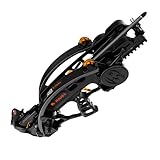
When you sit inside a small ground blind or tuck into a cedar tree stand, physical space determines whether you get a clean shot or bump your gear against a wall. The RAVIN R18 Verticoil Cam Crossbow Package is the smallest Ravin model available, measuring under five inches wide. It reaches that ultra-slim profile by turning the traditional bow layout on its head, using vertical limbs that flex up and down rather than stretching across the front.
If you prefer a traditional horizontal layout where the limbs sit flat, the RAVIN R29X Silent Cocking Tactical Crossbow and the RAVIN R29X XK7 Camouflage Crossbow serve as the most compact standard options. These models maintain a very slim profile while keeping the familiar flat shooting stance that many hunters have practiced with for years. Another option built on the classic horizontal frame is the RAVIN R8 XK7 Camouflage Crossbow, which offers a dependable hunting platform with a slightly different overall footprint.
The real difference between these builds comes down to how you move inside your hunting spot. In a standard pop-up fabric blind, horizontal space is always at a premium. When an animal walks past your left window and you swing the bow to track it, horizontal limbs can scrape against the fabric wall. That rubbing sound is unnatural and sharp, often sending an alert deer bounding away before you even settle your sight pins. With the R18, the narrow width between pulley wheels eliminates almost all side-to-side overhang, making room for silent movement in cramped corners.
How Do Vertical Limbs Compare to Horizontal Bows?
Understanding the mechanical difference between vertical and horizontal platforms helps you decide which shape fits your hunting habits. The R18 uses Verticoil cams, which are round pulley wheels that wrap the cables around the limbs in a tight vertical circle. Instead of having limbs that flare out sideways like wings, the limbs curl above and below the stock. This layout shrinks the side-to-side footprint dramatically, so the entire front end is barely wider than the stock itself.
Horizontal bows like the R29X line use traditional limbs that bend outward from the main rail. The cams on these models sit flat and rotate horizontally when the bowstring is pulled back. While Ravin designs these horizontal limbs to stay exceptionally narrow compared to standard compound crossbows, they still extend several inches wider than a vertical setup.
This design difference changes where you need clearance. With a horizontal bow, your primary danger zone is side-to-side. You have to watch for vertical window supports, hanging blind fabric, and tree branches on either side of your shooting rest. If a horizontal limb strikes a hard object during the shot, the sudden interference can knock your arrow off course and risk limb splintering.
With a vertical limb system, the danger zone flips ninety degrees. You gain nearly unlimited lateral freedom, meaning you can pivot inside tight blind windows without worrying about your limb tips striking the side frames. However, you must pay closer attention to your vertical clearance. You need enough open height above your shooting rail or window sill so the top and bottom limbs have free travel.
Another mechanical factor is how the bow travels. The R18 features a takedown build, meaning it breaks down into pieces for easy packing. You can detach the front limb assembly and the stock, sliding the parts into a backpack. Horizontal models remain one solid, rigid unit that you carry on a sling or in a full-length case.
How Much Blind Clearance Do You Actually Need?
Setting up a compact crossbow in a confined space requires more than just eyeballing the window opening. You need a reliable buffer around the moving parts of the bow. When the bow is cocked, meaning the bowstring is drawn back and ready to shoot, the limbs are pulled inward under heavy tension. When you squeeze the trigger, those limbs instantly snap outward to their relaxed resting width. If that resting width touches anything solid, your shot will suffer.
Use this checklist before opening day to verify that your hunting blind offers adequate space for your setup:
- Verify resting limb clearance: Measure the width of your window openings against the uncocked width of your bow, not just the cocked width. You need at least two inches of open air on each side beyond the relaxed limb tips so nothing strikes the blind fabric during release.
- Check your tracking arc: Sit in your hunting chair, raise your bow to your shoulder, and swing your aim from the far left of the window to the far right. Make sure your hands, elbows, and bow frame do not bump the rear blind wall, chair legs, or side fabric at any point in that movement.
- Inspect the shooting rail gap: If you are hunting from a ladder stand, place your bow on the padded shooting rail. Confirm that the lower limb and bottom pulley wheel sit high enough to avoid striking the metal frame when the trigger breaks.
- Confirm vertical scope clearance: Look through your optic and ensure the top limb or scope housing does not press against the roof slope of your blind. When shooting down at steep downhill angles, the back of the bow rises, which can bring the top frame dangerously close to low blind ceilings.
- Practice your cocking stroke: Ensure you have sufficient elbow room behind your seat to crank the bowstring smoothly without banging your knuckles on tent poles or tree bark.
If you are comparing compact models for stands and tight blinds, going through these physical clearance checks early keeps you from making rushed, noisy adjustments when a game animal steps into view.
Can You Hold an Ultra-Compact Bow Steady?
A common doubt among hunters looking at tiny crossbows is whether an ultra-short platform is difficult to balance. In rifle and target archery setups, a long frame naturally resists side-to-side wobbling. The weight is spread out away from your hands, which creates natural leverage against small muscle twitches. When you squeeze that mass into a very short, light package, the balance changes noticeably.
With an ultra-compact bow, the balance point shifts directly back toward your chest and front shoulder. The front end feels remarkably light, which makes the bow point quickly like a short carbine. However, that agility can make the aiming reticle float or drift if you try to hold the bow offhand without a solid rest. When your adrenaline surges during a close encounter with a deer, small shakes in your hands show up immediately in your sight picture.
You can easily settle this floating sensation by adjusting how you anchor your arms. Because the overall frame is short, you can tuck your shooting elbow firmly against your ribs. This locks your upper body into a rigid tripod shape, stabilizing the sight picture without requiring extra physical strength.
Using a shooting rail, mono-pod, or blind window sill also turns a compact frame into a rock-solid platform. Because the bow does not hang heavily out in front of your support hand, your forward shoulder will not burn or tire out while you wait for a buck to clear brush. You can keep the bow resting on target for several minutes with minimal physical fatigue.
What Should You Look for in a Compact Setup?
When you choose a hunting bow designed for small ground blinds or tight tree platforms, you need equipment that balances physical dimensions with safe handling. The primary goal is reducing your overall profile without sacrificing arrow stability or basic safety during cocking and shooting.
Start by evaluating the cocking and de-cocking mechanism. In a confined space, using long rope cockers that require wide arm swings can be awkward and dangerous. Look for systems that integrate a compact crank directly into the stock. Choosing safe de-cocking systems for hunting allows you to let down the bowstring mechanically at the end of the day without firing an arrow into the dirt or carrying an extra discharge target into the woods.
Next, look at the safety guards along the main rail. In cramped quarters, your hands and fingers naturally seek extra grip. A quality tight-space bow must have wide, rigid finger flanges along the flight deck. These flanges physically stop your thumb and fingertips from creeping above the path of the speeding bowstring, preventing severe hand injuries during hurried shots.
Finally, inspect the overall weight balance and the grip textures. A compact bow should feel comfortable when held against your shoulder pocket, with a grip that does not slip when wearing thick cold-weather gloves. Check that the safety switch and trigger shoe are easily reachable without forcing your hand out of a secure shooting position.

- ARS Mark8.5
ARS Mark is a ranking system developed by bestairriflescopes.com. ARS Mark has no relationship or impact from any manufacturers or sales agent websites. Learn more
- BrandRAVIN

- ARS Mark8.2
ARS Mark is a ranking system developed by bestairriflescopes.com. ARS Mark has no relationship or impact from any manufacturers or sales agent websites. Learn more
- BrandRAVIN
- ARS Mark7.4
ARS Mark is a ranking system developed by bestairriflescopes.com. ARS Mark has no relationship or impact from any manufacturers or sales agent websites. Learn more
- BrandRAVIN

- ARS Mark7.1
ARS Mark is a ranking system developed by bestairriflescopes.com. ARS Mark has no relationship or impact from any manufacturers or sales agent websites. Learn more
- BrandRAVIN
Last update on 2026-10-19 / Affiliate links / Images, Product Titles, and Product Highlights from Amazon Product Advertising API
FAQs
Can you shoot an ultra-narrow crossbow through mesh blind windows?
You should only shoot through blind mesh if you are using fixed-blade broadheads, because expandable blades can open prematurely when touching the fabric. Keep the limb tips completely clear of the mesh so the bowstring and pulley wheels do not grab or tear the screen upon firing. Always confirm that your arrow clearance is completely unobstructed before releasing the safety.
Does a shorter frame produce more hand shock when fired?
A shorter frame can transfer a bit more vibration into your shoulder because there is less material along the stock to soak up energy. However, modern cam designs absorb a massive amount of excess force before it travels into the shooter. Adding limb dampeners or rubber stock pads helps smooth out the recoil impulse in tight setups.
How do you safely cock a bow inside a cramped blind?
Always rest the front foot stirrup or nose of the bow flat on the blind floor before engaging the cocking mechanism. Keep your body centered over the frame rather than leaning to the side, and make sure the cocking handle has plenty of clearance from tent poles or fabric walls. Never rush the cocking process in low light, and confirm the safety automatically engages.
Will bulky winter layers interfere with a compact stock?
Thick jackets and heavy insulated bibs can alter your pull length, making a very short stock feel cramped against your shoulder. To prevent your sleeve from catching the bowstring, wear an armguard or compression sleeve over your forearm on your forward support hand. Always practice shoulder mounts while wearing your full cold-weather hunting gear before heading to the timber.


12 Best 22 Pcp Air Rifle For Hunting of 2026 With Quiet Power

7 Best 22 Pcp Air Rifle Under 300 of 2026 For Backyard Pest Control

10 Best 22 Break Barrel Air Rifles of 2026 For Backyard Pest Control

10 Best 30 Caliber Pcp Air Rifle of 2026 For Medium Game

Top Best 177 Air Rifle Under 100: Budget-Friendly Picks for 2026

How to Safely Reload Shotgun Shells at Home

11 Best Co2 Air Rifle For Pest Control of 2026 To Ensure Humane Dispatch

12 Best Inexpensive Air Rifles of 2026 For Dependable Backyard Accuracy






