
4 Nightforce Atacr 1 8 of 2026 For Tactical Carbines

True close-range optical speed hinges on how forgiving the exit pupil feels the moment a cheek touches the stock. A tight eyebox or a faint first focal plane reticle quickly turns what should be a rapid carbine setup into a frustrating bottleneck, especially when pushing through awkward shooting positions. Committing serious resources to a high-end optic only to discover the reticle feels sluggish during close-range transitions defeats the entire purpose of a low-power variable build. Instead of snapping onto target like a reflex sight, precious seconds vanish while fighting lens edge distortion and hunting for a clean sight picture against bright daylight.
Confidence on the firing line comes from having a daylight-bright center point at true unity that snaps into view immediately, backed by clean magnification for distant steel. Sorting out the right configuration means checking reticle illumination against glaring backdrops, choosing capped turrets that stay put during hard movement, and matching mount height to natural cheek weld. Dialing in those exact dimensions guarantees an effortless transition between snap shooting and extended reach. The side-by-side assessment below highlights how each specific setup performs on a tactical carbine.

- ARS Mark9.3
ARS Mark is a ranking system developed by bestairriflescopes.com. ARS Mark has no relationship or impact from any manufacturers or sales agent websites. Learn more
- BrandNightforce

- ARS Mark8.1
ARS Mark is a ranking system developed by bestairriflescopes.com. ARS Mark has no relationship or impact from any manufacturers or sales agent websites. Learn more
- BrandNightforce
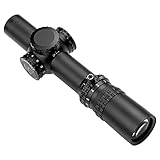
- ARS Mark7.8
ARS Mark is a ranking system developed by bestairriflescopes.com. ARS Mark has no relationship or impact from any manufacturers or sales agent websites. Learn more
- BrandNightforce

- ARS Mark7.8
ARS Mark is a ranking system developed by bestairriflescopes.com. ARS Mark has no relationship or impact from any manufacturers or sales agent websites. Learn more
- BrandNightforce
Last update on 2026-10-05 / Affiliate links / Images, Product Titles, and Product Highlights from Amazon Product Advertising API
Can the 1x setting on the Nightforce ATACR 1-8x24mm F1 substitute for a dedicated red dot?
Yes, the true 1x magnification on the 1-8x24mm F1 configuration allows rapid, both-eyes-open shooting at close range. While an illuminated first focal plane reticle behaves similarly to a dot at minimum magnification, the optical eyebox requires consistent head positioning behind the ocular lens. For shooters comparing dedicated carbine glass against other options for rapid target acquisition, verifying reticle illumination brightness against bright daylight backgrounds ensures you can pick up the center aiming point without delay.
Why does the Nightforce ATACR 1-8x24mm F1 tactical riflescope use capped turrets?
Capped turrets protect your zero settings from unintentional rotation during rough handling, transport, and physical movement. Because the 1-8x24mm F1 system features a first focal plane reticle, shooters use optical holdover marks for elevation and windage rather than manually dialing turrets under pressure. Threaded caps keep grit and moisture away from the mechanical adjustments, making this configuration well suited for dynamic drills and field use where bumped turrets could cause point-of-impact shifts.
What should you verify when comparing specific 1-8x24mm F1 product listings?
Confirm the exact reticle model, graduation values, and included accessories detailed on each product page. While each listed model shares the core 1-8x24mm F1 platform and capped turret design, individual packages may vary in reticle styles, such as segmented circles or fine crosshair grids. Check the listed specifications to ensure the measurement units match your preference and verify whether accessories like power throw levers or lens covers come included in that specific part number.
What mounting hardware does the Nightforce ATACR 1-8x24mm F1 require on a tactical rifle?
You must confirm the main tube diameter and ring height specified by the manufacturer before selecting a mount. Although the 24mm objective lens profile sits close to the bore, carbines require an elevated cantilever mount to position the optic at a comfortable eye level and clear rear backup sights. Verify that the mount base matches your receiver rail and provides enough forward cantilever to establish proper eye relief without crowding your charging handle.
How does the first focal plane reticle behave when switching from 1x to 8x magnification?
The reticle subtensions expand and contract proportionally as you rotate through the 1-8x magnification range. At 1x, the fine ballistic marks shrink to create an uncluttered, compact visual reference that functions like a close-quarters sight. At 8x, the reticle scales up to reveal precise hold marks for wind and bullet drop. Shooters evaluating LPVO options for speed and distance will find that this proportional scaling keeps ballistic holdovers accurate at any magnification setting.
How do you check eye relief and clearance before installing this optic on a 5.56 platform?
Review the manufacturer eye relief specifications against your shooting stance and length of pull. When positioning the 1-8x24mm F1 on a flat-top tactical rail, shoulder your rifle naturally with your standard stock adjustment to identify your preferred head position. Verify that your chosen ring placement allows the full field of view without head creeping or shadow around the edges of the exit pupil during rapid presentation.

10 Top Picks: Best Youth Air Rifles for 13-Year-Olds

12 Best Rifle Scopes For 5.56 Under 150 Dollars - (2026 Top Picks)

Top 10 Rifle Scopes for Coyote Hunting in 2026

12 Best Benchrest Rifle Scopes of 2026 For Tight Groups

Top 5 Airsoft Rifles: Unleash the Action in 2026

Unveil the Best Straight Wall Deer Rifles: Top Picks for 2026

Top Ammo Choices for Air-Powered Rifles: Boost Your Performance in 2026

Best Quick Detach Scope Rings for Accurate and Convenient Shooting







