
Best umarex 68 revolver 2026: A Practical Guide

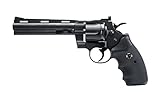
A large-frame revolver can look reassuring in photos, yet the details that matter show up after the novelty wears off. The umarex 68 revolver is commonly associated with the Umarex T4E platform, a CO2-powered design built around .68-caliber projectiles and a five-round rotary cylinder. Its size, weight, and straightforward controls give it a more substantial feel than smaller training markers. Still, that bulk won’t suit every storage setup, hand size, or practice routine.
The appeal starts with simple mechanical operation. A rotary cylinder keeps loading easy to understand, while the double-action trigger avoids a complicated sequence of switches and levers. That simplicity can reduce fumbling during controlled practice, especially after a long break between sessions. On the flip side, the trigger pull may feel heavier than expected, so clean accuracy takes patience rather than brute force.
CO2 power brings convenience, but it also creates a few habits that can’t be ignored. Fresh cartridges generally provide the most consistent response, while pressure can fade as the cartridge cools or nears the end of its useful charge. Rapid firing may chill the system, which can affect consistency and make the next shot feel less predictable. For that reason, measured practice makes more sense than rushing through the cylinder.
Projectile selection deserves the same practical attention. Training balls, marking rounds, and other compatible .68-caliber options may differ in weight, material, intended use, and local legality. Matching the projectile to an approved practice environment helps reduce unnecessary wear and avoids unsafe improvisation. Hard objects, modified ammunition, and unsuitable substitutes don’t belong in the cylinder, plain and simple.
Maintenance isn’t demanding, though neglect can turn small issues into irritating ones. Light care around the seals, clean cylinder chambers, and proper CO2 handling help preserve gas efficiency and dependable cycling. Leaving a pierced cartridge installed for long periods may place avoidable pressure on internal seals. A dry, secure storage area also matters because moisture, dirt, and careless handling can shorten the life of moving parts.
Ergonomics will divide opinions. The frame feels solid and planted, which can steady deliberate handling, but the grip and overall dimensions may feel awkward in smaller hands. A bulky profile also limits ordinary storage choices and requires a properly fitted case or locked container. That tradeoff is worth weighing before purchase because a device that feels unwieldy often gets practiced with less, not more.
Noise and impact are easy to underestimate. CO2 discharge can be sharp indoors, and .68-caliber projectiles may damage walls, furniture, windows, or unsuitable backstops. Eye protection, a purpose-built target area, and a reliable backstop aren’t optional details. Neighbors, family members, pets, and local rules also shape where responsible practice can happen.
The biggest strength is clarity rather than complexity. The platform offers a visible cylinder, familiar revolver layout, and relatively direct upkeep without layers of electronic settings. Its limits are just as clear: recurring CO2 costs, noticeable size, temperature sensitivity, restricted capacity, and legal rules that vary by location. Anyone expecting firearm-level performance or casual backyard use may end up disappointed, while disciplined practice and realistic expectations make the platform far easier to live with.
- ARS Mark9.4
ARS Mark is a ranking system developed by bestairriflescopes.com. ARS Mark has no relationship or impact from any manufacturers or sales agent websites. Learn more
- BrandUmarex
- ARS Mark8.6
ARS Mark is a ranking system developed by bestairriflescopes.com. ARS Mark has no relationship or impact from any manufacturers or sales agent websites. Learn more
- BrandUmarex
- ARS Mark8.6
ARS Mark is a ranking system developed by bestairriflescopes.com. ARS Mark has no relationship or impact from any manufacturers or sales agent websites. Learn more
- BrandUmarex

- ARS Mark8.6
ARS Mark is a ranking system developed by bestairriflescopes.com. ARS Mark has no relationship or impact from any manufacturers or sales agent websites. Learn more
- BrandUmarex

- ARS Mark8.4
ARS Mark is a ranking system developed by bestairriflescopes.com. ARS Mark has no relationship or impact from any manufacturers or sales agent websites. Learn more
- BrandUmarex
- ARS Mark8.6
ARS Mark is a ranking system developed by bestairriflescopes.com. ARS Mark has no relationship or impact from any manufacturers or sales agent websites. Learn more
- BrandUmarex
- ARS Mark8.6
ARS Mark is a ranking system developed by bestairriflescopes.com. ARS Mark has no relationship or impact from any manufacturers or sales agent websites. Learn more
- BrandUmarex

- ARS Mark8.4
ARS Mark is a ranking system developed by bestairriflescopes.com. ARS Mark has no relationship or impact from any manufacturers or sales agent websites. Learn more
- BrandUmarex
Last update on 2026-07-24 / Affiliate links / Images, Product Titles, and Product Highlights from Amazon Product Advertising API
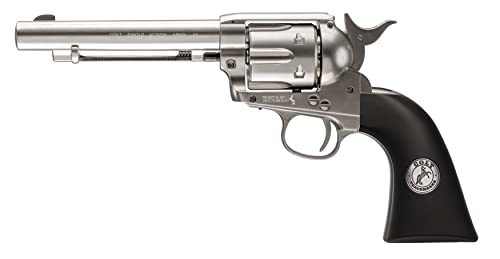
Colt Peacemaker Single Action Pellet Revolver
Some air pistols are built around quick magazines and modern controls, while others make the handling process part of the experience. The Colt Peacemaker takes the slower road with an all-metal frame, a manually cocked hammer, and six individual pellet casings that load through a side gate. Searches for an umarex 68 revolver may lead to this model because both sit within the broader Umarex revolver family, but this Peacemaker fires .177-caliber pellets rather than .68-caliber projectiles. That difference shapes its purpose, operating feel, and realistic limitations from the first cylinder onward.
Colt Peacemaker .177 Revolver
The black Peacemaker doesn’t hide its main attraction. Its frontier six-shooter styling gives the pistol a distinct identity that plain recreational airguns often lack. The visible hammer, loading gate, rounded grip, and traditional cylinder make the design feel connected to the original Single Action Army pattern. It’s visually convincing without needing decorative accessories or modern rails hanging from the frame.
An all-metal construction adds substance to that appearance. The pistol should feel more planted than a lightweight plastic model, which can make slow aiming steadier and the handling ritual more satisfying. Still, extra weight has a downside during long one-handed sessions, especially once the wrist begins to tire. A two-handed stance may feel more comfortable, though it changes the old-fashioned shooting character that draws attention to the Peacemaker in the first place.
The finish and shape also make this model appealing as a display-worthy replica, but realistic looks bring added responsibility. Someone across a yard, inside a vehicle, or near a window may not recognize it as a pellet pistol. Secure storage and controlled handling aren’t side notes here; they’re central ownership requirements. Leaving a convincing revolver replica on a desk or open shelf creates a problem that good styling can’t excuse.
Single-Action Operation Sets The Pace
The hammer must be cocked before every shot because this is a single-action revolver. That step slows the firing rhythm, but it also separates each trigger press into a clear sequence: cock, aim, press, and follow through. The routine encourages deliberate shooting rather than hurried strings that empty the cylinder in seconds. For paper targets and casual plinking, that slower cadence can make six shots feel more involving than a larger magazine.
The trigger doesn’t need to cock the hammer and rotate the cylinder through a long double-action pull. As a result, the release can feel more manageable after the hammer has been set, though the supplied description doesn’t provide a measured trigger weight. Consistent finger placement still matters because a sudden press can pull the sights off target. The design rewards steady technique and exposes rushed habits without much mercy.
Speed-oriented practice isn’t a natural fit. Manual cocking takes time, and the traditional loading system adds another pause after every six shots. That limitation may feel tedious to someone who prefers rapid drills or uninterrupted target sessions. On the other hand, the measured shooting cycle suits anyone who enjoys mechanical interaction as much as the pellet striking the target.
The manual hammer also demands attention around grip placement. A thumb that slips while cocking can interrupt the rhythm, while an awkward grip may make the hammer harder to reach. Smaller hands could need more repositioning between shots, and that movement may affect sight consistency. The Peacemaker feels most natural when control matters more than speed.
Individual Pellet Casings Bring Realism
Six included casings match the revolver’s six-round capacity. Each .177-caliber pellet loads into an individual casing, and those casings are inserted through the loading gate one at a time. This process closely supports the Peacemaker theme, giving the cylinder more character than a basic plastic rotary clip. It also means reloading takes longer and involves several small parts that can roll away under a bench.
A shallow tray can keep pellets and casings organized during a target session. Without one, a dropped casing may end up in dirt, grass, or the dark corner of a garage, turning a pleasant afternoon into a floor-level scavenger hunt. The supplied package includes six pellet casings, so losing even one immediately reduces the usable cylinder load. Careful casing management sounds fussy, but it prevents needless frustration.
The casing system adds practical preparation time before shooting. Loading all six at a table is cleaner than balancing loose pellets in one hand while holding the revolver in the other. Preloaded compatible casings may shorten breaks, although additional casings aren’t listed in the supplied package details. The included set provides everything needed to begin, but the reload process remains intentionally old-fashioned.
Dirt and deformed pellet skirts can interfere with smooth loading. Casings should be kept clean, checked for visible damage, and stored where their openings won’t collect debris. There’s no reason to turn basic upkeep into a complicated ritual. A quick inspection protects the reliable fit of each pellet and keeps the cylinder routine from becoming unnecessarily stubborn.
CO2 Power Is Simple But Not Free
A common 12-gram CO2 cartridge powers the Peacemaker and fits inside the grip. Hiding the cartridge there preserves the traditional outline, so the revolver doesn’t look like a historic design with a modern gas tank bolted underneath. These cartridges are commonly used in recreational airguns, making the power system familiar and easy to understand. Even so, every empty cartridge becomes a recurring operating cost.
The supplied specification states a velocity of up to 380 fps with .177-caliber pellets. “Up to” matters because CO2 output may vary with pellet weight, ambient temperature, firing pace, and the amount of gas remaining. Cooler conditions can reduce pressure, while repeated shots may chill the cartridge and affect consistency. The listed figure is a maximum specification, not a promise that every pellet will leave the barrel at the same speed.
The slow single-action cycle may actually suit CO2 operation rather well. Pauses for hammer cocking, aiming, and reloading give the cartridge more time between shots than a rapid semiautomatic string would allow. Still, leaving a pierced cartridge installed for extended storage may place unnecessary pressure on seals. Reasonable CO2 habits help avoid leaks and keep the pistol ready for the next controlled session.
Caliber names can create confusion because this .177 pellet pistol and larger Umarex platforms serve noticeably different roles. A useful breakdown of those broader designs appears in Umarex CO2 revolvers, where operating formats and projectile sizes can be considered separately. The Peacemaker favors low-capacity target shooting and historic handling, while an umarex 68 revolver belongs to a larger-caliber category with different ammunition and safety considerations. Treating the two as interchangeable would set the wrong expectations before purchase.
Target Use Favors Patience Over Distance
The Peacemaker’s stated velocity and .177 pellet format point toward short-range recreational shooting. It isn’t described as a long-distance competition pistol, and nothing in the supplied information supports treating it that way. Sensible target distances should make sight alignment and trigger control more important than raw power. Stretching the range too far will magnify every wobble, grip error, and velocity limitation.
Its metal frame may help settle the muzzle during a deliberate hold. Weight can reduce twitchy movement, but it can’t correct poor technique or an inconsistent sight picture. A firm grip that doesn’t tighten suddenly during the trigger press will generally support better repeatability. Calm shot preparation matters more here than trying to force accuracy through muscle tension.
The revolver’s slow sequence can make it useful for practicing fundamentals. Six deliberate shots create a natural mini-session that can be reviewed before reloading. A wide group may reveal rushed trigger presses, while shots drifting in one direction can point toward inconsistent grip pressure. The Peacemaker doesn’t provide electronic feedback, so the paper target tells the story.
A safe pellet trap and suitable backstop are essential because .177 pellets can ricochet from hard surfaces. Thin cardboard may hold a paper target, but it shouldn’t be mistaken for reliable impact containment. Eye protection also belongs in every session, including informal practice in a garage or controlled indoor area. The revolver’s nostalgic styling doesn’t reduce the need for modern safety discipline.
Strengths That Support The Experience
The strongest feature is the way each part supports one clear idea. The all-metal body, exposed hammer, individual casings, loading gate, and six-shot cylinder work together rather than feeling like unrelated specifications. That consistency gives the Peacemaker a convincing mechanical personality. It feels designed around a particular experience instead of built from a generic air-pistol template.
Ease of operation is another practical strength once the basic sequence is understood. Pellets go into the casings, casings go into the cylinder, a CO2 cartridge fits inside the grip, and the hammer is cocked before firing. There aren’t electronic menus, batteries, or adjustable firing programs to sort out. The straightforward controls let the physical process remain the focus.
The included six casings also make the pistol usable without requiring a separate accessory purchase on day one. That may sound basic, but a cartridge-loading revolver would be rather frustrating without a complete cylinder’s worth of casings in the box. The supplied capacity aligns neatly with the traditional six-shooter concept. Everything essential to the loading method is represented in the stated package.
Historic appeal adds another layer that ordinary target pistols can’t easily copy. The Peacemaker can start conversations about firearm design, western cinema, mechanical evolution, or the original Colt pattern without becoming a static ornament. It still provides a functional shooting activity, but its charm isn’t tied solely to group size. The connection between display and use gives it lasting character.
Weaknesses Worth Accepting Before Purchase
Reloading is the most obvious inconvenience. Six individual casings must be removed, refilled, and returned to the cylinder, which takes far longer than swapping a magazine. Anyone irritated by repetitive small-part handling may tire of the process quickly. The realistic casing system creates the experience, but it also creates the delay.
Single-action operation limits firing speed and requires the hammer to be reached comfortably after each shot. Hands that struggle with the grip size or hammer position may need frequent repositioning. That can disturb consistency and make longer sessions feel more tiring than expected. The traditional control layout won’t adapt itself to every hand.
CO2 dependence creates ongoing expense and temperature sensitivity. A cartridge must eventually be replaced, and colder conditions may reduce the lively response expected from a fresh setup. The pistol also shouldn’t be judged solely by its maximum advertised velocity because actual output can vary. Realistic performance expectations prevent disappointment better than obsessing over one number.
The realistic appearance can complicate storage, transportation, and public perception. Local rules may regulate where air pistols can be carried or discharged, even if ownership itself is permitted. A locked case and discreet transport are sensible because observers may assume the Peacemaker is a firearm. Its authentic visual design brings responsibility along with enjoyment.
Daily Ownership Requires Simple Discipline
Storage should begin with the revolver unloaded and secured away from unauthorized access. Pellets, casings, and CO2 cartridges can be organized separately so the pistol isn’t left ready to fire. A padded locked case also protects the finish from scratches and limits casual handling. Responsible storage matters even in a home without children because visitors may not recognize the risks.
Routine care doesn’t need to become a workshop project. Keep debris away from the cylinder and barrel area, inspect the supplied casings, and use only maintenance products intended for compatible CO2 airgun seals. Excess lubricant may attract dirt or create operational issues, so restraint is useful. The goal is clean, smooth movement, not an oil-soaked mechanism.
Practice areas should be selected with noise, ricochet potential, and local restrictions in mind. A hard wall, metal object, or improvised backstop can send pellets in an unsafe direction. A purpose-built trap placed against reliable secondary containment creates a more controlled arrangement. Safe target preparation should happen before the CO2 cartridge is pierced.
The Colt Peacemaker earns its place through character, not speed or capacity. Its .177 pellet format, 380-fps maximum specification, metal frame, six included casings, and single-action mechanism form a coherent package for deliberate target sessions. It won’t suit someone who wants effortless reloading, compact dimensions, or rapid follow-up shots. For a slower routine shaped by frontier styling and hands-on operation, the tradeoffs are easy to see and honest to weigh.
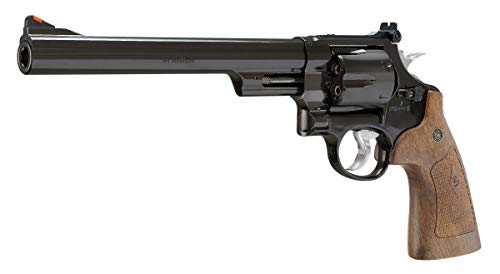
Smith & Wesson Model 29 8-Inch BB Revolver
A long-barreled air pistol can look impressive on a product page, yet the real question is whether that extra length adds anything beyond visual drama. The Smith & Wesson Model 29 combines an 8-inch barrel, realistic revolver action, and six removable BB capsules in a format built for slow, deliberate recreational shooting. Although an umarex 68 revolver search may surface this model, the distinction is substantial because the Model 29 fires .177-caliber steel BBs rather than .68-caliber projectiles. Its appeal rests on replica character, traditional loading, and a measured shooting rhythm rather than sheer projectile size.
Smith & Wesson Model 29 Revolver
The extended barrel gives this air pistol a silhouette that’s hard to mistake. It looks purposeful, a little theatrical, and distinctly different from the compact polymer pistols crowding many target benches. More than decoration, the long sight radius creates extra distance between the front and rear sights, making small alignment errors easier to notice before the trigger breaks. That doesn’t guarantee tight groups, but it gives careful shooting technique more room to matter.
Realistic revolver action supports the appearance rather than leaving it skin-deep. Six removable capsules fit into the cylinder, and the working ejector rod adds another mechanical detail to the loading and unloading process. The routine takes longer than sliding in a stick magazine, though that slower pace is part of the traditional six-shooter experience. Anyone who sees reloading as wasted time may grow impatient rather quickly.
The elongated frame also changes balance. Extra weight toward the muzzle may help calm small hand movements while aiming, but the same leverage can tire the wrist during longer one-handed strings. A steady two-handed hold will likely feel more manageable for extended practice. The front-heavy profile is therefore both a strength and a drawback, depending on grip style and session length.
Storage takes more planning than it would with a short-barreled pistol. An ordinary compact case may not accommodate the full length, especially after an accessory is attached to one of the integrated mounts. A fitted locking case protects the finish and keeps the realistic replica away from unauthorized handling. The convincing firearm-like appearance makes discreet, secure storage especially important.
CO2 Performance And Everyday Practicality
A standard 12-gram CO2 cartridge supplies the power, although no cartridge is included according to the provided product details. The format is familiar, self-contained, and easier to manage than an external tank or manual pumping system. Slip the cartridge into its housing, follow the manufacturer’s installation procedure, and the revolver is ready for a controlled session. Of course, every spent cartridge adds a small recurring cost that frequent shooting will make noticeable.
The Model 29 is rated to shoot .177-caliber steel BBs at up to 415 fps. “Up to” deserves emphasis because actual velocity can change with temperature, remaining gas pressure, and the pace of fire. CO2 tends to cool during repeated discharge, so rushed shooting may produce less consistent output than slower strings. The six-capsule loading routine naturally creates pauses, which can work in the gas system’s favor.
Cold weather can make the pistol feel less energetic because CO2 pressure is temperature-sensitive. A cartridge that performs predictably in a comfortable indoor setting may respond differently in a chilly garage or outdoor range. That variation isn’t unique to this revolver; it’s a normal tradeoff of CO2-powered operation. Sensible expectations prevent the maximum velocity figure from becoming the only standard by which the pistol is judged.
Long-term storage with a pierced cartridge left under pressure may place needless strain on internal seals. Removing the cartridge according to the manufacturer’s guidance and using only suitable airgun maintenance products can help avoid preventable leaks. More oil isn’t better, either, since excess lubricant may attract dirt or reach places where it doesn’t belong. Simple CO2 care is usually more useful than an elaborate maintenance routine.
Six BB Capsules Shape The Shooting Rhythm
The package includes six removable BB capsules, matching the cylinder’s full capacity. Each capsule carries one .177-caliber steel BB, so loading feels closer to handling individual revolver cartridges than filling a concealed magazine. That physical involvement adds character to a casual target session. It also introduces six small pieces that can vanish surprisingly fast in grass, gravel, or a cluttered workshop.
A shallow tray or compact parts pouch can keep the capsules together between shooting strings. Without some organization, a dropped capsule may roll under a bench and halt the session until it’s recovered. Only six capsules are confirmed in the supplied description, so losing one leaves the cylinder short. Keeping the capsule set intact saves more annoyance than its small size might suggest.
Reloading isn’t quick, and there’s no point pretending otherwise. Each capsule must be removed, loaded, and returned to the cylinder before another six-shot sequence begins. Magazine-fed BB pistols are far more efficient for high-volume target practice. The Model 29 instead makes hands-on mechanical interaction part of the entertainment.
The capsules should remain clean and free from visible damage. Dirt around their openings or dents along their bodies may interfere with smooth insertion and extraction. Forcing a stubborn component rarely fixes the underlying problem and may make matters worse. A brief inspection supports reliable cylinder operation without turning every session into a workshop project.
Fiber Optic Sights Add Useful Contrast
Fiber optic elements on the front and rear sights help create a more visible sight picture than plain black posts in many lighting conditions. Bright reference points can be helpful against dark paper targets or visually busy backdrops. They won’t illuminate themselves in complete darkness, and their visibility still depends on available light. Even so, they suit a recreational revolver that encourages careful alignment.
The 8-inch barrel gives those sights a longer radius. Small changes in front-sight position become easier to see, which can help diagnose a rushed grip or an uneven trigger press. The shooter still has to keep the sights settled throughout the shot. Better visual feedback supports good mechanics, but it can’t replace them.
Steel BBs impose their own accuracy and safety limitations. Hard surfaces may cause dangerous ricochets, so a purpose-built BB trap with dependable secondary containment matters far more than a cardboard box taped to a wall. Eye protection belongs in the setup every time, even during a quiet indoor practice session. The recreational power level doesn’t make careless target placement acceptable.
The provided information doesn’t claim match-grade precision, adjustable competition sights, or specialized target tuning. That keeps expectations grounded. This revolver is better approached as a realistic replica for controlled short-range shooting than as a dedicated competition platform. Consistent grip and sight alignment will influence results more than its imposing appearance.
The Working Ejector Rod Is More Than Decoration
A working ejector rod strengthens the Model 29’s mechanical personality. It gives the unloading process a physical element that would be missing from a fixed decorative cylinder or hidden internal magazine. That detail doesn’t increase velocity or capacity, yet it makes each six-shot cycle feel more involved. For a replica-style air pistol, tactile operation can matter as much as raw specifications.
The rod should be handled with controlled pressure rather than slammed for dramatic effect. Small moving parts tend to remain dependable longer when they aren’t treated like movie props. Resistance may signal dirt, a misaligned capsule, or another issue worth inspecting. Gentle mechanical handling preserves the feature instead of turning realism into premature wear.
Unloading six capsules also creates a natural safety checkpoint. Counting each one and confirming that the cylinder is clear establishes a repeatable end-of-session routine. That habit reduces uncertainty before the pistol enters storage. The visible cylinder system makes verification straightforward when attention stays on the task.
Some shooters will see these steps as unnecessary fuss. Others will enjoy the pause, the capsule handling, and the mechanical reset before the next string. The difference comes down to what makes recreational shooting satisfying. The Model 29 favors participation over convenience, and it doesn’t apologize for that choice.
Manual Safety And Accessory Mounts
The included manual safety provides a mechanical control intended to reduce the chance of an unintended shot. It should never replace proper muzzle direction, trigger discipline, or secure storage. Safeties can be moved accidentally or misunderstood, while careful handling remains useful regardless of the control’s position. Treating it as one layer rather than the whole safety plan is the sensible approach.
Integrated accessory mounts add flexibility for compatible equipment. The supplied description doesn’t identify exact mount dimensions or approved accessories, so fit shouldn’t be assumed from appearance alone. Extra hardware can also change the balance of an already long revolver. Accessory compatibility matters more than filling an available mounting point simply because it’s there.
Mounting hardware varies sharply between air pistols, sporting rifles, and centerfire platforms. A separate reference to rifle-specific fit appears in Browning BAR scope mounts, illustrating why hardware dimensions and platform requirements need to be assessed separately. That page isn’t a direct accessory guide for this revolver, and its components shouldn’t be treated as automatically compatible. The Model 29’s own specifications remain the proper basis for selecting attachments.
A compact optic or light may add weight and increase the pistol’s storage footprint. Larger attachments could make the muzzle feel even heavier or interfere with a fitted case. Keeping the setup simple may preserve the classic lines and predictable balance that define the revolver. Useful accessories should solve a real need, not merely occupy rail space.
What The Model 29 Does Well
The strongest feature is the way the parts support one recognizable theme. The long barrel, realistic action, removable capsules, ejector rod, and metal-revolver profile all point toward hands-on replica enjoyment. Nothing feels randomly added just to lengthen a specification list. The pistol offers a clear identity from the first loading cycle.
The fiber optic sights bring a practical touch to an otherwise traditional-looking design. They’re easier to distinguish in many settings than plain dark sights, and the extended barrel gives them room to communicate alignment errors clearly. That pairing makes slow target work more approachable without turning the pistol into a technical competition rig. Visible sights and deliberate pacing complement each other nicely.
Six included capsules mean the complete cylinder can be loaded without an immediate accessory purchase. That may seem obvious, yet it matters because the removable cartridge system depends on those pieces. The supplied set allows the revolver’s core operating routine to work from the beginning. Complete basic loading hardware keeps the initial setup straightforward.
The stated velocity ceiling of 415 fps gives the pistol a clear recreational role. It has enough listed speed for controlled BB target use while remaining tied to realistic expectations about CO2 variation and steel ammunition. Claims about hunting, defense, or extended-range performance aren’t supported by the supplied details and don’t belong here. Honest role definition makes the product easier to judge on its actual merits.
Tradeoffs That May Wear Thin
The 8-inch barrel can become cumbersome. It increases the sight radius and strengthens the visual identity, but it also complicates storage and may fatigue the wrist. Quick movement between targets can feel less natural than it would with a shorter revolver. The extra barrel length earns its keep only if its balance and appearance are genuinely appealing.
Capacity is limited to six rounds before the capsules need attention. Reloading each small component takes time, and loose pieces can interrupt the session if one goes missing. Shooters who value efficiency may prefer a magazine-fed platform after only a few cylinders. The slow reload cycle is a feature for some and a nuisance for others.
CO2 creates both convenience and dependency. Standard cartridges are easy to recognize and store, yet they’re consumable, affected by temperature, and capable of losing consistency as pressure falls. No cartridge is included, so one must be obtained before the revolver can be operated. Recurring gas costs belong in the purchase decision rather than arriving as an afterthought.
Realistic styling can create misunderstandings outside a controlled shooting environment. Public display, casual transport, or unsecured storage may alarm anyone who mistakes the air pistol for a firearm. Local rules may also govern ownership, transport, access, and permitted discharge areas. The replica appearance adds responsibility alongside its visual appeal.
Ownership Habits That Keep It Manageable
A locked case large enough for the 8-inch barrel should be part of the storage plan. The pistol should be unloaded, the cylinder checked, and the BB capsules accounted for before the case is closed. CO2 cartridges and ammunition may also need separate controlled storage depending on the household and local requirements. Consistent storage habits remove guesswork from the next session.
Routine upkeep can remain uncomplicated. Wipe away visible debris, keep the capsule chambers clean, and avoid using products that aren’t intended for compatible CO2 airguns. Excessive oil can attract dust and may interfere with dependable operation. Clean and restrained maintenance is usually the smarter path.
A proper shooting area needs a BB-rated trap, dependable backup containment, eye protection, and enough room to control the long muzzle safely. Steel BBs can bounce from hard surfaces, so improvised metal targets and exposed masonry create needless risk. Noise may also be more noticeable indoors than expected. Controlled target preparation matters before the first cartridge is pierced.
The Smith & Wesson Model 29 is at its best during slow, structured target sessions where realistic loading and revolver mechanics are part of the enjoyment. Its long barrel, bright sights, six capsules, working ejector rod, and CO2 operation create a distinct experience with equally distinct compromises. It won’t satisfy someone who wants compact storage, quick reloads, or high capacity. The lasting appeal lies in mechanical character, deliberate pacing, and unmistakable styling.
Umarex Beretta M92 A1 Blowback BB Pistol
Fast shooting loses its charm pretty quickly if the controls feel hollow, the frame flexes, or every shot seems disconnected from the pistol in your hand. The Umarex Beretta M92 A1 takes a more physical approach, pairing realistic blowback action with an all-metal build, an 18-shot magazine, and selectable semi-auto or full-auto operation. It may appear beside an umarex 68 revolver during broader searches, but these platforms share little beyond the manufacturer name and CO2 power source. This model fires .177-caliber steel BBs and leans toward brisk recreational target sessions rather than the slower cylinder loading and larger projectiles associated with a .68-caliber revolver.
Beretta M92 A1 Blowback BB Pistol
The first impression comes from weight and movement rather than a long list of electronic features. An all-metal construction gives the pistol a more substantial feel than lightweight plastic BB guns, while the slide cycles with each shot to create the mechanical feedback expected from a blowback design. That movement adds personality, no doubt about it, though it also consumes part of the available CO2. The pistol feels built around involvement rather than maximum gas economy.
Its profile follows the familiar Beretta M92 pattern, with a broad slide, substantial grip, and fixed tactical sights. Those proportions can feel reassuring in medium or larger hands, but the grip may seem chunky if reach and hand size are limited. The large frame also needs a properly sized case instead of being tossed into a compact generic pouch. Realistic proportions improve the replica experience while making storage and handling less casual.
The black finish and moving slide make the pistol visually convincing enough to demand careful treatment away from a controlled range. A bystander may not identify it as an air pistol, especially at a distance or in poor lighting. Locked storage, discreet transportation, and strict muzzle awareness aren’t optional habits with a replica this realistic. The appearance adds enjoyment at the bench, but it also raises the cost of careless behavior.
Blowback Action Brings Feel And Tradeoffs
Blowback gives each shot a noticeable mechanical response as the slide cycles. That motion makes an otherwise quiet target routine feel more active, and it creates a stronger connection between the trigger press and the next shot. The effect is especially noticeable during semi-auto shooting, where the pistol settles into a steady rhythm without emptying the magazine immediately. It’s lively, but still manageable with a firm two-handed grip.
The same feature asks for something in return. Cycling a metal slide uses CO2 that could otherwise propel more BBs, so blowback pistols generally prioritize realism over raw shot count. The supplied information doesn’t state how many magazines a cartridge will support, and that figure shouldn’t be guessed because temperature, firing mode, and pace can shift gas consumption. Realistic slide movement is therefore a benefit with an honest operating cost.
Rapid strings can also cool the 12-gram cartridge. As the cartridge temperature drops, pressure may fall and shot consistency can change, particularly during extended full-auto bursts. Slowing down between magazines gives the system time to recover and makes the shooting session less erratic. The pistol may invite speed, but measured pacing usually treats the CO2 system more kindly.
Slide movement introduces another practical concern: grip position. A high thumb or careless support-hand placement may sit too close to the moving parts, so hands need to stay clear of the slide’s travel. The pistol’s realistic operation rewards the same kind of deliberate setup every time it’s raised toward the target. Consistent hand placement improves comfort and reduces unnecessary surprises.
Semi-Auto And Full-Auto Feel Very Different
Semi-auto mode makes the most sense for deliberate paper-target practice. One trigger press produces one shot, allowing the fixed sights to settle before the next BB leaves the barrel. That pace stretches the 18-shot capacity into a more thoughtful session and makes it easier to notice grip or trigger mistakes. Controlled follow-up shots suit the pistol’s weight and realistic handling rather well.
Full-auto mode changes the mood in a hurry. The pistol can cycle through BBs rapidly, which feels energetic but also drains the magazine and CO2 much faster. Muzzle movement becomes harder to manage, and the group can spread quickly if the trigger is held without restraint. The full-auto function is entertaining in a suitable setup, yet it’s hardly the efficient route for careful accuracy work.
An 18-shot magazine sounds generous beside a six-shot revolver cylinder, but automatic fire can make that capacity disappear almost instantly. Short bursts preserve ammunition, reduce cooling, and keep the target easier to track. Long bursts create more noise, more BB consumption, and more opportunities for stray impacts. The mode rewards discipline, even though its personality practically dares the shooter to let it rip.
Switching modes also highlights the pistol’s split character. Semi-auto emphasizes sight alignment and trigger control, while full-auto emphasizes recoil-like movement, speed, and reactive target fun. Neither mode replaces safe technique or a proper BB trap. Two distinct shooting styles live in one platform, but each asks for a different pace and expectation.
Magazine Capacity And Loading Routine
The pistol carries 18 steel BBs, giving it three times the stated capacity of a traditional six-shot air revolver. That extra capacity reduces interruptions during semi-auto practice and makes short full-auto bursts possible without constant reloading. The supplied description doesn’t explain every magazine-loading detail, so assumptions about speed loaders or spare magazines would be out of place. What’s clear is that the design favors a magazine-fed routine rather than individual cartridge handling.
Steel BBs are inexpensive to organize, but they demand a backstop built for hard round ammunition. They can rebound from exposed metal, concrete, stone, or other rigid surfaces with surprising energy. A proper BB trap, dependable secondary containment, and eye protection belong in the setup before the magazine is filled. Thin cardboard may hold a paper target, but it isn’t reliable impact containment by itself.
Loose BBs also have a knack for rolling off narrow benches. A small tray or magnetic parts dish can keep them from scattering across a garage floor or outdoor table. Keeping the loading area tidy reduces dropped ammunition and helps prevent dirt from entering the magazine. Simple organization saves time and keeps the shooting rhythm from turning into a search under the bench.
The magazine and feed path should remain free of visible debris. Damaged or dirty BBs can create feeding trouble, and forcing a stubborn component may make a small issue worse. Basic inspection beats aggressive tinkering, especially when the supplied information doesn’t call for complicated maintenance. Clean ammunition and careful loading support smoother cycling without much fuss.
CO2 Power Keeps Operation Straightforward
A common 12-gram CO2 cartridge powers the M92 A1, though CO2 isn’t included. That means a cartridge must be obtained before the pistol can be used, an easy detail to miss during an excited purchase. The compact power source keeps the design self-contained and avoids external tanks or manual pumping. Every empty cartridge becomes part of the ongoing operating cost, however.
The supplied maximum velocity is up to 310 fps with .177-caliber steel BBs. That number is lower than figures listed for some non-blowback pistols, which makes sense because gas also drives the moving slide. Real output may vary with temperature, firing mode, cartridge pressure, and shooting pace. The velocity specification should be read as a ceiling, not a guaranteed result for every shot.
Full-auto shooting places the heaviest demand on the CO2 system. Rapid cycling can cool the cartridge, shorten useful shooting time, and make later shots feel less consistent as pressure drops. Semi-auto practice with pauses usually creates a steadier rhythm and better use of the available gas. Mode selection directly affects efficiency, so the fun setting and the economical setting aren’t the same thing.
Extended storage with a pierced cartridge may place avoidable strain on seals. The sensible routine is to follow the manufacturer’s instructions, use care products intended for compatible CO2 airguns, and avoid drowning the mechanism in oil. Excess lubricant can collect debris or reach areas where it doesn’t help. Restrained maintenance tends to beat overenthusiastic treatment.
Fixed Sights Favor Simple Target Work
The pistol uses fixed front and rear tactical sights. Fixed sights keep operation uncomplicated because there are no adjustment screws to knock out of place or settings to chase after every session. They also limit mechanical correction if the point of impact doesn’t align perfectly with the chosen ammunition and distance. Grip and sight picture become the main tools for improving consistency.
The sight arrangement suits close recreational targets where a clear front-sight focus matters more than fine competition adjustment. A steady hold, smooth trigger press, and consistent distance will reveal more than rushing through a magazine. Full-auto mode naturally spreads impacts as the slide cycles and the muzzle moves. Semi-auto fire offers the cleaner path for checking basic accuracy.
Lighting conditions can change how quickly fixed sights are acquired. Dark sights against a dark target may blend together, while a brighter target face creates clearer contrast. The supplied details don’t mention fiber optic inserts or illumination, so those features shouldn’t be assumed. Simple sight visibility depends on the target setup as much as the pistol itself.
Optical alignment is a broader shooting skill, though adjustment methods differ sharply between air pistols and scoped rifles. A neutral reference to those mechanical principles appears in gun scope adjustment, where sight corrections are discussed for a different type of setup. That information doesn’t turn the M92 A1’s fixed sights into adjustable optics, but it helps explain why point of aim and point of impact aren’t always identical. Platform-specific sight design determines what can actually be changed.
The Weaver Rail Adds Useful Flexibility
An integrated Weaver rail provides a mounting point for compatible accessories. A compact light or other properly fitted item may suit controlled practice, though compatibility needs to be checked rather than guessed from appearance. Added equipment changes the pistol’s weight and balance, sometimes more than expected. The rail is useful, but it doesn’t need to be filled just because it’s present.
Heavy accessories can make the front of the pistol feel slower and more cumbersome. That effect may become more noticeable during full-auto strings, where maintaining a level muzzle already takes effort. A minimal setup preserves the familiar M92 outline and keeps storage simpler. Accessory restraint often protects the qualities that made the pistol appealing in the first place.
The rail can also complicate holster or case fit. An accessory mounted below the frame may prevent the pistol from sliding into molded storage designed around the bare profile. A larger lockable case solves that issue but takes up more room. Storage compatibility deserves consideration before hardware is attached.
Rail-mounted equipment should solve a specific problem, such as improving visibility in an approved low-light target space. Decorative additions may look interesting but offer little practical value while consuming space and altering balance. The pistol already has enough character from its moving slide and metal body. Purposeful attachments make more sense than turning the frame into a collection of unused parts.
Strengths That Stand Out In Regular Use
The M92 A1’s greatest strength is the combination of metal construction and blowback movement. Those two features create a heavier, more tactile experience than a basic fixed-slide BB pistol. The design feels active in the hand, especially during semi-auto strings. Anyone drawn to mechanical feedback will understand the appeal after the first magazine.
Selectable firing modes add variety without requiring two separate air pistols. Semi-auto supports controlled groups and paced practice, while full-auto brings short bursts and reactive-target energy. The distinction is clear enough that the same setup can feel different from one session to the next. Dual-mode operation gives the pistol more personality than velocity alone could provide.
The 18-shot capacity also reduces the stop-start routine associated with six-round replicas. It supports longer semi-auto strings and gives full-auto mode enough ammunition to feel meaningful. Capacity still disappears fast under sustained fire, so restraint remains useful. Magazine volume helps most when it’s paired with thoughtful trigger control.
The integrated rail and fixed tactical sights keep the platform practical without overcomplicating it. There are no menus, batteries, or electronic firing controls to manage. Load BBs, install CO2, choose the firing mode, and work within a safe target setup. Straightforward controls let the mechanical experience take center stage.
Weaknesses That Shouldn’t Be Glossed Over
Blowback consumes gas, and full-auto consumes it even faster. Anyone focused on stretching every CO2 cartridge as far as possible may prefer a fixed-slide semi-auto design. The moving metal slide is enjoyable precisely because the gas system is doing extra work. Realism trades away efficiency, and there’s no honest way around that.
The stated 310-fps maximum is modest beside faster non-blowback BB pistols. That speed fits controlled recreational target use, but it shouldn’t be stretched into claims about long-range performance or other unsupported roles. Steel BBs also lose usefulness quickly as distance and wind increase. Short-range expectations suit the supplied specifications far better.
The large metal frame may feel tiring or awkward in smaller hands. Reaching the controls comfortably, keeping the slide clear, and supporting the weight all matter during longer sessions. The pistol’s substantial feel is a benefit only if the grip dimensions and balance are manageable. Ergonomic fit can’t be judged by appearance alone.
Full-auto operation can burn through ammunition, cool the cartridge, and spread BBs beyond a tight target area. It needs a wide, dependable backstop and more restraint than the feature’s playful nature suggests. Noise and mechanical cycling may also be more noticeable indoors than expected. Controlled bursts are easier to manage than simply holding the trigger down.
Storage And Maintenance Need A Steady Routine
The pistol should be stored unloaded in a locked container, with BBs and CO2 cartridges controlled appropriately. Its realistic shape makes open shelving or casual transport a poor idea. A passerby won’t know whether the pistol uses steel BBs or firearm ammunition. Discreet storage protects both the equipment and the people around it.
Routine cleaning should focus on visible debris around the magazine, slide area, rail, and exterior surfaces. Products intended for compatible airgun seals and mechanisms are safer than random household chemicals. The moving slide makes cleanliness useful, but it doesn’t justify taking the pistol apart without proper guidance. Basic exterior care is often enough for ordinary ownership.
A safe practice area needs a BB-rated trap, secondary containment, good lighting, and enough space to keep the muzzle controlled. Hard exposed surfaces can send steel BBs back toward the firing line. Full-auto mode makes containment even more important because several shots may land before an aim correction is possible. Backstop width and durability matter as much as the paper target.
The Umarex Beretta M92 A1 suits a specific appetite: metal heft, moving-slide feedback, generous capacity, and the occasional full-auto burst in a controlled setting. It won’t please someone seeking quiet operation, maximum CO2 economy, compact dimensions, or adjustable sights. Its most convincing qualities are also the source of its biggest compromises. Blowback realism, dual firing modes, and hands-on shooting define the experience from start to finish.
Umarex Smith & Wesson M29 Airsoft Revolver
Replica appeal fades fast if the loading routine feels flimsy or the frame lacks the weight suggested by its appearance. The Umarex Smith & Wesson M29 takes a more convincing route with a smooth chrome finish, a revolving six-shot cylinder, and individual capsules that hold 6mm plastic airsoft BBs. Although searches for an umarex 68 revolver may bring this model into the same conversation, the two serve noticeably different purposes because the M29 uses lightweight airsoft ammunition rather than .68-caliber projectiles. Its charm comes from deliberate handling, classic wheelgun styling, and a slower pace that makes every reload part of the experience.
Smith & Wesson M29 Airsoft Revolver
The chrome exterior gives the M29 a bold, old-school presence without relying on rails, molded panels, or tactical decoration. Paired with the black rubber-style grips, the silver finish creates enough contrast to make the revolver stand out on a display shelf or controlled airsoft bench. That visual realism is part of the attraction, but it also means the pistol can be mistaken for a firearm from a distance. Secure storage and discreet transportation matter every bit as much as keeping the finish clean.
The grip design adds a practical layer beneath the styling. Its ergonomic shape should provide a more settled hold than a slick, purely decorative panel, while the removable left side gives access to the CO2 compartment. That arrangement keeps the 12-gram cartridge hidden and preserves the revolver’s classic outline. Still, the broad grip and substantial frame may feel bulky in smaller hands, especially during longer one-handed sessions.
The revolving cylinder does more than complete the silhouette. Six individual capsules sit inside it, creating a loading process that resembles traditional cartridge handling rather than feeding BBs through a concealed stick magazine. The system is slower, sure, but the mechanical ritual is exactly what separates this model from a basic polymer airsoft pistol. Anyone who wants rapid reloads may see extra work where a replica-minded shooter sees character.
Six Capsules Create A Hands-On Routine
Elite Force 6mm BB capsules hold the ammunition, with one plastic BB placed in each capsule before it enters the cylinder. The supplied setup supports a six-shot capacity, matching the familiar wheelgun format. Loading all six at a stable table keeps the process organized and reduces the chance of dropping small parts. A shallow tray earns its keep here because capsules have a habit of rolling into inconvenient corners.
The individual-capsule design encourages short, structured shooting strings. Six shots create a natural pause for checking the target, adjusting grip pressure, or resetting the shooting area before the next cylinder. That rhythm won’t satisfy someone chasing volume, yet it supports deliberate practice rather well. The pistol asks for patience and gives back a more involved mechanical experience.
Spare components may reduce downtime, and the supplied description identifies compatible spare magazine part number 2254049. Compatibility details should still be checked carefully before purchasing replacement parts because similar-looking capsules aren’t automatically interchangeable. Keeping the original set together also prevents a partly usable cylinder from becoming the norm. Six tiny components don’t look difficult to manage until one disappears in grass or under a workbench.
Clean capsules support smoother loading and extraction. Dirt, dents, or damaged edges can make a simple reload unnecessarily stubborn, so a quick visual check before use makes sense. Forcing a capsule into place risks turning a minor obstruction into a damaged component. Careful handling keeps the revolver routine satisfying instead of fiddly.
CO2 Power Keeps The Frame Self-Contained
A standard 12-gram CO2 cartridge powers the M29, though CO2 isn’t included with the supplied package. The cartridge installs beneath the removable left grip panel, keeping the power source out of sight once the pistol is assembled. That hidden layout protects the classic profile and avoids the clutter of an external tank. A cartridge must still be obtained before the revolver can be fired, which is easy to overlook during the initial purchase.
Umarex-brand CO2 is recommended in the supplied details to support a proper seal and dependable operation. That recommendation doesn’t mean every cartridge will produce identical results, since CO2 performance can shift with temperature, firing pace, and remaining pressure. Cold conditions may reduce responsiveness, while rapid shots can chill the cartridge further. Measured firing generally suits this six-shot platform better than rushing through repeated cylinders.
The revolver is rated to shoot 6mm plastic BBs at up to 330 FPS. The words “up to” matter because the listed figure represents a maximum rather than a guarantee for every shot. BB weight, cartridge temperature, and gas pressure can all influence actual output. The specification fits recreational airsoft target use, but it shouldn’t be stretched into unsupported claims about extended range or precision.
CO2 convenience carries a recurring cost. Every empty cartridge needs replacement, and leaving a pierced cartridge installed during long storage may place unnecessary pressure on seals. Following the manufacturer’s handling guidance and using maintenance products intended for compatible airguns can help avoid preventable leaks. Simple seal care matters more than soaking the mechanism with random household oil.
Chrome Styling Brings Character And Extra Care
The smooth chrome finish gives this revolver much of its identity. Light catches the long frame and cylinder in a way that matte black airsoft pistols simply don’t replicate, creating a strong display presence. Fingerprints and smudges may also show more readily on the bright surface. A soft cloth and restrained cleaning routine help preserve the polished appearance without turning upkeep into a chore.
Chrome styling can make scratches more noticeable, particularly if the revolver is stored loose beside magazines, tools, or metal accessories. A padded, lockable case protects the exterior while controlling access. The case needs enough room to avoid pressure on the barrel, sights, and grip panels. Protected storage supports both appearance and responsible ownership.
The black rubber-style grips bring some visual balance to the bright frame. Their ergonomic form may improve control during slow target work, especially as the substantial revolver begins to feel heavy. Yet rubber-like surfaces can collect lint, dust, or residue over time. A quick wipe keeps the gripping surface comfortable without using harsh cleaners that might affect the material.
Realistic styling also raises the stakes outside a controlled airsoft environment. Public handling, exposed transportation, or careless display may cause alarm because observers can’t judge caliber or power from across a room. The M29 should be treated as a convincing replica, not as a casual prop. Discretion and secure storage belong alongside every discussion of its visual appeal.
Shooting Feel Rewards A Slower Pace
The M29’s six-round cylinder naturally discourages careless streams of fire. Each trigger press uses one carefully loaded capsule, and every empty cylinder requires a full reset before shooting continues. That pace gives the shooter time to settle the sights and maintain a repeatable hold. Short shooting sequences make each BB feel less disposable than ammunition fed from a high-capacity magazine.
Plastic 6mm BBs suit controlled airsoft targets and approved recreational setups. They’re lighter than steel ammunition and require a backstop designed to contain rebounds and stray shots. Eye protection remains essential because plastic BBs can still ricochet from hard surfaces. The lower projectile mass doesn’t excuse a careless target area.
Grip consistency matters with a long revolver frame. A loose wrist may allow the muzzle to wander, while an overly tense hold can make the trigger press feel abrupt. The rubber-style grip should help maintain contact, but technique still determines whether shots cluster or scatter. Steady alignment matters more than trying to force the pistol still through muscle tension.
The supplied details don’t identify adjustable sights, competition tuning, or a specialized accuracy system. Expectations should stay grounded in replica-style airsoft shooting rather than match-grade performance. A suitable distance, visible target, and calm pace will show the pistol at its best. Realistic expectations keep the experience enjoyable without inventing capabilities that weren’t provided.
Replica Value Versus Practical Speed
A magazine-fed airsoft pistol reloads faster and usually carries more ammunition. The M29 answers with a revolving cylinder, individual capsules, and a profile that feels rooted in classic revolver design. That tradeoff is central, not accidental. Mechanical realism wins here only if the loading process itself feels rewarding.
The revolver’s six-shot capacity can become frustrating during fast-paced skirmish use. Stopping to remove and refill capsules creates a clear disadvantage beside higher-capacity platforms. Casual target sessions, display interest, and slower scenario play make more sense for its design. The limited capacity defines where the M29 feels natural and where it begins to feel cumbersome.
CO2 power adds another difference from spring-operated or rechargeable airsoft platforms. It delivers a self-contained shooting cycle but introduces disposable cartridges, temperature sensitivity, and seal care. No battery needs charging, yet gas supplies must remain on hand. Operational simplicity and ongoing consumable costs arrive as a package deal.
Caliber and power-source differences also explain why broad airgun searches can lead to mismatched expectations. A neutral reference to another category appears in 30 caliber PCP air rifles, where projectile type, charging equipment, energy, and intended use are entirely different from this 6mm CO2 airsoft revolver. That separation matters because neither platform should be judged by standards designed for the other. The M29 belongs in the replica airsoft lane, plain and simple.
Strong Points That Shape The Experience
The chrome-and-black styling gives the revolver an immediately recognizable personality. It doesn’t need exaggerated decoration to draw attention because the long frame, bright finish, and dark grips already work together. The look supports display value while the functioning cylinder keeps it from becoming a static ornament. Visual appeal and mechanical use share the same space.
Six removable capsules reinforce the revolver theme at every stage. Loading, inserting, firing, and clearing them creates a tangible sequence that ordinary magazines can’t reproduce. The process also slows the session enough to encourage more thoughtful shooting. Hands-on operation is the clearest reason to choose this format over a faster alternative.
The removable grip panel keeps CO2 installation tidy. Once the cartridge is seated and the panel is replaced, the classic outline remains largely uninterrupted. There’s no external tank or visible charging hose hanging from the frame. Hidden gas storage protects the replica look while keeping setup approachable.
The stated compatibility with spare part number 2254049 gives owners a specific reference for additional loading components. That’s more useful than relying on vague claims that generic capsules should fit. Still, part availability and exact compatibility may change, so the number should be verified against current manufacturer information before purchase. Identified replacement support makes the system easier to plan around.
Weak Points That May Become Annoying
Six shots disappear quickly during any energetic shooting session. The cylinder then needs to be opened, the capsules removed, and each one loaded again. That interruption is charming for a few deliberate rounds and tiresome during high-volume practice. Slow reloading is the biggest practical compromise.
Small capsules create another nuisance. They can be lost, stepped on, contaminated with dirt, or left behind during cleanup. A missing capsule reduces the cylinder’s usable capacity until a compatible replacement is obtained. Parts management is an unavoidable part of ownership.
The chrome finish may demand more cosmetic care than a plain matte surface. Smudges, fingerprints, and minor scratches tend to stand out against a bright polished frame. Anyone who wants a revolver that can be tossed into a gear bag without concern may dislike that extra fuss. The display-friendly finish rewards careful handling rather than rough storage.
CO2 output can feel less consistent in cold weather or after repeated shots. The cartridge is also a consumable, and none is included in the stated package. Those limitations don’t ruin the platform, but they do affect convenience and operating expense. Gas dependency deserves consideration before the visual appeal takes over the buying decision.
Maintenance And Storage Stay Manageable
Routine care should focus on keeping the cylinder, capsules, grip area, and exterior free from visible debris. A soft cloth can remove fingerprints from the chrome finish, while suitable airgun products protect compatible seals. Harsh chemicals and excessive oil may create more problems than they solve. Restrained upkeep keeps the revolver presentable and functional.
Capsules should be counted after every session and stored in a dedicated pouch or compartment. That habit prevents a six-piece set from becoming five without anyone noticing until the next outing. Keeping the openings clean also reduces loading resistance. Organized components save time and protect the shooting rhythm.
The revolver should be stored unloaded in a locked case, with BBs and CO2 cartridges controlled appropriately. Its realistic appearance makes unsecured display especially risky around visitors or anyone unfamiliar with airsoft equipment. Local rules may also govern transportation, possession, and permitted shooting areas. Responsible ownership starts long before the first capsule enters the cylinder.
The Umarex Smith & Wesson M29 makes sense for slow airsoft target sessions, replica appreciation, and anyone who enjoys the physical steps of operating a wheelgun. It won’t suit high-capacity play, fast reloads, or maintenance-free storage. Its chrome finish, rubber-style grips, six capsules, and CO2 system form a focused package with clear limits. Classic styling and deliberate handling remain the reasons this revolver earns attention.
Smith & Wesson M&P 40 CO2 BB Pistol
Compact air pistols often promise easy handling, but the experience can fall apart if the sights are hard to read, the magazine feels awkward, or every few shots demand another reload. The Smith & Wesson M&P 40 answers those frustrations with a 19-shot drop-free magazine, fiber optic sights, and a single CO2 cartridge concealed inside the grip. It may appear in searches beside an umarex 68 revolver, yet the two platforms are built around very different routines because this model fires .177-caliber steel BBs from a semiautomatic-style frame. Its real appeal lies in straightforward target practice, familiar controls, and less interruption between shooting strings.
Smith & Wesson M&P 40 BB Pistol
The dark earth brown finish gives the pistol a more distinctive look than the usual all-black recreational airgun. Its shape follows the practical lines of the M&P family, with a squared slide profile, textured grip area, and an integrated rail beneath the front of the frame. The design feels modern without becoming cluttered. Simple controls and recognizable proportions keep attention on handling rather than decorative details.
A 19-shot capacity makes the pistol noticeably less fussy than a six-round revolver. Longer strings allow more time to settle into a repeatable grip and sight picture before stopping to reload. That extra capacity is especially useful during paper-target drills where consistency matters more than mechanical ceremony. The drop-free magazine supports a faster reset than individual capsules or cartridge-style shells.
The frame size should suit a broad range of two-handed shooting positions, though hand fit still deserves consideration. A grip that feels comfortable during the first minute may become tiring after several magazines if the reach or angle isn’t natural. Smaller hands may need extra care around trigger-finger placement and control access. Ergonomic fit matters more than the pistol’s clean appearance suggests.
Velocity Fits Recreational Target Use
The supplied specification lists a maximum speed of up to 410 fps with .177-caliber steel BBs. That figure places the pistol firmly in the recreational target category rather than suggesting a specialized long-range role. Actual output can vary with cartridge temperature, gas pressure, and firing pace. The number works best as a ceiling, not a promise that every shot will leave the barrel at exactly the same speed.
CO2 systems tend to lose consistency when fired too quickly because the cartridge cools during discharge. A measured rhythm gives the gas system a better chance to maintain a steadier feel from shot to shot. Rapid trigger work may be entertaining, but it can make the later part of a magazine less predictable. Paced shooting usually produces a cleaner practice session than rushing through all 19 BBs.
Short to moderate target distances make the most sense for this type of air pistol. The supplied information doesn’t support claims about hunting, defensive use, or match-grade precision, so those roles shouldn’t be assigned to it. Paper targets, approved reactive targets, and supervised backyard plinking fit the stated design far better. Realistic range expectations keep the pistol useful without stretching its purpose.
Steel BBs also carry a ricochet risk that should never be brushed aside. Concrete, exposed metal, stone, and other hard surfaces can send a round BB back toward the firing line. A dedicated BB trap, dependable secondary containment, and eye protection belong in every setup. Safe target preparation matters just as much as the pistol’s velocity.
The 19-Shot Magazine Reduces Interruptions
The 19-shot drop-free magazine is one of the most practical features in the package. It allows a longer shooting sequence than a low-capacity revolver while preserving a familiar reload pattern. Pressing the release and removing the magazine is quicker than handling six separate capsules one at a time. That efficiency suits practice sessions where repetition matters.
Higher capacity doesn’t eliminate the need for organized loading. Loose BBs roll easily across narrow benches and disappear into cracks, grass, or gravel before anyone notices. A shallow tray or compact parts container keeps ammunition from wandering. Simple loading organization prevents a routine refill from becoming an annoying search.
The magazine should remain clean and free from damaged ammunition. Dirty BBs or debris around the feed path may cause inconsistent feeding, and forcing the magazine into place can make a small issue worse. A brief inspection before loading takes less time than clearing a preventable problem later. Clean components support smoother operation without complicated maintenance.
Nineteen shots also create room for more structured drills. A shooter can divide the magazine into slow groups, controlled pairs, or paced sight-alignment practice without stopping after every handful of rounds. That flexibility makes the pistol easier to use for repeated fundamentals. The larger magazine capacity solves the frustration of constant interruption.
Fiber Optic Sights Improve Visual Reference
Fiber optic sights bring useful contrast to the sight picture. The colored elements can be easier to pick up against dark paper or uneven outdoor backgrounds than plain black posts. They still rely on available light, so they won’t glow by themselves in a dark room. Even so, brighter sight references help the eyes settle more quickly during casual practice.
The fixed sight arrangement keeps operation simple. There are no adjustment screws to chase or settings to lose between sessions, which suits an uncomplicated backyard pistol. The drawback is reduced correction if the point of impact doesn’t line up perfectly with a preferred distance or BB brand. Consistent grip and sight alignment become the main tools for managing that limitation.
Fiber optics won’t cover up a rough trigger press. A visible front sight may still jump sideways if grip pressure changes or the trigger finger pulls unevenly. The benefit is that movement becomes easier to notice, giving immediate feedback before the BB reaches the target. Clear visual feedback can make basic errors less mysterious.
Bright sights can also shorten the time spent searching for alignment during repeated practice. That doesn’t mean the pistol should be fired carelessly or as quickly as possible. A brief pause to center the front sight and settle the frame still pays off. Speed with control is more useful than speed by itself.
CO2 Storage In The Grip Keeps Things Tidy
A single 12-gram CO2 cartridge fits inside the grip, preserving the pistol’s clean outline. No external tank, hose, or manual pump changes the shape or balance of the frame. The cartridge system is familiar and easy to store in a small gear box. CO2 isn’t listed as included, so a cartridge must be obtained before the first session.
Grip-mounted power also keeps the operating setup compact. The pistol can move from storage to the target bench without separate charging equipment or a bulky air source. That convenience helps during short practice sessions where simplicity matters more than maximum efficiency. Self-contained power is one of the model’s strongest everyday benefits.
CO2 still brings recurring expense and temperature sensitivity. Cold conditions may reduce pressure, while fast shooting can chill the cartridge and affect later shots. Leaving a pierced cartridge installed for extended storage may also place avoidable strain on the seals. Basic gas-system discipline protects reliability better than careless convenience.
Maintenance should remain restrained. Products intended for compatible CO2 airguns are safer than household oils or aggressive cleaners, and more lubricant isn’t automatically better. Excess residue can attract dust and migrate into areas where it doesn’t help. Simple seal care keeps ownership manageable.
Manual Safety Adds A Useful Control Layer
The pistol includes a manual safety, giving the operator a clear mechanical control during loading, handling, and setup. That feature is useful, but it can’t replace keeping the muzzle in a safe direction or the finger away from the trigger. Mechanical safeties may be moved unintentionally or misunderstood. The safest routine treats the control as one layer rather than the entire system.
A consistent handling sequence reduces mistakes. Insert the magazine only after the shooting area is ready, verify the safety position, and keep the trigger finger indexed along the frame until the sights are on target. Those habits remain useful whether the pistol is loaded or empty. Repeatable handling steps remove guesswork from every session.
The realistic firearm-style shape also demands thoughtful storage. Someone unfamiliar with airguns may not recognize the pistol as a recreational BB model, especially from across a yard or room. A locked case and discreet transportation reduce the chance of confusion. Replica-like appearance adds responsibility alongside familiarity.
Local rules may govern possession, transportation, age access, and where an air pistol can be discharged. A backyard doesn’t automatically qualify as a safe or permitted shooting area. Neighbors, nearby windows, pets, and property boundaries all affect the setup. Responsible use begins before the CO2 cartridge is pierced.
The Accessory Rail Adds Practical Flexibility
An integrated accessory rail provides space for a compatible light or laser. That can help tailor the pistol for a specific supervised training setup without changing its basic controls. Compatibility still needs to be confirmed because not every rail-mounted accessory fits every frame correctly. Added hardware should solve a real problem rather than serve as decoration.
A compact light may help illuminate an approved target area, though it can also add weight beneath the muzzle. A laser can provide visible feedback about hand movement, but it may distract from learning to use the fiber optic sights. Each attachment changes balance, storage, and handling. Accessory tradeoffs deserve more thought than the rail’s convenience suggests.
Mounted equipment may prevent the pistol from fitting an ordinary molded case or holster. A larger lockable case solves the problem but takes up additional storage space. Heavy accessories can also make the front of the frame feel slower during target transitions. Minimal setups often preserve the pistol’s easy handling.
The rail remains a useful feature because it leaves room for future needs without forcing a particular configuration. Keeping the pistol bare works fine for straightforward plinking, while a carefully selected attachment may support a specific practice goal. The choice stays with the operator. Flexible setup options add value without complicating the base design.
Training Use Stays Grounded And Practical
The familiar semiautomatic-style layout makes the pistol useful for practicing basic grip, sight alignment, magazine handling, and trigger discipline. It doesn’t replicate every detail of a firearm, and it shouldn’t be presented as a complete substitute for professional instruction. Still, the drop-free magazine and manual safety provide useful handling elements for supervised repetition. Low-cost BB practice can make those fundamentals easier to revisit regularly.
Backyard plinking also benefits from the simple setup. A single CO2 cartridge, one loaded magazine, a safe trap, and eye protection are enough to begin a controlled session. There’s no need for a compressor, pump, or external tank. Low setup friction makes short practice periods more realistic on a busy day.
The pistol’s 19-shot capacity supports repetition without constant reloading, but it can also encourage careless speed. Breaking the magazine into deliberate shot groups keeps technique from dissolving into random trigger presses. A stable stance and clean sight picture remain more useful than emptying the magazine as fast as possible. Purposeful repetition turns extra capacity into a benefit.
Firearm hunting equipment belongs to a separate category with different ammunition, power, and legal considerations. A neutral reference to that unrelated field appears in air rifles for squirrel hunting, where intended use and performance requirements differ sharply from this recreational steel-BB pistol. The M&P 40 should remain within controlled target practice and plinking roles supported by the supplied details. Clear role boundaries prevent misleading expectations.
Strengths That Make Daily Use Easier
The most practical strength is the combination of 19-shot capacity and drop-free loading. Those features reduce interruptions and keep target sessions moving at a comfortable pace. The magazine format also feels familiar and easier to manage than several tiny cartridge-style parts. Less fiddling means more attention can stay on the sights and trigger.
Fiber optic sights solve another common annoyance by making alignment easier to see in many ordinary lighting conditions. They aren’t adjustable competition units, but they provide clear visual reference without added batteries or switches. Paired with the stated 410-fps maximum, they suit straightforward recreational shooting. Visible sights and practical velocity form a sensible combination.
The single CO2 cartridge keeps operation self-contained. Everything needed for power stays inside the grip, leaving the rail and exterior free for optional accessories. That design supports quick setup and compact storage. Simple power management is especially useful for short, regular practice sessions.
The manual safety and accessory rail add flexibility without burying the pistol beneath complicated controls. The operator can keep the setup basic or add a compatible attachment for a defined purpose. Nothing in the supplied description suggests electronic menus or difficult adjustments. Straightforward operation remains the main theme.
Weaknesses That Deserve An Honest Look
CO2 dependence is the clearest ongoing drawback. Cartridges cost money, perform differently across temperatures, and may lose consistency as pressure falls. A session can end early if no spare cartridges are available. Recurring gas use should be treated as part of ownership rather than a surprise.
Steel BBs also limit where the pistol can be used safely. Hard surfaces create ricochet hazards, and an improvised backstop may fail after repeated hits. Indoor shooting requires noise awareness, reliable containment, and enough room to control every shot. Backstop demands are more serious than a simple paper target suggests.
Fixed sights keep things simple but restrict mechanical adjustment. A persistent point-of-impact difference may need to be managed through distance, hold, or ammunition choice rather than turning a screw. That limitation may frustrate someone expecting fine tuning. Non-adjustable sights favor uncomplicated plinking over precision setup work.
The semiautomatic-style frame may also feel bulky in smaller hands. Reaching the controls and maintaining a straight trigger press can become uncomfortable if the grip doesn’t fit naturally. The rail and any added accessory may increase front-end weight as well. Hand fit and balance should carry as much weight as capacity or color.
Storage And Care Stay Simple With Good Habits
The pistol should be unloaded and secured in a locked case after every session. BBs, magazines, and CO2 cartridges should be accounted for before storage, especially in a shared household. Its realistic shape makes casual display a poor idea. Controlled access protects both the equipment and everyone nearby.
Routine cleaning can focus on visible debris around the magazine well, rail, sights, grip, and exterior surfaces. Aggressive disassembly isn’t supported by the supplied description and shouldn’t become the default response to minor dirt. A soft cloth and compatible maintenance products cover most ordinary needs. Restrained upkeep keeps the process easy.
The magazine deserves separate attention because dirt or damaged BBs may interrupt feeding. Keeping it empty, clean, and protected between sessions helps preserve smooth operation. A dedicated pouch also prevents it from collecting grit at the bottom of a gear bag. Magazine care is a small task with a practical payoff.
The Smith & Wesson M&P 40 BB pistol fits best into controlled target practice, basic handling drills, and backyard plinking where local rules permit. Its 19-shot magazine, bright sights, CO2 power, safety, and accessory rail make it easier to use repeatedly without much setup. It won’t satisfy demands for adjustable sights, cartridge-free operation, or tiny grip dimensions. Capacity, simple controls, and familiar handling remain the reasons this model stands out.


12 Best 22 Pcp Air Rifle For Hunting of 2026 With Quiet Power

7 Best 22 Pcp Air Rifle Under 300 of 2026 For Backyard Pest Control

10 Best 22 Break Barrel Air Rifles of 2026 For Backyard Pest Control

10 Best 30 Caliber Pcp Air Rifle of 2026 For Medium Game

Top Best 177 Air Rifle Under 100: Budget-Friendly Picks for 2026

How to Safely Reload Shotgun Shells at Home

11 Best Co2 Air Rifle For Pest Control of 2026 To Ensure Humane Dispatch

12 Best Inexpensive Air Rifles of 2026 For Dependable Backyard Accuracy






