Best Umarex Notos Crk Air Rifle Picks For 2026

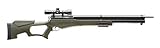
The umarex notos crk air rifle has a funny way of shrinking the usual PCP headache. It’s compact, light, and easy to carry, yet it still brings enough punch for backyard targets, close-range pest control, and small-game work where local rules allow it. The short 11.75-inch barrel keeps it handy, while the regulated air system helps keep shots from wandering all over the place. That matters a lot when one clean hit feels better than burning through pellets and guessing what went wrong.
.22 caliber PCP power gives the Notos more bite than its small frame suggests, but it’s not trying to be a benchrest monster. The 66cc air tank and 3,625 PSI max fill pressure make it more of a “shoot a few magazines, top off, repeat” kind of rifle. Fair enough. Anyone expecting endless shots from a tiny bottle is barking up the wrong tree, but anyone who values a nimble setup will probably grin after the first magazine.
The side-lever action feels like the right call here because it keeps follow-up shots smooth without turning the rifle into a bulky contraption. The 7-shot auto-indexing magazine fits the practical vibe, especially for plinking sessions where single-loading gets old fast. Also, the Picatinny rail leaves room for an optic, which is good because this rifle doesn’t lean on fancy built-in sights out of the box. A simple scope or red dot makes the whole setup feel more complete.
Noise control is another reason the Umarex Notos CRK gets attention. The SilencAir muzzle system helps tame the report, which can make a real difference in tighter spaces where every sharp crack feels twice as loud. Still, quiet doesn’t mean silent, and pellet impact can be louder than expected on hard backstops. Soft targets, safe lanes, and smart pellet choice still matter.
The tradeoff sits right in plain sight. The Notos is wonderfully portable, but its small air capacity means careful fill habits become part of the routine. The collapsible stock helps fit different shooting positions, though taller hands may still want more room and a better cheek weld with certain optics. Even so, the rifle’s charm comes from that balance: compact size, regulated consistency, modest power, and a build that doesn’t feel fussy.
The best umarex notos crk air rifle setup usually starts with realistic expectations. Add a sensible optic, match it with pellets it likes, and don’t treat it like a long-range hammer. Used inside its lane, it’s a tidy little PCP that’s easy to grab, easy to shoot, and easy to appreciate after a long day when dragging out heavier gear feels like too much work.
Umarex AirJavelin Arrow Gun Air Rifle Review
Backyard shooting gets stale pretty fast once every session starts feeling identical. Tiny pellets punching paper can still be fun, sure, but eventually the itch for something heavier, louder on impact, and a little more physical starts creeping in. That’s exactly where the umarex notos crk air rifle crowd often begins looking sideways at arrow rifles like the Umarex AirJavelin. Compact enough to store without drama and different enough to shake up routine range days, this CO2-powered launcher lands in a strange middle ground between airgun and archery gear.
AirJavelin Arrow Gun
The Umarex AirJavelin doesn’t pretend to be subtle. Arrows slap targets with a satisfying thud that standard pellet rifles simply can’t match, and that heavier impact changes the whole shooting rhythm. Instead of rattling through magazines at high speed, each shot feels deliberate. Oddly enough, that slower pace becomes part of the appeal.
Power comes from a single 88-gram CO2 cartridge, though one isn’t included in the box. Expect roughly 27 effective shots before performance starts tapering off, which feels fair considering the setup pushes arrows up to 300 FPS with about 35 FPE. That won’t replace dedicated hunting bows or high-end PCP arrow launchers, but it still carries enough force for meaningful target penetration at reasonable distances.
The included Straight Flight Technology arrows deserve some credit too. Cheap arrows can wobble, fishtail, or flat-out frustrate people into giving up early, but these fly with respectable consistency once the rifle is dialed in. Broadhead compatibility matters as well, though careful tuning becomes more important if setups start changing.
Physical handling feels surprisingly approachable. The rifle isn’t feather-light, yet it avoids the front-heavy imbalance that ruins many novelty-style launchers. A rubber recoil pad helps stabilize shoulder placement, and the all-weather stock handles rough outdoor conditions without feeling delicate or overly polished.
Compact Shooting Experience
Space limitations ruin a lot of shooting hobbies. Full-size bows need room to draw, while bulky rifles become annoying to carry around sheds, garages, trucks, or wooded trails. The AirJavelin’s compact format trims down much of that hassle without turning into a toy-like gimmick.
Short sessions become easier to enjoy because setup feels uncomplicated. Insert the CO2 cartridge, load an arrow, check your optic or sight picture, and you’re ready. No hand pump workout. No tanks dragged across the garage floor. No endless tuning process before every outing.
The fixed orange fiber optic front sight works reasonably well in daylight, especially for casual shooting distances. Precision shooters will probably mount an optic quickly, though the built-in sight still helps during quick practice sessions or improvised setups. Bright sunlight tends to favor that orange insert nicely.
Picatinny rails open the door for customization too. Scopes, bipods, flashlights, quivers, and sling attachments all fit naturally without awkward adapters. In some cases, a relevant reference is Snowpeak AP900B PCP Air Rifle, especially for shooters comparing lightweight air-powered setups with different handling styles and shooting routines.
Real Strengths And Everyday Tradeoffs
Quiet shooting behavior stands out immediately compared to firearms, though nobody should mistake the AirJavelin for silent backyard equipment. The arrow impact itself often creates more noise than expected, particularly against hard foam or dense targets. Soft archery blocks absorb energy much better and reduce sharp slap-back sounds.
CO2 operation keeps the learning curve manageable, but temperature swings absolutely matter. Cold weather drains performance faster, and velocity consistency suffers once temperatures dip enough. Warm afternoons produce noticeably steadier shooting sessions, while chilly mornings may leave arrows dropping lower than expected.
The included arrows save money upfront, though heavy use eventually turns arrow maintenance into part of ownership. Bent inserts, worn vanes, and damaged shafts happen sooner than many first-time buyers expect. Arrow rifles hit harder than casual plinkers sometimes realize, especially at closer distances.
Another tradeoff appears with shot count. Twenty-seven shots sound decent until a long practice day stretches out unexpectedly. Extra CO2 cartridges become part of the regular gear pile pretty quickly, and frequent shooters should budget accordingly rather than acting surprised later.
Target Shooting Feel And Accuracy
Arrow flight changes the emotional side of target practice. Pellets punch tiny holes. Arrows bury themselves deep into foam, wood-backed targets, and layered material with far more visual drama. That heavier impact keeps sessions engaging longer because every successful hit feels tangible instead of tiny and forgettable.
Close-to-midrange accuracy stays respectable once the shooter settles into consistent form. The platform rewards patience more than speed. Rushing shots usually leads to sloppy grouping because arrow trajectory exaggerates mistakes that pellets might partially hide.
Optic selection matters more than some buyers assume. A cheap scope with inconsistent eye relief can turn aiming into an annoying chore, especially once lighting conditions shift. Red dots often pair nicely with this platform because the engagement distances usually stay manageable.
The trigger won’t satisfy precision competition shooters chasing razor-thin breaks, but it feels serviceable for recreational use. Slight creep exists, though it becomes predictable over time. Most frustration tends to come from learning arrow drop rather than trigger behavior itself.
Pros And Cons
Pros start with the rifle’s unusual shooting experience. Arrow impact delivers more visual satisfaction than standard pellet plinking, and the compact size keeps handling approachable. The Picatinny rail system adds flexibility, while the included arrows help owners start shooting without immediate accessory shopping.
CO2 simplicity also deserves praise. Many PCP platforms scare off casual shooters with pumps, compressors, and maintenance rituals that feel like second jobs. The AirJavelin skips much of that complexity and leans into convenience instead.
Cons show up mostly through operating limitations. Cold weather hurts consistency, CO2 refills become an ongoing expense, and shot count won’t satisfy marathon range sessions. Arrow maintenance adds another layer of ownership responsibility that some pellet shooters underestimate at first.
Speed limitations may also disappoint anyone expecting crossbow-like aggression. Three hundred FPS sounds respectable, yet this rifle works best as a recreational arrow launcher rather than a hardcore hunting substitute. Realistic expectations make a huge difference with this platform.
Who Gets The Most From It
Routine target shooting can become repetitive after months of identical gear and predictable results. The AirJavelin shakes up that routine without demanding an enormous learning curve or specialized archery background. That balance gives it a pretty interesting lane in the airgun world.
Storage-friendly dimensions help in tighter spaces too. Full archery equipment can eat up wall space fast, especially once arrows, targets, and accessories start multiplying. This setup keeps things relatively manageable while still delivering enough power to feel substantial.
Backyard shooters dealing with noise-sensitive environments may appreciate the softer report compared to powder-burning alternatives. Pellet traps won’t cut it here, though. Dense archery targets become mandatory because these arrows carry far more force than casual foam blocks can comfortably absorb.
Patience helps a lot with ownership. People expecting endless shots, zero maintenance, and laser-flat trajectory may end up irritated. Shooters willing to work within the platform’s strengths usually end up having far more fun with it than expected.
Umarex Legends M1A1 Blowback BB Rifle Review
Plastic-feeling replica airguns tend to lose their charm fast. The novelty wears off, the controls feel hollow, and the whole thing starts collecting dust in the corner after a few weekends. That frustration pushes a lot of shooters toward heavier builds with more feedback and personality, which explains why the umarex notos crk air rifle crowd sometimes drifts toward replica-style CO2 rifles like the Umarex Legends M1A1. Steel BBs, blowback recoil, and full-auto capability bring a completely different kind of fun compared to quiet PCP precision shooting.
Legends M1A1 Air Rifle
The Legends M1A1 Air Rifle leans heavily into realism, and honestly, that’s the whole point. Full-metal construction gives it genuine heft, while the open-bolt blowback action adds enough mechanical movement to keep each shot engaging. Plenty of replica airguns claim to feel authentic, but lightweight polymer shells usually tell a different story once they’re actually in hand.
CO2 power keeps the rifle approachable without dragging compressors, tanks, or hand pumps into the picture. One 12-gram cartridge handles the job, though fast shooting sessions drain gas quicker than many first-time buyers expect. Full-auto mode absolutely chews through CO2 and BBs like popcorn at a movie theater.
The 30-round drop-free magazine changes the rhythm of backyard shooting in a good way. Reloads feel satisfying instead of clumsy, and the detachable design fits the military-inspired styling naturally. Small details like that matter more than spec sheets sometimes admit.
Velocity tops out around 435 FPS, which places the rifle comfortably inside casual target-shooting territory. It’s quick enough for reactive cans, spinning targets, and steel traps, though nobody should expect precision pellet-rifle accuracy from smoothbore steel BB shooting. Different lane entirely.
Blowback Action And Shooting Feel
Mechanical feedback gives this rifle most of its personality. The blowback system creates noticeable movement with every shot, adding vibration and cycling action that static CO2 guns often lack. Sure, recoil stays mild compared to firearms, but the physical response still keeps the experience lively.
Full-auto mode steals attention immediately. Flip the selector, squeeze the trigger, and the M1A1 dumps BBs fast enough to leave people grinning like idiots after the first burst. The downside shows up right after that grin fades because magazines empty almost instantly.
Semi-auto shooting feels more practical for longer sessions. Gas efficiency improves, accuracy stays more manageable, and targets last longer before turning into shredded metal confetti. Trigger response remains snappy enough that rapid follow-up shots still feel entertaining without becoming wasteful.
Weight distribution deserves credit too. Some replica rifles feel awkwardly front-heavy or toy-like near the stock, but this one balances reasonably well for offhand shooting. Long sessions can still fatigue the arms a bit, especially during standing drills, though the added realism partly justifies the extra mass.
Build Quality And Handling
All-metal construction gives the rifle a rugged presence right away. Cold metal surfaces, moving bolt parts, and solid magazine insertion create a more convincing experience than lightweight alternatives. People who care about tactile details will notice the difference immediately.
The stock design sticks closely to the historical inspiration, which creates both charm and compromise. Compact dimensions help maneuverability, especially in tighter shooting spaces, but taller shooters may wish for slightly more length during extended sessions. That old-school layout won’t fit every body type perfectly.
Controls feel straightforward without unnecessary gimmicks cluttering the platform. Safety placement, magazine release, and selector operation remain intuitive after a few magazines. Nothing feels overly delicate, which matters because replica rifles often get handled rougher than precision target guns.
From a practical angle, a relevant reference is best target compound bow stabilizer, especially for shooters who enjoy balancing recreational setups across different target disciplines where control, posture, and shooting rhythm all start overlapping in interesting ways.
Accuracy And Realistic Expectations
BB rifles live in a different universe than regulated PCP pellet guns. The M1A1 smoothbore barrel favors fun over tiny group sizes, and treating it like a precision bench rifle usually leads to disappointment. Reactive shooting distances around 10 to 20 yards fit the platform far better.
Steel BBs naturally introduce more spread compared to pellets. Targets the size of soda cans, hanging plates, and silhouette traps make far more sense than tiny bullseyes. Tight indoor-style grouping sessions simply aren’t this rifle’s strongest area.
Rapid fire affects consistency too. CO2 cool-down happens quickly during full-auto bursts, which lowers velocity temporarily and shifts point of impact slightly. Slow things down a bit, and the rifle behaves more predictably.
Optics compatibility stays somewhat limited by the replica styling. Iron sights work fine for casual shooting, though mounting modern accessories may require aftermarket solutions depending on personal setup goals. Some shooters will love the traditional appearance enough to leave it untouched anyway.
Pros And Cons
Pros start with the shooting experience itself. Blowback action, realistic weight, and full-auto fire create a more immersive session than many entry-level CO2 rifles deliver. The detachable 30-round magazine keeps reloads entertaining instead of tedious, while the metal frame avoids the cheap hollow feel common in budget replicas.
Semi-auto and full-auto flexibility also broadens the rifle’s appeal. Controlled shots work well for casual target practice, while burst firing injects pure chaos into plinking sessions. Few airguns manage to balance both personalities this naturally.
Cons appear mostly around operating costs and realism tradeoffs. Full-auto mode burns through BBs and CO2 quickly, so cheap shooting sessions can suddenly become less cheap. Accuracy stays decent for reactive targets but won’t satisfy shooters chasing tiny clusters on paper.
Noise levels climb higher than expected too. Blowback action adds mechanical clatter that quieter pellet rifles avoid completely. Backyard environments with sensitive neighbors may require a little more caution, especially during rapid-fire sessions.
Where The Rifle Fits Best
Routine plinking gets repetitive once every session becomes slow precision shooting from a bench. The Legends M1A1 shakes things up by making interaction part of the fun instead of focusing purely on tight grouping performance. Cycling bolts, swapping magazines, and hearing steel targets ring creates a more active atmosphere.
Collectors will probably appreciate the visual side almost as much as the shooting experience. Replica-inspired rifles carry a different emotional pull than modern tactical PCP platforms, especially for people drawn toward historical military styling and mechanical detail.
Casual target setups pair nicely with this rifle because reactive shooting matters more than formal accuracy testing here. Hanging cans, spinners, and steel plates all amplify the blowback personality in ways plain paper targets can’t fully capture. Fast-paced backyard drills suit it naturally.
Patience still matters. Cheap BBs can jam occasionally, CO2 cartridges need regular replacement, and full-auto temptation drains supplies faster than expected. Shooters who understand those tradeoffs ahead of time usually enjoy the rifle far more than people expecting endless efficiency.
Elite Force AirSaber PCP Arrow Gun Review
Heavy impact changes the whole mood of a shooting session. Paper targets stop feeling like the main event once arrows start landing with real authority, and that shift is exactly why the umarex notos crk air rifle conversation often branches into PCP arrow rifles. The Elite Force AirSaber PCP Arrow Gun sits in that tougher, louder-on-impact lane with a 41-inch frame, a 6.85-pound weight without scope, and enough energy to make casual plinking feel far more serious. It’s not a lazy afternoon can-popper, and honestly, that’s part of its appeal.
AirSaber PCP Arrow Rifle
The AirSaber PCP Arrow Rifle feels built around purpose rather than novelty. Its bolt-action layout gives each shot a slower, more deliberate pace, which fits an arrow gun far better than a rushed trigger-happy setup. That rhythm encourages careful loading, steady shoulder pressure, and a cleaner release. Misses feel less random because the platform makes sloppy habits obvious.
The headline numbers are hard to ignore. This rifle launches arrows up to 450 FPS with up to 169 FPE kinetic energy, which puts it far beyond lightweight backyard arrow toys. That much power demands proper targets, safe backstops, and real respect for distance. A thin foam block won’t cut it for long, and pretending otherwise is asking for damaged arrows or worse.
The included three carbon fiber arrows with 100-grain field tips make the kit feel usable right out of the box, minus the air source. Umarex Straight Flight Technology arrows are designed for this kind of platform, so the fit feels more intentional than pieced together. Still, arrows are wear items. Nicks, vane damage, and bent components become part of the ownership routine.
The Axeon 4x32mm scope adds real value because arrow trajectory needs more thought than pellet shooting. Its custom Air Archery Ballistic Reticle helps with holdover references instead of forcing wild guessing after the first shot drops low. Four-power magnification feels sensible here, not overdone. Too much magnification would make close work twitchy and awkward.
Power Delivery And Shot Count
The high-capacity air tank delivers up to 25 effective shots per fill, which suits this rifle’s slower shooting style. Arrow guns don’t beg for rapid strings the way semi-auto BB rifles do. Every shot takes more setup, more attention, and more consequence downrange. That makes the shot count feel more practical than it looks on paper.
The integrated pressure gauge is one of those features that saves headaches. Guessing air pressure on a powerful PCP platform gets old fast, especially when point of impact starts shifting and nobody knows why. A visible gauge keeps the shooter honest. It also makes fill planning less of a guessing game before stepping outside or heading to a private range lane.
PCP power brings cleaner consistency than CO2 in many conditions, but it also adds responsibility. A hand pump can work, yet filling a high-energy arrow rifle that way may feel like punishment after a while. A small tank or compressor makes ownership smoother, though that raises the total cost. That’s the tradeoff: more power and better consistency, but less casual simplicity.
Cold weather affects this rifle differently than CO2-powered arrow guns. The PCP system won’t fall off as dramatically from temperature alone, which helps during cooler outdoor sessions. Air pressure still needs monitoring, and seals still need care. Strong gear doesn’t mean maintenance disappears.
Handling In The Field
The 41-inch overall length gives the AirSaber a full-size feel without becoming absurdly long. It shoulders more like a serious rifle than a compact plinker, and that helps with stability. Around blinds, sheds, or tight lanes, though, the length becomes noticeable. Careless movement can bump limbs, rails, or nearby gear.
At 6.85 pounds without the scope, the rifle has enough mass to stay planted but not so much that it feels punishing. Add the optic and accessories, and the setup gains weight quickly. That can be helpful from a rested position. Offhand shooting for long stretches, though, starts reminding the arms who’s boss.
The all-weather stock feels practical rather than fancy. Wet grass, dusty range benches, and rough handling won’t make it feel fragile. The rubber recoil pad also helps with consistent shoulder placement, even though recoil itself isn’t harsh in the firearm sense. A stable mount matters because arrow launchers punish loose form.
Picatinny accessory mounts give the rifle room to grow. Bipods make sense for steady shots, while quivers can keep arrows organized instead of rolling around loose. From a practical angle, a relevant reference is best laser sight for air rifle, especially in discussions about aiming aids, short-distance visibility, and accessory placement on air-powered shooting setups.
Accuracy And Arrow Behavior
Arrow flight has its own personality. It’s slower, more arched, and more sensitive to setup than steel BB or pellet shooting. The AirSaber’s power helps flatten the path compared with weaker arrow launchers, but gravity still gets a vote. Range estimation matters, and sloppy guessing shows up fast.
The included scope helps tame that learning curve. The ballistic reticle gives visual reference points for different distances, which feels more useful than a plain crosshair on this platform. Still, the scope won’t magically fix inconsistent anchor points or rushed trigger work. The shooter has to bring some discipline to the table.
Arrow consistency depends heavily on condition. Damaged vanes, mismatched tips, or dirty shafts can open groups without warning. With pellets, a bad tin might annoy you. With arrows, one damaged shaft can turn a tidy group into a head-scratcher.
Broadhead use changes the equation again. Field tips are easier to practice with, while broadheads can alter flight and demand fresh zero checks. The AirSaber’s energy level gives it serious capability where lawful and appropriate, but ethical use depends on distance control, arrow selection, and knowing local rules. Power alone doesn’t make poor judgment acceptable.
Pros And Cons
Pros start with raw capability. The AirSaber pushes arrows with far more authority than CO2 arrow rifles, and the 25-shot effective fill keeps practice sessions from feeling constantly interrupted. The included scope, arrows, field tips, and accessory-ready stock give the package a well-rounded feel. Nothing feels randomly thrown in just to pad the box.
Power and accuracy potential stand out most from a reviewer’s chair. The bolt-action design keeps shooting controlled, while the PCP system supports more consistent output than temperature-sensitive CO2 setups. The pressure gauge is another practical win. Small detail, big difference during real use.
Cons begin with cost and support gear. PCP ownership usually means pumps, tanks, fittings, or compressors, and that extra equipment can surprise buyers who only looked at the rifle price. The setup is also too powerful for casual backyard improvising unless the space and target system are genuinely safe. Cheap targets will not age gracefully here.
The rifle’s size may bother anyone wanting something compact. A 41-inch arrow gun carries better than some traditional bows, but it’s not a small carbine. Add a bipod, quiver, and scope, and the rig becomes more deliberate than grab-and-go. That’s fine for planned sessions, less fine for quick plinking between chores.
Best Use Cases And Limits
The AirSaber PCP Arrow Rifle fits best where power, repeatable aiming, and arrow impact matter more than rapid fire. Private land target practice, controlled archery-style lanes, and serious field preparation suit it well. It asks for space. Tight urban backyards and flimsy backstops are a poor match.
Its biggest strength may be how clearly it separates itself from lighter airguns. The umarex notos crk air rifle appeals through compact PCP convenience, while the AirSaber leans into heavy arrow energy and deliberate shot placement. Neither replaces the other. They scratch different itches.
Beginners can learn on it, but only with patience and respect for the platform. Loading arrows, watching pressure, maintaining shafts, and understanding trajectory all add layers beyond basic pellet shooting. That learning curve isn’t a flaw. It’s simply the price of using a more capable arrow rifle.
Realistic expectations make ownership smoother. The Axeon scope helps, the arrows are purpose-built, and the stock handles rough outdoor use, but the rifle still needs careful setup and regular practice. Treat it like a serious air-powered arrow platform, not a toy, and its strengths become much easier to appreciate.
Umarex Ruger Blackhawk Pellet Rifle Review
Some air rifles feel like they were made for patient hands, not rushed trigger fingers. Break-barrel springers have that old-school rhythm: cock it, load one pellet, settle in, breathe, then send the shot. The umarex notos crk air rifle may draw attention from compact PCP fans, but the Umarex Ruger Blackhawk .177 Caliber Pellet Gun speaks to a different kind of shooter, the one who doesn’t mind a little effort between shots if the payoff is simple, direct, and affordable backyard practice.
Ruger Blackhawk Pellet Rifle
The Ruger Blackhawk Pellet Rifle keeps things refreshingly mechanical. No CO2 cartridges, no air tanks, no fill gauges, and no compressor sitting in the corner like an expensive guilt trip. Break the barrel, seat a .177 pellet, lock it back up, and the rifle is ready. That simplicity gives it a rugged charm, especially for anyone tired of gear that needs five accessories before the first shot.
The listed 1000 FPS velocity puts this rifle in the fast-shooting .177 spring-piston category. Lightweight pellets can move quickly, which helps with flatter target shooting at modest distances. Still, speed alone doesn’t guarantee tight groups. Spring-piston rifles demand consistent hold, steady follow-through, and a little humility on the bench.
The included 4x32mm scope adds value, but expectations need to stay grounded. Bundled scopes are usually serviceable for basic target work, not magic glass for tiny groups at long distance. A fixed 4x magnification keeps the setup simple, and that’s not a bad thing. Too much scope on a springer can make every tiny wobble feel worse than it is.
Build character matters with this rifle. The Blackhawk isn’t trying to act like a featherweight carbine or a tactical PCP platform. It feels more like a backyard workhorse, the kind of rifle that earns its keep through repeated tin-can sessions, paper targets, and slow practice rather than flashy features.
Spring-Piston Feel And Daily Use
The spring-piston action gives this rifle its personality and its main learning curve. Unlike PCP rifles that shoot with a smoother release, a springer moves internally during the shot cycle. That motion can tug shots off target if the hold changes from one shot to the next. Yep, it’ll call out sloppy habits fast.
Cocking effort becomes part of the routine. That’s not necessarily bad, because it slows the session down and makes each shot feel earned. Still, younger shooters or anyone with wrist and shoulder issues may find repeated cocking tiring after a while. A full afternoon of shooting can turn into a workout sooner than expected.
The .177 caliber pellet format fits target practice nicely. Pellets are widely available, usually affordable, and easy to store in quantity. For paper punching, spinners, and cans, .177 keeps the cost per shot manageable. For tougher pest-control tasks, though, the smaller pellet size requires careful shot placement and realistic distance limits.
Noise sits in a middle zone. It’s not firearm-loud, but the spring snap and pellet crack can still carry in quiet yards. Dense backstops help, and so does choosing pellets that stay consistent without chasing maximum speed. Sometimes a slightly heavier pellet shoots better and sounds less sharp.
Scope, Sights, And Accuracy Habits
The 4x32 scope gives the Ruger Blackhawk a ready-to-use aiming setup, which matters for buyers who don’t want to piece together optics on day one. Four-power magnification suits backyard distances well because it keeps the sight picture steady enough without feeling cramped. It’s practical, not fancy. That fits the rifle.
Springer accuracy can feel frustrating at first. A tight grip, a hard shoulder pull, or inconsistent cheek pressure may scatter pellets even when the rifle itself is capable of better. The classic light “artillery hold” often helps because it lets the rifle recoil and settle more naturally. Sounds odd, but spring guns can be picky like that.
Pellet choice also makes a real difference. Some rifles prefer domed pellets, while others behave better with slightly heavier options. The 1000 FPS rating should not push every shooter toward the lightest pellet possible. Chasing the biggest number often creates louder shots, rougher behavior, and worse groups.
From a practical angle, a relevant reference is best piston air rifles, especially for understanding how spring-powered rifles differ from PCP and CO2 setups in shot feel, maintenance habits, and day-to-day handling.
Pros And Cons
Pros start with independence. The Ruger Blackhawk doesn’t need CO2, charged cylinders, or extra filling gear, which keeps ownership simple and relatively low-cost. That’s a big deal for anyone who wants to shoot without building a mini airgun workshop. Pellets, targets, and a safe backstop are the main ingredients.
Power for target shooting is another strong point. The .177 caliber pellet and 1000 FPS listing give the rifle enough zip for backyard paper, cans, and reactive targets. The included scope helps new owners start sooner. The one-year limited warranty adds a bit of reassurance too.
Cons mostly come from the spring-piston design. Cocking effort can wear on the arms, the shot cycle requires practice, and accuracy depends heavily on consistent technique. This isn’t the easiest rifle for someone who expects point-and-shoot results right away. It rewards patience more than impatience.
The bundled scope may also be a limitation for picky shooters. It’s useful, but not the kind of optic that turns an entry-level springer into a precision bench rifle. Mounts can shift on hard-recoiling spring guns if not properly secured. Regular checks become part of the routine.
Handling And Comfort
The Ruger Blackhawk feels like a full-size air rifle, not a compact backpack plinker. That can be good for stability because a bit of length helps the rifle settle into the shoulder. On the flip side, tighter indoor storage and small shooting lanes can make it feel less nimble than shorter carbines. Size always has a say.
The stock shape supports traditional shooting positions without getting weird. Bench shooting, standing shots, and casual rested practice all feel natural once the cocking motion becomes familiar. A firm cheek weld helps keep the scope view consistent. Tiny changes in head position can throw off groups faster than expected.
The break-barrel loading process also builds a slower, more careful rhythm. That makes it a nice practice tool for fundamentals because there’s no magazine encouraging careless follow-up shots. Every pellet takes a few seconds of setup. That pause can clean up bad habits if the shooter pays attention.
Still, the rifle may not suit anyone chasing rapid-fire fun. Single-shot springers feel deliberate by nature, and that pace is either relaxing or annoying depending on the mood. The Blackhawk belongs more to slow backyard practice than high-volume plinking marathons.
Where It Makes Sense
The Ruger Blackhawk Pellet Rifle makes the most sense for simple, repeatable target practice. It suits paper targets, tin cans, spinners, and basic marksmanship drills where the shooter wants affordable trigger time. The lack of external power supplies keeps the whole setup pleasantly uncomplicated. That’s a real strength, even if it doesn’t sound glamorous.
Compared with the umarex notos crk air rifle, this Ruger takes a more traditional route. The Notos leans into compact PCP convenience, while the Blackhawk leans into spring-powered self-sufficiency. Neither style is automatically better. They simply solve different problems for different shooting routines.
The rifle’s biggest weakness may be impatience. Rushed shooting, poor follow-through, and random pellet choices will make it seem less accurate than it can be. Spend time learning its hold sensitivity, and the experience gets smoother. Ignore that, and the rifle will keep throwing little reminders downrange.
Best-fit use stays clear: casual target work, budget-friendly practice, and a no-cartridge shooting routine. The included 4x32 scope and basic spring-piston setup keep entry costs controlled, while the 1000 FPS rating gives it enough energy to stay entertaining. It’s not polished luxury gear, but it has the honest appeal of a rifle that makes you do your part.
Umarex Origin PCP Pellet Rifle Review
Hand pumps can turn a fun rifle into a chore if the tank fights back from the first stroke. That’s the little annoyance many new PCP shooters don’t see coming until the rifle arrives and the filling routine starts eating into trigger time. The umarex notos crk air rifle often gets attention for compact PCP convenience, but the Umarex Origin PCP .22 Caliber Pellet Rifle takes a broader, more practical route by bundling the rifle with a hand pump and using an air system designed to make filling less of a wrestling match. It feels less like a flashy toy and more like a starter PCP kit that understands the messy parts of ownership.
Umarex Origin PCP Rifle
The Umarex Origin PCP Rifle has one big advantage before the first pellet even leaves the barrel: it includes the Umarex HPA hand pump. That matters because PCP rifles can look affordable until the buyer realizes filling gear is another purchase. With this package, the basic air source is already handled. No scrambling for a separate pump, no guessing which fittings belong in the cart.
The rifle’s Ever-Pressure EPT Tank System is the piece that gives the Origin its personality. Umarex describes it as a patented air tube design made to pump and fill more easily than a standard setup. In real-world terms, that means the rifle is built around reducing one of the most common PCP complaints. Filling still takes effort, of course, but the system is less intimidating than a high-pressure setup that feels like gym equipment.
The .22 caliber pellet format gives the Origin a useful balance of energy and pellet availability. Compared with .177, .22 pellets hit harder and tend to feel more satisfying on reactive targets. They also suit short-to-moderate pest-control roles where legal and appropriate. The tradeoff is a slightly more arched trajectory, so distance judgment still matters.
Velocity is listed at up to 1000 FPS, which puts the rifle in a lively performance range for a .22 PCP. That number depends on pellet weight and conditions, so it shouldn’t be treated like a guaranteed result with every tin on the shelf. Still, the Origin clearly isn’t built as a sleepy backyard plinker. It has enough pace to make careful target work feel rewarding.
Filling System And Pump Routine
The EPT tank design is the headline because filling routine shapes the whole PCP experience. A rifle can shoot nicely, but if pumping it feels miserable, it ends up sitting unused. The Origin tries to solve that problem by lowering the frustration barrier. That’s smart design, not decoration.
Using the included HPA hand pump still requires patience. PCP air pressure doesn’t come free, and a full fill takes steady strokes rather than half-hearted pumping. Even so, having a matched pump in the kit removes a lot of early confusion. The setup feels approachable for someone stepping into PCP rifles without wanting a compressor right away.
Consistent air delivery helps the rifle feel calmer shot after shot. The product details point to more consistent shot velocity, and that matters for grouping because unpredictable speed changes can push pellets high or low. A smoother string gives the shooter fewer mysteries to blame. Bad trigger pull still shows up, but at least the rifle isn’t adding as much chaos.
The limitation is simple: hand pumping isn’t effortless. Anyone planning marathon sessions may eventually want a tank or compressor, especially if shooting several magazines back to back. For casual use, though, the bundled pump makes sense. It keeps the whole system self-contained and avoids turning a first PCP purchase into a pile of extra invoices.
Magazine, Cocking, And Setup Feel
The 10-shot magazine gives the Origin a better rhythm than single-shot rifles. Loading once and working through a full string keeps focus on shooting instead of constantly handling pellets. It’s especially nice during sight-in work, where repeated shots help reveal patterns. A magazine also makes plinking feel more relaxed.
The easy cocking side handle is another practical touch. Side handles usually feel more natural than stiff bolt layouts, especially during rested shooting from a bench or bag. Follow-up shots don’t require breaking position as much. That small comfort adds up during longer sessions.
An optics-ready accessory rail keeps the rifle flexible. Most shooters will want a scope because PCP rifles can take advantage of better sight pictures than basic open sights. A moderate optic makes sense here, especially one that handles .22 pellet drop without turning the setup into a heavy bench-only rig. Balance matters more than piling on oversized glass.
From a practical angle, a relevant reference is best Gamo air rifle bag, especially around storage and transport habits for full-length air rifles with scopes, pumps, pellets, and small accessories that tend to wander off between sessions.
Accuracy Expectations And Pellet Choice
The Origin PCP should be treated like a rifle that rewards basic discipline. PCP power removes the spring vibration found in break-barrel rifles, so the shot cycle feels smoother and easier to manage. That doesn’t mean accuracy happens automatically. Loose mounts, poor pellets, and rushed breathing can still ruin a group in a hurry.
Pellet selection matters quite a bit in .22 caliber PCP rifles. Domed pellets often make sense for general target work because they tend to fly predictably at moderate distances. Lighter pellets may chase higher speed, while heavier ones can settle the rifle down. The best fit usually shows up only after a few careful groups.
The 1000 FPS listing sounds exciting, but practical accuracy may live below the fastest possible setup. Too much speed can make some pellets behave badly, especially if they’re not suited to the rifle’s barrel. A slightly slower, steadier pellet often beats a faster pellet that scatters. Paper targets don’t care about marketing numbers.
Noise level depends on pellet choice and backstop material. A fast .22 pellet can make a sharper crack than expected, and target impact may carry across a quiet yard. A safe pellet trap or dense backstop helps keep the session controlled. The rifle has usable backyard appeal, but space and local rules still have the final say.
Pros And Cons
Pros begin with the complete kit approach. The included hand pump removes a major barrier to PCP ownership, and the EPT tank system helps make pumping less aggravating. The 10-shot magazine, side cocking handle, and optics-ready rail all support a smoother everyday shooting routine. Those features feel useful, not tacked on.
Performance strength also sits in the rifle’s .22 caliber power and claimed velocity. Up to 1000 FPS gives it enough energy for lively target shooting and practical field use where lawful. The platform should feel calmer than a springer because there’s no spring-piston jump during the shot. That smoother release helps newer PCP shooters build confidence faster.
Cons mostly come from PCP ownership itself. The hand pump helps, but pumping still takes time and effort. The rifle also needs attention to air pressure, seals, pellet fit, and magazine handling. Anyone hoping for zero-maintenance simplicity may find the routine more involved than expected.
The included pump is useful, but it won’t feel luxurious during high-volume shooting. Long sessions can turn fill breaks into a sweat session, especially in warm weather. A compressor or tank may eventually sound tempting. That doesn’t make the kit weak, it just shows the natural ceiling of hand-pumped PCP life.
Where It Fits Best
The Umarex Origin PCP Rifle fits nicely for shooters who want PCP smoothness without buying a separate air setup on day one. It covers the basics in one package, which makes the first step less confusing. That’s a big deal because PCP rifles can become a rabbit hole fast. The Origin keeps the doorway wider.
Compared with the umarex notos crk air rifle, the Origin feels less compact and more traditional. The Notos leans toward short, handy carbine use, while the Origin leans into a full starter PCP system with a pump and magazine-fed shooting. Different tools, different moods. Neither one wins every lane.
Backyard target work, pellet testing, informal bench shooting, and careful small-pest control roles all fit the rifle’s general profile. Safe backstops matter because .22 pellets carry meaningful energy. The rifle isn’t something to casually fire at weak targets or unknown distances. Respect the power, and the experience stays much cleaner.
The biggest practical appeal is control. The side handle keeps cycling easy, the 10-shot magazine keeps shooting steady, and the hand pump keeps the rifle independent from CO2 cartridges. For a first serious step into PCP airguns, that combination feels sensible, even with the sweat and learning curve that come with it.