
What Gun Does the FBI Use and Why It Matters

What Gun Does the FBI Use sparks curiosity for a reason. People don’t just want a list of firearms tossed onto a page. They want to understand why certain pistols, rifles, and tactical platforms earned a place inside one of the most recognized federal agencies in the country. That curiosity usually starts with reliability, but honestly, it goes much deeper than that. Accuracy under pressure, recoil control, ammunition compatibility, maintenance demands, and real-world deployment all shape those decisions behind the scenes.
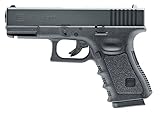
Most conversations circle back to the Glock 19M, and yeah, there’s a good reason for that. The compact frame strikes a balance between concealability and control without feeling awkward in the hand during extended qualification sessions. Agents often carry gear for long hours, move through crowded spaces, or operate inside unpredictable environments. A bulky sidearm can become frustrating fast, while a pistol that’s too small sacrifices confidence and handling. That middle-ground setup keeps things practical without overcomplicating daily carry.
Caliber debates never really die, do they? The FBI’s adoption of 9mm ammunition shifted a lot of opinions across law enforcement circles because performance changed dramatically over the years. Modern defensive rounds improved penetration and expansion while reducing harsh recoil compared to larger calibers. That matters during rapid follow-up shots where fractions of a second can change outcomes. Consistency beats brute force every single time during stressful encounters.
Long guns also play a major role in tactical operations. Specialized teams often rely on AR-platform rifles because modular setups adapt to different mission requirements without reinventing the wheel. Adjustable optics, suppressor compatibility, sling configurations, and rail-mounted accessories allow flexible deployment in urban environments or high-risk warrant situations. Nobody wants equipment fighting against them during tense operations. Smooth handling and predictable controls become essential once adrenaline kicks in.
Shot placement, weapon familiarity, and training routines matter far more than flashy gear trends floating around online forums. Plenty of firearm enthusiasts chase whatever looks aggressive or tactical without considering ergonomics or practical use. The FBI’s firearm selections tend to reflect efficiency instead of hype. That approach influences civilian shooters, defensive training programs, and even commercial firearm production because proven reliability usually earns long-term trust.
Maintenance plays its part too, even though it rarely gets the spotlight. A firearm that performs beautifully at the range but struggles after dirt, moisture, or constant carry won’t survive agency-level demands for very long. Durable finishes, simple field stripping, and dependable internal components reduce downtime and keep operational readiness steady. Little details, oddly enough, often separate dependable duty weapons from range toys built mostly for appearance.

- ARS Mark9.2
ARS Mark is a ranking system developed by bestairriflescopes.com. ARS Mark has no relationship or impact from any manufacturers or sales agent websites. Learn more
- BrandBESTCROF

- ARS Mark9.2
ARS Mark is a ranking system developed by bestairriflescopes.com. ARS Mark has no relationship or impact from any manufacturers or sales agent websites. Learn more
- BrandAktion Toys

- ARS Mark9.2
ARS Mark is a ranking system developed by bestairriflescopes.com. ARS Mark has no relationship or impact from any manufacturers or sales agent websites. Learn more
- BrandDPMS
- ARS Mark8.8
ARS Mark is a ranking system developed by bestairriflescopes.com. ARS Mark has no relationship or impact from any manufacturers or sales agent websites. Learn more
- BrandUmarex

- ARS Mark8.8
ARS Mark is a ranking system developed by bestairriflescopes.com. ARS Mark has no relationship or impact from any manufacturers or sales agent websites. Learn more
- BrandUmarex

- ARS Mark8.4
ARS Mark is a ranking system developed by bestairriflescopes.com. ARS Mark has no relationship or impact from any manufacturers or sales agent websites. Learn more
- BrandBugrtey

- ARS Mark8.4
ARS Mark is a ranking system developed by bestairriflescopes.com. ARS Mark has no relationship or impact from any manufacturers or sales agent websites. Learn more
- BrandUmarex
Last update on 2026-07-05 / Affiliate links / Images, Product Titles, and Product Highlights from Amazon Product Advertising API
What Gun Does The FBI Use
Long hours at the range can expose every weakness in a firearm fast. Heavy recoil wears people down, awkward grips slow reaction time, and unreliable magazines create the kind of frustration nobody forgets. Federal agents deal with those realities constantly, which explains why What Gun Does The FBI Use keeps popping up in firearm discussions across training circles and defensive shooting communities. People want to know which weapons survive pressure, stay manageable during rapid fire, and maintain consistent reliability without becoming a burden during daily carry.
Why The Glock 19M Became A Federal Favorite
The Glock 19M didn’t earn attention because of flashy styling or oversized marketing claims. Agents needed a sidearm that balanced concealment, recoil management, magazine capacity, and long-term durability without becoming annoying during extended wear. Compact pistols often sacrifice shootability, while larger duty guns become uncomfortable after hours on the belt. The Glock 19M settled into that sweet spot where handling stays predictable without feeling bulky.
Grip texture played a bigger role than many people expected. Sweaty hands, gloves, rain, and rapid movement can turn a slick handgun into a liability within seconds. The FBI leaned toward a platform offering secure handling under stressful conditions instead of focusing only on appearance or raw caliber size. Practicality tends to beat hype once real-world carry enters the picture.
Magazine compatibility also matters more than casual shooters realize. A firearm that supports reliable feeding and quick reloads reduces hesitation during qualification and field operations. That consistency becomes especially valuable during repetitive training sessions where malfunctions quickly expose weak components. Agents need tools that behave the same way every single time.
Plenty of civilian shooters followed the FBI’s lead once the Glock 19M became public knowledge. Defensive carry communities started paying closer attention to controllability instead of chasing oversized calibers. Explore dependable firearm handling techniques through best air rifles for training to build smoother trigger control and better shooting habits without excessive recoil fatigue.
How The FBI Shifted Back To 9mm
Caliber debates can drag on forever, but the FBI’s return to 9mm ammunition changed plenty of minds inside law enforcement circles. Older assumptions claimed bigger calibers automatically delivered better stopping power, though ammunition technology evolved dramatically over the years. Modern defensive rounds improved expansion and penetration while reducing recoil enough for faster follow-up shots. That tradeoff matters far more during real encounters than internet arguments usually admit.
Reduced recoil creates practical benefits that show up immediately during training. Faster sight recovery helps maintain accuracy during rapid strings of fire, especially for shooters spending hours qualifying at different distances. Fatigue also becomes easier to manage once recoil impulse softens slightly. Consistency under pressure matters more than chest-thumping caliber bragging rights.
The FBI’s ballistic testing process pushed manufacturers to improve ammunition performance instead of simply increasing power. Controlled penetration through barriers, clothing, and glass became major evaluation points. Agents often operate around vehicles and crowded urban spaces where unpredictable variables complicate every situation. Reliable penetration without excessive overtravel remains a huge concern during tactical planning.
People sometimes overlook the financial side too. Training with 9mm generally costs less compared to larger calibers, which allows agencies to increase practice volume without crushing budgets. More repetitions mean stronger muscle memory and better shooting confidence. A firearm system only works effectively if people train with it consistently.
Duty Pistols Need More Than Accuracy
Accuracy alone won’t keep a sidearm in federal service for very long. A pistol can print tight groups on paper yet still become frustrating during movement drills or prolonged carry. Weight distribution, grip ergonomics, trigger reset, and maintenance simplicity all influence long-term performance. The FBI evaluates firearms through a much wider lens than casual range sessions.
Field stripping simplicity matters more than people expect. Agents and armorers need firearms that can be cleaned quickly without wrestling tiny pins or delicate internal parts. Dirt, sweat, lint, and moisture build up over time, especially during constant carry. A firearm with easy maintenance usually survives operational use far better than overly complicated designs.
Trigger consistency also affects qualification scores and defensive accuracy. Some handguns feel smooth during slow fire but become unpredictable during rapid engagement drills. Federal testing focuses heavily on repeatable performance because hesitation or inconsistency creates problems during stressful encounters. Predictability beats gimmicks every single day.
Holster compatibility enters the conversation too. Agents carry different setups depending on assignment, environment, and concealment needs. A duty pistol that supports broad accessory compatibility simplifies logistics while improving operational flexibility. Small details often shape firearm selection more than raw specifications printed on a brochure.
Rifles Used During Tactical Operations
Handguns may dominate public discussions, but rifles handle many high-risk situations where accuracy and control become critical. FBI tactical teams often rely on AR-platform rifles because modular systems adapt easily to changing operational needs. Optics, weapon lights, slings, suppressors, and adjustable stocks all contribute to mission flexibility. Nobody wants equipment limiting movement during tense operations.
Shorter barrel configurations gained popularity because maneuverability matters inside buildings and vehicles. Long rifles can feel awkward in tight hallways or stairwells where movement becomes restricted. Compact rifle setups allow smoother transitions around corners while maintaining strong ballistic performance. Tactical mobility carries serious weight during federal operations.
Optics selection also changed dramatically over the years. Red dot sights improved target acquisition speed while reducing eye strain during extended use. Magnified optics still matter for certain assignments, though close-range adaptability remains essential during urban deployments. The FBI focuses heavily on quick visual processing instead of flashy accessories that complicate handling.
Training standards remain intense for rifle qualification. Agents practice transitions, reloads, movement drills, and target discrimination repeatedly until handling becomes automatic. Compare long-range precision expectations through how far can a crossbow shoot accurately to see how stability and distance management affect controlled targeting across different weapon systems.
How Training Shapes Firearm Selection
Training requirements influence firearm choices more than marketing campaigns ever could. A weapon may look impressive online but fail quickly once shooters start running timed drills, movement exercises, and repetitive reloads. The FBI evaluates firearms based on practical performance across thousands of training repetitions. Durable gear saves time, reduces maintenance headaches, and keeps qualification standards steady.
Recoil management becomes increasingly important during longer practice sessions. Harsh recoil slows learning progression and causes fatigue that affects shooting posture and trigger control. Softer shooting platforms encourage better repetition quality, especially during rapid-fire exercises. Small improvements in comfort often create massive gains in long-term consistency.
Hand size variation also impacts firearm selection. Agents come from different physical backgrounds, so pistols need adjustable ergonomics that support broad usability. Interchangeable backstraps and manageable grip dimensions improve handling for a wider range of shooters. Comfort directly affects confidence once pressure increases.
Stress testing reveals weaknesses ordinary range trips rarely expose. Heat buildup, dirty conditions, awkward shooting positions, and rushed reloads create problems for poorly designed equipment. Federal agencies need firearms that continue functioning even after rough treatment. Reliability stops being optional once lives depend on mechanical performance.
Why Reliability Beats Fancy Features
Firearm marketing loves flashy upgrades and aggressive styling, but operational use strips away most of that excitement pretty quickly. Agents need sidearms and rifles that perform consistently without demanding constant adjustment or specialized maintenance. Overly complicated systems introduce more failure points, which becomes dangerous during high-pressure situations. Simple, proven designs usually stay in service longer for a reason.
Controls must remain intuitive even during adrenaline spikes. Tiny buttons, stiff safeties, or awkward magazine releases slow reaction time and increase fumbling during reloads. Federal firearm evaluations focus heavily on muscle memory compatibility because smooth operation matters during chaotic environments. Predictable handling reduces hesitation once stress kicks in.
Durable finishes also matter more than aesthetics. Daily carry exposes firearms to sweat, friction, weather changes, and accidental impacts. Weak coatings wear down quickly and create maintenance problems over time. Strong corrosion resistance helps preserve long-term reliability while reducing unnecessary armorer repairs.
Weight balance often separates comfortable duty weapons from firearms people dread carrying. Heavy pistols may reduce recoil slightly, though they become exhausting during long shifts. Lightweight designs help mobility but sometimes feel snappy during rapid shooting. The FBI tends to prioritize practical balance instead of extreme design choices that favor only one advantage.
Specialized Units And Alternate Firearms
Not every FBI assignment uses identical equipment. Specialized teams handling hostage rescue, counterterrorism, or high-risk tactical operations may carry different firearms depending on mission demands. Certain situations require suppressed rifles, precision shooting platforms, or compact submachine gun alternatives. Flexibility remains a huge part of federal firearm planning.
Shotguns still appear during specific operations despite the rise of modular rifles. Breaching doors, launching less-lethal rounds, or handling close-range tasks sometimes favors shotgun deployment. Still, recoil and limited ammunition capacity reduce versatility compared to modern rifle systems. Tactical teams evaluate tools based on mission fit rather than nostalgia.
Precision rifles support sniper and overwatch roles where distance accuracy becomes critical. These setups prioritize optics clarity, stable shooting platforms, and controlled trigger systems instead of rapid mobility. Precision shooting demands patience, environmental awareness, and exceptional discipline. Federal marksmen train constantly to maintain consistent long-range performance.
Accessory configuration varies widely between assignments too. Weapon lights, suppressors, slings, and optics depend heavily on operational goals and environmental conditions. Upgrade shooting stability and field accuracy with best archery stabilizer for hunting techniques that highlight how balance and control influence precision across different shooting platforms.
FBI Duty Weapons And Tactical Firearm Choices
Plenty of people assume federal agents simply carry whatever firearm looks intimidating on paper. Real life works differently. Gear selection inside federal agencies revolves around reliability, controllable recoil, practical maintenance, and repeatable accuracy during stressful movement. Questions around FBI firearms keep growing because shooters want equipment that performs consistently instead of looking flashy in online photos.
Why Consistency Matters More Than Raw Power
Big calibers attract attention fast, but rough recoil can create bad shooting habits over time. Fast follow-up shots become harder, grip tension increases, and fatigue creeps in after longer training sessions. The FBI’s preference for balanced firearm control reflects lessons learned through years of qualification standards and tactical evaluation. Smooth handling usually beats excessive force once pressure ramps up.
Magazine capacity also influences confidence during defensive scenarios. Agents don’t want constant reload interruptions while moving through unpredictable environments. A pistol offering manageable recoil with solid capacity creates fewer distractions during high-stress encounters. That practical balance explains why many federal firearm choices feel surprisingly restrained compared to internet hype culture.
Training repetition changes perspective quickly. Firearms that feel comfortable during one magazine may become exhausting after hundreds of rounds in a single session. Trigger consistency, grip angle, and sight recovery suddenly matter a whole lot more than oversized specifications. People chasing pure power often realize later that control and endurance shape real-world performance far more effectively.
Bow shooters deal with similar tradeoffs while managing stability and shot timing. Improve steadier aiming techniques through 3 pin adjustable bow sight setups that highlight how precision depends heavily on repeatable form instead of brute force alone.
How Federal Firearms Handle Daily Carry Stress
Daily carry creates wear most casual shooters never experience. Holsters rub against pistol frames constantly, sweat affects finishes, and dust finds its way into everything. Federal duty firearms need durable coatings and dependable internal components that continue functioning after months of repeated use. Cosmetic appearance matters far less once equipment starts living through rough field conditions.
Weight distribution becomes another huge factor during long shifts. A heavy sidearm may reduce muzzle rise slightly, though it can also become uncomfortable after extended carry. Agents moving through airports, offices, vehicles, and crowded urban spaces benefit from firearms that stay manageable without sacrificing shooting stability. Comfort affects concentration more than many people admit.
Compact pistols bring tradeoffs too. Smaller frames improve concealment, but reduced grip area can affect recoil control during rapid fire. Federal agencies often lean toward mid-sized platforms because they strike a cleaner balance between concealability and shootability. That compromise keeps firearms practical across a wide range of assignments.
Maintenance routines also influence long-term reliability. Firearms requiring constant tuning or overly complicated cleaning procedures waste valuable training time. Agents need sidearms that strip quickly, tolerate dirt buildup, and return to service without mechanical drama. Simplicity becomes a strength once firearms enter constant rotation.
What Tactical Teams Need From Rifles
Rifles used by specialized FBI units serve a very different purpose compared to standard duty pistols. Tactical entries, barricade situations, and high-risk warrants demand firearms capable of controlled precision under chaotic conditions. Accuracy matters, but maneuverability often becomes equally important once teams move through narrow hallways or tight stairwells.
Short-barreled rifle platforms gained attention because they reduce awkward handling indoors. Long rifles can snag on gear, doorways, or corners during rapid movement. Compact configurations improve mobility while still maintaining enough ballistic performance for tactical operations. Smaller setups also reduce shooter fatigue during prolonged readiness positions.
Optics changed tactical rifle performance dramatically over the years. Red dot sights improved target acquisition speed without forcing shooters into awkward sight alignment positions. Magnified optics still appear during certain assignments, though fast visual processing remains critical during close-range deployments. Federal agencies prioritize efficient sight picture acquisition rather than overly complicated equipment.
Weapon lights deserve more credit than they usually receive. Low-light environments create hesitation and visual confusion incredibly fast. Reliable illumination helps identify threats clearly while improving movement inside dark structures. Tactical rifles function best once accessories support the mission instead of cluttering the firearm unnecessarily.
How The FBI Evaluates Firearm Durability
Durability testing goes far beyond casual range sessions. Federal firearms face repeated firing schedules, environmental stress, moisture exposure, and heavy handling over long periods. Weak extractors, poor coatings, or inconsistent springs reveal themselves quickly during large-scale qualification cycles. Agencies cannot afford equipment failures during active operations.
Heat management matters more than people realize. Firearms running extended drills build serious temperature levels that can affect reliability if parts wear prematurely. Rifles especially need strong internal components capable of handling rapid strings of fire without excessive maintenance demands. Consistency under heat separates dependable systems from fragile range toys.
Magazine reliability also gets scrutinized heavily. Feeding problems destroy confidence during both training and field use. Agents need magazines that lock properly, feed smoothly, and survive repeated drops onto hard surfaces. Even a dependable pistol becomes frustrating if magazines introduce constant stoppages.
Environmental testing exposes another layer of weakness. Dust, rain, humidity, and temperature swings challenge every moving part inside a firearm. Strong sealing, corrosion resistance, and durable finishes keep weapons operational despite rough conditions. Similar stability concerns appear in archery setups too, especially during long outdoor hunts using best hoyt bow for women equipment designed around balance and dependable handling.
Why Agents Train Beyond Static Shooting Lanes
Standing still at an indoor range only tells part of the story. FBI training environments introduce movement, awkward shooting angles, low-light drills, and rapid target transitions that expose weaknesses quickly. Firearms must remain controllable while agents move through stressful situations where timing changes by the second. Realistic practice reveals flaws paper targets can’t show.
Reload drills become especially important during tactical movement. A smooth reload process keeps focus on surroundings instead of fumbling equipment under pressure. Magazine placement, grip texture, and slide controls all influence efficiency once adrenaline spikes. Little ergonomic details suddenly feel massive during timed exercises.
Shooting from cover also changes firearm handling expectations. Tight spaces force unusual wrist angles and compressed shooting positions that challenge recoil control. Firearms with predictable triggers and stable grip geometry help maintain consistent accuracy despite awkward movement. Practical handling beats flashy appearance every time during dynamic training.
Stress exposure training builds decision-making discipline alongside shooting skills. Agents learn to process visual information quickly while maintaining firearm safety and target accountability. A reliable firearm supports that mental workload instead of adding unnecessary distractions through inconsistent operation or harsh recoil.
The Difference Between Civilian And Federal Priorities
Civilian firearm buyers often focus heavily on aesthetics, caliber size, or online popularity rankings. Federal agencies care more about reliability cycles, maintenance schedules, and operational consistency across large training groups. Those priorities create very different purchasing decisions compared to casual recreational shooting.
Customization also stays more restrained inside federal environments. Excessive aftermarket modifications can introduce reliability problems or inconsistent handling characteristics between agents. Standardized equipment simplifies maintenance, training, and qualification standards across entire departments. Predictability matters more than personalized styling.
Concealment needs influence federal sidearm dimensions too. Agents frequently work plainclothes assignments where oversized duty pistols become difficult to hide comfortably. Mid-sized handguns offer enough control for effective shooting while remaining practical for concealed carry situations. That balance explains why compact-duty hybrids continue gaining attention.
Firearm culture online sometimes glorifies extreme setups without discussing long-term practicality. Heavy recoil, oversized optics, and excessive accessories can wear shooters down faster than expected. Federal firearm selections tend to reflect efficiency, durability, and repeatable field performance instead of trend-driven excitement.
How Firearm Confidence Shapes Performance
Confidence changes shooting behavior more than many people realize. Shooters trusting their equipment tend to focus better on movement, target transitions, and situational awareness instead of worrying about malfunctions. Reliable firearms remove mental distractions that interfere with performance under stress. That psychological advantage matters during both training and operational work.
Familiarity also builds smoother reactions during fast scenarios. Agents repeatedly train with consistent trigger pulls, grip textures, and sight systems until handling becomes instinctive. Constantly switching between drastically different platforms can interrupt that rhythm and slow response time. Muscle memory develops strongest through repetition with dependable gear.
Firearm fit affects confidence too. An awkward grip or excessive recoil impulse creates hesitation that compounds over time. Federal agencies prioritize platforms supporting broad usability across different hand sizes and shooting styles. Adjustable ergonomics improve comfort while reducing unnecessary strain during extended training blocks.
Trust in equipment grows slowly through repetition, maintenance, and predictable performance. That trust explains why the FBI continues prioritizing practical firearm systems over trend-driven experimentation. Durable construction, controllable recoil, and smooth operation remain the core traits agents rely on once situations become unpredictable.


12 Best 22 Pcp Air Rifle For Hunting of 2026 With Quiet Power

7 Best 22 Pcp Air Rifle Under 300 of 2026 For Backyard Pest Control

10 Best 22 Break Barrel Air Rifles of 2026 For Backyard Pest Control

10 Best 30 Caliber Pcp Air Rifle of 2026 For Medium Game

Top Best 177 Air Rifle Under 100: Budget-Friendly Picks for 2026

How to Safely Reload Shotgun Shells at Home

11 Best Co2 Air Rifle For Pest Control of 2026 To Ensure Humane Dispatch

12 Best Inexpensive Air Rifles of 2026 For Dependable Backyard Accuracy






