
What Is a High Powered Bolt Action Rifle?

It is a hard-hitting, hand-operated rifle. A small metal handle slides forward to load ammo directly into the barrel and lock it tight, giving the shot maximum impact energy when fired. While most folks picture standard hunting firearms, modern air rifles use this exact system too. Instead of gunpowder, these airguns use a built-in tank of compressed air to send heavy pellets downrange with enough punch for serious field work.
What this design means for your shooting depends on a few key details. The power source matters first, whether the gun burns powder or uses high-pressure air from a hand pump or fill tank. The size and weight of your ammo also change how hard each shot lands, which separates light garden pest control from harvesting larger game. Understanding how the manual bolt mechanism works helps you choose the right tool and stay safe on the range.
The bolt manually slides and locks each projectile in place
A bolt action is a mechanical system that lets you load, seal, and cock a rifle by hand using a small protruding handle. You lift the handle upward, slide it straight back toward your shoulder, push it forward, and turn it downward into a locked slot. That deliberate physical cycle gives you complete control over how each projectile enters the barrel. It feels straightforward and sturdy in your hands because there are very few small linkages to bind or fail.
When you pull the bolt handle backward, several things happen at once inside the receiver. The movement cocks an internal hammer against a heavy steel spring, storing mechanical energy for the shot. At the same time, the bolt pulls clear of the breech, which is the opening at the back of the barrel where ammunition enters. This rearward stroke also opens up space for a fresh projectile, either from a single-loading tray or from a multi-shot revolving pellet wheel clip that snaps into the top of the receiver.
Pushing the bolt forward catches that projectile and slides it smoothly into the barrel chamber. When you turn the handle down, heavy steel lugs on the bolt body rotate into deep recesses in the rifle frame. This physical lockup is the core strength of the entire design. It seals the rear of the barrel completely airtight so that when the rifle fires, none of the expanding gas or air escapes backward toward your face. Every bit of driving energy is forced forward behind the projectile.
Operating this mechanism requires a bit of physical effort, known as cocking effort. Cocking effort is simply the muscle effort, measured in pounds, needed to pull the handle back against the heavy internal hammer spring. On a well-made rifle, this action feels smooth rather than gritty. You can feel the mechanical click as the sear catches the hammer, letting you know the rifle is cocked and ready to fire as soon as you close the handle.
Shooters value this setup because it holds the projectile in the exact same spot in the rifling every single time. Unlike semi-automatic rifles that cycle using violent gas pressure or recoil, a bolt action stays completely motionless while the shot travels down the barrel. That lack of moving parts during the shot helps produce tight, predictable target groups shot after shot.
High power comes from hitting punch rather than raw speed
Many beginners assume that a high powered rifle is simply one that advertises massive speed numbers on the box. Air rifle packaging often highlights exit speed, measured in feet per second (FPS), with claims reaching well over 1,000 feet per second. But exit speed tells only half the story. A very light plastic or alloy pellet moving at high speed can slow down rapidly in outdoor breezes and fail to deliver meaningful force downrange.
True power is measured by muzzle energy, which is the hitting punch or humane knockdown power of the projectile as it leaves the muzzle. This hitting punch is calculated in foot-pounds of energy (FPE). Punch depends directly on the weight of the projectile combined with its forward speed. A heavy lead pellet traveling at a moderate speed of 850 feet per second carries far more knockdown punch than a featherweight pellet leaving the muzzle at 1,200 feet per second. When that heavier projectile reaches the target at 40 yards, it retains the energy needed for clean pest control rather than merely bouncing off or causing a shallow wound.
A high powered rifle is specifically engineered to shoot these heavier projectiles with enough driving force to maintain stable flight and deep penetration. Standard lightweight plinkers push tiny pellets with just enough energy to puncture thin paper targets or knock down empty soda cans at 10 yards. In contrast, a high powered setup generates enough foot-pounds of energy to handle outdoor wind drift, resist air turbulence, and cleanly dispatch nuisance animals like rats, squirrels, and raccoons.
Projectiles must also match the design of the barrel. High powered bolt action rifles use rifled barrels, which have spiral grooves cut inside the steel bore to spin the projectile for stability. These barrels require lead or alloy pellets, which are shaped, aerodynamic projectiles designed specifically to grip those internal grooves. You must never load steel BBs into a rifled pellet barrel. Steel BBs are smooth round balls meant strictly for low-power plinking, and forcing them through a rifled barrel will strip and permanently damage the rifling grooves.
Compressed air delivers serious power without firearm gunpowder or blast
When most people hear the term bolt action rifle, they picture a traditional hunting firearm that burns gunpowder inside a brass cartridge case. While standard firearms certainly use bolt actions, the modern airgun industry uses the exact same mechanical setup to create remarkably powerful pneumatic rifles. These air rifles are known as PCP models, which stands for pre-charged pneumatic. These are rifles filled with high-pressure air from a special hand pump, compressor, or scuba tank.
Instead of relying on an explosive chemical powder, a bolt action PCP air rifle stores compressed air inside an onboard reservoir tube or carbon-fiber bottle at pressures between 2,000 and 4,500 pounds per square inch. When you work the bolt handle, you seat a pellet in the breech and cock an internal hammer. Pulling the trigger releases that hammer, which strikes an internal valve pin for a fraction of a second. A measured burst of high-pressure air rushes through the transfer port and drives the pellet down the barrel with tremendous authority.
Because there is no burning gunpowder, high powered PCP rifles produce no foul-smelling smoke, leave no dirty powder fouling in the bore, and generate substantially less noise than a firearm. Many models include built-in noise baffles or muffled barrels that trap and disperse the expanding air before it exits the muzzle, keeping the firing report down to a dull snap. This quiet operation allows property owners to manage pests or shoot targets in rural or suburban backyards without disturbing nearby neighbors, provided local regulations allow it.
Do not confuse this quiet operation with a lack of danger. A high powered bolt action PCP rifle is not a toy. It launches heavy projectiles with lethal energy. Handling one requires the exact same discipline, situational awareness, and muzzle control as handling any centerfire or rimfire firearm. Never point the barrel at anything you do not intend to destroy, and always confirm what lies behind your target before taking a shot.
Different shooting jobs require specific energy levels and calibers
Matching your rifle setup to your actual shooting goals prevents costly mistakes and ensures safe, ethical results. Buying an excessively powerful rifle for simple garden plinking wastes air and increases safety hazards, while choosing an underpowered setup for pest control leads to wounded animals. Different tasks call for distinct calibers and energy levels.
- Casual target practice and plinking: A .177 caliber rifle shooting standard pellets provides a flat trajectory and excellent accuracy out to 30 or 40 yards. Because target shooting does not require massive knockdown punch, lower energy levels save air in the reservoir and give you dozens of consistent shots per fill. If your primary goal is relaxed target practice across short distances, simpler rifles for backyard plinking offer easy handling without the intense punch of a dedicated hunting gun.
- Small garden pest control: Managing rodents, mice, and rats around barns or vegetable patches calls for a .22 caliber pellet rifle delivering moderate to high muzzle energy. The wider .22 pellet creates a larger wound channel and transfers its energy rapidly, delivering clean, humane results at distances between 15 and 35 yards.
- Farm varmints and small game hunting: Tackling tougher pests like groundhogs, raccoons, or feral rabbits requires high muzzle energy, often using .22 or .25 caliber pellets. These heavier projectiles buck the wind effectively and drive deep through bone and muscle to ensure swift, ethical dispatch.
- Long-range precision target shooting: Hitting steel plates or paper targets at 50 to 100 yards requires heavy pellets or solid lead slugs fired from high-capacity air reservoirs. These setups maintain their stability through long flight paths where lighter pellets would wobble and lose accuracy.
Your shooting distance and target type will also dictate your choice of sights. High powered bolt action airguns rarely feature simple iron sights because they are capable of tight precision at distances where human eyes struggle. Most shooters mount optical scopes using either narrow 11mm dovetail grooves or wider notched Picatinny tactical rails mounted directly to the receiver. Finding the right rifle also depends on how the stock shoulders, similar to selecting air rifles designed for proper fit and comfortable shooting form.
Optic durability is another major advantage of bolt action PCP air rifles. Break-barrel rifles cocked by pivoting the barrel down to compress an internal spring or gas piston have a violent forward-and-backward recoil that shatters standard firearm scopes, requiring specialized spring-airgun-rated optics. Bolt action PCP rifles, however, produce virtually zero internal shockwave. They generate only a gentle rearward push, which means you can mount standard hunting scopes without fear of shaking the crosshairs loose.
Safe operation requires proper backstops and high pressure charging gear
Shooting a high powered bolt action rifle safely begins with creating an impenetrable target zone. Because these rifles launch heavy pellets with serious punch, standard cardboard boxes, thin plywood sheets, and wooden privacy fences will not stop the shot. A heavy .22 pellet fired from a high-power airgun will punch cleanly through a standard wooden cedar fence board and travel into the neighbor's yard. You must use a rated steel pellet trap, dense rubber mulch box, or thick backstop berm that completely absorbs pellets without ricochets.
Always verify your line of fire before chambering a shot. Ensure there are no hard flat surfaces, such as patio pavers, concrete walls, or large rocks, behind or around your target. A lead pellet striking a hard surface at an angle can ricochet unpredictably at dangerous speeds. Everyone in the immediate shooting area must wear certified eye protection to guard against unexpected fragments or loose debris.
Operating a PCP air rifle also requires specialized air-filling gear. You cannot fill a 3,000 PSI rifle reservoir with a standard bicycle tire pump or a household shop air compressor, as those tools produce only a tiny fraction of the required pressure. You have three primary ways to fill a high-pressure air reservoir:
- A high-pressure manual hand pump: This specialized pump looks like a tall bicycle pump but uses multi-stage internal pistons to reach 3,000 to 4,500 PSI. It provides a reliable, portable workout, though filling a large empty tank by hand requires substantial physical effort.
- A dedicated airgun compressor: These small, oil-free or water-cooled electric compressors plug into a standard wall outlet or car battery, pumping high-pressure ambient air straight into the rifle in three to five minutes.
- A certified scuba or carbon-fiber tank: You can fill a large secondary air tank at a local dive shop or paintball store, then use a flexible fill whip and quick-disconnect fittings to refill your rifle bench-side in just a few seconds.
When connecting your fill gear, always inspect the quick-disconnect foster fittings for dirt or grit before snapping them together. Seat the female collar securely over the male fill nipple on the rifle. Tighten the bleed valve on your fill hose, open the tank or turn on the compressor, and monitor the pressure gauge on the gun closely. Never exceed the maximum fill pressure stamped on the rifle's air cylinder. Overfilling stresses seals and can lock the firing valve shut. When the fill is complete, shut off the air supply, open the bleed valve to vent the hose with a loud hiss, and only then detach the fill connector.
Care and maintenance also protect your equipment. Avoid dry firing whenever possible. Dry firing means pulling the trigger with no pellet loaded in the breech. On some airguns, firing on an empty chamber wastes pressurized air and can cause internal valves to slam against their stops with excessive force. Finally, always research your local backyard shooting ordinances before setting up targets. Even where air rifles are legally distinct from powder firearms, many municipalities ban discharging any projectile-launching device within city limits.
Choose pre charged pneumatic models with reliable feeding mechanisms
If you are ready to invest in a high powered bolt action air rifle, look for a platform that balances smooth cocking action, consistent air regulation, and practical ergonomics. A quality rifle should feel solid in your shoulder, with a bolt that cycles cleanly without requiring aggressive force to seat each pellet into the barrel rifling.
Examine the air management system before deciding on a model. Look for a rifle with a built-in air pressure gauge and an integrated regulator. A regulator controls the burst of air released on each shot, ensuring that the pellet leaves the muzzle at the exact same speed whether the main air bottle is completely full or down to its last few shots. This consistency eliminates vertical stringing on your target paper and ensures reliable shot placement.
Pay close attention to how the magazine feeds pellets into the chamber. Multi-shot revolving pellet wheels should index smoothly with each pull of the bolt handle without clipping the soft lead edges of the pellets. A rough feeding system will deform pellet skirts, destroying accuracy before the shot even clears the muzzle. If you plan to shoot in areas where noise matters, prioritize models equipped with built-in noise baffles or shrouded barrels to keep your practice quiet and neighbor-friendly.

- ARS Mark9.7
ARS Mark is a ranking system developed by bestairriflescopes.com. ARS Mark has no relationship or impact from any manufacturers or sales agent websites. Learn more
- BrandGamo

- ARS Mark8.9
ARS Mark is a ranking system developed by bestairriflescopes.com. ARS Mark has no relationship or impact from any manufacturers or sales agent websites. Learn more
- BrandUmarex

- ARS Mark8.5
ARS Mark is a ranking system developed by bestairriflescopes.com. ARS Mark has no relationship or impact from any manufacturers or sales agent websites. Learn more
- BrandDPMS
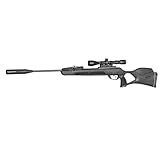
- ARS Mark8.4
ARS Mark is a ranking system developed by bestairriflescopes.com. ARS Mark has no relationship or impact from any manufacturers or sales agent websites. Learn more
- BrandGamo

- ARS Mark7.5
ARS Mark is a ranking system developed by bestairriflescopes.com. ARS Mark has no relationship or impact from any manufacturers or sales agent websites. Learn more
- BrandGamo
Last update on 2026-10-15 / Affiliate links / Images, Product Titles, and Product Highlights from Amazon Product Advertising API


12 Best 22 Pcp Air Rifle For Hunting of 2026 With Quiet Power

7 Best 22 Pcp Air Rifle Under 300 of 2026 For Backyard Pest Control

10 Best 22 Break Barrel Air Rifles of 2026 For Backyard Pest Control

10 Best 30 Caliber Pcp Air Rifle of 2026 For Medium Game

Top Best 177 Air Rifle Under 100: Budget-Friendly Picks for 2026

How to Safely Reload Shotgun Shells at Home

11 Best Co2 Air Rifle For Pest Control of 2026 To Ensure Humane Dispatch

12 Best Inexpensive Air Rifles of 2026 For Dependable Backyard Accuracy






